
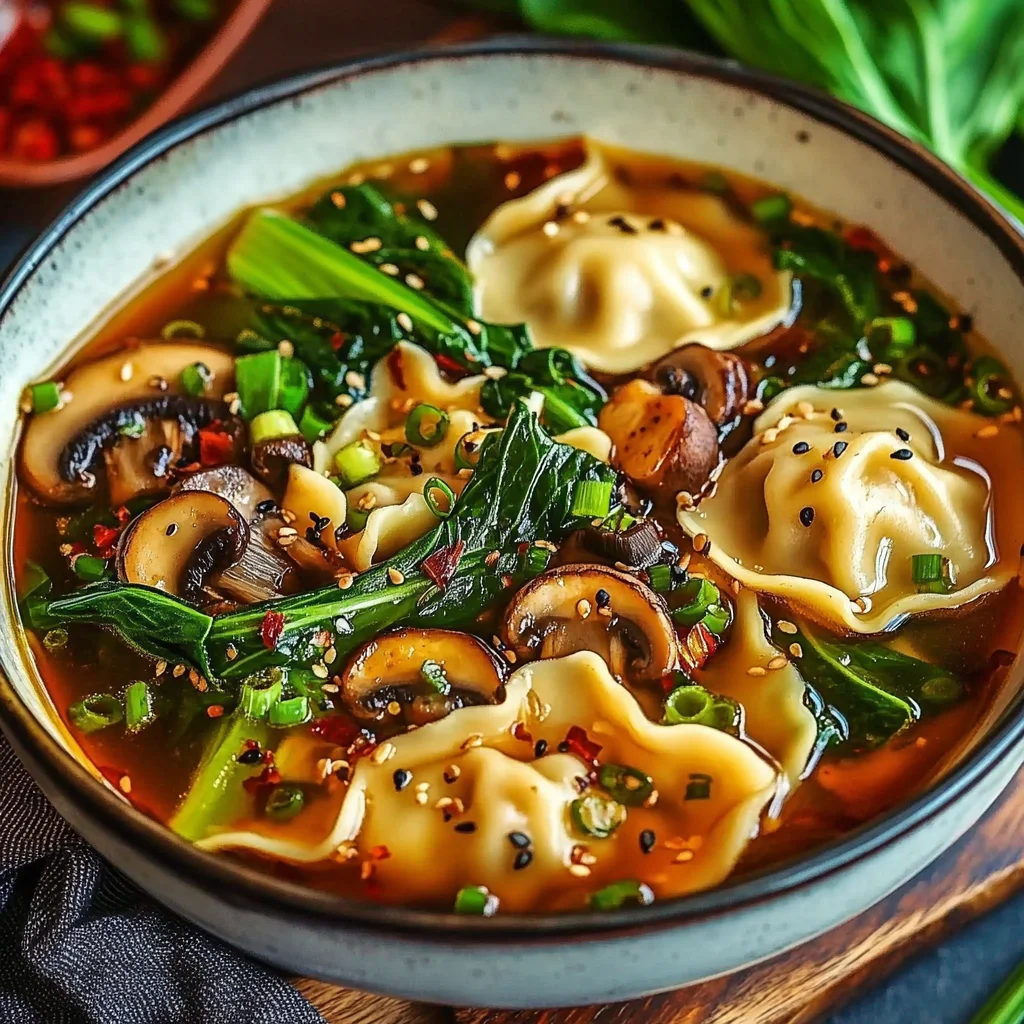
Potsticker Soup: Asian-Inspired Broth with Mushrooms & Bok Choy
Imagine sinking your spoon into a steaming bowl of Potsticker Soup, where pillowy dumplings float in a savory Asian-inspired broth alongside tender mushrooms and crisp bok choy. This comforting dish combines the beloved flavors of pan-fried potstickers with the warmth of homemade soup, creating a meal that’s both satisfying and surprisingly simple to prepare. Whether you’re craving a quick weeknight dinner or looking to impress guests with an restaurant-quality Asian dish, this potsticker soup delivers authentic flavors without requiring hours in the kitchen.
Understanding Potsticker Soup
Potsticker soup represents a creative fusion of traditional Asian dumpling dishes and comforting broth-based meals. Unlike traditional potstickers served crispy and pan-fried, this soup version features dumplings that cook directly in flavorful broth. The result is a tender, silky texture that absorbs the aromatic flavors surrounding it.
This dish draws inspiration from various Asian culinary traditions. Chinese wonton soup and Japanese ramen both influence the concept, yet this recipe stands alone as a distinct comfort food. The combination of protein-filled dumplings, nutrient-rich vegetables, and umami-packed broth creates a complete meal in a single bowl.
The beauty of potsticker soup lies in its versatility. You can prepare it in under 30 minutes using store-bought dumplings, or take your time crafting homemade potstickers for a more involved cooking experience. Either approach yields delicious results that warm you from the inside out.
Essential Ingredients Breakdown
Creating an exceptional Asian-inspired broth with mushrooms and bok choy requires quality ingredients that work together harmoniously. Each component plays a specific role in building layers of flavor.
Core Components
The foundation starts with your choice of broth. Chicken broth provides a light, savory base that doesn’t overpower the delicate dumpling flavors. Vegetable broth offers an equally delicious plant-based alternative. For deeper flavor, bone broth adds richness and nutritional benefits according to Healthline.
Soy sauce serves as the primary seasoning agent. This fermented condiment adds saltiness and umami depth that defines Asian-inspired dishes. Low-sodium varieties give you better control over the final salt level.
Aromatics like fresh ginger and garlic create the flavor backbone. Ginger adds a bright, slightly spicy note while garlic contributes pungent warmth. Fresh aromatics always outperform their dried counterparts in soup applications.
Sesame oil provides a distinctive nutty aroma that signals Asian cuisine. A small amount goes a long way, so use it sparingly. Toasted sesame oil offers more pronounced flavor than regular varieties.
Vegetable Selections
Mushrooms contribute earthy umami while adding satisfying texture. Shiitake mushrooms are traditional choices that offer robust flavor. Baby bella or cremini mushrooms work well as accessible alternatives.
Bok choy brings fresh, mild bitterness and pleasant crunch. This Chinese cabbage wilts quickly in hot broth while maintaining some structural integrity. Both the white stems and green leaves are edible and nutritious.
Green onions or scallions add freshness and mild onion flavor. They work as both cooking ingredients and colorful garnishes. The white and green parts can be used differently throughout the recipe.
Choosing the Right Potstickers
Selecting quality potstickers significantly impacts your soup’s success. Several factors determine which dumplings work best for this preparation method.
Store-Bought Options
Frozen potstickers from Asian grocery stores typically offer the best quality and variety. Look for brands that list recognizable ingredients without excessive fillers or preservatives. Popular filling options include pork, chicken, vegetable, and shrimp varieties.
Check the wrapper thickness when selecting frozen potstickers. Thicker wrappers hold up better in soup without becoming mushy. Thin, delicate wrappers designed for steaming may dissolve too quickly in simmering broth.
Read package instructions carefully. Some frozen potstickers require thawing before cooking while others cook best from frozen. Following manufacturer guidelines ensures proper texture and food safety.
Homemade Alternatives
Making potstickers from scratch allows complete control over ingredients and flavors. This option requires more time but rewards you with superior taste and texture. Round dumpling wrappers are available at most Asian markets.
For the filling, combine ground meat with finely chopped vegetables, ginger, garlic, and seasonings. The mixture should hold together but remain moist. Overmixing can create tough, dense dumplings.
Proper sealing technique prevents potstickers from opening during cooking. Moisten wrapper edges with water before folding and press firmly to seal. Practice improves your folding speed and consistency.
Building the Perfect Broth Base
The broth transforms simple ingredients into a cohesive, flavorful soup. Developing depth requires attention to timing and technique.
Aromatic Foundation
Start by heating oil in a large pot over medium heat. Add minced garlic and grated ginger, cooking until fragrant but not browned. This process, lasting about 30 seconds, releases essential oils that flavor the entire pot.
Browning aromatics creates bitter flavors, so watch carefully. Stir constantly and reduce heat if they begin to darken. The goal is aromatic release, not caramelization.
Liquid Components
Pour in your chosen broth and bring it to a gentle simmer. Add soy sauce gradually, tasting as you go. Remember that potstickers contain seasoning that will infuse into the soup as they cook.
For enhanced complexity, include a small piece of kombu seaweed during simmering. This adds subtle oceanic notes and umami without fishiness. Remove it before serving.
A splash of rice vinegar brightens the broth with gentle acidity. This ingredient balances rich flavors and prevents the soup from tasting flat. Start with one tablespoon and adjust to preference.
Umami Boosters
Miso paste dissolved in a small amount of warm broth adds fermented depth. Use white or yellow miso for mild sweetness, or red miso for bolder flavor. Stir until completely smooth before adding to the pot.
A dash of fish sauce, while optional, provides savory complexity that many find addictive. Use sparingly as it’s intensely flavored. Vegetarians can substitute mushroom-based seasoning sauces.
Selecting Mushrooms for Depth
Mushrooms contribute essential earthy flavors and satisfying texture to Asian-inspired broth. Understanding different varieties helps you make informed choices.
Mushroom Varieties
Shiitake mushrooms are traditional in Asian soups and deliver robust umami flavor. Fresh shiitakes offer the best texture, though dried versions (rehydrated) provide intense flavor. Remove tough stems before slicing the caps.
Oyster mushrooms bring delicate flavor and tender texture. These tear easily into bite-sized pieces rather than requiring slicing. Their subtle taste won’t overpower other ingredients.
Button or cremini mushrooms are budget-friendly options available at any supermarket. While less authentically Asian, they still contribute pleasant earthiness. Slice them thinly for quick cooking.
Enoki mushrooms add visual interest with their long, thin stems. These mild mushrooms cook quickly and provide delicate crunch. Add them near the end of cooking to preserve texture.
Preparation Techniques
Clean mushrooms with a damp cloth rather than running water. Mushrooms absorb moisture like sponges, becoming waterlogged if soaked. Gentle wiping removes dirt without compromising texture.
Slice mushrooms uniformly for even cooking. Quarter-inch thickness works well for most varieties. Consistent sizing ensures all pieces reach optimal tenderness simultaneously.
For intensified flavor, sauté mushrooms separately before adding to soup. This technique caramelizes natural sugars and concentrates taste. Use a hot pan and avoid overcrowding for best results.
Preparing Bok Choy Properly
Bok choy requires specific preparation to maximize its contribution to potsticker soup. This vegetable’s unique structure demands thoughtful handling.
Cleaning and Cutting
Separate individual bok choy stalks and rinse thoroughly under cold water. Dirt often hides between layers near the base. Pay special attention to these areas during cleaning.
The white stems and green leaves cook at different rates. Separate them by cutting where the color changes. This allows you to add stems first for proper tenderness.
Slice stems diagonally into half-inch pieces. This traditional Asian cutting technique increases surface area for faster cooking. The angled cuts also look more attractive in the final presentation.
Roughly chop the leafy green portions. These cook much faster than stems and can be added during the final minutes. Keeping them in larger pieces prevents them from disappearing into the broth.
Baby Bok Choy Considerations
Baby bok choy offers tender texture and sweeter flavor than mature versions. These miniature vegetables can be halved or quartered lengthwise rather than separated into individual stalks.
The smaller size means faster cooking. Baby bok choy needs only 2-3 minutes in simmering soup. Overcooking turns them mushy and diminishes their appealing crunch.
Step-by-Step Cooking Instructions
Follow this detailed process to create restaurant-quality potsticker soup at home. Each step builds upon the previous one for optimal results.
Initial Preparations
Gather and prepare all ingredients before beginning. This mise en place approach ensures smooth cooking without frantic searching. Measure liquids, slice vegetables, and have potstickers ready.
Heat two tablespoons of neutral oil in a large soup pot or Dutch oven over medium heat. Once shimmering, add minced garlic (three cloves) and grated ginger (one tablespoon). Stir constantly for 30 seconds until fragrant.
Building the Broth
Pour in six cups of chicken or vegetable broth. Increase heat to bring the liquid to a boil, then reduce to maintain a gentle simmer. Add three tablespoons of low-sodium soy sauce and one tablespoon of rice vinegar.
Stir in sliced mushrooms (eight ounces) and the white stems of bok choy. These ingredients need several minutes to become tender. Simmer for 5-7 minutes while stirring occasionally.
Adding Potstickers
Carefully place 12-16 frozen potstickers into the simmering broth. Space them out to prevent sticking together. Increase heat slightly to return the soup to a gentle boil.
Cook potstickers according to package directions, typically 6-8 minutes for frozen dumplings. They’re done when they float and appear translucent. Avoid vigorous boiling which can break delicate wrappers.
Final Additions
Add bok choy greens during the last 2-3 minutes of cooking. Stir gently to submerge them in the hot broth. They should wilt but maintain bright green color.
Drizzle one teaspoon of toasted sesame oil over the soup. This finishing oil provides aromatic complexity. Add it at the end to preserve its delicate flavor compounds.
Taste and adjust seasonings. Add more soy sauce for saltiness, rice vinegar for brightness, or a pinch of sugar to balance flavors. Season with white pepper for gentle heat.
Serving Preparations
Ladle soup into individual bowls, ensuring each serving contains potstickers, mushrooms, and bok choy. Garnish with sliced green onions, sesame seeds, and fresh cilantro if desired.
Offer chili oil or sriracha at the table for diners who prefer spicy food. These condiments allow personal customization without affecting the base recipe.
Flavor Variations and Customizations
Potsticker soup with mushrooms and bok choy serves as an excellent canvas for creative adaptations. These variations maintain the dish’s core identity while offering new taste experiences.
Protein Additions
Enhance the soup with additional proteins for heartier meals. Thinly sliced cooked chicken breast adds substance without overwhelming other flavors. Add it during the final minutes to warm through.
Tofu cubes provide plant-based protein and absorb surrounding flavors beautifully. Press firm tofu to remove excess moisture before cutting into half-inch cubes. Extra-firm varieties hold shape better in soup.
Cooked shrimp creates an elegant seafood version. Large shrimp can be halved lengthwise for easier eating. Add them just before serving to prevent overcooking and rubbery texture.
Vegetable Modifications
Expand the vegetable selection for added nutrition and color. Thinly sliced carrots contribute sweetness and bright orange hue. Julienne them for faster cooking or add earlier if using thicker slices.
Sugar snap peas bring pleasant crunch and natural sweetness. Trim ends and add during the final two minutes. Their crisp texture contrasts nicely with tender dumplings.
Baby corn and water chestnuts add authentic Asian flavors and interesting textures. Both are available canned and require only brief heating. Drain and rinse canned vegetables before use.
Spinach or napa cabbage can substitute for bok choy. These leafy greens wilt quickly and offer similar nutritional benefits. Add them during the last minute of cooking.
Spice Level Adjustments
For fiery versions, add chili garlic sauce or gochugaru (Korean chili flakes) to the broth. Start conservatively as these ingredients pack considerable heat. You can always add more but can’t remove excess spice.
Fresh Thai bird’s eye chilies provide intense heat and fruity flavor. Slice them thinly and add with aromatics for distributed spiciness. Remove seeds for milder heat.
White pepper offers traditional Asian heat without changing the soup’s color. It provides different flavor notes than black pepper, with a more pungent, earthy quality.
Noodle Additions
Transform potsticker soup into a more substantial meal by adding noodles. Rice noodles work well and cook quickly. Soak them in hot water before adding to prevent overcooking.
Ramen noodles create a fusion dish that appeals to many palates. Use fresh ramen if available, or good-quality dried versions. Cook them separately and add to bowls before ladling soup over them.
Glass noodles (bean thread noodles) remain translucent after cooking and don’t cloud the broth. Soak them in warm water for 10 minutes, then cut into manageable lengths.
Serving Suggestions and Pairings
Potsticker soup shines as a complete meal, yet thoughtful accompaniments elevate the dining experience. Consider these serving strategies and complementary dishes.
Presentation Tips
Serve soup in wide, shallow bowls that showcase all ingredients. Deep bowls hide the visual appeal of colorful vegetables and plump dumplings. Clear glass or white ceramic bowls provide attractive backgrounds.
Arrange garnishes thoughtfully for restaurant-quality presentation. Place green onion slices in the center, sprinkle sesame seeds around the edges, and add a cilantro sprig at twelve o’clock. These small touches signal care and attention.
Provide Asian-style soup spoons and chopsticks for authentic eating experience. Chopsticks allow diners to pick up individual dumplings and vegetables while spoons handle the flavorful broth.
Side Dish Pairings
Spring rolls or fresh summer rolls complement the soup without duplicating textures. Their crispy exterior or fresh rice paper wrappers contrast with the brothy main dish. Check out our guide on [insert link] for perfect spring roll recipes.
Edamame sprinkled with sea salt makes an excellent starter. These protein-rich soybeans require minimal preparation and offer healthy snacking while soup finishes cooking.
Asian cucumber salad provides cooling contrast to warm soup. Thinly sliced cucumbers tossed with rice vinegar, sesame oil, and a touch of sugar offer refreshing palate cleanser.
Steamed or stir-fried green beans add color and nutrition. Season them simply with garlic and soy sauce to avoid competing with the soup’s complex flavors.
Beverage Pairings
Hot green tea complements Asian-inspired dishes perfectly. Its subtle bitterness and antioxidant properties make it both delicious and healthy. Serve it in traditional small cups.
Jasmine tea adds floral notes that enhance rather than compete with food flavors. This fragrant option appeals to those who find plain green tea too astringent.
Sparkling water with a squeeze of lime cleanses the palate between bites. The carbonation refreshes while citrus adds brightness without overwhelming delicate dumpling flavors.
For cold beverages, iced oolong tea offers complex flavor and moderate caffeine. Its partially oxidized leaves provide characteristics between green and black teas.
Storage and Meal Prep Tips
Proper storage techniques extend the life of potsticker soup and maintain quality. Understanding how components behave during refrigeration helps you plan accordingly.
Refrigeration Guidelines
Store soup in airtight containers in the refrigerator for up to three days. Glass containers prevent flavor absorption and allow you to see contents easily. Leave some headspace for expansion as soup cools.
Potstickers absorb liquid during storage, becoming softer and larger. This natural process continues even in cold temperatures. While texture changes, flavor remains delicious.
For best results, store broth separately from solid ingredients when possible. This prevents vegetables from becoming overly soft and dumplings from disintegrating. Recombine when reheating.
Bok choy becomes mushier after refrigeration but remains perfectly edible. Its nutritional value stays intact despite texture changes. Add fresh bok choy when reheating for crispest results.
Freezing Considerations
Freeze broth without potstickers for best quality. Pour cooled broth into freezer-safe containers, leaving an inch of headspace. Label with date and contents for easy identification.
Cooked potstickers don’t freeze well after being in soup. They become mushy and may fall apart when reheated. Instead, freeze uncooked potstickers separately for future soup batches.
Mushrooms maintain reasonable texture after freezing in soup. Their cell structure changes slightly but they remain enjoyable. Bok choy, however, becomes quite soft after freezing and thawing.
Thaw frozen soup overnight in the refrigerator for safest results. This gradual thawing prevents bacterial growth and maintains better texture than microwave defrosting.
Reheating Methods
Reheat soup gently on the stovetop over medium-low heat. Bring it to a simmer rather than a rolling boil. Vigorous heating can break apart delicate dumplings that softened during storage.
Stir occasionally while reheating to distribute heat evenly. This prevents scorching on the bottom and ensures all ingredients reach safe serving temperature (165°F).
Microwave reheating works for individual portions but requires care. Use 50% power and heat in two-minute intervals, stirring between each. This prevents uneven hot spots and exploding dumplings.
Add a splash of fresh broth or water if soup thickens during storage. Starches from potstickers naturally thicken liquid over time. Thinning restores original consistency.
Meal Prep Strategies
Prepare components separately for efficient weekday meals. Store cooked broth with mushrooms, keep fresh bok choy washed and cut, and have frozen potstickers ready. Combine everything when ready to eat.
Make double batches of broth and freeze half for future use. This strategy saves time on busy weeks when you want homemade soup quickly. Defrost and add fresh ingredients for nearly-instant meals.
Pre-portioned containers make lunch prep effortless. Divide soup into individual servings immediately after cooking. Grab one from the refrigerator each morning for work or school.
Nutritional Benefits
Potsticker soup with mushrooms and bok choy delivers impressive nutritional value alongside its delicious taste. Understanding these benefits helps you appreciate this dish as nourishing comfort food.
Protein Content
Potstickers filled with meat or seafood provide substantial protein for muscle maintenance and satiety. A typical serving contains 15-20 grams depending on dumpling size and filling. Protein-rich meals help maintain energy levels throughout the day.
Vegetable-filled potstickers offer less protein but can be complemented with tofu additions. Combining plant proteins creates complete amino acid profiles necessary for optimal health according to Harvard Health.
The broth itself contains protein if made from chicken or bone broth. Collagen and gelatin from bones break down during cooking into easily digestible amino acids. These compounds support joint health and gut function.
Vegetable Nutrition
Bok choy delivers impressive amounts of vitamins A, C, and K in every serving. This cruciferous vegetable contains cancer-fighting compounds called glucosinolates. Its high water content adds volume without excessive calories.
Mushrooms provide B vitamins, selenium, and copper essential for various bodily functions. They’re one of few non-animal vitamin D sources, especially when exposed to sunlight. The umami flavor comes from naturally occurring glutamates.
Green onions add vitamin K and antioxidants while keeping calorie count low. Their mild allium compounds support cardiovascular health. The green portions contain more nutrients than white parts.
Broth Benefits
Homemade broth contains minerals extracted from bones and vegetables during cooking. Calcium, magnesium, and phosphorus leach into the liquid, becoming easily absorbable. These minerals support bone density and overall health.
The warm liquid aids digestion and provides hydration. Soup’s high water content helps meet daily fluid needs while delivering nutrients. This makes it excellent for recovery from illness.
Ginger in the broth offers anti-inflammatory properties and digestive support. This root has been used medicinally for thousands of years. Even small amounts provide therapeutic benefits.
Calorie Considerations
A typical serving of potsticker soup contains 250-350 calories depending on portion size and ingredients. This makes it a satisfying yet reasonable meal choice. The balance of protein, vegetables, and carbohydrates creates lasting fullness.
Using low-sodium broth and light soy sauce reduces sodium content significantly. Excess sodium can contribute to high blood pressure and water retention. Controlling salt levels makes this soup heart-healthy.
The soup’s high volume relative to calories promotes satiety without overeating. Vegetables and broth fill the stomach, triggering fullness signals to the brain. This natural portion control aids weight management.
Common Mistakes to Avoid
Even experienced cooks encounter challenges when preparing Asian-inspired broth with dumplings. Recognizing these pitfalls helps you achieve better results consistently.
Overcooking Potstickers
Cooking dumplings too long causes wrappers to dissolve into the broth. They become mushy and may break apart when serving. Follow package timing precisely and remove pot from heat immediately when done.
Testing one dumpling before declaring them finished prevents batch-wide overcooking. Cut it open to check that filling reaches safe temperature. The wrapper should be tender but intact.
Residual heat continues cooking even after removing from burner. Factor this into timing, especially with electric stoves that retain heat longer. Consider removing soup slightly before dumplings reach perfect doneness.
Incorrect Broth Seasoning
Adding full-sodium soy sauce without tasting leads to overly salty soup. Remember that potstickers release seasonings as they cook. Build flavor gradually, tasting frequently throughout the process.
Forgetting acid component leaves soup tasting flat despite adequate salt. Rice vinegar brightens flavors and balances richness. A tablespoon transforms one-dimensional soup into complex, exciting dish.
Over-relying on sesame oil creates overwhelming nutty flavor. This potent ingredient should accent rather than dominate. One teaspoon for an entire pot provides sufficient aroma.
Temperature Management Issues
Boiling soup too vigorously breaks delicate dumplings and turns vegetables mushy. Maintain gentle simmer that barely breaks the surface. Adjust heat as needed throughout cooking.
Adding frozen potstickers without increasing heat causes temperature drop. The soup stops simmering, extending cooking time unpredictably. Briefly raise heat when adding cold ingredients.
Serving soup lukewarm disappoints diners expecting steaming comfort food. Reheat until visibly steaming but not boiling. Hot soup releases more aromatic compounds for fuller flavor experience.
Vegetable Timing Errors
Adding bok choy too early results in gray, overcooked greens that lose nutritional value. These quick-cooking vegetables need only 2-3 minutes. Preserve color and crunch by adding them last.
Cutting vegetables too large creates uneven cooking. Bite-sized pieces ensure everything finishes simultaneously. Consistent sizing also makes eating easier and more elegant.
Forgetting to separate bok choy stems from leaves causes texture problems. Stems require several additional minutes compared to leafy portions. This simple step dramatically improves final results.
Preparation Shortcuts
Using water instead of broth produces bland, disappointing soup. Quality broth provides the flavor foundation that water simply cannot match. This isn’t the place to cut corners.
Skipping fresh ginger and garlic in favor of powdered versions significantly diminishes flavor. These aromatics provide essential character that defines Asian cuisine. Fresh ingredients make noticeable difference.
Neglecting to clean bok choy thoroughly leaves gritty texture from trapped dirt. Take time to rinse each stalk carefully. This extra minute prevents unpleasant surprises during eating.
Frequently Asked Questions
Can I use fresh potstickers instead of frozen?
Fresh potstickers work beautifully in soup and often have superior texture. They typically cook faster than frozen versions, requiring only 4-5 minutes in simmering broth. Watch them carefully to prevent overcooking. Fresh dumplings may be more delicate, so handle gently when stirring.
What’s the best way to make potsticker soup vegetarian?
Create delicious vegetarian versions by using vegetable broth and potstickers filled with vegetables, tofu, or mushrooms. Replace fish sauce with mushroom-based seasoning or additional soy sauce. Add extra protein through cubed tofu or edamame. The resulting soup is equally flavorful and completely plant-based.
How do I prevent potstickers from sticking together in soup?
Space dumplings apart when adding them to broth, avoiding contact between them initially. Gently stir after one minute to separate any that touch. Using a larger pot provides more room for movement. Cook in batches if necessary rather than crowding the pot.
Can I make the broth ahead of time?
Absolutely! Prepare and refrigerate broth up to three days in advance. This actually allows flavors to meld and deepen overnight. Reheat the broth, then cook potstickers and add vegetables fresh when ready to serve. This strategy saves significant time on busy evenings.
What can I substitute for bok choy?
Napa cabbage, spinach, Swiss chard, or yu choy all work as bok choy alternatives. Each brings slightly different flavor and texture but maintains the soup’s Asian character. Adjust cooking times based on your chosen substitute’s tenderness. Leafy greens generally need less time than cabbage varieties.
Is potsticker soup gluten-free?
Traditional potsticker soup contains gluten in both dumpling wrappers and soy sauce. However, you can make gluten-free versions using rice-flour dumpling wrappers and tamari instead of regular soy sauce. Check all ingredient labels carefully as gluten hides in unexpected places. Many Asian markets carry gluten-free dumpling options.
How can I add more vegetables to this soup?
The recipe welcomes additional vegetables enthusiastically. Try adding snow peas, bell peppers, baby corn, bamboo shoots, or bean sprouts. Add harder vegetables with mushrooms and softer ones with bok choy. Keep total vegetable quantity reasonable so soup doesn’t become overcrowded.
What makes the broth cloudy?
Cloudy broth typically results from boiling too vigorously, which emulsifies fats and breaks down proteins. Maintain gentle simmer throughout cooking. Using pre-made broth that contains starches or additives can also cause cloudiness. This doesn’t affect flavor but changes visual presentation.
Potsticker soup with mushrooms and bok choy delivers restaurant-quality Asian comfort food right in your own kitchen. This complete meal combines protein-rich dumplings, nutritious vegetables, and flavorful broth into a dish that satisfies both body and soul. The recipe’s flexibility allows endless customization while remaining accessible to cooks of all skill levels. Whether you’re preparing a quick weeknight dinner or planning meal prep for the week ahead, this soup provides warmth, nourishment, and authentic Asian flavors that everyone will love.
Potsticker Soup: Asian-Inspired Broth with Mushrooms & Bok Choy
Description
Potsticker Soup: Asian-Inspired Broth with Mushrooms & Bok Choy
Ingredients
• 1 tbsp sesame oil
• 1 small onion, sliced
• 3 garlic cloves, minced
• 1 tbsp fresh ginger, grated
• 8 oz mushrooms, sliced (shiitake or cremini)
• 6 cups chicken broth
• 2 tbsp soy sauce
• 1 tbsp rice vinegar
• 1 tsp chili paste or sriracha (optional for heat)
• 1 (14–16 oz) bag frozen potstickers/dumplings (pork or chicken)
• 2 cups chopped bok choy
• 2 green onions, sliced
• Optional: fresh cilantro, sesame seeds, lime wedges
Instructions
-
In a large pot, heat sesame oil over medium. Sauté onion, garlic, and ginger 2–3 minutes until fragrant.
-
Add mushrooms and cook until softened and slightly browned.
-
Pour in chicken broth, soy sauce, and rice vinegar. Simmer gently.
-
Add frozen potstickers straight to the pot. Cook according to the package, usually 6–8 minutes.
-
Stir in bok choy during the last 2 minutes so it stays bright and crisp-tender.
-
Taste the broth and adjust seasoning or spice level.
-
Serve hot, topped with green onion, cilantro, a squeeze of lime, and sesame seeds if you’re feeling glamorous.