
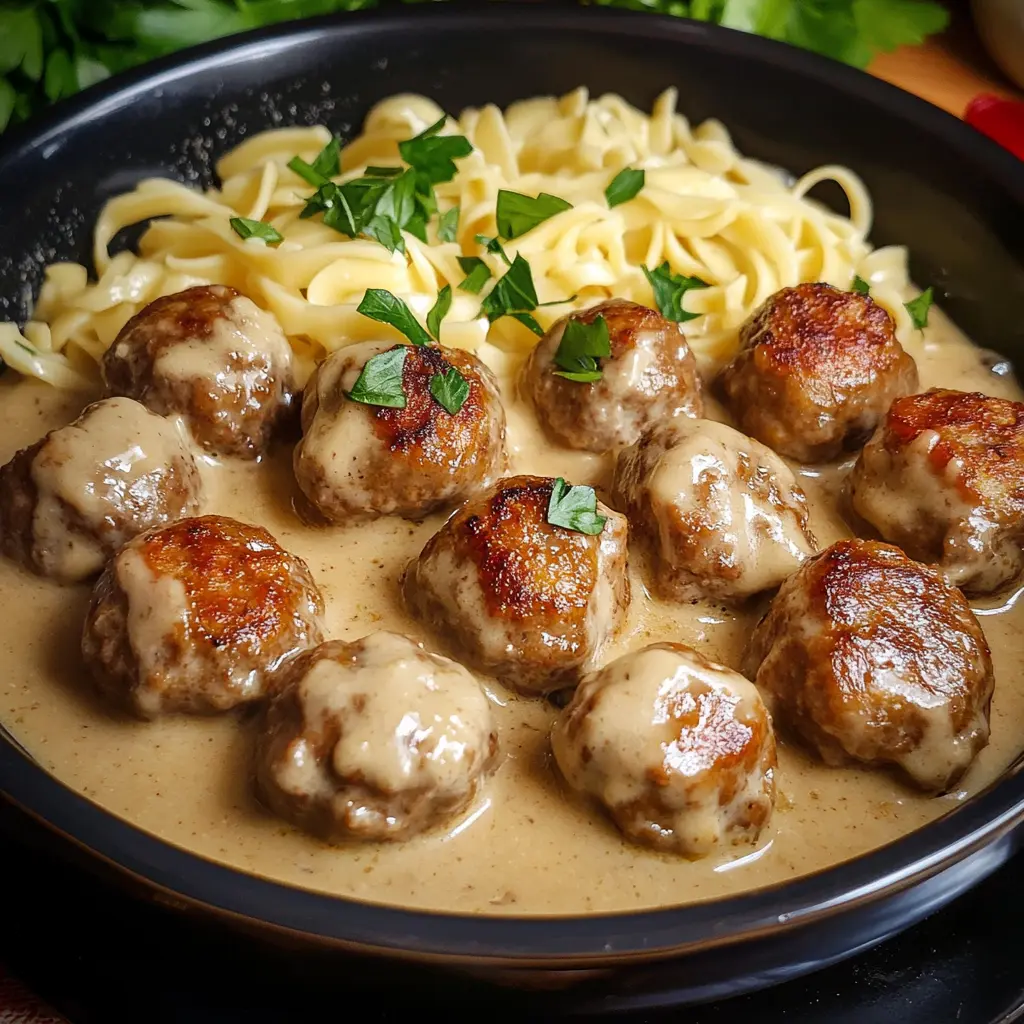
Swedish Meatballs: The Ultimate Guide to Making This Classic Comfort Dish at Home
Swedish meatballs are a beloved comfort food that has captured hearts worldwide with their tender, flavorful meat and creamy, savory sauce. Whether you grew up enjoying them at family dinners or discovered them at your favorite furniture store café, these delicious morsels represent the perfect blend of Scandinavian tradition and accessible home cooking. This comprehensive guide will walk you through everything you need to know about creating authentic Swedish meatballs in your own kitchen, from selecting the right ingredients to mastering the signature cream sauce that makes this dish unforgettable.
What Are Swedish Meatballs?
Swedish meatballs, known as “köttbullar” in Sweden, are small, round meatballs typically made from a mixture of ground beef and pork. The meat mixture includes breadcrumbs, egg, onions, and a blend of warm spices that create their distinctive flavor profile. These meatballs are traditionally served with a rich, creamy gravy, lingonberry jam, and mashed or boiled potatoes.
The texture sets Swedish meatballs apart from other meatball varieties. They’re incredibly tender and almost melt-in-your-mouth soft. This texture comes from the combination of finely ground meat, soaked breadcrumbs, and proper mixing technique. The meatballs are smaller than Italian-style meatballs, usually about one inch in diameter.
The signature cream sauce that accompanies Swedish meatballs features beef broth, heavy cream, and sometimes a touch of soy sauce for depth. This sauce complements the mild, slightly sweet flavor of the meatballs perfectly. The combination creates a comforting dish that appeals to both children and adults alike.
History and Cultural Significance
Swedish meatballs have a fascinating history that reflects centuries of culinary evolution. Contrary to popular belief, King Charles XII of Sweden may have brought the recipe from Turkey in the early 18th century. However, the dish has become so deeply integrated into Swedish cuisine that it now represents an iconic national treasure.
Traditional Swedish Celebrations
In Sweden, families commonly serve köttbullar during holiday gatherings and Sunday dinners. The dish represents comfort, tradition, and togetherness. Swedish cooks take pride in their family recipes, which often pass down through generations with small variations.
The meatballs also play a central role in the traditional Swedish smörgåsbord. This buffet-style meal features various dishes, and Swedish meatballs always earn a prominent spot. They’re served warm alongside pickled herring, gravlax, and other classic Swedish preparations.
Global Popularity
Swedish meatballs gained international fame through furniture store cafeterias and frozen food sections. Today, people around the world recognize and love this dish. The global popularity has led to countless adaptations while the core elements remain consistent across cultures.
Essential Ingredients for Swedish Meatballs
Creating authentic Swedish meatballs requires specific ingredients that work together to achieve the perfect flavor and texture. Each component plays a crucial role in the final dish.
Meat Selection
The traditional recipe calls for a combination of ground beef and ground pork. This mixture provides the ideal balance of flavor and fat content. The beef contributes a robust, meaty taste while the pork adds moisture and tenderness. A typical ratio uses equal parts of each meat or slightly more beef than pork.
Choose ground beef with 80-85% lean meat for best results. Too lean and your meatballs become dry. Too fatty and they won’t hold their shape well. The pork should also have a moderate fat content, around 80-85% lean.
Binding Ingredients
Breadcrumbs and milk form the panade, a crucial element that keeps the meatballs tender. The breadcrumbs absorb moisture from the milk and expand, creating a lighter texture. Let this mixture sit for at least 10 minutes before adding it to the meat.
Fresh breadcrumbs work better than dried ones. You can make them by pulsing day-old bread in a food processor. Plain breadcrumbs without added seasonings allow you to control the flavor profile completely.
One egg binds everything together and adds richness. Some recipes call for an egg yolk only, which creates an even more tender result. However, a whole egg works perfectly fine for most home cooks.
Aromatics and Seasonings
Finely minced or grated onion provides essential flavor and moisture. The onion should be very finely processed so it distributes evenly throughout the meat mixture. Some cooks prefer to sauté the onion first to mellow its sharpness, though raw onion is traditional.
The classic spice blend includes:
-
Ground allspice
-
White pepper
-
Nutmeg
-
Salt
Allspice is the signature spice in Swedish meatballs. This warm spice adds a subtle sweetness and complexity. White pepper provides heat without visible black specks. A tiny pinch of nutmeg rounds out the flavor profile with earthy warmth.
Cream Sauce Ingredients
The creamy sauce requires:
-
Butter
-
All-purpose flour
-
Beef broth
-
Heavy cream
-
Soy sauce (optional but recommended)
-
Worcestershire sauce
Quality beef broth makes a significant difference in the sauce. Homemade stock provides the best flavor, but store-bought works well too. Look for low-sodium versions so you can control the salt level.
Step-by-Step Recipe Instructions
Making the Meatball Mixture
Start by combining the breadcrumbs and milk in a large bowl. Stir them together and let the mixture sit for 10 minutes. This resting period allows the breadcrumbs to absorb all the liquid and swell up.
While the panade rests, prepare your onion. Grate it on the fine side of a box grater or mince it extremely finely with a sharp knife. You want tiny pieces that will disappear into the meat mixture.
Add the ground beef and ground pork to the bowl with the soaked breadcrumbs. Crack in the egg and add your minced onion. Season with salt, white pepper, allspice, and just a hint of nutmeg. Mix everything together gently but thoroughly.
Don’t overwork the meat mixture. Overmixing develops the proteins too much and results in tough, dense meatballs. Mix just until all ingredients combine evenly throughout.
Shaping the Meatballs
Prepare a baking sheet lined with parchment paper. Keep a small bowl of water nearby to wet your hands. This prevents the meat from sticking to your palms as you roll.
Scoop about one tablespoon of the meat mixture for each meatball. Roll it gently between your palms to form a smooth, round ball. The meatballs should be about one inch in diameter. Uniformity ensures even cooking.
Place each shaped meatball on the prepared baking sheet. Leave a little space between them so they don’t touch. This recipe typically yields 40-50 meatballs depending on size.
Cooking Methods
Pan-Frying Method:
Heat a large skillet over medium heat and add butter or neutral oil. Once hot, carefully add the meatballs in batches. Don’t overcrowd the pan or they’ll steam instead of brown.
Cook the meatballs for about 8-10 minutes total. Turn them every 2-3 minutes to brown all sides evenly. They should develop a nice golden-brown crust. The meatballs don’t need to cook through completely since they’ll finish in the sauce.
Baking Method:
Preheat your oven to 400°F (200°C). Arrange the shaped meatballs on a rimmed baking sheet. Brush or spray them lightly with oil to promote browning.
Bake for 15-18 minutes until golden brown and cooked through. Turn them halfway through cooking for even browning. This method is less labor-intensive and produces consistent results.
Making the Perfect Cream Sauce
The cream sauce transforms Swedish meatballs from good to extraordinary. This rich, velvety gravy brings all the flavors together beautifully.
Building Flavor
If you pan-fried the meatballs, use the same skillet for the sauce. The browned bits stuck to the bottom (fond) add incredible depth of flavor. If you baked them, start with a clean pan.
Melt butter over medium heat. Once foaming, add the flour and whisk constantly for 1-2 minutes. This creates a roux that will thicken your sauce. Cook the roux until it smells nutty but hasn’t browned.
Gradually pour in the beef broth while whisking continuously. This prevents lumps from forming. The mixture will seem thin at first but will thicken as it comes to a simmer.
Creating the Creamy Texture
Once the broth thickens slightly, reduce the heat to low. Stir in the heavy cream slowly. The sauce should be smooth and coat the back of a spoon.
Add a tablespoon of soy sauce and a splash of Worcestershire sauce. These ingredients might seem unconventional, but they add umami depth that makes the sauce taste richer. Many Swedish cooks swear by this secret ingredient.
Season the sauce with salt and white pepper to taste. Remember that the meatballs are already seasoned, so you may need less salt than expected. The sauce should taste balanced—creamy, savory, and slightly rich.
Combining Meatballs and Sauce
Return the browned meatballs to the pan with the cream sauce. Gently stir to coat each meatball. Let everything simmer together for 10-15 minutes. This allows the meatballs to finish cooking and absorb some of the sauce flavors.
The sauce will continue to thicken as it simmers. If it becomes too thick, thin it with a splash of broth or cream. If too thin, let it simmer a bit longer or whisk in a small amount of flour mixed with cold water.
Serving Suggestions and Side Dishes
Traditional Accompaniments
Swedish meatballs traditionally pair with lingonberry jam. This tart, slightly sweet preserve provides a perfect contrast to the rich, creamy sauce. The bright acidity cuts through the heaviness and refreshes your palate between bites.
Mashed potatoes are the classic side dish. Their smooth, buttery texture complements the tender meatballs. Some prefer boiled new potatoes instead, which offer a lighter alternative.
Additional Side Options
Pickled Cucumber Salad:
This light, tangy salad balances the richness of the dish. Thinly sliced cucumbers marinate in a vinegar-based dressing with fresh dill. The crunch and acidity provide textural and flavor contrast.
Egg Noodles:
Buttered egg noodles make an excellent base for Swedish meatballs. They soak up the cream sauce wonderfully. Cook them al dente so they maintain some texture.
Steamed Vegetables:
Green beans, carrots, or broccoli add color and nutrition to the plate. Simple steaming with a pat of butter keeps them light and lets the meatballs remain the star.
Presentation Tips
Arrange the meatballs in a shallow serving bowl or on a platter. Pour the cream sauce over and around them generously. Garnish with fresh chopped parsley for a pop of color.
Serve the lingonberry jam in a small bowl on the side. Let each person add as much as they prefer. The bright red color makes an attractive addition to the plate.
For family-style serving, bring everything to the table in serving dishes. This creates a warm, inviting atmosphere that reflects Swedish hospitality traditions.
Common Mistakes to Avoid
Overmixing the Meat
Many home cooks mix the meat mixture too vigorously. This develops the proteins excessively and results in tough, dense meatballs. Mix just until ingredients combine evenly. The texture should remain somewhat loose and slightly sticky.
Skipping the Panade
The breadcrumb and milk mixture isn’t optional. It keeps the meatballs tender and prevents them from drying out during cooking. Always let this mixture sit for the full 10 minutes before adding the meat.
Making Meatballs Too Large
Swedish meatballs should be small and delicate. Oversized meatballs take longer to cook and lose the authentic character of the dish. Keep them around one inch in diameter for best results.
Cooking at Too High Heat
High heat causes the outside to brown too quickly while the inside remains raw. Medium heat allows even cooking throughout. Patience ensures perfectly cooked meatballs with a nice crust.
Neglecting to Simmer
Letting the meatballs simmer in the sauce is crucial. This final step ensures they’re cooked through and allows flavors to meld together. Don’t skip this important finishing stage.
Variations and Dietary Adaptations
All-Beef Version
For those who don’t eat pork, use all ground beef. Choose a fattier grind (80% lean) to compensate for the moisture that pork would provide. The flavor will be slightly different but still delicious.
Turkey Swedish Meatballs
Ground turkey creates a lighter version. Add extra breadcrumbs and consider mixing in some ground dark meat turkey for moisture. Turkey meatballs need gentle handling since they’re more delicate.
Gluten-Free Adaptation
Replace regular breadcrumbs with gluten-free versions or use rolled oats processed into fine crumbs. Ensure your beef broth and other ingredients are certified gluten-free. Use a gluten-free flour blend for the cream sauce roux.
Dairy-Free Option
Substitute the milk in the meatballs with unsweetened plant-based milk. For the cream sauce, use full-fat coconut cream or cashew cream instead of heavy cream. Use dairy-free butter or oil for cooking.
Lower-Fat Version
Use extra-lean ground beef and turkey instead of pork. Bake the meatballs instead of frying. Make the sauce with half-and-half instead of heavy cream. While not as rich, this version still delivers great flavor.
Storage and Reheating Tips
Refrigeration
Store cooked Swedish meatballs in an airtight container in the refrigerator. They’ll keep well for 3-4 days. Keep the sauce and meatballs together so they stay moist.
Let the meatballs cool to room temperature before refrigerating. Don’t leave them at room temperature for more than two hours to ensure food safety.
Freezing Guidelines
Swedish meatballs freeze exceptionally well. This makes them perfect for meal prep. Freeze them in the sauce or separately, depending on your preference.
For best results, portion them into serving-sized containers. This allows you to thaw only what you need. Properly frozen meatballs maintain quality for up to 3 months.
To freeze, cool completely first. Transfer to freezer-safe containers or heavy-duty freezer bags. Remove as much air as possible to prevent freezer burn. Label with the date and contents.
Reheating Methods
Stovetop:
Place the meatballs and sauce in a skillet over medium-low heat. Cover and heat gently, stirring occasionally. Add a splash of broth or cream if the sauce has thickened too much. This method preserves the best texture.
Microwave:
Transfer portions to a microwave-safe dish. Cover with a damp paper towel to retain moisture. Heat on medium power in 1-minute intervals, stirring between each. This prevents hot spots and ensures even heating.
Oven:
Preheat to 325°F (165°C). Place meatballs and sauce in an oven-safe dish. Cover with foil and heat for 20-25 minutes until warmed through. This method works well for larger quantities.
Thawing Frozen Meatballs
The safest method is overnight thawing in the refrigerator. Plan ahead and transfer the container from freezer to fridge the night before serving.
For faster thawing, place the sealed container in cold water. Change the water every 30 minutes. Never thaw at room temperature as this promotes bacterial growth.
Frequently Asked Questions
What makes Swedish meatballs different from regular meatballs?
Swedish meatballs feature a unique blend of spices including allspice and nutmeg. They’re smaller and more delicate than Italian meatballs. The cream sauce and lingonberry jam accompaniment also distinguish them. The meat mixture includes soaked breadcrumbs for exceptional tenderness.
Can I make Swedish meatballs ahead of time?
Yes, Swedish meatballs are perfect for advance preparation. Shape them and refrigerate for up to 24 hours before cooking. You can also fully cook them and store in the refrigerator for 3-4 days. They actually taste better the next day as flavors develop.
Why are my Swedish meatballs falling apart?
Meatballs fall apart due to insufficient binding or rough handling. Make sure to include the egg and soaked breadcrumbs. Mix the ingredients thoroughly but gently. Let the shaped meatballs rest in the refrigerator for 30 minutes before cooking to help them firm up.
What can I substitute for lingonberry jam?
Cranberry sauce makes an excellent substitute for lingonberry jam. The flavor profile is very similar—tart and slightly sweet. Red currant jelly or raspberry preserves also work well. Some people use a mixture of cranberry sauce and a touch of sugar.
How do I prevent the cream sauce from curdling?
Keep the heat moderate when making cream sauce. High heat can cause the dairy to separate. Add the cream slowly while stirring constantly. If the sauce seems too hot, remove it from the heat before adding the cream.
Can I use pre-made frozen meatballs?
While fresh homemade Swedish meatballs offer the best flavor and texture, you can use quality store-bought ones in a pinch. Heat them according to package directions, then simmer in homemade cream sauce. The sauce makes a huge difference in the final result.
What’s the best way to get evenly sized meatballs?
Use a small cookie scoop or measuring spoon to portion the meat mixture. This ensures consistency. A tablespoon scoop creates meatballs about one inch in diameter. Wet your hands before rolling to prevent sticking and achieve smooth, round shapes.
Should Swedish meatballs be cooked all the way through before adding to sauce?
The meatballs should be browned on the outside but don’t need to be fully cooked. They’ll finish cooking as they simmer in the cream sauce. This two-step process keeps them juicy and allows them to absorb flavor from the sauce.
Conclusion
Swedish meatballs represent comfort food at its finest—tender, flavorful, and satisfying. This classic dish combines simple ingredients with traditional techniques to create something truly special. From the perfectly spiced meat mixture to the luxurious cream sauce, every element works together harmoniously.
Making authentic Swedish meatballs at home is easier than many people think. With the right ingredients and techniques outlined in this guide, you can recreate this beloved dish in your own kitchen. The process is straightforward and the results are always impressive.
Whether you’re serving Swedish meatballs for a family dinner, holiday gathering, or meal prep session, they never disappoint. The combination of tender meatballs, rich cream sauce, and tangy lingonberry jam creates a memorable eating experience. This versatile dish pairs well with various sides and adapts to different dietary needs.

Swedish Meatballs
Description
Swedish Meatballs
Ingredients
Meatballs
• 1 lb ground beef
• 1/2 lb ground pork
• 1/2 cup breadcrumbs
• 1 egg
• 1/4 cup onion, very finely minced
• 1/4 cup milk
• 1/2 tsp salt
• 1/2 tsp black pepper
• 1/4 tsp nutmeg
• 1/4 tsp allspice
Gravy
• 4 tbsp butter
• 1/4 cup flour
• 2 cups beef broth
• 1 cup heavy cream or half-and-half
• 1 tbsp Worcestershire sauce
• Salt and pepper to taste
• Fresh parsley for garnish
Optional: a spoonful of lingonberry jam on the side if you want to feel fancy like IKEA
Instructions
-
Mix all meatball ingredients gently until combined. Roll into small 1-inch balls.
-
Heat a large skillet over medium heat and brown the meatballs on all sides. Remove and set aside.
-
In the same skillet, melt butter and whisk in flour to form a light brown roux.
-
Slowly pour in beef broth while whisking, then the cream. Stir in Worcestershire sauce.
-
Simmer a couple minutes until the gravy thickens, then return the meatballs to the pan.
-
Cook on low 8–10 minutes until the meatballs are fully cooked and the sauce clings to them beautifully.
-
Taste, adjust seasoning, and shower with parsley.