
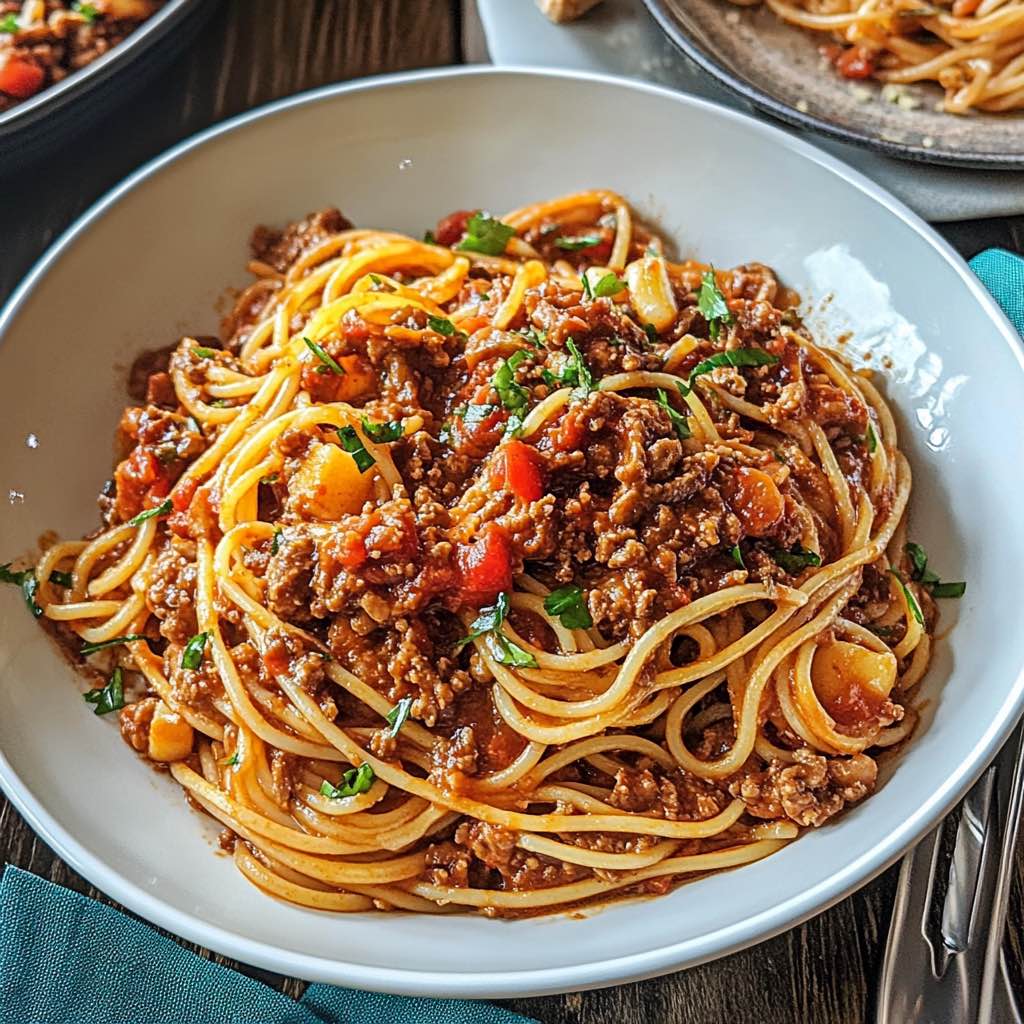
Quick Beef Ragù Spaghetti: The Ultimate 30-Minute Italian Comfort Food Recipe
Introduction
Quick beef ragù spaghetti transforms ordinary weeknight dinners into extraordinary Italian experiences. This beloved comfort food combines tender ground beef, aromatic vegetables, and rich tomato sauce to create a satisfying meal in just 30 minutes. Unlike traditional ragù that simmers for hours, this streamlined version delivers authentic Italian flavors without the lengthy cooking time.
Therefore, busy home cooks can enjoy restaurant-quality pasta without sacrificing flavor or spending hours in the kitchen. In addition, this versatile recipe adapts easily to dietary preferences and ingredient availability. However, the key lies in understanding proper techniques and ingredient selection.
Table of Contents
What Makes Quick Beef Ragù Spaghetti Special
Quick beef ragù spaghetti represents the perfect balance between convenience and authenticity. Furthermore, this dish captures the essence of traditional Italian cooking while accommodating modern lifestyles.
The Italian Heritage
Traditional ragù originated in Bologna during the 18th century. However, quick versions have evolved to meet contemporary demands. Therefore, modern home cooks can experience authentic Italian flavors without extensive preparation time.
Time-Saving Advantages
Quick beef ragù spaghetti offers several benefits:
-
Preparation time: 10 minutes
-
Cooking time: 20 minutes
-
Total time: 30 minutes
-
Serves 4-6 people generously
Flavor Development Techniques
Despite shorter cooking times, quick beef ragù achieves remarkable depth through specific techniques:
-
High-heat browning for meat caramelization
-
Proper vegetable sautéing for aromatic base
-
Strategic seasoning at multiple stages
-
Controlled simmering for sauce reduction
Essential Ingredients for Perfect Ragù
Primary Ingredients
Ground Beef (1.5 pounds)
Choose 80/20 ground beef for optimal flavor and texture. Therefore, the fat content provides richness without overwhelming greasiness. In addition, this ratio ensures proper browning and moisture retention.
Spaghetti Pasta (1 pound)
Select high-quality durum wheat spaghetti for best results. However, other long pasta shapes work equally well. Furthermore, proper pasta cooking significantly impacts final dish quality.
Crushed Tomatoes (28 oz can)
San Marzano tomatoes offer superior sweetness and acidity balance. Nevertheless, quality domestic brands provide excellent alternatives. Additionally, whole tomatoes crushed by hand create better texture.
Aromatic Vegetables
Yellow Onion (1 large)
Dice finely for even cooking and flavor distribution. Therefore, proper knife skills enhance overall dish quality.
Carrots (2 medium)
Grate or dice finely for subtle sweetness. In addition, carrots provide natural color enhancement.
Celery (2 stalks)
Dice small for aromatic foundation. However, avoid large pieces that overpower other flavors.
Garlic (4 cloves)
Mince fresh garlic for maximum impact. Furthermore, avoid pre-minced varieties when possible.
Seasonings and Herbs
-
Fresh basil (1/4 cup chopped)
-
Dried oregano (2 teaspoons)
-
Bay leaves (2 whole)
-
Salt and black pepper (to taste)
-
Red pepper flakes (optional)
Quality Enhancements
Extra Virgin Olive Oil
Use high-quality oil for sautéing vegetables. Therefore, good oil contributes significantly to final flavor.
Parmesan Cheese
Freshly grated Parmigiano-Reggiano elevates the dish considerably. However, aged varieties provide more complex flavors.
Fresh Herbs
Fresh basil and parsley brighten the finished dish. In addition, they provide color contrast and aromatic appeal.
Step-by-Step Cooking Instructions
Preparation Phase (10 minutes)
Step 1: Ingredient Preparation
Dice onion, carrots, and celery into uniform pieces. Therefore, consistent sizing ensures even cooking. Additionally, mince garlic and measure all seasonings.
Step 2: Equipment Setup
Heat large, heavy-bottomed pot over medium-high heat. Furthermore, prepare colander for pasta draining. However, avoid using lightweight cookware that causes uneven heating.
Cooking Process (20 minutes)
Step 3: Meat Browning (5 minutes)
Add ground beef to hot pot without oil. Therefore, natural fat renders properly. Break meat into small pieces using wooden spoon. However, avoid over-stirring that prevents browning.
Cook until meat develops golden-brown color. Furthermore, proper browning creates flavor foundation through Maillard reaction.
Step 4: Vegetable Sautéing (3 minutes)
Push browned meat to one side of pot. Add olive oil to empty space. Therefore, vegetables cook in rendered fat and oil combination.
Add diced onion, carrots, and celery. Sauté until vegetables soften slightly. However, maintain some texture for better mouthfeel.
Step 5: Garlic and Seasoning (1 minute)
Add minced garlic, oregano, and bay leaves. Stir constantly to prevent burning. Therefore, aromatics release essential oils without becoming bitter.
Step 6: Tomato Addition (10 minutes)
Pour crushed tomatoes over meat and vegetables. Add salt, pepper, and red pepper flakes. Therefore, flavors begin melding immediately.
Bring mixture to gentle boil, then reduce heat. Simmer uncovered for 8-10 minutes. However, avoid rapid boiling that breaks down ingredients.
Step 7: Pasta Cooking (8-10 minutes)
Start pasta water when ragù begins simmering. Use large pot with abundant salted water. Therefore, pasta cooks evenly without sticking.
Cook spaghetti according to package directions minus 1 minute. Furthermore, slight undercooking allows finishing in sauce.
Final Assembly (2 minutes)
Step 8: Pasta Integration
Reserve 1 cup pasta cooking water before draining. Therefore, starchy water helps bind sauce to pasta.
Add drained pasta directly to ragù pot. Toss vigorously for 1-2 minutes. However, add pasta water gradually if mixture seems dry.
Step 9: Finishing Touches
Remove bay leaves and add fresh basil. Taste and adjust seasoning as needed. Therefore, final adjustments ensure perfect flavor balance.
Pro Tips for Restaurant-Quality Results
Meat Handling Techniques
Proper Browning Method
Allow meat to cook undisturbed for 2-3 minutes initially. Therefore, proper crust development occurs naturally. Additionally, use high heat for optimal Maillard reaction.
Fat Management
Drain excess fat if necessary, but retain 2-3 tablespoons. However, too much fat creates greasy sauce. Furthermore, some fat provides essential flavor and mouthfeel.
Sauce Development Strategies
Layered Seasoning
Season at multiple cooking stages rather than only at the end. Therefore, flavors penetrate ingredients more effectively. In addition, this technique creates complex taste profiles.
Acid Balance
Add pinch of sugar if tomatoes taste overly acidic. However, use sparingly to avoid sweetness. Furthermore, quality tomatoes rarely require sugar addition.
Pasta Perfection
Salted Water Importance
Use 1 tablespoon salt per 4 quarts water. Therefore, pasta absorbs seasoning during cooking. Additionally, properly salted pasta enhances overall dish flavor.
Al Dente Timing
Slightly undercook pasta since it finishes in sauce. However, timing varies by pasta brand and thickness. Furthermore, taste-testing ensures perfect texture.
Temperature Control
Consistent Heat Management
Maintain steady medium heat during simmering. Therefore, sauce reduces without burning. Additionally, consistent temperature prevents ingredient breakdown.
Resting Period
Allow finished dish to rest 2-3 minutes before serving. However, serve immediately while hot. Furthermore, brief resting helps flavors meld completely.
Variations and Adaptations
Protein Alternatives
Ground Turkey Ragù
Substitute lean ground turkey for lighter option. Therefore, add extra olive oil for moisture. Additionally, season more aggressively since turkey has milder flavor.
Mixed Meat Version
Combine ground beef and Italian sausage (removed from casings). However, adjust cooking time accordingly. Furthermore, spicy sausage adds complexity and heat.
Vegetarian Adaptation
Replace meat with finely diced mushrooms or lentils. Therefore, umami-rich ingredients provide satisfying depth. Additionally, increase cooking time for proper texture development.
Pasta Shape Variations
Short Pasta Options
-
Rigatoni: Holds sauce excellently in ridges
-
Penne: Classic choice for chunky sauces
-
Fusilli: Spiral shape captures ragù perfectly
Long Pasta Alternatives
-
Linguine: Slightly wider than spaghetti
-
Fettuccine: Rich, broad noodles
-
Angel hair: Delicate option for lighter sauce
Flavor Enhancement Ideas
Herb Variations
Fresh thyme, rosemary, or sage provide different aromatic profiles. However, use sparingly since these herbs are potent. Furthermore, dried versions work when fresh unavailable.
Vegetable Additions
-
Bell peppers for sweetness and color
-
Zucchini for additional nutrition
-
Mushrooms for earthy depth
Regional Italian Influences
Bolognese-Style Elements
Add splash of milk for creaminess. Therefore, traditional Bolognese techniques enhance richness. Additionally, longer simmering develops deeper flavors.
Neapolitan Touches
Include fresh mozzarella cubes in final minutes. However, add carefully to prevent excessive melting. Furthermore, fresh basil becomes more prominent.
Nutritional Benefits and Health Considerations
Macronutrient Profile
Protein Content
Quick beef ragù spaghetti provides approximately 25-30 grams protein per serving. Therefore, it supports muscle maintenance and satiety. Additionally, complete protein contains all essential amino acids.
Carbohydrate Balance
Complex carbohydrates from pasta provide sustained energy. However, portion control maintains balanced nutrition. Furthermore, whole grain pasta increases fiber content.
Fat Considerations
Moderate fat content supports flavor and absorption of fat-soluble vitamins. Nevertheless, lean meat choices reduce overall calories. In addition, olive oil contributes healthy monounsaturated fats.
Vitamin and Mineral Content
Tomato Benefits
Lycopene from tomatoes offers antioxidant protection. Therefore, cooked tomatoes provide better lycopene availability. Additionally, vitamin C supports immune function.
Vegetable Contributions
Carrots provide beta-carotene for eye health. Furthermore, celery adds potassium and folate. However, cooking reduces some heat-sensitive vitamins.
Dietary Modifications
Lower Sodium Options
Use low-sodium tomatoes and reduce added salt. Therefore, individuals with hypertension can enjoy this dish. Additionally, fresh herbs compensate for reduced sodium.
Gluten-Free Adaptations
Substitute gluten-free pasta made from rice, corn, or legumes. However, cooking times may vary significantly. Furthermore, some alternatives require different handling techniques.
Dairy-Free Version
Omit Parmesan cheese or use dairy-free alternatives. Therefore, lactose-intolerant individuals can participate. Additionally, nutritional yeast provides umami flavor.
Serving Suggestions and Pairings
Traditional Italian Service
Portion Guidelines
Serve 4-6 ounces pasta per person as main course. Therefore, generous portions satisfy without overwhelming. Additionally, Italian customs favor moderate pasta servings.
Presentation Techniques
Twirl spaghetti in serving spoon against fork. However, avoid cutting pasta with knife. Furthermore, serve immediately in warmed bowls.
Complementary Side Dishes
Salad Pairings
-
Simple arugula salad with lemon vinaigrette
-
Mixed greens with balsamic dressing
-
Caesar salad for classic combination
Bread Selections
-
Crusty Italian bread for sauce dipping
-
Garlic bread for indulgent option
-
Focaccia for authentic Italian experience
Beverage Recommendations
Non-Alcoholic Options
-
Sparkling water with lemon
-
Italian sodas
-
Fresh fruit juices
Family-Friendly Choices
Chocolate milk or flavored waters appeal to children. Therefore, meal becomes more inclusive. Additionally, these options complement rich flavors without competing.
Seasonal Adaptations
Summer Variations
Add fresh cherry tomatoes and basil for lighter feel. Therefore, seasonal ingredients enhance freshness. Additionally, serve at room temperature as pasta salad.
Winter Comfort
Include root vegetables and heartier herbs. However, maintain quick cooking principles. Furthermore, warming spices like nutmeg add seasonal appeal.
Storage and Meal Prep Tips
Refrigerator Storage
Proper Storage Containers
Use airtight containers to maintain freshness. Therefore, flavors remain vibrant for 3-4 days. Additionally, glass containers prevent odor absorption.
Reheating Techniques
Add splash of broth or pasta water when reheating. However, avoid microwave overcooking. Furthermore, stovetop reheating preserves better texture.
Freezer Preparation
Freezing Guidelines
Quick beef ragù freezes excellently for up to 3 months. Therefore, make double batches for future meals. Additionally, portion into meal-sized containers.
Thawing Methods
Transfer to refrigerator 24 hours before needed. However, cold water thawing works for quicker needs. Furthermore, avoid room temperature thawing for food safety.
Make-Ahead Strategies
Sauce Preparation
Prepare ragù sauce up to 2 days ahead. Therefore, flavors actually improve with time. Additionally, quick reheating makes weeknight dinners effortless.
Component Prep
Dice vegetables and store separately. However, avoid pre-cooking pasta for best texture. Furthermore, measure seasonings into small containers.
Batch Cooking Benefits
Large Batch Advantages
Cooking larger quantities provides multiple meals with same effort. Therefore, busy weeks become more manageable. Additionally, costs per serving decrease significantly.
Portion Control
Divide large batches into individual or family-sized portions. However, label clearly with dates and contents. Furthermore, rotation ensures food safety and quality.
Common Mistakes to Avoid
Cooking Errors
Overcrowding the Pan
Using too small pot prevents proper browning. Therefore, ingredients steam rather than sauté. Additionally, flavors don’t develop properly with insufficient space.
Insufficient Browning
Moving meat too quickly prevents flavor development. However, patience during browning stage pays dividends. Furthermore, proper caramelization creates depth impossible to achieve otherwise.
Sauce Consistency Issues
Over-reducing sauce creates thick, paste-like texture. Therefore, monitor carefully during simmering. Additionally, pasta water helps achieve proper consistency.
Ingredient Mistakes
Poor Quality Tomatoes
Using low-quality canned tomatoes significantly impacts final flavor. However, premium brands justify additional cost. Furthermore, taste differences are immediately apparent.
Over-Seasoning Early
Adding too much salt initially prevents proper adjustment later. Therefore, season gradually throughout cooking process. Additionally, ingredients concentrate as liquid reduces.
Wrong Pasta Choice
Selecting inappropriate pasta shapes affects sauce adherence. However, experimentation helps identify personal preferences. Furthermore, traditional pairings exist for good reasons.
Timing Problems
Pasta Overcooking
Cooking pasta beyond al dente creates mushy texture. Therefore, test frequently during final minutes. Additionally, pasta continues cooking when added to hot sauce.
Poor Coordination
Starting pasta too early or too late disrupts serving timing. However, practice improves coordination skills. Furthermore, warm serving bowls maintain optimal temperature.
Serving Mistakes
Cold Plates
Serving on cold plates allows food to cool rapidly. Therefore, warm plates in low oven beforehand. Additionally, this restaurant technique maintains serving temperature.
Insufficient Mixing
Failing to properly combine pasta with sauce creates uneven distribution. However, vigorous tossing ensures even coating. Furthermore, adding pasta water helps binding process.
Frequently Asked Questions
Can I make quick beef ragù spaghetti ahead of time?
Yes, quick beef ragù spaghetti components can be prepared in advance. Therefore, busy schedules become more manageable. However, cook pasta fresh for best texture. Additionally, sauce improves with overnight refrigeration as flavors meld.
What’s the best ground beef fat percentage for ragù?
80/20 ground beef provides optimal flavor and texture balance. Therefore, sufficient fat renders for cooking vegetables while avoiding greasiness. However, 85/15 works for leaner preference. Furthermore, avoid anything leaner than 90/10 as it becomes dry.
How do I prevent pasta from sticking together?
Use abundant salted water and stir pasta frequently during first few minutes. Therefore, proper water volume allows movement. Additionally, avoid adding oil to water as it prevents sauce adherence. However, immediate serving prevents sticking issues.
Can I substitute dried herbs for fresh ones?
Yes, but use one-third the amount since dried herbs are more concentrated. Therefore, 1 tablespoon fresh basil equals 1 teaspoon dried. However, add dried herbs earlier in cooking process. Furthermore, fresh herbs provide brighter finish when added at end.
Why does my sauce taste bland despite following the recipe?
Several factors affect flavor development in quick beef ragù spaghetti. Therefore, ensure proper browning of meat and vegetables. Additionally, taste and adjust seasoning throughout cooking. However, using quality ingredients makes significant difference. Furthermore, salt enhances other flavors rather than just adding saltiness.
How can I make the sauce thicker without cooking longer?
Add tomato paste (2-3 tablespoons) during vegetable sautéing stage. Therefore, paste cooks out raw flavor while thickening sauce. Additionally, simmer uncovered allows natural reduction. However, pasta cooking water helps achieve desired consistency. Furthermore, grated cheese adds body when stirred in.
Is it safe to reheat leftover beef ragù multiple times?
Food safety guidelines recommend reheating leftovers only once. Therefore, portion remaining sauce into single-serving containers. Additionally, reheat only what you plan to consume immediately. However, properly stored ragù remains safe for 3-4 days refrigerated. Furthermore, ensure internal temperature reaches 165°F when reheating.
Can I freeze cooked pasta with the sauce?
While possible, pasta texture suffers significantly when frozen with sauce. Therefore, freeze sauce separately for better results. Additionally, cook fresh pasta when ready to serve. However, slightly undercooked pasta freezes better than fully cooked. Furthermore, adding pasta water during reheating helps restore texture.
Conclusion
Quick beef ragù spaghetti proves that exceptional Italian comfort food doesn’t require hours of preparation. This streamlined recipe delivers authentic flavors through proper technique and quality ingredients. Therefore, busy home cooks can create restaurant-worthy meals in just 30 minutes.
Furthermore, the versatility of this dish allows endless customization opportunities. However, mastering the basic technique provides the foundation for all variations. In addition, understanding ingredient roles helps troubleshoot and improve results.
The key to success lies in proper browning, layered seasoning, and quality ingredients. Therefore, investing in good tomatoes and meat significantly impacts final results. Additionally, practicing coordination between sauce and pasta cooking ensures perfect timing.
Whether serving family weeknight dinners or entertaining guests, quick beef ragù spaghetti consistently delivers satisfaction. However, remember that cooking is both art and science. Furthermore, personal preferences should guide final seasoning and presentation choices.
Quick Beef Ragù Spaghetti
Description
Ingredients
For the ragù:
-
1 lb ground beef (80/20 lean-to-fat ratio)
-
4 strips bacon, diced small
-
1 medium onion, finely diced
-
1 carrot, finely diced
-
1 celery stalk, finely diced
-
4 oz mushrooms, finely diced
-
4 cloves garlic, minced
-
1 tsp Italian seasoning
-
1 can (14 oz) diced tomatoes
-
1 can (15 oz) tomato sauce
-
¼ cup tomato paste
-
½ cup red wine or beef stock
-
1 bay leaf
-
Salt and pepper to taste
For serving:
-
1 lb spaghetti or pappardelle
-
Parmesan cheese, grated
-
Fresh parsley, chopped
Instructions
Prepare the soffritto:
-
Dice vegetables finely – onion, carrot, celery, and mushrooms should be chopped very small for faster cooking.
-
Cook bacon in a large Dutch oven over medium heat until mostly crispy. Remove and set aside, leaving drippings in the pan.
Build the base:
3. Sauté vegetables in the bacon fat for 3-5 minutes until onion becomes translucent.
4. Add garlic and cook for 30 seconds until fragrant.
Brown the meat:
5. Add ground beef and Italian seasoning to the pan. Cook for 8-10 minutes, breaking up the meat with a spoon until no pink remains.
6. Drain excess fat if necessary.
Add liquids and simmer:
7. Stir in tomato paste and cook for 1 minute to develop flavor.
8. Add red wine and scrape up any browned bits from the bottom of the pan.
9. Add diced tomatoes, tomato sauce, and bay leaf. Bring to a boil, then reduce heat to low.
10. Simmer covered for 15-20 minutes, stirring occasionally, until sauce thickens and flavors meld.
Cook the pasta:
11. Boil spaghetti in well-salted water according to package directions until al dente.
12. Reserve 1 cup pasta water before draining.
Finish and serve:
13. Remove bay leaf from the ragù and season with salt and pepper.
14. Toss pasta with the ragù, adding reserved pasta water if needed to achieve desired consistency.
15. Garnish with fresh parsley, reserved bacon, and abundant Parmesan cheese.
Pro Tips
-
Dice vegetables uniformly small – this ensures they cook quickly and integrate seamlessly into the sauce
-
Don’t skip the wine – it adds crucial depth and helps deglaze the pan for maximum flavor
-
Let it simmer – even though this is a quick version, the 15-20 minute simmer time allows flavors to develop properly
-
Save some pasta water – its starch helps bind the sauce to the pasta perfectly
-
Make it ahead – this ragù actually improves overnight and reheats beautifully