
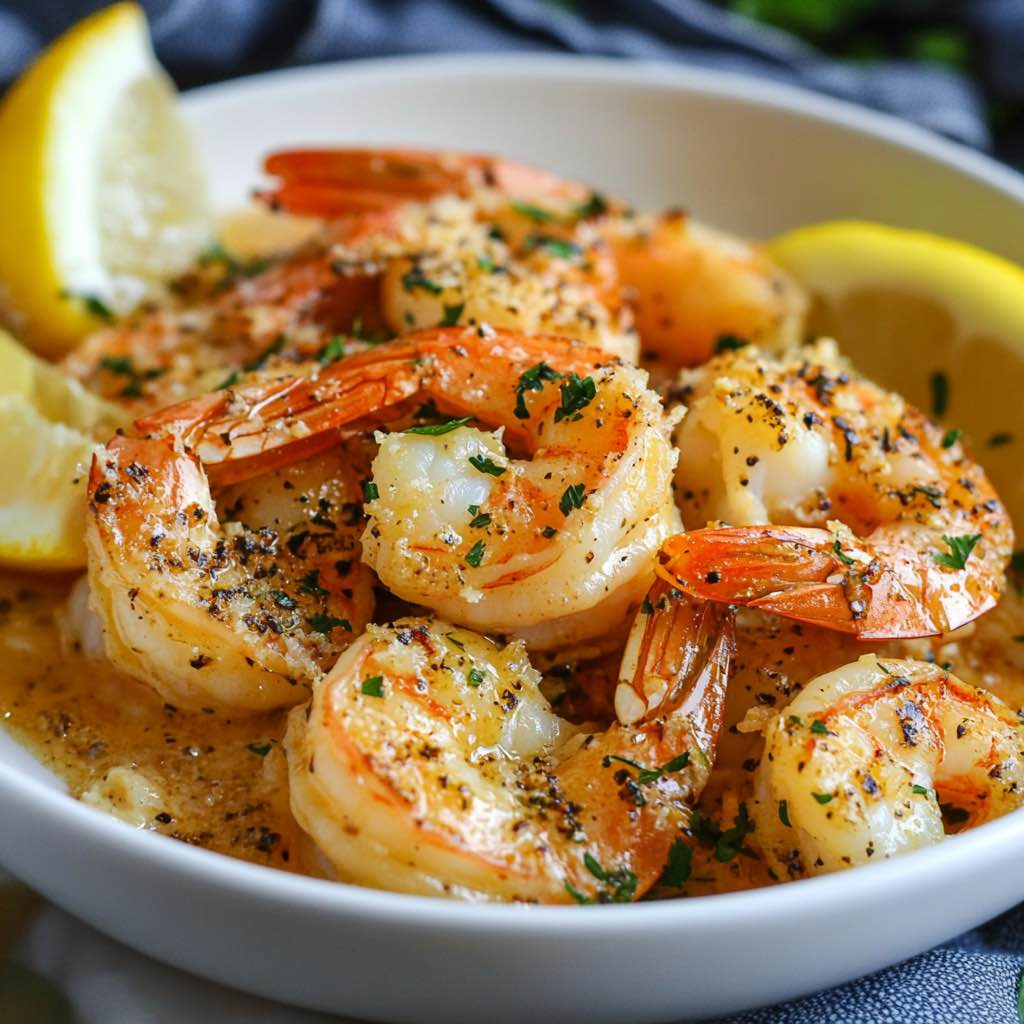
Red Lobster Copycat Shrimp Scampi
Introduction
Red Lobster copycat shrimp scampi brings the beloved restaurant favorite right to your kitchen without a single drop of unwanted ingredients. This garlicky, buttery seafood dish features tender jumbo shrimp bathed in a luscious lemon-butter sauce that tastes just like the original. The best part is that this recipe comes together in under 20 minutes, making it perfect for busy weeknights or special occasions when you want to impress without spending hours in the kitchen.
Creating this restaurant-quality dish at home means controlling every ingredient. This version delivers all the classic flavors using simple pantry staples and fresh ingredients. Whether served over pasta, with crusty bread, or alongside your favorite vegetables, this shrimp scampi will become a regular in your dinner rotation.
What Makes Red Lobster Shrimp Scampi Special
The magic of Red Lobster shrimp scampi lies in its perfectly balanced sauce. Traditional scampi originated from Italian immigrants who cooked shrimp in the style typically reserved for langoustines, creating a garlic-butter sauce with bright citrus notes. Red Lobster elevated this classic by perfecting the ratio of butter, garlic, and lemon to create an unforgettable dining experience.
What sets this copycat version apart is its accessibility. The recipe uses straightforward ingredients that most home cooks already have on hand. Fresh garlic provides aromatic depth, while quality butter creates a silky sauce that coats each shrimp perfectly. The addition of chicken bone broth or stock replaces traditional ingredients while maintaining rich, complex flavors that rival the original.
The dish’s popularity stems from its versatility and speed. Unlike many seafood preparations that require precise timing and advanced techniques, this shrimp scampi forgives minor variations in cooking time. The result is consistently tender, juicy shrimp that absorb the garlicky sauce beautifully.
Essential Ingredients for Perfect Shrimp Scampi
Shrimp Selection
Large shrimp work best for this recipe. Look for 16-20 count per pound, which provides the ideal size for absorbing sauce while remaining tender. Fresh, wild-caught shrimp deliver superior flavor, though frozen shrimp work excellently when properly thawed. Purchase them peeled and deveined to save preparation time.
Butter and Oil
Unsalted butter gives you complete control over seasoning levels. Plan for approximately 5-6 tablespoons divided throughout cooking. Olive oil prevents butter from burning during the initial sauté and adds a subtle fruity note to the finished dish.
Aromatics and Seasonings
Fresh garlic forms the backbone of this recipe. Minced garlic cloves (4-6 depending on preference) release their essential oils when gently toasted in butter. Italian seasoning, dried basil, and oregano contribute herbaceous notes that complement the seafood. Old Bay seasoning adds a traditional seafood flavor profile.
Liquid Components
Chicken bone broth provides depth and richness that enhances the sauce. Low-sodium chicken stock or vegetable broth work as suitable alternatives. Fresh lemon juice and zest brighten the entire dish with citrus acidity. Use approximately 2 tablespoons of fresh-squeezed lemon juice plus the zest from one whole lemon.
Optional Additions
Crushed red pepper flakes add pleasant heat for those who enjoy spice. Freshly grated Parmesan cheese creates a savory finish when sprinkled over the completed dish. Fresh parsley provides color and a subtle herbaceous bite.
Kitchen Tools You’ll Need
A large 12-inch nonstick skillet or cast-iron pan provides ample space for cooking shrimp in a single layer. This prevents overcrowding, which can cause steaming instead of proper searing. A slotted spoon helps remove cooked shrimp while leaving the flavorful sauce in the pan.
Essential prep tools include a sharp chef’s knife for mincing garlic and a citrus zester for collecting lemon zest. A garlic press speeds up preparation if you prefer not to hand-mince. Measuring spoons and cups ensure accurate proportions for consistent results.
For serving, keep shallow pasta bowls or plates ready to contain the generous sauce. Tongs make plating easier and more elegant. If serving with pasta, have a large pot with strainer ready for cooking noodles.
Step-by-Step Cooking Instructions
Preparation Phase
Start by rinsing shrimp under cold water and patting completely dry with paper towels. Excess moisture prevents proper browning and dilutes the sauce. Peel and mince garlic cloves finely, or use a garlic press for uniform pieces. Zest one lemon before cutting it in half for juicing.
Creating the Aromatic Base
Melt 4 tablespoons of butter with 2 tablespoons olive oil in your skillet over medium-low heat. Add minced garlic and optional red pepper flakes once the butter foams. Cook for 1-3 minutes, stirring constantly to prevent burning. The garlic should become fragrant and just begin to turn golden.
Building the Sauce
Pour in 1/3 to 1/2 cup chicken bone broth or stock. Bring the mixture to a gentle simmer and cook for 2-3 minutes. This step allows flavors to meld and the liquid to reduce slightly, concentrating the taste.
Cooking the Shrimp
Add seasoned shrimp to the pan and increase heat to medium. Season generously with kosher salt and freshly ground black pepper. Cook shrimp on one side for 1-2 minutes without moving them. Flip and continue cooking for 2-3 additional minutes until they turn pink and opaque throughout.
Finishing Touches
Remove cooked shrimp to a plate using a slotted spoon. Add remaining 1 tablespoon butter, lemon juice, and lemon zest to the sauce. Stir vigorously to create an emulsified, glossy sauce. Return shrimp to the pan along with any accumulated juices. Toss everything together for one final minute, ensuring shrimp are completely coated.
Garnishing and Serving
Remove from heat and sprinkle with fresh chopped parsley. Add freshly grated Parmesan cheese if desired. Serve immediately while the sauce is hot and the shrimp remain tender.
Pro Tips for Restaurant-Quality Results
Avoid Overcooking
Shrimp cook incredibly fast and become rubbery when overdone. Remove them from heat the moment they turn pink and lose their translucency. Residual heat continues cooking even after plating, so err on the side of slightly underdone.
Temperature Control Matters
Low heat prevents garlic from burning while allowing it to release its aromatic compounds. Garlic transitions from perfectly toasted to acrid and bitter in seconds under high heat. Watch it carefully and adjust temperature as needed.
Quality Ingredients Make a Difference
Wild-caught shrimp offer superior flavor and firmer texture compared to farm-raised varieties. Fresh lemon juice provides brightness that bottled versions cannot match. Real butter creates richness that margarine or oil-based spreads cannot replicate.
Proper Shrimp Preparation
Thoroughly dry shrimp before cooking to achieve proper browning. Wet shrimp steam in the pan rather than developing a light sear. If using frozen shrimp, thaw completely in the refrigerator overnight or under cold running water for quick defrosting.
Sauce Consistency
If your sauce seems too thin, remove shrimp and continue simmering the liquid to reduce it further. For a thicker sauce, add an extra tablespoon of butter and whisk vigorously to create an emulsion. The sauce should coat the back of a spoon lightly.
Scaling the Recipe
This recipe doubles or triples easily for larger gatherings. When cooking larger batches, work in batches to prevent overcrowding the pan. Keep finished shrimp warm in a low oven while preparing subsequent batches.
Serving Suggestions and Pairings
Over Pasta
Angel hair, linguine, or spaghetti make classic pairings with shrimp scampi. Cook pasta to al dente according to package directions, then toss directly with the shrimp and sauce. Reserve some pasta cooking water to thin the sauce if it becomes too thick. Top generously with freshly grated Parmesan cheese.
With Crusty Bread
Thick slices of garlic bread, French baguette, or ciabatta soak up the delicious garlic butter sauce. Toast bread lightly and brush with additional garlic butter for extra indulgence. This option works beautifully when serving shrimp scampi as an appetizer.
Low-Carb Options
Zucchini noodles provide a vegetable-forward base that keeps the meal light. Cauliflower rice offers another grain-free alternative that absorbs the flavorful sauce. Spaghetti squash strands create a pasta-like experience with fewer carbohydrates.
Side Dish Recommendations
Simple green salads with vinaigrette balance the richness of buttery shrimp. Roasted asparagus, green beans, or broccoli add color and nutrition to the plate. Mediterranean tomato and cucumber salad provides refreshing contrast. Sautéed snow peas or sugar snap peas contribute a pleasant crunch.
Rice Preparations
Serve shrimp scampi over white rice, brown rice, or wild rice for a satisfying meal. The grains absorb the garlic butter sauce while providing substance. Risotto creates an especially luxurious presentation.
Storage and Reheating Guidelines
Refrigeration
Store leftover shrimp scampi in an airtight container in the refrigerator for up to 2 days. Include all sauce with the shrimp to prevent them from drying out. Allow the dish to cool to room temperature before sealing and refrigerating.
Freezing Instructions
Cool shrimp completely before transferring to freezer-safe containers or bags. Include all sauce and juices to maintain moisture during freezing. Freeze for up to one month for best quality. Label containers with the date to track freshness.
Thawing Process
Move frozen shrimp scampi to the refrigerator 24 hours before reheating. This gradual thawing prevents texture changes and maintains safety. Never thaw at room temperature, which allows bacterial growth.
Reheating Methods
Reheat gently on the stovetop over medium-low heat. Add a splash of chicken broth or stock to refresh the sauce. Heat for 5-6 minutes, stirring occasionally until warmed through. Avoid high heat, which toughens previously cooked shrimp.
Microwave reheating works in a pinch but risks creating rubbery shrimp. Use 50% power and heat in 30-second intervals, stirring between each. Stop heating as soon as the shrimp feel warm to the touch.
Nutritional Information
One serving of shrimp scampi (approximately 6 ounces) contains roughly 287 calories. The dish provides 39 grams of protein, making it an excellent choice for those following high-protein diets. Fat content measures around 12 grams per serving, primarily from heart-healthy olive oil and butter.
Carbohydrates remain minimal at about 4 grams per serving when eaten without pasta or bread. This makes shrimp scampi naturally compatible with low-carb and ketogenic eating plans. Sodium content varies depending on the broth used and added salt, averaging 1,900mg per serving.
Shrimp provides significant amounts of selenium, vitamin B12, and omega-3 fatty acids. These nutrients support thyroid function, nervous system health, and cardiovascular wellness. The garlic contributes additional antioxidants and potential immune-boosting properties.
To reduce sodium, choose low-sodium or no-salt-added chicken broth and limit additional salt. For lower calorie versions, reduce butter by half and increase the proportion of olive oil. Adding extra vegetables like cherry tomatoes or spinach boosts fiber and nutrients without significantly increasing calories.
Common Mistakes to Avoid
Overcrowding the Pan
Placing too many shrimp in the skillet at once causes them to steam rather than sear. This results in rubbery texture and prevents proper browning. Cook in batches if necessary, giving each shrimp adequate space.
Burning the Garlic
Garlic burns quickly and develops bitter, unpleasant flavors. Keep heat low during the initial cooking phase and stir constantly. If garlic begins to brown too fast, remove the pan from heat temporarily.
Using Pre-Cooked Shrimp
Pre-cooked shrimp become tough and rubbery when heated again. Always start with raw shrimp for best texture and flavor absorption. The cooking process allows shrimp to absorb the garlic butter sauce properly.
Skipping the Pat-Dry Step
Wet shrimp release water into the pan, creating a watery sauce. Always pat shrimp completely dry with paper towels before cooking. This simple step ensures proper browning and maintains sauce consistency.
Insufficient Seasoning
Shrimp need generous seasoning to develop full flavor. Don’t be shy with salt and pepper during cooking. Taste the sauce before serving and adjust seasoning as needed.
Forgetting Fresh Lemon
Bottled lemon juice lacks the brightness and complexity of fresh-squeezed. The oils in fresh lemon zest add aromatic compounds that cannot be replicated. Use fresh lemons whenever possible for superior results.
Variations and Customizations
Spicy Shrimp Scampi
Double or triple the crushed red pepper flakes for significant heat. Add a teaspoon of cayenne pepper for extra kick. Fresh jalapeño slices contribute both heat and texture.
Creamy Version
Stir in 1/4 cup heavy cream or half-and-half after removing shrimp. Simmer for 2 minutes until slightly thickened. A tablespoon of cream cheese creates an even richer sauce.
Tomato Basil Variation
Add 1 cup halved cherry tomatoes when you return shrimp to the pan. Their juices contribute sweetness and acidity. Fresh basil leaves replace parsley for an Italian-inspired finish.
Mediterranean Style
Include kalamata olives, sun-dried tomatoes, and capers for briny complexity. Crumbled feta cheese replaces Parmesan for tangy flavor. Fresh oregano enhances the Mediterranean profile.
Cajun Shrimp Scampi
Replace Italian seasoning with Cajun or Creole seasoning blends. Add diced bell peppers and celery for traditional Louisiana flavors. Finish with hot sauce to taste.
Herb-Loaded Version
Triple the fresh herbs by adding basil, thyme, and oregano along with parsley. Fresh herbs provide brighter flavor than dried alternatives. Add delicate herbs at the very end to preserve their essential oils.
Frequently Asked Questions
Can I make shrimp scampi ahead of time?
You can prepare components in advance, but cook shrimp just before serving for best texture. Mince garlic, measure ingredients, and have everything ready for quick assembly. If you must cook ahead, slightly undercook shrimp and finish heating gently before serving.
What can replace chicken broth in this recipe?
Vegetable broth or fish stock work excellently as substitutions. For enhanced flavor, try chicken bone broth or add a bouillon cube to regular stock. Some recipes use pasta cooking water for added starch that thickens the sauce.
How do I know when shrimp are perfectly cooked?
Fully cooked shrimp curl into a C-shape and turn completely pink. They lose all translucency and firm up slightly. Overcooked shrimp curl tightly into an O-shape and feel rubbery.
Can I use smaller or larger shrimp?
Any size shrimp works, but adjust cooking time accordingly. Smaller shrimp (31-40 count) cook in 1-2 minutes total. Jumbo shrimp (10-15 count) need 4-5 minutes per side.
Is shrimp scampi gluten-free?
Yes, when served without pasta or with gluten-free alternatives. The basic recipe contains no wheat-based ingredients. Choose certified gluten-free chicken broth to ensure complete safety.
What pasta works best with Red Lobster copycat shrimp scampi?
Thin pastas like angel hair, linguine, and spaghetti allow the sauce to shine. Their delicate texture doesn’t compete with tender shrimp. Fettuccine works for those who prefer wider noodles.
Conclusion
Red Lobster copycat shrimp scampi delivers restaurant-quality results in your home kitchen with minimal effort and simple ingredients. This 20-minute recipe proves that impressive meals don’t require hours of preparation or advanced culinary skills. The combination of butter, garlic, lemon, and fresh shrimp creates an unforgettable dish that works equally well for weeknight dinners or special occasions.
The versatility of shrimp scampi means it adapts to various dietary preferences and serving styles. Whether served over pasta, with crusty bread, or alongside fresh vegetables, this classic seafood preparation satisfies every time. Master this foundational recipe, then explore the many variations to keep meals exciting and personalized to your tastes.
Print
Red Lobster Copycat Shrimp Scampi
Description
Red Lobster Copycat Shrimp Scampi
Ingredients
-
1 lb (450 g) large shrimp, peeled and deveined
-
8 oz linguine or spaghetti
-
2 tablespoons olive oil
-
3 tablespoons unsalted butter
-
4 cloves garlic, minced
-
¼ teaspoon red pepper flakes (optional, for a slight kick)
-
Juice of 1 lemon
-
Zest of 1 lemon
-
Salt and black pepper, to taste
-
2 tablespoons chopped fresh parsley
-
Grated Parmesan, for serving
🔪 Instructions
1. Cook the Pasta
-
Cook pasta according to package instructions.
-
Drain and set aside, reserving ½ cup of pasta water.
2. Cook the Shrimp
-
Heat olive oil and 1 tablespoon butter in a large skillet over medium-high heat.
-
Add shrimp and season lightly with salt and pepper.
-
Cook 2–3 minutes per side, until pink and opaque. Remove from skillet and set aside.
3. Make the Sauce
-
In the same skillet, melt remaining butter.
-
Sauté garlic and red pepper flakes for 30 seconds until fragrant.
-
Season with salt and pepper.
4. Combine Pasta & Shrimp
-
Return shrimp to the skillet.
-
Add cooked pasta and toss to coat evenly.
-
Add reserved pasta water as needed for a silky sauce.
-
Sprinkle with fresh parsley and grated Parmesan before serving.
🍽️ Serving Ideas
-
Serve with garlic bread or a crusty baguette to soak up the buttery sauce
-
Pair with a simple green salad for a light contrast