
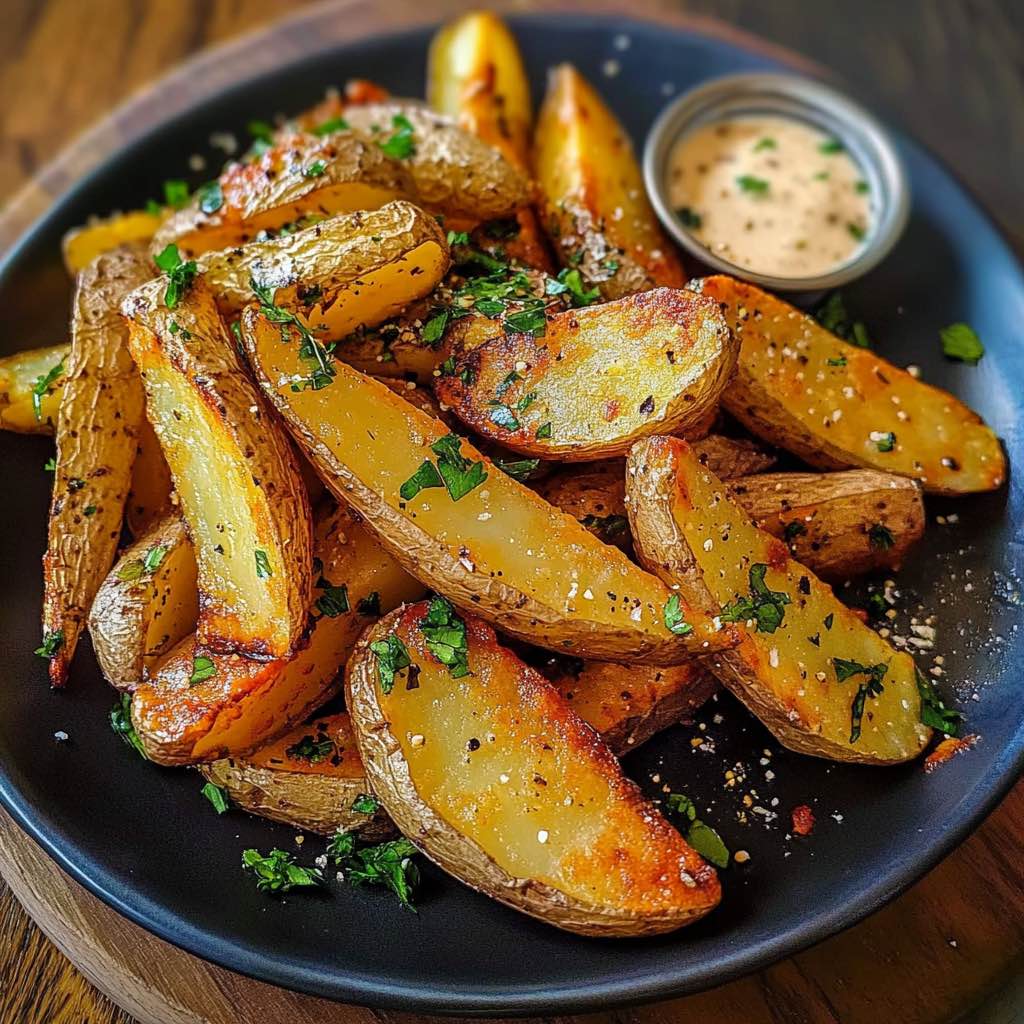
The Ultimate Guide to Perfect Roasted Potato Wedges
Roasted potato wedges are the ultimate comfort food that combines crispy exteriors with fluffy, tender interiors. Moreover, these golden, seasoned potato wedges offer a healthier alternative to deep-fried options while delivering incredible flavor. Whether you’re serving them as a side dish or enjoying them as a snack, perfectly roasted potato wedges will elevate any meal.
Furthermore, mastering the art of roasted potato wedges opens up endless possibilities for seasoning combinations and serving options. In this comprehensive guide, you’ll discover everything needed to create restaurant-quality potato wedges at home.
Why Choose Roasted Potato Wedges
Health Benefits Over Fried Alternatives
Roasted potato wedges provide significantly fewer calories than their deep-fried counterparts. Additionally, roasting preserves more nutrients while creating that coveted crispy texture. Unlike deep-frying, roasting requires minimal oil, making these wedges a heart-healthy choice.
The roasting process also allows natural potato flavors to intensify. Consequently, you’ll enjoy richer taste without excessive added fats. Furthermore, roasted potato wedges contain more fiber and potassium than processed alternatives.
Versatility and Customization Options
These potato wedges adapt to countless flavor profiles and dietary preferences. Moreover, they complement various cuisines from Mediterranean herbs to spicy Cajun seasonings. Whether you prefer simple salt and pepper or complex spice blends, roasted potato wedges serve as the perfect canvas.
Additionally, they work equally well as appetizers, side dishes, or main course components. Therefore, investing time in perfecting your roasted potato wedges technique pays dividends across multiple meal occasions.
Selecting the Perfect Potatoes
Best Potato Varieties for Wedges
Russet potatoes reign supreme for roasted potato wedges due to their high starch content. Specifically, their fluffy texture creates the ideal contrast between crispy exteriors and soft interiors. Additionally, russets hold their shape well during the roasting process.
Yukon Gold potatoes offer another excellent option for wedges. Furthermore, their naturally buttery flavor enhances the overall taste profile. However, they contain more moisture than russets, requiring slight adjustments to cooking time.
Red potatoes work well when you prefer a waxy texture. Nevertheless, they require higher temperatures to achieve proper crispiness. Therefore, consider your texture preferences when selecting potato varieties.
Size and Quality Considerations
Choose potatoes of similar size for even cooking. Moreover, uniform wedges ensure consistent results across your entire batch. Additionally, select firm potatoes without green spots or sprouts for the best flavor.
Medium to large potatoes work best for wedges. Specifically, they provide enough surface area for proper browning while maintaining structural integrity. Furthermore, larger potatoes yield more substantial wedges that hold seasonings better.
Essential Equipment and Tools
Kitchen Equipment for Success
A large baking sheet ensures proper air circulation around potato wedges. Moreover, using multiple sheets prevents overcrowding, which leads to steaming instead of roasting. Additionally, rimmed baking sheets contain any released moisture effectively.
Sharp knives make clean cuts that promote even cooking. Furthermore, consistent wedge sizes cook uniformly, preventing some pieces from burning while others remain undercooked. Therefore, invest in quality kitchen knives for optimal results.
Optional Tools for Enhanced Results
Wire cooling racks elevate potato wedges above baking sheets, promoting airflow. Consequently, this technique produces extra-crispy bottoms while maintaining fluffy interiors. Additionally, parchment paper simplifies cleanup while preventing sticking.
Kitchen thermometers help monitor internal temperatures for food safety. Moreover, properly cooked roasted potato wedges should reach 210°F internally. Furthermore, this temperature ensures complete starch conversion for optimal texture.
Step-by-Step Preparation Guide
Washing and Cutting Techniques
Thoroughly scrub potato skins to remove dirt and debris. However, leaving skins on adds nutritional value and rustic appeal to your wedges. Additionally, well-cleaned skins contribute extra flavor and texture contrast.
Cut potatoes lengthwise into even wedges, typically 8-12 pieces per potato. Moreover, maintain consistent thickness for uniform cooking results. Furthermore, aim for wedges approximately 1-inch thick at the widest point.
Pre-Roasting Preparation Steps
Soaking cut potato wedges removes excess starch, promoting crispiness. Specifically, cold water soaks lasting 30 minutes yield optimal results. Additionally, this step prevents wedges from sticking together during roasting.
Pat wedges completely dry before seasoning to ensure proper oil adhesion. Moreover, moisture prevents proper browning and creates steam instead of crispiness. Therefore, use clean kitchen towels for thorough drying.
Seasoning Application Methods
Toss dried potato wedges with oil using clean hands for even distribution. Furthermore, this method ensures every surface receives adequate coating. Additionally, use approximately 2-3 tablespoons of oil per pound of potatoes.
Apply seasonings while wedges remain slightly damp from oil coating. Consequently, spices adhere better and distribute more evenly. Moreover, gentle tossing motions prevent breaking delicate wedge tips.
Seasoning and Flavor Variations
Classic Seasoning Combinations
Salt and pepper remain the most popular roasted potato wedges seasonings. Additionally, garlic powder and onion powder create depth without overwhelming natural potato flavors. Moreover, these basic seasonings complement virtually any main dish.
Herbs like rosemary, thyme, and oregano add Mediterranean flair to potato wedges. Furthermore, dried herbs work better than fresh for roasting applications. Specifically, dried herbs won’t burn as easily during high-temperature cooking.
International Flavor Profiles
Italian seasoning blends combine basil, oregano, and garlic for aromatic wedges. Moreover, adding parmesan cheese during the last 10 minutes creates irresistible flavor combinations. Additionally, this approach prevents cheese burning while ensuring proper melting.
Cajun seasoning transforms ordinary potato wedges into spicy Southern treats. Furthermore, paprika, cayenne, and thyme create complex heat levels. However, adjust spice quantities based on personal tolerance preferences.
Creative Seasoning Ideas
Ranch seasoning powder creates kid-friendly roasted potato wedges that appeal to all ages. Additionally, this familiar flavor profile works well for casual dining occasions. Moreover, ranch-seasoned wedges pair excellently with various dipping sauces.
Curry powder introduces exotic flavors while maintaining accessibility. Furthermore, turmeric provides beautiful golden color alongside warm spice notes. However, start with small amounts since curry flavors intensify during roasting.
Cooking Techniques for Perfect Results
Optimal Temperature and Timing
Preheat ovens to 425°F for ideal roasted potato wedges results. Additionally, this temperature creates proper browning while ensuring thorough cooking. Moreover, avoid lower temperatures that produce soggy rather than crispy exteriors.
Roast potato wedges for 35-45 minutes, depending on size and variety. Furthermore, flip wedges halfway through cooking for even browning on all surfaces. Additionally, this technique prevents sticking while promoting uniform crispiness.
Positioning and Spacing Guidelines
Arrange wedges cut-side down initially to maximize surface contact with hot baking sheets. Consequently, this positioning creates better browning and crispiness. Moreover, avoid overlapping wedges, which creates steam pockets.
Leave adequate space between individual wedges for proper air circulation. Specifically, wedges should not touch each other during roasting. Therefore, use multiple baking sheets when necessary to prevent overcrowding.
Monitoring and Adjustment Techniques
Check potato wedges every 15 minutes for doneness and browning progress. Additionally, rotate baking sheets if your oven has hot spots. Moreover, this attention prevents burning while ensuring even cooking throughout.
Adjust cooking times based on wedge thickness and potato variety. Furthermore, thicker wedges require additional cooking time for proper interior doneness. However, avoid overcooking, which creates dry, unpalatable textures.
Troubleshooting Common Problems
Preventing Soggy Wedges
Excess moisture prevents proper crisping of roasted potato wedges. Moreover, inadequate drying after washing contributes to soggy results. Additionally, overcrowding traps steam around wedges, preventing browning.
Solution: Always pat wedges completely dry before seasoning. Furthermore, ensure adequate spacing between pieces on baking sheets. Additionally, avoid covering wedges during cooking, which traps moisture.
Achieving Even Browning
Uneven browning often results from inconsistent wedge sizes or overcrowded baking sheets. Moreover, failing to flip wedges halfway through cooking creates uneven results. Additionally, cold baking sheets slow initial browning processes.
Solution: Cut wedges uniformly and preheat baking sheets before adding potatoes. Furthermore, flip wedges once during cooking for even browning. Additionally, use multiple sheets rather than overcrowding single pans.
Managing Cooking Time Variations
Different potato varieties cook at varying rates, affecting final results. Moreover, altitude and oven calibration influence cooking times significantly. Additionally, wedge thickness dramatically impacts required cooking duration.
Solution: Test doneness by piercing wedges with forks rather than relying solely on timers. Furthermore, adjust cooking times based on your specific oven’s characteristics. Additionally, keep detailed notes for future reference.
Serving Suggestions and Pairings
Main Dish Accompaniments
Roasted potato wedges complement grilled chicken perfectly, providing satisfying starch alongside lean protein. Moreover, their crispy texture contrasts beautifully with tender meat. Additionally, herb-seasoned wedges echo flavors found in Mediterranean chicken preparations.
Beef dishes benefit from hearty potato wedges that absorb flavorful pan juices. Furthermore, roasted wedges provide substance that balances rich meat flavors. [Check out our guide on perfect beef pairings] for additional serving inspiration.
Vegetarian and Plant-Based Options
Roasted potato wedges serve as excellent bases for loaded vegetarian meals. Additionally, top them with sautéed vegetables, cheese, and fresh herbs for complete nutrition. Moreover, this approach creates satisfying meatless main courses.
Pair wedges with large salads for balanced, nutritious meals. Furthermore, their heartiness satisfies appetites while vegetables provide fresh contrast. Additionally, various seasoning profiles complement different salad styles effectively.
Appetizer and Snack Applications
Serve roasted potato wedges with multiple dipping sauces for party appetizers. Moreover, their finger-food format makes them ideal for casual gatherings. Additionally, different seasoning varieties accommodate diverse taste preferences simultaneously.
Create loaded wedge platters with cheese, herbs, and vegetables for sharing. Furthermore, this presentation encourages social eating experiences. Additionally, warm wedges provide comfort during cold weather gatherings.
Storage and Reheating Tips
Proper Storage Methods
Store leftover roasted potato wedges in refrigerator containers within two hours of cooking. Additionally, proper cooling prevents bacterial growth while maintaining food safety. Moreover, airtight containers preserve texture better than loose covering.
Refrigerated wedges maintain quality for up to four days when stored properly. Furthermore, avoid storing them while still warm, which creates condensation. Additionally, separate layers with parchment paper to prevent sticking.
Reheating Techniques for Best Results
Reheat potato wedges in 400°F ovens for optimal texture restoration. Moreover, this method recreates crispiness better than microwave reheating. Additionally, arrange wedges in single layers for even heating throughout.
Avoid microwave reheating, which creates soggy, unappetizing textures. Furthermore, stovetop reheating in cast iron skillets provides acceptable alternatives. However, oven methods consistently produce superior results for roasted potato wedges.
Freezing and Long-Term Storage
Freeze roasted potato wedges after complete cooling for long-term storage. Additionally, flash-freeze them on baking sheets before transferring to freezer bags. Moreover, this technique prevents clumping while maintaining individual piece integrity.
Frozen wedges maintain quality for up to three months when properly stored. Furthermore, reheat them directly from frozen, adding extra cooking time. Additionally, avoid thawing before reheating, which creates mushy textures.
Nutritional Benefits
Macronutrient Profile
Roasted potato wedges provide complex carbohydrates that fuel active lifestyles effectively. Moreover, they contain moderate protein levels, especially when skins remain intact. Additionally, minimal oil usage keeps fat content reasonable compared to fried alternatives.
A typical serving contains approximately 150-200 calories, depending on preparation methods. Furthermore, this calorie count fits well within balanced meal planning. Additionally, their fiber content promotes digestive health and satiety.

Vitamin and Mineral Content
Potatoes naturally contain high potassium levels, supporting heart health and blood pressure regulation. Moreover, they provide significant vitamin C amounts, boosting immune system function. Additionally, B-vitamins support energy metabolism and nervous system health.
Leaving skins on potato wedges increases nutritional density significantly. Furthermore, skins contain concentrated minerals and antioxidants. Additionally, this approach maximizes nutritional benefits while enhancing flavor complexity.
Dietary Considerations
Roasted potato wedges accommodate various dietary restrictions when prepared thoughtfully. Moreover, they’re naturally gluten-free, suiting celiac and sensitive individuals. Additionally, vegan preparation methods make them suitable for plant-based diets.
However, individuals monitoring carbohydrate intake should consider portion sizes carefully. Furthermore, diabetics may need to account for potato wedges in meal planning. Additionally, pairing them with protein helps moderate blood sugar responses.
Frequently Asked Questions
How do I make roasted potato wedges extra crispy?
Achieving extra-crispy roasted potato wedges requires proper moisture removal and high-temperature roasting. Moreover, soaking cut wedges removes excess starch that inhibits browning. Additionally, thorough drying before seasoning ensures oil adheres properly for maximum crispiness.
What’s the best oil for roasted potato wedges?
Olive oil provides excellent flavor while maintaining stability at roasting temperatures. Furthermore, its moderate smoke point handles 425°F cooking without breaking down. Additionally, avocado oil offers higher smoke points for those preferring neutral flavors.
Can I prepare potato wedges ahead of time?
Cut and season potato wedges up to 24 hours ahead for meal prep convenience. Moreover, store them covered in refrigerators until ready to roast. However, add oil just before cooking to prevent soggy results from prolonged contact.
Why do my roasted potato wedges fall apart?
Overcooked or waterlogged potatoes often fall apart during roasting. Additionally, using the wrong potato variety affects structural integrity significantly. Moreover, excessive handling during seasoning can break delicate wedge tips.
Conclusion
Mastering perfect roasted potato wedges requires attention to detail and proper technique execution. Throughout this guide, we’ve explored everything from potato selection to serving suggestions for creating restaurant-quality results. Moreover, these versatile wedges complement countless meals while providing satisfying, nutritious options.
The key to exceptional roasted potato wedges lies in proper preparation, optimal seasoning, and careful temperature management. Furthermore, avoiding common mistakes ensures consistent success with every batch. Additionally, experimenting with different seasonings keeps this classic side dish exciting and fresh.
Ready to create your own perfect roasted potato wedges? Start with quality russet potatoes, follow our step-by-step guide, and experiment with your favorite seasonings. Soon, you’ll be serving golden, crispy wedges that rival any restaurant’s offerings while enjoying the satisfaction of homemade cooking excellence.

Roasted Potato Wedges
Description
Ingredients
-
2-3 pounds medium russet or Yukon gold potatoes
-
¼ cup olive oil
-
1 tablespoon garlic powder
-
1 tablespoon onion powder
-
1½ teaspoons kosher salt
-
½ teaspoon black pepper
-
¾ teaspoon smoked paprika
-
¼ teaspoon cayenne pepper (optional)
-
¼ cup grated Parmesan cheese (optional)
-
2 tablespoons fresh parsley, chopped (for garnish)
Instructions
Prepare the Potatoes
Preheat oven to 425°F and position the rack just below the middle of the oven. Line two large rimmed baking sheets with parchment paper. Scrub potatoes clean and cut each into 6-8 even wedges by first cutting in half lengthwise, then cutting each half into 3-4 wedges.
Optional Soaking Step
For extra crispiness, soak the cut potato wedges in cold water for 30 minutes to remove excess surface starch. Drain thoroughly and pat completely dry with paper towels.
Season the Wedges
In a small bowl, combine garlic powder, onion powder, salt, pepper, paprika, and cayenne. Place dried potato wedges in a large bowl, drizzle with olive oil, and toss until evenly coated. Add the seasoning blend and toss again until all wedges are well coated.
Roast the Potatoes
Arrange seasoned wedges on prepared baking sheets in a single layer with cut sides touching the parchment paper. Don’t overcrowd the pans, as this causes steaming instead of roasting. Roast for 20-25 minutes, then flip each wedge to the other cut side. Continue roasting for another 18-25 minutes until golden brown and crispy.
Finish and Serve
Remove from oven when wedges are golden brown and easily pierced with a fork. Immediately toss with Parmesan cheese and fresh parsley if desired. Serve hot with ketchup, sour cream, or your favorite dipping sauce.
The total cooking time is approximately 40-50 minutes, and these wedges pair perfectly with burgers, grilled meats, or as a satisfying appetizer.