
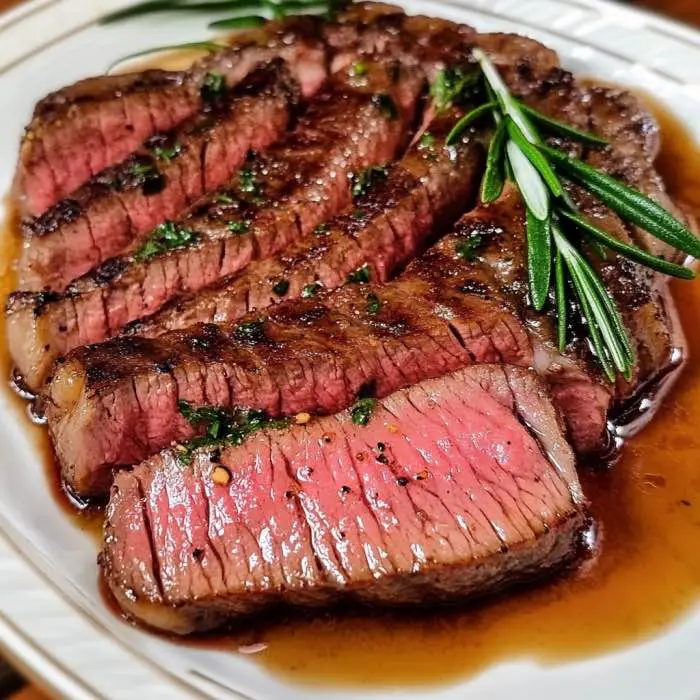
Article Introduction
Let’s dive into round steak the smart way: what it is, where it comes from, how to choose it, and—most importantly—how to make it tender, juicy, and downright delicious without breaking the bank. Because it’s lean and comes from the hardworking hindquarter, it needs the right handling, yet with the proper prep and cooking methods, it shines in braises, gravies, and even quick sears when sliced thin across the grain. Along the way, this guide covers buying tips, tenderizing methods, step-by-step techniques, recipes, FAQs, nutrition, and budget strategies, with helpful references to authoritative cut guides for clarity and confidence in the kitchen.wikipedia+5
Part 1 — Foundations and Overview
Introduction: What Is Round Steak?
Round steak is a lean beef steak cut from the rear leg—also called the beef round—so it’s naturally firm and low in marbling, which means it can dry out with dry-heat cooking if not treated right. Because those muscles work hard, the fibers are tougher; however, when cooked with moisture (think braising or slow cooking) or sliced thin after a quick sear, it turns tender and tasty, especially with onion or mushroom gravies. Consequently, cooks often marinate, tenderize, or cube the meat, and then use it for Swiss steak, London broil style top round, or even jerky and deli-style roast beef when sliced super thin across the grain.thespruceeats+3
Although names vary by region, round steak consistently refers to cuts from the round primal, which includes top round, bottom round, and eye of round, and sometimes the sirloin tip (knuckle) depending on how the carcass is broken down. For a quick reference on the primal location and its leanness, see this concise cut page from Beef. It’s What’s For Dinner about top round steaks, which highlights that these are lean, economical, and best with tenderization or careful cooking. For a deeper anatomy overview, The Spruce Eats explains why round is lean and how to adapt cooking to get better results.beefitswhatsfordinner+2
Where Round Steak Comes From
The beef round primal sits at the back of the animal and includes the rump and hind legs, which is why meat from this area is leaner and less tender than cuts from the rib or loin. Because these muscles get constant exercise, the fibers are denser, so round steak benefits from either low-and-slow moist-heat cooking or quick searing with very thin slicing against the grain to keep each bite tender. As a result, it’s a go-to for budget-friendly meals like braises, stews, and gravies, where moisture surrounds the meat and gently breaks down connective tissues over time.food+4
Interestingly, while some South American cuts like picanha (rump cap) sit near this region and are prized thanks to a fat cap, classic American “round steak” remains a lean option that favors marinating, slow cooking, or mechanical tenderizing. Therefore, when choosing recipes, match the cooking method to the cut’s lean profile to avoid dryness and to coax out tenderness without overcooking. For a quick primer on why these cuts tend to dry with dry heat, check the round overview that emphasizes lean muscle and the need for moisture or thin slicing.thespruceeats+2
Round Steak vs. Similar Cuts
Round steak is an umbrella term covering steaks from the top round, bottom round, and eye of round; in some butchery schemes, sirloin tip (knuckle) is grouped with the round, too. Top round is often used for London broil and deli roast beef because, although lean, it can be roasted and sliced very thin for tenderness, whereas bottom round leans tougher and excels in pot roasts or braises. Eye of round is extremely lean and performs best when roasted rare and sliced thin, turned into jerky, or shaved for sandwiches; it’s not as forgiving for grilling without significant tenderizing and careful slicing.tasteofhome+5
Regionally, terms differ: topside and silverside in the UK/NZ roughly map to top and bottom round, which can confuse shopping and recipe swapping unless the subcut is clarified. Moreover, some stores label “London broil” as the finished dish rather than a specific cut, so it might be top round, flank, or even top blade, making it vital to confirm the actual cut before cooking. For a concise, trustworthy cut snapshot including leanness and best uses, the Top Round page at Beef. It’s What’s For Dinner is a solid external reference to check mid-recipe.wikipedia+3
Key Subcuts and Alternate Names
Top Round (Inside Round, sometimes marketed for “London broil”): This subcut is lean yet the most tender within the round group, so it roasts decently when kept medium-rare and thinly sliced, or it can be marinated and seared quickly before slicing across the grain. Bottom Round (Outside Round, silverside/rump): Tougher on average, it excels with slow, moist heat—think pot roast, braises, and gravies—producing rich, shreddable or sliceable results once collagen softens during a long cook. Eye of Round: Extremely lean and dense, it resembles a small tenderloin log but cooks very differently; it’s best for thin-sliced roast beef, jerky, or stir-fry when sliced paper-thin across the grain after partial freezing for precision.thespruceeats+4
Sirloin Tip (Knuckle): Despite the name, this lives near the round and can be sold as steaks or roasts; it needs either careful braising or marinating plus thin slicing to manage chewiness from connective tissue. Notably, “round steak” on a label may contain any of these subcuts, so checking for “top,” “bottom,” or “eye” helps select the right cooking method up front and reduces guesswork. For quick cut identification while shopping or planning, bookmark the Top Round reference at Beef. It’s What’s For Dinner as a lean-cut explainer, as it highlights both the benefits and the cautions for these economical steaks.food+3
How to Choose Round Steak
Choosing round steak gets easier once a few cues click. First, look for even thickness from edge to edge, because consistent thickness helps the steak cook evenly and stay juicy rather than dry out in thin spots. Also, spot a fine, tight grain with minimal surface moisture; meat that looks dry or dark at the edges may have been sitting too long. Moreover, opt for pieces with clean trimming and just a hint of fat around the edges, since this cut is naturally lean and benefits from any extra help with moisture.
Next, check the label for the specific subcut. If it says “top round,” plan for marinating, quick searing, and very thin slicing—or a gentle roast that’s sliced paper-thin. If it reads “bottom round” or “silverside,” think braise, gravy, or pot roast. And if it’s “eye of round,” go extra careful: roast and slice super thin for sandwiches, or use it for jerky or stir-fry after tenderizing. Finally, when a recipe calls for chicken fried steak or cube steak, a pre-tenderized round (mechanically “cubed”) is a smart shortcut. For an authoritative snapshot on leanness and best uses, see the Top Round cut explainer from Beef. It’s What’s For Dinner, which highlights how preparation choices keep lean steaks tender.
Prepping and Tenderizing Methods
Lean beef benefits from smart prep, and round steak is no exception. Because its grain runs tight, mechanical tenderizing works wonders. So, place the steak between parchment sheets and pound with a meat mallet, or use shallow, all-over pricks from a jacquard-style tenderizer, which helps marinades and seasoning penetrate. Then, trim any thick silver skin to prevent chewiness.
Marinades add moisture and flavor while gently loosening tough fibers. Consequently, use acidic or enzymatic elements sparingly and with time limits. For instance, try soy sauce for umami, a splash of citrus or pineapple juice for light enzymatic action, and a touch of oil for better heat transfer. However, avoid over-marinating in strong acids, since it can make the surface mushy. If quick tenderization is needed, consider a baking-soda “velvet” approach: a brief, diluted rub, rest, rinse, and pat dry before seasoning. Although subtle, it helps keep thin-sliced bites soft in stir-fries.
Finally, thin slicing across the grain is crucial. After searing or braising, rest the steak and slice against the lines of muscle fibers to shorten them—this single step often decides whether each bite feels tender. And for stir-fry or flash-sear methods, partially freeze the steak for 20–30 minutes to stabilize it, then slice paper-thin across the grain. Because prep sets the stage, these small moves transform lean, budget-friendly steak into a surprisingly tender, weeknight win.
Ideal Seasoning and Marinades
Seasoning round steak should amplify savoriness and boost moisture. Start simple: kosher salt and freshly ground black pepper create a base that encourages browning. Then, layer in garlic and onion powder, plus smoked paprika for depth. Since the cut is lean, finishing with a garlic-herb butter or a drizzle of pan juices adds richness without heavy fat content. Therefore, baste near the end of cooking, and rest before slicing to lock in juices.
For marinades, balance umami, mild acidity, a bit of sweetness, and oil. Consider soy sauce, Worcestershire-style seasoning, and a touch of brown sugar or honey to promote caramelization. Add a small amount of pineapple or citrus if further tenderization is needed, but cap the time—often 2–4 hours is enough for flavor uptake without compromising texture. For grilling or quick searing, a marinade with oil helps heat transfer and prevents sticking, while cornstarch in a stir-fry marinade can “velvet” the surface for a silky bite. After marinating, pat the steak dry so it sears instead of steams.
If roasting or braising, go lighter on salt early and correct seasoning in the gravy at the end, because reduction concentrates salt. And when a recipe leans mellow, finish with a bold compound butter—think garlic, thyme, and parsley—to add a luscious gloss and a pop of aroma right before serving.
Slow, Moist-Heat Methods
When a cut is lean and hardworking, moist heat is the ticket, and round steak absolutely proves it. Because it comes from the hind leg, it loves a long, gentle bath in flavorful liquid that slowly breaks down connective tissue. As a result, braising and slow cooking turn tough fibers tender, all while layering rich gravy-like sauces. Moreover, these methods are forgiving, budget-friendly, and perfect for batch cooking.
For braising in a Dutch oven, start by patting dry and seasoning. Then sear both sides until browned for that crave-worthy fond. Next, soften onions and garlic in the same pot, scrape up the browned bits, and deglaze with broth. Add herbs and a splash of Worcestershire-style seasoning, nestle the steak into the liquid (it should come up about one-third to halfway), cover, and bake low and slow at 300–325°F for 2–3 hours, or until fork-tender. Because the cut is lean, keep it mostly submerged and covered to prevent drying. Afterward, rest the meat and thicken the cooking liquid with a cornstarch slurry if a silky gravy is the goal.
For a slow cooker, follow the same steps but transfer everything to the crock. Keep liquid sufficient to surround the steak, set to low for 6–8 hours, and don’t peek too much—heat loss stretches cook time. Finally, check tenderness with a fork; if it pulls apart easily, it’s ready. Since flavor concentrates over time, taste and adjust salt at the end. And because leftovers thicken as they cool, add a splash of broth when reheating. With these low-and-slow moves, even modest eye of round or bottom round yields succulent, spoon-tender results—perfect for onion gravy, mushroom gravy, or beef-and-noodles.
Pan-Searing with Finishing
Want speed without sacrificing flavor? Pan-searing round steak with a buttery finish delivers big-time. First, tenderize (light mallet taps), pat dry, and season. Then, heat a cast-iron skillet over medium-high until it shimmers with oil. Sear 2–3 minutes per side to build a deep crust, because browning equals flavor. After that, drop in butter, garlic, and thyme; tilt the pan and baste. Since the cut is lean, basting adds gloss and moisture while the herbs perfume the fat.
Next, rest the steak for 5–10 minutes, then slice very thinly against the grain. This step matters more than many realize, because it shortens fibers and reduces chew. If the steak seems a tad firm, don’t sweat it—drizzle with pan butter and juices, or finish with a quick pan sauce. For a skillet sauce, stir in a spoon of broth, scrape the fond, and simmer a minute until glossy. Although quick, this method rewards precision. Keep doneness moderate—pull near 130–135°F before resting for a juicy, tender chew.
Because searing is intense, prep helps. A brief marinade boosts moisture, while a light cornstarch dusting (for stir-fry vibes) can create a micro-crust and protect the surface. And even if time is tight, partially freeze the steak for 20 minutes and slice paper-thin before searing; it cooks in a flash and stays tender with a silky bite. With crisp edges, garlic-herb butter, and thin slicing, this lean steak eats like a treat.
Oven and Air Fryer Options
The oven and air fryer both handle round steak well—just match the method to the target texture. For oven braises, sear first, then cover with sauce or broth and bake low and slow at 300–350°F until fork-tender. Because the oven radiates steady heat, covered pans retain moisture and coax tenderness while reducing sauces into savory gravies. Alternatively, for a shorter bake (without a full braise), cover or sauce generously to prevent drying, and slice thin after resting.
For an air fryer, think thin cuts, quick times, and careful flipping. Lightly oil the surface, season, and air fry at moderate-high heat, flipping halfway. Because airflow can dehydrate lean meat, baste with a touch of butter or a thin glaze in the last minutes. Then rest and slice across the grain. Although the air fryer won’t mimic a Dutch oven, it excels at fast weeknight meals when thickness is even and marinating time is respected. When in doubt, choose thinner steaks, keep cook times short, and finish with pan juices or a compound butter.
For reference while planning oven methods and lean-cut behavior, consult this cut snapshot: Top Round Steak | Lean (anchor: Top Round steak cut basics). Additionally, to see the round primal’s location and why it prefers moisture-first strategies, check What Is the Beef Round Primal Cut? (anchor: Beef round primal overview).
Chicken-Fried/Fried Round Steak
When comfort calls, chicken-fried round steak hits the spot. Because cube steak is mechanically tenderized, it’s the ideal pick, but lightly pounded top round works too. First, season the meat, then dredge in seasoned flour. For extra crunch, dip in evaporated milk or buttermilk-style mixtures, then dredge again. Next, heat oil in a heavy skillet over medium to medium-high. Fry until the crust turns deep golden, flip, and finish quickly—don’t overcook, because lean beef dries fast.
After frying, set the steaks on a rack or paper towel to keep the crust crisp. For gravy, use pan drippings: whisk in a bit of flour, cook until blond, then add broth and season to taste. Because the crust brings salt, season the gravy last. Serve immediately with mashed potatoes or skillet veggies, and slice across the grain if the cut isn’t fully tenderized. Although this method is fast, it still benefits from prep—aim for even thickness, and keep the oil at a steady temperature to avoid greasy crusts. Finally, if using non-cubed round, a brief marinade or a mallet session helps ensure a tender, juicy bite under that crackly coating.
Grilling and Slicing Techniques
Yes, round steak can shine on the grill—just prep wisely. Because it’s lean, marinate for 2–4 hours to add moisture and flavor, and then pat dry before grilling for better sear. Preheat to medium-high, oil the grates, and aim for a fast cook: 3–5 minutes per side for thinner steaks, adjusting by thickness. Moreover, don’t overshoot doneness; pull near medium-rare, rest, and slice thinly across the grain to keep bites tender.
For larger pieces like top round “London broil,” score the surface lightly, marinate deeply, and grill hot-and-fast for color. Then tent and rest at least 10 minutes. Because slicing determines tenderness, angle the knife and shave thin slices against the grain—this makes all the difference. If chew persists, switch to a carving angle closer to 45 degrees for shorter fibers. Finally, drizzle with rested juices or a quick garlic-herb butter to boost richness without heavy fat.
Classic Braised Round Steak with Onion Gravy
Craving comfort without the fuss? A classic braised round steak with onion gravy brings deep flavor, tender bites, and budget-friendly bliss. First, season and sear the steak in a heavy pot until browned, because that caramelized crust builds big, savory notes. Next, soften sliced onions in the same pot, scrape up the fond, and stir in garlic for a quick bloom. Then deglaze with beef broth, add a splash of Worcestershire-style seasoning, and tuck the steak back in so the liquid comes about halfway up. Cover and braise low and slow in the oven at 300–325°F for 2–3 hours, or until fork-tender.
Because this cut is lean, keep it covered to lock in moisture. When it’s tender, remove the steak to rest. Meanwhile, whisk a cornstarch slurry into the simmering pan juices to thicken into glossy onion gravy. Taste and adjust salt and pepper at the end—reduction concentrates seasoning. Finally, slice the steak thin across the grain and spoon over plenty of gravy. Serve with mashed potatoes, buttered noodles, or rice for a full, stick-to-your-ribs plate. For an authoritative overview of how lean round responds best to moist heat and gentle handling, it helps to review a trusted cut explainer on top round—note the lean profile and preparation tips—before braising.
Garlic-Butter Pan-Seared Round Steak
Short on time but still want steak night? Try a quick pan-seared round steak finished with garlic-herb butter. First, tenderize lightly with a mallet, pat dry, and season with kosher salt, black pepper, and a touch of smoked paprika. Heat a cast-iron skillet over medium-high until the oil shimmers. Sear 2–3 minutes per side for a deep crust. Then drop in butter, smashed garlic, and thyme; tilt and baste so the fat kisses the surface.
Because round steak is lean, pull it early—aim near medium-rare—and rest 5–10 minutes. Slice thinly across the grain so each bite chews tender. If you’d like a quick pan sauce, splash in a bit of broth, scrape up the fond, and reduce until glossy. For extra insurance, marinate beforehand for 2–4 hours to boost moisture. Or, for a stir-fry vibe, dust lightly with cornstarch before searing; it creates a micro-crust and keeps the surface succulent. Finish with that garlicky butter and fresh parsley for a bright, savory pop. Although simple, this method rewards precision: hot pan, dry surface, quick sear, gentle finish, thin slices—done.
Round Steak with Caramelized Onions and Mushrooms
This one leans cozy and crowd-pleasing. First, caramelize onions low and slow in a heavy skillet with a pinch of salt until soft, sweet, and deep golden. Add sliced mushrooms and cook until they release moisture and brown. Meanwhile, sear round steak in a Dutch oven for rich fond. Then transfer the onion-mushroom mix to the pot, add garlic, thyme, and broth, and scrape up the browned bits.
Because the cut is lean, keep it saucy and covered. Bake at 325–350°F for about 2 hours, checking for fork-tender resistance. If the sauce needs thickening, stir in a small cornstarch slurry during the final simmer. Finally, rest the steak, slice thin across the grain, and nestle slices back into the gravy so they stay juicy. Serve with polenta, mashed potatoes, or buttered egg noodles. For quick cut clarity and best-use tips on lean steaks like top round, a concise reference can be handy mid-recipe; consult a lean-cut explainer to match method to muscle.
External link suggestion within this section:
-
Top Round Steak | Lean — anchor: Top Round steak cut basics
Round Steak for Meal Prep: 3 Ways
Cook once, feast thrice. Start with a base braise: sear round steak, add onions and broth, and cook until tender. Then portion the meat and sauce for three easy spin-offs:
-
Beef and noodles: Simmer leftover gravy with egg noodles; fold in sliced steak and finish with parsley for a hearty bowl.
-
Open-faced sandwiches: Toast thick bread, pile on warm sliced round steak, and spoon over onion gravy. Add a quick skillet veggie on the side.
-
Saucy tacos or burritos: Shred or dice the steak, warm with a splash of the gravy plus chili and cumin, then stuff into tortillas with crisp slaw.
Because the steak is lean, store it in its sauce for protection against dryness. And since batch cooking saves time, label containers and freeze portions for fast dinners later. Reheat gently, thinning the gravy with a splash of broth if needed. For method-to-cut alignment, a quick glance at a beef round overview helps ensure the plan suits the muscle’s tight grain and low marbling.
External link suggestion within this section:
-
What Is the Beef Round Primal Cut? — anchor: Beef round primal overview
Budget-Friendly Round Steak Recipes Roundup
Stretch a dollar and still eat like a champ. Use round steak for Swiss steak with bell peppers and tomato, pepper steak with quick stir-fry aromatics, or old-school onion gravy over mashed potatoes. Try a stroganoff spin with mushrooms and a creamy finish, keeping the sauce silky by stirring in dairy off the heat. Or go rustic with beef-and-noodles, open-faced sandwiches, or thin-sliced “London broil” style top round—marinate, grill fast, and slice super thin across the grain.
Because eye of round is extra lean, consider deli-style roast beef—roast gently, rest, and shave thin for sandwiches. For snacks, turn it into jerky with a savory marinade and low-temp drying. Meanwhile, bottom round excels in pot roasts and braises that become meal-prep gold. To compare lean subcuts and dial in cooking methods, it’s wise to check a clear, trustworthy cut explainer that outlines leanness and best uses. Then, choose recipes that match each subcut’s strengths—braise for chewier pieces, marinate-and-slice for quicker sears.
Internal Temperatures and Doneness
Because round steak is lean, it rewards precision. For quick searing, pull at about 130–135°F for medium-rare, then rest 5–10 minutes so juices redistribute and the temperature rises slightly for a tender bite. For thin-sliced “London broil”-style top round, this sweet spot keeps the texture juicy, especially once it’s carved across the grain. Meanwhile, for braises and slow-cooker meals, skip chasing a number and look for “fork-tender”—the connective tissue softens over time, so tenderness tells the truth better than a thermometer.
Nevertheless, food safety matters. Keep raw meat cold, avoid cross-contamination, and wash hands and tools after handling. If serving folks who prefer well-done, lean steaks will dry out with direct heat, so pivot to moist-heat methods that stay saucy and protect the meat’s moisture. And although carryover cooking helps, thin steaks won’t climb much after resting; therefore, time the sear carefully. When in doubt, choose a gentle method—braising cushions the margin for error and guarantees soft slices in silky gravy.
Common Mistakes and Fixes
Overcooking with high, dry heat is the number-one mistake with round steak. Because the cut is lean, it dries fast and toughens. Fix it by switching to braising or slow cooking, where moisture surrounds the meat and coaxes connective tissue to melt into tenderness. Alternatively, if quick cooking is the goal, tenderize first, marinate, and then slice very thin across the grain after a modest sear. That way, even a fast method eats tender.
Another common error is skipping mechanical tenderizing. Without a mallet or a jacquard-style tool, thick fibers stay long, so every bite chews harder. Use light, even pounding or shallow pricks to help marinades penetrate. If a sauce tastes flat, don’t chase salt early in a braise—reduction concentrates it. Instead, season lightly at the start and adjust at the end. If gravy seems thin, whisk a cornstarch slurry into simmering pan juices for a glossy finish. Conversely, if a seared steak feels a bit firm, slice thinner, angle the knife, and drizzle with pan butter and juices to add moisture.
Lastly, uneven thickness leads to uneven doneness. Trim or fold edges to even it out, or choose recipes that embrace variance—like a braise. And remember, partially freezing for 20–30 minutes makes paper-thin slicing easier for stir-fries and flash sears, which, in turn, keeps bites soft and silky.
Serving and Slicing Tips
Serving round steak well is half the magic. Always rest the meat, and then slice against the grain into thin, even pieces—this shortens the muscle fibers and transforms chewiness into tenderness. If the grain changes direction across the steak, rotate the carving angle as needed so every slice stays short-fibered and easy to eat. Then, spoon on pan juices or a quick garlic-herb butter to deliver shine and savory richness without heavy fat.
For braises, slice or shred, then return the meat to its gravy to stay moist until plating. Pair with mashed potatoes, buttered noodles, rice, or polenta, which catch every drop of onion or mushroom gravy. For a bright finish, scatter chopped parsley or chives. And when building sandwiches or tacos, shave the meat thin, layer with crisp slaw or pickled veg for contrast, and drizzle with warmed jus. Because lean cuts love moisture, serve with sauce nearby. Consequently, even next-day meals feel succulent and ready for prime time.
Nutrition and Leanness
Because round steak is a lean cut from the hindquarter, it typically offers high protein with relatively low fat, plus iron, zinc, and B vitamins—great for balanced meals when portioned smartly. Per 100 g of lean top round (trimmed), estimates hover around 135 calories, ~23 g protein, ~4 g fat, 0 g carbs, and modest sodium—numbers that line up with many lean-beef profiles and help keep macros on track. Eye of round trends similarly lean; for a typical 120 g portion, around 150 calories with ~28 g protein and ~5 g fat is common, underscoring its high-protein, low-fat appeal for meal prep and deli-style slices.beefitswhatsfordinner+2
Since the cut is lean, cooking choices matter for mouthfeel and nutrition. Opt for moist-heat methods or finish with modest amounts of garlic-herb butter or pan juices to maintain juiciness without piling on heavy fats. And because minerals like iron and zinc are abundant in lean beef, round steak can be a practical choice for those seeking nutrient-dense, economical protein while keeping saturated fat in check through trimming and careful prep.foodstruct+2
Budget and Availability
One standout perk of round steak is price: it’s often more affordable than premium loin or rib cuts, which makes it a smart pick for families and batch cooking. Labels may list the specific subcut—top round, bottom round, or eye of round—or use regional names like silverside/topside, so checking the label helps match the method to the meat and avoid guesswork at the stove. Because it’s widely stocked in most supermarkets and butcher shops, it’s easy to plan around and buy in bulk for freezer-friendly braises and gravy-based dinners that reheat beautifully.thespruceeats+2
Moreover, sales on larger roasts from the round primal can be sliced into steaks at home, which stretches value even further while giving full control over thickness for grilling, pan-searing, or braising. Therefore, for anyone balancing budget with protein goals, round steak lands in a sweet spot: lean, versatile, and consistently available.wikipedia+2
Best Substitutes
When round steak isn’t available—or when a recipe demands a slightly different texture—choose substitutes by cooking method. For braises and stews, chuck roast is a top swap thanks to its connective tissue and marbling that melt into succulent, spoon-tender bites under low-and-slow heat. For thin-sliced searing or stir-fry, flank steak or sirloin work well; both take marinades nicely and slice into tender, quick-cooking strips across the grain with minimal chew. And for chicken-fried applications, cube steak (often from round but mechanically tenderized) gives consistent tenderness beneath a crisp coating without the need for heavy pounding at home.beefitswhatsfordinner+2
If a recipe calls for deli-thin roast beef or jerky, eye of round remains ideal, though top round can also stand in with careful slicing and a gentle roast before shaving thin. As always, match the method to the muscle: more marbling and collagen for braises, finer grain and easy slicing for quick, dry-heat methods.thespruceeats+2
Part 7 — FAQs About Round Steak
Note: Quick, clear answers with thin slicing, moist-heat tips, and method-matching guidance. External links are included naturally within the FAQs for on-the-spot reference to authoritative cut guides.
Is round steak tender? How do you make it tender?
Round steak is naturally lean and firm because it comes from the hardworking hindquarter, so it isn’t inherently tender; however, it turns tender with moist-heat methods like braising or slow cooking, as well as with marinating, light pounding, and thin slicing across the grain after cooking. For cut specifics and lean-cut handling, see a concise explainer on top round steaks.
What is round steak best used for?
Round steak shines in braises with onion or mushroom gravy, slow-cooker meals, Swiss steak, beef-and-noodles, and open-faced sandwiches; it also works for quick sears or grilling when marinated and shaved thin across the grain for juicy bites. For a clear look at its lean profile and best uses, consult a trusted top round cut guide.
Is round steak good for grilling?
Yes—if it’s marinated for moisture, cooked fast to medium-rare, rested, and then sliced very thinly across the grain; top round is the best candidate among round subcuts for this approach, while thicker or tougher pieces do better braised. For matching cut to method, a beef round primal overview helps clarify why lean muscles need either moisture or thin slicing.
What cut is round steak from?
Round steak comes from the beef round primal—the rear leg/hindquarter—and commonly includes top round, bottom round, and eye of round; in some systems, sirloin tip (knuckle) sits with the round as well. For a quick reference with naming and subcuts, see a concise encyclopedia-style entry on round steak.
How long to cook round steak in the oven?
For braises, plan roughly 2–3 hours at 300–325°F covered, with the steak partially submerged in flavorful liquid; doneness is “fork-tender” rather than a fixed temperature. Because the cut is lean, keeping the pot covered and saucy is key to preventing dryness while collagen softens.
Is top round the same as round steak?
Not exactly: “round steak” is the umbrella; “top round” is a specific subcut within the round that’s typically the most tender of the group, making it a frequent pick for London broil and deli-style roast beef when sliced thin. For lean-cut traits and best uses, see the Top Round Steak overview.
What’s the difference between top round and bottom round?
Both are lean, yet top round tends to be slightly more tender and versatile for thin-sliced searing or roasting, while bottom round usually prefers braising and pot-roast-style treatments due to its tighter grain and extra chew. A quick round primal guide helps match each subcut to the most forgiving method.
Can you pan-sear round steak?
Absolutely—briefly sear in a hot skillet, baste with garlic-herb butter, rest, and slice very thin; a short marinade or light tenderizing helps, and pulling near medium-rare keeps it juicy. For more on lean-cut handling and thin-slice strategies, a top round explainer is handy mid-cook.
Is eye of round a good steak?
Eye of round is extremely lean and dense; it’s best roasted and sliced super thin for sandwiches, made into jerky, or used in stir-fries after paper-thin slicing across the grain—grilling or pan-searing requires extra tenderizing and careful slicing. Because it’s part of the round, the same moisture-first or thin-slice rules apply.
Should round steak be marinated?
Yes, marinating boosts moisture and flavor; use umami-rich elements (soy, Worcestershire-style), mild acidity, and a bit of oil, but avoid long soaks in strong acids that can make the surface mushy; 2–4 hours often suffices. For fast cooks or grilling, marinating plus thin slicing makes a big difference.
What temp should round steak be cooked to?
For quick searing or grilling, pull near 130–135°F and rest for a tender medium-rare; for braises, ignore the number and cook until fork-tender, since collagen breakdown—not internal temp—governs tenderness. Because it’s lean, overcooking with dry heat quickly toughens the meat.
Is round steak the same as silverside/topside?
In many regions (e.g., UK/NZ), silverside and topside roughly map to bottom round and top round respectively, so they’re analogous to round subcuts; always check labeling to match the method to the muscle. A round steak reference helps cross-check regional names.
Can round steak be used for stir-fry?
Yes—partially freeze the steak, slice paper-thin across the grain, optionally velvet with baking soda or cornstarch for a silky bite, then flash-cook over high heat with a quick sauce. Thin slicing shortens fibers and keeps bites tender despite the cut’s leanness.
What’s the best gravy for round steak?
Classic onion gravy or mushroom gravy built from pan drippings pairs perfectly, since the moisture and umami complement lean meat; braise the steak, then thicken the jus with a cornstarch slurry for a glossy finish. Rich, savory gravies make this economical cut feel luxurious.
Part 8 — Step-by-Step Methods
Braised Round Steak: Step-by-Step
When a cut is lean and hardworking, braising turns round steak into pure comfort. Follow this simple path, and tenderness shows up every time.
-
Prep the steak: Pat dry, then season all sides with kosher salt, black pepper, and a little smoked paprika for depth. Optionally dust lightly with flour to boost browning and body in the gravy.
-
Sear for flavor: Heat a Dutch oven with a thin film of oil over medium-high. Sear the steak until deeply browned on both sides; don’t rush—brown equals flavor.
-
Build aromatics: Reduce heat to medium. Add sliced onions with a pinch of salt, then cook until golden and soft. Stir in minced garlic for 30 seconds until fragrant.
-
Deglaze and add liquid: Pour in beef broth to loosen browned bits. Add Worcestershire-style seasoning, bay leaf, and thyme. Return the steak; liquid should come 1/3 to 1/2 up the sides.
-
Low-and-slow cook: Cover and bake at 300–325°F for 2–3 hours, or simmer gently on the stovetop. Check for “fork-tender”—the fibers should yield with little resistance.
-
Thicken and finish: Transfer steak to a board to rest. Simmer the liquid and whisk in a cornstarch slurry (equal parts cornstarch and cold water) until glossy. Adjust salt and pepper at the end.
-
Slice and serve: Slice across the grain, then bathe the slices in onion gravy. Pair with mashed potatoes, buttered noodles, or rice.
Because the cut is lean, keeping it covered and saucy protects moisture, while gentle heat coaxes collagen into silky gravy. Thin slices maximize tenderness, so carve with intention.
Pan-Seared Round Steak: Step-by-Step
Craving speed with steakhouse vibes? This quick sear with a buttery finish makes round steak sing.
-
Prep and tenderize: Give the steak a few light mallet taps. Pat dry. Season generously with kosher salt and black pepper.
-
Heat the skillet: Preheat a cast-iron pan over medium-high with a thin sheen of oil until it shimmers.
-
Sear hot and fast: Lay the steak in and sear 2–3 minutes per side for a deep crust. Avoid constant flipping; let the surface brown.
-
Butter baste: Drop in butter, smashed garlic, and thyme. Tilt the pan and baste repeatedly to glaze the surface.
-
Rest well: Move the steak to a board and rest 5–10 minutes.
-
Slice thin: Carve very thinly across the grain for tenderness. Spoon on the buttery pan juices.
Tips that boost results:
-
Keep steaks fairly thin for this method; it’s easier to nail tenderness.
-
For extra insurance, marinate 2–4 hours or lightly dust with cornstarch for a delicate, protective crust.
-
Aim to pull near medium-rare, since lean muscle overcooks quickly.
This method thrives on precision: dry surface, ripping-hot pan, quick sear, baste, rest, and thin slicing. The payoff is big flavor with a tender bite.
Caramelized Onion & Mushroom Variation
Want cozy and rich? Fold sweet onions and savory mushrooms into the process for a lush finish that flatters round steak.
-
Caramelize onions: In a separate skillet, cook sliced onions over medium-low with a pinch of salt until deep golden and sweet.
-
Brown mushrooms: Add sliced mushrooms and cook until they release moisture and take on color.
-
Sear the steak: In a Dutch oven, sear the steak as usual to build fond.
-
Combine and braise: Transfer onions and mushrooms to the pot. Add garlic, thyme, and beef broth, scraping up browned bits. Cover and bake at 325°F for about 2 hours, or until fork-tender.
-
Thicken and serve: Thicken the sauce with a cornstarch slurry, season to taste, slice the steak across the grain, and nestle it back into the gravy.
Part 9 — Storage, Reheating, and Meal Prep
Storage and Reheating
Because round steak is lean, storage and reheating should always protect moisture. First, cool leftovers quickly and refrigerate within two hours in shallow, airtight containers with some gravy or pan juices, since sauce shields the meat from drying out. Then, for short-term storage, keep it chilled for 3–4 days; for longer stints, freeze portions submerged in their sauce for up to 2–3 months to preserve texture and flavor. Moreover, label containers with dates and subcut names—like top round or eye of round—so it’s easy to grab the right portion for future recipes.
When reheating, go low and gentle. On the stovetop, warm the steak in its gravy over low heat, stirring occasionally, and add a splash of broth if the sauce thickens too much. In the oven, cover and reheat at a moderate 300°F until warmed through. And for the microwave, use 50% power in short bursts, stirring the sauce between intervals to avoid overcooking the meat. Because thin slicing across the grain boosts tenderness even after chilling, consider slicing before storing to speed up reheating and keep bites tender. With moisture, moderate heat, and patience, leftovers taste freshly cooked and stay juicy from the first plate to the last.
Leftover Ideas
Turn round steak leftovers into easy, craveable meals without breaking a sweat. For starters, make beef-and-noodles: simmer leftover gravy with egg noodles, fold in thin-sliced steak, and finish with parsley for a hearty bowl. Or, pile warm slices on toast for open-faced sandwiches, then spoon over onion or mushroom gravy for a diner-style plate. Additionally, shred or dice the meat and toss it with a splash of the gravy plus chili powder and cumin, then tuck it into tacos or burritos with crisp slaw for contrast.
If comfort calls, stir the steak into a quick skillet hash with potatoes, peppers, and onions, finishing with chopped chives. Alternatively, go rice bowls: layer steamed rice, steak slices, sautéed greens, and a drizzle of pan juices or a light garlic-herb butter for shine. And because meal prep saves time, freeze single-serve portions in sauce; reheat gently and thin with broth if needed. With these quick pivots, one braise becomes multiple weeknight winners—tender, saucy, and ready when hunger hits.
Round Steak
Description
Simple & Tender Smothered Round Steak
This method uses a slow cooker or a low oven to make the tough steak incredibly tender. It’s a “set it and forget it” kind of meal.
Ingredients:
-
1 to 1.5 lbs round steak
-
1 packet (0.87 oz) of dry brown gravy mix (or onion gravy mix)
-
1 packet (0.87 oz) of dry onion soup mix
-
1 can (10.5 oz) condensed cream of mushroom soup
-
1 cup water or beef broth
-
Salt and pepper
Instructions:
-
Prep the Steak: Pat the round steak dry with a paper towel. You can leave it whole or cut it into a few smaller pieces. Season both sides generously with salt and pepper.
*(Optional for more flavor: Quickly brown the steak in a hot skillet with a little oil for 2-3 minutes per side.)* -
Combine Ingredients: In a slow cooker (Crock-Pot), whisk together the gravy mix, onion soup mix, cream of mushroom soup, and water until smooth.
-
Cook: Place the seasoned round steak into the slow cooker and spoon the sauce over the top to cover it.
-
Cover and cook on LOW for 6-8 hours or on HIGH for 3-4 hours. The steak is done when it is fall-apart tender.
-
-
Serve: The sauce will have created a rich, delicious gravy. Serve the tender steak and gravy over:
-
Mashed potatoes (classic choice!)
-
Egg noodles
-
White rice
-