
Introduction: A Taste of Rustic Italy
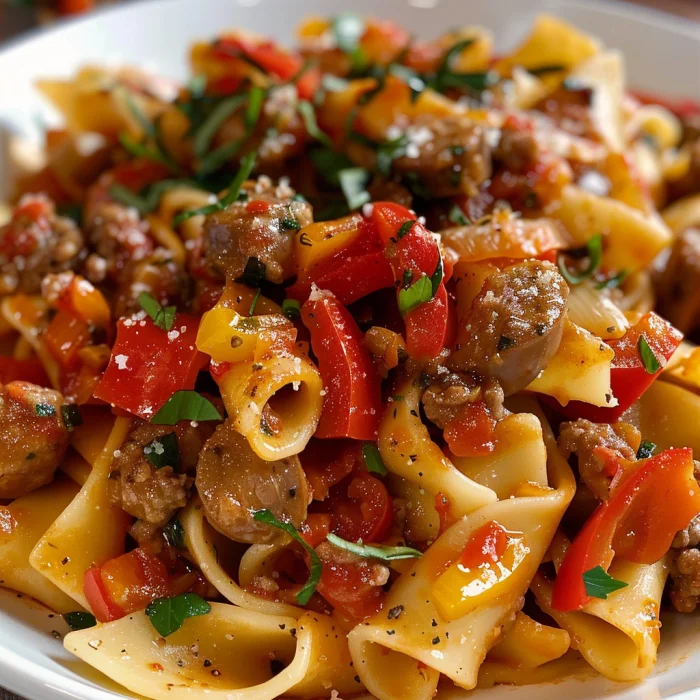
Get ready to embark on a culinary adventure that’s as full of character as it is flavor! We’re diving fork-first into the world of Savory Italian Drunken Noodles with Sausage, a dish that promises to turn an ordinary weeknight into a vibrant Italian feast. Now, don’t let the name fool you; this isn’t your local takeout’s spicy Thai noodle dish. Oh no, this is something entirely different—a hearty, soul-warming pasta masterpiece hailing from the heart of Italy’s cucina povera tradition. Imagine wide, ribbon-like noodles tangled with perfectly seasoned sausage, all swathed in a robust, deeply flavorful tomato sauce that boasts a unique and aromatic depth. The best part? Despite its incredibly impressive taste, this meal is surprisingly straightforward to whip up. So, tie on your apron, and let’s unravel the story, the mystery, and the magic behind this unforgettable pasta dish.
Introduction & The Story Behind the Dish
Savory Italian Drunken Noodles with Sausage: Your Ultimate Guide to Pasta alla Ubriaca
Picture this: the irresistible sizzle of Italian sausage hitting a hot skillet, the fragrant aroma of garlic and herbs beginning to dance in the air, and a generous glug of rich, dark grape juice reduction bubbling into a magnificent sauce. This, my friends, is the symphony of flavors that announces the arrival of Savory Italian Drunken Noodles with Sausage. Honestly, is there anything more comforting than a big, steaming bowl of pasta? But this isn’t just any pasta; it’s a conversation starter, a centerpiece, a dish brimming with rustic charm and a backstory as intriguing as its name. Ultimately, this ultimate guide will walk you through every step, from its humble origins in the Italian countryside to mastering the perfect plate in your own kitchen. Get ready to discover your new favorite dinner!
What Are Drunken Noodles? Unraveling the Name and the Myth
Alright, let’s clear up the confusion right off the bat! When you hear “drunken noodles,” your mind might instantly jump to the fantastic, spicy Thai street food dish known as Pad Kee Mao. However, that’s a completely different culinary journey! The Italian version we’re celebrating today, also known by its authentic name Pasta all’Ubriaca, is a whole other beast—a wonderfully delicious one, of course.
So, what’s with the “drunken” moniker if not a connection to Thailand? Well, the truth is, there are a few fantastic tales swirling around like a good sauce. Firstly, the most popular theory points directly to the sauce itself. Traditionally, the recipe calls for a very generous amount of robust red grape juice reduction, which reduces down and infuses the tomatoes with an incredible depth of flavor and a slight tangy sweetness. It’s as if the noodles go for a swim in this luxurious bath, soaking up all its goodness—hence, they become “drunk” on flavor.
Conversely, another fun story suggests the name comes from the dish’s wonderfully rustic, “messy” appearance. After being tossed vigorously, the wide, flat noodles clump together haphazardly, looking a little worse for wear, much like someone who might have enjoyed a little too much vino. Regardless of its true origin, one thing is absolutely certain: the name sticks with you, just like the incredible taste of this unforgettable meal.
The History and Your Complete Ingredient Breakdown
A Rustic Tale: The Humble Origins of Pasta all’Ubriaca
To truly appreciate this dish, you have to understand its soul, which is deeply rooted in the Italian philosophy of cucina povera, or “poor kitchen.” This isn’t about a lack of flavor; far from it! Instead, it’s a celebration of ingenuity and resourcefulness—transforming a handful of simple, humble ingredients into something utterly magnificent. Imagine Italian home cooks generations ago, looking at a half-finished bottle of red grape reduction and some basic pantry staples. Rather than waste anything, they devised a way to weave them into a rich, complex pasta sauce that could feed a family. Consequently, this spirit of making the absolute best with what you have is the true heart of Drunken Noodles.
While its exact birthplace is a bit murky, the dish’s character strongly suggests origins in the central regions of Italy, like Tuscany or Lazio. These areas are famous for their robust, earthy cuisine that relies on the quality of each component rather than complicated techniques. Therefore, when you make this recipe, you’re not just cooking dinner; you’re participating in a beautiful, centuries-old tradition of Italian resourcefulness and passion for good food.
Building Your Flavor Foundation: The Essential Ingredients
Alright, let’s talk about the all-stars—the building blocks that create the symphony of flavors in this dish. Using high-quality ingredients here makes a world of difference, turning a simple meal into an extraordinary one.
The Soul of the Dish: Choosing Your Sausage
First up, the star of the show: the sausage. Traditionally, you’ll want to use Italian sausage, which is already generously seasoned with fennel, garlic, and other herbs. You’ll find it in both mild (sweet) and hot (spicy) varieties; the choice is yours depending on your desired heat level. For an authentic touch, purchase links and squeeze the meat out of the casing. Thankfully, if you’re in a pinch, plain ground pork or even chicken sausage works wonderfully too!
The “Drunk” Element: Selecting the Right Red Grape Reduction
Now, for the pivotal ingredient that gives the dish its name! You need a dry, robust, and drinkable red grape reduction. A Chianti or Sangiovese works beautifully, lending a perfect acidity and depth. A crucial pro tip? Never, ever use that so-called “cooking wine” from the supermarket shelf. If you wouldn’t enjoy drinking a small glass of it, you certainly shouldn’t cook with it. The flavor concentrates as it reduces, so make it count!
The Noodle Canvas: Pasta Choices
While you can technically use any pasta, wide, flat noodles are the undisputed champion for Drunken Noodles. Their broad, porous surface area is like a blank canvas, perfectly designed to grab onto and hold every bit of the chunky, glorious sauce. Pappardelle is the classic choice, but mafaldine, fettuccine, or tagliatelle are all fantastic substitutes.
The Aromatics & Sauce Base
This is your flavor foundation. You’ll need:
-
Yellow Onion: Finely diced to melt into the sauce.
-
Garlic: Freshly minced, because pre-minced jarred garlic simply won’t deliver the same punch.
-
Crushed Red Pepper Flakes: For that essential subtle kick.
-
Canned Tomatoes: Opt for high-quality San Marzano-style tomatoes or good crushed tomatoes. Their sweet, less acidic flavor is key.
-
Olive Oil: Use a good extra virgin olive oil for sautéing. You can learn more about selecting the right one in this guide to high-quality extra virgin olive oil.
The Finishers: Fresh Herbs and Cheese
Don’t you dare skip these! They add the final layer of freshness and salty richness that brings the entire dish together.
-
Fresh Basil: Torn, not chopped, to release its beautiful aroma.
-
Hard Cheese: Freshly grated Pecorino Romano (saltier, sharper) or Parmigiano-Reggiano (nutty, complex) is non-negotiable.
The Step-by-Step Cooking Guide
Crafting the Perfect Plate: A Step-by-Step Recipe Guide
Prep Time: 15 Minutes | Cook Time: 30 Minutes | Total Time: 45 Minutes
Equipment You’ll Need
Gathering your tools beforehand makes the process seamless. You’ll need:
-
A large pot for cooking the pasta.
-
A large, heavy-bottomed skillet or Dutch oven.
-
A wooden spoon for stirring and scraping.
-
A chef’s knife and cutting board.
-
A grater for your cheese.
Ingredients List (Serves 4-6)
-
1 lb (450g) wide pasta like pappardelle or fettuccine
-
1 tbsp extra virgin olive oil
-
1 lb (450g) Italian sausage, casings removed
-
1 medium yellow onion, finely diced
-
4 cloves garlic, minced
-
½ tsp crushed red pepper flakes (adjust to taste)
-
1 cup dry, robust red grape reduction
-
1 (28 oz) can crushed tomatoes or San Marzano tomatoes
-
Salt and freshly ground black pepper, to taste
-
¼ cup fresh basil, torn, plus more for garnish
-
Freshly grated Pecorino Romano or Parmesan cheese, for serving
Step 1: Preparing Your Ingredients (Mise en Place)
Trust me on this: taking five minutes to chop, measure, and organize everything before you turn on the stove is the ultimate game-changer. This French concept, mise en place (“everything in its place”), transforms chaotic cooking into a calm, enjoyable process. You’ll be grateful later when you’re not frantically searching for the garlic while the onions threaten to burn!
Step 2: Browning the Sausage to Perfection
Now, let’s get cooking! Heat the olive oil in your large skillet over medium-high heat. Add the sausage, breaking it up with your wooden spoon into nice, bite-sized crumbles. Here’s the key: don’t stir it constantly! Let it sit for a minute to develop a beautiful, brown, caramelized crust on one side before stirring. This process creates fond—those delicious browned bits stuck to the pan—which is pure flavor gold.
Step 3: Sautéing the Aromatics
Once the sausage is perfectly browned, push it to the sides of the skillet or remove it temporarily. Add the diced onion to the rendered sausage fat and cook until softened and translucent, about 4-5 minutes. Then, add the minced garlic and red pepper flakes, cooking for just one more minute until incredibly fragrant. Be careful not to burn the garlic, or it will turn bitter.
Step 4: The Grand Deglaze with Red Grape Reduction
This is the most satisfying step! Pour that entire cup of red grape reduction into the hot skillet. It will sizzle and steam magnificently. Immediately, use your wooden spoon to scrape all those browned bits (the fond) from the bottom of the pan. This process, called deglazing, unlocks a tremendous amount of flavor. Let the liquid simmer and reduce by about half, which will take roughly 3-4 minutes.
Step 5: Building and Simmering the Sauce
Next, stir in your canned tomatoes. If you’re using whole San Marzanos, crush them with your hands as you add them for a rustic texture. Season generously with salt and pepper. Bring the sauce to a lively simmer, then reduce the heat to low and let it bubble gently, uncovered, for 15-20 minutes. This allows the flavors to meld beautifully and the sauce to thicken to the perfect consistency.
Step 6: Cooking the Pasta Al Dente
While the sauce is simmering, bring your large pot of water to a rolling boil. Salt it generously—it should taste like the sea! This is your only chance to season the pasta itself. Cook the pasta according to package directions but aim for al dente—meaning it should still have a slight bite to it. Remember, it will finish cooking in the sauce, so undercooking it slightly is crucial.
Combining, Serving, and Expert Tips
Step 7: The Marriage: Combining Pasta and Sauce
This is where the magic happens! Using tongs, transfer the al dente pasta directly from the boiling water into the simmering sauce. A little starchy pasta water clinging to the noodles is a good thing! Add about a ¼ cup of the pasta water to the skillet. Now, over low heat, toss and stir the pasta vigorously for 1-2 minutes. You’ll see the sauce start to cling to the noodles and emulsify, creating a creamy, restaurant-quality coating. The pasta will absorb the sauce and finish cooking to perfection.
Step 8: The Final Touch: Finishing and Serving
Turn off the heat immediately. This is the time to stir in your fresh, torn basil and a big handful of that freshly grated cheese. Give everything one final, glorious toss. Finally, drizzle with a little more high-quality extra virgin olive oil for a fruity finish. Serve right away in warm bowls with extra basil and cheese on the table for everyone to help themselves.
Pro Tips for Unforgettable Drunken Noodles
Want to take your dish from great to mind-blowing? These simple tips are the secret.
Don’t Rush the Reduction
When you add the red grape reduction, let it bubble away until it’s reduced by half. This step is non-negotiable! It cooks off the sharpness and concentrates the flavor, leaving behind a deep, complex sweetness that defines the sauce.
Embrace the Starch
That cloudy, starchy pasta water is literally liquid gold. Don’t drain it down the sink! The starch acts as a natural thickener, helping the sauce cling to each noodle and creating a silky, cohesive texture that water could never achieve.
Fresh is Best
I know it’s tempting to use dried herbs and pre-shredded cheese, but please resist! Fresh basil provides a bright, aromatic lift that dried basil simply can’t match. Similarly, a block of cheese you grate yourself melts better and tastes infinitely superior to the anti-caking agent-coated stuff in bags.
Rest Your Dish
It might test your patience, but letting the finished pasta sit off the heat for just 2-3 minutes before serving works wonders. This allows the noodles to fully drink in the sauce, making every single bite more flavorful.
Variations, Pairing, and Storage
Make It Your Own: Delicious Variations and Substitutions
The beauty of this recipe is its flexibility. Feel free to get creative and make it suit your tastes!
Protein Swaps
Not a fan of sausage? No problem! Browned ground beef, turkey, or chicken work well. For a truly indulgent twist, try using crispy pancetta or even large shrimp added in the last few minutes of cooking.
Vegetable Add-Ins
Boost the nutrition and color by stirring in vegetables. Sautéed mushrooms, bell peppers, or zucchini are fantastic additions. For greens, stir in a few handfuls of fresh spinach or kale right at the end until just wilted.
A Creamy Twist
If you’re craving something even richer, add a splash of heavy cream or a few dollops of ricotta cheese at the very end, just before serving. This creates a luxurious, rosé-style sauce that is absolutely divine.
Gluten-Free Option
This robust sauce holds up beautifully to any pasta. Simply swap the traditional noodles for your favorite gluten-free variety. Chickpea or lentil pasta would be especially delicious here.
The Perfect Pairing: What to Serve with Drunken Noodles
This pasta is a hearty meal on its own, but a few simple sides can turn it into a feast.
Side Dishes
A simple, crisp salad is the perfect contrast to the rich pasta. Try an arugula salad with a lemon vinaigrette. Of course, a slice of crusty, garlicky bread is essential for mopping up every last bit of sauce from your plate.
Wine Pairing
Since the dish features a red grape reduction, continuing with the same theme is a perfect match. A Chianti Classico or a Sangiovese would complement the meal beautifully. For more on this, check out this expert guide on pairing wine with tomato-based sauces. If you prefer white, a crisp Pinot Grigio can also work well.
Storage and Reheating Instructions
Fridge
Leftovers? Lucky you! Store them in an airtight container in the refrigerator for up to 4 days.
Freezer
This dish freezes surprisingly well. Cool it completely and store it in a freezer-safe container for up to 3 months. Thaw overnight in the refrigerator before reheating.
Reheating
The best way to reheat is gently in a skillet on the stovetop over medium-low heat. Add a small splash of water, broth, or even a little more tomato sauce to loosen it up as it warms. The microwave works in a pinch, but it can tend to overcook the pasta, making it a bit rubbery.
FAQs and Conclusion
Frequently Asked Questions (FAQs)
Can I make Italian drunken noodles without alcohol?
Absolutely! You can make a fantastic non-alcoholic version. Simply substitute the red grape reduction with an equal amount of beef or vegetable broth mixed with a tablespoon of red wine vinegar or balsamic vinegar. This will replicate the acidity and depth you need.
What’s the difference between Italian and Thai drunken noodles?
They are completely different dishes from different culinary traditions. Thai Drunken Noodles (Pad Kee Mao) are a stir-fry made with rice noodles, Thai basil, soy sauce, chilies, and often meat or seafood. Italian Drunken Noodles (Pasta all’Ubriaca) are a sauced pasta dish with a tomato and red grape reduction base, Italian sausage, and herbs like basil.
Can I use a different type of pasta?
Of course! While wide, flat noodles are traditional because they hold the sauce so well, any short, sturdy shape like penne, rigatoni, or fusilli will work perfectly. For a deep dive into shapes, this comprehensive guide to different types of pasta is a great resource.
Why are my drunken noodles watery?
This usually happens for two reasons: the sauce didn’t reduce enough before adding the pasta, or too much pasta water was added. To fix it, simply simmer the combined pasta and sauce for a few more minutes over low heat, stirring constantly, until the excess liquid evaporates.
Conclusion: Your New Favorite Weeknight Feast
And there you have it! You’ve just journeyed through the heart of Italy and emerged with the secrets to creating an incredible, restaurant-quality meal right in your own kitchen. Savory Italian Drunken Noodles with Sausage is more than just a recipe; it’s a testament to how a few simple ingredients, treated with care and passion, can create something truly spectacular. It’s hearty, flavorful, and surprisingly easy to master. So, what are you waiting for? Gather those ingredients, embrace the process, and get ready to receive rave reviews. Your new favorite weeknight feast is waiting to be discovered.
Print
Savory Italian Drunken Noodles with Sausage
Description
Savory Italian Drunken Noodles with Sausage
Ingredients
-
12 oz wide egg noodles (or pappardelle)
-
2 tbsp olive oil
-
1 lb Italian sausage (mild or spicy, casings removed)
-
1 large onion, thinly sliced
-
1 red bell pepper, sliced
-
1 yellow bell pepper, sliced
-
4 cloves garlic, minced
-
½ cup dry red wine
-
1 (28 oz) can crushed tomatoes
-
2 tbsp tomato paste
-
1 tsp dried oregano
-
1 tsp dried basil
-
½ tsp crushed red pepper flakes (optional)
-
Salt & black pepper, to taste
-
½ cup grated Parmesan cheese
-
Fresh parsley or basil, chopped (for garnish)
Instructions
-
Cook the noodles:
-
Bring a large pot of salted water to boil.
-
Cook noodles until al dente. Reserve ½ cup pasta water, then drain.
-
-
Cook the sausage & veggies:
-
In a large skillet, heat olive oil over medium-high.
-
Add sausage and cook until browned, breaking it up with a spoon.
-
Stir in onions and peppers, cooking until softened (about 5–6 minutes).
-
Add garlic and cook 1 minute until fragrant.
-
-
Build the sauce:
-
Stir in tomato paste and cook briefly to deepen flavor.
-
Deglaze with red wine, scraping up browned bits.
-
Add crushed tomatoes, oregano, basil, red pepper flakes, salt, and black pepper.
-
Simmer 15–20 minutes until thickened.
-
-
Combine:
-
Add cooked noodles to the skillet with sauce.
-
Toss gently, adding a splash of pasta water if needed to loosen the sauce.
-
Stir in Parmesan.
-
-
Serve:
-
Garnish with fresh parsley or basil and extra Parmesan.
-