
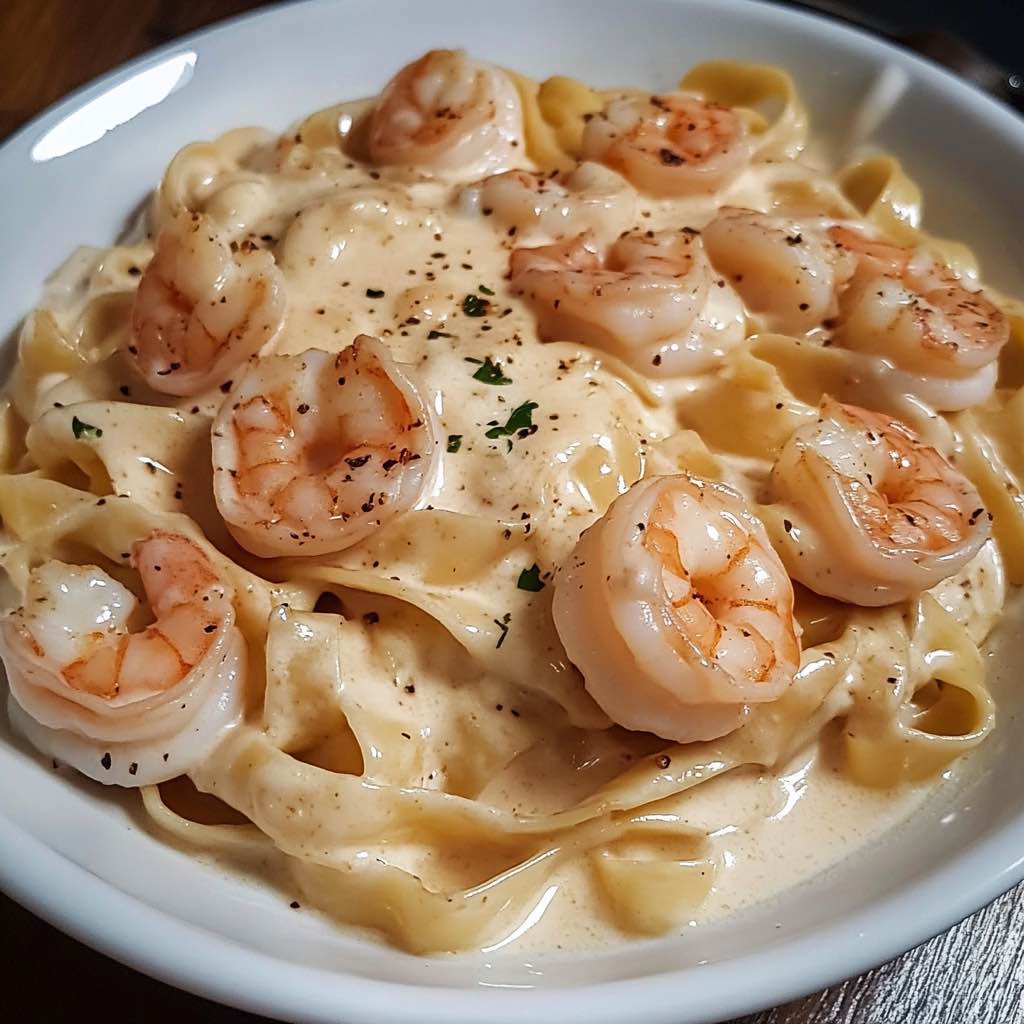
The Ultimate Guide to Perfect Shrimp Fettuccine Alfredo
Shrimp Fettuccine Alfredo represents the pinnacle of comfort food elegance. This creamy, indulgent pasta dish combines succulent shrimp with rich alfredo sauce and tender fettuccine noodles. Moreover, this restaurant-quality meal can be prepared in your own kitchen with remarkable ease. Whether you’re planning a romantic dinner or feeding a hungry family, this comprehensive guide will help you master every aspect of creating the perfect Shrimp Fettuccine Alfredo.
Table of Contents
-
Essential Ingredients for Shrimp Fettuccine Alfredo
-
Step-by-Step Cooking Instructions
-
Perfecting Your Alfredo Sauce
-
Shrimp Preparation Techniques
-
Pasta Selection and Cooking Tips
-
Recipe Variations and Customizations
-
Nutritional Benefits and Information
-
Storage and Reheating Guidelines
-
Common Mistakes to Avoid
-
Serving Suggestions and Pairings
-
Equipment and Tools Needed
-
Frequently Asked Questions
-
Final Thoughts and Recommendations
Essential Ingredients for Shrimp Fettuccine Alfredo
Creating exceptional Shrimp Fettuccine Alfredo starts with selecting quality ingredients. Each component plays a crucial role in developing the dish’s signature flavors and textures.
Primary Ingredients
The foundation of any great Shrimp Fettuccine Alfredo relies on fresh, high-quality ingredients. First, choose large or extra-large shrimp for the best texture and visual appeal. Additionally, fresh fettuccine pasta provides superior taste and texture compared to dried varieties.
-
Fresh shrimp (1-2 pounds, peeled and deveined)
-
Fettuccine pasta (1 pound, fresh or high-quality dried)
-
Heavy cream (2 cups for rich, velvety sauce)
-
Fresh Parmesan cheese (1 cup grated, plus extra for serving)
-
Unsalted butter (6 tablespoons for sauce base)
-
Fresh garlic (4-6 cloves, minced)
Supporting Ingredients
Furthermore, these additional ingredients enhance flavor and provide seasoning balance. They also contribute to the dish’s overall appeal and nutritional value.
-
Extra virgin olive oil (2 tablespoons)
-
Fresh parsley (1/4 cup, chopped)
-
Salt and black pepper (to taste)
-
Red pepper flakes (optional, 1/4 teaspoon)
-
Fresh lemon juice (2 tablespoons)
-
Nutmeg (pinch, for authentic alfredo flavor)
Step-by-Step Cooking Instructions
Mastering Shrimp Fettuccine Alfredo requires proper timing and technique. Therefore, following these detailed steps ensures consistent, restaurant-quality results every time.
Preparation Phase
Initially, organize all ingredients and equipment before beginning. This mise en place approach prevents timing issues and ensures smooth cooking flow.
-
Prepare ingredients: Pat shrimp dry and season with salt and pepper. Meanwhile, grate Parmesan cheese and mince garlic cloves.
-
Bring pasta water to boil: Fill a large pot with salted water. Subsequently, bring to a rolling boil over high heat.
-
Organize workspace: Arrange all ingredients within easy reach. Additionally, have serving plates warming in a low oven.
Cooking Process
The cooking process requires attention to timing and temperature control. Consequently, each step builds upon the previous one for optimal results.
Step 1: Cook the Pasta
Start the fettuccine according to package directions. However, cook for one minute less than recommended since it will finish cooking in the sauce. Reserve one cup of pasta water before draining.
Step 2: Prepare the Shrimp
Heat olive oil in a large skillet over medium-high heat. Then, add seasoned shrimp in a single layer. Cook for 2-3 minutes per side until pink and opaque. Remove shrimp and set aside on a warm plate.
Step 3: Create the Alfredo Base
In the same skillet, reduce heat to medium. Add butter and minced garlic, cooking until fragrant but not browned. This process takes approximately 1-2 minutes.
Step 4: Build the Sauce
Gradually pour in heavy cream while stirring constantly. Subsequently, bring to a gentle simmer and cook for 3-4 minutes until slightly thickened.
Step 5: Add Cheese and Seasonings
Remove skillet from heat and gradually whisk in grated Parmesan cheese. Then, season with salt, pepper, and a pinch of nutmeg. The residual heat will melt the cheese completely.
Step 6: Combine Everything
Add the drained fettuccine to the alfredo sauce. Toss gently to coat each strand evenly. If needed, add reserved pasta water to achieve desired consistency.
Step 7: Final Assembly
Return cooked shrimp to the skillet and gently fold into the pasta. Finally, add fresh lemon juice and chopped parsley for brightness and color.
Perfecting Your Alfredo Sauce
The alfredo sauce serves as the heart of Shrimp Fettuccine Alfredo. Therefore, understanding the science behind this creamy creation ensures consistent success.
Traditional Alfredo Components
Authentic alfredo sauce contains only three primary ingredients. However, many modern versions incorporate additional elements for enhanced flavor and stability.
The classic trinity consists of butter, Parmesan cheese, and pasta water. Nevertheless, heavy cream creates a more stable emulsion and richer texture for home cooks.
Temperature Control Techniques
Temperature management prevents sauce separation and graininess. Consequently, maintaining proper heat levels throughout the process is crucial.
Low and Slow Approach
Keep heat at medium or below when creating the sauce base. High temperatures can cause the cream to curdle or the cheese to become stringy. Additionally, remove the pan from heat before adding cheese to prevent overheating.
Gradual Incorporation
Add Parmesan cheese gradually while whisking continuously. This technique ensures smooth melting and prevents clumping. Furthermore, freshly grated cheese melts more smoothly than pre-packaged varieties.
Consistency Adjustments
Achieving the perfect sauce consistency requires understanding how ingredients interact. Moreover, having adjustment techniques ready prevents common texture issues.
Too Thick Solutions
If the sauce becomes too thick, gradually add reserved pasta water. The starchy water helps thin the sauce while maintaining proper texture. Alternatively, add a splash of heavy cream for richness.
Too Thin Remedies
For thin sauce, continue simmering gently to reduce and thicken. However, be careful not to overcook, as this can cause separation. Another option is whisking in additional grated Parmesan cheese.
Shrimp Preparation Techniques
Properly prepared shrimp elevates Shrimp Fettuccine Alfredo from good to extraordinary. Therefore, mastering these techniques ensures perfect results every time.
Selecting Quality Shrimp
Fresh or properly frozen shrimp both work well for this dish. However, certain selection criteria ensure optimal flavor and texture outcomes.
Size Considerations
Large or extra-large shrimp provide the best visual appeal and eating experience. Additionally, larger shrimp are less likely to overcook during the sautéing process.
Fresh vs. Frozen Guidelines
Fresh shrimp should smell like the ocean, not fishy. Meanwhile, frozen shrimp offers convenience and often better quality than “fresh” shrimp that has been transported long distances.
Preparation Methods
Proper shrimp preparation involves several key steps. Furthermore, attention to detail during this phase significantly impacts the final dish quality.
Peeling and Deveining
Remove shells completely, including the tail for easier eating. Subsequently, make a shallow cut along the back and remove the dark vein. This process improves both appearance and texture.
Seasoning Strategies
Pat shrimp completely dry before seasoning to ensure proper browning. Then, season generously with salt and pepper at least 15 minutes before cooking. This allows flavors to penetrate the seafood.
Cooking Techniques
The key to perfect shrimp lies in avoiding overcooking. Therefore, understanding visual cues and timing prevents rubbery, tough results.
Searing Method
Cook shrimp in a hot pan with minimal oil for 2-3 minutes per side. The shrimp should turn pink and opaque when properly cooked. Additionally, they should curl into a C-shape, not a tight circle.
Temperature Guidelines
Internal temperature should reach 145°F (63°C) for food safety. However, visual cues are often more reliable than thermometers for thin seafood like shrimp.
Pasta Selection and Cooking Tips
The pasta component significantly influences the overall success of Shrimp Fettuccine Alfredo. Therefore, choosing the right type and cooking it properly creates the perfect foundation.
Fettuccine Characteristics
Fettuccine’s wide, flat shape provides optimal surface area for sauce adherence. Consequently, this pasta variety holds alfredo sauce better than thinner alternatives.
Fresh vs. Dried Options
Fresh fettuccine offers superior texture and flavor absorption. However, high-quality dried pasta produces excellent results when fresh options are unavailable.
Cooking Methodology
Proper pasta cooking requires attention to water quality, timing, and technique. Moreover, these factors directly impact the final dish’s texture and flavor.
Water Preparation
Use abundant water (at least 4 quarts per pound of pasta) with generous salt. The water should taste like mild seawater for proper seasoning. Additionally, bring to a full rolling boil before adding pasta.
Timing Considerations
Cook pasta just shy of package directions since it will finish cooking in the sauce. This technique prevents overcooking and maintains proper texture. Furthermore, reserve pasta water before draining for sauce adjustments.
Al Dente Achievement
Properly cooked pasta should have a slight bite when tested. It should not be mushy or have a hard center. Additionally, the cooking liquid should be cloudy from released starches.
Recipe Variations and Customizations
Shrimp Fettuccine Alfredo serves as an excellent base for creative variations. Therefore, these modifications can accommodate different dietary preferences and flavor profiles.
Protein Alternatives
While shrimp provides the classic preparation, other proteins work equally well. Additionally, combining multiple proteins creates more complex and satisfying meals.
Chicken Additions
Grilled or sautéed chicken breast complements the alfredo sauce beautifully. Cut chicken into bite-sized pieces and season before cooking. Subsequently, add to the pasta along with the shrimp.
Seafood Combinations
Scallops, crab meat, or lobster create luxurious variations. However, adjust cooking times according to each seafood’s requirements. Moreover, these premium options elevate the dish for special occasions.
Vegetable Enhancements
Adding vegetables increases nutritional value and provides color contrast. Furthermore, vegetables contribute varying textures and flavors to complement the creamy base.
Classic Additions
-
Broccoli florets (blanched until tender-crisp)
-
Asparagus spears (trimmed and cut into 2-inch pieces)
-
Cherry tomatoes (halved for bursts of acidity)
-
Spinach leaves (wilted into the finished dish)
Seasonal Variations
Incorporate seasonal vegetables for year-round variety. For example, spring peas and summer zucchini add freshness. Meanwhile, winter squash and mushrooms provide earthy depth.
Sauce Modifications
The alfredo base can be modified while maintaining its essential character. Therefore, these variations provide different flavor profiles and dietary accommodations.
Herb Enhancements
Fresh herbs brighten the rich sauce and add aromatic complexity. Basil, oregano, and thyme all work well. Additionally, herb combinations create more complex flavor profiles.
Spice Additions
Red pepper flakes, paprika, or cayenne add heat and depth. However, use restraint to avoid overwhelming the delicate alfredo flavors. Furthermore, taste and adjust gradually.
Nutritional Benefits and Information
Understanding the nutritional aspects of Shrimp Fettuccine Alfredo helps make informed dietary decisions. Moreover, this knowledge enables modifications for specific health goals.
Protein Content Analysis
Shrimp provides high-quality, lean protein with minimal calories. Additionally, this seafood offers essential amino acids required for muscle maintenance and growth.
Shrimp Nutritional Profile
A 3.5-ounce serving of shrimp contains approximately:
-
Protein: 24 grams
-
Calories: 99
-
Fat: 0.3 grams
-
Cholesterol: 152 milligrams
Vitamin and Mineral Content
Shrimp delivers significant amounts of essential nutrients. Furthermore, these micronutrients support various bodily functions and overall health.
Key Nutrients
-
Selenium: Antioxidant properties and thyroid function
-
Vitamin B12: Nervous system health and energy metabolism
-
Phosphorus: Bone and teeth strength
-
Iodine: Thyroid hormone production
Caloric Considerations
Shrimp Fettuccine Alfredo is calorie-dense due to cream and cheese content. However, understanding portion sizes helps manage caloric intake while enjoying this indulgent dish.
Per Serving Estimates (based on 6 servings)
-
Total calories: approximately 650-750
-
From shrimp: 165 calories
-
From pasta: 220 calories
-
From sauce: 265-365 calories
Healthier Modifications
Several modifications can reduce calories while maintaining flavor. Therefore, these adjustments accommodate various dietary preferences and health goals.
Lighter Sauce Options
-
Replace heavy cream with half-and-half or milk
-
Use Greek yogurt for portion of cream
-
Reduce cheese quantity and add nutritional yeast
-
Incorporate pureed cauliflower for creaminess
Storage and Reheating Guidelines
Proper storage and reheating techniques preserve quality and ensure food safety. Moreover, these methods extend the dish’s enjoyment beyond initial preparation.
Refrigeration Protocols
Leftover Shrimp Fettuccine Alfredo requires careful storage to maintain quality. Additionally, following food safety guidelines prevents bacterial growth and foodborne illness.
Storage Containers
Use airtight containers to prevent moisture loss and odor absorption. Glass containers work particularly well for cream-based dishes. Furthermore, divide large portions into smaller containers for faster cooling.
Time Limitations
Consume refrigerated leftovers within 3-4 days for optimal quality and safety. Label containers with preparation dates to track freshness. Additionally, check for off odors or unusual appearance before reheating.
Freezing Considerations
While possible, freezing cream-based pasta dishes presents challenges. Therefore, understanding these limitations helps set appropriate expectations.
Texture Changes
Cream sauces may separate upon thawing, creating grainy textures. However, gentle reheating with additional liquid can improve consistency. Moreover, thorough stirring helps reincorporate separated components.
Best Practices
-
Freeze in portion-sized containers
-
Use within 2-3 months for best quality
-
Thaw completely in refrigerator before reheating
-
Add fresh herbs and cheese when reheating
Reheating Methods
Proper reheating techniques restore moisture and prevent overcooking. Furthermore, these methods help maintain the dish’s original texture and flavor.
Stovetop Method
Heat gently in a large skillet over low heat. Add splash of cream or pasta water to restore consistency. Stir frequently to prevent sticking and ensure even heating.
Oven Method
Cover tightly with foil and heat at 350°F (175°C). Add liquid if needed and stir halfway through heating. This method works well for larger portions.
Microwave Guidelines
Use 50% power setting to prevent overheating. Cover container and stir every 30 seconds. Add liquid as needed to maintain proper consistency.
Common Mistakes to Avoid
Learning from common errors prevents disappointing results. Therefore, understanding these pitfalls ensures consistent success with Shrimp Fettuccine Alfredo preparation.
Sauce-Related Errors
The alfredo sauce presents several potential challenges. However, awareness of these issues enables preventive measures and quick corrections.
Overheating Problems
High heat causes cream to curdle and cheese to become stringy. Therefore, maintain low to medium heat throughout sauce preparation. Additionally, remove from heat when adding cheese to prevent overheating.
Separation Issues
Sauce separation occurs when ingredients don’t emulsify properly. This problem often results from temperature extremes or adding ingredients too quickly. Furthermore, gradual incorporation and constant stirring prevent separation.
Pasta Mistakes
Pasta preparation significantly impacts the final dish quality. Consequently, avoiding these common errors ensures optimal results.
Overcooking Concerns
Overcooked pasta becomes mushy and doesn’t hold sauce properly. Cook pasta one minute less than package directions since it continues cooking in the sauce. Additionally, taste test frequently during cooking.
Undersalting Issues
Unsalted pasta water produces bland noodles that don’t absorb flavors well. The cooking water should taste pleasantly salty. Moreover, this is the only opportunity to season the pasta directly.
Shrimp Preparation Errors
Properly prepared shrimp distinguishes exceptional dishes from mediocre ones. Therefore, avoiding these mistakes ensures perfect seafood every time.
Overcooking Problems
Overcooked shrimp becomes tough and rubbery. Cook just until pink and opaque, typically 2-3 minutes per side. Additionally, shrimp continues cooking from residual heat after removal from pan.
Underseasoning Issues
Bland shrimp fails to contribute meaningful flavor to the dish. Season generously with salt and pepper at least 15 minutes before cooking. Furthermore, consider additional seasonings like garlic powder or paprika.
Serving Suggestions and Pairings
Thoughtful accompaniments enhance the Shrimp Fettuccine Alfredo dining experience. Moreover, balanced pairings create memorable meals that satisfy all senses.
Bread Selections
Bread serves as an excellent vehicle for enjoying excess alfredo sauce. Additionally, different bread types provide varying textures and flavors.
Garlic Bread Variations
Classic garlic bread complements the dish’s rich flavors perfectly. [Check out our guide on homemade garlic bread techniques] for detailed preparation instructions. Furthermore, herb-infused variations add aromatic complexity.
Other Bread Options
-
Crusty Italian bread (for rustic appeal)
-
Focaccia (herb-topped for extra flavor)
-
Breadsticks (convenient for individual servings)
Salad Pairings
Fresh salads provide acidic contrast to the rich, creamy pasta. Therefore, carefully selected greens and dressings balance the meal’s overall profile.
Recommended Combinations
-
Caesar salad (classic pairing with Italian dishes)
-
Mixed greens with vinaigrette (light and refreshing)
-
Arugula salad with lemon dressing (peppery contrast)
Vegetable Sides
Steamed or roasted vegetables add nutritional value and color contrast. Moreover, these preparations complement without competing with the main dish.
Preparation Methods
-
Steamed broccoli (bright green color and mild flavor)
-
Roasted asparagus (elegant presentation and earthy taste)
-
Sautéed spinach (quick preparation and nutritional density)
Equipment and Tools Needed
Having proper equipment ensures smooth preparation and optimal results. Furthermore, quality tools make the cooking process more enjoyable and efficient.
Essential Cookware
Basic cookware requirements are minimal but important for success. Additionally, using appropriate sizes prevents overcrowding and ensures even cooking.
Primary Equipment
-
Large pot (for boiling pasta water)
-
Large skillet or sauté pan (for sauce and shrimp)
-
Colander (for draining pasta)
-
Whisk (for smooth sauce preparation)
-
Tongs (for pasta handling and serving)
Helpful Accessories
While not absolutely necessary, these tools improve efficiency and results. Moreover, they demonstrate commitment to culinary excellence.
Nice-to-Have Items
-
Microplane grater (for fresh Parmesan cheese)
-
Pasta serving bowl (keeps food warm longer)
-
Ladle (for sauce portion control)
-
Kitchen thermometer (for precise temperature monitoring)
Frequently Asked Questions
Common questions about Shrimp Fettuccine Alfredo preparation help address typical concerns. Therefore, these answers provide additional guidance for successful results.
Can I use frozen shrimp for Shrimp Fettuccine Alfredo?
Yes, frozen shrimp works excellently for this dish. However, thaw completely and pat dry before cooking. Additionally, frozen shrimp often provides better quality than “fresh” shrimp that has been transported long distances.
How do I prevent alfredo sauce from separating?
Maintain low heat and add ingredients gradually while whisking constantly. Furthermore, remove from heat before adding cheese to prevent overheating. If separation occurs, whisk in warm pasta water gradually.
What’s the best pasta shape besides fettuccine?
Linguine, pappardelle, or tagliatelle all work well due to their wide, flat shapes. These pasta types hold cream sauce effectively. Moreover, their similar textures provide comparable eating experiences.
How can I make the dish lighter without sacrificing flavor?
Replace half the heavy cream with Greek yogurt or ricotta cheese. Additionally, use less butter and supplement with pasta water for consistency. Furthermore, add extra herbs and seasonings to maintain flavor intensity.
Can I prepare components ahead of time?
Yes, cook shrimp and prepare sauce base separately up to one day ahead. However, combine with fresh pasta just before serving for optimal texture. Moreover, reheat gently and adjust consistency as needed.
What causes grainy alfredo sauce?
Overheating or adding cheese too quickly creates graininess. Therefore, maintain low heat and incorporate cheese gradually off the heat. Additionally, use freshly grated Parmesan rather than pre-packaged varieties.
Final Thoughts and Recommendations
Shrimp Fettuccine Alfredo represents the perfect marriage of elegance and comfort. This versatile dish adapts to various skill levels while delivering consistently impressive results. Moreover, understanding the fundamental techniques enables countless creative variations.
The key to exceptional results lies in quality ingredients and proper technique. Therefore, invest in fresh shrimp, good Parmesan cheese, and heavy cream. Additionally, maintain proper temperatures throughout the cooking process to ensure smooth, creamy sauce consistency.
Practice makes perfect with this classic preparation. Furthermore, each attempt provides valuable experience and confidence building. Don’t hesitate to experiment with variations once you’ve mastered the basic technique.
Remember that cooking should be enjoyable and rewarding. Therefore, embrace the process and learn from any mistakes along the way. Moreover, sharing this delicious dish with family and friends creates lasting memories around the dinner table.
Shrimp Fettuccine Alfredo
Description
Ingredients
For the Pasta & Shrimp:
-
1 pound fettuccine pasta
-
1¼ pounds large shrimp, peeled and deveined
-
1 teaspoon kosher salt
-
½ teaspoon black pepper
-
¼ teaspoon garlic powder
-
¼ teaspoon baking soda (helps shrimp stay plump)
-
2 tablespoons olive oil
For the Alfredo Sauce:
-
8 tablespoons (½ cup) unsalted butter
-
3 cloves garlic, minced
-
1¼ cups heavy cream
-
1¼ cups freshly grated Parmigiano-Reggiano cheese, plus extra for serving
-
Salt and freshly ground black pepper to taste
-
2 tablespoons fresh Italian parsley, chopped
-
1 cup reserved pasta water
Instructions
Prepare the Components
Bring a large pot of generously salted water (2 tablespoons kosher salt per gallon) to boil. Pat shrimp completely dry with paper towels and season with salt, pepper, garlic powder, and baking soda. Mix well and let sit for 5 minutes to allow seasonings to penetrate.
Cook the Shrimp
Heat a large stainless steel skillet over medium heat for 3 minutes. Add olive oil and immediately add seasoned shrimp in a single layer. Cook for 2-3 minutes until just pink and opaque, stirring occasionally. Remove shrimp to a plate and tent with foil to keep warm.
Make the Alfredo Sauce
In the same skillet, reduce heat to medium-low and add butter. Once melted, add minced garlic and cook until golden, about 2 minutes. Pour in heavy cream and bring to a gentle simmer, cooking for 3-4 minutes until slightly thickened. Gradually whisk in the grated Parmesan cheese, stirring continuously until completely melted and smooth.
Cook and Combine
While making the sauce, cook fettuccine in the boiling water until al dente according to package directions, reserving 1 cup of pasta water before draining. Add the drained pasta directly to the alfredo sauce and toss to coat, adding reserved pasta water gradually if needed to achieve perfect consistency. Return the cooked shrimp to the pan and gently fold in.
Serving
Taste and adjust seasoning with salt and pepper as needed. Sprinkle with fresh chopped parsley and serve immediately with additional grated Parmesan cheese on the side. This luxurious dish is ready in about 30 minutes and delivers the rich, creamy flavors that complement your preference for indulgent seafood dishes.