
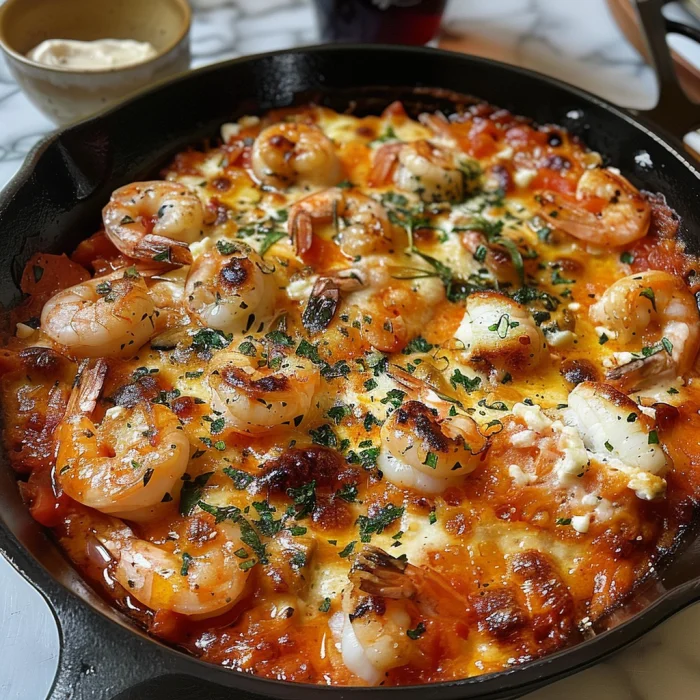
A Taste of the Aegean Sea: Your Journey to Authentic Shrimp Saganaki
Picture this: a rustic, sizzling skillet arrives at your table, its contents bubbling with a vibrant, crimson tomato sauce. Plump, pink shrimp peek out from beneath a generous blanket of creamy, slightly golden feta cheese. The air is filled with an irresistible aroma—sweet tomatoes, pungent garlic, fresh herbs, and a hint of the sea. This is Shrimp Saganaki, a quintessential Greek meze that is far more than just a recipe; it’s an experience. It’s about sharing, dipping crusty bread into the rich sauce, and feeling instantly transported to a sunny taverna by the Aegean.
This ultimate guide will be your passport to recreating this magic at home. We’ll delve into the dish’s fascinating history, break down the importance of each simple ingredient, and provide a foolproof, step-by-step recipe for authentic Shrimp Saganaki. Furthermore, we’ll explore expert tips, delicious variations, and the perfect pairings to turn your meal into a true Greek feast. Get ready to unlock the secrets of this classic dish and impress everyone at your table.
Shrimp Saganaki: Your Ultimate Guide to the Classic Greek Shrimp with Tomato & Feta
Close your eyes and imagine the Mediterranean sun warming your skin. Now, imagine the incredible aroma of garlic and oregano sizzling in olive oil, soon joined by the sweet, tangy scent of simmering tomatoes. Finally, picture juicy, plump shrimp baked under a glorious crust of salty, baked feta cheese. That, right there, is the essence of Shrimp Saganaki—a dish that captures the very soul of Greece in a single, breathtaking skillet.
Honestly, this iconic Greek seafood recipe is a superstar for a reason. It’s not just food; it’s a social event centered around a shared pan. Ultimately, this article will be your comprehensive guide, walking you through everything from its humble origins to the secrets of crafting the perfect sauce. We’ll cover the cultural significance of this beloved meze, provide a detailed ingredient breakdown, and of course, deliver a crystal-clear recipe for Greek shrimp with tomato and feta. So, whether you’re a seasoned cook or a curious beginner, prepare to discover why this dish is a cornerstone of authentic Greek cuisine.
What is Shrimp Saganaki? More Than Just a Recipe
First of all, let’s clear up a common mix-up. When you hear “saganaki” in many restaurants, you might immediately think of that flaming cheese spectacle. Surprisingly, however, the name actually refers to the cooking vessel itself! Traditionally, a “saganaki” is a small, two-handled heavy-bottomed pan used in Greece for frying or baking. Consequently, many dishes prepared in this pan inherit its name.
Therefore, Garides Saganaki (the Greek name) specifically refers to shrimp baked in this distinctive pan. At its heart, it’s a beautifully simple concoction: a flavorful tomato-based sauce, succulent shrimp, and a generous topping of crumbled feta cheese, all baked until bubbly and golden. Served straight from the oven, it’s a messy, shareable, and utterly joyous eating experience. Ultimately, the goal isn’t elegance; it’s about gathering friends and family, tearing off pieces of warm, crusty bread, and diving right in to scoop up every last bit of that incredible sauce. It’s a taste of Greek hospitality you can easily recreate in your own kitchen.
The Story Behind the Skillet: A Brief History of Saganaki
To truly appreciate a dish, it often helps to know its story. While the exact origins are, like many traditional recipes, a little fuzzy, the history of saganaki is deeply woven into the fabric of Greek culinary life.
The Humble “Saganaki” Pan
Originally, the term didn’t describe food at all! The word saganaki comes from the Turkish word “sahan,” meaning a copper or brass skillet, often with two handles. These pans were, and still are, workhorses in Greek kitchens and tavernas. Their heavy base distributes heat perfectly for everything from frying cheeses to sautéing vegetables and, of course, for baking this iconic shrimp dish. Using this specific pan is a nod to tradition, connecting your cooking to generations of Greek home cooks.
From Meze to Main Attraction
In Greece, food is about community. Shrimp Saganaki perfectly embodies this spirit, typically served as a meze—a small, shared plate meant to be enjoyed with drinks and conversation. It’s a staple in seaside tavernas, where the catch of the day is transformed into simple, spectacular dishes. While variations exist from island to island—some might add a dash of ouzo for complexity, others a handful of capers for brininess—the soul of the dish remains constant: fresh, high-quality ingredients cooked with passion and shared with joy.
Selecting the Perfect Ingredients for an Authentic Taste
Alright, let’s get down to the nitty-gritty: the ingredients. Here’s the secret—this dish is stunningly simple. Because of that, each component really gets a chance to shine, so quality is an absolute non-negotiable. You simply can’t hide lackluster ingredients here!
The Star of the Show: Choosing Your Shrimp
For the best Garides Saganaki, you’ve got options. While fresh, wild-caught shrimp are fantastic, high-quality frozen shrimp are a brilliant and often more sustainable choice. Honestly, they’re typically flash-frozen right on the boat, locking in peak freshness. A pro tip? Look for sizes labeled 16/20 or 21/25 count per pound—they’re substantial enough to hold their own in the bake. Furthermore, leaving the tails on isn’t just for looks; it actually adds a tremendous amount of flavor to the sauce as everything cooks together. Just remember to devein them for the best texture!
The Trinity of Greek Cooking: Tomatoes, Olive Oil, and Herbs
This trio is the holy grail of flavor for this dish.
-
Tomatoes: In the middle of summer, ripe, fresh tomatoes are sublime. For the other nine months of the year, a good-quality can of crushed tomatoes is your absolute best friend. It provides consistent, deep, sweet tomato flavor that forms the perfect base for your sauce.
-
Olive Oil: Please, do not skimp! Extra virgin olive oil is a core flavor ingredient, not just a cooking fat. Its fruity, peppery notes are fundamental to the Mediterranean diet and this recipe. A final drizzle over the finished dish before serving? Chef’s kiss!
-
Herbs: Fresh herbs are non-negotiable. Dill and flat-leaf parsley are the classic choices here. Dill provides a lovely, light anise-like flavor that pairs magically with seafood, while parsley gives a fresh, clean finish. Dried herbs just won’t deliver the same vibrant punch.
The Crown Jewel: Understanding Greek Feta Cheese
This is where many go astray! For an authentic experience, you must seek out authentic Greek feta cheese. True feta is a Protected Designation of Origin (PDO) product, meaning it must be made in Greece from at least 70% sheep’s milk, often blended with goat’s milk. This gives it a tangy, salty, and wonderfully creamy complexity that you simply cannot get from pre-crumbled cow’s milk “feta” products. Those often contain anti-caking agents and lack the requisite depth of flavor. Buy a block and crumble it yourself with your hands for the perfect texture.
How to Make Authentic Shrimp Saganaki: A Step-by-Step Guide
Ready to create some magic? This recipe is surprisingly straightforward, but a few key steps make all the difference. Let’s transform these beautiful ingredients into a masterpiece.
Equipment You’ll Need
-
A medium (10-12 inch) oven-safe skillet is crucial. A classic carbon steel saganaki pan, cast-iron skillet, or any sturdy oven-proof pan will work perfectly.
Ingredient List
(Serves 4 as an appetizer, 2 as a main course)
-
1 pound large shrimp (16/20 or 21/25 count), peeled and deveined (tails on or off)
-
4 tablespoons high-quality extra virgin olive oil, divided
-
1 medium red onion, finely chopped
-
4 cloves garlic, minced
-
1 (14-15 oz) can crushed tomatoes
-
1/4 cup chopped fresh dill
-
1/4 cup chopped fresh parsley, plus more for garnish
-
1 teaspoon sweet paprika
-
1/4 teaspoon red chili flakes (optional, for a hint of heat)
-
Pinch of sugar (optional, to balance tomato acidity)
-
Salt and freshly ground black pepper to taste
-
6 ounces authentic Greek feta cheese, crumbled
-
1 lemon, cut into wedges for serving
Step-by-Step Instructions
-
Preparing the Shrimp: First, pat your shrimp completely dry with paper towels. This helps them sear nicely instead of steaming. Season them lightly with a pinch of salt and pepper and set them aside.
-
Building the Sauce: Now, preheat your oven to 400°F (200°C). After that, place your skillet over medium heat and add 3 tablespoons of the olive oil. Once the oil is shimmering, add the chopped red onion and sauté until it becomes soft and translucent, which should take about 5-7 minutes. Then, add the minced garlic and cook for just one more minute until it’s wonderfully fragrant.
-
Simmering: Next, pour in the crushed tomatoes, fresh dill, half of the parsley, paprika, and chili flakes (if using). Give everything a good stir. At this point, season with a little salt, pepper, and that pinch of sugar if your tomatoes taste a bit sharp. Afterwards, reduce the heat to low and let the sauce simmer for about 10-15 minutes. You want it to thicken slightly and for the flavors to get to know each other. Taste and adjust the seasoning!
-
Bringing it All Together: Turn off the heat. Now, nestle the seasoned shrimp into the warm tomato sauce in a single layer. Then, generously scatter the hand-crumbled feta cheese over the entire surface, covering the shrimp and sauce.
-
The Final Bake: Carefully transfer the skillet to your preheated oven. Bake for approximately 10-12 minutes. You’re looking for the shrimp to turn pink and opaque, the sauce to be bubbling around the edges, and the feta to become soft and slightly golden on top.
-
Serving: Finally, remove the skillet from the oven (remember the handle is hot!). Drizzle with the remaining tablespoon of fresh olive oil and sprinkle with the rest of the chopped parsley. Serve immediately, right from the skillet, with lemon wedges on the side for squeezing over the top.
Chef’s Secrets: Tips for the Best Shrimp Saganaki
Want to elevate your dish from great to extraordinary? Here are some insider tips:
-
Don’t Overcook the Shrimp! This is the number one rule. Shrimp cook incredibly fast and become rubbery if left in the oven too long. They should be just pink and opaque. The residual heat will continue to cook them slightly even after you pull the skillet out.
-
Taste as You Go: Before adding the shrimp, taste your tomato sauce. Does it need more salt? A bit more herbaceousness? Adjust the seasoning at this stage; it’s much harder to do once the shrimp and feta are in.
-
The Rest: Let the dish sit for 3-4 minutes after baking. This allows the sauce to settle and makes serving easier.
-
The Bread is Mandatory: Seriously, don’t even think about skipping it! A loaf of warm, crusty bread or grilled sourdough is essential for sopping up every last drop of the incredible sauce. It’s the best part!
Delicious Variations to Try
Once you’ve mastered the classic, feel free to get creative!
-
With Phyllo: For a show-stopping twist, layer a few sheets of buttered phyllo pastry over the top of the assembled dish before baking until golden and crispy.
-
Spicy Saganaki: Add a finely chopped fresh chili pepper along with the garlic for an extra kick.
-
With Olives and Capers: Stir in a handful of pitted Kalamata olives and a tablespoon of capers into the tomato sauce for a salty, briny dimension.
How to Serve and Present Shrimp Saganaki
Presentation is part of the fun! Serve this dish family-style, right in the center of the table. The sizzling skillet is a natural centerpiece. Ensure everyone has a plate, a fork, a lemon wedge, and most importantly, a big piece of bread. Encourage everyone to dig in and share—it’s how this Greek meze is meant to be enjoyed.
What to Serve With Shrimp Saganaki: The Perfect Meal
Wondering how to build a meal around this star dish? It’s wonderfully versatile.
-
As a Meze (Appetizer): It’s perfect as part of a grand spread of other small plates. Think a classic Horiatiki (Greek village salad), a bowl of tzatziki with pita, some dolmades (stuffed grape leaves), or some simple grilled octopus.
-
As a Main Course: To make it more substantial, serve it alongside a simple Greek rice pilaf like Spanakorizo (spinach rice), a crisp arugula salad with a lemon vinaigrette, or a plate of roasted seasonal vegetables like asparagus or zucchini.
Is Shrimp Saganaki Healthy? A Look at the Nutrition
Absolutely! This dish is a fantastic example of the principles of the Mediterranean diet in action. You’ve got lean protein from the shrimp, heart-healthy fats from the olive oil, lycopene and vitamins from the tomatoes, and beneficial probiotics from the feta cheese. It’s a balanced, nutrient-dense meal that feels indulgent while being genuinely good for you.
Shrimp Saganaki FAQs: Your Questions Answered
Q: Can I make Shrimp Saganaki ahead of time?
A: You can definitely get a head start! The tomato sauce can be made up to 2 days in advance and stored in the refrigerator. When you’re ready to eat, simply reheat the sauce on the stove, add the raw shrimp and feta, and bake as directed.
Q: What can I use instead of ouzo or wine?
A: No problem! For a similar flavor complexity without alcohol, a splash of fresh lemon juice mixed with a tablespoon of vegetable broth works wonderfully. The acidity brightens the sauce beautifully.
Q: Can I use a different cheese besides feta?
A: For an authentic taste, feta is essential. However, if you’re in a pinch, other brined cheeses like Halloumi (though it won’t melt) or a fresh goat cheese could be experimented with. Just be aware the final flavor profile will be quite different.
Q: How do I store and reheat leftovers?
A: Store any leftovers in an airtight container in the refrigerator for up to 2 days. To reheat, gently warm it in a skillet on the stovetop over low heat. Avoid the microwave, as it will severely overcook the shrimp, making them tough and rubbery.
Conclusion: Bring the Taste of Greece to Your Table
And there you have it! From its history in a rustic two-handled pan to the simple secrets of its irresistible sauce, Shrimp Saganaki is more than just dinner—it’s a vacation on a plate. It’s about the joy of cooking with great ingredients, the warmth of sharing a sizzling skillet with loved ones, and the unforgettable taste of the Mediterranean. So, grab your skillet, some crusty bread, and get ready to create a memorable meal. Kali orexi! (That’s “bon appétit” in Greek!).
Print
Shrimp Saganaki (Greek Shrimp with Tomato & Feta)
Description
Shrimp Saganaki (Greek Shrimp with Tomato & Feta)
Ingredients (4 servings)
-
1 lb (450g) large shrimp, peeled and deveined (tails on optional)
-
3 tbsp olive oil
-
1 small onion, finely chopped
-
3 cloves garlic, minced
-
1 can (14 oz / 400g) diced tomatoes (or 3 fresh ripe tomatoes, chopped)
-
2 tbsp tomato paste
-
½ cup dry white wine (or ouzo for authentic Greek flavor)
-
1 tsp dried oregano
-
½ tsp red pepper flakes (optional, for heat)
-
Salt and black pepper, to taste
-
½ cup crumbled feta cheese
-
2 tbsp fresh parsley, chopped
-
Lemon wedges, for serving
Instructions
-
Prepare shrimp:
Pat shrimp dry and season lightly with salt and pepper. Set aside. -
Make the sauce:
Heat olive oil in a large skillet over medium heat. Add onion and cook 3–4 minutes until softened. Add garlic and cook 30 seconds until fragrant. -
Deglaze:
Stir in tomato paste, then pour in white wine (or ouzo). Simmer 2–3 minutes to reduce slightly. -
Tomatoes & seasoning:
Add diced tomatoes, oregano, red pepper flakes, salt, and black pepper. Simmer uncovered for 8–10 minutes, until sauce thickens. -
Add shrimp:
Stir shrimp into the sauce. Cook 3–4 minutes, just until shrimp turn pink and opaque. -
Finish with feta:
Sprinkle crumbled feta over the top. Cover skillet for 1–2 minutes so feta softens slightly into the sauce. -
Serve:
Garnish with parsley and serve hot with crusty bread, pita, or over rice/pasta.