
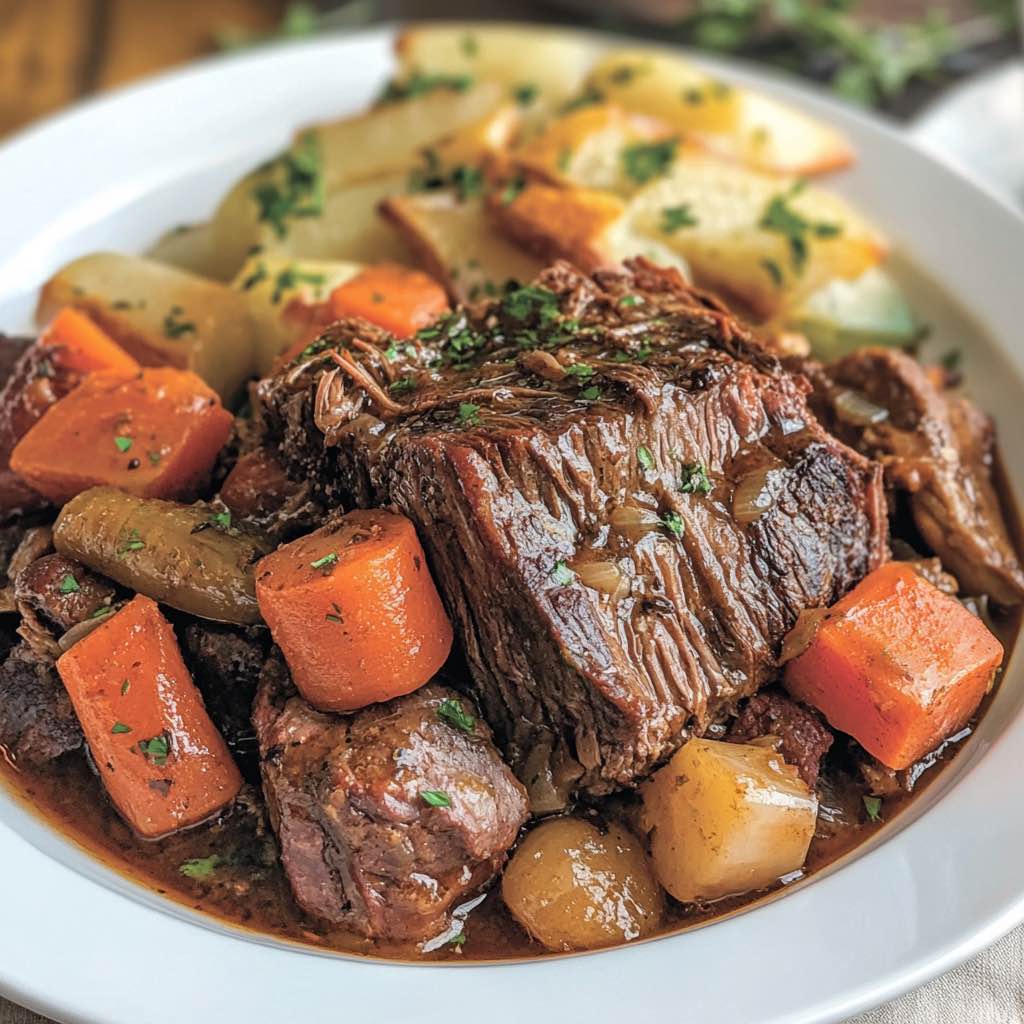
Slow-Cooked Pot Roast with Vegetables: The Ultimate Comfort Food Guide
Nothing compares to the aroma of a slow-cooked pot roast with vegetables filling your home with warmth and comfort. This timeless dish transforms tough cuts of beef into tender, succulent meals that bring families together around the dinner table. Moreover, slow cooking allows the flavors to meld beautifully while requiring minimal hands-on effort from busy home cooks.
Furthermore, this comprehensive guide will teach you everything you need to know about creating the perfect pot roast. From selecting the right cut of meat to choosing complementary vegetables, you’ll master this classic comfort food. Additionally, we’ll explore various techniques, seasoning combinations, and serving suggestions to elevate your pot roast game.
What Makes Slow-Cooked Pot Roast Special
The Science Behind Slow Cooking
Slow cooking transforms tough, fibrous cuts of beef through a process called collagen breakdown. When meat cooks at low temperatures for extended periods, the collagen converts to gelatin. Consequently, this process creates incredibly tender, fall-apart meat that melts in your mouth.
Additionally, slow cooking allows flavors to penetrate deep into the meat and vegetables. The gentle heat ensures even cooking throughout the roast. Meanwhile, the sealed environment retains moisture, preventing the meat from drying out.
Why Pot Roast Remains a Family Favorite
Pot roast represents the epitome of comfort food for several reasons. First, it’s incredibly economical, using affordable cuts of meat that become luxurious through slow cooking. Second, it’s a complete one-pot meal that feeds large families or provides multiple meals for smaller households.
Furthermore, pot roast creates lasting memories and traditions. Many families pass down their pot roast recipes through generations. The dish also works perfectly for meal prepping, making weeknight dinners stress-free and delicious.
Choosing the Perfect Cut of Meat
Best Cuts for Slow-Cooked Pot Roast
The success of your slow-cooked pot roast with vegetables largely depends on selecting the right cut of meat. Chuck roast remains the gold standard for pot roast due to its perfect balance of fat and connective tissue. This cut becomes incredibly tender when slow-cooked while maintaining rich, beefy flavor.
Other excellent options include:
-
Bottom round roast: Leaner than chuck but still flavorful
-
Rump roast: Well-marbled with good texture
-
Brisket: Rich flavor but requires longer cooking times
-
Shoulder roast: Similar to chuck with excellent marbling
What to Look for When Shopping
When selecting your roast, look for meat with good marbling throughout. The white streaks of fat will render during cooking, keeping the meat moist and flavorful. Additionally, choose roasts that are deep red in color without any gray or brown spots.
Size matters when planning your meal. A 3-4 pound roast typically serves 6-8 people generously. However, larger roasts work well if you want leftovers for sandwiches or additional meals during the week.
Essential Vegetables for Pot Roast
Classic Vegetable Combinations
Traditional slow-cooked pot roast with vegetables features hearty root vegetables that complement the rich beef flavors. These vegetables hold their shape during long cooking times while absorbing the delicious pan juices.
The classic trio includes:
-
Carrots: Add natural sweetness and vibrant color
-
Potatoes: Provide substance and absorb flavors beautifully
-
Onions: Create depth and savory foundation
Additional Vegetable Options
Beyond the classics, many vegetables work wonderfully in pot roast:
-
Celery: Adds aromatic base and subtle crunch
-
Parsnips: Bring earthy sweetness similar to carrots
-
Turnips: Offer mild, slightly peppery flavor
-
Mushrooms: Contribute umami depth and meaty texture
-
Bell peppers: Provide color and mild sweetness
Preparation Tips for Vegetables
Cut vegetables into uniform sizes to ensure even cooking. Potatoes should be chunked into 2-inch pieces, while carrots work best cut into 1-inch diagonal slices. Meanwhile, onions should be quartered to maintain their structure during the long cooking process.
Equipment and Tools You’ll Need
Slow Cooker Selection
A quality slow cooker is essential for perfect results. Choose a model that holds 6-8 quarts to accommodate a large roast and vegetables comfortably. Additionally, look for units with programmable timers and multiple heat settings for maximum flexibility.
Ceramic inserts heat more evenly than metal ones. Furthermore, removable inserts make cleaning much easier after cooking. Some models also include browning capabilities, though this isn’t absolutely necessary.
Alternative Cooking Methods
While slow cookers excel at pot roast, other methods work equally well:
-
Dutch oven: Perfect for stovetop or oven braising
-
Instant Pot: Reduces cooking time significantly
-
Oven braising: Traditional method using covered roasting pan
Essential Tools and Utensils
Gather these tools before starting:
-
Sharp carving knife for slicing meat
-
Large cutting board for prep work
-
Measuring cups and spoons for seasonings
-
Wooden spoon for stirring
-
Meat thermometer for checking doneness
-
Large serving platter for presentation
Step-by-Step Cooking Instructions
Preparation Phase
Start by removing your roast from the refrigerator 30 minutes before cooking. This allows the meat to come to room temperature, ensuring more even cooking. Meanwhile, prepare all vegetables by washing, peeling, and cutting them to appropriate sizes.
Season the roast generously with salt and pepper on all sides. Pat the seasonings into the meat to help them adhere better. Additionally, consider creating small slits in the roast to insert garlic cloves for extra flavor.
Browning the Meat (Optional but Recommended)
Although not required for slow cooking, browning creates incredible flavor development. Heat oil in a large skillet over medium-high heat. Sear the roast on all sides until golden brown, approximately 3-4 minutes per side.
This step develops the Maillard reaction, which creates complex flavors and appealing color. However, if time is limited, you can skip this step and still achieve delicious results.
Layering in the Slow Cooker
Place the prepared vegetables in the bottom of your slow cooker. This prevents them from overcooking since they’ll be further from the direct heat. Next, position the seasoned roast on top of the vegetables.
Add your chosen liquid around the sides of the cooker. Beef broth provides rich flavor, while vegetable broth offers a lighter option. Water works in a pinch, though it won’t contribute additional flavor.
Seasoning and Liquid Additions
Create a flavorful cooking environment with these liquid options:
-
Beef broth: Rich, savory base
-
Vegetable broth: Lighter, cleaner flavor
-
Tomato juice: Adds acidity and depth
-
Water with bouillon cubes: Budget-friendly option
Add 1-2 cups of liquid, depending on your slow cooker size. The liquid should come about halfway up the sides of the roast. Too much liquid will make the dish soupy, while too little may cause burning.
Cooking Process and Timing
Set your slow cooker to low heat for optimal results. Cook for 8-10 hours for chuck roast, or 6-8 hours for more tender cuts. The long, slow cooking process ensures maximum tenderness and flavor development.
Alternatively, cook on high heat for 4-6 hours if time is limited. However, low and slow produces superior texture and taste. Resist the temptation to lift the lid frequently, as this releases heat and extends cooking time.
Seasoning and Flavor Combinations
Basic Seasoning Blend
A simple seasoning combination works beautifully for traditional pot roast:
-
Salt and black pepper: Essential foundation
-
Garlic powder: Adds aromatic depth
-
Onion powder: Enhances savory notes
-
Dried thyme: Provides earthy herbaceous flavor
-
Bay leaves: Contribute subtle complexity
Advanced Flavor Profiles
Experiment with these sophisticated combinations:
Mediterranean Style:
-
Rosemary and oregano
-
Lemon zest and garlic
-
Diced tomatoes and olives
Ranch Style:
-
Paprika and cumin
-
Chili powder and oregano
-
Bell peppers and jalapeños
Herb Garden Blend:
-
Fresh thyme and sage
-
Rosemary and parsley
-
Garlic and shallots
Creating Your Own Spice Rub
Mix dry spices together before applying to create even coverage. Use approximately 2-3 tablespoons of total seasonings per 3-4 pound roast. Rub the mixture into the meat 30 minutes before cooking for maximum penetration.
Store leftover spice blends in airtight containers for future use. Label containers with contents and date for easy identification.
Cooking Time and Temperature Guidelines
Low and Slow Method
The traditional approach uses low heat settings for extended periods. This method produces the most tender results with minimal effort. Plan for 8-10 hours of cooking time when using the low setting.
Internal temperature should reach 145°F for medium-rare or 160°F for well-done. However, pot roast benefits from cooking beyond these temperatures since the collagen breaks down around 180-190°F.
High Heat Cooking
When time is limited, high heat settings work adequately. Reduce cooking time to 4-6 hours while maintaining the same liquid levels. Check for doneness by testing with a fork – properly cooked roast should shred easily.
Monitor the cooking process more carefully with high heat to prevent overcooking vegetables. Add more tender vegetables during the last 2 hours to maintain their texture and nutritional value.
Testing for Doneness
Several indicators signal a perfectly cooked slow-cooked pot roast with vegetables:
-
Meat shreds easily with a fork
-
Internal temperature reaches 190-200°F
-
Vegetables are fork-tender but not mushy
-
Cooking juices have thickened slightly
Variations and Creative Twists
International Inspirations
Transform your basic pot roast with global flavors:
French-Inspired:
-
Add fresh herbs like tarragon and chervil
-
Include pearl onions and baby carrots
-
Finish with Dijon mustard and cream
Mexican Style:
-
Season with cumin, chili powder, and lime
-
Add bell peppers and corn
-
Serve with fresh cilantro and avocado
Asian Fusion:
-
Use soy sauce and ginger for seasoning
-
Include shiitake mushrooms and bok choy
-
Finish with sesame oil and green onions
Dietary Modifications
Adapt the recipe for various dietary needs:
Keto-Friendly:
-
Replace potatoes with cauliflower
-
Add extra healthy fats like avocado oil
-
Include low-carb vegetables like radishes
Paleo Version:
-
Use coconut oil for browning
-
Skip regular potatoes for sweet potatoes
-
Include compliant vegetables only
Low-Sodium Option:
-
Use low-sodium broths
-
Rely on herbs and spices for flavor
-
Add acid like lemon juice to brighten taste
Sauce and Gravy Variations
Transform the cooking liquid into delicious accompaniments:
Classic Gravy:
-
Thicken pan juices with cornstarch slurry
-
Season with additional herbs and spices
-
Strain for smooth consistency
Mushroom Sauce:
-
Sauté fresh mushrooms separately
-
Add to thickened pan juices
-
Finish with fresh herbs
Check out our guide on [making perfect gravies and sauces] for more detailed instructions and techniques.
Serving Suggestions and Side Dishes
Traditional Accompaniments
Slow-cooked pot roast with vegetables pairs beautifully with classic comfort food sides:
-
Mashed potatoes: Creamy contrast to hearty meat
-
Egg noodles: Perfect for soaking up juices
-
Crusty bread: Ideal for mopping up gravy
-
Steamed green vegetables: Add color and nutrition
Creative Serving Ideas
Transform leftovers into exciting new meals:
Pot Roast Sandwiches:
-
Shred meat and pile on crusty rolls
-
Add caramelized onions and horseradish
-
Serve with pickle spears
Shepherd’s Pie:
-
Use leftover meat and vegetables as filling
-
Top with mashed potatoes
-
Bake until golden brown
Pot Roast Hash:
-
Dice leftover meat and potatoes
-
Sauté with onions until crispy
-
Top with fried eggs for brunch
Presentation Tips
Slice the roast against the grain for maximum tenderness. Arrange slices on a warm platter surrounded by the cooked vegetables. Drizzle some of the cooking liquid over the meat to keep it moist and add visual appeal.
Garnish with fresh herbs like parsley or thyme for color and aroma. Additionally, consider serving the remaining cooking liquid in a gravy boat for those who want extra flavor.
Storage and Reheating Tips
Proper Storage Techniques
Cool leftover pot roast to room temperature before refrigerating. Store meat and vegetables together in airtight containers for up to 4 days. Keep the cooking liquid separate to prevent vegetables from becoming soggy.
For longer storage, freeze portions in freezer-safe containers for up to 3 months. Package meat and vegetables separately from the liquid for best quality. Label containers with contents and date for easy identification.
Reheating Methods
Stovetop Method:
-
Add liquid to prevent drying
-
Heat gently over medium-low heat
-
Stir occasionally until heated through
Oven Method:
-
Cover with foil to retain moisture
-
Heat at 325°F until warmed through
-
Add extra liquid if needed
Microwave Method:
-
Use microwave-safe dishes
-
Cover to prevent splattering
-
Heat in 30-second intervals, stirring between
Maintaining Quality During Storage
Slice only what you plan to use immediately since whole pieces retain moisture better. Store vegetables separately if they become too soft during initial cooking. Additionally, freeze individual portions for quick weeknight meals.
Nutritional Benefits of Pot Roast
Protein Content and Quality
Beef provides high-quality complete protein containing all essential amino acids. A 3-ounce serving typically provides 25-30 grams of protein, supporting muscle maintenance and growth. Furthermore, slow cooking preserves protein quality while improving digestibility.
The cooking method also concentrates nutrients as moisture evaporates. Meanwhile, the collagen that breaks down during slow cooking provides glycine and other beneficial amino acids.
Vitamin and Mineral Profile
Slow-cooked pot roast with vegetables delivers impressive nutritional value:
From the Beef:
-
Iron for healthy blood cells
-
Zinc for immune system support
-
B-vitamins for energy metabolism
-
Selenium for antioxidant protection
From the Vegetables:
-
Beta-carotene from carrots
-
Potassium from potatoes
-
Fiber from all vegetables
-
Various antioxidants and phytonutrients
Health Benefits of Slow Cooking
The gentle cooking method preserves more nutrients compared to high-heat methods. Water-soluble vitamins remain in the cooking liquid, which becomes part of the meal. Additionally, the cooking process breaks down tough fibers, improving nutrient absorption.
Slow cooking also creates tender meat that’s easier to digest, making it suitable for people with sensitive stomachs or dental issues.
Troubleshooting Common Issues
Tough or Dry Meat
If your pot roast turns out tough, it likely needs more cooking time. Return it to the slow cooker with additional liquid and continue cooking until fork-tender. Alternatively, slice the meat thinly against the grain to improve perceived tenderness.
Dry meat usually results from insufficient liquid or overcooking on high heat. Next time, ensure adequate liquid levels and use low heat settings for best results.
Mushy Vegetables
Overcooked vegetables lose their texture and become unappetizing. To prevent this, add more delicate vegetables during the last 2-3 hours of cooking. Root vegetables like potatoes and carrots can handle longer cooking times than softer options.
Cut vegetables into larger pieces to help them maintain structure. Additionally, consider cooking vegetables separately and adding them to the finished dish.
Bland Flavor
Underseasoned pot roast lacks the depth that makes this dish special. Taste the cooking liquid halfway through cooking and adjust seasonings as needed. Remember that flavors concentrate during cooking, so start conservatively.
Add acid like tomato juice or vinegar to brighten flavors. Fresh herbs added at the end can also revive a bland dish. Furthermore, browning the meat before slow cooking creates significantly more flavor.
Watery Cooking Liquid
Excess liquid creates a soupy consistency rather than rich gravy. Remove the lid during the last hour of cooking to allow evaporation. Alternatively, thicken the liquid with cornstarch slurry or flour mixed with cold water.
For future meals, use less liquid initially. The vegetables and meat release moisture during cooking, contributing to the overall liquid volume.
Frequently Asked Questions
How long should I cook pot roast in a slow cooker?
Cook slow-cooked pot roast with vegetables on low heat for 8-10 hours for chuck roast. More tender cuts may require only 6-8 hours. High heat cooking reduces time to 4-6 hours but may produce less tender results.
Can I prepare pot roast the night before?
Yes, you can assemble everything in the slow cooker insert the night before. Cover and refrigerate overnight, then place in the slow cooker and start cooking in the morning. This makes busy day meals much more manageable.
What’s the best liquid for pot roast?
Beef broth provides the richest flavor, while vegetable broth offers a lighter option. You can also use water with bouillon cubes, tomato juice, or a combination of liquids. Avoid using too much liquid, as vegetables release moisture during cooking.
Should I brown the meat first?
While not absolutely necessary, browning creates superior flavor through the Maillard reaction. This extra step adds richness and complexity to the finished dish. However, you can skip browning if time is limited and still achieve good results.
How do I know when the pot roast is done?
Test doneness by inserting a fork into the thickest part of the meat. Properly cooked pot roast should shred easily and have an internal temperature of 190-200°F. The meat should be fork-tender throughout.
Can I add vegetables later in the cooking process?
Absolutely! Add delicate vegetables like green beans or peas during the last 2-3 hours of cooking. This prevents overcooking while ensuring they’re properly heated through. Root vegetables can go in from the beginning.
What should I do if my pot roast is too salty?
If the dish becomes too salty, add more liquid to dilute the flavor. Potatoes also absorb excess salt, so adding extra diced potatoes can help balance the seasoning. For future meals, taste and adjust seasonings gradually.
How can I thicken the cooking liquid into gravy?
Create a cornstarch slurry by mixing 2 tablespoons cornstarch with 2 tablespoons cold water. Stir this mixture into the hot cooking liquid and simmer until thickened. Alternatively, use flour mixed with butter to create a roux for thickening.
Conclusion
Mastering the art of slow-cooked pot roast with vegetables opens the door to countless comfort food possibilities. This versatile dish combines tender, flavorful meat with perfectly cooked vegetables in one satisfying meal. Moreover, the hands-off cooking method makes it perfect for busy schedules and family gatherings.
The key to success lies in selecting quality ingredients, proper seasoning, and patience with the cooking process. Remember to choose well-marbled cuts of beef, cut vegetables uniformly, and resist the urge to rush the cooking time. Additionally, don’t be afraid to experiment with different seasonings and vegetable combinations to make the recipe your own.
Whether you’re feeding a hungry family or meal prepping for the week ahead, this classic comfort food delivers every time. The rich, satisfying flavors and tender textures create memories that last a lifetime while nourishing both body and soul.
Slow-Cooked Pot Roast with Vegetables
Description
Ingredients
For the Pot Roast:
-
3-4 pound beef chuck roast
-
2 teaspoons kosher salt
-
1 teaspoon freshly ground black pepper
-
2-3 tablespoons olive oil or avocado oil
For the Vegetables:
-
1 large yellow onion, cut into large chunks
-
4-6 cloves garlic, thinly sliced or minced
-
1½ pounds baby potatoes or Yukon Gold, quartered
-
4-6 large carrots, peeled and cut into 2-inch pieces
-
3 celery stalks, cut into 1-inch pieces
-
8 ounces button mushrooms, whole or halved (optional)
For the Liquid and Seasonings:
-
2-3 cups low-sodium beef broth
-
2-3 tablespoons tomato paste
-
2 sprigs fresh thyme or 2 teaspoons dried
-
2 sprigs fresh rosemary or 1 teaspoon dried
-
2 bay leaves
-
1 tablespoon Worcestershire sauce
For Optional Gravy:
-
2-3 tablespoons cornstarch or arrowroot powder
-
3-4 tablespoons cold water
Instructions
Prepare and Sear the Roast:
-
Season the chuck roast generously on all sides with salt and pepper. Let rest at room temperature for 15-20 minutes.
-
Heat oil in a large cast iron skillet or heavy-bottomed pan over medium-high heat. Sear the roast for 4-5 minutes on each side until deeply browned and caramelized.
-
Transfer the seared roast to a 6-7 quart slow cooker.
Prepare the Base:
-
In the same skillet used for searing, add onions and garlic, cooking for 2-3 minutes until fragrant. Add tomato paste and cook for another 2-3 minutes until it deepens in color.
Add Vegetables and Liquid:
-
Arrange carrots, celery, and onion chunks around the roast in the slow cooker. Pour beef broth over the vegetables and roast.
-
Add thyme, rosemary, bay leaves, and Worcestershire sauce to the slow cooker. The liquid should come about halfway up the roast.
Cook the Pot Roast:
-
Cover and cook on low for 8-10 hours or on high for 5-6 hours. The meat should be fork-tender and easily shredded.
-
Add potatoes and mushrooms (if using) during the last 2½-3 hours of cooking to prevent them from becoming mushy.
Finish and Serve:
-
Remove the roast and vegetables to a serving platter. Remove and discard bay leaves and herb stems.
-
For gravy: Mix cornstarch with cold water to create a slurry. Stir into the hot cooking liquid in the slow cooker and let thicken for 10-15 minutes with the lid off.
-
Shred the roast with two forks or slice into thick portions. Serve with vegetables and gravy spooned over the top.