
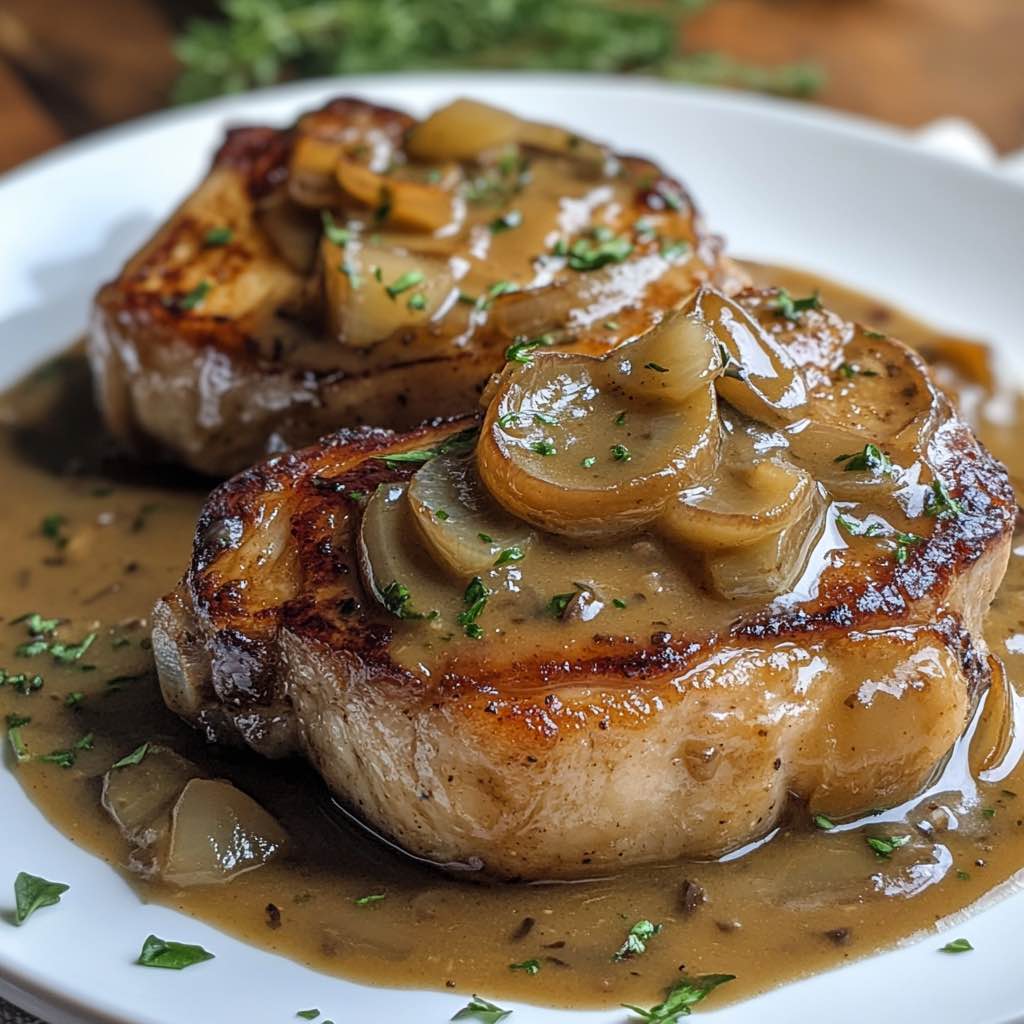
Smothered Pork Chops with Onion Gravy: The Ultimate Comfort Food Recipe
Introduction
Smothered pork chops with onion gravy represent the pinnacle of Southern comfort food cooking. This beloved dish transforms ordinary pork chops into a melt-in-your-mouth masterpiece. Furthermore, the rich onion gravy elevates every bite to pure culinary bliss.
The magic happens when tender pork chops nestle into a velvety, savory gravy. Additionally, caramelized onions add depth and sweetness to create the perfect flavor balance. This recipe delivers restaurant-quality results in your own kitchen.
Whether you’re feeding a hungry family or impressing dinner guests, this dish never disappoints. Moreover, the cooking process fills your home with irresistible aromas. Every forkful delivers comfort food satisfaction that warms both heart and soul.
What Makes Smothered Pork Chops Special
The Perfect Cooking Method
Smothering creates incredibly tender pork chops through slow, gentle cooking. Initially, the pork chops develop a golden crust through proper searing. Then, they finish cooking in rich gravy that keeps them moist and flavorful.
This technique prevents the common problem of dry, tough pork chops. Instead, the meat becomes fork-tender and practically falls apart. The gravy also infuses every fiber with savory goodness.
Rich Onion Gravy Foundation
The onion gravy starts with properly caramelized onions that develop deep, complex flavors. Consequently, these golden-brown onions form the foundation for exceptional taste. The gravy itself combines butter, flour, and seasoned broth for perfect consistency.
Furthermore, the gravy captures all the delicious brown bits from searing the pork chops. These fond particles add incredible depth to the overall flavor profile. The result is a gravy that rivals any restaurant preparation.
Comfort Food Appeal
This dish embodies everything people love about comfort food cooking. First, it uses simple, accessible ingredients that create extraordinary results. Second, the cooking process is straightforward yet produces professional-quality outcomes.
Additionally, smothered pork chops evoke memories of family dinners and special occasions. The combination of tender meat and rich gravy satisfies even the heartiest appetites. It’s the kind of meal that brings families together around the dinner table.
Essential Ingredients for Perfect Results
Selecting the Right Pork Chops
Bone-In vs. Boneless Considerations
Bone-in pork chops typically deliver superior flavor and tenderness for smothered preparations. The bone helps conduct heat evenly throughout the cooking process. Additionally, bone-in chops retain moisture better during the extended cooking time.
However, boneless pork chops work perfectly well for busy weeknight dinners. They cook slightly faster and are easier for some diners to eat. Choose chops that are at least 3/4 inch thick for best results.
Thickness and Cut Selection
Thick-cut pork chops (1 to 1.5 inches) provide the best texture for smothering. Thin chops tend to overcook and become tough during the braising process. Look for chops with good marbling throughout the meat.
Center-cut pork chops offer the most consistent cooking results. They contain both loin and tenderloin portions for varied texture. Alternatively, shoulder chops work excellently due to their higher fat content and rich flavor.
Building the Flavor Base
Onion Selection and Preparation
Yellow onions provide the ideal balance of sweetness and sharpness for this recipe. They caramelize beautifully and develop complex flavors during cooking. Use approximately 2 large onions per 4 pork chops for optimal results.
Sweet onions like Vidalia create an even more mellow, caramelized flavor profile. White onions offer sharper taste that some cooks prefer. Slice onions consistently (about 1/4 inch thick) for even cooking.
Seasoning Essentials
Salt and freshly ground black pepper form the foundation of proper seasoning. Garlic powder adds depth without overpowering the pork’s natural flavor. Paprika contributes color and mild smokiness to enhance the overall taste.
Other beneficial seasonings include:
-
Onion powder for additional onion flavor
-
Dried thyme for earthy, herbal notes
-
Cayenne pepper for subtle heat
-
Sage for traditional Southern seasoning
Gravy Components
Flour Selection
All-purpose flour creates the best texture for onion gravy consistency. It thickens smoothly without creating lumps when properly incorporated. Use approximately 3-4 tablespoons of flour for standard gravy thickness.
Some cooks prefer using instant flour (like Wondra) for even smoother results. However, all-purpose flour works perfectly with proper technique. Always cook the flour thoroughly to eliminate any raw taste.
Liquid Components
Chicken broth provides the best flavor base for onion gravy preparation. It adds richness without overwhelming the pork’s natural taste. Use low-sodium broth to control the final saltiness level.
Beef broth creates a deeper, more robust flavor profile that some cooks prefer. Vegetable broth works for lighter-tasting gravy. Additionally, reserved pork drippings enhance the gravy’s meaty flavor significantly.
Step-by-Step Cooking Instructions
Preparation Phase
Seasoning the Pork Chops
Remove pork chops from refrigeration 30 minutes before cooking for even temperature. Pat each chop completely dry with paper towels to ensure proper searing. Season generously on both sides with salt and pepper.
Allow the seasoning to penetrate the meat for at least 15 minutes. This timing helps the flavors develop throughout the pork. Additionally, room temperature chops cook more evenly than cold ones.
Setting Up Your Cooking Station
Gather all ingredients and equipment before beginning the cooking process. Use a heavy-bottomed skillet or Dutch oven for best heat distribution. Cast iron works exceptionally well for this recipe.
Have a plate ready for resting the seared pork chops. Keep all seasonings and liquids within easy reach. This preparation ensures smooth cooking without rushed moments.
Searing Process
Achieving the Perfect Crust
Heat 2 tablespoons of oil in your skillet over medium-high heat. The oil should shimmer but not smoke when ready. Carefully place pork chops in the pan without overcrowding.
Sear for 3-4 minutes on the first side without moving the chops. This timing allows proper browning and crust development. Flip once and sear the second side for another 3-4 minutes.
Preserving the Fond
After searing, remove pork chops to a resting plate. Leave all the browned bits (fond) in the pan for gravy making. These caramelized pieces provide incredible flavor depth to the final dish.
Don’t clean the pan between steps. Instead, use the remaining fat and fond as the foundation. This technique maximizes flavor development throughout the cooking process.
Building the Onion Gravy
Caramelizing the Onions
Reduce heat to medium and add sliced onions to the same pan. The residual heat and fat begin the cooking process immediately. Stir occasionally to prevent burning while promoting even browning.
Cook onions for 8-10 minutes until golden brown and softened. Properly caramelized onions develop sweet, complex flavors essential for great gravy. Don’t rush this step for best results.
Creating the Roux
Sprinkle flour over the caramelized onions and stir constantly. Cook the flour-onion mixture for 2-3 minutes to eliminate raw flour taste. This step creates the thickening base for your gravy.
The mixture should smell nutty and look slightly golden when properly cooked. If it appears too dry, add a small amount of butter. Proper roux consistency ensures smooth gravy texture.
Adding Liquid Gradually
Slowly pour in chicken broth while whisking continuously. Start with small amounts to prevent lumps from forming. Gradually increase the liquid addition as the mixture smooths out.
Add approximately 2 cups of broth total for standard gravy consistency. The mixture should thicken as it heats and comes to a gentle simmer. Adjust consistency with additional broth if needed.
Final Cooking Phase
Returning the Pork Chops
Nestle the seared pork chops back into the onion gravy carefully. Spoon some gravy over the tops of each chop. Cover the pan with a tight-fitting lid to create a braising environment.
Reduce heat to low and simmer gently for 25-30 minutes. This slow cooking process tenderizes the pork while developing rich flavors. Avoid vigorous boiling which can toughen the meat.
Monitoring Cooking Progress
Check the pork chops every 10 minutes during the braising process. Add more broth if the gravy becomes too thick. The internal temperature should reach 145°F for food safety.
Properly cooked pork chops will be tender and easily pierced with a fork. The gravy should coat the back of a spoon smoothly. Taste and adjust seasonings as needed before serving.
Pro Tips for Tender Pork Chops
Temperature Control Techniques
Managing Heat Levels
Start with medium-high heat for proper searing, then reduce to low for braising. Consistent low heat prevents the pork from becoming tough and chewy. Use a heavy pan that distributes heat evenly throughout.
Monitor the gravy for gentle bubbling rather than vigorous boiling. Aggressive heat can cause the meat fibers to seize and become tough. Patience during this phase ensures tender, succulent results.
Internal Temperature Guidelines
Use an instant-read thermometer to check doneness accurately. Pork chops are safe at 145°F internal temperature with a 3-minute rest. However, braised chops can go slightly higher for maximum tenderness.
Allow chops to rest for 5 minutes after cooking for optimal juiciness. The internal temperature continues rising during this rest period. This technique redistributes juices throughout the meat evenly.
Meat Selection Strategies
Understanding Pork Grades
Choose pork chops with good marbling throughout the meat for best flavor. Higher fat content creates more tender, flavorful results during slow cooking. Avoid very lean chops that tend to dry out easily.
Fresh pork should have a pinkish-red color with minimal odor. The fat should appear white or slightly creamy in color. Avoid packages with excessive liquid or off-putting smells.
Storage Before Cooking
Store pork chops in the coldest part of your refrigerator until ready. Use within 2-3 days of purchase for optimal freshness and flavor. Allow them to come to room temperature before cooking for even results.
If purchasing in advance, freeze pork chops in individual portions. Thaw completely in the refrigerator before cooking. Never thaw at room temperature due to food safety concerns.
Onion Gravy Mastery
Achieving Perfect Consistency
Thickness Control Methods
The ideal gravy consistency coats the back of a spoon without being gluey. If too thick, gradually whisk in additional warm broth. If too thin, create a slurry with flour and cold water.
For slurry preparation, mix 1 tablespoon flour with 2 tablespoons cold water. Whisk until smooth, then gradually add to the simmering gravy. Cook for 2-3 minutes to activate the thickening properties.
Preventing Common Problems
Lumps form when flour encounters hot liquid too quickly. Always add liquid gradually while whisking constantly. If lumps do form, strain the gravy through a fine mesh strainer.
Gravy that’s too salty can be balanced with a small amount of sugar. Alternatively, add more unsalted broth to dilute the saltiness. Taste frequently and adjust seasonings gradually.
Flavor Development Techniques
Maximizing Onion Sweetness
Cook onions slowly over medium heat to develop natural sweetness. Rushing this process results in bitter, burnt flavors instead of caramelization. Properly cooked onions become golden brown and jammy in texture.
Add a pinch of sugar to help onions caramelize more quickly. This technique enhances browning without making the gravy overly sweet. Use this sparingly to avoid overwhelming other flavors.
Seasoning Balance
Start with less salt than you think you need. The gravy continues reducing during braising, which concentrates flavors. It’s easier to add seasoning than to remove excess salt.
Fresh herbs can be added during the last 5 minutes of cooking. Dried herbs work best when added earlier in the process. Taste the gravy throughout cooking and adjust accordingly.
Serving Suggestions and Side Dishes
Traditional Accompaniments
Starch Options
Creamy mashed potatoes provide the perfect base for soaking up rich onion gravy. Their smooth texture complements the tender pork chops beautifully. Use butter and cream for restaurant-quality mashed potatoes.
Rice pilaf offers a lighter alternative that still absorbs the delicious gravy well. Wild rice adds nutty flavor and interesting texture to the meal. Both options provide satisfying substance without overwhelming richness.
Additionally, consider these excellent starch pairings:
-
Buttery egg noodles for comfort food appeal
-
Roasted fingerling potatoes for rustic presentation
-
Creamy polenta for Southern-style authenticity
-
Herb-roasted rice for aromatic enhancement
Vegetable Companions
Green vegetables provide color and nutritional balance to this rich dish. Steamed broccoli offers mild flavor that won’t compete with the gravy. Fresh green beans add crisp texture and bright color.
Roasted Brussels sprouts develop caramelized flavors that complement the onions perfectly. Sautéed spinach with garlic provides iron and vitamins efficiently. Both options enhance the meal’s nutritional profile significantly.
Creative Presentation Ideas
Plating Techniques
Arrange pork chops slightly overlapping on the plate for professional presentation. Spoon gravy generously over and around the meat. Garnish with fresh herbs like chopped parsley or chives.
Create height by mounding mashed potatoes on one side of the plate. Nestle the pork chop against the potatoes for stability. This technique makes the dish look restaurant-worthy.
Family-Style Serving
Present smothered pork chops in the cooking vessel for rustic charm. This approach keeps everything warm while creating a cozy atmosphere. Provide a large spoon for serving generous portions.
Set up a gravy boat with extra onion gravy for those who want more. This accommodation ensures everyone gets their preferred amount of sauce. Keep the gravy warm in a slow cooker if necessary.
Storage and Reheating Guidelines
Proper Storage Techniques
Refrigeration Methods
Cool smothered pork chops completely before refrigerating for food safety. Transfer to shallow containers to promote quick cooling throughout. Cover tightly to prevent odors from affecting other foods.
Properly stored smothered pork chops last 3-4 days in the refrigerator. Label containers with the cooking date for easy tracking. Store gravy and meat together to maintain moisture levels.
Freezing Options
Smothered pork chops freeze well for up to 3 months with proper packaging. Use freezer-safe containers or heavy-duty freezer bags for storage. Remove as much air as possible to prevent freezer burn.
Thaw frozen portions overnight in the refrigerator before reheating. Never thaw at room temperature due to bacterial growth risks. Plan ahead for safe, convenient meal preparation.
Reheating Best Practices
Oven Method
Preheat oven to 325°F for gentle, even reheating throughout. Place pork chops and gravy in a covered baking dish. Add a splash of broth if the gravy appears too thick.
Heat for 20-25 minutes until the internal temperature reaches 165°F. Stir the gravy halfway through reheating for even consistency. This method maintains the best texture and flavor.
Stovetop Technique
Use low heat to prevent overcooking during the reheating process. Add a small amount of broth to thin the gravy if needed. Cover the pan to create steam and prevent drying.
Heat gently while stirring occasionally until warmed through completely. This method allows better control over the final consistency. Taste and adjust seasonings after reheating if necessary.
Nutritional Benefits
Protein Content Analysis
High-Quality Protein Source
Pork chops provide complete protein containing all essential amino acids. A 4-ounce serving delivers approximately 25-30 grams of quality protein. This amount supports muscle maintenance and growth effectively.
Protein helps maintain stable blood sugar levels throughout the day. It also provides satiety that helps control appetite between meals. These benefits make smothered pork chops a satisfying, nutritious choice.
Mineral Content
Pork is an excellent source of thiamine (vitamin B1) essential for energy metabolism. It also provides significant amounts of phosphorus for bone health. Additionally, pork contains selenium, an important antioxidant mineral.
The iron content in pork helps prevent anemia and supports energy levels. Zinc supports immune function and wound healing processes. These minerals contribute to overall health and vitality.
Balanced Meal Components
Vegetable Additions
Onions provide quercetin, a powerful antioxidant with anti-inflammatory properties. They also contain prebiotics that support digestive health. The cooking process makes these nutrients more bioavailable.
Adding vegetables as side dishes increases fiber, vitamins, and mineral content. Green vegetables provide folate, vitamin K, and antioxidants. This combination creates a well-rounded, nutritious meal.
Portion Control Considerations
A typical serving size is one pork chop (4-6 ounces) with gravy. This portion provides adequate protein without excessive calories. Balance the meal with vegetables and moderate starch portions.
The rich gravy means smaller portions can be quite satisfying. Focus on savoring the flavors rather than large quantities. This approach supports healthy eating habits while enjoying comfort food.
Recipe Variations
Regional Adaptations
Southern-Style Modifications
Traditional Southern smothered pork chops often include additional seasonings like sage and thyme. Some recipes incorporate a touch of hot sauce for subtle heat. The cooking method remains essentially the same with flavor variations.
Buttermilk occasionally replaces some broth for tangy flavor development. This addition creates a distinctive taste profile popular in certain regions. The acidity also helps tenderize the meat further.
Midwest Variations
Midwest cooks sometimes add mushrooms to create a heartier gravy. Sliced button or cremini mushrooms work particularly well. Cook them along with the onions for best flavor integration.
Some versions include diced bell peppers for color and slight sweetness. This addition creates a more complex flavor profile. Green or red peppers both work well in this application.
Dietary Modifications
Healthier Alternatives
Reduce calories by using cooking spray instead of oil for searing. This modification decreases fat content without sacrificing flavor significantly. The fond still develops properly with this technique.
Substitute low-fat chicken broth and reduce butter quantities in the gravy. Use cornstarch instead of flour for a lighter thickening agent. These changes create a lighter version of the dish.
Gluten-Free Options
Replace all-purpose flour with cornstarch or rice flour for thickening. Use a 2:1 ratio (2 tablespoons cornstarch to 1 tablespoon liquid). This substitution creates smooth, gluten-free gravy.
Ensure all seasonings and broth are certified gluten-free. Many commercial products contain gluten-based ingredients. Reading labels carefully prevents accidental gluten exposure.
Flavor Enhancements
Herb and Spice Variations
Fresh herbs like rosemary or sage add aromatic complexity to the dish. Add them during the last few minutes of cooking for best flavor. Dried herbs can be included earlier in the process.
Smoked paprika provides subtle smokiness without overwhelming other flavors. Start with a small amount and adjust to taste. This spice adds interesting depth to the overall profile.
International Influences
Mediterranean-style versions might include sun-dried tomatoes and oregano. This variation creates a completely different flavor profile while maintaining the cooking technique. Serve with pasta instead of traditional sides.
Asian-inspired adaptations could include ginger and soy sauce modifications. Use low-sodium soy sauce to control saltiness levels. These changes create fusion comfort food with familiar techniques.
Troubleshooting Common Issues
Texture Problems
Tough Pork Chops
Tough pork chops usually result from high heat or insufficient cooking time. Lower the heat and extend the braising period for better results. The meat should become fork-tender when properly cooked.
Starting with thick-cut chops prevents overcooking during the searing phase. Thin chops cook too quickly and become tough easily. Choose quality cuts with good marbling for best outcomes.
Lumpy Gravy Solutions
Lumpy gravy forms when flour encounters hot liquid too quickly. Whisk the flour into cool liquid first, then gradually add to hot ingredients. This technique prevents lumps from forming initially.
If lumps do form, strain the gravy through a fine mesh strainer. Alternatively, use an immersion blender to smooth out small lumps. Return the gravy to heat after straining if necessary.
Flavor Issues
Bland Taste Problems
Under-seasoned pork chops result from insufficient initial seasoning. Season generously with salt and pepper before cooking. The meat needs time to absorb these flavors properly.
Weak gravy flavors often indicate insufficient browning during the initial steps. Proper fond development is crucial for rich taste. Don’t skip the searing step for optimal results.
Over-Seasoned Solutions
If the dish becomes too salty, add more unsalted broth to dilute. Small amounts of sugar can balance excessive saltiness effectively. Alternatively, serve with plain mashed potatoes to absorb excess salt.
Over-peppered dishes can be balanced with dairy additions like cream. A small amount of heavy cream smooths harsh pepper flavors. Add gradually and taste frequently during adjustment.
Consistency Challenges
Thick Gravy Fixes
Gravy that’s too thick requires additional liquid for proper consistency. Warm broth works better than cold liquid for smooth integration. Add gradually while whisking to maintain smoothness.
If no additional broth is available, warm water works temporarily. However, this dilutes flavors, so additional seasoning may be needed. Taste and adjust accordingly after thinning.
Thin Gravy Solutions
Thin gravy needs additional thickening agents for proper consistency. Create a slurry with cornstarch and cold water. This mixture thickens quickly when added to simmering gravy.
Alternatively, continue cooking uncovered to reduce and concentrate the gravy. This method takes longer but intensifies flavors naturally. Stir frequently to prevent sticking during reduction.
Frequently Asked Questions
Can I make smothered pork chops with boneless chops?
Yes, boneless pork chops work perfectly well for this recipe. However, they cook faster than bone-in chops, so reduce the braising time by 5-10 minutes. Check for doneness using an instant-read thermometer to ensure they reach 145°F internal temperature. Boneless chops are also easier to eat, making them ideal for family dinners with children.
How do I prevent my pork chops from drying out?
The key to moist pork chops lies in proper temperature control and not overcooking. Use medium-high heat for searing, then reduce to low for braising. The internal temperature should reach 145°F, but no higher. Additionally, let the chops rest for 5 minutes after cooking to redistribute juices throughout the meat.
Can I prepare smothered pork chops ahead of time?
Absolutely! Smothered pork chops actually improve in flavor when made ahead. Prepare the complete dish, then cool and refrigerate for up to 3 days. Reheat gently in a covered pan over low heat, adding a splash of broth if needed. This make-ahead quality makes it perfect for entertaining or meal prep.
What’s the best way to thicken onion gravy without lumps?
Always add flour to cool liquid first, then gradually incorporate into hot ingredients while whisking constantly. If you prefer, create a slurry with cornstarch and cold water for smoother results. For existing lumps, strain the gravy through a fine mesh strainer or use an immersion blender to smooth the texture.
How thick should the onion gravy be?
The ideal gravy consistency should coat the back of a spoon without being gluey or paste-like. It should flow smoothly but not be as thin as broth. The gravy will thicken slightly as it cools, so aim for a consistency that’s slightly thinner than your final preference while cooking.
Can I use different types of onions for this recipe?
Yellow onions provide the best balance of flavor and sweetness for traditional smothered pork chops. However, sweet onions like Vidalia create an even more mellow taste, while white onions offer sharper flavor. Avoid red onions as they don’t caramelize as well and can create an off-putting color in the gravy.
What should I do if my gravy becomes too salty?
If your gravy is too salty, add more unsalted chicken broth gradually to dilute the saltiness. A small amount of sugar can also help balance excessive salt. Alternatively, add diced potatoes to the gravy, which will absorb some salt, then remove them before serving.
How long can I store leftover smothered pork chops?
Properly stored smothered pork chops last 3-4 days in the refrigerator when kept in airtight containers. For longer storage, freeze portions for up to 3 months. Always cool the dish completely before refrigerating, and reheat to 165°F internal temperature before serving leftovers.
Conclusion
Smothered pork chops with onion gravy represent the ultimate comfort food experience that brings families together around the dinner table. This comprehensive guide provides everything needed to create restaurant-quality results in your own kitchen. Furthermore, the step-by-step instructions ensure success even for beginning cooks.
The combination of tender, juicy pork chops and rich, flavorful onion gravy creates a meal that satisfies both body and soul. Moreover, the cooking technique transforms simple ingredients into something truly special. The slow braising process develops complex flavors while ensuring perfectly tender meat every time.
This versatile recipe works equally well for weeknight family dinners or special occasion meals. Additionally, the make-ahead nature makes it perfect for entertaining guests with minimal stress. The rich gravy pairs beautifully with various side dishes to create complete, satisfying meals.
Remember that proper technique is key to achieving the best results. Take time to properly sear the pork chops and caramelize the onions for maximum flavor development. Furthermore, gentle braising ensures tender meat that practically falls off the fork.
Whether you’re new to cooking or an experienced home chef, this smothered pork chops recipe delivers consistent, delicious results. The comfort food appeal makes it a favorite that families will request again and again. Most importantly, every bite delivers the warmth and satisfaction that makes comfort food so beloved.
Smothered Pork Chops with Onion Gravy
Description
Ingredients
For the Pork Chops:
-
4 thick-cut bone-in pork chops (about 2.5 pounds)
-
1 teaspoon garlic powder
-
1 teaspoon smoked paprika
-
1 teaspoon onion powder
-
1 teaspoon seasoned salt
-
1/2 teaspoon freshly ground black pepper
-
1/2 cup all-purpose flour for dredging
-
4 tablespoons vegetable oil, divided
For the Onion Gravy:
-
4 tablespoons unsalted butter
-
2-3 large yellow onions, sliced into half-moons
-
4 cloves garlic, finely minced
-
3 tablespoons all-purpose flour
-
2 teaspoons fresh thyme leaves
-
3 cups chicken stock or beef broth
-
1/2 cup heavy whipping cream
-
2 tablespoons Worcestershire sauce
-
1/4 teaspoon Creole seasoning
-
Salt and freshly ground black pepper to taste
Instructions
Prepare and Sear the Pork Chops:
-
In a small bowl, combine garlic powder, smoked paprika, onion powder, seasoned salt, and black pepper. Season both sides of pork chops generously with this mixture and let rest for 15 minutes.
-
Dredge seasoned pork chops lightly in flour, shaking off excess. Heat 2 tablespoons oil in a large cast-iron skillet or heavy-bottomed pan over medium-high heat.
-
Sear pork chops for 3-4 minutes per side until golden brown and crispy. Don’t overcrowd the pan – work in batches if necessary. Remove chops to a plate and set aside.
Make the Onion Gravy:
-
Add butter and remaining oil to the same skillet, scraping up any browned bits from the bottom. Add sliced onions and cook over medium heat for 8-10 minutes, stirring frequently, until deeply caramelized and golden brown.
-
Add minced garlic and cook for another minute until fragrant. Push onions and garlic to one side of the pan.
-
Sprinkle flour over the onions and stir constantly until flour is completely absorbed and reaches a toffee color, about 5-8 minutes. This creates the roux base for the gravy.
-
Gradually whisk in chicken stock, scraping up any remaining browned bits. Add fresh thyme, Worcestershire sauce, and Creole seasoning.
Finish the Dish:
-
Bring the gravy to a boil, then reduce heat to medium-low. Return pork chops to the skillet, nestling them into the gravy and spooning onions over the top.
-
Cover and simmer for 25-35 minutes, or until pork chops reach an internal temperature of 145°F and the gravy has thickened to coat the back of a spoon.
-
Stir in heavy cream during the last 5 minutes of cooking. Taste and adjust seasoning with salt and pepper as needed.
-
Let rest for 5 minutes before serving. Garnish with fresh chopped parsley or thyme if desired.