
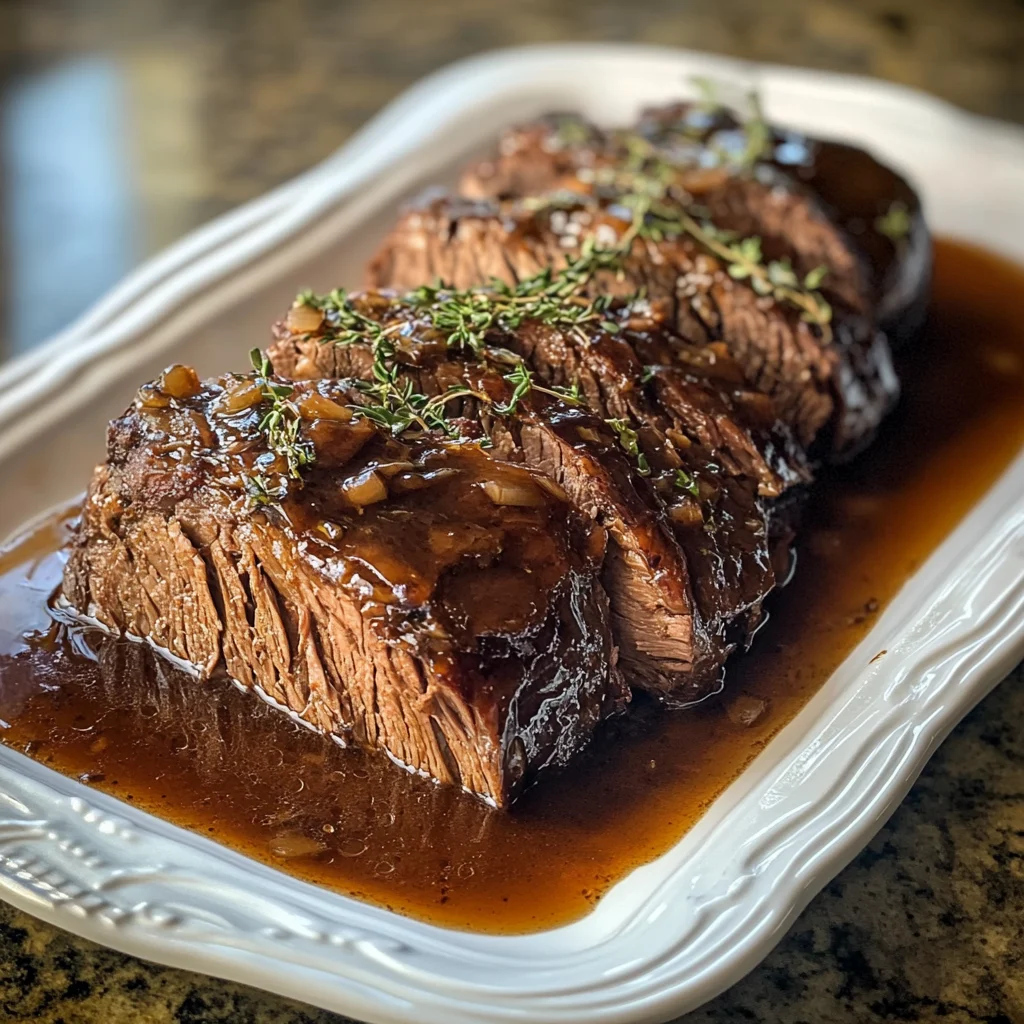
Slow Cooker Brown Sugar Balsamic Glazed Beef Roast: The Ultimate Comfort Food Guide
Introduction
Looking for an impressive yet effortless dinner that’ll have your family asking for seconds? A slow cooker brown sugar balsamic glazed beef roast is exactly what you need. This classic comfort food combines tender, fall-apart beef with a rich, tangy-sweet glaze that transforms simple ingredients into restaurant-quality cuisine.
The beauty of this slow cooker brown sugar balsamic glazed beef roast lies in its simplicity. You spend just ten minutes preparing ingredients in the morning, then let your crockpot work its magic throughout the day. By dinnertime, you’ll have succulent, melt-in-your-mouth beef that’s been braised to perfection in a savory sauce.
This comprehensive guide walks you through everything needed to master this beloved dish. Whether you’re new to slow cooking or an experienced home chef, you’ll discover professional techniques that guarantee delicious results. We’ll explore ingredient selection, cooking methods, serving ideas, and troubleshooting tips to ensure your next meal is unforgettable.
Why Choose Slow Cooker Beef Roast?
Slow cooking transforms tougher cuts of meat into tender, flavorful dishes through a gentle braising process. This cooking method breaks down connective tissues slowly, resulting in meat that practically melts on your tongue.
Time-saving convenience stands as the primary advantage of slow cooker meals. Simply add ingredients to your crockpot in the morning and return home to a fully cooked dinner. This hands-off approach means you can focus on work, family, or other tasks without constant kitchen monitoring.
The brown sugar balsamic glaze creates an incredible depth of flavor that develops throughout the cooking process. Balsamic vinegar adds tanginess while brown sugar provides sweetness, creating a balanced, sophisticated sauce that rivals restaurant preparations. The long cooking time allows these flavors to meld beautifully with the beef broth and seasonings.
Additionally, slow cookers are remarkably energy-efficient compared to traditional ovens. The extended cooking time at low heat requires minimal electricity while producing maximum flavor. This combination of convenience, taste, and cost-effectiveness explains why slow cooker beef roast remains a beloved dinner option across countless households.
Selecting the Perfect Cut of Beef
Choosing the right beef cut determines your slow cooker’s success. Not all cuts work equally well for extended, moist cooking methods.
Chuck roast emerges as the top choice for slow cooker preparations. This cut contains abundant marbling, which refers to fat running throughout the meat. This intramuscular fat melts during cooking, keeping the beef moist and tender. Chuck roast is also widely available at reasonable prices, making it budget-friendly for family dinners.
Brisket represents another excellent option for this recipe. This flavorful cut contains sufficient fat content to withstand long cooking without drying out. Similarly, round roast and top round beef work well, though they contain slightly less marbling than chuck roast.
For optimal results, select a roast weighing 3-4 pounds. This size ensures even cooking and produces sufficient meat for typical family servings. Roasts smaller than two pounds may overcook and become stringy, while those exceeding five pounds may not cook evenly throughout.
Pat your beef dry before cooking to improve browning. Excess moisture on the surface prevents proper searing and reduces browning quality. A simple paper towel drying step significantly enhances the final result’s appearance and taste.
Essential Ingredients for Balsamic Glaze
Creating an exceptional slow cooker brown sugar balsamic glazed beef roast requires careful ingredient selection. Each component contributes unique flavors to the finished dish.
Core Ingredients
-
3-4 pounds beef chuck roast — The star ingredient providing protein and rich beef flavor
-
¾ cup balsamic vinegar — Creates tangy, complex depth while balancing sweetness
-
½ cup brown sugar — Adds sweetness and helps thicken the glaze
-
1 cup beef broth — Provides moisture and concentrated beef flavor
-
1 tablespoon Worcestershire sauce — Adds umami depth and savory complexity
-
2 tablespoons soy sauce — Enhances saltiness and adds fermented depth
-
4 cloves garlic, minced — Contributes aromatic, pungent notes
-
1 large onion, sliced — Provides sweetness and aromatic depth
Seasoning Profile
-
1 teaspoon dried rosemary — Adds earthy, piney flavor notes
-
1 teaspoon dried thyme — Contributes subtle herbaceous qualities
-
1½ teaspoons kosher salt — Enhances all flavors and seasons the meat
-
1 teaspoon cracked black pepper — Adds gentle spice and complexity
-
1 teaspoon onion powder — Intensifies onion flavor throughout
-
1 teaspoon Italian seasoning — Combines multiple herbs for depth
-
½ teaspoon red pepper flakes (optional) — Adds subtle heat
Sauce Thickening
-
2 tablespoons cornstarch — Creates smooth, glossy glaze
-
3 tablespoons water — Dissolves cornstarch without lumping
Optional Vegetables
-
1 pound baby carrots — Add natural sweetness and texture
-
1 pound mini potatoes — Create a complete one-pot meal
Quality ingredients elevate your final dish significantly. Use fresh garlic rather than jarred when possible, as fresh garlic provides superior flavor intensity. Similarly, real balsamic vinegar creates more complex flavors than imitation versions, though quality varies considerably by brand and price point.
Step-by-Step Cooking Instructions
Follow these detailed instructions to ensure your slow cooker brown sugar balsamic glazed beef roast turns out perfectly every time.
Preparation Phase
Step 1: Prepare Your Slow Cooker
Lightly grease your slow cooker’s interior to prevent sticking. This simple step makes cleanup significantly easier afterward. Alternatively, use a slow cooker liner for even more convenient cleanup.
Step 2: Prepare the Beef
Pat your chuck roast completely dry using paper towels. Dry meat browns much more effectively than wet meat. Season the roast generously with kosher salt, cracked black pepper, onion powder, and Italian seasoning on all sides.
Step 3: Sear the Meat
Heat one tablespoon of oil in a large skillet over medium-high heat. Once the pan is hot and shimmering, place the roast inside. Sear for 4-5 minutes per side until deeply browned. This browning develops complex flavors through the Maillard reaction. Brown the roast’s top, bottom, and sides if time permits.
Alternatively, skip this searing step to save time if your schedule is tight. The final result will still taste delicious, though browning adds extra flavor depth.
Step 4: Prepare the Balsamic Glaze
In a medium bowl, whisk together balsamic vinegar, brown sugar, Worcestershire sauce, soy sauce, and beef broth. Stir until the brown sugar fully dissolves. Add the minced garlic, dried rosemary, and dried thyme to this mixture.
Slow Cooking Phase
Step 5: Layer Your Slow Cooker
Place sliced onions in the slow cooker’s bottom. Add the browned beef roast on top of the onions. This arrangement prevents sticking while allowing steam circulation.
Step 6: Add the Balsamic Sauce
Pour the prepared balsamic mixture over the roast, ensuring it covers the meat evenly. The liquid should reach approximately halfway up the roast’s side. If using optional vegetables, add the carrots and potatoes now, scattering them around the roast.
Step 7: Cover and Cook
Cover the slow cooker with its lid. Cook on low for 8-10 hours or on high for 4-5 hours. The low setting produces more tender, evenly cooked meat compared to high settings. Fork-tender beef that shreds easily indicates proper doneness.
Check the roast at the 6-hour mark on low settings to ensure proper progress. The meat should show significant tenderness by this point, though it may need additional cooking time.
Finishing Phase
Step 8: Thicken the Sauce
In a small bowl, whisk together cornstarch and water to create a smooth paste. Avoid simply dumping dry cornstarch into the liquid, as this creates lumpy gravy.
During the last 30-60 minutes of cooking, stir this cornstarch mixture into the slow cooker liquid. Continue cooking until the sauce noticeably thickens and becomes glossy. The glaze should coat a spoon with a thin layer.
Step 9: Remove and Shred
Carefully remove the roast from the slow cooker using tongs and a slotted spoon. Place it on a cutting board and let it rest for 5-10 minutes. This resting period allows juices to redistribute throughout the meat.
Using two forks, shred the beef into bite-sized pieces. The meat should pull apart easily if cooking was done correctly.
Step 10: Combine and Serve
Return the shredded beef to the slow cooker, stirring gently to coat thoroughly with the balsamic glaze. Serve immediately over your choice of side dishes.
Preparation Tips and Tricks
Mastering these professional techniques ensures your slow cooker brown sugar balsamic glazed beef roast turns out perfectly.
Browning the Meat
Don’t skip the browning step if time permits. This seemingly extra work creates an incredible difference in final flavor. Browning develops complex flavors through the Maillard reaction, a chemical process creating hundreds of new flavor compounds.
Ensure your skillet is genuinely hot before adding the roast. Cold pans won’t create the proper brown crust. Listen for a sizzle when the meat hits the pan—this indicates appropriate heat.
Balancing the Glaze
The balsamic glaze should taste balanced when you first taste the sauce mixture. If it tastes too strong or vinegary, add slightly more beef broth. Conversely, if it seems too savory and lacks tanginess, increase the balsamic vinegar slightly.
Remember that flavors concentrate during slow cooking, intensifying by the end. Taste the sauce only after cooking completes to determine if additional seasonings are needed.
Preventing Overcooking
Overcooking creates dry, stringy beef despite the moist cooking environment. Set a timer and check the roast at the minimum recommended cooking time. Beef that shreds easily when tested with a fork is ready, even if the full cooking time hasn’t elapsed.
Handling Vegetables
If you’re adding carrots and potatoes, cut them into uniform sizes for even cooking. Smaller pieces cook faster than larger chunks. Add denser vegetables to the bottom and sides of the slow cooker, away from direct heat contact.
Making Ahead
Prepare your balsamic mixture the night before and store it in a covered container in the refrigerator. Season and cut your beef and vegetables the evening before as well. Come morning, simply assemble everything in your slow cooker and turn it on. This strategy saves considerable morning preparation time.
Cooking Times and Temperature Guide
Understanding proper cooking times ensures perfectly tender beef without overcooking. Cooking times vary depending on meat thickness and slow cooker models.
| Slow Cooker Setting | Cooking Time | Doneness | Best Result |
|---|---|---|---|
| Low | 8-10 hours | Fork-tender, easily shredded | Most tender, most flavorful |
| Low | 6-8 hours | Tender with some resistance | Slightly firmer texture |
| High | 4-5 hours | Fork-tender, easily shredded | Good, though slightly less flavorful |
| High | 3-4 hours | Tender with moderate resistance | Acceptable if time is limited |
Temperature Guidelines:
Most slow cookers reach internal temperatures between 190-205°F when set to low. Chuck roast becomes optimally tender around 190-195°F. Reaching higher temperatures won’t improve tenderness but may dry out the meat slightly.
Roast Size Considerations:
-
2-pound roast: 6-8 hours on low or 3-4 hours on high
-
3-pound roast: 8-10 hours on low or 4-5 hours on high
-
4-pound roast: 10-12 hours on low or 5-6 hours on high
Larger roasts require proportionally longer cooking times for the heat to penetrate to the center. However, the outer portions may begin falling apart if cooking extends too long. The lowest temperature setting produces the most tender, evenly cooked results.
Serving Suggestions and Pairings
Transform your slow cooker brown sugar balsamic glazed beef roast into memorable meals with thoughtful side dish selections.
Classic Starch Pairings
Creamy Mashed Potatoes provide the perfect complement to the rich balsamic glaze. Their smooth, buttery texture balances the sauce’s tanginess beautifully. If you’ve added potatoes to the slow cooker, serve them alongside the beef or mash them into the glaze.
Egg Noodles create a comforting, traditional pairing that allows the glaze to coat each noodle. Toss the cooked noodles with the beef and sauce for a complete, satisfying meal.
Roasted Root Vegetables like parsnips, carrots, and beets complement both the beef and glaze flavors. Their natural sweetness echoes the brown sugar notes in your sauce.
Fresh Vegetable Options
A bright green salad with acidic dressing cuts through the rich glaze, providing palate cleansing. The salad’s crispness contrasts beautifully with the tender beef.
Roasted asparagus or sautéed green beans add vegetable nutrition without overwhelming the dish. These vegetables have robust enough flavors to stand beside the balsamic glaze.
Presentation Recommendations
Plate the shredded beef in the center of your serving dish. Arrange side dishes around the beef, then drizzle the remaining glaze over everything. This presentation looks restaurant-quality while making serving convenient.
Garnish with fresh herbs if available—fresh parsley or thyme adds color and fresh flavor notes. A sprinkle of fleur de sel brings out the glaze’s complexity through subtle flavor contrast.
Storage and Leftover Ideas
Properly stored leftovers extend your meal’s value and convenience. Your slow cooker brown sugar balsamic glazed beef roast remains delicious for multiple days when stored appropriately.
Refrigerator Storage
Transfer cooled beef and sauce to airtight containers immediately after dinner. Properly sealed containers keep leftovers fresh in the refrigerator for 3-4 days. Store the beef and sauce together to prevent the meat from drying out.
Freezer Storage
Freeze leftovers in freezer-safe containers for up to 3 months. Leave ½ inch headspace in containers to allow for expansion during freezing. Label containers with the contents and freezing date for easy identification later.
Thaw frozen portions in the refrigerator overnight before reheating. This gradual thawing prevents texture degradation. Reheat gently on the stovetop over low heat, stirring occasionally, until warmed through.
Creative Leftover Uses
Beef Sandwiches: Pile shredded beef on crusty bread or rolls. Drizzle with extra sauce and top with crispy onions for texture contrast.
Beef Tacos: Warm corn or flour tortillas and fill with shredded beef. Top with slaw, fresh cilantro, and a dollop of sour cream.
Beef Stew: Add leftover beef and sauce to chopped vegetables and broth, creating a hearty stew. Cook until vegetables become tender for a complete one-pot meal.
Beef Barley Soup: Combine beef, sauce, vegetables, and pearl barley for a warming, nutritious soup that improves with each day of storage.
Beef Tacos: Use the tender beef as a taco filling with your preferred toppings for quick, delicious weeknight meals.
Beef and Rice Bowls: Layer rice, beef, vegetables, and sauce for customizable lunch bowls. Pack in containers for convenient meal prep.
Frequently Asked Questions
Can I prepare this recipe without browning the meat first?
Yes, skipping the browning step still produces delicious results, though browning adds extra flavor depth. Your slow cooker brown sugar balsamic glazed beef roast will taste wonderful either way, and skipping this step saves preparation time.
How do I know when the beef is done?
When properly cooked, slow cooker brown sugar balsamic glazed beef roast should shred easily with two forks with minimal resistance. The meat should be fork-tender throughout. Testing at the minimum cooking time ensures you don’t overcook your roast.
Can I cook this on high instead of low?
Yes, you can cook on high for 4-5 hours, though low settings produce superior tenderness and more flavorful results. High heat cooking happens faster but may slightly reduce the sauce concentration and glaze quality.
What if my sauce isn’t thick enough?
Use the cornstarch slurry described in step 8 to thicken your sauce. Mix cornstarch with cold water to create a smooth paste before stirring it into the liquid. Continue cooking for 30-60 minutes until the desired thickness develops.
Can I add vegetables to this recipe?
Absolutely! Carrots and potatoes add delicious flavor and create a complete one-pot meal. Add vegetables during the last 2-3 hours of cooking on low (or the final hour on high) to prevent them from becoming mushy.
Is this recipe suitable for meal prep?
Perfectly! Your slow cooker brown sugar balsamic glazed beef roast reheats beautifully, making it ideal for meal prep. Portion leftovers into containers immediately after cooling, then refrigerate or freeze for convenient future meals.
Can I double this recipe for larger groups?
Yes, though you may need two slow cookers depending on your model’s capacity. Proportionally increase all ingredients if you’re using a significantly larger cooker. Double-check that liquid covers approximately half the roast to ensure even cooking.
What cut of meat works best?
Chuck roast remains the top choice for this preparation due to its abundant marbling and affordability. Brisket and round roast also work well, though they contain slightly less fat and benefit from closer monitoring to prevent drying.
Conclusion
Your slow cooker brown sugar balsamic glazed beef roast journey begins with confidence and expert knowledge from this comprehensive guide. This classic comfort food combines tender, fall-apart beef with rich, complex flavors that develop beautifully throughout the slow cooking process.
By following these detailed instructions, ingredient selections, and professional techniques, you’ll create restaurant-quality meals that impress family and friends. The balanced combination of tangy balsamic vinegar, sweet brown sugar, savory Worcestershire, and aromatic seasonings creates a glaze that elevates simple beef into something truly special.
Remember that mastering this dish comes down to three key elements: selecting quality chuck roast, properly browning the meat when possible, and resisting the urge to overcook. These fundamentals ensure consistently delicious results every time you prepare this beloved recipe.
Slow Cooker Brown Sugar Balsamic Glazed Beef Roast
Description
Slow Cooker Brown Sugar Balsamic Glazed Beef Roast
Ingredients:
-
3–4 lb beef chuck roast
-
Salt and pepper, to taste
-
2 tbsp olive oil
-
4 cloves garlic, minced
-
1 cup beef broth
-
½ cup balsamic vinegar
-
¼ cup brown sugar
-
2 tbsp Dijon mustard
-
1 tsp dried thyme
-
1 tsp dried rosemary
-
1 large onion, sliced
-
Optional garnish: fresh parsley
Instructions:
-
Prep the Roast:
-
Season the beef roast generously with salt and pepper.
-
Heat olive oil in a skillet over medium-high heat and sear the roast on all sides until browned (about 3–4 minutes per side).
-
-
Make the Glaze:
-
In a small bowl, whisk together balsamic vinegar, brown sugar, Dijon mustard, garlic, thyme, and rosemary.
-
-
Slow Cook:
-
Place sliced onions in the bottom of the slow cooker.
-
Place the seared roast on top and pour the balsamic glaze over it.
-
Add beef broth around the sides (not directly over the roast).
-
Cover and cook on LOW for 8 hours or HIGH for 4–5 hours, until the beef is tender and easily shredded.
-
-
Serve:
-
Remove roast from slow cooker and let rest for 5 minutes.
-
Spoon glaze and onions over the top.
-
Slice or shred the beef and serve with mashed potatoes, rice, or roasted vegetables.
-
Garnish with fresh parsley for a pop of color.
-