
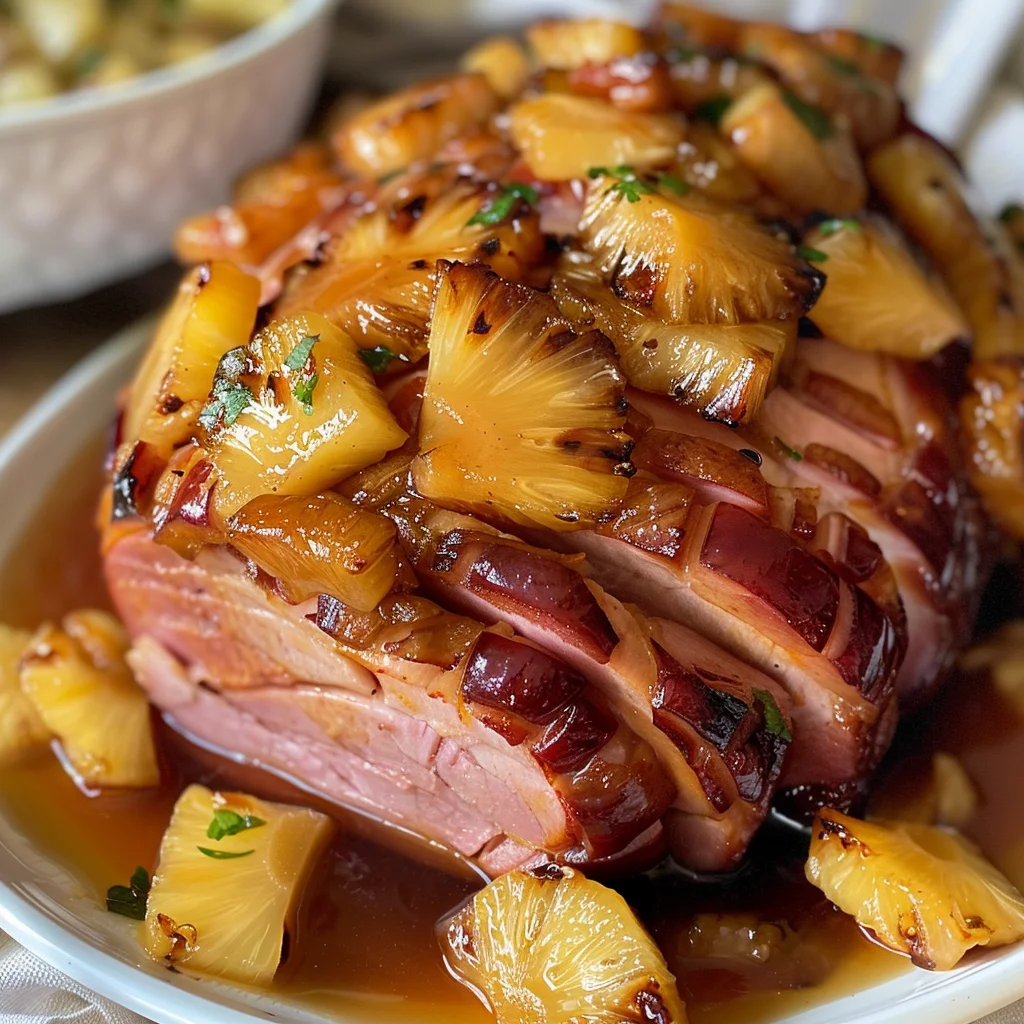
Slow Cooker Brown Sugar Pineapple Ham: The Perfect Holiday Centerpiece
Nothing beats the aroma of Slow Cooker Brown Sugar Pineapple Ham filling your kitchen during the holidays. This foolproof recipe transforms an ordinary ham into an extraordinary centerpiece. Moreover, the convenience of slow cooking means you can focus on other dishes while this masterpiece cooks itself.
The combination of sweet brown sugar and tangy pineapple creates an irresistible glaze. Furthermore, the slow cooker ensures your ham stays incredibly moist and tender. This recipe serves 8-12 people easily, making it perfect for family gatherings and special occasions.
Why Choose Slow Cooker Brown Sugar Pineapple Ham
Convenience and Time-Saving Benefits
Using a slow cooker for your brown sugar pineapple ham offers incredible convenience. First, you can prepare everything the night before. Additionally, the hands-off cooking method frees up valuable oven space for other dishes.
The slow, gentle heat prevents the ham from drying out. Subsequently, you’ll achieve restaurant-quality results without constant monitoring. This method also reduces kitchen stress during busy holiday preparations.
Superior Flavor Development
Slow cooking allows flavors to penetrate deeply into the meat. The brown sugar caramelizes gradually, creating complex sweetness. Meanwhile, the pineapple juice tenderizes the ham while adding bright, tropical notes.
This cooking method ensures even distribution of the glaze. Consequently, every bite delivers the perfect balance of sweet and savory flavors. The extended cooking time also allows the natural ham juices to concentrate.
Perfect for Entertaining
A slow cooker brown sugar pineapple ham impresses guests effortlessly. The presentation looks professional and elegant. Furthermore, it keeps the ham warm throughout your entire meal service.
This recipe scales easily for different crowd sizes. You can also prepare multiple hams simultaneously using several slow cookers. The consistent results make it ideal for special occasions and holiday entertaining.
Essential Ingredients for Perfect Results
The Ham Selection
Choose a pre-cooked spiral-cut ham weighing 6-8 pounds. This size fits most 6-quart slow cookers perfectly. Additionally, spiral-cut hams allow the glaze to penetrate between the slices.
Look for hams labeled “ready to eat” or “fully cooked.” These require only reheating and glazing. Moreover, bone-in hams typically offer better flavor than boneless varieties.
Avoid hams with excessive water content or artificial preservatives. Quality hams will have a firm texture and natural pink color. Check the packaging date to ensure maximum freshness.
Brown Sugar and Sweeteners
Light brown sugar works best for this recipe. It provides gentle sweetness without overwhelming the ham’s natural flavor. The molasses content adds depth and helps create the perfect glaze consistency.
You can substitute dark brown sugar for more intense molasses flavor. However, reduce the quantity slightly to prevent overpowering sweetness. Raw sugar or coconut sugar also work as alternatives.
For a healthier option, try pure maple syrup or honey. These natural sweeteners complement the pineapple beautifully. Nevertheless, adjust the liquid ratios accordingly when making substitutions.
Pineapple Components
Fresh pineapple rings provide the best flavor and texture. Cut them into uniform thickness for even cooking. Canned pineapple rings also work well if fresh isn’t available.
Reserve the pineapple juice for the glaze mixture. This adds moisture and prevents the ham from drying out. Additionally, the natural enzymes in pineapple help tenderize the meat.
Pineapple chunks can substitute for rings if preferred. However, rings create a more attractive presentation. Furthermore, they’re easier to secure with cloves or toothpicks.
Supporting Ingredients and Seasonings
Dijon mustard adds tangy complexity to balance the sweetness. Use whole grain mustard for extra texture and visual appeal. Yellow mustard works as a substitute but offers less sophisticated flavor.
Ground cloves complement both the ham and pineapple perfectly. Use sparingly, as cloves can easily overpower other flavors. Fresh whole cloves stuck into the pineapple rings create beautiful presentation.
Garlic powder adds savory depth without competing with the main flavors. Onion powder works similarly well. These seasonings round out the flavor profile beautifully.
Cornstarch helps thicken the glaze to perfect consistency. Mix it with cold water before adding to prevent lumps. This creates a glossy, restaurant-quality finish.
Step-by-Step Cooking Instructions
Preparation Phase
Start by removing the ham from refrigeration 30 minutes before cooking. This allows for more even heating throughout. Meanwhile, prepare your slow cooker by lining it with parchment paper for easy cleanup.
Score the ham in a diamond pattern if it’s not pre-cut. Make cuts about 1/4 inch deep. This allows the glaze to penetrate and creates an attractive appearance. Additionally, it helps the ham cook more evenly.
Pat the ham completely dry with paper towels. Excess moisture can dilute the glaze and prevent proper browning. Furthermore, dry surfaces accept seasonings and glazes more effectively.
Creating the Perfect Glaze
Combine brown sugar, pineapple juice, and Dijon mustard in a medium bowl. Whisk until the sugar dissolves completely. The mixture should be smooth and well-integrated.
Add garlic powder, onion powder, and a pinch of ground cloves. Taste and adjust seasonings as needed. The glaze should balance sweet, tangy, and savory elements harmoniously.
For thicker consistency, mix cornstarch with cold water separately. Then stir this slurry into the glaze mixture. This prevents lumps and ensures smooth texture throughout.
Assembly and Initial Cooking
Place the ham cut-side down in your slow cooker. This positioning helps retain moisture during cooking. Moreover, it allows the glaze to pool around the ham effectively.
Arrange pineapple rings over the ham surface. Secure them with whole cloves or wooden toothpicks if necessary. This prevents them from sliding off during cooking.
Pour the glaze evenly over the ham and pineapple. Use a brush to coat all exposed surfaces thoroughly. Reserve some glaze for basting during cooking if desired.
Cooking Process and Timing
Set your slow cooker to LOW heat for optimal results. Cook for 4-6 hours depending on ham size. Generally, plan for 45 minutes per pound of ham.
Baste the ham every 2 hours with accumulated juices. This keeps the surface moist and builds flavor layers. Additionally, it prevents the glaze from burning or becoming too thick.
Check internal temperature after 4 hours using a meat thermometer. The ham should reach 140°F (60°C) for food safety. However, since it’s pre-cooked, you’re primarily heating it through.
Final Glazing and Presentation
During the last hour, increase heat to HIGH if desired. This helps caramelize the glaze for better color and flavor. Monitor closely to prevent burning.
Remove the lid during the final 30 minutes for glaze concentration. This step is optional but creates a more attractive, glossy finish. The surface should be beautifully caramelized and fragrant.
Let the ham rest for 15 minutes before carving. This allows juices to redistribute throughout the meat. Moreover, it makes carving much easier and neater.
Pro Tips for the Best Ham
Temperature Control Mastery
Maintain consistent LOW temperature throughout most of the cooking process. High heat can cause the exterior to overcook while leaving the center cold. Consequently, patience yields far superior results.
Use a reliable meat thermometer to monitor internal temperature. Insert it into the thickest part, avoiding bone contact. This ensures accurate readings and perfect doneness every time.
Consider using a probe thermometer that stays in during cooking. Many models have alarms that alert you when target temperature is reached. This prevents overcooking and eliminates guesswork.
Flavor Enhancement Techniques
Score the ham in multiple directions for maximum glaze penetration. Create a crosshatch pattern about 1/4 inch deep. This technique dramatically improves flavor distribution throughout the meat.
Stuff fresh herbs like thyme or rosemary between ham spirals. These aromatics infuse subtle complexity during the long cooking process. Additionally, they create beautiful presentation when serving.
Brush the ham with glaze multiple times during cooking. Each layer builds flavor intensity and creates depth. Furthermore, this technique ensures even color development across the surface.
Moisture Retention Secrets
Place a small bowl of water in the slow cooker if space allows. This creates additional steam for moisture retention. However, ensure it doesn’t dilute your glaze or interfere with cooking.
Cover the ham with foil during the first half of cooking. Remove it later for glaze caramelization. This technique prevents moisture loss while still achieving attractive browning.
Don’t remove the lid unnecessarily during cooking. Each peek releases valuable steam and extends cooking time. Moreover, it can cause temperature fluctuations that affect texture.
Presentation Excellence
Garnish with fresh pineapple wedges and maraschino cherries before serving. This creates a festive, holiday-appropriate appearance. Additionally, it reinforces the flavor profile visually.
Arrange fresh herbs around the serving platter for elegant presentation. Rosemary sprigs or thyme branches work particularly well. These garnishes also provide pleasant aromatic appeal.
Reserve some uncooked glaze for serving alongside the ham. Warm it gently and offer it as a sauce. This allows guests to customize their portions according to preference.
Serving Suggestions and Side Dishes
Classic Holiday Pairings
Roasted vegetables complement the sweet ham perfectly. Consider carrots, Brussels sprouts, or sweet potatoes. Furthermore, their natural sweetness harmonizes beautifully with the brown sugar glaze.
Creamy mashed potatoes provide comforting contrast to the ham’s bold flavors. Additionally, they absorb the delicious pan juices wonderfully. Try adding cream cheese or sour cream for extra richness.
Green bean casserole offers fresh, crisp texture alongside the tender ham. Moreover, its savory elements balance the meal’s overall sweetness. Consider adding almonds for extra crunch and flavor.
Fresh and Light Options
Mixed green salad with citrus vinaigrette provides refreshing contrast. The acidity cuts through the rich, sweet glaze beautifully. Additionally, fresh greens add important nutritional balance to the meal.
Roasted asparagus with lemon brings bright, spring-like flavors. The vegetables cook quickly while your ham finishes. Furthermore, their elegant appearance suits special occasion dining perfectly.
Fruit salad featuring seasonal selections enhances the tropical pineapple theme. Include oranges, grapes, and berries for color variety. This side dish also provides palate-cleansing properties between rich bites.
Bread and Starch Accompaniments
Dinner rolls or Hawaiian rolls soak up the delicious glaze perfectly. Warm bread complements the ham’s temperature and texture ideally. Moreover, rolls make the meal more filling and satisfying.
Rice pilaf with herbs provides neutral backdrop for the ham’s bold flavors. Additionally, rice absorbs the pan juices beautifully. Consider adding toasted almonds or dried cranberries for texture.
Scalloped potatoes create the ultimate comfort food combination. Their creamy richness pairs wonderfully with sweet ham. Furthermore, they can cook simultaneously in your oven while the ham slow cooks.
Check out our comprehensive guide on [holiday side dish pairings] for more inspiration and detailed recipes.
Storage and Reheating Guidelines
Proper Refrigeration Techniques
Cool leftover ham to room temperature within 2 hours of cooking. This prevents bacterial growth and maintains food safety. Subsequently, refrigerate in shallow containers for faster cooling.
Store ham slices in airtight containers up to 4 days. Layer them with parchment paper to prevent sticking. Additionally, save any leftover glaze separately for reheating purposes.
Wrap bone-in portions tightly in plastic wrap or aluminum foil. This prevents air exposure and maintains moisture. Furthermore, proper wrapping prevents absorption of other refrigerator odors.
Freezing for Long-Term Storage
Freeze cooked ham up to 3 months for best quality. Wrap portions individually in freezer-safe materials. Moreover, label packages with contents and date for easy identification.
Consider slicing the ham before freezing for convenience. Individual portions thaw faster and more evenly. Additionally, you can remove only what you need for future meals.
Freeze leftover glaze in ice cube trays for easy portioning. Once frozen solid, transfer to freezer bags. This method allows you to use small amounts as needed.
Reheating Methods and Tips
Oven reheating produces the best texture and flavor retention. Cover with foil and heat at 325°F until warm throughout. Additionally, brush with reserved glaze for renewed moisture and shine.
Microwave reheating works for individual portions quickly. Use medium power to prevent overcooking. Furthermore, cover with damp paper towels to maintain moisture during heating.
Stovetop reheating in a skillet with a little glaze works well for slices. Heat gently over medium-low temperature. This method allows you to refresh the caramelized exterior beautifully.
Nutritional Information and Benefits
Caloric Content and Macronutrients
A typical 4-ounce serving of slow cooker brown sugar pineapple ham contains approximately 280-320 calories. The majority comes from protein and natural sugars. Additionally, ham provides complete amino acid profiles essential for health.
Protein content averages 24-28 grams per serving. This makes ham an excellent source of high-quality protein. Furthermore, protein helps maintain muscle mass and promotes satiety after meals.
Carbohydrate content primarily comes from the brown sugar and pineapple. Expect 15-20 grams per serving, mainly from natural and added sugars. However, the slow cooking process allows natural fruit sugars to concentrate.
Vitamin and Mineral Profile
B-vitamins are abundant in ham, particularly B12, thiamine, and niacin. These support energy metabolism and nervous system function. Moreover, ham provides more B12 than most other protein sources.
Selenium content in ham supports immune function and thyroid health. A single serving provides significant percentage of daily requirements. Additionally, selenium acts as an important antioxidant in the body.
Phosphorus and zinc support bone health and immune function respectively. Ham provides meaningful amounts of both minerals. Furthermore, these nutrients work synergistically with other dietary components.
Health Considerations and Modifications
Sodium content can be high in processed hams. Look for lower-sodium varieties when possible. Additionally, balance your meal with low-sodium sides and plenty of fresh vegetables.
Sugar content increases with the brown sugar glaze. Consider reducing sweetener amounts for those monitoring sugar intake. Natural fruit sweetness from pineapple can partially compensate for reduced added sugars.
Portion control helps manage caloric intake while enjoying this special dish. Serve alongside plenty of vegetables and salads. Moreover, savor smaller portions to fully appreciate the complex flavors.
Variations and Customization Ideas
Alternative Sweetener Options
Pure maple syrup creates deeper, more complex sweetness than brown sugar. Use about 3/4 the amount called for in the original recipe. Additionally, maple syrup pairs exceptionally well with ham’s natural saltiness.
Honey provides floral notes and creates beautiful glaze consistency. Choose high-quality, raw honey for best flavor. Furthermore, honey caramelizes beautifully during the slow cooking process.
Coconut sugar offers subtle caramel undertones with lower glycemic impact. It substitutes directly for brown sugar in most recipes. Moreover, coconut sugar complements the tropical pineapple flavors perfectly.
Fruit Variations and Combinations
Orange slices with cranberries create festive holiday flavors. The citrus acidity balances the ham’s richness beautifully. Additionally, cranberries provide antioxidants and vibrant color contrast.
Apple rings with cinnamon offer classic autumn comfort. Choose firm apple varieties that hold their shape during cooking. Furthermore, cinnamon adds warmth without overwhelming other flavors.
Peach halves work wonderfully during summer months. Their natural sweetness requires less added sugar. Moreover, peaches provide beautiful presentation and complement ham’s savory elements perfectly.
Spice Blend Modifications
Asian-inspired variations might include ginger, five-spice, and soy sauce. These create entirely different flavor profiles while maintaining the sweet-savory balance. Additionally, these spices pair surprisingly well with pineapple.
Southwestern influences could incorporate chipotle powder, cumin, and orange zest. This combination creates complex heat and citrus brightness. Furthermore, these flavors work particularly well with spiral-cut hams.
European herbs like thyme, sage, and juniper create sophisticated flavor profiles. These aromatics complement ham’s traditional preparation methods. Moreover, they add elegance suitable for formal entertaining.
Troubleshooting Common Issues
Dry Ham Problems
Insufficient moisture often causes dry results. Ensure your slow cooker maintains proper liquid levels throughout cooking. Additionally, basting every 2 hours helps maintain surface moisture.
Overcooking frequently leads to dry, tough texture. Monitor internal temperature carefully and remove ham promptly when heated through. Furthermore, remember that pre-cooked hams only need reheating, not full cooking.
Wrong cut selection can affect final texture. Choose spiral-cut, bone-in hams when possible. These varieties retain moisture better during extended cooking periods.
Glaze Consistency Issues
Too thin glaze fails to coat properly or creates watery results. Mix cornstarch with cold liquid before adding to thicken. Additionally, cook uncovered during final 30 minutes to concentrate flavors.
Too thick glaze can burn or create uneven coverage. Add small amounts of pineapple juice or water to thin. Furthermore, reduce heat if the glaze browns too quickly during cooking.
Separation problems occur when ingredients aren’t properly incorporated. Whisk glaze components thoroughly before applying. Moreover, temperature differences can cause separation, so ensure all ingredients are similar temperatures.
Temperature and Timing Challenges
Uneven heating results from improper positioning or overcrowding. Center the ham in your slow cooker with adequate clearance. Additionally, trim if necessary to ensure proper fit and heat circulation.
Extended cooking times may be necessary for larger hams. Plan approximately 45 minutes per pound as a general guideline. Furthermore, bone-in hams typically require slightly longer than boneless varieties.
Temperature fluctuations affect cooking consistency. Avoid frequent lid removal during cooking process. Moreover, ensure your slow cooker maintains steady heat throughout the cooking period.
Frequently Asked Questions
Can I cook a frozen ham in the slow cooker?
Never cook frozen ham directly in a slow cooker. Thaw completely in the refrigerator first for food safety. Additionally, frozen ham won’t heat evenly and may develop dangerous bacterial growth in the temperature danger zone.
Plan 24-48 hours for complete thawing depending on size. Place on a tray to catch any drips. Furthermore, ensure the internal temperature reaches safe levels before beginning your slow cooker brown sugar pineapple ham recipe.
How do I know when the ham is properly heated?
Use a meat thermometer to check internal temperature. Properly reheated ham should reach 140°F (60°C) throughout. Additionally, the meat should feel hot to the touch and steam when sliced.
Insert the thermometer into the thickest part, avoiding bone contact. Take readings from multiple locations for accuracy. Furthermore, let the ham rest briefly before carving to allow temperature equalization.
Can I prepare this recipe ahead of time?
Yes, you can assemble everything the night before cooking. Store the prepared ham in the refrigerator until ready to cook. Additionally, prepare the glaze separately and combine just before cooking.
However, don’t add the glaze until you’re ready to start cooking. Extended contact with acidic ingredients can affect texture. Furthermore, bring the ham to room temperature before cooking for best results.
What size slow cooker do I need?
A 6-quart slow cooker accommodates most 6-8 pound hams comfortably. Larger hams may require 7-8 quart capacity. Additionally, ensure adequate clearance around the ham for proper heat circulation.
Measure your ham before purchasing if unsure about fit. The ham shouldn’t touch the lid when closed. Furthermore, oval-shaped slow cookers often accommodate ham shapes better than round models.
How can I make the glaze shinier?
Remove the lid during the final 30-60 minutes of cooking. This allows moisture to evaporate and concentrates the glaze. Additionally, brush with reserved glaze multiple times during this period.
For extra shine, mix a small amount of corn syrup into your glaze. This creates professional-looking results. Furthermore, avoid opening the slow cooker unnecessarily, as this releases steam needed for proper caramelization.
Can I double this recipe?
Yes, but you’ll need a larger slow cooker or two separate units. Cooking times remain approximately the same. Additionally, prepare extra glaze proportionally to ensure adequate coverage.
Monitor both hams carefully if using separate cookers. They may finish at slightly different times. Furthermore, internal temperatures should guide doneness rather than strict timing adherence.
Conclusion
This slow cooker brown sugar pineapple ham recipe delivers restaurant-quality results with minimal effort. The combination of sweet brown sugar, tangy pineapple, and tender ham creates an unforgettable centerpiece. Moreover, the hands-off cooking method frees you to focus on other holiday preparations.
The key to success lies in selecting quality ham and maintaining proper temperatures throughout cooking. Additionally, regular basting and careful glaze preparation ensure beautiful presentation and maximum flavor development.
Whether you’re hosting a holiday gathering or special family dinner, this recipe guarantees impressive results. The tropical flavors and elegant presentation make every occasion feel special. Furthermore, the leftovers create delicious sandwiches and breakfast dishes for days afterward.
Slow Cooker Brown Sugar Pineapple Ham
Description
Slow Cooker Brown Sugar Pineapple Ham
Ingredients
-
6-10 lb spiral-cut cooked ham (defrosted if frozen)
-
1 cup brown sugar (divided)
-
20 oz can crushed pineapple, drained (reserve juice)
-
1 teaspoon ground cinnamon
-
Optional: pinch of dried chili flakes or ground ginger for spice
Instructions
-
Prepare slow cooker: Spread half of the brown sugar, half of the crushed pineapple, and half of the ground cinnamon on the bottom of the slow cooker.
-
Place the ham: Set the ham on top of the brown sugar and pineapple mixture. Use your fingers to create space between the slices.
-
Apply glaze: Smear Dijon mustard (optional) over the ham’s surface. Sprinkle the remaining brown sugar on top and between the slices, followed by the remaining pineapple chunks and cinnamon.
-
Cook: Cover with lid and cook on high for about 4 hours for larger hams, or 3 hours for smaller ones. The ham only needs to be heated through since it is pre-cooked; aim for an internal temperature of at least 110°F.
-
Make glaze (optional): Remove the ham and pour the cooking juices into a saucepan. Simmer over medium heat for 15 minutes until thick and glossy. Drizzle this glaze over the ham before serving.
This slow cooker ham recipe is sweet, tangy, and easy, perfect for holiday dinners or anytime.