
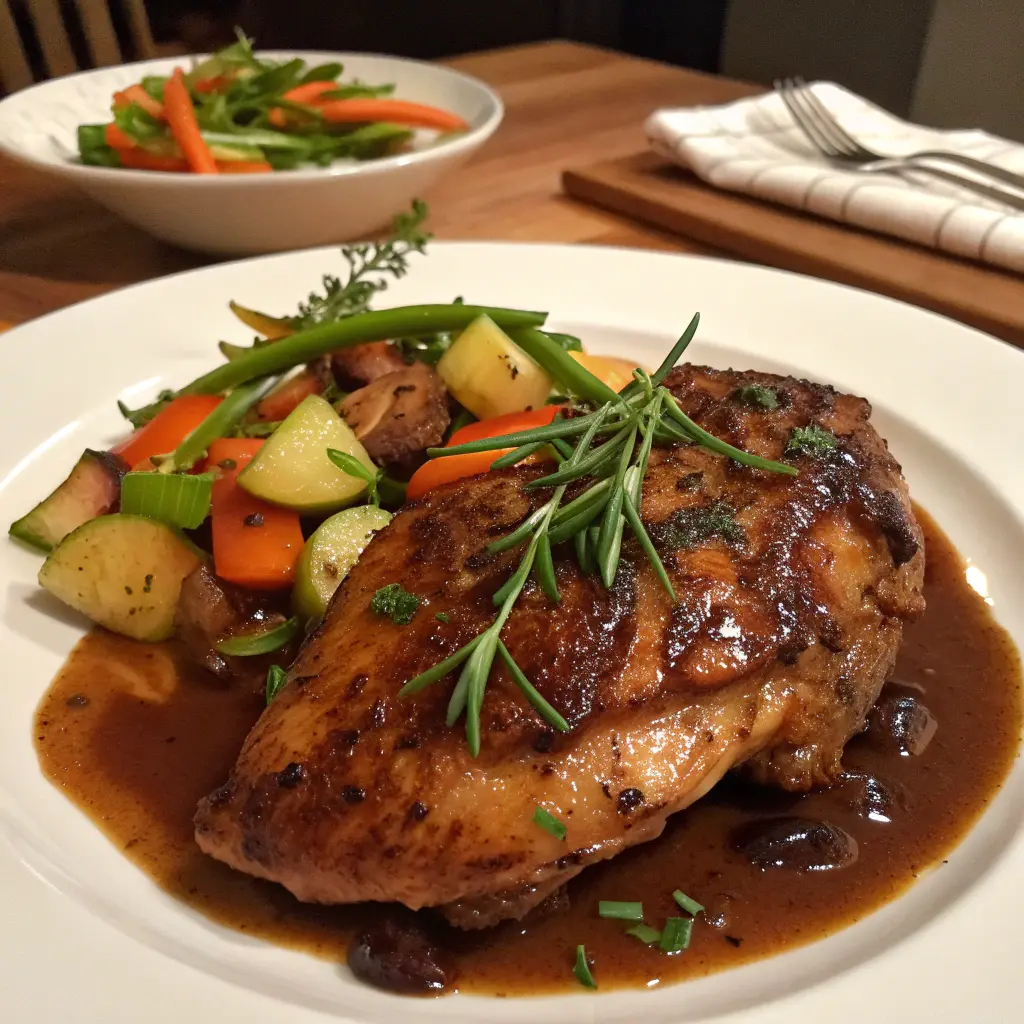
Slow Cooker Maple Balsamic Chicken: A Sweet and Savory Weeknight Winner
There’s something magical about walking into your home after a long day to the aroma of Slow Cooker Maple Balsamic Chicken wafting through the air. This effortless dish combines the natural sweetness of pure maple syrup with the tangy depth of balsamic vinegar, creating a glaze that transforms ordinary chicken into an extraordinary meal. Whether you’re a busy parent, a working professional, or simply someone who loves delicious food without the fuss, this recipe will become your go-to weeknight dinner solution.
Why Slow Cooker Maple Balsamic Chicken Works
The Perfect Flavor Balance
The combination of maple and balsamic creates a harmonious sweet-and-tangy profile. Moreover, the slow cooking process allows these flavors to penetrate deeply into the chicken. As a result, every bite delivers maximum taste.
Pure maple syrup provides natural sweetness without refined sugars. Meanwhile, balsamic vinegar adds acidity and complexity. Together, they create a reduction that coats the chicken beautifully.
Time-Saving Convenience
Slow cookers revolutionize home cooking. Additionally, they require minimal active preparation time. You simply combine ingredients and let the appliance work its magic.
This hands-off approach frees you for other activities. Furthermore, it prevents the stress of last-minute dinner preparation. Consequently, you’ll enjoy both the process and the result.
Versatility for Any Occasion
This dish works equally well for casual family dinners and special gatherings. Similarly, it adapts easily to different serving sizes. Whether cooking for two or twelve, the recipe scales perfectly.
The elegant presentation belies its simple preparation. Therefore, guests will think you spent hours in the kitchen. In reality, you invested just minutes of active work.
Essential Ingredients Breakdown
Main Components
Chicken Selection
-
Boneless, skinless chicken thighs (recommended for moisture)
-
Boneless, skinless chicken breasts (leaner option)
-
Bone-in chicken pieces (for deeper flavor)
Chicken thighs remain incredibly juicy during slow cooking. In contrast, breasts can become dry if overcooked. However, both options work well with proper timing.
The Glaze Foundation
Pure maple syrup forms the sweet base of this recipe. Specifically, choose Grade A Dark Color for robust flavor. Alternatively, Grade A Amber Color offers milder sweetness.
Balsamic vinegar provides the essential tangy component. Look for quality vinegar aged at least three years. Subsequently, you’ll notice superior depth and complexity.
Supporting Ingredients
Garlic cloves add aromatic punch to the glaze. Fresh garlic delivers the best results. Minced garlic from a jar works in a pinch.
Dijon mustard brings subtle heat and helps emulsify the sauce. Additionally, it adds a sophisticated flavor layer. Whole grain mustard creates interesting texture variations.
Soy sauce contributes umami depth and saltiness. Low-sodium varieties offer better control over seasoning. Tamari works perfectly as a gluten-free alternative.
Seasonings and Aromatics
Black pepper enhances all the other flavors. Freshly ground pepper tastes significantly better than pre-ground. Additionally, it provides visual appeal through the sauce.
Onion powder rounds out the savory elements. Similarly, garlic powder reinforces the fresh garlic. Together, they create a complex flavor foundation.
Fresh thyme leaves add herbaceous notes. Dried thyme works well too, using one-third the amount. Rosemary makes an excellent alternative for variation.
Step-by-Step Cooking Instructions
Preparation Phase
Gathering Your Ingredients
First, assemble all ingredients before beginning. This practice, called mise en place, ensures smooth cooking. Consequently, you won’t scramble for items mid-recipe.
Measure liquids accurately using proper measuring cups. Level dry ingredients with a knife for precision. These small steps guarantee consistent results.
Preparing the Chicken
Trim excess fat from chicken pieces if desired. Pat the meat completely dry with paper towels. Dry surfaces brown better and absorb flavors more effectively.
Season chicken lightly with salt and pepper. However, remember the soy sauce adds significant saltiness. Therefore, use restraint during initial seasoning.
Creating the Maple Balsamic Glaze
Mixing the Sauce
Combine maple syrup and balsamic vinegar in a bowl. Whisk together until fully blended. The mixture should look uniform without separation.
Add minced garlic, Dijon mustard, and soy sauce. Whisk vigorously to create a smooth emulsion. Subsequently, taste and adjust seasoning if needed.
Incorporate dried herbs and spices last. Stir thoroughly to distribute seasonings evenly. The glaze should smell aromatic and inviting.
Slow Cooker Assembly
Layering for Success
Lightly spray the slow cooker insert with cooking spray. This step prevents sticking and simplifies cleanup. Alternatively, use a slow cooker liner for convenience.
Arrange chicken pieces in a single layer when possible. Overlapping is acceptable if necessary. However, try to maximize surface contact with the glaze.
Pour the maple balsamic glaze over the chicken evenly. Use a spoon to coat all pieces thoroughly. The liquid should nearly cover the chicken.
Cooking Times and Temperatures
Set your slow cooker to the appropriate setting. Low heat (4-6 hours) yields the most tender results. High heat (2-3 hours) works for faster cooking.
Chicken thighs handle longer cooking times beautifully. Conversely, chicken breasts require closer monitoring. Internal temperature should reach 165°F for food safety.
Avoid lifting the lid during cooking unnecessarily. Each peek releases heat and extends cooking time. Trust the process and check only near completion.
Finishing Touches
Creating the Perfect Glaze
Once chicken reaches temperature, remove it to a plate. Transfer the cooking liquid to a saucepan. Bring to a boil over medium-high heat.
Reduce the sauce by half, stirring occasionally. This concentrates flavors and thickens the consistency. The glaze should coat a spoon nicely.
For extra thickness, add a cornstarch slurry. Mix equal parts cornstarch and cold water. Whisk into the simmering sauce until desired consistency.
Serving Presentation
Return chicken to the slow cooker or serving dish. Pour the reduced glaze generously over each piece. The glossy coating creates restaurant-quality appearance.
Garnish with fresh thyme sprigs or parsley. Additionally, sprinkle with toasted sesame seeds for crunch. These finishing touches elevate visual appeal significantly.
Let the dish rest for five minutes before serving. This allows the glaze to set slightly. Consequently, it adheres better to the chicken.
Perfect Side Dish Pairings
Starchy Accompaniments
Rice Variations
White rice serves as a classic base for the flavorful sauce. Furthermore, jasmine rice adds subtle floral notes. Brown rice provides additional fiber and nutrients.
Wild rice blends create textural interest and nutty flavor. Additionally, cauliflower rice offers a low-carb alternative. Each option absorbs the delicious glaze beautifully.
Potato Options
Mashed potatoes create comfort food perfection. Roasted baby potatoes add rustic charm. Sweet potato mash introduces complementary sweetness.
Prepare creamy garlic mashed potatoes for ultimate indulgence. Alternatively, try herb-roasted fingerling potatoes for elegance. Both choices pair wonderfully with maple balsamic chicken.
Vegetable Sides
Roasted Vegetables
Brussels sprouts caramelize beautifully in the oven. Toss with olive oil, salt, and pepper before roasting. The crispy edges contrast nicely with tender chicken.
Roasted carrots bring natural sweetness to the plate. Similarly, roasted asparagus adds sophisticated flair. Rainbow carrots create stunning visual appeal.
Fresh Salads
Mixed green salad with balsamic vinaigrette complements the main dish. Fresh spinach salad with cranberries adds color and nutrition. Caesar salad provides creamy contrast.
Arugula salad with pears and walnuts creates gourmet pairing. The peppery greens balance the sweet glaze perfectly. Additionally, seasonal fruits add freshness.
Bread and Grains
Crusty artisan bread soaks up extra sauce delightfully. Garlic bread makes every meal feel special. Dinner rolls offer classic comfort.
Quinoa provides complete protein and fluffy texture. Couscous cooks quickly and absorbs flavors well. Farro adds chewy texture and nutty taste.
Storage and Meal Prep Tips
Refrigeration Guidelines
Store leftover chicken in airtight containers immediately. Refrigerate within two hours of cooking for food safety. Properly stored, it lasts 3-4 days.
Keep chicken and sauce together for best results. The meat stays moist when stored in liquid. Separate storage works but may dry the chicken.
Label containers with the date of preparation. This practice prevents food waste and ensures freshness. Use the oldest items first.
Freezing Instructions
Proper Freezing Technique
Cool chicken completely before freezing. Divide into meal-sized portions for convenience. This approach allows thawing only what you need.
Use freezer-safe containers or heavy-duty freezer bags. Remove as much air as possible to prevent freezer burn. Frozen chicken maintains quality for 2-3 months.
Freeze sauce separately if desired. Pour into ice cube trays for portion control. Transfer frozen cubes to labeled freezer bags.
Thawing Methods
Thaw frozen chicken in the refrigerator overnight. This method ensures safe, even thawing. Plan ahead for meal preparation.
Quick-thaw in cold water if needed. Submerge sealed container in cold water. Change water every 30 minutes until thawed.
Microwave thawing works for immediate use. Use the defrost setting and rotate frequently. Cook immediately after microwave thawing.
Meal Prep Strategies
Batch Cooking Benefits
Double the recipe for multiple meals throughout the week. Slow cookers typically accommodate larger quantities easily. Batch cooking saves time and energy.
Prepare components in advance for quick assembly. Measure and mix the glaze ahead of time. Store in the refrigerator until ready to cook.
Portion prepared meals into individual containers. This simplifies lunch packing and portion control. Grab-and-go convenience improves weekday efficiency.
Make-Ahead Tips
Assemble everything in the slow cooker insert the night before. Refrigerate the entire insert if your model allows. Transfer to the base and start cooking in the morning.
Pre-cut vegetables and chicken the day before cooking. Store separately in airtight containers. This reduces morning preparation time significantly.
Prepare the glaze up to three days in advance. Refrigerate in a sealed jar or container. Shake well before using to recombine ingredients.
Nutritional Information and Health Benefits
Calorie and Macronutrient Breakdown
A typical serving contains approximately 320-380 calories. This estimate assumes boneless, skinless chicken thighs. Chicken breasts reduce calories by about 50-80 per serving.
Protein content ranges from 35-42 grams per serving. This makes the dish excellent for muscle maintenance. Additionally, protein promotes satiety and stable blood sugar.
Carbohydrates total approximately 28-32 grams per serving. Most carbs come from the maple syrup. The glaze contributes natural sugars rather than refined ones.
Fat content varies based on chicken choice. Thighs provide about 12-15 grams of fat per serving. Breasts contain significantly less, around 4-6 grams.
Nutritional Benefits
High-Quality Protein
Chicken provides all essential amino acids. These building blocks support numerous body functions. Furthermore, protein aids in tissue repair and growth.
Lean protein helps maintain healthy body composition. It supports metabolism and energy production. Additionally, protein intake promotes bone health.
Vitamin and Mineral Content
B vitamins in chicken support energy metabolism. Niacin and B6 particularly benefit nervous system function. These nutrients help convert food into usable energy.
Selenium acts as a powerful antioxidant. It supports immune function and thyroid health. Chicken provides excellent selenium content per serving.
Phosphorus contributes to bone and tooth health. It also aids in kidney function and pH balance. This mineral works synergistically with calcium.
Dietary Considerations
Adaptations for Special Diets
For gluten-free needs, ensure soy sauce is certified gluten-free. Tamari naturally contains no gluten in most brands. Always verify labels before purchasing.
Reduce sugar content by using sugar-free maple-flavored syrup. Alternatively, decrease maple syrup and increase balsamic vinegar. Taste and adjust to personal preference.
For paleo diets, use coconut aminos instead of soy sauce. This swap maintains umami flavor while staying compliant. The result tastes remarkably similar.
Low-sodium versions work for heart-healthy eating. Choose low-sodium soy sauce and omit added salt. The maple and balsamic provide plenty of flavor.
Common Mistakes to Avoid
Overcrowding the Slow Cooker
Piling too much chicken creates uneven cooking. Steam cannot escape properly when overfilled. Consequently, chicken may stew rather than braise.
Leave space between pieces when possible. This allows heat circulation and better glaze coating. Better results come from cooking in batches if needed.
Maximum capacity should be two-thirds full. This guideline ensures optimal cooking conditions. Additionally, it prevents spillover during cooking.
Incorrect Temperature Settings
Cooking on high heat for too long dries chicken out. Particularly, chicken breasts become tough and stringy. Low and slow yields superior texture and moisture.
Conversely, insufficient cooking time poses food safety risks. Always verify internal temperature reaches 165°F. Use a meat thermometer for accuracy.
Different slow cooker models vary in temperature. Learn your specific appliance’s characteristics through experience. Adjust times accordingly for consistent results.
Skipping the Reduction Step
Serving the glaze unreduced creates watery sauce. The flavors taste diluted and underwhelming. Taking time to reduce concentrates both flavor and consistency.
Boiling the sauce eliminates any food safety concerns. Additionally, it creates a glossy, restaurant-quality appearance. This extra step significantly improves presentation.
Reduced sauce clings to chicken beautifully. It creates that signature sticky glaze everyone loves. The visual appeal alone makes reduction worthwhile.
Using Low-Quality Ingredients
Imitation maple syrup lacks depth and complexity. Real maple syrup costs more but delivers superior results. The authentic flavor shines through in the final dish.
Cheap balsamic vinegar tastes harsh and one-dimensional. Invest in quality vinegar aged properly. The difference becomes immediately apparent.
Fresh garlic surpasses jarred versions significantly. The pungent, aromatic quality elevates the entire dish. Similarly, fresh herbs outperform dried in most applications.
Recipe Variations and Customizations
Protein Alternatives
Turkey Options
Turkey breast cutlets work excellently in this recipe. They remain moist and absorb flavors beautifully. Cooking time stays similar to chicken breasts.
Ground turkey creates an entirely different dish. Form into meatballs before adding to the slow cooker. The glaze coats each meatball perfectly.
Pork Variations
Pork tenderloin pairs wonderfully with maple balsamic glaze. The meat stays tender and juicy when cooked properly. Reduce cooking time slightly compared to chicken.
Boneless pork chops offer another delicious option. Choose thicker cuts to prevent overcooking. The sweet glaze complements pork’s natural flavor.
Plant-Based Options
Extra-firm tofu absorbs the glaze remarkably well. Press tofu thoroughly before cooking to remove excess moisture. Cut into cubes or slabs for variety.
Portobello mushrooms create a meaty, satisfying alternative. Remove stems and slice caps into thick pieces. The earthy flavor complements maple and balsamic beautifully.
Flavor Profile Adjustments
Spicy Variations
Add red pepper flakes for gentle heat. Start with ½ teaspoon and adjust to taste. The warmth balances the sweetness nicely.
Fresh ginger introduces Asian-inspired notes and subtle spice. Grate or mince finely for even distribution. The zingy flavor adds complexity.
Sriracha or hot sauce creates bolder heat. Add gradually and taste as you go. The vinegar-based heat complements balsamic naturally.
Herb Variations
Rosemary brings piney, aromatic qualities. Use sparingly as it can overpower. Fresh rosemary works better than dried.
Sage creates an autumn-inspired flavor profile. It pairs beautifully with maple’s natural sweetness. Use whole leaves for easy removal.
Basil adds unexpected freshness and Italian flair. Add fresh basil at the end of cooking. Dried basil can go in the initial glaze.
Texture Modifications
Adding Vegetables
Pearl onions caramelize beautifully in the glaze. Add them at the beginning of cooking. They become sweet and tender.
Baby carrots provide color and nutrition. They soften perfectly during slow cooking. Additionally, they soak up delicious flavors.
Bell peppers add sweetness and visual appeal. Cut into thick strips to prevent overcooking. Red and yellow peppers look particularly attractive.
Crunchy Toppings
Toasted pecans add buttery crunch and richness. Sprinkle over finished dish just before serving. The nuts complement maple perfectly.
Sesame seeds provide subtle nuttiness and texture. Use white, black, or mixed for variety. Toast lightly for enhanced flavor.
Crispy fried onions create addictive texture contrast. Add at serving time to maintain crunchiness. This topping appeals especially to children.
Advanced Techniques and Tips
Browning for Extra Flavor
Searing chicken before slow cooking adds complexity. Heat oil in a skillet over medium-high heat. Brown each piece for 2-3 minutes per side.
This step creates a flavorful crust and deeper color. Additionally, it renders some surface fat. The extra effort produces notably superior results.
Pat chicken very dry before searing. Wet surfaces steam rather than brown. Moreover, dry surfaces develop better caramelization.
Glaze Consistency Control
Thickening Methods
Cornstarch slurry creates glossy, translucent thickness. Mix 1 tablespoon cornstarch with 2 tablespoons cold water. Whisk into simmering sauce until desired consistency.
Arrowroot powder works similarly to cornstarch. It creates a clearer sauce with less starchy taste. Use the same proportions as cornstarch.
Reducing naturally concentrates flavors without additives. Simmer uncovered until sauce coats a spoon. This method produces the most intense flavor.
Thinning Solutions
Add chicken broth to thin overly thick sauce. Use low-sodium broth for better control. Stir in gradually until reaching desired consistency.
Water works in a pinch for thinning. However, it dilutes flavors slightly. Chicken broth maintains flavor intensity better.
Additional balsamic vinegar adds tang while thinning. This approach enhances the tangy profile. Balance with extra maple syrup if needed.
Serving Temperature Strategies
Keep chicken warm in the slow cooker on low setting. This works perfectly for buffet-style serving. Stir occasionally to redistribute glaze.
Transfer to a warming tray for elegant presentation. Maintain temperature around 140-150°F. This prevents overcooking while keeping food safe.
For immediate serving, plate while chicken is very hot. The glaze flows beautifully over rice or potatoes. Visual appeal peaks at serving temperature.
Shopping and Ingredient Selection
Choosing Quality Chicken
Organic and Free-Range Options
Organic chicken costs more but offers potential benefits. These birds receive no antibiotics or growth hormones. Many people prefer the flavor and texture.
Free-range chicken typically has better muscle development. This can result in slightly firmer texture. However, slow cooking tenderizes all chicken beautifully.
Look for plump, pink chicken without gray spots. The meat should smell fresh and clean. Avoid packages with excessive liquid accumulation.
Fresh Versus Frozen
Fresh chicken provides ideal texture and flavor. Use within 1-2 days of purchase. Store in the coldest part of your refrigerator.
Frozen chicken works perfectly when properly thawed. It often costs less than fresh. Moreover, you can keep it on hand for spontaneous cooking.
Never cook chicken directly from frozen in a slow cooker. Thaw completely in the refrigerator first. This ensures safe, even cooking throughout.
Maple Syrup Selection
Understanding Grades
Grade A Dark Color (formerly Grade B) offers robust flavor. This grade works best for cooking applications. The stronger taste stands up to other ingredients.
Grade A Amber Color provides milder, more delicate sweetness. Some prefer this for less intense maple presence. Either grade works in this recipe.
Avoid pancake syrup or maple-flavored products. These contain mostly corn syrup and artificial flavoring. Real maple syrup creates incomparable results.
Sourcing and Storage
Purchase maple syrup from reputable sources. Local producers often offer excellent quality. Farmers markets and specialty stores stock authentic products.
Store unopened maple syrup in a cool, dark place. Refrigerate after opening to prevent mold growth. Properly stored, it lasts almost indefinitely.
Check for crystallization in stored syrup. Gently warm to dissolve sugar crystals. This doesn’t affect quality or flavor.
Balsamic Vinegar Quality
Age and Origin
Traditional balsamic vinegar from Modena offers superior quality. Look for “Aceto Balsamico Tradizionale” on labels. These aged vinegars provide incredible complexity.
Commercial balsamic vinegar works perfectly for cooking. Choose varieties aged at least three years. The aging process develops richer flavor.
Balsamic glaze differs from regular vinegar. It comes pre-reduced with added sweetness. While convenient, regular vinegar offers better control.
Reading Labels
Ingredient lists should be short and simple. Ideally, just grape must and vinegar. Avoid products with added caramel coloring.
Check the origin designation for authenticity. Protected designation of origin (PDO) guarantees quality. However, good non-PDO options exist too.
Price often indicates quality with balsamic vinegar. Extremely cheap versions taste harsh and one-dimensional. Mid-range products offer the best value.
Frequently Asked Questions
Can I use chicken breasts instead of thighs?
Yes, chicken breasts work well in this recipe. However, monitor cooking time more carefully. Breasts can dry out if overcooked. Cook on low for 3-4 hours or high for 2 hours maximum.
How do I prevent the chicken from drying out?
Choose chicken thighs for maximum moisture retention. Additionally, avoid lifting the slow cooker lid unnecessarily. Each peek releases heat and moisture. Finally, don’t overcook beyond the recommended time.
Can I make Slow Cooker Maple Balsamic Chicken ahead of time?
Absolutely! Prepare the glaze and chicken up to 24 hours ahead. Store them separately in the refrigerator. Combine in the slow cooker when ready to cook. Alternatively, cook completely and reheat before serving.
What if my sauce is too thin?
Remove the chicken after cooking and transfer liquid to a saucepan. Boil rapidly until reduced by half. For faster thickening, add a cornstarch slurry. Mix 1 tablespoon cornstarch with 2 tablespoons cold water before adding.
Can I double this recipe?
Yes, most slow cookers accommodate doubled recipes easily. Ensure your appliance has sufficient capacity. Don’t fill beyond two-thirds full. Cooking time remains approximately the same. Check chicken temperature to confirm doneness.
Is this recipe suitable for meal prep?
Maple balsamic chicken works perfectly for meal prep. It stores well and reheats beautifully. Portion into individual containers with your choice of sides. Refrigerate for up to four days or freeze for longer storage.
What substitutes work for maple syrup?
Honey creates a similar sweetness with different flavor. Brown sugar dissolved in water works in a pinch. However, these substitutes significantly change the taste profile. Real maple syrup delivers the intended flavor best.
How do I know when the chicken is done?
Use an instant-read thermometer to check internal temperature. Chicken must reach 165°F for food safety. Insert the thermometer into the thickest part. Additionally, juices should run clear when pierced.
Final Thoughts
Slow Cooker Maple Balsamic Chicken delivers restaurant-quality results with minimal effort. The combination of sweet maple syrup and tangy balsamic vinegar creates an irresistible glaze. Furthermore, the hands-off cooking method frees you for other activities.
This versatile recipe adapts easily to different proteins and preferences. Whether serving family dinner or entertaining guests, it always impresses. Moreover, the make-ahead and meal prep capabilities fit busy lifestyles perfectly.
The balance of convenience, flavor, and nutrition makes this dish truly special. Try it once, and it will likely become a regular rotation staple. Your slow cooker will earn its counter space with this recipe alone.
Print
Slow Cooker Maple Balsamic Chicken
Description
Slow Cooker Maple Balsamic Chicken
Ingredients:
-
4 boneless, skinless chicken breasts (or thighs)
-
1/2 cup pure maple syrup
-
1/3 cup balsamic vinegar
-
2 tablespoons Dijon mustard
-
3 cloves garlic, minced
-
1 tablespoon soy sauce
-
1 tablespoon olive oil
-
1 teaspoon dried rosemary (or thyme)
-
1/2 teaspoon salt
-
1/4 teaspoon black pepper
-
1 small onion, thinly sliced
Optional for garnish:
Fresh parsley, rosemary sprigs, or a drizzle of glaze
Instructions:
-
Prepare the sauce:
In a small bowl, whisk together maple syrup, balsamic vinegar, Dijon mustard, garlic, soy sauce, olive oil, rosemary, salt, and pepper until well combined. -
Layer the slow cooker:
Place sliced onions at the bottom of your slow cooker. Lay the chicken breasts on top. -
Pour the sauce:
Pour the maple balsamic mixture evenly over the chicken. -
Cook:
Cover and cook on LOW for 4–6 hours or HIGH for 2–3 hours, until the chicken is tender and fully cooked. -
Thicken the glaze (optional):
Remove the chicken and set aside. Pour the cooking liquid into a small saucepan and simmer for 5–7 minutes until slightly thickened. Return the chicken to the sauce or drizzle over when serving. -
Serve:
Spoon the glaze over the chicken and garnish with fresh herbs.