
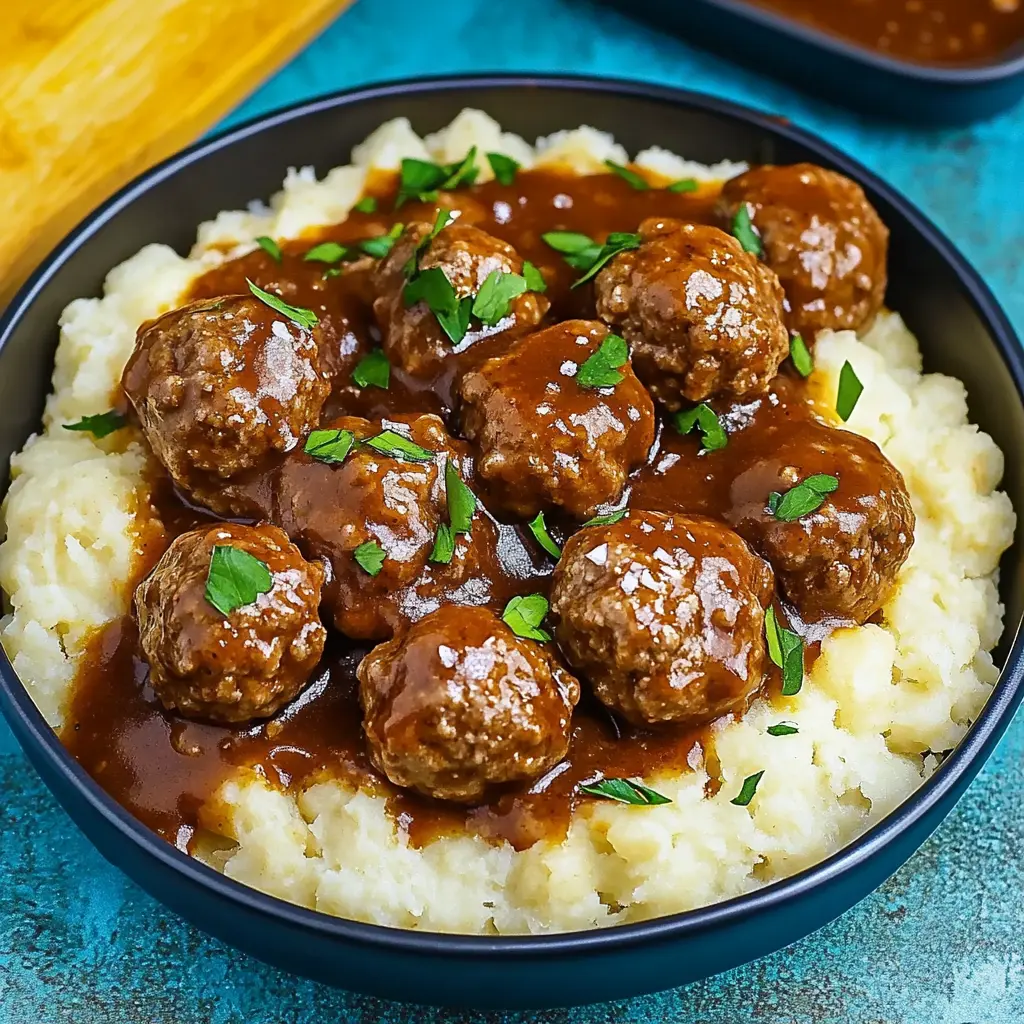
Slow Cooker Salisbury Steak Meatballs: The Ultimate Comfort Food Recipe
Comfort food doesn’t get much better than tender, juicy meatballs swimming in rich, savory gravy. Furthermore, Slow Cooker Salisbury Steak Meatballs transform the classic diner favorite into an effortless home-cooked meal. Additionally, this recipe delivers all the hearty satisfaction of traditional Salisbury steak while requiring minimal hands-on time. Moreover, your slow cooker does all the heavy lifting, creating fork-tender meatballs that practically melt in your mouth.
This recipe combines the best of both worlds. Specifically, you get the convenience of meatballs with the rich, mushroom-laden gravy that makes Salisbury steak so beloved. Meanwhile, the slow cooking process ensures every bite is packed with flavor. Consequently, your family will think you spent hours in the kitchen when you actually spent just minutes preparing this satisfying meal.
What Are Slow Cooker Salisbury Steak Meatballs
Slow Cooker Salisbury Steak Meatballs represent a brilliant fusion of two comfort food classics. Essentially, they combine the convenience of meatballs with the rich, gravy-based flavors of traditional Salisbury steak. Additionally, this dish originated from the classic American diner staple that Dr. James Salisbury created in the 1800s.
The Traditional Salisbury Steak Connection
Originally, Salisbury steak consisted of seasoned ground beef formed into patties. Then, these patties were pan-fried and served with mushroom gravy. However, transforming this concept into meatballs creates several advantages. First, the smaller size allows for more even cooking in the slow cooker. Second, the increased surface area means more flavor absorption from the gravy.
Modern Slow Cooker Adaptation
Today’s version takes advantage of modern slow cooking technology. Consequently, busy families can enjoy this classic comfort food without constant supervision. Moreover, the gentle, low-temperature cooking process ensures the meatballs stay incredibly tender. Meanwhile, the extended cooking time allows flavors to develop and meld beautifully.
The result is a dish that captures all the nostalgic appeal of diner-style Salisbury steak. However, it’s perfectly suited for contemporary lifestyles. Furthermore, the hands-off cooking method makes it ideal for busy weeknights or lazy weekend meals.
Why Choose the Slow Cooker Method
The slow cooker method offers numerous advantages for preparing Salisbury steak meatballs. First and foremost, it provides unparalleled convenience for busy home cooks. Additionally, the gentle cooking process creates superior texture and flavor compared to other methods.
Superior Texture and Tenderness
Slow cooking breaks down proteins gradually, resulting in incredibly tender meatballs. Furthermore, the low, steady heat prevents the meat from becoming tough or dry. Meanwhile, the moist cooking environment keeps everything perfectly juicy. Consequently, you’ll never worry about overcooked, rubbery meatballs again.
The extended cooking time also allows connective tissues to break down completely. Therefore, even less expensive cuts of ground beef become fork-tender. Moreover, this gentle process preserves the meat’s natural juices while infusing it with gravy flavors.
Enhanced Flavor Development
The slow cooker excels at developing deep, complex flavors. Specifically, the sealed environment concentrates flavors while preventing moisture loss. Additionally, the long cooking time allows seasonings to penetrate deeply into the meat. Furthermore, the mushroom gravy has ample time to develop rich, savory notes.
Convenience and Time Management
Perhaps most importantly, slow cookers offer incredible convenience. Simply prepare the meatballs and gravy in the morning, then let the cooker work its magic. Meanwhile, you can focus on other tasks or simply relax. Consequently, dinner is ready when you need it, without any last-minute rushing.
The hands-off nature makes this perfect for meal planning. Additionally, you can easily double the recipe for meal prep purposes. Moreover, the slow cooker keeps everything warm until serving time, making it ideal for potlucks or family gatherings.
Essential Ingredients for Success
Creating perfect Slow Cooker Salisbury Steak Meatballs starts with selecting quality ingredients. Furthermore, each component plays a crucial role in developing the dish’s signature flavors and textures. Therefore, understanding these ingredients helps ensure consistent, delicious results every time.
For the Meatballs
Ground Beef (2 pounds): Choose 80/20 ground beef for optimal flavor and texture. Additionally, this fat ratio prevents dry meatballs while providing rich taste. Moreover, the fat content helps bind the meatballs during cooking.
Breadcrumbs (1 cup): Use plain or seasoned breadcrumbs as preferred. Furthermore, panko breadcrumbs create a lighter texture if desired. Meanwhile, the breadcrumbs help absorb moisture and create tender meatballs.
Large Eggs (2): Eggs act as the primary binding agent. Additionally, they help create a cohesive texture that holds together during cooking. Moreover, eggs contribute to the meatballs’ tender consistency.
Yellow Onion (1 medium, finely diced): Fresh onion adds sweetness and depth. Furthermore, dicing it finely ensures even distribution throughout the meatballs. Meanwhile, the onion’s moisture contributes to tenderness.
Garlic (4 cloves, minced): Fresh garlic provides aromatic depth that enhances the overall flavor profile. Additionally, garlic complements the mushroom gravy beautifully. Moreover, it adds savory complexity to every bite.
Worcestershire Sauce (2 tablespoons): This umami-rich sauce deepens the meat’s flavor significantly. Furthermore, it adds complexity without overwhelming other ingredients. Meanwhile, it enhances the overall savory character.
Salt and Black Pepper: Essential seasonings that enhance all other flavors. Additionally, proper seasoning ensures the meatballs taste balanced and delicious. Moreover, these basics form the foundation of great taste.
For the Rich Mushroom Gravy
Mushrooms (16 ounces, sliced): Use cremini or button mushrooms for best results. Furthermore, mushrooms provide earthy flavor that defines Salisbury steak. Additionally, they create texture contrast in the finished dish.
Yellow Onion (1 large, sliced): Sliced onions cook down into sweet, tender pieces. Moreover, they complement the mushrooms while adding natural sweetness. Furthermore, onions thicken the gravy naturally as they break down.
Beef Broth (3 cups): High-quality broth forms the gravy’s flavorful base. Additionally, choose low-sodium options to control salt levels. Meanwhile, beef broth enhances the meat’s natural flavors.
Heavy Cream (1 cup): Cream creates the signature rich, velvety texture. Furthermore, it balances the savory elements with subtle richness. Moreover, cream helps bind all flavors together harmoniously.
All-Purpose Flour (3 tablespoons): Flour thickens the gravy to perfect consistency. Additionally, it prevents separation during long cooking. Meanwhile, proper thickening ensures the gravy coats the meatballs beautifully.
Butter (2 tablespoons): Butter adds richness and helps with browning. Furthermore, it enhances the overall mouthfeel significantly. Additionally, butter contributes to the gravy’s luxurious texture.
Fresh Thyme (2 teaspoons): Thyme provides earthy, aromatic notes. Moreover, it complements both meat and mushrooms perfectly. Furthermore, fresh herbs elevate the dish’s overall sophistication.
Step-by-Step Cooking Instructions
Creating perfect Slow Cooker Salisbury Steak Meatballs requires attention to detail and proper technique. However, the process remains straightforward and forgiving. Furthermore, following these steps ensures consistently delicious results every time you make this comforting dish.
Preparing the Meatball Mixture
Begin by combining all meatball ingredients in a large mixing bowl. First, add the ground beef, breadcrumbs, eggs, diced onion, and minced garlic. Next, season generously with salt, pepper, and Worcestershire sauce. Additionally, use your hands to mix gently but thoroughly.
Avoid overmixing, as this can create tough meatballs. Instead, mix just until ingredients are evenly distributed. Meanwhile, the mixture should hold together when squeezed but remain relatively loose. Furthermore, let the mixture rest for 10 minutes to allow breadcrumbs to absorb moisture.
Forming Perfect Meatballs
Use a small ice cream scoop or spoon to portion the mixture evenly. Additionally, aim for meatballs roughly 1.5 inches in diameter. Moreover, consistent sizing ensures even cooking throughout the slow cooker process. Meanwhile, wet your hands slightly to prevent sticking while rolling.
Roll each portion gently between your palms to create smooth, round meatballs. Furthermore, avoid packing them too tightly, as this creates dense texture. Instead, use light pressure to maintain tenderness. Consequently, you should have approximately 24-28 meatballs total.
Browning for Enhanced Flavor
Although optional, browning the meatballs significantly improves flavor. First, heat a large skillet over medium-high heat with a small amount of oil. Next, brown the meatballs in batches, turning to color all sides. Additionally, this process takes about 6-8 minutes per batch.
The browning creates a flavorful crust through the Maillard reaction. Moreover, this step adds depth that enhances the final dish considerably. However, don’t worry about cooking them completely, as the slow cooker will finish the process.

Creating the Mushroom Gravy Base
While meatballs brown, prepare the gravy components. First, slice the mushrooms and onions uniformly for even cooking. Next, whisk together flour and a small amount of broth to create a smooth slurry. Additionally, this prevents lumps in the finished gravy.
In the same skillet used for browning, sauté mushrooms and onions until golden. Furthermore, this caramelization adds incredible depth to the gravy. Meanwhile, the vegetables release moisture that will be reabsorbed during slow cooking.
Assembling in the Slow Cooker
Transfer the browned meatballs to your slow cooker first. Next, add the sautéed mushrooms and onions evenly over the meatballs. Then, whisk together the remaining broth, cream, flour slurry, and seasonings. Additionally, pour this mixture over everything in the slow cooker.
Ensure the liquid nearly covers the meatballs for even cooking. Moreover, stir gently to distribute ingredients without breaking the meatballs. Furthermore, add fresh thyme and any additional seasonings at this point.
Slow Cooking Process
Cover the slow cooker and set to low heat for 6-7 hours. Alternatively, cook on high heat for 3-4 hours if time is limited. However, low and slow produces superior texture and flavor development. Meanwhile, resist the urge to lift the lid frequently, as this releases valuable heat and moisture.
Check the meatballs’ internal temperature after minimum cooking time. Additionally, they should reach 165°F (74°C) for food safety. Moreover, the gravy should have thickened to coating consistency. Furthermore, taste and adjust seasonings as needed.
Final Touches
During the last 30 minutes of cooking, stir in butter for extra richness. Additionally, this is when you can adjust the gravy’s consistency if needed. Meanwhile, if the gravy seems too thin, mix additional flour with cold broth and stir in. Conversely, add more broth if the mixture appears too thick.
Taste the finished dish and adjust seasonings one final time. Furthermore, fresh herbs can be added now for bright flavor. Moreover, let the dish rest for 10 minutes before serving to allow flavors to settle.
Pro Tips for Perfect Results
Mastering Slow Cooker Salisbury Steak Meatballs involves understanding several key techniques and tricks. Moreover, these professional tips help ensure consistently excellent results every time. Furthermore, attention to these details elevates your dish from good to extraordinary.
Meatball Formation Secrets
Keep Your Hands Cool: Cold hands prevent the meat mixture from becoming sticky and difficult to work with. Additionally, run your hands under cold water periodically while forming meatballs. Moreover, this simple trick makes the process much more manageable.
The Ice Cream Scoop Method: Use a small ice cream scoop for perfectly uniform meatballs. Furthermore, consistent sizing ensures even cooking throughout the batch. Meanwhile, this tool creates professional-looking results with minimal effort.
Don’t Overwork the Mixture: Gentle handling is crucial for tender meatballs. Additionally, overmixing develops too much gluten, creating tough texture. Instead, mix just until ingredients are barely combined for best results.
Flavor Enhancement Techniques
Toast Your Breadcrumbs: Lightly toasting breadcrumbs before adding them creates deeper flavor. Furthermore, this simple step adds nutty notes that complement the beef beautifully. Meanwhile, the process takes just 2-3 minutes in a dry skillet.
Fresh vs. Dried Herbs: Fresh herbs provide brighter flavor than dried alternatives. However, if using dried herbs, reduce quantities by half. Additionally, add dried herbs earlier in the cooking process for better integration.
Layer Your Seasonings: Season at multiple stages for complex flavor development. First, season the meatball mixture thoroughly. Then, season the gravy components separately. Finally, adjust seasonings at the end of cooking.
Slow Cooker Optimization
Choose the Right Size: Use a 6-quart slow cooker for this recipe’s quantities. Additionally, the meatballs should fit in a single layer with some overlap. Moreover, overcrowding prevents proper heat circulation and even cooking.
Spray with Cooking Oil: Lightly spray the slow cooker insert with cooking oil before adding ingredients. Furthermore, this prevents sticking and makes cleanup much easier. Meanwhile, it doesn’t affect the dish’s flavor negatively.
Temperature Consistency: Avoid lifting the lid unnecessarily during cooking. Additionally, each peek releases heat and extends cooking time by 15-20 minutes. Instead, trust the process and check only when absolutely necessary.
Gravy Perfection Tips
Slurry Technique: Always whisk flour with cold liquid before adding to prevent lumps. Additionally, strain the mixture if any lumps form despite careful whisking. Moreover, this creates silky-smooth gravy every time.
Gradual Thickening: The gravy continues thickening as it cools slightly. Therefore, aim for slightly thinner consistency than desired while hot. Consequently, the texture will be perfect when served.
Fat Skimming: If excess fat pools on the surface, skim it off with a spoon before serving. Furthermore, this creates a cleaner, more appealing final presentation. Meanwhile, a small amount of fat adds flavor and richness.
Serving Presentation
Rest Before Serving: Allow the dish to rest for 10 minutes after cooking completes. Additionally, this settling time helps flavors meld and improves overall taste. Moreover, the gravy thickens slightly during this period.
Garnish Thoughtfully: Fresh herbs, especially parsley or thyme, make beautiful garnishes. Furthermore, they add color contrast and fresh flavor notes. Meanwhile, a sprinkle of cracked black pepper enhances visual appeal.
Proper Portion Control: Serve 4-5 meatballs per person with generous gravy. Additionally, this portion size satisfies without overwhelming. Moreover, the rich flavors mean smaller portions feel more satisfying.
Delicious Serving Suggestions
Slow Cooker Salisbury Steak Meatballs pair beautifully with various side dishes and accompaniments. Moreover, choosing the right sides elevates this comfort food into a complete, satisfying meal. Furthermore, these suggestions help create balanced flavors and textures that complement the rich, savory meatballs perfectly.
Classic Comfort Food Pairings
Creamy Mashed Potatoes: Nothing beats the classic combination of meatballs and fluffy mashed potatoes. Additionally, the potatoes absorb the delicious mushroom gravy beautifully. Moreover, the creamy texture contrasts perfectly with the tender meatballs.
Buttered Egg Noodles: Wide egg noodles provide an excellent base for the rich gravy. Furthermore, their flat surface area captures maximum flavor in every bite. Meanwhile, the pasta’s mild taste doesn’t compete with the meatballs’ savory profile.
Garlic Mashed Cauliflower: For a lighter alternative, cauliflower mash offers similar comfort with fewer carbohydrates. Additionally, the garlic complements the meatballs’ flavor profile perfectly. Moreover, this option provides added vegetables while maintaining creamy satisfaction.
Fresh Vegetable Accompaniments
Roasted Green Beans: Crisp-tender green beans add color and nutritional balance. Furthermore, their slight crunch provides textural contrast to the tender meatballs. Meanwhile, a touch of almondine preparation elevates this simple side dish significantly.
Honey Glazed Carrots: Sweet carrots balance the savory richness of the meatballs beautifully. Additionally, their natural sweetness complements the mushroom gravy’s earthy flavors. Moreover, the vibrant orange color creates visual appeal on the plate.
Steamed Broccoli with Lemon: Light, bright broccoli cuts through the dish’s richness effectively. Furthermore, a squeeze of fresh lemon adds acidic balance that enhances overall flavors. Meanwhile, the green color provides attractive plate presentation.
Bread and Grain Options
Crusty French Bread: Warm, crusty bread perfect for soaking up every drop of delicious gravy. Additionally, the crispy exterior and soft interior create delightful textural contrast. Moreover, garlic butter makes this accompaniment even more irresistible.
Fluffy Dinner Rolls: Soft, pillowy rolls provide comfort food satisfaction. Furthermore, they’re perfect for younger family members who might prefer milder flavors. Meanwhile, these rolls absorb gravy beautifully without overwhelming the palate.
Wild Rice Pilaf: Nutty wild rice adds sophisticated flavors and interesting texture. Additionally, the grains’ hearty character stands up well to the rich gravy. Moreover, this option provides additional protein and fiber for nutritional balance.
Creative Serving Ideas
Over Baked Potatoes: Split baked potatoes and top with meatballs and gravy for a hearty meal. Furthermore, this presentation creates individual serving portions that feel special. Meanwhile, the potato’s fluffy interior absorbs flavors beautifully.
Alongside Polenta: Creamy polenta provides an Italian-inspired twist on this American classic. Additionally, the corn’s natural sweetness balances the savory meatballs perfectly. Moreover, polenta’s smooth texture contrasts nicely with the chunky mushroom gravy.
With Yorkshire Pudding: Individual Yorkshire puddings make elegant vessels for the meatballs and gravy. Furthermore, this British-inspired presentation elevates the dish for special occasions. Meanwhile, the puffy pastries add impressive visual appeal.
Storage and Reheating Guidelines
Proper storage and reheating techniques ensure your Slow Cooker Salisbury Steak Meatballs maintain their delicious flavor and texture for future meals. Moreover, understanding these methods helps you maximize your cooking efforts while maintaining food safety. Furthermore, these guidelines enable successful meal prep and leftover management.
Refrigerator Storage
Immediate Cooling: Allow the meatballs to cool to room temperature before refrigerating. Additionally, this prevents condensation that could make the gravy watery. However, don’t leave them out longer than two hours for food safety reasons.
Proper Containers: Store in airtight containers to prevent odor transfer and maintain moisture. Furthermore, glass containers work especially well for reheating purposes. Meanwhile, leave some headspace to accommodate expansion during freezing if desired.
Refrigerator Timeline: Properly stored meatballs remain fresh for 3-4 days in the refrigerator. Additionally, the gravy’s dairy content makes prompt consumption important. Moreover, trust your senses—if anything smells off, discard the leftovers immediately.
Freezer Storage Options
Freezing Guidelines: These meatballs freeze beautifully for up to 3 months when properly packaged. Furthermore, portion them into family-sized servings for convenient future meals. Meanwhile, label containers with contents and date for easy identification.
Packaging Methods: Use freezer-safe containers or heavy-duty freezer bags for best results. Additionally, remove as much air as possible to prevent freezer burn. Moreover, flat freezer bags save space and thaw more quickly than containers.
Gravy Considerations: The cream-based gravy may separate slightly after freezing. However, gentle reheating and stirring usually restore smooth texture. Furthermore, adding a splash of fresh cream during reheating improves consistency if needed.
Reheating Techniques
Stovetop Method: Gently reheat in a saucepan over medium-low heat, stirring occasionally. Additionally, add a splash of broth if the gravy seems too thick. Moreover, this method provides the best control over texture and temperature.
Microwave Reheating: Use 50% power for even heating without overcooking. Furthermore, stir every minute to distribute heat evenly throughout. Meanwhile, cover the container to prevent splattering and retain moisture.
Oven Reheating: Cover tightly and heat at 325°F (163°C) for 20-25 minutes. Additionally, this method works well for larger quantities. Moreover, the gentle heat preserves the meatballs’ tender texture effectively.
Meal Prep Strategies
Batch Cooking: Double the recipe and freeze half for future quick meals. Furthermore, this approach maximizes your cooking time investment. Meanwhile, having ready-made comfort food available reduces weeknight stress significantly.
Portion Control: Freeze in individual or family-sized portions based on your needs. Additionally, smaller portions thaw and reheat more quickly. Moreover, this approach prevents waste from thawing more than needed.
Component Storage: Consider storing meatballs and gravy separately for maximum flexibility. Furthermore, this allows you to use the meatballs in other dishes if desired. Meanwhile, the gravy can be used as a sauce for other proteins.
Creative Recipe Variations
Slow Cooker Salisbury Steak Meatballs serve as an excellent foundation for numerous delicious variations. Moreover, these adaptations allow you to customize the dish for different tastes and dietary preferences. Furthermore, experimenting with these variations keeps this comfort food classic exciting and fresh.
International Flavor Profiles
Italian-Style Variation: Replace Worcestershire sauce with Italian seasoning and add Parmesan cheese to the meatball mixture. Additionally, use Italian herbs like oregano and basil in the gravy. Moreover, substitute mushroom gravy with marinara sauce for a completely different flavor profile.
Swedish-Inspired Meatballs: Add a touch of nutmeg and allspice to the meatball mixture. Furthermore, replace some beef with ground pork for traditional Swedish flavor. Meanwhile, finish the gravy with sour cream instead of heavy cream for authentic tanginess.
Mediterranean Twist: Incorporate sun-dried tomatoes and feta cheese into the meatball mixture. Additionally, use Mediterranean herbs like rosemary and oregano. Moreover, add kalamata olives to the gravy for briny complexity.
Protein Alternatives
Turkey Salisbury Meatballs: Substitute ground turkey for a leaner option with similar flavor. However, add extra moisture with grated onion or a beaten egg. Furthermore, turkey requires careful monitoring to prevent overcooking and dryness.
Mixed Meat Version: Combine ground beef, pork, and veal for complex flavor development. Additionally, this combination creates incredibly tender, flavorful meatballs. Moreover, the different fats and proteins contribute unique characteristics to the final dish.
Vegetarian Alternative: Create plant-based meatballs using combinations of mushrooms, lentils, and breadcrumbs. Furthermore, vegetable broth replaces beef broth in the gravy. Meanwhile, nutritional yeast adds umami depth that mimics traditional meat flavors.
Sauce and Gravy Variations
Mushroom Variety Mix: Use different mushroom types like shiitake, portobello, or oyster mushrooms. Additionally, each variety contributes unique flavors and textures. Moreover, wild mushrooms create more sophisticated, restaurant-quality results.
Caramelized Onion Gravy: Slowly caramelize onions before adding to the slow cooker for deeper sweetness. Furthermore, this process takes extra time but creates incredible flavor depth. Meanwhile, the natural sugars balance the savory elements beautifully.
Herb-Infused Gravy: Experiment with different herb combinations like sage and rosemary. Additionally, fresh herbs added at the end provide bright flavor notes. Moreover, herb-infused gravy elevates the dish’s sophistication significantly.
Dietary Modifications
Gluten-Free Version: Replace regular breadcrumbs with gluten-free alternatives or rolled oats. Additionally, use cornstarch instead of flour for thickening the gravy. Moreover, ensure all other ingredients are certified gluten-free.
Dairy-Free Adaptation: Substitute coconut cream or cashew cream for heavy cream. Furthermore, these alternatives provide richness without dairy products. Meanwhile, nutritional yeast adds cheesy flavor complexity without actual cheese.
Low-Carb Option: Replace breadcrumbs with almond flour or crushed pork rinds. Additionally, serve over zucchini noodles or cauliflower rice instead of traditional starches. Moreover, these substitutions maintain satisfaction while reducing carbohydrates.
Spice and Heat Variations
Spicy Cajun Style: Add Cajun seasoning, cayenne pepper, and hot sauce to the meatball mixture. Furthermore, include bell peppers and celery in the gravy for authentic Louisiana flavors. Meanwhile, adjust heat levels according to family preferences.
Smoky BBQ Version: Incorporate smoked paprika and chipotle powder for smoky depth. Additionally, add a touch of barbecue sauce to the gravy for sweetness. Moreover, this variation appeals to barbecue lovers year-round.
Asian-Inspired Fusion: Use soy sauce, ginger, and sesame oil in the meatball mixture. Furthermore, replace mushroom gravy with a soy-based sauce. Meanwhile, serve over rice for complete Asian fusion appeal.
Nutritional Benefits
Slow Cooker Salisbury Steak Meatballs provide substantial nutritional value while delivering incredible comfort food satisfaction. Moreover, understanding these nutritional benefits helps you appreciate this dish’s place in a balanced diet. Furthermore, several ingredient modifications can enhance the nutritional profile even further.
Protein Content and Quality
Ground beef serves as an excellent source of complete protein, containing all essential amino acids. Additionally, each serving provides approximately 25-30 grams of high-quality protein. Moreover, this protein content supports muscle maintenance, growth, and overall cellular function effectively.
The protein in beef provides essential nutrients like iron, zinc, and vitamin B12. Furthermore, these nutrients support energy metabolism and immune system function. Meanwhile, the bioavailability of these nutrients from meat sources exceeds many plant-based alternatives.
For those preferring leaner options, ground turkey or chicken can reduce overall calorie content. However, these alternatives may require additional moisture to maintain tenderness. Additionally, mixing different proteins can create optimal amino acid profiles while reducing saturated fat content.
Vitamin and Mineral Content
Iron for Energy: Beef provides heme iron, which absorbs more readily than plant-based iron sources. Additionally, adequate iron intake prevents fatigue and supports cognitive function. Moreover, the mushrooms contribute additional iron along with other trace minerals.
B-Vitamin Complex: The meat and eggs provide essential B vitamins including B12, niacin, and riboflavin. Furthermore, these vitamins support energy metabolism and nervous system function. Meanwhile, proper B-vitamin intake contributes to overall mental clarity and energy levels.
Selenium and Zinc: These trace minerals support immune function and wound healing. Additionally, selenium acts as an antioxidant that protects cells from damage. Moreover, zinc plays crucial roles in protein synthesis and DNA repair.
Mushroom Nutritional Benefits
Mushrooms contribute significant nutritional value beyond their incredible flavor. First, they provide potassium, which supports heart health and blood pressure regulation. Additionally, mushrooms contain antioxidants that may help reduce inflammation throughout the body.
Furthermore, mushrooms are naturally low in calories while providing satisfying umami flavor. Meanwhile, they contribute dietary fiber that supports digestive health and satiety. Moreover, certain mushroom varieties contain compounds that may support immune system function.
The variety of mushrooms used can impact nutritional benefits significantly. For instance, shiitake mushrooms contain compounds that may support heart health. Additionally, portobello mushrooms provide more potassium than button mushrooms.
Healthy Preparation Modifications
Vegetable Additions: Incorporating finely diced vegetables into the meatball mixture increases fiber and vitamin content. Furthermore, vegetables like carrots, celery, and bell peppers add nutrition without affecting flavor negatively. Meanwhile, these additions help extend the meat while providing additional nutrients.
Whole Grain Breadcrumbs: Using whole grain breadcrumbs instead of refined versions increases fiber and B-vitamin content. Additionally, the extra fiber supports digestive health and helps maintain stable blood sugar levels. Moreover, whole grains provide sustained energy compared to refined alternatives.
Healthy Fat Balance: While the dish contains saturated fats from beef and cream, the overall fat profile remains reasonable in moderation. Furthermore, choosing grass-fed beef when possible provides better omega-3 fatty acid ratios. Meanwhile, the slow cooking method doesn’t require additional cooking fats.
Portion Control and Balance
Proper portion sizes allow you to enjoy this comfort food while maintaining nutritional balance. Additionally, serving 4-5 meatballs with plenty of vegetables creates a well-rounded meal. Moreover, the protein and fat content provide satiety that prevents overeating.
The dish’s rich flavor means smaller portions feel more satisfying than bland alternatives. Furthermore, pairing with nutrient-dense vegetables maximizes the meal’s overall nutritional value. Meanwhile, the comfort factor may reduce cravings for less healthy snack foods.
Troubleshooting Common Issues
Even experienced cooks occasionally encounter challenges when preparing Slow Cooker Salisbury Steak Meatballs. However, understanding common problems and their solutions ensures consistent success. Moreover, these troubleshooting tips help you achieve perfect results every single time.
Meatball Texture Problems
Dry, Dense Meatballs: This usually results from overmixing the meat mixture or using too lean ground beef. Additionally, insufficient moisture from eggs or breadcrumbs contributes to dryness. To fix this, add an extra egg or splash of milk to the mixture next time.
Meatballs Falling Apart: Inadequate binding agents or improper mixing causes this frustrating problem. Furthermore, not allowing the mixture to rest before forming contributes to poor binding. Meanwhile, ensure you’re using enough eggs and breadcrumbs for proper cohesion.
Tough, Rubbery Texture: Overworking the meat mixture develops too much gluten, creating unpleasant texture. Additionally, cooking at too high temperature can cause proteins to seize up. Instead, mix gently and maintain low slow cooker temperatures for optimal results.
Gravy Consistency Issues
Lumpy Gravy: This occurs when flour isn’t properly incorporated before adding to liquid. Additionally, adding flour directly to hot liquid almost always creates lumps. To prevent this, always whisk flour with cold liquid first to create a smooth slurry.
Gravy Too Thin: Several factors can cause thin gravy including excess liquid or insufficient thickening agent. Furthermore, dairy products can thin out during extended cooking. Add additional flour slurry during the last hour of cooking to achieve proper consistency.
Gravy Too Thick: Conversely, over-thickening happens when too much flour is added or liquid evaporates excessively. Meanwhile, the gravy continues thickening as it cools. Simply add warm broth gradually until desired consistency is reached.
Flavor Balance Challenges
Bland Overall Flavor: Insufficient seasoning at various stages often causes bland results. Additionally, not browning the meatballs beforehand eliminates crucial flavor development. Moreover, using low-quality broth or skipping the Worcestershire sauce reduces overall taste impact.
Overly Salty Result: This usually occurs from combining salty ingredients without accounting for their cumulative effect. Furthermore, some broths and Worcestershire sauces contain significant sodium. Always taste and adjust gradually to prevent over-seasoning.
Mushroom Flavor Too Mild: Fresh mushrooms sometimes lose flavor during extended slow cooking. Additionally, not sautéing them beforehand misses important caramelization. Meanwhile, using a variety of mushroom types creates more complex flavor profiles.
Slow Cooker-Specific Problems
Uneven Cooking: Overcrowding the slow cooker prevents proper heat circulation. Additionally, different slow cooker models have varying hot spots. Furthermore, lifting the lid frequently releases heat and extends cooking times unpredictably.
Excessive Liquid: Some vegetables release more moisture than expected during cooking. Meanwhile, frozen ingredients can add unexpected liquid as they thaw. Monitor liquid levels and adjust with additional flour slurry if needed.
Sticking to Insert: Inadequate preparation of the slow cooker insert causes sticking issues. Furthermore, some ingredients naturally adhere more than others. Always spray the insert with cooking oil before adding ingredients for easier cleanup.
Food Safety Concerns
Temperature Verification: Always check meatball internal temperature reaches 165°F (74°C) for safety. Additionally, use an instant-read thermometer inserted into the center of the largest meatball. Moreover, color alone isn’t a reliable indicator of doneness.
Proper Holding Temperature: If keeping warm for extended periods, ensure the slow cooker maintains temperature above 140°F (60°C). Furthermore, don’t leave food in the slow cooker for more than 4 hours on warm setting. Meanwhile, transfer to refrigerator if holding longer.
Reheating Safety: Always reheat leftovers to 165°F (74°C) before serving. Additionally, stir occasionally during reheating to ensure even temperature distribution. Moreover, never reheat more than once for food safety reasons.
Frequently Asked Questions
Can I make Slow Cooker Salisbury Steak Meatballs ahead of time?
Absolutely! You can prepare the meatballs and gravy components up to 24 hours in advance. Additionally, store the shaped meatballs and gravy ingredients separately in the refrigerator. Moreover, this make-ahead approach actually improves flavors as they have time to meld together.
When ready to cook, simply assemble everything in the slow cooker and proceed with normal cooking times. Furthermore, cold ingredients may extend cooking time by 30-60 minutes. Meanwhile, this method works perfectly for meal planning and busy schedules.
How do I prevent the meatballs from becoming mushy?
The key to maintaining meatball texture lies in proper preparation and cooking technique. First, avoid overmixing the meat mixture, as this breaks down proteins excessively. Additionally, don’t skip the browning step, as it creates a protective crust that maintains shape during slow cooking.
Furthermore, use the correct ratio of binding ingredients like eggs and breadcrumbs. Meanwhile, cooking on low heat rather than high prevents the proteins from breaking down too quickly. Moreover, resist the urge to stir frequently, as this can break apart tender meatballs.
Can I substitute the heavy cream in the gravy?
Yes, several alternatives work well depending on your dietary needs. Additionally, half-and-half creates a lighter version with slightly less richness. Moreover, evaporated milk provides creaminess without the full fat content of heavy cream.
For dairy-free options, coconut cream works exceptionally well and adds subtle sweetness. Furthermore, cashew cream blended until smooth creates similar richness. Meanwhile, these substitutions may slightly alter the final flavor profile but remain delicious.
What’s the best way to freeze these meatballs?
Slow Cooker Salisbury Steak Meatballs freeze beautifully for up to three months when properly stored. First, cool completely before freezing to prevent ice crystal formation. Additionally, portion into family-sized servings for convenient future meals.
Use freezer-safe containers or heavy-duty freezer bags, removing as much air as possible. Furthermore, the cream-based gravy may separate slightly after freezing but usually reconstitutes with gentle reheating. Meanwhile, adding a splash of fresh cream during reheating improves texture if needed.
How do I adjust the recipe for different slow cooker sizes?
This recipe works best in a 6-quart slow cooker, but adjustments are possible. For smaller 4-quart models, reduce all ingredients by one-third. Additionally, ensure meatballs fit in a single layer with minimal overlap for even cooking.
For larger 8-quart slow cookers, you can double the recipe successfully. However, cooking times may need adjustment depending on the quantity. Furthermore, larger amounts may require additional 1-2 hours on low heat for proper cooking.
Can I cook this recipe on high instead of low?
While possible, low and slow cooking produces superior results for this dish. However, if time is limited, cook on high for 3-4 hours instead of 6-7 hours on low. Additionally, check for doneness earlier when using high heat settings.
Keep in mind that high heat cooking may result in slightly firmer meatball texture. Furthermore, the gravy may not develop the same depth of flavor with shorter cooking times. Meanwhile, the convenience factor sometimes outweighs these minor texture differences.
Slow Cooker Salisbury Steak Meatballs represent the perfect fusion of convenience and comfort food satisfaction. This recipe transforms a classic diner favorite into an effortless home-cooked meal that feeds both body and soul. Moreover, the hands-off cooking method makes it ideal for busy families seeking wholesome, delicious dinners without stress.
The beauty of this dish lies in its versatility and forgiving nature. Furthermore, whether you’re meal prepping for the week or hosting family dinner, these tender meatballs swimming in rich mushroom gravy deliver every time. Meanwhile, the numerous variations and serving suggestions ensure you’ll never tire of this comforting classic.
Ready to transform your weeknight dinner routine? Start your slow cooker now and experience the incredible satisfaction of perfectly tender Slow Cooker Salisbury Steak Meatballs that will have your family asking for seconds!

Slow Cooker Salisbury Steak Meatballs
Description
Slow Cooker Salisbury Steak Meatballs
Ingredients
For Homemade Meatballs (Option 1):
-
1 lb lean ground beef (80% lean)
-
½ cup panko breadcrumbs
-
⅓ cup milk
-
1 large egg, beaten
-
1 tablespoon Montreal steak seasoning
-
1 tablespoon soy sauce
For Frozen Meatballs (Option 2):
-
1 bag (26 oz) frozen meatballs
For the Salisbury Sauce:
-
2 cups reduced-sodium beef broth
-
1 packet (1 oz) brown gravy mix
-
1 packet onion soup mix
-
2 tablespoons ketchup
-
2 tablespoons Worcestershire sauce
-
2 cups sliced mushrooms
-
2 tablespoons butter, melted
-
1 tablespoon tomato paste
-
½ teaspoon salt
-
½ teaspoon onion powder
-
½ teaspoon garlic powder
For Thickening:
-
2 tablespoons cornstarch
-
2 tablespoons cold water
Instructions
For Homemade Meatballs:
-
In a large bowl, combine ground beef, panko breadcrumbs, milk, beaten egg, Montreal steak seasoning, and soy sauce until well mixed
-
Shape mixture into 20-24 meatballs, about 1½ inches each
For the Slow Cooker:
-
Spray a 5-6 quart slow cooker with cooking spray
-
Mix melted butter, tomato paste, and salt in the slow cooker
-
Add sliced mushrooms to the slow cooker and toss to coat
-
Place meatballs (homemade or frozen) on top of the mushroom mixture
-
In a mixing bowl, whisk together beef broth, brown gravy mix, onion soup mix, ketchup, Worcestershire sauce, onion powder, and garlic powder until well combined
-
Pour the sauce mixture over the meatballs and stir gently
-
Cover and cook on LOW for 4-6 hours (4 hours for frozen meatballs, 5-6 hours for homemade)
-
In a small bowl, whisk together cornstarch and cold water to create a slurry
-
Stir the cornstarch mixture into the slow cooker
-
Cook on HIGH for an additional 10 minutes until the gravy thickens
Serve over mashed potatoes, egg noodles, or rice. Garnish with fresh chopped parsley if desired. This recipe serves 6-8 people and creates a rich, savory gravy that perfectly complements the tender meatballs.