
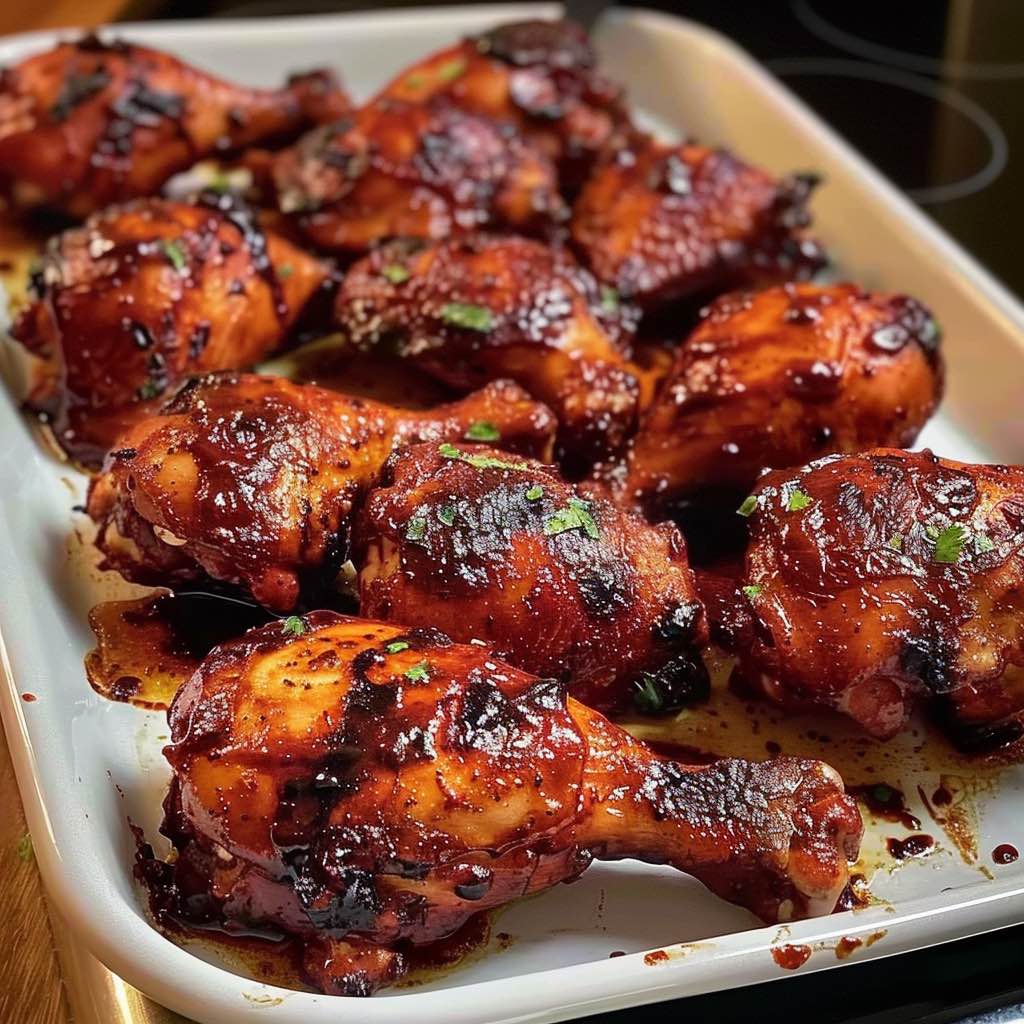
The Ultimate Guide to Smoked BBQ Chicken: Master the Art of Perfect Barbecue
Smoked BBQ chicken represents the pinnacle of backyard barbecue mastery. Moreover, this time-honored cooking method transforms ordinary poultry into an extraordinary culinary experience. Furthermore, the combination of aromatic wood smoke and perfectly seasoned chicken creates flavors that simply cannot be replicated through other cooking methods. In fact, mastering smoked BBQ chicken opens the door to countless variations and techniques that will impress family and friends alike.
The art of smoking chicken requires patience, technique, and understanding of fundamental principles. However, with proper guidance and practice, anyone can achieve restaurant-quality results in their own backyard. Additionally, this comprehensive guide will walk you through every aspect of creating perfect smoked BBQ chicken from start to finish.
Understanding Smoked BBQ Chicken Basics
What Makes Smoked BBQ Chicken Special
Smoked BBQ chicken differs significantly from other cooking methods due to the low-and-slow approach. Specifically, this technique allows the meat to absorb smoke flavors while remaining incredibly tender and juicy. Furthermore, the smoking process breaks down tough connective tissues, resulting in chicken that practically falls off the bone.
The science behind smoking involves several key factors. First, the low temperature (225-250°F) ensures gentle cooking that preserves moisture. Second, the smoke particles penetrate the meat, creating that distinctive barbecue flavor. Third, the extended cooking time allows for even heat distribution throughout the chicken.
Benefits of Smoking Chicken at Home
Creating smoked BBQ chicken at home offers numerous advantages. Initially, you control every aspect of the process, from seasoning to wood selection. Additionally, home smoking is significantly more cost-effective than purchasing pre-made barbecue. Moreover, the satisfaction of mastering this traditional cooking technique cannot be overstated.
Health benefits also play a role in home smoking. Specifically, you can control sodium levels and avoid artificial preservatives commonly found in commercial products. Furthermore, smoking requires no additional fats or oils, making it a relatively healthy cooking method.
Essential Equipment for Smoking Chicken
Smoker Types and Selection
Choosing the right smoker is crucial for achieving perfect smoked BBQ chicken. Electric smokers offer convenience and consistent temperature control, making them ideal for beginners. Conversely, charcoal smokers provide more authentic flavor but require more attention and skill.
Pellet smokers combine the best of both worlds, offering convenience while maintaining traditional smoke flavors. However, gas smokers provide precise temperature control but may lack the intense smoke flavor of wood or charcoal units. Therefore, consider your experience level and flavor preferences when selecting a smoker.
Must-Have Accessories
Several accessories will significantly improve your smoked BBQ chicken results. A reliable digital thermometer is absolutely essential for monitoring internal temperatures. Additionally, heat-resistant gloves protect your hands during the smoking process.
Aluminum foil helps with temperature control and cleanup. Meanwhile, a spray bottle allows for periodic moisture application. Furthermore, a good set of long-handled tongs makes handling the chicken much easier and safer.
Temperature Monitoring Tools
Accurate temperature monitoring cannot be overstated in importance. Instant-read thermometers provide quick temperature checks without losing heat from the smoker. Additionally, probe thermometers allow continuous monitoring without opening the smoker door.
Dual-probe thermometers monitor both meat and smoker temperatures simultaneously. Furthermore, wireless thermometers let you monitor progress from indoors. Therefore, investing in quality temperature monitoring equipment is essential for consistent results.
Choosing the Perfect Chicken
Whole Chicken vs. Parts
Selecting between whole chickens and individual parts affects both cooking time and results. Whole chickens create an impressive presentation and cook more evenly. However, they require longer smoking times and more careful temperature monitoring.
Individual parts offer flexibility in serving sizes and cook more quickly. Additionally, different parts can be seasoned with various rubs for variety. Furthermore, chicken thighs and drumsticks tend to remain more moist than breast meat during smoking.
Quality Indicators
Fresh, high-quality chicken is essential for exceptional smoked BBQ chicken. Look for meat with a pinkish color and firm texture. Additionally, avoid chicken with any off-odors or slimy surfaces.
Free-range and organic chickens often provide superior flavor and texture. Furthermore, locally sourced poultry may offer better freshness and taste. However, standard grocery store chicken works well when proper techniques are applied.
Preparation and Brining
Proper preparation significantly impacts the final result of your smoked BBQ chicken. Brining helps retain moisture and enhances flavor penetration throughout the meat. Additionally, removing excess moisture from the skin promotes better browning and crispiness.
Pat the chicken completely dry before applying seasonings. Furthermore, allowing the seasoned chicken to rest in the refrigerator for several hours or overnight improves flavor development. Therefore, proper preparation time should be factored into your smoking schedule.
Dry Rub and Seasoning Techniques
Creating the Perfect Dry Rub
A well-balanced dry rub forms the foundation of exceptional smoked BBQ chicken. Basic rubs typically include salt, pepper, paprika, and garlic powder. However, customizing your blend allows for personal flavor preferences.
Sweet elements like brown sugar balance the savory components while promoting caramelization. Additionally, cayenne pepper or chili powder adds heat for those who prefer spicy chicken. Furthermore, herbs like thyme or oregano contribute aromatic complexity to the overall flavor profile.
Application Methods
Proper rub application ensures even seasoning distribution across the chicken. Generously coat all surfaces, working the rub into crevices and under the skin when possible. Additionally, gentle massage helps the seasonings adhere better to the meat.
Timing of rub application affects flavor development. Applying the rub 2-4 hours before smoking allows adequate penetration. However, overnight application creates even deeper flavor development. Furthermore, bringing the seasoned chicken to room temperature before smoking promotes more even cooking.
Popular Seasoning Combinations
Classic barbecue rubs combine sweet and savory elements harmoniously. Brown sugar, paprika, salt, and black pepper create a traditional base. Additionally, garlic powder and onion powder add aromatic depth to the seasoning blend.
Regional variations offer unique flavor profiles worth exploring. Kansas City-style rubs emphasize sweetness with molasses or brown sugar. Meanwhile, Memphis-style rubs focus more on savory elements with minimal sweetness. Therefore, experimenting with different combinations helps develop your signature smoked BBQ chicken style.
Wood Selection for Maximum Flavor
Understanding Wood Types
Different wood types contribute unique flavor characteristics to smoked BBQ chicken. Fruit woods like apple and cherry provide mild, sweet smoke that complements poultry perfectly. Additionally, these woods impart beautiful color to the finished chicken.
Hickory delivers a strong, bacon-like flavor that many consider the gold standard for barbecue. However, oak provides a more balanced, medium-intensity smoke flavor. Furthermore, pecan wood offers a nutty sweetness that pairs excellently with chicken.
Mixing Wood Types
Combining different woods creates complex flavor profiles in your smoked BBQ chicken. For instance, mixing apple and hickory balances sweetness with traditional barbecue flavor. Additionally, combining oak with cherry creates a well-rounded smoke profile.
Start with a base wood like oak or hickory, then add fruit woods for complexity. Furthermore, using different wood combinations for various cooks helps you discover preferred flavor combinations. Therefore, experimentation with wood blending leads to signature flavor development.
Wood Preparation and Storage
Properly prepared wood ensures clean, consistent smoke throughout the cooking process. Soak wood chips for 30 minutes before use to extend burning time. However, wood chunks generally don’t require soaking for longer smoking sessions.
Store wood in a dry location to prevent mold and ensure clean-burning smoke. Additionally, avoid using treated lumber or wood from unknown sources. Furthermore, purchasing wood from reputable suppliers ensures food-safe smoking materials.
Step-by-Step Smoking Process
Initial Setup and Preheating
Begin by cleaning your smoker thoroughly and checking all components. Fill the water pan if your smoker includes one, as this helps maintain moisture levels. Additionally, ensure adequate fuel supply for the entire smoking duration.
Preheat the smoker to 225-250°F before adding the chicken. This temperature range ensures gentle cooking while developing proper smoke flavor. Furthermore, stable temperature maintenance throughout the process is crucial for consistent results.
Adding the Chicken
Place the seasoned chicken on the smoker grates with space between pieces for proper air circulation. Position a thermometer probe in the thickest part of the largest piece. Additionally, avoid opening the smoker door frequently, as this releases heat and smoke.
Skin-side up placement helps render fat and crisp the skin during smoking. Furthermore, arranging pieces by size helps ensure more even cooking times. Therefore, proper initial placement sets the stage for successful smoked BBQ chicken.
Monitoring and Maintenance
Regular temperature monitoring ensures consistent cooking conditions throughout the smoking process. Check the smoker temperature every 30-45 minutes and adjust fuel as needed. Additionally, maintain steady smoke output by adding wood chips or chunks as required.
Avoid excessive smoke, which can create bitter flavors in the finished chicken. Light, blue smoke indicates proper combustion and clean flavor development. Furthermore, white or thick smoke suggests incomplete combustion and should be corrected immediately.
Temperature Control and Monitoring
Target Internal Temperatures
Food safety requires reaching specific internal temperatures for smoked BBQ chicken. Breast meat should reach 165°F, while thigh meat can go slightly higher to 175°F for optimal texture. Additionally, using a reliable thermometer ensures accurate temperature readings.
Dark meat benefits from higher temperatures as the additional cooking breaks down more connective tissue. Furthermore, carryover cooking continues after removing from the smoker, so consider pulling the chicken at 160°F for breast meat.
Dealing with Temperature Fluctuations
Temperature fluctuations are normal during smoking but should be minimized when possible. Opening the smoker door causes significant heat loss and should be avoided except when necessary. Additionally, weather conditions affect smoker performance and may require adjustments.
Wind can cause temperature swings by affecting airflow around the smoker. Furthermore, cold weather requires more fuel to maintain target temperatures. Therefore, positioning the smoker in a sheltered location helps maintain consistent conditions.
Signs of Doneness
Visual cues complement temperature readings in determining when smoked BBQ chicken is properly cooked. The skin should appear golden brown with a slightly crispy texture. Additionally, juices should run clear when the thickest part is pierced.
Properly smoked chicken legs will move freely at the joint when twisted gently. Furthermore, the meat should feel firm but not hard when pressed lightly. Therefore, combining multiple indicators ensures properly cooked smoked BBQ chicken.
Common Mistakes to Avoid
Temperature-Related Errors
Maintaining too high temperatures results in dried-out chicken with tough texture. Conversely, insufficient temperature may not reach food safety standards or develop proper texture. Additionally, frequent temperature swings prevent even cooking throughout the meat.
Relying solely on time rather than temperature leads to inconsistent results. Furthermore, not preheating the smoker properly can extend cooking times unnecessarily. Therefore, temperature management is crucial for successful smoked BBQ chicken.
Seasoning and Preparation Mistakes
Under-seasoning produces bland results despite perfect smoking technique. Additionally, applying rubs immediately before cooking doesn’t allow sufficient time for flavor development. Furthermore, not drying the chicken properly before seasoning prevents proper adhesion.
Over-smoking with too much wood creates bitter, unpleasant flavors that overpower the chicken. Moreover, using inappropriate wood types can clash with the natural chicken flavor. Therefore, balanced seasoning and proper wood use are essential.
Timing and Planning Errors
Underestimating cooking times can leave you scrambling to finish meals on schedule. Additionally, not allowing proper resting time after smoking prevents juices from redistributing throughout the meat. Furthermore, inadequate preparation time leads to rushed seasoning and setup.
Starting too late in the day may result in serving dinner later than planned. Moreover, not having backup plans for temperature control issues can derail the entire meal. Therefore, proper planning and timing are crucial for stress-free smoking.
Serving Suggestions and Side Dishes
Classic Barbecue Accompaniments
Traditional barbecue side dishes complement smoked BBQ chicken perfectly. Coleslaw provides a cool, crisp contrast to the rich, smoky flavors. Additionally, baked beans offer hearty substance that pairs well with barbecue.
Cornbread serves as an excellent vehicle for soaking up any delicious juices from the chicken. Furthermore, potato salad adds creamy texture that balances the smoky meat flavors. Therefore, classic sides create a well-rounded barbecue meal.
Creative Serving Ideas
Transform your smoked BBQ chicken into various dishes for meal variety. Pulled chicken works excellently in sandwiches, tacos, or salads. Additionally, diced smoked chicken enhances pasta dishes and casseroles with barbecue flavor.
Pizza topped with smoked chicken creates a unique twist on traditional barbecue. Furthermore, chicken salad made with smoked chicken offers elevated flavor compared to standard versions. Therefore, leftover smoked chicken provides ingredients for numerous creative meals.
Sauce Pairings
While perfectly seasoned smoked BBQ chicken stands alone beautifully, various sauces can enhance the experience. Tangy vinegar-based sauces complement the rich smoke flavors without overwhelming them. Additionally, sweet and spicy sauces add complexity to each bite.
Mustard-based sauces provide sharp contrast that cuts through the richness of the smoked meat. Furthermore, fruit-based sauces like peach or pineapple create interesting flavor combinations. Therefore, offering sauce variety allows guests to customize their barbecue experience.
Storage and Reheating Tips
Proper Storage Methods
Refrigerate smoked BBQ chicken within two hours of cooking to maintain food safety. Store in shallow containers to promote rapid cooling and prevent bacterial growth. Additionally, properly stored smoked chicken remains fresh for 3-4 days in the refrigerator.
Freeze portions for longer storage, wrapping tightly to prevent freezer burn. Vacuum sealing provides the best protection for frozen smoked chicken. Furthermore, label packages with dates to ensure proper rotation and freshness.
Reheating Techniques
Low-temperature reheating preserves the texture and moisture of smoked BBQ chicken. Oven reheating at 275°F with a small amount of liquid prevents drying. Additionally, covering with foil during reheating helps retain moisture.
Microwave reheating works for small portions but may create uneven heating. Furthermore, adding a damp paper towel helps maintain moisture during microwave reheating. Therefore, gentle reheating methods preserve the quality of your smoked chicken.
Make-Ahead Strategies
Smoking chicken ahead of serving time allows for stress-free entertaining. Complete the smoking process, then refrigerate until needed. Additionally, gentle reheating just before serving maintains quality while reducing day-of preparation.
Pre-seasoned chicken can be prepared the night before smoking for enhanced flavor development. Furthermore, having side dishes prepared in advance allows focus on the smoking process. Therefore, advance preparation creates successful barbecue gatherings.
Troubleshooting Guide
Dry Chicken Issues
Several factors contribute to dry smoked BBQ chicken results. Overcooking is the most common cause, emphasizing the importance of temperature monitoring. Additionally, insufficient moisture during smoking can lead to dried-out meat.
Using a water pan helps maintain humidity levels throughout the smoking process. Furthermore, periodic spritzing with apple juice or broth adds moisture without opening the smoker excessively. Therefore, moisture management is crucial for juicy results.
Underseasoned Results
Bland smoked chicken often results from insufficient seasoning or inadequate penetration time. Increase rub quantities and ensure complete coverage of all surfaces. Additionally, allowing longer seasoning time improves flavor development throughout the meat.
Consider injecting marinades for deeper flavor penetration in larger pieces. Furthermore, finishing salts applied just before serving can enhance the overall flavor perception. Therefore, adequate seasoning time and quantities are essential.
Temperature Control Problems
Smoker temperature fluctuations can stem from various sources. Insufficient fuel supply or improper air vent settings commonly cause temperature drops. Additionally, excessive wind or cold weather affects smoker performance significantly.
Regular maintenance ensures optimal smoker performance and consistent temperatures. Furthermore, understanding your specific smoker’s characteristics helps predict and prevent temperature issues. Therefore, experience and preparation prevent most temperature problems.
Frequently Asked Questions
How long does it take to smoke BBQ chicken?
Smoking time for BBQ chicken varies depending on size and cut. Whole chickens typically require 3-4 hours at 225-250°F. However, individual pieces may cook in 1.5-2.5 hours depending on thickness. Therefore, internal temperature rather than time determines doneness.
What’s the best wood for smoking chicken?
Apple and cherry woods provide excellent flavor for smoked BBQ chicken due to their mild, sweet characteristics. Additionally, hickory creates more traditional barbecue flavor but can overpower delicate chicken if used excessively. Therefore, fruit woods are generally preferred for poultry.
Should I brine chicken before smoking?
Brining helps retain moisture and enhances flavor in smoked BBQ chicken. However, it’s not absolutely necessary if proper smoking techniques are followed. Additionally, dry rubs applied well in advance can provide similar benefits. Therefore, brining is beneficial but optional.
Can I smoke frozen chicken?
Smoking frozen chicken is not recommended for food safety reasons. Thaw chicken completely in the refrigerator before seasoning and smoking. Additionally, frozen chicken won’t absorb rub flavors properly. Therefore, always use fully thawed chicken for best results.
How do I get crispy skin on smoked chicken?
Crispy skin requires proper preparation and technique. Dry the chicken thoroughly before seasoning and allow it to air-dry in the refrigerator. Additionally, smoking at slightly higher temperatures (275-300°F) helps crisp the skin. Furthermore, finishing under the broiler for 2-3 minutes creates extra crispiness.
Conclusion
Mastering smoked BBQ chicken requires patience, practice, and attention to detail. However, the results justify the effort invested in learning proper techniques. Furthermore, this comprehensive guide provides all the essential information needed to create exceptional smoked chicken consistently.
Remember that temperature control, proper seasoning, and quality ingredients form the foundation of great smoked BBQ chicken. Additionally, experimentation with different wood types and rub combinations helps develop your unique barbecue style. Therefore, start with these fundamental techniques and build upon them through experience.
The satisfaction of serving perfectly smoked BBQ chicken to family and friends makes every effort worthwhile. Moreover, the skills developed through smoking chicken apply to many other meats and barbecue applications. Check out our guide on [smoking beef brisket] for your next barbecue challenge.
Ready to start your smoked BBQ chicken journey? Gather your equipment, select quality chicken, and begin practicing these time-tested techniques. Your barbecue skills will improve with each smoking session, leading to consistently delicious results that will impress everyone at your table.
Smoked Bbq Chicken
Description
Smoked BBQ Chicken
Ingredients
For the Chicken:
-
2 whole chickens, cut in half or 3-4 pounds chicken thighs or breasts
-
2 tablespoons olive oil
-
2 tablespoons brown sugar
-
½ tablespoon seasoning salt
-
1 teaspoon paprika
-
½ teaspoon black pepper
-
½ teaspoon chili powder
-
½ teaspoon cumin
-
½ teaspoon onion powder
-
½ teaspoon garlic powder
For the Spritz:
-
1 cup apple juice
-
1 cup apple cider vinegar
-
1 cup water
For the BBQ Sauce:
-
1 cup favorite BBQ sauce
-
1 stick unsalted butter, melted
Instructions
-
Preheat smoker to 225°F, with fruitwood or hickory for smoke flavor.
-
Prepare dry rub: In a small bowl, mix brown sugar, seasoning salt, paprika, black pepper, chili powder, cumin, onion powder, and garlic powder.
-
Season chicken: Rub olive oil over chicken pieces. Generously coat both sides with the dry rub.
-
Smoke chicken: Place chicken in smoker. After 1 hour, spritz with apple juice mixture. Continue spritzing every 20-25 minutes until internal temperature reaches about 150°F in thickest part of chicken.
-
Sauce and finish: Brush chicken with BBQ sauce and melted butter. Increase smoker temperature to 300°F and cook until the internal temperature reaches 165°F and sauce caramelizes nicely.
-
Rest and serve: Remove chicken from smoker and rest for 20-30 minutes before serving. Serve with extra BBQ sauce on the side.
This method yields tender, flavorful smoked BBQ chicken with a perfect balance of sweet, smoky, and spicy, ideal for summer cookouts or comfort meals.