
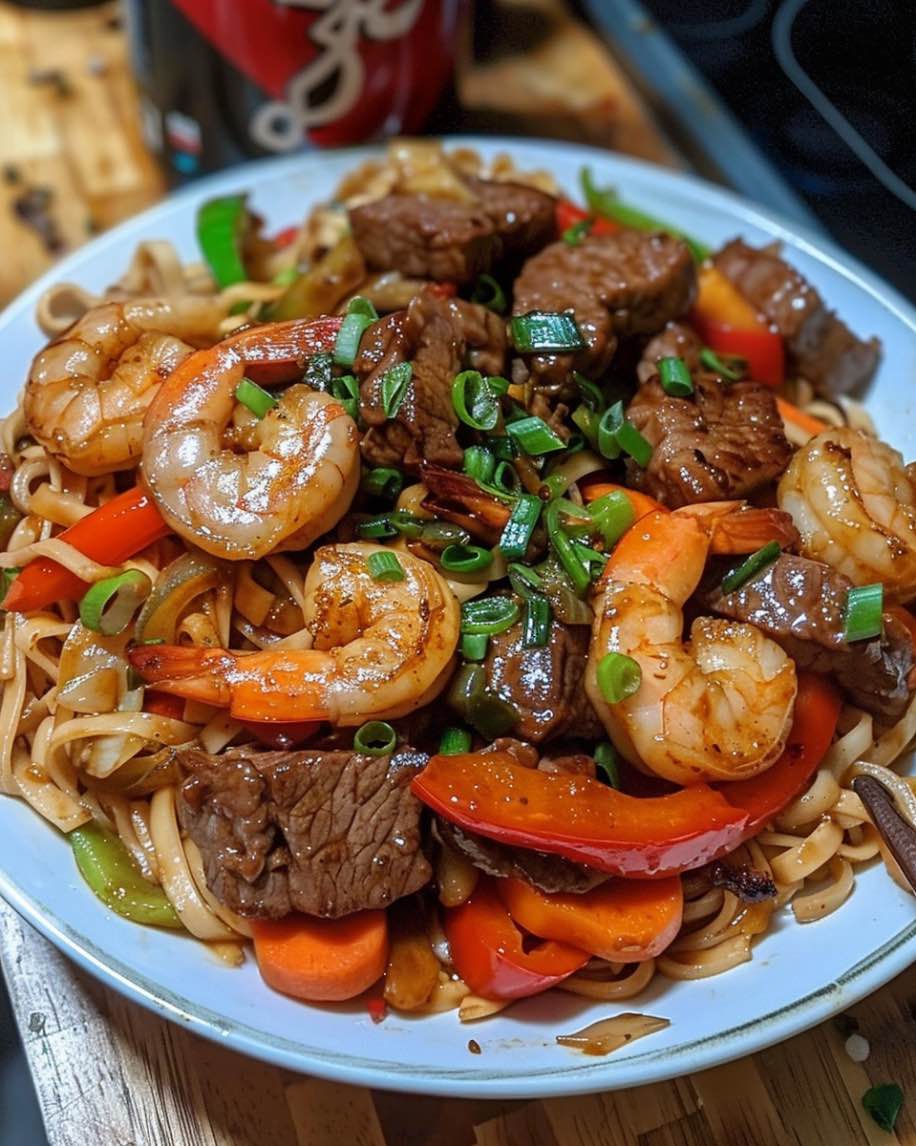
The Ultimate Guide to Steak and Shrimp Stir Fry: A Perfect Surf and Turf Recipe
Steak and shrimp stir fry represents the perfect marriage of land and sea flavors. This incredible dish combines tender, juicy beef with succulent shrimp in a symphony of textures and tastes. Moreover, this surf and turf stir fry delivers restaurant-quality results in just 20 minutes.
Whether you’re cooking for a special occasion or weeknight dinner, this recipe never fails to impress. Additionally, the combination of protein-packed ingredients makes it both satisfying and nutritious. Furthermore, the quick cooking method preserves the natural flavors while creating an irresistible meal everyone will love.
What Makes Steak and Shrimp Stir Fry Special
The Perfect Protein Combination
Steak and shrimp stir fry offers an exceptional protein pairing that satisfies diverse taste preferences. The rich, robust flavor of beef complements the delicate sweetness of shrimp beautifully. Consequently, each bite delivers a complex flavor profile that’s both familiar and exciting.
This surf and turf combination also provides complete amino acid profiles. Therefore, you’re getting maximum nutritional value from both land and sea proteins. Additionally, the different textures create an engaging eating experience that keeps every forkful interesting.
Quick Cooking Advantages
Stir frying preserves the natural qualities of both proteins perfectly. The high heat cooking method seals in juices while creating appealing textures. Furthermore, the quick cooking time prevents overcooking, which can make seafood tough and beef chewy.
The rapid cooking process also maintains vibrant colors in vegetables. As a result, your finished dish looks as amazing as it tastes. Moreover, the entire meal comes together in under 30 minutes, making it perfect for busy schedules.
Versatility and Customization
This steak and shrimp stir fry adapts easily to various dietary preferences and ingredient availability. You can substitute vegetables based on seasonal options or personal preferences. Similarly, the sauce can be adjusted for different flavor profiles and spice levels.
The recipe also scales well for different serving sizes. Whether cooking for two or ten, the proportions remain consistent and results stay delicious. Additionally, leftovers reheat beautifully, making it practical for meal preparation.
Essential Ingredients for Success
Protein Selection
Steak Choice:
-
Sirloin steak (1 lb, sliced thin against the grain)
-
Flank steak (excellent alternative)
-
Ribeye (for extra richness)
-
Strip steak (consistent texture)
Shrimp Selection:
-
Large shrimp (1 lb, 21-25 count)
-
Peeled and deveined
-
Tail-off for easier eating
-
Fresh or properly thawed frozen
Essential Vegetables
Core Vegetables:
-
Bell peppers (2 mixed colors, sliced)
-
Snap peas (1 cup, trimmed)
-
Broccoli florets (2 cups)
-
Carrots (2 medium, julienned)
Aromatics:
-
Fresh ginger (2 tablespoons, minced)
-
Garlic cloves (4 large, minced)
-
Green onions (4, chopped)
-
Yellow onion (1 medium, sliced)
Sauce Components
Creating the perfect stir fry sauce elevates your steak and shrimp stir fry from good to exceptional. The sauce binds all flavors together while adding depth and complexity.
Base Sauce Ingredients:
-
Low-sodium soy sauce (1/3 cup)
-
Oyster sauce (2 tablespoons)
-
Sesame oil (1 tablespoon)
-
Rice vinegar (2 tablespoons)
Flavor Enhancers:
-
Brown sugar (1 tablespoon)
-
Cornstarch (1 tablespoon)
-
Red pepper flakes (1/2 teaspoon)
-
Freshly ground black pepper (1/2 teaspoon)
Cooking Essentials
Oils and Fats:
-
Vegetable oil (3 tablespoons, high smoke point)
-
Sesame oil (for finishing)
-
Alternatively, use peanut oil or avocado oil
Garnishes and Finishing Touches:
-
Sesame seeds (toasted)
-
Fresh cilantro (chopped)
-
Lime wedges (for serving)
-
Additional green onions (sliced thin)
Equipment You’ll Need
Essential Cookware
The right equipment makes creating perfect steak and shrimp stir fry significantly easier. Moreover, proper tools ensure even cooking and better results every time.
Primary Cooking Vessel:
-
Large wok (14-inch preferred)
-
Alternatively, large skillet or sauté pan
-
Heavy-bottomed construction for even heat distribution
-
Non-stick surface helpful but not essential
Preparation Tools:
-
Sharp chef’s knife (for precise cutting)
-
Cutting boards (separate for proteins and vegetables)
-
Mixing bowls (various sizes)
-
Measuring cups and spoons
Helpful Accessories
Cooking Utensils:
-
Wok spatula or large spoon (for stirring)
-
Tongs (for handling proteins)
-
Whisk (for sauce preparation)
-
Instant-read thermometer (optional but helpful)
Prep Containers:
-
Small bowls for sauce ingredients
-
Plates for organized ingredient staging
-
Kitchen towels for cleanup
-
Timer for precise cooking
Having everything organized before cooking ensures smooth execution. Therefore, prepare all ingredients and have tools readily available. This approach, called “mise en place,” prevents overcooking while ingredients wait.
Step-by-Step Recipe Instructions
Preparation Phase (15 minutes)
Step 1: Prepare the Proteins
Start by preparing your steak and shrimp properly for optimal results. First, slice the steak against the grain into thin strips, approximately 1/4-inch thick. This technique ensures tender, easy-to-chew pieces in your finished stir fry.
Next, pat the shrimp completely dry with paper towels. Season both proteins lightly with salt and pepper. Then, set them aside separately while you prepare other ingredients.
Step 2: Vegetable Preparation
Cut all vegetables into uniform, bite-sized pieces for even cooking. Slice bell peppers into strips, trim snap peas, and cut broccoli into small florets. Additionally, julienne carrots into thin matchsticks for quick cooking.
Mince ginger and garlic finely for maximum flavor release. Also, slice green onions, separating white and green parts for different cooking stages. Finally, slice the yellow onion into thin crescents.
Step 3: Sauce Assembly
Whisk together all sauce ingredients in a medium bowl until smooth. Make sure the cornstarch dissolves completely to prevent lumps in the finished sauce. Taste and adjust seasoning as needed for your preference.
Set the prepared sauce aside near your cooking area for easy access. Having everything ready ensures seamless cooking once you start stir frying.
Cooking Phase (10-12 minutes)
Step 4: Heat Management
Heat your wok or large skillet over high heat until very hot. Add one tablespoon of vegetable oil and swirl to coat the surface evenly. The oil should shimmer and move freely when the pan is properly heated.
Proper temperature is crucial for successful steak and shrimp stir fry results. Therefore, don’t rush this heating step, as insufficient heat leads to steaming rather than stir frying.
Step 5: Cook the Steak
Add steak strips to the hot wok in a single layer without overcrowding. Let them sear undisturbed for 60-90 seconds to develop color and flavor. Then, stir-fry for another 1-2 minutes until just cooked through.
Remove steak to a clean plate and set aside. The meat will finish cooking when everything combines later. Additionally, slight undercooking prevents toughness in the final dish.
Step 6: Cook the Shrimp
Add another tablespoon of oil to the same wok if needed. Add shrimp in a single layer and cook for 1-2 minutes per side until pink and just cooked through.
Remove shrimp to the same plate as the steak. Overcooking shrimp makes them rubbery, so watch timing carefully. The residual heat will complete the cooking process.
Step 7: Vegetable Stir Frying
Add remaining oil to the wok and heat until shimmering. Add onions first and stir-fry for 1 minute until slightly softened. Next, add carrots and cook for another minute.
Add broccoli, bell peppers, and snap peas to the wok. Stir-fry for 2-3 minutes until vegetables are crisp-tender. Finally, add minced ginger, garlic, and white parts of green onions, cooking for 30 seconds until fragrant.
Final Assembly (2-3 minutes)
Step 8: Combining Everything
Return the cooked steak and shrimp to the wok with vegetables. Toss gently to combine and heat through for about 1 minute. Then, pour the prepared sauce over everything.
Stir constantly for 1-2 minutes until the sauce thickens and coats all ingredients evenly. The cornstarch will create a glossy coating that clings beautifully to proteins and vegetables.
Step 9: Final Touches
Remove from heat immediately once the sauce thickens properly. Sprinkle with green parts of green onions and toasted sesame seeds. Additionally, drizzle with a small amount of sesame oil for extra flavor.
Taste and adjust seasoning with additional soy sauce or red pepper flakes if desired. Serve immediately while hot for the best texture and flavor experience.
Pro Cooking Tips and Techniques
Temperature Control Mastery
Maintaining proper heat throughout cooking separates good stir fry from exceptional results. High heat creates the characteristic “wok hei” or breath of the wok that defines great stir fry dishes.
Heat Management Strategies:
-
Preheat wok for at least 2-3 minutes before adding oil
-
Use oils with high smoke points to prevent burning
-
Cook ingredients in batches to avoid overcrowding
-
Have all ingredients prepared before starting to cook
If your stove doesn’t produce sufficient heat, consider cooking proteins and vegetables separately. This technique ensures everything cooks properly without steaming or becoming soggy.
Protein Preparation Secrets
Steak Preparation:
-
Partially freeze steak for 15 minutes for easier slicing
-
Always slice against the grain for tenderness
-
Let steak come to room temperature before cooking
-
Don’t move pieces constantly; allow searing to occur
Shrimp Handling:
-
Buy shrimp with shells on for better flavor retention
-
Remove shells but leave tails if preferred for presentation
-
Score shrimp lightly to prevent excessive curling
-
Never cook shrimp longer than necessary
Sauce Consistency Tips
Achieving the perfect sauce consistency elevates your steak and shrimp stir fry to restaurant quality. The sauce should coat ingredients lightly without being too thick or thin.
Sauce Success Strategies:
-
Always whisk cornstarch completely into cold liquid
-
Add sauce when proteins and vegetables are hot
-
Stir constantly once sauce is added to prevent sticking
-
Remove from heat immediately when proper consistency is reached
If sauce becomes too thick, add a small amount of broth or water. Conversely, if too thin, cook slightly longer to reduce and concentrate flavors.
Timing Coordination
Perfect timing ensures all components finish cooking simultaneously. This coordination skill develops with practice but following these guidelines helps tremendously.
Timing Guidelines:
-
Prepare all ingredients completely before heating the wok
-
Cook proteins first and remove from heat
-
Vegetables require different cooking times based on density
-
Combine everything only for final heating and sauce application
Delicious Variations to Try
Regional Flavor Profiles
Transform your basic steak and shrimp stir fry into exciting international variations. These adaptations showcase how versatile this fundamental recipe can be.
Asian-Inspired Variations:
Thai Style:
-
Add Thai basil and fresh chilies
-
Include fish sauce in the sauce mixture
-
Finish with lime juice and crushed peanuts
-
Serve over jasmine rice or rice noodles
Chinese Restaurant Style:
-
Use black bean sauce as the base
-
Add bamboo shoots and water chestnuts
-
Include cashews for extra crunch
-
Garnish with crispy fried onions
Korean Fusion:
-
Incorporate gochujang for heat and depth
-
Add shiitake mushrooms and kimchi
-
Include sesame seeds and nori flakes
-
Serve over steamed white rice
Vegetable Combinations
Different vegetable combinations create unique flavors and textures in your steak and shrimp stir fry. Seasonal variations keep the dish interesting throughout the year.
Spring Vegetables:
-
Asparagus spears (cut into 2-inch pieces)
-
Sugar snap peas and baby corn
-
Fresh spinach (added at the very end)
-
Radishes for unexpected crunch
Summer Bounty:
-
Zucchini and yellow squash (sliced)
-
Cherry tomatoes (added last to prevent overcooking)
-
Fresh corn kernels
-
Colorful bell peppers in multiple varieties
Fall Harvest:
-
Brussels sprouts (shredded)
-
Sweet potato (julienned thin)
-
Cauliflower florets
-
Red cabbage for color and nutrition
Winter Comfort:
-
Root vegetables (parsnips, turnips)
-
Hearty greens (kale, chard)
-
Mushroom medley (shiitake, cremini)
-
Frozen peas (added at the end)
Protein Alternatives
While steak and shrimp create the classic combination, other protein pairings work beautifully with this cooking method.
Land and Sea Combinations:
-
Chicken and scallops for milder flavors
-
Pork tenderloin and crab meat
-
Turkey and lobster for special occasions
-
Duck breast and prawns for richness
Single Protein Focus:
-
Double shrimp portion for seafood lovers
-
All-beef version with different cuts
-
Mixed seafood (shrimp, scallops, calamari)
-
Vegetarian with firm tofu and tempeh
Sauce Variations
Different sauce profiles completely transform the character of your stir fry while maintaining the basic cooking technique.
Spicy Variations:
-
Sriracha-honey glaze for sweet heat
-
Ginger-garlic chili oil base
-
Szechuan peppercorn numbness
-
Korean chili paste complexity
Mild and Creamy:
-
Coconut milk-based sauces
-
Oyster sauce prominence
-
Teriyaki-style sweetness
-
Hoisin sauce richness
Citrus-Forward:
-
Orange juice and zest brightness
-
Lime and fish sauce combination
-
Lemon-ginger freshness
-
Grapefruit-soy complexity
Nutritional Benefits
Protein Powerhouse
Steak and shrimp stir fry delivers exceptional protein content essential for muscle maintenance and growth. This combination provides all essential amino acids your body needs for optimal function.
Protein Content per Serving:
-
Beef sirloin: approximately 25-30 grams
-
Large shrimp: approximately 20-25 grams
-
Total protein: 45-55 grams per serving
-
Complete amino acid profile from both sources
This protein combination supports muscle recovery after exercise. Additionally, protein helps maintain satiety, keeping you satisfied longer after eating. Furthermore, the high protein content supports healthy metabolism and weight management goals.
Vitamin and Mineral Content
The diverse ingredients in steak and shrimp stir fry provide numerous essential vitamins and minerals. Fresh vegetables contribute significant amounts of vitamins A, C, and K.
Key Nutritional Benefits:
-
Iron from beef supports healthy blood oxygen transport
-
Zinc from both proteins boosts immune system function
-
B-vitamins aid in energy metabolism
-
Selenium from shrimp provides antioxidant protection
Bell peppers provide vitamin C levels exceeding daily requirements. Moreover, broccoli contributes folate and vitamin K for bone health. Additionally, colorful vegetables provide antioxidants that protect against cellular damage.
Heart-Healthy Components
When prepared with minimal oil and plenty of vegetables, this steak and shrimp stir fry supports cardiovascular health. The cooking method preserves nutrients while minimizing added fats.
Cardiovascular Benefits:
-
Omega-3 fatty acids from shrimp support heart health
-
Fiber from vegetables aids cholesterol management
-
Potassium helps regulate blood pressure
-
Minimal sodium when using low-sodium soy sauce
The high vegetable content increases fiber intake significantly. This fiber supports digestive health and helps maintain stable blood sugar levels. Furthermore, the variety of colors indicates diverse phytonutrients with protective properties.
Caloric Considerations
A typical serving of steak and shrimp stir fry contains approximately 350-400 calories. This moderate calorie count makes it suitable for various dietary goals and meal planning strategies.
Caloric Breakdown:
-
Proteins: 60-65% of total calories
-
Vegetables: 15-20% of total calories
-
Sauce and oil: 15-20% of total calories
-
Excellent protein-to-calorie ratio for satiety
The high protein content relative to calories makes this dish excellent for weight management. Additionally, the fiber and protein combination promotes feelings of fullness. Moreover, the cooking method requires minimal added fats compared to other preparation methods.
Storage and Reheating Guide
Proper Storage Techniques
Leftover steak and shrimp stir fry maintains quality for several days when stored correctly. Proper storage prevents bacterial growth while preserving texture and flavor.
Refrigerator Storage:
-
Cool completely before refrigerating (within 2 hours)
-
Store in airtight containers for freshness
-
Use within 3-4 days for optimal quality
-
Keep at 40°F or below consistently
Freezer Storage:
-
Freeze in portion-sized containers for convenience
-
Use freezer-safe containers or bags
-
Label with date and contents clearly
-
Use within 2-3 months for best quality
Divide leftovers into individual serving portions before storing. This practice makes reheating easier and prevents repeated temperature changes that can affect food safety.
Reheating Methods
Different reheating methods produce varying results with stir fry dishes. Choose the method that best fits your time and equipment availability.
Stovetop Reheating (Recommended):
-
Heat a skillet over medium heat
-
Add a small amount of oil or broth
-
Stir frequently until heated through (3-4 minutes)
-
Add fresh vegetables if desired for crunch
Microwave Reheating:
-
Place in microwave-safe container
-
Cover loosely to prevent splattering
-
Heat in 30-second intervals, stirring between
-
Add moisture if mixture appears dry
Oven Reheating:
-
Preheat oven to 350°F (175°C)
-
Place in covered oven-safe dish
-
Heat for 10-15 minutes until warmed through
-
Stir halfway through heating time
Avoid reheating shrimp multiple times, as this can make it tough and rubbery. Therefore, only reheat the portion you plan to consume immediately.
Quality Maintenance Tips
Maintaining quality during storage and reheating ensures your leftover steak and shrimp stir fry remains delicious. These strategies preserve texture and flavor effectively.
Storage Quality Tips:
-
Don’t store for more than recommended times
-
Check for off odors before consuming
-
Store sauce separately if possible
-
Use glass containers to prevent odor absorption
Reheating Quality Tips:
-
Don’t overheat proteins to prevent toughness
-
Add fresh herbs or green onions after reheating
-
Splash of soy sauce refreshes flavors
-
Serve immediately after reheating for best texture
Common Mistakes to Avoid
Temperature and Heat Issues
Many home cooks struggle with proper heat management when making steak and shrimp stir fry. These common mistakes lead to disappointing results that lack the characteristic stir fry qualities.
Heat-Related Mistakes:
-
Starting with insufficient heat causes steaming instead of searing
-
Overcrowding the wok reduces temperature dramatically
-
Moving ingredients too frequently prevents proper browning
-
Using low-smoke-point oils leads to burnt flavors
Always preheat your cooking vessel properly before adding ingredients. Additionally, cook in batches if necessary to maintain high heat. Moreover, resist the urge to constantly stir; allow ingredients time to develop color and flavor.
Protein Preparation Errors
Improper protein handling significantly impacts the final dish quality. Both steak and shrimp require specific techniques for optimal results.
Steak Mistakes:
-
Cutting with the grain makes meat tough and chewy
-
Slicing too thick results in uneven cooking
-
Not patting dry creates excess moisture and steaming
-
Overcooking makes beef tough and dry
Shrimp Mistakes:
-
Leaving moisture on shrimp prevents proper searing
-
Overcooking makes shrimp rubbery and unappetizing
-
Using pre-cooked shrimp adds unnecessary cooking time
-
Not removing shells properly leaves unpleasant bits
Take time to prepare proteins correctly before cooking begins. This preparation ensures better texture and flavor in your finished stir fry.
Sauce and Seasoning Problems
Sauce consistency and seasoning balance make or break stir fry dishes. These common errors result in poorly balanced or unappetizing final results.
Sauce Mistakes:
-
Adding sauce to cold ingredients prevents proper coating
-
Not whisking cornstarch thoroughly creates lumps
-
Making sauce too thin provides insufficient flavor coating
-
Adding sauce too early causes burning and sticking
Seasoning Errors:
-
Over-salting early in cooking concentrates flavors too much
-
Not tasting and adjusting seasoning before serving
-
Using too much cornstarch makes sauce gluey
-
Forgetting acid balance makes dish one-dimensional
Always prepare sauce completely before cooking begins. Additionally, taste and adjust seasoning in the final moments of cooking. Moreover, remember that flavors concentrate as moisture evaporates during cooking.
Vegetable Cooking Issues
Vegetable preparation and cooking significantly impact the overall dish success. Properly cooked vegetables should retain color, nutrition, and appealing texture.
Vegetable Mistakes:
-
Cutting vegetables in uneven sizes causes inconsistent cooking
-
Adding all vegetables simultaneously ignores cooking time differences
-
Overcooking vegetables makes them mushy and unappetizing
-
Not considering water content leads to soggy results
Cut vegetables uniformly for even cooking results. Furthermore, add vegetables in order of cooking time required, starting with hardest varieties. Additionally, maintain high heat to preserve color and nutrients effectively.
Perfect Serving Suggestions
Rice and Grain Pairings
The right base enhances your steak and shrimp stir fry while providing satisfying substance. Different grain choices create varied textures and flavor profiles.
Traditional Rice Options:
-
Steamed jasmine rice for aromatic complement
-
Brown rice for nutty flavor and extra nutrition
-
Fried rice for additional richness and complexity
-
Coconut rice for tropical twist
Alternative Grain Bases:
-
Quinoa for complete protein boost
-
Cauliflower rice for low-carb option
-
Wild rice for earthy, chewy texture
-
Forbidden black rice for dramatic presentation
Prepare your chosen grain base before starting the stir fry. This timing ensures everything finishes simultaneously for optimal serving temperature and quality.
Noodle Alternatives
Serving steak and shrimp stir fry over noodles creates a heartier, more substantial meal. Various noodle types offer different textures and absorption qualities.
Asian Noodle Options:
-
Lo mein noodles for classic Chinese restaurant style
-
Rice noodles for gluten-free alternative
-
Udon noodles for chewy, substantial texture
-
Ramen noodles (fresh, not instant) for quick option
Western Noodle Alternatives:
-
Angel hair pasta for delicate texture
-
Fettuccine for sauce-holding capability
-
Spaghetti squash for vegetable base
-
Zucchini noodles for fresh, light option
Cook noodles according to package directions and toss with a small amount of oil to prevent sticking. Additionally, consider adding noodles directly to the wok for the final minute to absorb flavors.
Side Dish Complements
Thoughtfully chosen side dishes round out your steak and shrimp stir fry meal beautifully. These additions provide textural contrast and flavor balance.
Light Side Options:
-
Asian cucumber salad for cooling crunch
-
Pickled vegetables for acidic contrast
-
Edamame for additional protein
-
Fresh fruit salad for sweet balance
Hearty Side Additions:
-
Egg rolls or spring rolls for crispy texture
-
Hot and sour soup for warming complement
-
Steamed dumplings for additional protein
-
Garlic bread for Western fusion approach
Beverage Pairings
The right beverages enhance the dining experience without competing with the bold flavors of your steak and shrimp stir fry.
Hot Beverage Options:
-
Green tea for traditional pairing
-
Jasmine tea for floral complement
-
Ginger tea for warming spice
-
Hot broth-based soup for substantial addition
Cold Beverage Options:
-
Iced green tea for refreshing contrast
-
Sparkling water with lime for palate cleansing
-
Fresh fruit juices for sweet balance
-
Coconut water for tropical touch
Consider the overall meal balance when selecting beverages. Light, refreshing options work well with the rich, savory flavors of the stir fry.
Frequently Asked Questions
Can I make steak and shrimp stir fry ahead of time?
While best served immediately, you can partially prepare components ahead of time. Cut all vegetables and proteins in advance, storing them separately in the refrigerator. Additionally, prepare the sauce up to 24 hours early for convenience.
However, avoid cooking the complete dish ahead of time. The proteins become tough and vegetables lose their crisp texture when held for extended periods. Instead, do all prep work early and cook just before serving.
What’s the best cut of steak for stir fry?
Tender, quick-cooking cuts work best for steak and shrimp stir fry success. Sirloin offers excellent flavor and tenderness at a reasonable price point. Flank steak provides good value but requires careful slicing against the grain.
Ribeye creates the most luxurious version but costs significantly more. Strip steak offers consistent results with good marbling. Avoid tough cuts like chuck or round, as they don’t have time to become tender with quick cooking.
How do I prevent shrimp from becoming rubbery?
Properly cooking shrimp prevents the rubbery texture that ruins stir fry dishes. First, ensure shrimp are completely thawed and patted dry before cooking. Cook over high heat for minimal time, just until they turn pink.
Remove shrimp from heat immediately when they curl and change color. Overcooking is the primary cause of tough, rubbery shrimp texture. Additionally, don’t reheat shrimp multiple times, as this compounds the toughness problem.
Can I substitute frozen vegetables?
Fresh vegetables provide the best texture and flavor for steak and shrimp stir fry. However, frozen vegetables work as substitutes when fresh options aren’t available. Choose frozen vegetables without sauce or seasoning added.
Thaw frozen vegetables completely and pat dry before using. Additionally, reduce cooking time since frozen vegetables are partially pre-cooked. Moreover, add frozen vegetables near the end of cooking to prevent overcooking and mushiness.
What if my sauce becomes too thick or thin?
Sauce consistency problems have simple solutions that don’t require starting over. If sauce becomes too thick, add small amounts of broth, water, or additional soy sauce while stirring constantly.
For thin sauce issues, continue cooking briefly to reduce liquid content. Alternatively, mix additional cornstarch with cold water and add gradually while stirring. Remember that sauce continues thickening slightly as it cools.
How can I make this dish spicier?
Several methods add heat to your steak and shrimp stir fry without overwhelming other flavors. Add red pepper flakes during vegetable cooking for mild heat distribution. Fresh chilies provide more intense, focused heat.
Sriracha or other chili sauces blend easily into the main sauce mixture. Additionally, fresh ginger and garlic provide warming heat rather than burning spice. Start with small amounts and taste frequently to achieve your preferred heat level.
Is this recipe gluten-free friendly?
Traditional steak and shrimp stir fry contains gluten from soy sauce and potentially other sauce ingredients. However, simple substitutions create completely gluten-free versions without sacrificing flavor.
Use tamari or coconut aminos instead of regular soy sauce. Check all sauce ingredients for hidden gluten sources. Additionally, serve over rice or gluten-free noodles instead of wheat-based options for complete gluten-free meals.
Final Thoughts
Mastering steak and shrimp stir fry opens up endless possibilities for quick, delicious, and nutritious meals. This versatile dish combines premium proteins with fresh vegetables in a harmonious blend of flavors and textures. Moreover, the quick cooking method preserves nutrients while creating restaurant-quality results at home.
The key to success lies in proper preparation, high heat cooking, and timing coordination. Additionally, quality ingredients make a significant difference in the final results. Furthermore, understanding the basic technique allows for creative variations that keep this dish exciting meal after meal.
Whether you’re cooking for a special dinner or weeknight convenience, steak and shrimp stir fry delivers satisfaction every time. The combination of land and sea proteins provides complete nutrition while pleasing diverse taste preferences. Additionally, the quick cooking time makes it perfect for busy schedules without sacrificing quality or flavor.
Remember that practice improves your stir fry skills significantly. Don’t be discouraged if your first attempt isn’t perfect. Each cooking experience teaches valuable lessons about heat management, timing, and ingredient balance. Soon, you’ll be creating restaurant-quality steak and shrimp stir fry with confidence and creativity.
Steak and Shrimp Stir Fry
Description
Steak and Shrimp Stir Fry
Ingredients
For the Steak Marinade:
-
¾ lb top sirloin or flank steak, thinly sliced against the grain
-
1 tablespoon coconut aminos or soy sauce
-
1 tablespoon sesame oil
-
1 tablespoon lime juice
-
1 teaspoon minced fresh ginger
-
2 cloves garlic, minced
For the Stir Fry:
-
¾ lb shrimp, peeled, deveined, tails removed
-
1 red bell pepper, thinly sliced
-
5 cups broccoli florets
-
2 green onions, sliced
-
1 ½ tablespoons olive oil, divided
-
Salt and pepper, to taste
For the Sauce:
-
¼ cup reduced sodium soy sauce or coconut aminos
-
¼ cup pineapple juice
-
2 tablespoons water
-
1 tablespoon rice vinegar
-
1 tablespoon brown sugar
-
2 teaspoons minced garlic
-
1 teaspoon sesame oil
-
¼ teaspoon red pepper flakes (optional)
-
2 teaspoons cornstarch
Optional for Serving:
-
Cooked rice or noodles
-
Sesame seeds
-
Additional green onions or chopped chili peppers for extra heat
Instructions
-
Marinate steak: Combine steak slices with coconut aminos, sesame oil, lime juice, ginger, and garlic in a zip-lock bag. Refrigerate for at least 4 hours or overnight.
-
Defrost shrimp: If frozen, defrost shrimp in warm water.
-
Cook steak: Heat 1 teaspoon olive oil over medium-high heat in a large skillet. Sear steak for about 3 minutes each side until browned but not overcooked. Remove and set aside.
-
Cook shrimp: In the same pan, add shrimp to the steak drippings. Cook until pink and opaque, about 2-3 minutes. Remove with the steak.
-
Cook vegetables: Steam or stir-fry bell pepper and broccoli until crisp-tender. Add to the skillet.
-
Make sauce: Whisk together sauce ingredients until smooth.
-
Combine all: Return steak and shrimp to the skillet with vegetables. Pour sauce over and toss well. Cook for 1-2 minutes until sauce thickens slightly and coats everything.
-
Serve: Garnish with green onions, sesame seeds, and chili flakes if desired. Serve hot over rice or noodles.
This surf-and-turf stir fry is a flavorful and quick meal that balances savory and sweet, perfect for a weeknight dinner.