
Introduction
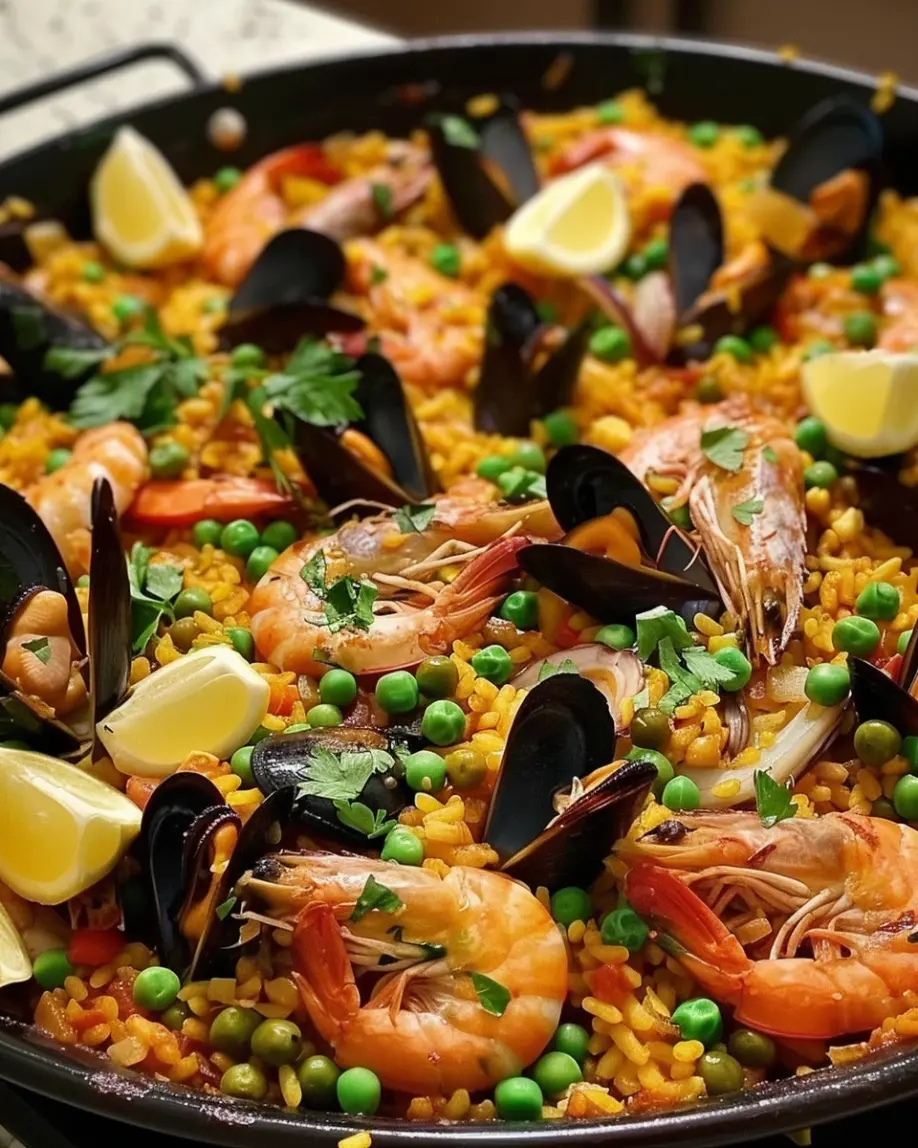
Picture this: a wide, shimmering pan arrives at the table, brimming with a vibrant tapestry of succulent shrimp, plump mussels, and golden-hued rice, all whispering secrets of the Mediterranean Sea. The air is rich with the unmistakable aroma of saffron and paprika. This isn’t just a meal; it’s a celebration, a centerpiece of Spanish conviviality. Welcome to the world of authentic Spanish seafood paella, a dish so much more than the sum of its parts. Frankly, it’s a culinary journey—a trip to the sunny coasts of Spain from your very own kitchen. This guide is your passport. We’ll delve into its rustic origins, unravel the mysteries of its essential ingredients, and master the art of achieving that coveted crispy bottom, the legendary socarrat. So, pull up a chair and get ready to discover how a humble farmer’s lunch transformed into a global icon of flavor and togetherness.
Spanish Seafood Paella: More Than a Recipe, It’s a Cultural Icon
Ah, paella! Simply mentioning the name can conjure up images of bustling Spanish beaches and lively family gatherings. However, what exactly defines an authentic version of this famous dish? Well, for starters, it’s not just a recipe you follow; it’s an experience you feel. Consequently, understanding its soul is the first step to creating a genuine masterpiece.
Firstly, let’s clear the air on a common mix-up. While you’ll find many variations like the meat-rich Paella Valenciana or the mixed Paella Mixta, our journey focuses on the briny, spectacular Paella de Mariscos—seafood paella. This coastal superstar is a love letter to the Mediterranean, featuring the day’s freshest catch. Fundamentally, true paella is characterized by a few non-negotiable elements: specific short-grain rice that drinks up flavor without turning to mush, a fragrant saffron-infused broth, and perhaps most importantly, that wide, shallow pan which works its magic to create a textural wonder.
Speaking of texture, oh, the socarrat! If you’ve never heard of it, prepare to have your mind blown. This isn’t a burnt mistake; on the contrary, it’s the crispy, caramelized crust of rice at the bottom of the pan. Honestly, it’s the crown jewel, the part everyone fights over! Achieving this is a sign of a paella cooked to perfection.
Now, you might be thinking of creamy Italian risotto. Well, forget everything you know about it! Surprisingly, the cooking technique is its polar opposite. Whereas risotto demands constant stirring to release starch, an authentic paella requires you to leave it alone. That’s right—once the broth is in, you must walk away! Trust me, resisting the urge to stir is the ultimate test of a paella chef’s patience.
So, what can you expect from this guide? We’re going to dive fork-first into everything. From its fascinating history in the fields of Valencia to the precise science of the sofrito, no stone will be left unturned. We’ll equip you with a detailed, step-by-step recipe, arm you with pro tips to avoid common pitfalls, and answer all your burning questions. Ultimately, our goal is to transport you to Spain and bring the true, unforgettable taste of authentic seafood paella right to your dining table.
The Humble Origins of Paella: From Valencia’s Fields to World Fame
Before we even think about cooking, let’s take a quick trip back in time. Incredibly, this now-luxurious feast began as a practical, humble meal for laborers. Understanding the fascinating history of paella in Valencia is key to respecting the dish.
The Birthplace: The Albufera Valley of Valencia
Imagine the sunny, wetland landscapes of Valencia in Eastern Spain. Specifically, the Albufera region, with its vast lagoons and rice fields, is the undeniable cradle of paella. Originally, in the 18th and 19th centuries, field workers would concoct a hearty lunch over an open fire. Using readily available ingredients, they crafted a simple rice dish with whatever was on hand: tomatoes, onions, snails, and occasionally rabbit or duck. They cooked it in a wide, flat pan over a orange wood fire, a vessel perfect for even heating. This pan, of course, gave the dish its name.
The Evolution to Paella de Mariscos
As the dish’s popularity spread from the fields to the towns and eventually to the coast, its recipe evolved beautifully. In coastal areas, naturally, seafood was more abundant and affordable than meat. Consequently, cooks began substituting snails and rabbit with the bounty of the Mediterranean: shrimp, mussels, clams, and cuttlefish. Thus, Paella de Mariscos was born. This evolution showcases the adaptable, resourceful spirit of Spanish cooking—making the most of local, fresh ingredients. From a peasant’s lunch, it gradually became a dish for Sunday family gatherings and festive occasions, eventually exploding onto the world stage as Spain’s most iconic culinary export.
Deconstructing Paella: The Non-Negotiable Ingredients
Alright, let’s get down to the nitty-gritty: the ingredients. Using the right components is not just a suggestion; it’s the absolute foundation of authenticity. Skimp here, and you’ll end up with a mediocre rice dish. Commit here, and you’ll create magic.
The Rice: The Heart of the Dish
This is, without a doubt, the most critical choice. You simply cannot use long-grain or risotto rice. Why? Because the star of the show is a short-grain rice that absorbs a tremendous amount of liquid while remaining separate and firm. The undisputed king is Bomba rice (arroz bomba). This remarkable grain can absorb up to three times its volume in broth without becoming mushy, which is essential for that perfect texture. If you can’t find Bomba, other Spanish short-grain varieties like Calasparra or Senia are excellent alternatives. Choosing the right rice is your first step toward paella perfection.
The Sofrito: The Flavor Foundation
Next up is the sofrito, the slow-cooked base that builds an incredible depth of flavor. This isn’t a step to rush! A proper sofrito involves gently cooking finely chopped onion and ripe tomatoes in good olive oil until they break down into a sweet, jam-like paste. Sometimes a hint of garlic and sweet paprika (pimentón dulce) is added. This process can take 20-30 minutes, but patience is rewarded with a rich, complex base that will infuse every single grain of rice.
The Broth: The Soul of the Paella
If the rice is the heart, the broth is the soul. Using a weak, bland broth will result in a weak, bland paella. For an authentic seafood paella, you must use a robust, homemade fish or shellfish stock. This is what makes the difference between good and unforgettable. You can make a simple version by simmering shrimp shells, fish bones, a bit of onion, and parsley. The flavor it imparts is night and day compared to water or a low-quality store-bought cube. However, if you’re in a pinch, a high-quality store-bought fish stock is the best compromise.
El Azafrán: Saffron’s Golden Hue and Flavor
Yes, it’s expensive, but there is no true substitute. Saffron provides the paella’s iconic golden color and its distinct, earthy flavor. Don’t use turmeric pretending it’s saffron—the flavor profile is completely different! To maximize its potency, gently toast the threads in a dry pan for a few seconds until fragrant, then crumble them into a tablespoon of warm broth or water and let it steep. This “saffron tea” is what you’ll pour into your paella, ensuring the color and flavor distribute evenly.
The Seafood: A Bounty from the Sea
The choice here is all about freshness. The classic trio is shrimp (preferably with heads on for extra flavor), mussels, and clams. You can also add squid, sliced into rings. Arrange them artfully on top of the rice; they will steam and release their delicious juices into the dish. The key is not to overcook them! They should be added at a stage where they will become perfectly tender just as the rice finishes cooking.
The Paellera: The Traditional Pan
Finally, the pan itself. The wide, shallow, traditionally round paellera is designed for a reason: it allows the liquid to evaporate evenly and provides maximum surface area for that precious socarrat to form. While a wide skillet can work in a pinch, investing in a proper paella pan is a game-changer for any enthusiast.
Crafting Your Masterpiece: The Step-by-Step Paella Method
Ready to cook? Don your apron and follow these steps carefully. Remember, paella is a relaxed, celebratory process—so put on some Spanish music, pour yourself a refreshing non-alcoholic sangría, and enjoy the journey.
Preparation is Key: Mise en Place
First and foremost, have everything prepped and within arm’s reach. This includes chopped vegetables, rinsed seafood, measured rice, and warm broth. Once you start cooking, things move quickly, and you won’t have time to chop an onion!
Building the Flavor Base: The Sofrito
Heat good olive oil in your paella pan over medium heat. Add your finely chopped onion and cook until translucent and soft. Then, add your grated tomato (skin and seeds discarded) and a pinch of salt. Now, the patience part: cook this mixture, stirring occasionally, for a good 15-20 minutes until it darkens to a deep red color and the oil starts to separate. This caramelization is where the magic begins.
The Toasting Stage: El Tocamiento de Arroz
Next, add your rice to the sofrito. Stir it constantly for about a minute, ensuring every grain is coated in that glorious oily sofrito. This toasting step seals the rice and helps it absorb liquid later without becoming sticky.
The Simmer and Settle: Adding Broth and Saffron
Now, for the dramatic part! Pour in all your warm broth and your steeped saffron liquid. Season generously with salt. From this moment on, do not stir the rice again. Seriously, walk away from the spoon! Bring the broth to a lively simmer and let it bubble away for about 10 minutes. Then, gently arrange your seafood on top of the rice, pushing it in slightly. From here, reduce the heat to medium-low and let it simmer for another 10-12 minutes, or until most of the liquid is absorbed.
Achieving Perfection: The Socarrat
This is the moment of truth. When the rice is almost dry and you hear a definite crackling sound from the bottom, you know it’s working. To encourage the socarrat, increase the heat to medium-high for the final 45-60 seconds. Rotate the pan slightly over the burner to ensure even heating. You’ll smell a wonderful toasty aroma—that’s your signal to immediately remove it from the heat.
The Final Rest: El Reposo
Your work is done! Cover the paella pan with a clean kitchen towel or foil and let it rest for a solid 5 to 10 minutes. This allows the rice to absorb any remaining liquid evenly and settle, making it easier to serve. Meanwhile, the tantalizing aroma will have everyone gathered around the table in anticipation.
Secrets from Spanish Abuelas and Chefs
Even with the best recipe, a few pro tips can elevate your paella from great to extraordinary.
-
Wide Heat Source: If possible, use a burner that is larger than your paella pan’s base to ensure even heat distribution. A dedicated paella burner is ideal for large pans.
-
Warm Broth: Always add warm or hot broth to the rice. Adding cold broth shocks the rice and disrupts the cooking process, leading to uneven texture.
-
The Finger Measure: An old trick is to add enough broth so that the rice is covered by liquid that comes up to the first knuckle of your index finger when you touch the top of the rice. This isn’t always precise, but it’s a good guide!
-
Don’t Overcrowd: While the seafood is gorgeous, the rice is the star. Don’t cover the entire surface with goodies, or the rice won’t cook properly.
Common Paella Pitfalls to Avoid
The Cardinal Sin: Stirring the Rice
We’ve said it before, but it’s worth repeating: stirring after adding the broth will agitate the rice grains and release their starch. This will create a creamy, risotto-like consistency, which is the absolute opposite of what you want in a paella with separate, distinct grains.
Overcooking the Seafood
Delicate seafood like shrimp and mussels become tough and rubbery when overcooked. Therefore, add them at the right time—usually about halfway through the rice’s cooking process—so they finish perfectly as the liquid is absorbed.
Using the Wrong Rice
Using a starchy rice like Arborio (for risotto) or a non-absorbent long-grain rice will guarantee failure. The former will be gluey, and the latter will be hard and separate. Stick to Spanish short-grain varieties.
How to Serve and Enjoy Your Paella
Traditionally, the paella pan is placed directly in the center of the table, and everyone eats directly from it, starting from their own edge. Serve with lemon wedges for squeezing over the top, which brightens all the flavors. A simple mixed green salad with a sharp vinaigrette is the classic accompaniment to balance the richness of the rice. And don’t forget plenty of crusty bread for soaking up every last delicious bit!
Your Spanish Seafood Paella Questions, Answered
Let’s tackle some of the most common questions that pop up for aspiring paella chefs.
What is the difference between paella and risotto?
This is a huge point of confusion! While both are rice dishes, they are worlds apart in technique and result. Risotto is stirred constantly to release starch from Arborio or Carnaroli rice, creating a creamy, porridge-like consistency. Paella, however, uses Bomba rice and is never stirred after adding broth. The goal is separate, firm grains with a crispy bottom layer (socarrat). The broth is also added all at once for paella, not gradually.
Can I make paella without a special paella pan?
You can certainly try! A wide, heavy-bottomed skillet or sauté pan with the largest surface area you have is the best alternative. However, the results will never be quite the same, as the unique design of the traditional paella pan is engineered for even heat and evaporation. For the best authentic experience, the right pan is recommended.
Is it traditional to add chorizo to seafood paella?
Absolutely not. This is perhaps the most controversial adaptation and a major pet peeve for Spaniards. Authentic Spanish paella, especially seafood paella, never includes chorizo. Its strong, smoky flavor and orange oil completely overwhelm the delicate, briny taste of the seafood and saffron. It’s a common international addition, but it’s not authentic.
How do I achieve the socarrat (crispy bottom)?
The key is managing heat and listening carefully. As the liquid is almost fully absorbed, increase the heat for the last minute or so. Rotate the pan to distribute the heat. You will hear a distinct crackling sound and smell a nutty, toasty aroma. This is your cue to immediately remove it from the heat to prevent burning.
What can I use if I can’t find or afford saffron?
While there is no true flavor substitute, you can use a combination of sweet paprika (pimentón dulce) and a tiny pinch of turmeric for color. Be aware that the flavor will be different—more paprika-forward and lacking the distinct earthy complexity of saffron. It will still be delicious, but it won’t be classic paella de mariscos.
Spanish Seafood Paella
Description
Spanish Seafood Paella
Ingredients
-
2 tbsp olive oil
-
1 onion, finely chopped
-
1 red bell pepper, diced
-
4 cloves garlic, minced
-
1 ½ cups Bomba or Arborio rice
-
1 tsp smoked paprika
-
½ tsp saffron threads (soaked in 2 tbsp warm water)
-
4 cups seafood stock (or chicken stock)
-
1 cup diced tomatoes (fresh or canned)
-
½ cup dry white wine
-
1 lb mussels, cleaned
-
1 lb clams, cleaned
-
1 lb large shrimp, peeled and deveined
-
1 cup peas (fresh or frozen)
-
Salt and black pepper, to taste
-
Lemon wedges, for serving
-
Fresh parsley, chopped, for garnish
Instructions
-
Prep the sofrito: Heat olive oil in a large, wide skillet or paella pan over medium heat. Sauté onions, red bell pepper, and garlic until softened, about 5 minutes.
-
Toast the rice: Stir in rice, smoked paprika, and saffron with its soaking liquid. Cook 1–2 minutes, coating the grains with oil and spices.
-
Add liquids: Pour in diced tomatoes, white wine, and seafood stock. Season with salt and pepper. Bring to a simmer, then reduce heat to medium-low. Cook uncovered, without stirring, for about 15–18 minutes until rice is nearly tender.
-
Add seafood: Nestle mussels, clams, and shrimp into the rice. Scatter peas on top. Cover loosely with foil and cook 5–7 minutes until seafood is cooked and shells have opened. Discard any unopened mussels or clams.
-
Finish: Let the paella rest 5 minutes off the heat. Sprinkle with fresh parsley and arrange lemon wedges around the pan.
-
Serve: Serve straight from the pan for a rustic, communal presentation.