Spicy Cajun Shrimp and Sausage Pasta
Introduction
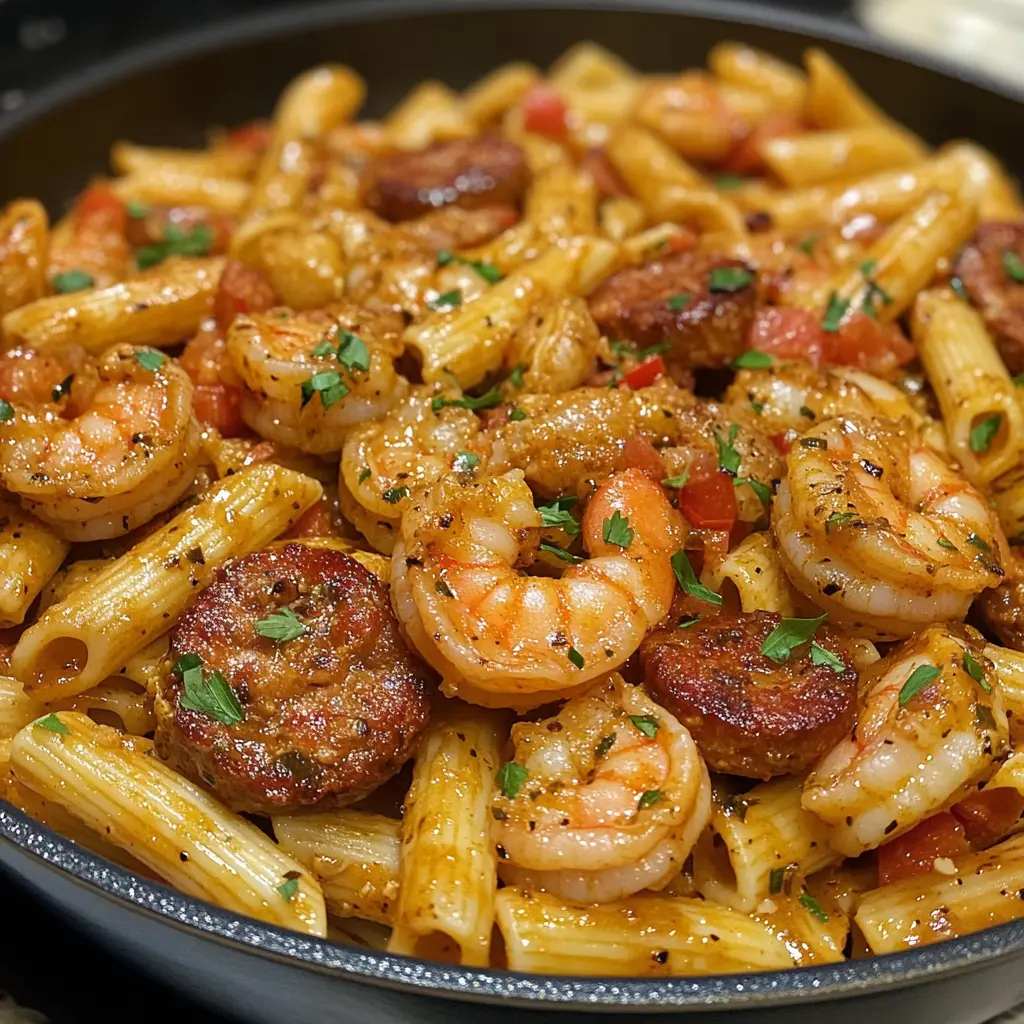
Imagine a bowl of perfectly cooked pasta coated in a rich, creamy sauce with plump shrimp and smoky sausage, all seasoned with bold Cajun spices that dance on your taste buds. Spicy Cajun Shrimp and Sausage Pasta delivers exactly that experience, combining the vibrant flavors of Louisiana cuisine with the comfort of a hearty pasta dish. This one-pan wonder has become a weeknight favorite for home cooks across the country, offering restaurant-quality results without the hefty price tag or complicated techniques. Whether you’re cooking for your family or entertaining guests, this dish promises to impress with its perfect balance of heat, smokiness, and creamy indulgence.
What Makes Spicy Cajun Shrimp and Sausage Pasta Special
The magic of this dish lies in its layered flavor profile and textural contrasts. Each bite combines tender shrimp with robust sausage, creating a protein-packed experience that satisfies even the heartiest appetites. The Cajun seasoning brings a complex blend of spices that includes paprika, cayenne pepper, garlic powder, and onion powder, creating depth without overwhelming the palate. The creamy sauce acts as a perfect canvas, mellowing the spice while allowing each ingredient to shine.
This pasta dish also offers incredible versatility for home cooks. You can adjust the spice level to suit your preferences, swap proteins, or modify the sauce consistency. The cooking method is straightforward, requiring just one large skillet for most of the preparation, which means less cleanup and more time enjoying your meal.
Essential Ingredients Breakdown
Protein Components
Shrimp serves as the star protein in this dish, offering a delicate sweetness that contrasts beautifully with the bold spices. Medium to large shrimp work best, as they maintain their texture during cooking and provide satisfying bites throughout the pasta. For optimal results, use fresh or properly thawed frozen shrimp, peeled and deveined for convenience.
Sausage adds smoky depth and richness to the dish. Andouille sausage is the traditional choice, bringing authentic Cajun flavor with its signature smokiness and spice. This smoked pork sausage features larger chunks of meat inside the casing, creating a meatier bite compared to regular smoked sausage. If Andouille is unavailable, substitute with smoked sausage, kielbasa, or spicy Italian sausage.
Pasta Selection
The best pasta shapes for this dish are those that hold sauce well. Penne and fettuccine are ideal choices because they capture the creamy sauce in their shapes and surfaces. For extra texture, consider rotini or cavatappi, which feature grooves and spirals that trap the flavorful sauce perfectly. Cook the pasta until al dente, meaning tender yet still slightly firm to the bite.
Cajun Seasoning Blend
A proper Cajun seasoning combines multiple spices to create complex flavor. The typical blend includes paprika, cayenne pepper, garlic powder, onion powder, dried oregano, dried thyme, black pepper, and salt. You can purchase pre-made Cajun seasoning or create your own blend at home. The seasoning not only adds flavor but also provides health benefits through its antioxidant-rich ingredients.
Vegetables and Aromatics
Bell peppers add sweetness, color, and crunch to the dish. Red and green peppers are traditional choices, though you can use any color combination. Onions and garlic form the aromatic base, providing savory depth that complements the spices. These vegetables soften during cooking, melding with the sauce to create a cohesive flavor profile.
Sauce Components
The creamy sauce typically includes heavy cream or half-and-half, which provides richness and helps balance the spice level. Chicken stock adds savory depth and helps create the right consistency. Parmesan cheese contributes umami flavor and helps thicken the sauce naturally. Some recipes incorporate tomato paste for additional depth and a subtle tangy note.
Nutritional Benefits of This Dish
Protein-Rich Meal
Spicy Cajun Shrimp and Sausage Pasta delivers substantial protein in every serving. Shrimp provides approximately 20-24 grams of protein per 100-gram serving, making it an excellent choice for muscle growth and repair. This lean protein source remains low in fat while offering high nutritional value. The combination of shrimp and sausage ensures you get a satisfying, protein-packed meal that keeps you full longer.
Essential Vitamins and Minerals
Shrimp contains significant amounts of essential nutrients. It provides vitamin B12, which supports nerve health and red blood cell formation. The seafood also delivers phosphorus, iodine, and selenium. Iodine is crucial for thyroid function, while selenium acts as an antioxidant, helping protect cells from damage. Additional minerals found in shrimp include zinc, magnesium, calcium, potassium, and iron.
Beneficial Omega-3 Fatty Acids
Despite being low in fat, shrimp contains beneficial omega-3 fatty acids. These healthy fats offer anti-inflammatory properties and play a vital role in heart health. Omega-3s can help reduce the risk of cardiovascular diseases by supporting healthy blood pressure and improving cholesterol levels.
Health Benefits of Cajun Seasoning
The spices in Cajun seasoning offer more than just flavor. Paprika contains carotenoids, which are antioxidants linked to reduced inflammation and improved heart health. Cayenne pepper contains capsaicin, a compound known for metabolism-boosting properties. Consuming spicy foods has been linked to increased calorie burning and enhanced fat oxidation. Black pepper and other herbs in the blend provide additional antioxidants and have been used traditionally as natural remedies.
Step-by-Step Cooking Instructions
Preparation Phase
Start by gathering and preparing all ingredients before cooking begins. Pat the shrimp completely dry with paper towels, then season generously with Cajun seasoning. Slice the sausage into rounds approximately half an inch thick. Dice the onion and bell peppers into similar-sized pieces for even cooking. Mince the garlic finely. Fill a large pot with water and bring it to a boil for the pasta.
Cooking the Proteins
Heat a large skillet over medium-high heat and add a drizzle of olive oil. Once hot, add the seasoned shrimp in a single layer. Cook for approximately two minutes until the shrimp start to curl and turn pink. Flip the shrimp and cook for another one to two minutes. Remove the cooked shrimp to a plate and set aside.
Add another drizzle of olive oil to the same pan, then add the sliced sausage. Brown the sausage until nicely caramelized, which takes about four to five minutes. The browning creates deep, savory flavors that enhance the final dish. Remove the sausage to the plate with the shrimp.
Building the Sauce Base
Lower the heat to medium and add another drizzle of olive oil to the pan. Add the diced onion and bell peppers, along with dried thyme, smoked paprika, Cajun seasoning, a pinch of brown sugar, and a generous pinch of salt. Sauté the vegetables until they soften slightly, scraping up any browned bits from the bottom of the pan. These browned bits contain concentrated flavor that enriches the sauce.
Add the minced garlic and cook until fragrant, about 30 seconds. Be careful not to burn the garlic, as it can turn bitter. If using tomato paste, stir it in at this point and cook for one minute. Pour in chicken stock to deglaze the pan, stirring to incorporate all the flavorful bits.
Creating the Creamy Sauce
Add heavy cream or half-and-half to the skillet, stirring to combine with the stock and vegetables. Allow the sauce to bubble gently for two to three minutes on low heat. This simmering time helps the sauce thicken slightly and allows the flavors to meld together. Taste the sauce and adjust the seasoning as needed, adding more Cajun spice if you prefer extra heat.
Cooking and Combining the Pasta
While building the sauce, cook the pasta in the boiling salted water. Cook it until al dente, following the package instructions but reducing the time by about two to three minutes. Al dente pasta should be tender yet still slightly firm when you bite into it. Before draining, reserve one cup of the starchy pasta water.
Drain the pasta and add it directly to the skillet with the sauce. Return the cooked shrimp and sausage to the pan as well. Toss everything together, coating the pasta thoroughly in the sauce. If the sauce seems too thick, add reserved pasta water a tablespoon at a time until you reach the desired consistency.
Final Touches
Stir in freshly grated Parmesan cheese, allowing it to melt into the sauce. The cheese adds richness and helps thicken the sauce naturally. Add chopped fresh parsley for color and a bright, herbaceous note. Serve immediately while hot, as the sauce continues to thicken as it cools.
Tips for Perfect Results Every Time
Achieving Ideal Shrimp Texture
Avoid overcooking shrimp, as they become rubbery and tough when cooked too long. Shrimp cook quickly, requiring only four to five minutes total. Watch for visual cues: shrimp are done when they turn pink and start to curl into a C-shape. If they curl into an O-shape, they’re overcooked.
Maximizing Flavor Development
Allow proteins to develop a proper sear before removing them from the pan. This browning creates rich, complex flavors through the Maillard reaction. Don’t crowd the pan when cooking shrimp or sausage, as this causes steaming instead of browning. Cook in batches if necessary.
Pasta Cooking Excellence
Use plenty of water when boiling pasta, ensuring the noodles have room to move freely. Add a generous tablespoon of salt to the boiling water before adding pasta. This seasons the pasta from the inside out. Taste-test the pasta frequently during cooking to catch it at the perfect al dente stage.
Never rinse cooked pasta unless you’re making a cold dish. Rinsing removes the starch that helps sauces adhere properly. The starchy coating on properly cooked, un-rinsed pasta allows the creamy sauce to cling beautifully.
Sauce Consistency Control
The reserved pasta water is your secret weapon for perfect sauce consistency. The starchy water helps thin the sauce while maintaining its creamy texture and helping it cling to the pasta. Add it gradually, just a tablespoon or two at a time, stirring after each addition.
If your sauce becomes too thin, continue simmering it gently to reduce and thicken. The Parmesan cheese also contributes to thickening as it melts. Remember that the sauce will continue to thicken slightly as it cools.
Common Mistakes to Avoid
Overcooking Proteins
One of the most common mistakes is leaving proteins in the pan too long. Shrimp cook extremely quickly and continue cooking slightly after removal from heat. Remove them as soon as they turn pink and curl slightly. Overcooked sausage becomes dry and loses its juicy texture.
Using Insufficient Seasoning
Many home cooks under-season their dishes, resulting in bland pasta. Don’t be afraid to use adequate Cajun seasoning on the shrimp and in the sauce. Taste the sauce before adding the pasta and adjust the seasoning accordingly. Remember that the pasta itself needs seasoning too, which is why salting the pasta water is essential.
Incorrect Pan Temperature
Cooking with the wrong temperature causes multiple problems. If the pan is too hot, vegetables burn before softening and garlic turns bitter. If the pan isn’t hot enough, proteins won’t develop the caramelized crust that creates depth of flavor. Follow the temperature guidelines carefully, starting with medium-high for proteins and reducing to medium for vegetables and sauce.
Skipping the Pasta Water Reserve
Forgetting to reserve pasta water before draining is a missed opportunity. This starchy liquid is invaluable for adjusting sauce consistency and helping it coat the pasta properly. Always remember to scoop out at least one cup before draining.
Serving Suggestions and Pairings
Garnishing Options
Fresh parsley adds a pop of color and bright flavor that cuts through the richness. Chopped green onions or chives provide a mild onion flavor and visual appeal. Additional grated Parmesan cheese at the table allows diners to customize their servings. A sprinkle of extra Cajun seasoning on top adds visual interest and allows spice lovers to intensify the heat.
Side Dish Recommendations
<[INTERNAL LINK PLACEHOLDER: garlic bread recipe]> complements this pasta perfectly, providing a vehicle for soaking up any extra sauce. A simple green salad with a light vinaigrette offers a refreshing contrast to the rich, creamy pasta. Steamed or roasted vegetables add nutritional value and color to the plate. Consider serving crusty bread for wiping the bowl clean.
Popular Variations and Customizations
Protein Substitutions
While shrimp and sausage form the classic combination, you can adapt this recipe to your preferences or what you have available. Substitute boneless, skinless chicken thighs or breasts cut into bite-sized pieces for either protein. Chicken requires slightly longer cooking time than shrimp. For a lighter option, use turkey sausage instead of pork-based varieties.
Adjusting the Spice Level
If you prefer milder flavors, reduce the amount of Cajun seasoning and omit cayenne pepper from homemade blends. For those who love extra heat, add red pepper flakes to the sauce or use hot Cajun seasoning. You can also serve hot sauce on the side, allowing each diner to customize their spice level.
Vegetable Additions
Expand the vegetable content by adding sliced mushrooms, which absorb the Cajun flavors beautifully. Fresh spinach wilts quickly when stirred into the hot sauce, adding nutrition and color. Cherry tomatoes burst when cooked, releasing their sweet juices into the sauce. Corn kernels add pops of sweetness that balance the spice.
Sauce Variations
For a lighter version, substitute half-and-half or even whole milk for heavy cream. The sauce will be thinner but still flavorful. Adding a splash of chicken stock makes the sauce less rich while maintaining creaminess. For a tomato-forward version, incorporate crushed tomatoes or passata along with the cream.
Alternative Pasta Shapes
While penne and fettuccine are traditional choices, experiment with different pasta shapes. Rigatoni’s large tubes hold substantial amounts of sauce. Farfalle (bow-tie pasta) creates an attractive presentation. Linguine offers an elegant alternative for a more refined presentation.
Storage and Reheating Guidelines
Proper Storage Methods
Allow the pasta to cool to room temperature before storing, but don’t leave it out for more than two hours for food safety. Transfer leftovers to an airtight container and refrigerate promptly. Properly stored, the pasta will keep for three to four days in the refrigerator. Store the pasta in single-serving portions for easier reheating.
Reheating Instructions
Reheat gently to prevent the shrimp from becoming rubbery and the sauce from separating. The stovetop method yields the best results. Place the pasta in a skillet over medium-low heat, adding a splash of chicken stock or cream to loosen the sauce. Stir frequently until heated through.
For microwave reheating, use a microwave-safe bowl and add a tablespoon of liquid to prevent drying. Heat in 30-second intervals, stirring between each, until warmed through. Avoid overheating, as this toughens the shrimp.
Freezing Considerations
While you can freeze this dish, the texture may change upon thawing. Cream-based sauces sometimes separate when frozen and reheated. If you plan to freeze portions, slightly undercook the pasta and use less cream. Freeze in airtight containers for up to two months. Thaw overnight in the refrigerator before reheating.
Frequently Asked Questions
Can I make Spicy Cajun Shrimp and Sausage Pasta ahead of time?
You can prepare components ahead to streamline cooking. Cook and season the shrimp and sausage up to one day in advance, storing them separately in the refrigerator. Chop vegetables and store them in airtight containers. However, cook the pasta and assemble the final dish just before serving for best texture and flavor.
What type of pasta works best for this recipe?
Penne and fettuccine are ideal choices because they hold onto the creamy sauce beautifully. For extra texture, try rotini or cavatappi, which have grooves and spirals that trap the sauce perfectly. Any short to medium pasta shape with texture or ridges works well.
How can I make this dish healthier?
Reduce the cream or substitute it with half-and-half or evaporated milk for fewer calories. Use turkey sausage instead of pork for lower fat content. Increase the vegetable content by adding spinach, mushrooms, or zucchini. Choose whole wheat pasta for added fiber and nutrients.
Can I use frozen shrimp?
Yes, frozen shrimp work perfectly in this recipe. Thaw them properly by placing them in the refrigerator overnight or running them under cold water for quick thawing. Pat the shrimp completely dry before seasoning to ensure proper browning. Never cook shrimp directly from frozen, as they release excess water that prevents proper searing.
What can I substitute for heavy cream?
Half-and-half creates a lighter but still creamy sauce. For an even lighter option, use whole milk thickened with a tablespoon of flour or cornstarch. Greek yogurt stirred in at the end adds creaminess with protein. Coconut cream provides dairy-free richness.
How do I know when shrimp are properly cooked?
Shrimp are done when they turn from gray to pink and opaque throughout. They should curl into a loose C-shape. If they curl tightly into an O-shape, they’re overcooked. The cooking process typically takes only four to five minutes total.
Can I use pre-made Cajun seasoning?
Pre-made Cajun seasoning works perfectly and saves time. Different brands vary in spice level, so start with less and add more to taste. Making your own blend allows you to control the heat level and customize the flavor profile.
Conclusion
Spicy Cajun Shrimp and Sausage Pasta represents the perfect marriage of comfort food and bold flavors, delivering a restaurant-quality meal that comes together in under an hour. This dish offers incredible versatility through protein substitutions, spice adjustments, and sauce variations, making it suitable for any palate or dietary preference. The combination of high-quality protein from shrimp, satisfying richness from sausage, and health benefits from Cajun spices creates a nutritious meal that doesn’t sacrifice flavor.
Master the key techniques of properly searing proteins, building a flavorful sauce base, and cooking pasta to al dente perfection, and you’ll create this crowd-pleasing dish with confidence every time. Whether you’re cooking for a busy weeknight dinner or entertaining guests, Spicy Cajun Shrimp and Sausage Pasta delivers satisfying, memorable results.
Print
Spicy Cajun Shrimp and Sausage Pasta
Description
Spicy Cajun Shrimp and Sausage Pasta
Ingredients:
-
12 oz pasta (penne or fettuccine)
-
2 tbsp olive oil
-
1/2 lb smoked sausage, sliced
-
1 lb shrimp, peeled and deveined
-
1 small onion, diced
-
3 cloves garlic, minced
-
1 bell pepper, diced
-
1 tsp Cajun seasoning (adjust to taste)
-
1/2 tsp smoked paprika
-
1/4 tsp red pepper flakes (optional, for extra heat)
-
1 cup heavy cream
-
1/2 cup chicken broth
-
Salt and pepper, to taste
-
Fresh parsley, chopped (for garnish)
Instructions:
-
Cook pasta according to package instructions. Drain and set aside.
-
In a large skillet, heat olive oil over medium-high heat. Add sausage slices and cook 3-4 minutes until browned. Remove and set aside.
-
Add shrimp to the skillet, season with Cajun seasoning, paprika, and salt/pepper. Cook 2-3 minutes per side until pink and cooked through. Remove and set aside with sausage.
-
In the same skillet, sauté onion, bell pepper, and garlic until softened, about 3-4 minutes.
-
Stir in heavy cream and chicken broth. Simmer 2-3 minutes until slightly thickened.
-
Return shrimp and sausage to the skillet and toss with cooked pasta until evenly coated. Adjust seasoning as needed.
-
Garnish with chopped parsley and serve hot.