
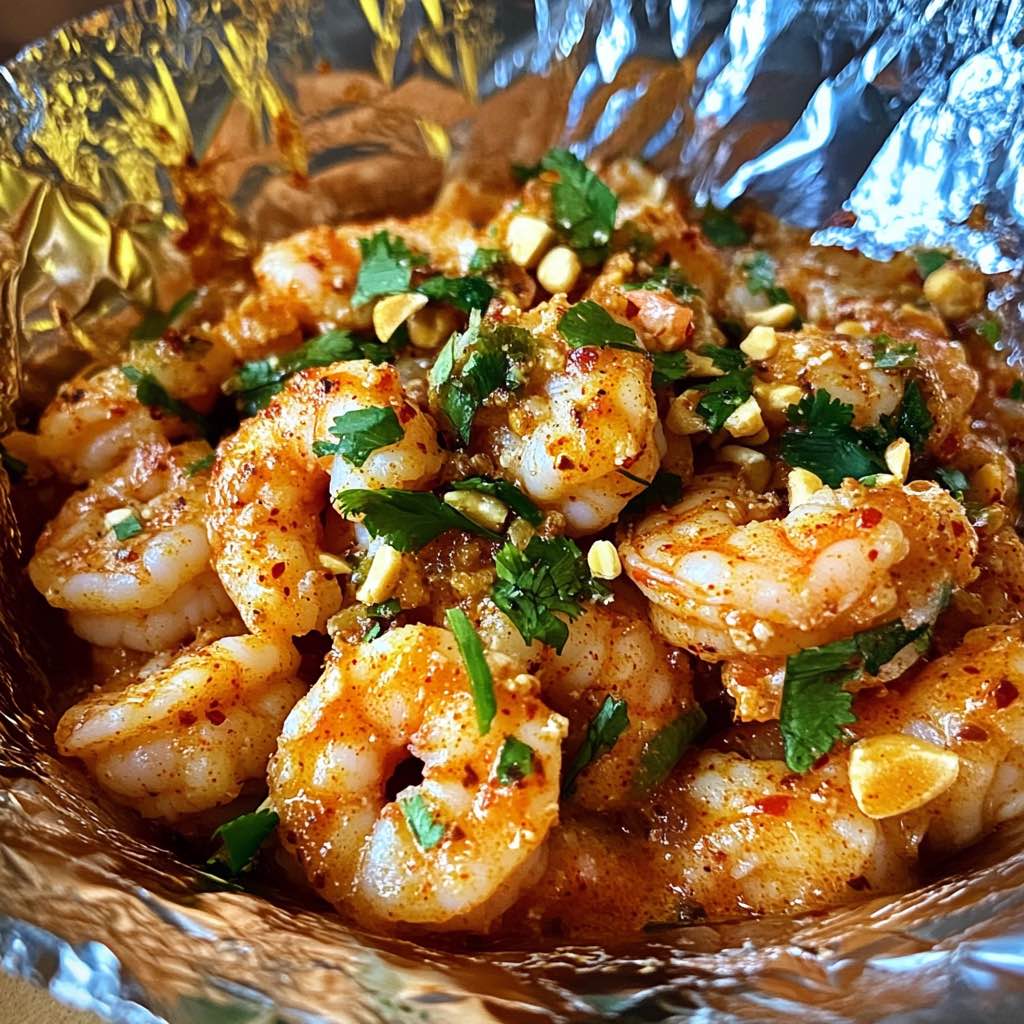
Spicy Shrimp Packets: The Ultimate Guide to Flavorful Foil-Pack Cooking
Introduction to Spicy Shrimp Packets
Spicy shrimp packets deliver restaurant-quality seafood with minimal effort and cleanup. Additionally, these foil-wrapped bundles lock in moisture and flavor while creating perfectly cooked shrimp every time. Furthermore, the cooking method requires just 15-20 minutes from prep to plate.
This comprehensive guide explores everything needed to master spicy shrimp packets. Moreover, the recipes work equally well on the grill or in the oven. Subsequently, home cooks can enjoy bold Cajun flavors and tender vegetables in one convenient package.
What Are Spicy Shrimp Packets?
Spicy shrimp packets are individual servings of seasoned seafood and vegetables wrapped in aluminum foil. Essentially, they function as self-contained cooking vessels that trap steam and heat. Therefore, ingredients cook evenly while maintaining their natural juices and flavors.
The packets typically contain large shrimp, fresh vegetables, and bold spice blends. Additionally, each bundle includes butter or olive oil for richness. Consequently, the sealed environment creates a mini steam bath that infuses every ingredient with flavor.
The Science Behind Foil-Pack Cooking
Aluminum foil creates a barrier that reflects heat back onto the food. Similarly, parchment paper prevents sticking while allowing steam to circulate. As a result, proteins cook gently without drying out.
The folded edges trap moisture inside the packet. Meanwhile, temperatures reach 400-450°F during cooking. Thus, shrimp proteins denature properly while vegetables soften to perfection.
Why You’ll Love This Cooking Method
Spicy shrimp packets offer numerous advantages for busy home cooks. First, they require minimal preparation time and basic ingredients. Second, cleanup involves simply discarding the foil wrappers.
Key Benefits
The cooking method provides exceptional convenience and flexibility. Moreover, packets work perfectly for meal prep and camping trips. Here are the main advantages:
-
Quick preparation: Assembly takes just 10 minutes
-
Minimal cleanup: No pots or pans to scrub
-
Portion control: Each packet serves one person
-
Versatile cooking: Grill, bake, or campfire compatible
-
Customizable flavors: Adjust spices to personal preferences
-
Healthy option: Low-carb and protein-rich meals
Furthermore, the sealed environment prevents overcooking. Consequently, shrimp remain tender and juicy rather than rubbery.
Essential Ingredients for Perfect Spicy Shrimp Packets
Quality ingredients make all the difference in spicy shrimp packets. Therefore, selecting fresh seafood and vibrant vegetables ensures optimal results. Additionally, the right combination of seasonings creates bold, memorable flavors.
Protein Selection
Large or extra-large shrimp work best for foil packets. Specifically, 12-16 count per pound provides ideal portion sizes. Moreover, peeled and deveined shrimp eliminate prep work.
Fresh shrimp should smell like the ocean, not fishy. Similarly, frozen shrimp must thaw completely before cooking. Consequently, proper selection ensures tender, flavorful results.
Vegetable Options
Hearty vegetables complement spicy shrimp perfectly. Additionally, they add color, nutrition, and varied textures. Choose vegetables that cook in similar timeframes:
-
Asparagus: Woody ends removed, tender stalks
-
Bell peppers: Red, yellow, or orange for sweetness
-
Zucchini: Sliced into rounds or half-moons
-
Cherry tomatoes: Halved for faster cooking
-
Red onion: Cut into wedges for caramelization
-
Corn: Fresh or frozen kernels
-
Potatoes: Baby reds, quartered for even cooking
Furthermore, mixing textures creates more interesting bites. Therefore, combine soft and firm vegetables in each packet.
Healthy Additions
Boost nutrition with protein-rich legumes and healthy fats. Moreover, chickpeas add fiber and substance. Similarly, olives provide Mediterranean flair and healthy oils.
Best Seasonings for Spicy Shrimp
The right spice blend transforms ordinary shrimp into extraordinary meals. Additionally, understanding flavor profiles helps create balanced, bold packets. Furthermore, homemade seasonings taste fresher than store-bought versions.
Classic Cajun Blend
Cajun seasoning forms the foundation of most spicy shrimp packets. Specifically, the blend includes paprika, garlic powder, onion powder, cayenne pepper, thyme, and oregano. Moreover, these spices create Maillard reaction accelerators during cooking.
To make homemade Cajun seasoning, combine these ingredients:
-
2 teaspoons smoked paprika
-
1 teaspoon dried thyme
-
1 teaspoon dried oregano
-
1 teaspoon garlic powder
-
1/2 teaspoon onion powder
-
1/2 teaspoon cayenne pepper
-
1/4 teaspoon black pepper
-
1/4 teaspoon salt
Subsequently, adjust cayenne levels based on heat preferences. Additionally, smoked paprika adds depth without excessive spiciness.
Essential Spice Components
Each seasoning serves a specific purpose in flavor development. Therefore, understanding individual roles improves customization. Moreover, proper application timing maximizes taste impact.
Paprika binds to shrimp’s fat molecules during grilling. Consequently, use smoked varieties for deeper flavor profiles. Additionally, sweet paprika provides color without heat.
Cayenne pepper delivers concentrated spiciness through capsaicin. However, it requires fat carriers for proper distribution. Therefore, mix cayenne with butter or oil before applying.
Garlic powder activates in moisture through alliinase enzymes. Similarly, mixing with oil before application enhances penetration. Fresh minced garlic provides even stronger flavor.
Cumin releases flavor compounds when toasted before grinding. Furthermore, these molecules penetrate shrimp flesh effectively. Additionally, cumin adds earthy warmth to spicy blends.
Additional Flavor Enhancers
Beyond basic spices, several ingredients amplify overall taste. Moreover, they add complexity and depth to simple packets. Consider incorporating these elements:
-
Old Bay seasoning: Celery salt and mixed spices
-
Chili powder: Adds warmth and smokiness
-
Lemon pepper: Citrus brightness after cooking
-
Fresh herbs: Parsley, dill, or cilantro
-
Hot sauce: Extra heat for spice lovers
Furthermore, balancing heat with acidity creates more complex flavors. Therefore, include lemon juice or citrus zest in every packet.
Step-by-Step Cooking Instructions
Creating perfect spicy shrimp packets follows a simple process. Additionally, proper technique ensures evenly cooked ingredients. Moreover, attention to detail produces restaurant-quality results at home.
Packet Assembly
First, gather heavy-duty aluminum foil and parchment paper. Subsequently, cut sheets measuring 12 x 12 inches. Additionally, layering parchment prevents sticking while allowing steam circulation.
Step 1: Prepare the base
Layer parchment paper on top of foil sheets. Furthermore, turn edges up slightly to create bowl shapes. Consequently, juices stay contained during assembly.
Step 2: Mix seasonings
Combine melted butter or olive oil with spices in a large bowl. Moreover, whisk ingredients until fully incorporated. Additionally, this mixture coats shrimp and vegetables evenly.
Step 3: Add shrimp and vegetables
Toss shrimp and vegetables in seasoning mixture until well coated. Subsequently, divide portions evenly among foil sheets. Moreover, arrange ingredients in single layers for even cooking.
Step 4: Seal packets
Bring opposite foil edges together and fold down twice. Additionally, crimp side edges to seal completely. However, leave space inside for steam circulation. Consequently, proper sealing traps moisture while allowing heat distribution.
Cooking Time and Temperature
Timing varies slightly between cooking methods. Nevertheless, visual cues indicate doneness better than exact minutes. Moreover, shrimp should turn pink and curl when fully cooked.
For grilling, preheat to medium-high heat at 400-450°F. Subsequently, place packets seam-side-up on grates. Additionally, cook for 8-10 minutes without opening.
For oven baking, preheat to 400-425°F. Furthermore, place packets on rimmed baking sheets. Similarly, bake for 10-15 minutes until shrimp turn pink.
Safety Considerations
Hot steam escapes when opening packets after cooking. Therefore, use caution and open away from face. Additionally, let packets rest 2-3 minutes before serving.
Check one packet first to verify doneness. Moreover, reseal and cook longer if needed. Consequently, this prevents serving undercooked seafood.
Grilling vs. Oven-Baking Methods
Both cooking methods produce excellent spicy shrimp packets. However, each technique offers distinct advantages. Additionally, understanding differences helps choose the right approach.
Grilling Advantages
Outdoor grilling adds smoky char flavors to packets. Moreover, high heat creates slight caramelization on vegetables. Furthermore, grilling works perfectly for summer gatherings and camping trips.
Temperature control matters significantly when grilling. Specifically, maintain consistent 400-450°F heat throughout cooking. Additionally, place packets on clean, un-oiled grates.
Grill with lids closed to maintain even temperatures. Subsequently, resist opening packets early to check progress. Moreover, cooking times range from 6-10 minutes depending on shrimp size.
Oven-Baking Benefits
Indoor baking provides consistent, reliable results year-round. Additionally, ovens maintain precise temperatures automatically. Furthermore, multiple packets fit easily on baking sheets.
Preheat ovens to 400°F for standard recipes. Moreover, place foil packets on rimmed sheets to catch any leaks. Subsequently, bake for 10-15 minutes until shrimp cook through.
Oven cooking produces slightly more tender results. Consequently, vegetables retain more moisture than grilled versions. Additionally, cleanup becomes even easier without grill grates.
Alternative Cooking Methods
Air fryers offer another convenient option for shrimp packets. Specifically, skip foil and place ingredients directly in baskets. Moreover, air fry at 400°F for 6 minutes, shaking halfway through.
Campfire cooking creates rustic, smoky flavors. Additionally, place sealed packets on grates over medium coals. Furthermore, rotate packets occasionally for even heating.
Pro Tips for Restaurant-Quality Results
Professional techniques elevate homemade spicy shrimp packets significantly. Moreover, small details make substantial flavor differences. Additionally, these methods ensure consistent success every time.
Spicy Shrimp Packets: The Ultimate Guide to Flavorful Foil-Pack Cooking
SEO Meta Description: Discover how to make delicious spicy shrimp packets with this complete guide. Easy foil-pack recipes for grilling or baking with bold Cajun flavors and vegetables.
Table of Contents
-
Introduction to Spicy Shrimp Packets
-
What Are Spicy Shrimp Packets?
-
Why You’ll Love This Cooking Method
-
Essential Ingredients for Perfect Spicy Shrimp Packets
-
Best Seasonings for Spicy Shrimp
-
Step-by-Step Cooking Instructions
-
Grilling vs. Oven-Baking Methods
-
Pro Tips for Restaurant-Quality Results
-
Popular Variations and Flavor Combinations
-
Common Mistakes to Avoid
-
Serving Suggestions and Side Dishes
-
Storage and Reheating Guidelines
-
Nutritional Benefits of Shrimp Packets
-
Frequently Asked Questions
-
Conclusion
Introduction to Spicy Shrimp Packets
Spicy shrimp packets deliver restaurant-quality seafood with minimal effort and cleanup. Additionally, these foil-wrapped bundles lock in moisture and flavor while creating perfectly cooked shrimp every time. Furthermore, the cooking method requires just 15-20 minutes from prep to plate.
This comprehensive guide explores everything needed to master spicy shrimp packets. Moreover, the recipes work equally well on the grill or in the oven. Subsequently, home cooks can enjoy bold Cajun flavors and tender vegetables in one convenient package.
What Are Spicy Shrimp Packets?
Spicy shrimp packets are individual servings of seasoned seafood and vegetables wrapped in aluminum foil. Essentially, they function as self-contained cooking vessels that trap steam and heat. Therefore, ingredients cook evenly while maintaining their natural juices and flavors.
The packets typically contain large shrimp, fresh vegetables, and bold spice blends. Additionally, each bundle includes butter or olive oil for richness. Consequently, the sealed environment creates a mini steam bath that infuses every ingredient with flavor.
The Science Behind Foil-Pack Cooking
Aluminum foil creates a barrier that reflects heat back onto the food. Similarly, parchment paper prevents sticking while allowing steam to circulate. As a result, proteins cook gently without drying out.
The folded edges trap moisture inside the packet. Meanwhile, temperatures reach 400-450°F during cooking. Thus, shrimp proteins denature properly while vegetables soften to perfection.
Why You’ll Love This Cooking Method
Spicy shrimp packets offer numerous advantages for busy home cooks. First, they require minimal preparation time and basic ingredients. Second, cleanup involves simply discarding the foil wrappers.
Key Benefits
The cooking method provides exceptional convenience and flexibility. Moreover, packets work perfectly for meal prep and camping trips. Here are the main advantages:
-
Quick preparation: Assembly takes just 10 minutes
-
Minimal cleanup: No pots or pans to scrub
-
Portion control: Each packet serves one person
-
Versatile cooking: Grill, bake, or campfire compatible
-
Customizable flavors: Adjust spices to personal preferences
-
Healthy option: Low-carb and protein-rich meals
Furthermore, the sealed environment prevents overcooking. Consequently, shrimp remain tender and juicy rather than rubbery.
Essential Ingredients for Perfect Spicy Shrimp Packets
Quality ingredients make all the difference in spicy shrimp packets. Therefore, selecting fresh seafood and vibrant vegetables ensures optimal results. Additionally, the right combination of seasonings creates bold, memorable flavors.
Protein Selection
Large or extra-large shrimp work best for foil packets. Specifically, 12-16 count per pound provides ideal portion sizes. Moreover, peeled and deveined shrimp eliminate prep work.
Fresh shrimp should smell like the ocean, not fishy. Similarly, frozen shrimp must thaw completely before cooking. Consequently, proper selection ensures tender, flavorful results.
Vegetable Options
Hearty vegetables complement spicy shrimp perfectly. Additionally, they add color, nutrition, and varied textures. Choose vegetables that cook in similar timeframes:
-
Asparagus: Woody ends removed, tender stalks
-
Bell peppers: Red, yellow, or orange for sweetness
-
Zucchini: Sliced into rounds or half-moons
-
Cherry tomatoes: Halved for faster cooking
-
Red onion: Cut into wedges for caramelization
-
Corn: Fresh or frozen kernels
-
Potatoes: Baby reds, quartered for even cooking
Furthermore, mixing textures creates more interesting bites. Therefore, combine soft and firm vegetables in each packet.
Healthy Additions
Boost nutrition with protein-rich legumes and healthy fats. Moreover, chickpeas add fiber and substance. Similarly, olives provide Mediterranean flair and healthy oils.
Best Seasonings for Spicy Shrimp
The right spice blend transforms ordinary shrimp into extraordinary meals. Additionally, understanding flavor profiles helps create balanced, bold packets. Furthermore, homemade seasonings taste fresher than store-bought versions.
Classic Cajun Blend
Cajun seasoning forms the foundation of most spicy shrimp packets. Specifically, the blend includes paprika, garlic powder, onion powder, cayenne pepper, thyme, and oregano. Moreover, these spices create Maillard reaction accelerators during cooking.
To make homemade Cajun seasoning, combine these ingredients:
-
2 teaspoons smoked paprika
-
1 teaspoon dried thyme
-
1 teaspoon dried oregano
-
1 teaspoon garlic powder
-
1/2 teaspoon onion powder
-
1/2 teaspoon cayenne pepper
-
1/4 teaspoon black pepper
-
1/4 teaspoon salt
Subsequently, adjust cayenne levels based on heat preferences. Additionally, smoked paprika adds depth without excessive spiciness.
Essential Spice Components
Each seasoning serves a specific purpose in flavor development. Therefore, understanding individual roles improves customization. Moreover, proper application timing maximizes taste impact.
Paprika binds to shrimp’s fat molecules during grilling. Consequently, use smoked varieties for deeper flavor profiles. Additionally, sweet paprika provides color without heat.
Cayenne pepper delivers concentrated spiciness through capsaicin. However, it requires fat carriers for proper distribution. Therefore, mix cayenne with butter or oil before applying.
Garlic powder activates in moisture through alliinase enzymes. Similarly, mixing with oil before application enhances penetration. Fresh minced garlic provides even stronger flavor.
Cumin releases flavor compounds when toasted before grinding. Furthermore, these molecules penetrate shrimp flesh effectively. Additionally, cumin adds earthy warmth to spicy blends.
Additional Flavor Enhancers
Beyond basic spices, several ingredients amplify overall taste. Moreover, they add complexity and depth to simple packets. Consider incorporating these elements:
-
Old Bay seasoning: Celery salt and mixed spices
-
Chili powder: Adds warmth and smokiness
-
Lemon pepper: Citrus brightness after cooking
-
Fresh herbs: Parsley, dill, or cilantro
-
Hot sauce: Extra heat for spice lovers
Furthermore, balancing heat with acidity creates more complex flavors. Therefore, include lemon juice or citrus zest in every packet.
Step-by-Step Cooking Instructions
Creating perfect spicy shrimp packets follows a simple process. Additionally, proper technique ensures evenly cooked ingredients. Moreover, attention to detail produces restaurant-quality results at home.
Packet Assembly
First, gather heavy-duty aluminum foil and parchment paper. Subsequently, cut sheets measuring 12 x 12 inches. Additionally, layering parchment prevents sticking while allowing steam circulation.
Step 1: Prepare the base
Layer parchment paper on top of foil sheets. Furthermore, turn edges up slightly to create bowl shapes. Consequently, juices stay contained during assembly.
Step 2: Mix seasonings
Combine melted butter or olive oil with spices in a large bowl. Moreover, whisk ingredients until fully incorporated. Additionally, this mixture coats shrimp and vegetables evenly.
Step 3: Add shrimp and vegetables
Toss shrimp and vegetables in seasoning mixture until well coated. Subsequently, divide portions evenly among foil sheets. Moreover, arrange ingredients in single layers for even cooking.
Step 4: Seal packets
Bring opposite foil edges together and fold down twice. Additionally, crimp side edges to seal completely. However, leave space inside for steam circulation. Consequently, proper sealing traps moisture while allowing heat distribution.
Cooking Time and Temperature
Timing varies slightly between cooking methods. Nevertheless, visual cues indicate doneness better than exact minutes. Moreover, shrimp should turn pink and curl when fully cooked.
For grilling, preheat to medium-high heat at 400-450°F. Subsequently, place packets seam-side-up on grates. Additionally, cook for 8-10 minutes without opening.
For oven baking, preheat to 400-425°F. Furthermore, place packets on rimmed baking sheets. Similarly, bake for 10-15 minutes until shrimp turn pink.
Safety Considerations
Hot steam escapes when opening packets after cooking. Therefore, use caution and open away from face. Additionally, let packets rest 2-3 minutes before serving.
Check one packet first to verify doneness. Moreover, reseal and cook longer if needed. Consequently, this prevents serving undercooked seafood.
Grilling vs. Oven-Baking Methods
Both cooking methods produce excellent spicy shrimp packets. However, each technique offers distinct advantages. Additionally, understanding differences helps choose the right approach.
Grilling Advantages
Outdoor grilling adds smoky char flavors to packets. Moreover, high heat creates slight caramelization on vegetables. Furthermore, grilling works perfectly for summer gatherings and camping trips.
Temperature control matters significantly when grilling. Specifically, maintain consistent 400-450°F heat throughout cooking. Additionally, place packets on clean, un-oiled grates.
Grill with lids closed to maintain even temperatures. Subsequently, resist opening packets early to check progress. Moreover, cooking times range from 6-10 minutes depending on shrimp size.
Oven-Baking Benefits
Indoor baking provides consistent, reliable results year-round. Additionally, ovens maintain precise temperatures automatically. Furthermore, multiple packets fit easily on baking sheets.
Preheat ovens to 400°F for standard recipes. Moreover, place foil packets on rimmed sheets to catch any leaks. Subsequently, bake for 10-15 minutes until shrimp cook through.
Oven cooking produces slightly more tender results. Consequently, vegetables retain more moisture than grilled versions. Additionally, cleanup becomes even easier without grill grates.
Alternative Cooking Methods
Air fryers offer another convenient option for shrimp packets. Specifically, skip foil and place ingredients directly in baskets. Moreover, air fry at 400°F for 6 minutes, shaking halfway through.
Campfire cooking creates rustic, smoky flavors. Additionally, place sealed packets on grates over medium coals. Furthermore, rotate packets occasionally for even heating.
Pro Tips for Restaurant-Quality Results
Professional techniques elevate homemade spicy shrimp packets significantly. Moreover, small details make substantial flavor differences. Additionally, these methods ensure consistent success every time.
Ingredient Preparation
Pat shrimp completely dry before seasoning. Consequently, spices adhere better to dry surfaces. Moreover, excess moisture dilutes flavor concentration.
Cut vegetables into uniform sizes for even cooking. Additionally, match vegetable density to cooking times. Therefore, harder vegetables need smaller pieces than softer ones.
Toast spices briefly in a dry pan before mixing. Subsequently, heat releases essential oils and intensifies flavors. Furthermore, this technique works especially well with cumin and coriander.
Seasoning Strategies
Apply seasonings at room temperature for better distribution. Moreover, cold ingredients don’t absorb flavors as effectively. Additionally, let marinated shrimp rest 5-10 minutes before cooking.
Balance heat levels with acidic ingredients. Specifically, lemon juice brightens spicy seasonings while preventing overwhelming heat. Similarly, lime zest adds citrus complexity.
Layer flavors through multiple applications. First, season shrimp directly. Second, drizzle flavored oil over vegetables. Consequently, each component contributes distinct taste elements.
Assembly Techniques
Use heavy-duty foil to prevent tearing during cooking. Additionally, double-layering increases durability for grilling. Moreover, parchment paper between ingredients and foil prevents sticking.
Arrange shrimp in single layers without overcrowding. Furthermore, proper spacing allows heat circulation. Consequently, proteins cook evenly rather than steaming.
Leave adequate headspace when sealing packets. Specifically, air circulation inside promotes proper cooking. Moreover, tight wrapping causes uneven heating and soggy results.
Timing Optimization
Rest packets briefly after cooking for juice redistribution. Additionally, this allows carryover cooking to finish proteins. Therefore, wait 2-3 minutes before opening.
Test one packet first when cooking multiple servings. Moreover, adjust timing for remaining packets based on results. Consequently, all portions finish simultaneously at perfect doneness.
Popular Variations and Flavor Combinations
Customizing spicy shrimp packets keeps meals interesting and exciting. Moreover, different combinations suit various dietary preferences. Additionally, regional flavors inspire creative variations.
Cajun Shrimp with Sausage
Traditional Louisiana-style packets include sliced andouille sausage. Furthermore, smoked meat adds rich, savory depth. Additionally, potatoes and corn complete the classic combination.
Season generously with Cajun spices and cayenne pepper. Moreover, add minced garlic and fresh thyme. Consequently, flavors meld into authentic Southern comfort food.
Mediterranean Spiced Packets
Greek-inspired versions feature chickpeas, olives, and feta cheese. Additionally, oregano and lemon juice provide bright Mediterranean flavors. Furthermore, cherry tomatoes and red onions add color and sweetness.
Finish packets with fresh dill and extra virgin olive oil. Moreover, serve with lemon wedges for additional brightness. Consequently, this variation offers lighter, fresher taste profiles.
Asian-Fusion Combinations
Japanese togarashi spice blend creates unique flavor dimensions. Specifically, nori, sesame seeds, and chile provide savory-sweet heat. Additionally, dried citrus peels enhance seafood naturally.
Alternative Asian seasonings include ginger, garlic, and chili-garlic sauce. Moreover, add snow peas, mushrooms, and bok choy for vegetables. Furthermore, finish with sesame oil and cilantro.
Tex-Mex Style Packets
Southwestern versions incorporate chili powder, cumin, and lime juice. Additionally, bell peppers and red onions provide classic fajita flavors. Moreover, serve with tortillas and fresh salsa.
Top finished packets with diced avocado and cilantro. Furthermore, add jalapeños for extra heat. Consequently, these packets work perfectly for casual gatherings.
Common Mistakes to Avoid
Understanding potential pitfalls prevents disappointing results. Moreover, awareness helps troubleshoot problems before they occur. Additionally, these tips ensure consistent success with every batch.
Overcooking Shrimp
Shrimp cook quickly and become rubbery when overdone. Therefore, monitor timing carefully and check early. Additionally, carryover cooking continues after removing from heat.
Look for pink, curled shrimp as doneness indicators. Moreover, translucent centers signal undercooked proteins. Consequently, visual cues matter more than exact timing.
Inadequate Sealing
Poorly sealed packets leak juices and steam during cooking. Furthermore, escaping moisture results in dry, flavorless food. Additionally, torn foil causes uneven heating.
Fold edges carefully and crimp thoroughly. Moreover, test seals by gently pressing packets. Consequently, proper technique prevents frustrating failures.
Overcrowding Packets
Packing too many ingredients prevents proper cooking. Additionally, crowded packets produce steamed rather than roasted flavors. Moreover, uneven heating leaves some pieces undercooked.
Divide ingredients evenly among multiple packets. Furthermore, single layers cook more consistently than piled heaps. Therefore, make extra packets rather than overfilling.
Skipping Parchment Paper
Direct contact between food and aluminum foil causes sticking. Moreover, acidic ingredients react with aluminum, affecting taste. Additionally, parchment prevents these issues completely.
Layer parchment inside foil for every packet. Furthermore, this extra step saves significant frustration. Consequently, food releases cleanly and maintains better appearance.
Serving Suggestions and Side Dishes
Complete meals require thoughtful accompaniments for spicy shrimp packets. Moreover, complementary sides balance heat and enhance overall dining experience. Additionally, proper presentation elevates casual dinners into special occasions.
Grain-Based Sides
Fluffy rice absorbs flavorful juices from opened packets perfectly. Additionally, brown rice provides extra fiber and nutrients. Moreover, seasoned rice pilaf adds another flavor dimension.
Quinoa offers a protein-rich, gluten-free alternative. Furthermore, its nutty taste complements spicy seasonings well. Similarly, couscous cooks quickly and absorbs packet liquids effectively.
Fresh Salads
Crisp green salads provide refreshing contrast to spicy heat. Moreover, simple vinaigrettes add brightness without competing flavors. Additionally, tomato-based salads echo ingredients in packets.
Greek pasta salad pairs naturally with Mediterranean-style variations. Furthermore, orzo with vegetables creates cohesive flavor profiles. Consequently, cold sides balance hot, steaming packets.
Bread Options
Crusty bread soaks up delicious packet juices beautifully. Additionally, garlic bread complements Cajun-spiced versions. Moreover, cornbread suits Southern-style shrimp packets perfectly.
Warm tortillas transform packets into casual taco fillings. Furthermore, this presentation works especially well for gatherings. Similarly, pita bread suits Mediterranean variations naturally.
Beverage Pairings
Cold beverages balance spicy heat effectively. Moreover, sparkling water with citrus provides refreshing cleansing between bites. Additionally, iced tea offers subtle sweetness that complements seafood.
Lemonade’s tartness cuts through rich, buttery packets. Furthermore, fruit-infused waters add visual appeal and flavor. Consequently, thoughtful beverage choices enhance overall meal satisfaction.
Storage and Reheating Guidelines
Proper storage extends enjoyment of spicy shrimp packets beyond initial cooking. Moreover, correct techniques maintain food safety and quality. Additionally, reheating methods preserve texture and flavor.
Refrigeration Instructions
Cool packets to room temperature before refrigerating. Subsequently, transfer contents to airtight containers within two hours. Moreover, store separately from raw seafood to prevent cross-contamination.
Refrigerated cooked shrimp keeps safely for 3-4 days. Additionally, vegetables maintain quality for similar timeframes. Therefore, consume leftovers promptly for best taste and safety.
Freezing Options
Freezing works better for seasoned raw packets than cooked versions. Specifically, assemble packets completely, then freeze before cooking. Moreover, this approach enables quick weeknight meals.
Cooked shrimp becomes slightly rubbery after freezing and thawing. However, properly stored packets remain safe for up to three months. Additionally, thaw overnight in refrigerators before reheating.
Reheating Methods
Oven reheating produces better results than microwaves. Specifically, heat at 350°F for 8-10 minutes in foil packets. Moreover, this method restores moisture and prevents rubbery texture.
Microwave reheating works when time is limited. Furthermore, use medium power and short intervals. Additionally, cover containers to retain steam and moisture.
Stovetop reheating in covered pans offers another option. Moreover, add small amounts of liquid to prevent drying. Consequently, gentle heating preserves texture better than high heat.
Nutritional Benefits of Shrimp Packets
Spicy shrimp packets provide excellent nutrition with relatively few calories. Moreover, they offer complete proteins and essential vitamins. Additionally, vegetable additions boost fiber and micronutrient content significantly.
Protein Content
Shrimp delivers lean, high-quality protein essential for muscle maintenance. Specifically, 3 ounces provides approximately 20 grams of protein. Moreover, shrimp contains all nine essential amino acids.
Low-fat preparation methods preserve nutritional benefits without adding excessive calories. Additionally, foil-packet cooking requires minimal added fats. Therefore, packets remain diet-friendly while satisfying hunger.
Micronutrient Profile
Shrimp provides substantial selenium, an important antioxidant mineral. Furthermore, it contains vitamin B12 crucial for nerve function. Additionally, shrimp offers phosphorus for bone health.
Vegetable additions multiply vitamin and mineral content significantly. Moreover, bell peppers provide vitamin C and antioxidants. Similarly, tomatoes contribute lycopene and additional vitamins.
Low-Carb Appeal
Spicy shrimp packets naturally fit low-carbohydrate eating patterns. Specifically, excluding potatoes keeps carbs minimal. Moreover, this makes packets suitable for keto and paleo diets.
Focusing on non-starchy vegetables maintains low-carb profiles. Additionally, asparagus, zucchini, and peppers add bulk without significant carbohydrates. Consequently, packets satisfy without derailing dietary goals.
Frequently Asked Questions
How long do spicy shrimp packets take to cook?
Spicy shrimp packets typically cook in 8-15 minutes depending on method. Specifically, grilling requires 8-10 minutes at 400-450°F. Moreover, oven baking takes 10-15 minutes at 400°F. Additionally, shrimp size affects exact timing significantly.
Can you make spicy shrimp packets ahead of time?
Assembled packets can be refrigerated up to 4 hours before cooking. Moreover, this makes them perfect for entertaining and meal prep. Additionally, freezing raw packets works well for long-term storage. However, cook frozen packets without thawing for best results.
What size shrimp works best for foil packets?
Large or extra-large shrimp provide ideal results for packets. Specifically, 12-16 count per pound offers substantial portions. Moreover, larger shrimp resist overcooking better than small varieties. Additionally, jumbo shrimp may require slightly longer cooking times.
Do you need parchment paper with aluminum foil?
Parchment paper prevents sticking and protects food from direct aluminum contact. Moreover, it’s especially important with acidic ingredients. Additionally, parchment allows easier cleanup and better presentation. However, heavy-duty foil alone works in emergencies.
Can you use frozen shrimp for packets?
Frozen shrimp must thaw completely before assembling packets. Specifically, thaw overnight in refrigerators for food safety. Moreover, pat thawed shrimp dry to remove excess moisture. Additionally, frozen shrimp works equally well as fresh when properly prepared.
How do you know when shrimp packets are done?
Fully cooked shrimp turn pink and opaque throughout. Moreover, they curl into C-shapes when properly cooked. Additionally, vegetables should be fork-tender but not mushy. Therefore, carefully open one packet first to check doneness.
What vegetables work best in spicy shrimp packets?
Quick-cooking vegetables complement shrimp’s short cooking time best. Specifically, asparagus, bell peppers, zucchini, and cherry tomatoes work perfectly. Moreover, harder vegetables like potatoes need pre-cooking or smaller cuts. Additionally, match vegetable sizes for even cooking results.
Conclusion
Spicy shrimp packets deliver exceptional flavor with remarkable convenience and minimal cleanup. Moreover, this versatile cooking method works perfectly for weeknight dinners, special occasions, and outdoor gatherings. Additionally, customizable seasonings and vegetable combinations ensure endless variety.
The foil-packet technique produces consistently tender, juicy shrimp every time. Furthermore, bold Cajun spices create restaurant-quality results at home. Similarly, the method accommodates various dietary preferences and cooking skill levels.
Mastering spicy shrimp packets requires only basic ingredients and simple techniques. Therefore, home cooks can confidently prepare impressive seafood meals without extensive experience. Moreover, the hands-off cooking process allows time for side dish preparation or entertaining guests.
Ingredient Preparation
Pat shrimp completely dry before seasoning. Consequently, spices adhere better to dry surfaces. Moreover, excess moisture dilutes flavor concentration.
Cut vegetables into uniform sizes for even cooking. Additionally, match vegetable density to cooking times. Therefore, harder vegetables need smaller pieces than softer ones.
Toast spices briefly in a dry pan before mixing. Subsequently, heat releases essential oils and intensifies flavors. Furthermore, this technique works especially well with cumin and coriander.
Seasoning Strategies
Apply seasonings at room temperature for better distribution. Moreover, cold ingredients don’t absorb flavors as effectively. Additionally, let marinated shrimp rest 5-10 minutes before cooking.
Balance heat levels with acidic ingredients. Specifically, lemon juice brightens spicy seasonings while preventing overwhelming heat. Similarly, lime zest adds citrus complexity.
Layer flavors through multiple applications. First, season shrimp directly. Second, drizzle flavored oil over vegetables. Consequently, each component contributes distinct taste elements.
Assembly Techniques
Use heavy-duty foil to prevent tearing during cooking. Additionally, double-layering increases durability for grilling. Moreover, parchment paper between ingredients and foil prevents sticking.
Arrange shrimp in single layers without overcrowding. Furthermore, proper spacing allows heat circulation. Consequently, proteins cook evenly rather than steaming.
Leave adequate headspace when sealing packets. Specifically, air circulation inside promotes proper cooking. Moreover, tight wrapping causes uneven heating and soggy results.
Timing Optimization
Rest packets briefly after cooking for juice redistribution. Additionally, this allows carryover cooking to finish proteins. Therefore, wait 2-3 minutes before opening.
Test one packet first when cooking multiple servings. Moreover, adjust timing for remaining packets based on results. Consequently, all portions finish simultaneously at perfect doneness.
Popular Variations and Flavor Combinations
Customizing spicy shrimp packets keeps meals interesting and exciting. Moreover, different combinations suit various dietary preferences. Additionally, regional flavors inspire creative variations.
Cajun Shrimp with Sausage
Traditional Louisiana-style packets include sliced andouille sausage. Furthermore, smoked meat adds rich, savory depth. Additionally, potatoes and corn complete the classic combination.
Season generously with Cajun spices and cayenne pepper. Moreover, add minced garlic and fresh thyme. Consequently, flavors meld into authentic Southern comfort food.
Mediterranean Spiced Packets
Greek-inspired versions feature chickpeas, olives, and feta cheese. Additionally, oregano and lemon juice provide bright Mediterranean flavors. Furthermore, cherry tomatoes and red onions add color and sweetness.
Finish packets with fresh dill and extra virgin olive oil. Moreover, serve with lemon wedges for additional brightness. Consequently, this variation offers lighter, fresher taste profiles.
Asian-Fusion Combinations
Japanese togarashi spice blend creates unique flavor dimensions. Specifically, nori, sesame seeds, and chile provide savory-sweet heat. Additionally, dried citrus peels enhance seafood naturally.
Alternative Asian seasonings include ginger, garlic, and chili-garlic sauce. Moreover, add snow peas, mushrooms, and bok choy for vegetables. Furthermore, finish with sesame oil and cilantro.
Tex-Mex Style Packets
Southwestern versions incorporate chili powder, cumin, and lime juice. Additionally, bell peppers and red onions provide classic fajita flavors. Moreover, serve with tortillas and fresh salsa.
Top finished packets with diced avocado and cilantro. Furthermore, add jalapeños for extra heat. Consequently, these packets work perfectly for casual gatherings.
Common Mistakes to Avoid
Understanding potential pitfalls prevents disappointing results. Moreover, awareness helps troubleshoot problems before they occur. Additionally, these tips ensure consistent success with every batch.
Overcooking Shrimp
Shrimp cook quickly and become rubbery when overdone. Therefore, monitor timing carefully and check early. Additionally, carryover cooking continues after removing from heat.
Look for pink, curled shrimp as doneness indicators. Moreover, translucent centers signal undercooked proteins. Consequently, visual cues matter more than exact timing.
Inadequate Sealing
Poorly sealed packets leak juices and steam during cooking. Furthermore, escaping moisture results in dry, flavorless food. Additionally, torn foil causes uneven heating.
Fold edges carefully and crimp thoroughly. Moreover, test seals by gently pressing packets. Consequently, proper technique prevents frustrating failures.
Overcrowding Packets
Packing too many ingredients prevents proper cooking. Additionally, crowded packets produce steamed rather than roasted flavors. Moreover, uneven heating leaves some pieces undercooked.
Divide ingredients evenly among multiple packets. Furthermore, single layers cook more consistently than piled heaps. Therefore, make extra packets rather than overfilling.
Skipping Parchment Paper
Direct contact between food and aluminum foil causes sticking. Moreover, acidic ingredients react with aluminum, affecting taste. Additionally, parchment prevents these issues completely.
Layer parchment inside foil for every packet. Furthermore, this extra step saves significant frustration. Consequently, food releases cleanly and maintains better appearance.
Serving Suggestions and Side Dishes
Complete meals require thoughtful accompaniments for spicy shrimp packets. Moreover, complementary sides balance heat and enhance overall dining experience. Additionally, proper presentation elevates casual dinners into special occasions.
Grain-Based Sides
Fluffy rice absorbs flavorful juices from opened packets perfectly. Additionally, brown rice provides extra fiber and nutrients. Moreover, seasoned rice pilaf adds another flavor dimension.
Quinoa offers a protein-rich, gluten-free alternative. Furthermore, its nutty taste complements spicy seasonings well. Similarly, couscous cooks quickly and absorbs packet liquids effectively.
Fresh Salads
Crisp green salads provide refreshing contrast to spicy heat. Moreover, simple vinaigrettes add brightness without competing flavors. Additionally, tomato-based salads echo ingredients in packets.
Greek pasta salad pairs naturally with Mediterranean-style variations. Furthermore, orzo with vegetables creates cohesive flavor profiles. Consequently, cold sides balance hot, steaming packets.
Bread Options
Crusty bread soaks up delicious packet juices beautifully. Additionally, garlic bread complements Cajun-spiced versions. Moreover, cornbread suits Southern-style shrimp packets perfectly.
Warm tortillas transform packets into casual taco fillings. Furthermore, this presentation works especially well for gatherings. Similarly, pita bread suits Mediterranean variations naturally.
Beverage Pairings
Cold beverages balance spicy heat effectively. Moreover, sparkling water with citrus provides refreshing cleansing between bites. Additionally, iced tea offers subtle sweetness that complements seafood.
Lemonade’s tartness cuts through rich, buttery packets. Furthermore, fruit-infused waters add visual appeal and flavor. Consequently, thoughtful beverage choices enhance overall meal satisfaction.
Storage and Reheating Guidelines
Proper storage extends enjoyment of spicy shrimp packets beyond initial cooking. Moreover, correct techniques maintain food safety and quality. Additionally, reheating methods preserve texture and flavor.
Refrigeration Instructions
Cool packets to room temperature before refrigerating. Subsequently, transfer contents to airtight containers within two hours. Moreover, store separately from raw seafood to prevent cross-contamination.
Refrigerated cooked shrimp keeps safely for 3-4 days. Additionally, vegetables maintain quality for similar timeframes. Therefore, consume leftovers promptly for best taste and safety.
Freezing Options
Freezing works better for seasoned raw packets than cooked versions. Specifically, assemble packets completely, then freeze before cooking. Moreover, this approach enables quick weeknight meals.
Cooked shrimp becomes slightly rubbery after freezing and thawing. However, properly stored packets remain safe for up to three months. Additionally, thaw overnight in refrigerators before reheating.
Reheating Methods
Oven reheating produces better results than microwaves. Specifically, heat at 350°F for 8-10 minutes in foil packets. Moreover, this method restores moisture and prevents rubbery texture.
Microwave reheating works when time is limited. Furthermore, use medium power and short intervals. Additionally, cover containers to retain steam and moisture.
Stovetop reheating in covered pans offers another option. Moreover, add small amounts of liquid to prevent drying. Consequently, gentle heating preserves texture better than high heat.
Nutritional Benefits of Shrimp Packets
Spicy shrimp packets provide excellent nutrition with relatively few calories. Moreover, they offer complete proteins and essential vitamins. Additionally, vegetable additions boost fiber and micronutrient content significantly.
Protein Content
Shrimp delivers lean, high-quality protein essential for muscle maintenance. Specifically, 3 ounces provides approximately 20 grams of protein. Moreover, shrimp contains all nine essential amino acids.
Low-fat preparation methods preserve nutritional benefits without adding excessive calories. Additionally, foil-packet cooking requires minimal added fats. Therefore, packets remain diet-friendly while satisfying hunger.
Micronutrient Profile
Shrimp provides substantial selenium, an important antioxidant mineral. Furthermore, it contains vitamin B12 crucial for nerve function. Additionally, shrimp offers phosphorus for bone health.
Vegetable additions multiply vitamin and mineral content significantly. Moreover, bell peppers provide vitamin C and antioxidants. Similarly, tomatoes contribute lycopene and additional vitamins.
Low-Carb Appeal
Spicy shrimp packets naturally fit low-carbohydrate eating patterns. Specifically, excluding potatoes keeps carbs minimal. Moreover, this makes packets suitable for keto and paleo diets.
Focusing on non-starchy vegetables maintains low-carb profiles. Additionally, asparagus, zucchini, and peppers add bulk without significant carbohydrates. Consequently, packets satisfy without derailing dietary goals.
Frequently Asked Questions
How long do spicy shrimp packets take to cook?
Spicy shrimp packets typically cook in 8-15 minutes depending on method. Specifically, grilling requires 8-10 minutes at 400-450°F. Moreover, oven baking takes 10-15 minutes at 400°F. Additionally, shrimp size affects exact timing significantly.
Can you make spicy shrimp packets ahead of time?
Assembled packets can be refrigerated up to 4 hours before cooking. Moreover, this makes them perfect for entertaining and meal prep. Additionally, freezing raw packets works well for long-term storage. However, cook frozen packets without thawing for best results.
What size shrimp works best for foil packets?
Large or extra-large shrimp provide ideal results for packets. Specifically, 12-16 count per pound offers substantial portions. Moreover, larger shrimp resist overcooking better than small varieties. Additionally, jumbo shrimp may require slightly longer cooking times.
Do you need parchment paper with aluminum foil?
Parchment paper prevents sticking and protects food from direct aluminum contact. Moreover, it’s especially important with acidic ingredients. Additionally, parchment allows easier cleanup and better presentation. However, heavy-duty foil alone works in emergencies.
Can you use frozen shrimp for packets?
Frozen shrimp must thaw completely before assembling packets. Specifically, thaw overnight in refrigerators for food safety. Moreover, pat thawed shrimp dry to remove excess moisture. Additionally, frozen shrimp works equally well as fresh when properly prepared.
How do you know when shrimp packets are done?
Fully cooked shrimp turn pink and opaque throughout. Moreover, they curl into C-shapes when properly cooked. Additionally, vegetables should be fork-tender but not mushy. Therefore, carefully open one packet first to check doneness.
What vegetables work best in spicy shrimp packets?
Quick-cooking vegetables complement shrimp’s short cooking time best. Specifically, asparagus, bell peppers, zucchini, and cherry tomatoes work perfectly. Moreover, harder vegetables like potatoes need pre-cooking or smaller cuts. Additionally, match vegetable sizes for even cooking results.
Conclusion
Spicy shrimp packets deliver exceptional flavor with remarkable convenience and minimal cleanup. Moreover, this versatile cooking method works perfectly for weeknight dinners, special occasions, and outdoor gatherings. Additionally, customizable seasonings and vegetable combinations ensure endless variety.
The foil-packet technique produces consistently tender, juicy shrimp every time. Furthermore, bold Cajun spices create restaurant-quality results at home. Similarly, the method accommodates various dietary preferences and cooking skill levels.
Mastering spicy shrimp packets requires only basic ingredients and simple techniques. Therefore, home cooks can confidently prepare impressive seafood meals without extensive experience. Moreover, the hands-off cooking process allows time for side dish preparation or entertaining guests.
Print
Spicy Shrimp Packets
Description
Spicy Shrimp Packets
Ingredients (Serves 2–4)
-
1 lb (450 g) large shrimp, peeled and deveined
-
2 tbsp olive oil
-
3 garlic cloves, minced
-
1 tsp smoked paprika
-
½ tsp chili flakes (adjust to spice preference)
-
½ tsp cayenne pepper (optional, for extra heat)
-
1 tsp paprika
-
Salt and freshly ground black pepper, to taste
-
1 lemon, thinly sliced
-
1 small red bell pepper, thinly sliced
-
1 small zucchini, sliced into half-moons
-
2 tbsp chopped fresh parsley
-
Aluminum foil or parchment paper for packets
Instructions
1. Preheat Oven
-
Preheat oven to 400°F (200°C).
2. Prepare the Packets
-
Cut 4 large squares of foil or parchment paper.
-
Divide the shrimp and vegetables evenly among the squares.
-
Drizzle with olive oil, then sprinkle garlic, smoked paprika, chili flakes, cayenne, salt, and pepper over everything.
-
Place a few lemon slices on top of each packet.
-
Fold the foil/parchment into tight packets, sealing edges completely to trap steam.
3. Bake
-
Place packets on a baking sheet and bake for 12–15 minutes, until shrimp are pink and cooked through and vegetables are tender.
4. Serve
-
Carefully open the packets (steam will be hot!) and sprinkle with fresh parsley.
-
Serve directly in the packet for a fun, rustic presentation, or plate for a more elegant look.