
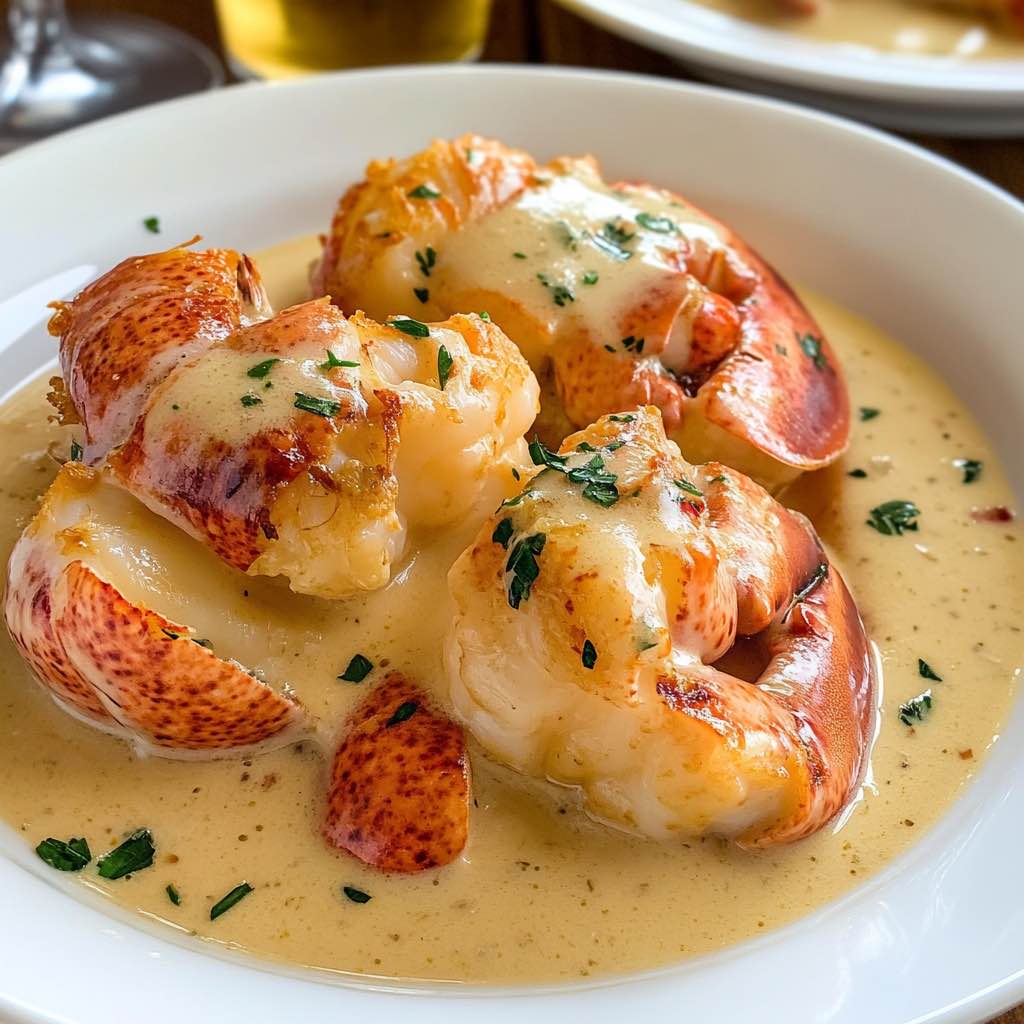
Classic Lobster Newburg with Rich Cream Sauce
Introduction
Classic Lobster Newburg with Rich Cream Sauce stands as one of the most elegant seafood dishes in American culinary history. This luxurious preparation features succulent lobster meat bathed in a velvety cream sauce enriched with egg yolks and aromatic spices. The dish originated in the late 1800s and quickly became a hallmark of fine dining establishments. Today, home cooks can master this restaurant-quality recipe with proper technique and fresh ingredients.
What Makes Lobster Newburg Special
A Distinguished Culinary Heritage
Lobster Newburg represents a pinnacle of American fine dining cuisine. The dish features tender lobster chunks suspended in a silky cream sauce that coats each morsel perfectly. Unlike other lobster preparations, this recipe emphasizes the natural sweetness of the seafood while adding richness through cream and butter.
The sauce achieves its signature texture through careful tempering of egg yolks. This technique creates a luxurious consistency without curdling. The result is a dish that feels indulgent yet balanced.
Key Flavor Components
The flavor profile balances multiple elements harmoniously. Butter provides a rich foundation while heavy cream adds smoothness. Egg yolks contribute body and a subtle richness that enhances the lobster’s natural flavor.
Cayenne pepper and nutmeg add warmth without overwhelming the delicate seafood. These spices complement rather than mask the lobster’s sweetness. Salt enhances all the flavors while lemon juice adds brightness.
Essential Ingredients for Perfect Results
Primary Ingredients
Fresh lobster meat forms the foundation of this dish. You’ll need approximately two cups of cooked lobster meat cut into bite-sized chunks. Heavy cream creates the sauce’s luxurious texture and requires three-quarters to one cup.
Butter serves multiple purposes in the recipe. Use four tablespoons of high-quality unsalted butter for optimal flavor. Three large egg yolks provide the sauce with body and richness.
Seasonings and Aromatics
Half a teaspoon of salt brings out the natural flavors. A pinch of cayenne pepper adds subtle heat without overpowering. Ground nutmeg contributes warmth and complexity to the cream sauce.
Fresh lemon juice brightens the rich sauce. Some recipes include lemon zest for additional citrus notes. Paprika can substitute for or complement cayenne pepper.
Serving Vehicles
Puff pastry shells offer an elegant presentation option. These flaky pastries cradle the lobster mixture beautifully. Toast points provide a classic alternative that’s equally delicious.
Fresh herbs like parsley add color and freshness as garnish. Check out our guide on [insert link to garnishing seafood dishes] for more presentation ideas.
Selecting and Preparing Fresh Lobster
Choosing Quality Lobster
Fresh lobster ensures the best flavor and texture. Live lobsters should be active and responsive when handled. Look for specimens that feel heavy for their size, indicating good meat content.
Frozen lobster tails offer convenience without sacrificing quality. Ensure they’re properly sealed with no freezer burn. Thaw frozen lobster in the refrigerator overnight for best results.
Pre-cooked lobster meat saves preparation time. Purchase from reputable seafood markets that maintain proper refrigeration. The meat should smell fresh and ocean-like, never fishy or ammonia-like.
Cooking Whole Lobsters
Steaming produces tender, flavorful lobster meat. Fill a large pot with one to two inches of water. Bring the water to a rolling boil before adding lobsters.
Place lobsters headfirst into the steaming basket. Cover immediately and maintain high heat throughout cooking. Steam for 8-10 minutes per pound for perfectly cooked meat.
The internal temperature should reach 145°F for food safety. Use an instant-read thermometer inserted into the thickest part of the tail. Remove lobsters when the shells turn bright red.
Extracting Lobster Meat
Allow cooked lobsters to cool until safe to handle. Twist off the claws and tail from the body. Use kitchen shears to cut along the underside of the tail.
Remove the tail meat in one piece if possible. Crack the claws with a lobster cracker or heavy knife. Extract all meat carefully, avoiding shell fragments.
Rinse the meat gently under lukewarm water. Pat dry with paper towels before cutting into bite-sized pieces. Refrigerate if not using immediately.
Creating the Rich Cream Sauce Base
Understanding Cream Sauce Fundamentals
Cream sauces require gentle heat and constant attention. The goal is creating a smooth, velvety texture that coats ingredients evenly. High heat can cause the cream to break or curdle.
Proper emulsification ensures a stable sauce. This happens when fat molecules distribute evenly throughout the liquid. Whisking continuously helps maintain this emulsion.
The sauce should achieve “nappé” consistency. This French term describes a texture thick enough to coat the back of a spoon. If you can draw a line through the sauce on the spoon that holds, it’s ready.
Building Flavor Layers
Start by melting butter over medium heat. The butter should bubble gently without browning. Add the lobster pieces and cook briefly, just 2-3 minutes.
This step infuses the butter with lobster flavor. The meat should become slightly golden but not overcooked. Remove the lobster and set aside to prevent toughening.
Gradually add the heavy cream to the flavored butter. Whisk constantly as you pour to create a smooth mixture. The cream will begin to thicken as it heats.
Tempering Egg Yolks Properly
Beat the egg yolks in a separate bowl. This prepares them for tempering, a crucial technique. Tempering prevents the eggs from scrambling when added to hot liquid.
Remove a tablespoon of the hot cream sauce. Add it slowly to the beaten yolks while whisking vigorously. This gradually raises the egg temperature.
Add the tempered yolks back to the pan slowly. Reduce heat to low and stir constantly. Cook for 2-3 minutes until the sauce thickens noticeably.
Step-by-Step Cooking Instructions
Preparation Phase
Gather all ingredients and equipment before starting. Measure the cream, separate the egg yolks, and cut the lobster into uniform pieces. This ensures smooth cooking without interruptions.
Prepare your serving vessels simultaneously. If using puff pastry shells, bake them according to package directions. Toast points should be cut and ready for immediate serving.
Set up a mise en place with all seasonings measured. Having everything ready prevents overcooking while searching for ingredients. Room temperature egg yolks temper more easily than cold ones.
Cooking the Lobster Component
Heat a large skillet over medium heat. Add butter and let it melt completely without browning. The butter should foam gently, indicating proper temperature.
Add the lobster pieces to the melted butter. Cook for approximately two minutes, stirring occasionally. The lobster should warm through and absorb the butter flavor.
Remove the lobster from the pan using a slotted spoon. Set aside on a warm plate. This prevents overcooking while you prepare the sauce.
Building the Cream Sauce
Pour the heavy cream into the same skillet. Whisk continuously to incorporate any remaining butter and lobster flavor. Heat the cream over medium-low heat.
Allow the cream to simmer gently for 3-4 minutes. The mixture should thicken slightly and reduce in volume. Never let the cream reach a full boil.
Stir frequently to prevent the cream from scorching. The edges will show the first signs of thickening. Continue heating until the sauce coats a spoon lightly.
Incorporating Egg Yolks
Reduce the heat to the lowest setting. Remove approximately two tablespoons of hot cream sauce. Add this to the beaten egg yolks while whisking constantly.
Add another tablespoon of sauce and whisk again. This gradual process prevents the eggs from cooking too quickly. The yolk mixture should feel warm but not hot.
Pour the tempered yolks into the skillet in a steady stream. Whisk continuously as you add them. Continue stirring for 2-3 minutes until the sauce thickens.
Final Assembly
Return the cooked lobster to the cream sauce. Add the salt, cayenne pepper, and nutmeg. Stir gently to distribute the seasonings evenly.
Heat the mixture through for 1-2 minutes more. The lobster should be warmed completely without additional cooking. Taste and adjust seasonings as needed.
Remove from heat immediately when ready. The sauce will continue to thicken slightly off the heat. Serve promptly for the best texture and temperature.
Temperature and Timing Guidelines
Optimal Cooking Temperatures
Lobster cooks best at 145°F internal temperature. This ensures food safety while maintaining tender texture. Professional chefs often prefer 135-140°F for maximum tenderness.
Use an instant-read thermometer for accuracy. Insert it into the thickest part of the tail meat. Avoid touching the shell, which gives false readings.
Cream sauce should never boil vigorously. Maintain temperatures between 160-180°F for optimal thickening. Higher temperatures risk breaking the emulsion.
Timing by Lobster Size
One-pound lobsters require 8-10 minutes of steaming. Add 2-3 minutes for each additional quarter pound. Two-pound lobsters need approximately 12-15 minutes total.
Time each lobster individually by weight. Don’t combine weights when cooking multiple lobsters. Each specimen cooks according to its own size.
Carryover cooking continues after removing from heat. The internal temperature can rise 5-10°F during resting. Remove lobster slightly before reaching target temperature.
Sauce Preparation Timing
The entire sauce preparation takes 15-20 minutes. Melting butter and cooking lobster requires 5 minutes. Heating and thickening cream needs another 5-7 minutes.
Tempering and incorporating egg yolks adds 5 minutes. Final assembly and heating through takes 2-3 minutes. Plan accordingly to serve the dish immediately when finished.
Total preparation time including cooking lobster is approximately 45 minutes. This assumes starting with live lobsters. Using pre-cooked lobster reduces time to 25-30 minutes.
Common Mistakes to Avoid
Overcooking the Lobster
Tough, rubbery lobster results from overcooking. The proteins contract excessively, squeezing out moisture. This creates an unpleasant chewy texture.
Cook lobster only until it reaches 145°F. Remove from heat immediately at temperature. Remember that carryover cooking continues the process.
Don’t cook lobster twice in the recipe. Brief reheating in the sauce is sufficient. Extended cooking toughens even properly prepared lobster.
Breaking the Cream Sauce
Boiling cream sauce causes separation. The fat and liquid components break apart. This creates an unappealing grainy texture.
Maintain gentle heat throughout sauce preparation. If the sauce does break, add one tablespoon of cream. Whisk vigorously to re-emulsify the mixture.
Cold ingredients added to hot sauce can also cause breaking. Bring cream to room temperature before adding to hot butter. This prevents temperature shock.
Scrambling the Egg Yolks
Adding cold eggs directly to hot cream scrambles them instantly. This creates lumps that ruin the sauce texture. Proper tempering prevents this problem entirely.
Always remove the pan from heat before adding eggs. Use the lowest heat setting when returning to the stove. Stir constantly to distribute heat evenly.
If scrambling occurs despite precautions, strain the sauce. Press it through a fine-mesh strainer. This removes most lumps, though texture won’t be perfect.
Incorrect Seasoning Balance
Under-seasoning makes the dish bland and disappointing. The rich cream needs adequate salt to enhance flavors. Taste before serving and adjust as needed.
Over-seasoning with cayenne overwhelms the delicate lobster. Start with a small pinch and add more gradually. You can always add more but can’t remove it.
Neglecting acid leaves the sauce feeling heavy. A squeeze of fresh lemon juice brightens the richness. Add it at the end to preserve fresh citrus flavor.
Serving Suggestions and Pairings
Traditional Presentation Methods
Puff pastry shells create an elegant presentation. Fill each shell with generous portions of lobster mixture. The flaky pastry contrasts beautifully with the creamy sauce.
Toast points offer a classic alternative. Cut bread into triangles and toast until golden. Arrange them around the plate for easy serving.
Serve over rice pilaf for a hearty meal. The grains absorb the delicious sauce perfectly. Basmati or jasmine rice works particularly well.
Complementary Side Dishes
Asparagus pairs wonderfully with lobster Newburg. Steam or grill the spears until tender-crisp. Drizzle with lemon juice and olive oil.
Green beans add freshness and color contrast. Blanch them briefly to maintain bright color. Toss with butter and toasted almonds for extra flavor.
A simple mixed green salad balances the rich sauce. Use light vinaigrette dressing rather than creamy options. Include fresh herbs like basil or dill.
Roasted vegetables provide earthiness. Try carrots, Brussels sprouts, or cauliflower. Season simply with salt, pepper, and olive oil.
Beverage Pairings
Sparkling water with lemon cleanses the palate effectively. The bubbles cut through the cream sauce richness. Add fresh herbs like mint for extra refreshment.
Iced tea offers a classic pairing option. Choose unsweetened varieties for better balance. Citrus-infused teas complement the lobster particularly well.
Fresh lemonade provides bright acidity. This helps balance the dish’s richness. Make it from scratch for the best flavor.
Storage and Reheating Tips
Proper Storage Methods
Refrigerate leftovers within two hours of cooking. Transfer to airtight containers immediately. Proper storage prevents bacterial growth.
Store for up to three days maximum. Label containers with the date prepared. Discard any leftovers older than three days.
Freeze for longer storage up to one month. Use freezer-safe containers or bags. Remove as much air as possible before sealing.
Reheating Guidelines
Reheat gently over low heat on the stovetop. Add a splash of cream to restore sauce consistency. Stir frequently to prevent scorching.
Microwave reheating works in a pinch. Use 50% power to heat gradually. Stir every 30 seconds for even warming.
Never boil when reheating. High heat causes the sauce to separate. Gentle warming preserves the creamy texture.
Nutritional Information
Caloric Content
Lobster Newburg provides approximately 320 calories per serving. This accounts for a standard portion with puff pastry. The dish offers substantial protein for satiety.
Heavy cream contributes most of the calories. Butter and egg yolks add additional richness. The lobster itself is relatively low in calories.
Macronutrient Breakdown
Protein content reaches approximately 18 grams per serving. Lobster provides high-quality complete protein. This supports muscle maintenance and repair.
Fat content measures around 25 grams per serving. Most comes from cream and butter. These fats provide richness and satisfaction.
Carbohydrate content remains minimal at 5-8 grams. This increases significantly when served with pastry. The sauce itself contains very few carbs.
Vitamins and Minerals
Lobster provides excellent vitamin B12. This supports nervous system function. The meat also contains selenium and zinc.
Cream offers calcium for bone health. It also provides vitamins A and D. Egg yolks contribute additional vitamin D and choline.
Frequently Asked Questions
Can I make Lobster Newburg ahead of time?
Prepare the components separately for best results. Cook the lobster up to one day in advance and refrigerate. Make the sauce just before serving for optimal texture. The cream sauce doesn’t hold well when stored. Reheat gently and combine with lobster at serving time.
What can I substitute for heavy cream?
Half-and-half creates a lighter but still creamy sauce. The texture will be thinner than traditional Newburg. Whole milk with added butter can work in a pinch. The sauce won’t be as rich but still tastes delicious. Fat-free half-and-half is an option for reduced calories.
How do I know when the lobster is cooked perfectly?
Check the internal temperature with a meat thermometer. It should read 145°F in the thickest part. The meat will appear opaque white throughout. Properly cooked lobster feels firm but not tough. The shell turns bright red when fully cooked.
Can I use frozen lobster for this recipe?
Frozen lobster works excellently for Lobster Newburg. Thaw it completely in the refrigerator overnight. Pat the meat dry before adding to prevent excess moisture. Frozen tails often cost less than fresh ones. The final dish tastes virtually identical.
Why did my sauce turn grainy?
Grainy texture usually indicates scrambled egg yolks. This happens when eggs cook too quickly. Proper tempering prevents this problem entirely. If it occurs, strain the sauce through fine mesh. Lower your cooking temperature for next time.
What’s the difference between Lobster Newburg and Thermidor?
Lobster Newburg features a cream and egg yolk sauce. The sauce remains relatively thin and pourable. Thermidor uses a thickened béchamel sauce. It’s typically served in the lobster shell. Newburg is traditionally served over pastry or toast.
Conclusion
Classic Lobster Newburg with Rich Cream Sauce delivers restaurant-quality elegance to your home kitchen. The combination of tender lobster meat and velvety cream sauce creates an unforgettable dining experience. Master the tempering technique for perfect results every time. This dish impresses guests while remaining surprisingly achievable.
The key to success lies in quality ingredients and careful attention to temperature. Fresh or properly frozen lobster provides the foundation. Heavy cream and properly tempered egg yolks create the signature sauce texture. Gentle heat throughout cooking prevents common problems.
Try making Classic Lobster Newburg with Rich Cream Sauce for your next special occasion. The recipe adapts well to different serving styles and accompaniments. Your guests will appreciate the luxurious flavors and elegant presentation. Start planning your lobster dinner tonight and experience this timeless classic yourself.
Print
Classic Lobster Newburg with Rich Cream Sauce
Description
Classic Lobster Newburg with Rich Cream Sauce
Ingredients
For the Lobster:
-
2 live lobsters (1–1.5 lbs each) or 1 lb cooked lobster meat, chopped
-
2 tbsp unsalted butter
-
Salt and black pepper, to taste
For the Rich Cream Sauce:
-
3 tbsp unsalted butter
-
2 shallots, finely chopped
-
2 garlic cloves, minced
-
2 tbsp all-purpose flour
-
1 cup heavy cream
-
½ cup dry sherry or brandy (optional)
-
½ tsp paprika
-
Pinch of cayenne pepper (optional, for heat)
-
1 tsp Dijon mustard
-
Salt and black pepper, to taste
-
1 tbsp chopped fresh parsley
Instructions
1. Prepare the Lobster
-
If using live lobsters, bring a large pot of salted water to a boil and cook for 8–10 minutes, until bright red.
-
Remove meat from shells and chop into bite-sized pieces.
-
Season lightly with salt and pepper and set aside.
2. Make the Cream Sauce
-
In a skillet, melt 3 tbsp butter over medium heat.
-
Sauté shallots and garlic until fragrant, about 1–2 minutes.
-
Sprinkle in flour, stirring constantly for 1 minute to make a roux.
-
Gradually whisk in heavy cream until smooth.
-
Stir in sherry or brandy, paprika, cayenne pepper, and Dijon mustard.
-
Simmer gently for 3–5 minutes until the sauce thickens.
-
Season with salt and pepper to taste.
3. Add Lobster
-
Gently fold in the lobster meat and cook for 2–3 minutes until heated through.
-
Sprinkle with fresh parsley before serving.
Serving Suggestions
-
Serve over buttery toasted brioche, rice pilaf, or pasta for a classic presentation.
-
For a viral-style video, show the creamy sauce slowly coating the succulent lobster pieces — the rich, glossy sauce and vibrant lobster color are irresistible on camera.