
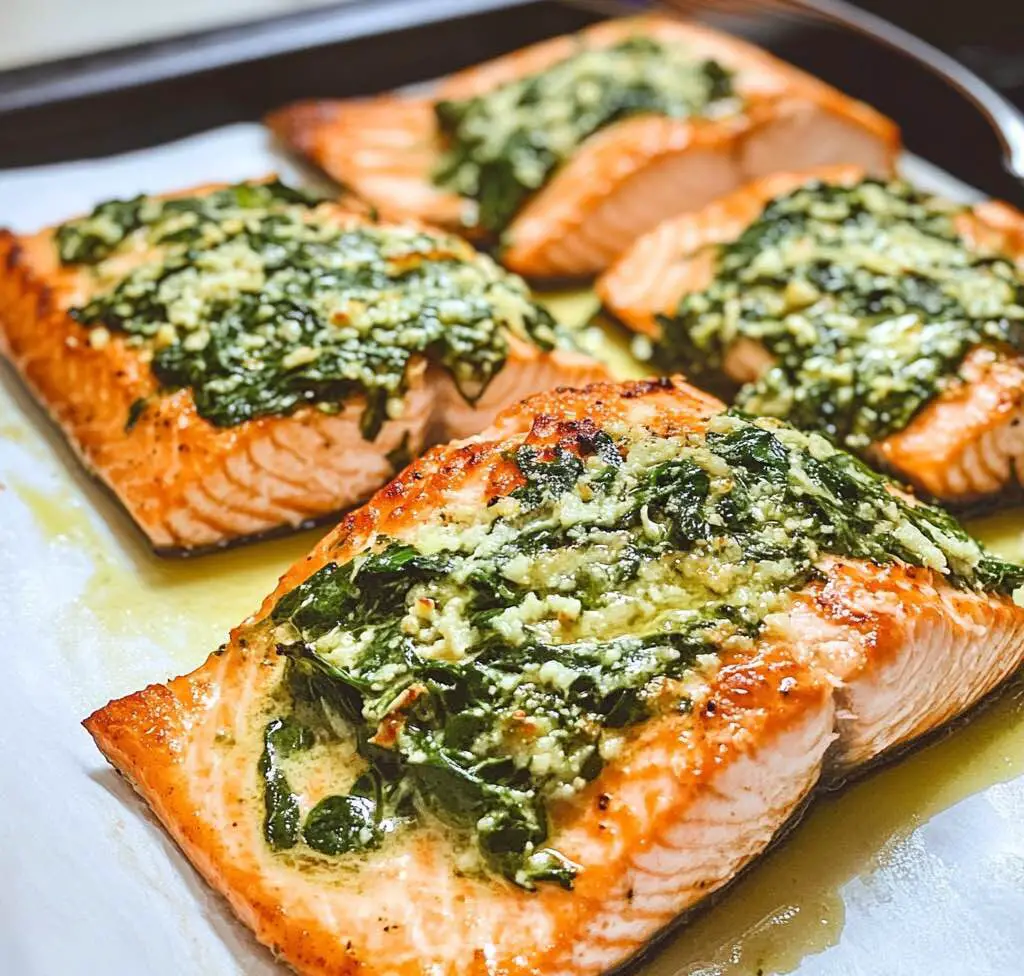
Spinach Stuffed Salmon: A Delicious and Healthy Dinner Recipe
Spinach stuffed salmon transforms ordinary salmon fillets into an elegant, restaurant-quality meal that’s surprisingly easy to prepare at home. This recipe combines tender, flaky salmon with a creamy spinach filling that delivers impressive flavor and nutrition in every bite. Whether preparing a weeknight dinner or entertaining guests, spinach stuffed salmon offers a sophisticated dish that takes just 30 minutes from start to finish.
Table of Contents
-
Why Spinach Stuffed Salmon is Perfect for Any Occasion
-
Health Benefits of Salmon and Spinach
-
Essential Ingredients for the Perfect Stuffed Salmon
-
Step-by-Step Preparation Guide
-
Cooking Methods and Temperatures
-
Expert Tips for Restaurant-Quality Results
-
Serving Suggestions and Side Dishes
-
Storage and Meal Prep Guidelines
-
Common Mistakes to Avoid
-
Frequently Asked Questions
-
Conclusion
Why Spinach Stuffed Salmon is Perfect for Any Occasion
This dish stands out as a versatile option that works equally well for casual family dinners and special celebrations. The combination creates a balanced meal that satisfies both taste preferences and nutritional goals. Many home cooks appreciate how spinach stuffed salmon appears impressive while requiring minimal cooking skills.
The creamy filling contrasts beautifully with the rich salmon flavor. Additionally, the preparation allows for customization based on dietary preferences and ingredient availability. Most recipes take under 15 minutes to prep, making this an accessible option for busy schedules.
Quick and Easy Preparation
Unlike complicated recipes that demand advanced techniques, stuffed salmon fillets require only basic kitchen skills. The process involves creating a simple pocket in the fish, preparing a quick filling, and baking until perfectly cooked. Even beginners can achieve professional-looking results on their first attempt.
Impressive Presentation
The visual appeal of this dish makes it ideal for dinner parties and special occasions. When sliced, the green spinach filling creates an attractive contrast against the pink salmon. Guests consistently respond positively to both the appearance and taste.
Health Benefits of Salmon and Spinach
Combining salmon and spinach creates a nutritional powerhouse that delivers multiple health benefits in a single meal. Both ingredients rank among the most nutrient-dense foods available, offering complementary vitamins and minerals that support overall wellness.
Omega-3 Fatty Acids for Heart Health
Salmon provides exceptional amounts of omega-3 fatty acids, particularly DHA and EPA. These essential fats reduce inflammation, lower cholesterol levels, and maintain healthy blood pressure. Research shows that eating salmon regularly decreases the risk of heart attacks, strokes, and abnormal heartbeats.
The body cannot produce these omega-3s naturally. Therefore, getting them from food sources like salmon remains crucial. Just one serving delivers substantial amounts of these critical nutrients.
Protein for Muscle and Bone Health
Both salmon and spinach contribute high-quality protein to this dish. Salmon offers complete protein that helps build muscles, bones, and cartilage. This protein maintains muscle mass while supporting a healthy metabolic rate and bone density.
Protein also promotes satiety, helping maintain healthy eating patterns throughout the day. A typical serving of stuffed salmon provides approximately 30-40 grams of protein.
Vitamins and Minerals Abundance
Spinach contains impressive amounts of vitamins A, C, K, and folate, plus minerals like iron and calcium. When cooked, spinach actually increases the bioavailability of certain nutrients. Cooking reduces oxalates, compounds that can block mineral absorption.
Cooked spinach delivers more absorbable iron (3.57 mg per 100 grams) compared to raw spinach (2.71 mg). The same applies to calcium and antioxidants like beta-carotene.
Antioxidant Protection
Salmon’s pink color comes from astaxanthin, a powerful antioxidant that prevents neurodegenerative, cardiovascular, and inflammatory diseases. Spinach adds additional antioxidants that become more available through cooking.
These antioxidants protect cells from damage and may reduce the risk of certain cancers and cognitive decline. Together, salmon and spinach create exceptional antioxidant benefits.
Brain Function Support
The omega-3 fatty acids in salmon improve brain function and may reduce the risk of dementia and Alzheimer’s disease. Regular consumption supports cognitive health throughout life. Salmon also provides vitamin B12, essential for nerve function.
Essential Ingredients for the Perfect Stuffed Salmon
Creating delicious spinach stuffed salmon requires selecting quality ingredients and understanding how each component contributes to the final dish. The ingredient list remains simple, yet each element plays an important role.
Salmon Selection
Choose fresh or properly frozen salmon fillets that are at least 1 inch thick. Thicker fillets create better pockets for stuffing and maintain moisture during cooking. Look for bright, firm flesh without any fishy odor.
Skin-on fillets work best because the skin helps hold everything together during baking. Many recipes call for 6-8 ounce portions per person. Wild-caught and farm-raised salmon both work well in this preparation.
Spinach Choices
Both fresh and frozen spinach work excellently in stuffed salmon recipes. Fresh baby spinach requires wilting before use, while frozen spinach needs thorough thawing and draining. One 10-ounce package of frozen spinach equals about 5-6 cups of fresh spinach.
Frozen spinach often proves more convenient and cost-effective. However, fresh spinach provides slightly brighter color and fresher flavor. The choice depends on personal preference and availability.
Cheese Components
Most recipes incorporate cream cheese as the base for the filling, creating a rich, creamy texture that binds the ingredients together. Softened cream cheese mixes easily with other components. Many versions also include Parmesan cheese for added flavor depth.
Some variations use mascarpone, feta, or Greek yogurt for different flavor profiles. Greek yogurt offers a lighter, tangier option while maintaining creaminess.
Aromatics and Seasonings
Garlic, shallots, and onions provide essential flavor foundation. Fresh garlic delivers the best taste, though garlic powder works in a pinch. Shallots add subtle sweetness that complements both salmon and spinach.
Common seasonings include salt, pepper, Italian seasoning, nutmeg, Old Bay seasoning, and Aleppo pepper. Each brings unique characteristics to the dish.
Optional Flavor Enhancers
Consider adding capers, roasted red peppers, preserved lemon, or sun-dried tomatoes for additional complexity. These ingredients introduce bright, tangy notes that enhance the overall flavor profile.
A topping of breadcrumbs mixed with melted butter and Parmesan creates a golden, crunchy finish. This optional element adds textural contrast to the tender fish.
Step-by-Step Preparation Guide
Following a systematic approach ensures consistently excellent results when making spinach stuffed salmon. Each step builds upon the previous one to create a perfectly executed dish.
Preparing the Filling
Start by handling the spinach according to its form. For frozen spinach, thaw it completely under hot running water, then drain and squeeze out all excess moisture. This step prevents a watery filling. Place the spinach in a medium bowl.
For fresh spinach, heat a small amount of olive oil in a pan over medium heat. Add aromatics like shallots or garlic, then add the spinach and cook until wilted. Transfer to a strainer and press out excess liquid before chopping.
Mix the prepared spinach with softened cream cheese, grated Parmesan, and chosen seasonings. Some recipes include mascarpone for extra richness or Greek yogurt for a lighter option. Stir until well combined and season to taste.
Creating the Salmon Pocket
Pat salmon fillets completely dry with paper towels. This ensures better seasoning adhesion and prevents excess moisture during cooking. Place each fillet skin-side down on a cutting board.
Using a sharp knife, make a horizontal cut along the center of the top side of each fillet. Cut carefully to create a pocket without slicing through the skin or the ends. The pocket should be deep but not completely through the fish.
Stuffing the Fillets
Spoon the spinach mixture into each salmon pocket, dividing the filling equally among all portions. Don’t overstuff, as the filling may leak during cooking. Gently press the filling into the pocket.
Place the stuffed fillets skin-side down on a prepared baking sheet lined with parchment paper. Season the outside of each fillet with salt and pepper. Add any additional seasonings according to preference.
Adding Optional Toppings
For a crunchy finish, mix breadcrumbs with melted butter and Parmesan cheese in a small bowl. Spoon this mixture over the top of each stuffed fillet, pressing gently to help it adhere. This creates a golden, crispy crust during baking.
Alternatively, leave the tops plain or add a squeeze of fresh lemon juice before baking. Both approaches produce delicious results.
Cooking Methods and Temperatures
Proper cooking technique determines the final texture and moisture of spinach stuffed salmon. Understanding temperature and timing prevents both undercooking and drying out the fish.
Oven Baking Method
Preheat the oven to temperatures between 400-450°F, depending on the recipe. Higher temperatures (450°F) work well for quick cooking and browning, while 400°F provides more gentle cooking. Line a rimmed baking sheet with parchment paper or lightly oil it.
Place the prepared salmon on the baking sheet and bake for 12-14 minutes. The exact time depends on the thickness of the fillets and oven temperature. Check for doneness using an instant-read thermometer.
Temperature Guidelines
Insert an instant-read thermometer into the thickest part of the salmon meat, avoiding the filling. The FDA recommends cooking salmon to 145°F, but many chefs prefer 135-140°F for optimal moisture and texture. At these temperatures, the salmon remains tender and slightly translucent in the center.
The fish should flake easily with a fork when properly cooked. Overcooked salmon becomes dry and loses its appealing texture.
Broiling for Extra Browning
Some recipes suggest finishing stuffed salmon under the broiler for 1-2 minutes to achieve extra browning on top. This works particularly well when using a breadcrumb topping. Watch carefully to prevent burning.
Position the oven rack about 6 inches from the broiler element. The high heat quickly creates a golden crust while keeping the salmon interior moist.
Resting Period
After removing salmon from the oven, let it rest for 2-3 minutes before serving. This brief resting period allows juices to redistribute throughout the fish, resulting in moister, more flavorful results.
Transfer the rested salmon carefully to serving plates using a spatula. The skin helps keep everything intact during transfer.
Expert Tips for Restaurant-Quality Results
Achieving professional-level spinach stuffed salmon at home requires attention to several key details. These tips come from experienced cooks and recipe developers.
Moisture Control
The most common mistake involves excess moisture in the filling. Always squeeze spinach thoroughly to remove all possible water. Excess moisture creates a soggy filling that may leak out during cooking.
Use paper towels to pat the salmon completely dry before stuffing. Dry surfaces season better and cook more evenly. This simple step significantly improves the final result.
Ingredient Temperature
Bring cream cheese to room temperature before mixing the filling. Softened cream cheese blends smoothly with other ingredients, creating a uniform consistency. Cold cream cheese forms lumps that resist mixing.
Similarly, let refrigerated salmon sit at room temperature for about 15 minutes before cooking. Fish at room temperature cooks more evenly than cold fish straight from the refrigerator.
Don’t Overstuff
While generous filling seems appealing, overstuffing causes several problems. Too much filling may leak out during cooking, creating a mess on the baking sheet. It also prevents the pocket from closing properly.
Use about 2-3 tablespoons of filling per fillet, depending on size. The pocket should feel comfortably full but not bursting.
Quality Ingredients Matter
Select the freshest salmon available for best flavor and texture. Fresh fish smells like the ocean, not “fishy.” The flesh should be firm and spring back when pressed.
Use real Parmesan cheese rather than pre-grated varieties. Freshly grated cheese melts better and provides superior flavor. The difference becomes noticeable in the final dish.
Customization Options
Feel free to adjust seasonings to match personal preferences. Mediterranean versions include ingredients like capers, preserved lemon, and roasted red peppers. Italian-style preparations use Italian seasoning and sun-dried tomatoes.
Experiment with different cheeses such as feta, goat cheese, or mascarpone. Each creates a unique flavor profile while maintaining the creamy texture.
Serving Suggestions and Side Dishes
Pairing spinach stuffed salmon with complementary sides creates a complete, balanced meal. The right accompaniments enhance the salmon without overwhelming its delicate flavors.
Vegetable Sides
Roasted vegetables make excellent companions to stuffed salmon. Consider roasted asparagus, Brussels sprouts, green beans, or broccoli. These vegetables match well with the rich salmon and creamy filling.
Sautéed vegetables like zucchini, bell peppers, or cherry tomatoes add color and freshness to the plate. Quick cooking preserves their texture and nutrients.
Starch Options
Simple starches allow the salmon to remain the star of the meal. Options include roasted potatoes, mashed cauliflower, rice pilaf, or quinoa. Each provides satisfying substance without competing flavors.
For a lower-carb option, cauliflower rice or zucchini noodles work beautifully. These alternatives keep the meal light while adding variety.
Salad Pairings
A fresh green salad with a light vinaigrette balances the richness of the stuffed salmon. Mixed greens with cucumber, tomatoes, and a lemon vinaigrette complement the dish perfectly.
Mediterranean-style salads with olives, cucumbers, and red onion echo the flavors in versions using capers and roasted peppers.
Sauce and Garnishes
While spinach stuffed salmon needs no sauce, some diners enjoy additional accompaniments. Fresh lemon wedges for squeezing provide brightness. A light dill sauce or garlic aioli adds extra richness.
Fresh herbs like parsley, dill, or chives make attractive garnishes that add subtle flavor. Sprinkle them over the plated dish just before serving.
Storage and Meal Prep Guidelines
Proper storage techniques extend the life of spinach stuffed salmon while maintaining quality and safety. Understanding these methods enables efficient meal planning.
Refrigerator Storage
Store leftover cooked spinach stuffed salmon in an airtight container in the refrigerator. Properly stored, it remains safe to eat for 3-4 days. Place parchment paper between pieces if stacking to prevent sticking.
Let cooked salmon cool to room temperature before refrigerating, but don’t leave it out longer than 2 hours. Quick cooling prevents bacterial growth.
Freezing Options
Unbaked stuffed salmon freezes well for future meals. Prepare the salmon through the stuffing step, then wrap each piece tightly in plastic wrap and aluminum foil. Freeze for up to 3 months.
To cook from frozen, add 5-7 minutes to the baking time. Alternatively, thaw overnight in the refrigerator before cooking as directed.
Reheating Methods
Reheat leftover salmon gently to prevent drying out. The oven method works best: place salmon in a baking dish, cover with foil, and warm at 275°F for about 15 minutes. Add a tablespoon of broth or water to create steam.
Microwave reheating works for quick meals. Use 50% power in 30-second intervals until heated through. Cover with a damp paper towel to maintain moisture.
Meal Prep Strategies
Prepare the filling up to 2 days ahead and store in the refrigerator. This reduces cooking day work to simply stuffing and baking the salmon. The filling may thicken when cold; let it sit at room temperature for easier spreading.
Cut salmon pockets the night before and store the prepared fillets in the refrigerator. Cover tightly with plastic wrap to prevent drying.
Common Mistakes to Avoid
Learning from common errors helps achieve better results when making spinach stuffed salmon. Awareness of these pitfalls prevents disappointment.
Overcooking the Salmon
The most frequent mistake involves cooking salmon too long. Overcooked salmon becomes dry and loses its tender, flaky texture. Use a thermometer to check doneness rather than relying on cooking time alone.
Remember that salmon continues cooking slightly after removal from the oven. Take it out when it reaches 135-140°F for perfect results.
Inadequate Draining
Failing to remove excess water from spinach creates a watery filling that leaks during cooking. Always squeeze spinach thoroughly using paper towels or a clean kitchen towel. The spinach should feel nearly dry.
For fresh spinach, strain it after wilting and press firmly to extract all liquid. This extra step makes a significant difference.
Wrong Salmon Thickness
Using thin salmon fillets makes creating adequate pockets difficult. Fillets under 1 inch thick may split or tear when cut. Choose thicker pieces that can accommodate stuffing without falling apart.
Thicker fillets also maintain moisture better during cooking. They provide more margin for error in timing.
Cutting Through the Skin
When creating the pocket, cutting completely through the skin or ends causes filling to escape. Make the cut carefully, keeping it shallow enough to create a pocket while maintaining structural integrity.
A sharp knife makes this process easier and safer. Dull knives require more pressure and increase the risk of cutting too deep.
Skipping the Rest Period
Cutting into salmon immediately after removing it from the oven causes juices to run out. The brief resting period allows juices to redistribute, keeping the fish moist when served.
Patience during this final step rewards with juicier, more flavorful salmon.
Frequently Asked Questions
Can I use different types of salmon for this recipe?
Yes, all salmon varieties work well for stuffing, including Atlantic, sockeye, coho, and king salmon. Each type offers slightly different flavor and fat content. King salmon provides the richest taste, while sockeye offers a firmer texture.
How do I know when spinach stuffed salmon is done cooking?
The most reliable method uses an instant-read thermometer inserted into the thickest part of the salmon (not the filling). Salmon is done at 135-140°F for optimal moisture and texture. The fish should also flake easily with a fork.
Can I prepare spinach stuffed salmon ahead of time?
Absolutely. Prepare the filling up to 2 days in advance and store it covered in the refrigerator. Stuff the salmon the day of cooking or prepare completely and refrigerate for up to 4 hours before baking. Unbaked stuffed salmon also freezes well for up to 3 months.
What can I substitute for cream cheese in the filling?
Several alternatives work well, including mascarpone for extra richness, Greek yogurt for a lighter option, or a combination of ricotta and Parmesan. Each provides creaminess while offering different flavors and textures.
Is it better to use fresh or frozen spinach?
Both options work excellently. Frozen spinach offers convenience and consistent quality, while fresh spinach provides brighter color and slightly fresher flavor. The key with either type involves removing all excess moisture before mixing into the filling.
Can I make this recipe dairy-free?
Yes, substitute dairy-free cream cheese and nutritional yeast for Parmesan. The filling won’t be quite as creamy but will still taste delicious. Consider adding extra garlic and lemon juice to boost flavor.
Why is my filling leaking out during cooking?
Leaking usually results from overstuffing the salmon or cutting the pocket too large. Use moderate amounts of filling and ensure the pocket doesn’t extend through the skin or to the ends. Excess moisture in the spinach can also cause leaking.
How many servings does this recipe make?
Most recipes serve 4 people when using four 6-8 ounce salmon fillets. Adjust quantities based on the number of diners and appetite. The recipe scales easily for larger or smaller groups.
Conclusion
Spinach stuffed salmon delivers an impressive combination of flavor, nutrition, and visual appeal that works for any occasion. This dish brings together two nutritional powerhouses—omega-3-rich salmon and vitamin-packed spinach—in a preparation that’s both elegant and accessible. The creamy filling complements the tender fish perfectly, creating a restaurant-quality meal achievable in any home kitchen.
The straightforward preparation requires minimal cooking skills yet produces consistently excellent results. From weeknight dinners to special celebrations, spinach stuffed salmon adapts to various settings while maintaining its sophisticated character. The recipe’s flexibility allows for customization based on personal preferences, dietary needs, and available ingredients.
By following proper techniques for moisture control, temperature management, and ingredient selection, anyone can create this delicious dish. The nutritional benefits extend beyond taste, supporting heart health, brain function, and overall wellness with every serving. Whether served alongside roasted vegetables, fresh salads, or simple starches, spinach stuffed salmon creates a complete, satisfying meal.
Ready to try this delicious recipe? Check out our guide on selecting the best salmon at your local market, and explore more healthy fish recipes that combine nutrition with exceptional taste. Start creating your own restaurant-quality meals tonight with spinach stuffed salmon.
Print
Spinach Stuffed Salmon
Description
Spinach Stuffed Salmon
Ingredients
-
4 salmon fillets (about 6 oz each)
-
Salt and black pepper, to taste
-
1 teaspoon garlic powder
-
1 teaspoon paprika
-
1 tablespoon olive oil
For the creamy spinach filling:
-
1 tablespoon butter
-
2 cups fresh spinach, chopped
-
2 cloves garlic, minced
-
2 tablespoons cream cheese
-
¼ cup grated Parmesan cheese
-
¼ cup shredded mozzarella cheese
-
Salt and pepper, to taste
Optional drizzle (for extra richness):
-
1 tablespoon melted butter + juice of ½ lemon
🔪 Instructions
1. Prepare the Salmon
-
Pat salmon fillets dry and season both sides with salt, pepper, garlic powder, and paprika.
-
Using a sharp knife, carefully slice a pocket lengthwise in the thickest part of each fillet — do not cut all the way through.
2. Make the Creamy Spinach Filling
-
In a skillet, melt butter over medium heat.
-
Add garlic and sauté for about 30 seconds until fragrant.
-
Add chopped spinach and cook until wilted (1–2 minutes).
-
Stir in cream cheese, Parmesan, and mozzarella until creamy and combined.
-
Season with salt and pepper, then remove from heat and let cool slightly.
3. Stuff the Salmon
-
Spoon the creamy spinach mixture into each salmon pocket.
-
Press gently to close — you can secure with toothpicks if needed.
4. Cook the Salmon
Option 1: Pan-seared & baked (best flavor)
-
Heat olive oil in a large oven-safe skillet over medium-high heat.
-
Sear salmon for 3–4 minutes per side until golden.
-
Transfer to a preheated oven (375°F / 190°C) and bake for 8–10 minutes, or until the salmon flakes easily with a fork.
Option 2: Pan only
-
Cover and cook on low for 8–10 minutes after searing until fully cooked.
5. Add Finishing Touches
Drizzle with melted butter and a squeeze of fresh lemon juice before serving.