
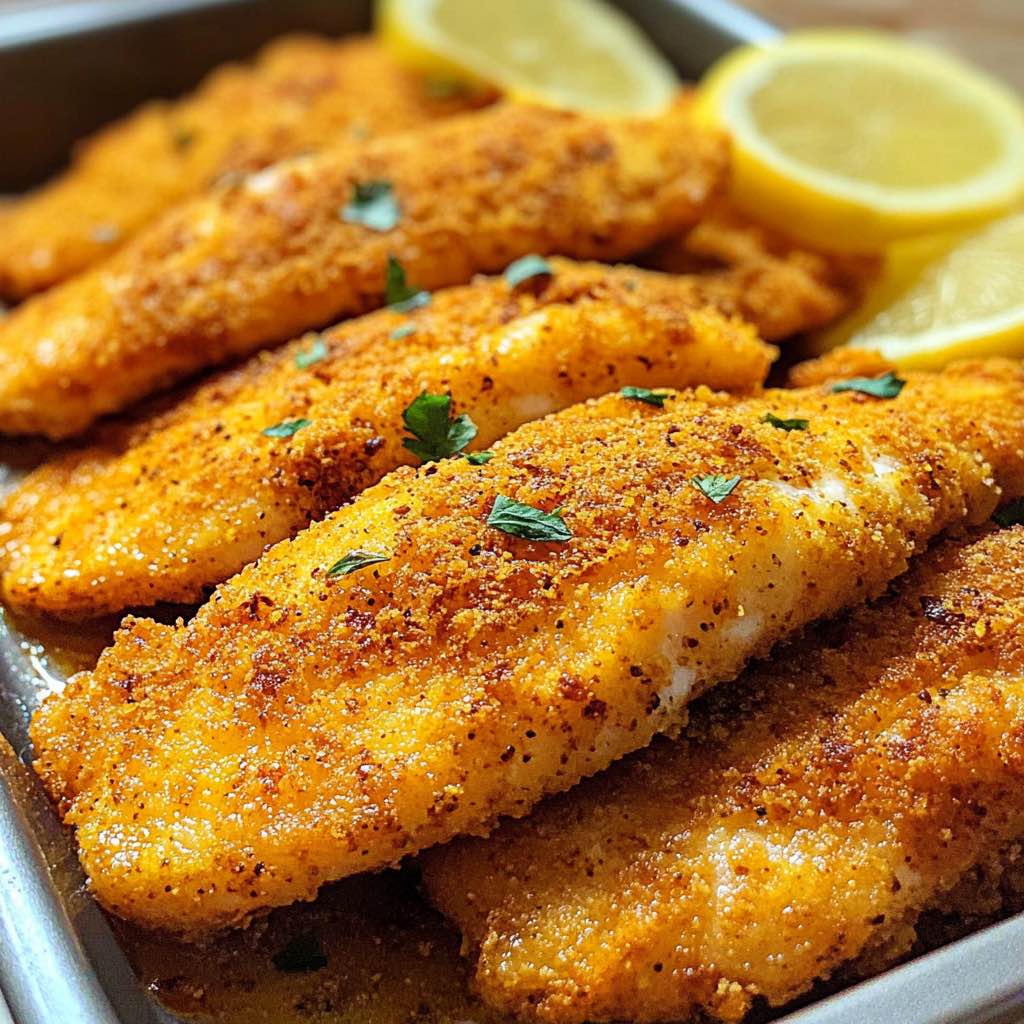
Spicy Oven-Fried Catfish: A Healthier Take on Southern Comfort Food
Spicy oven-fried catfish delivers all the crispy, golden-brown goodness of traditional fried catfish without the excess oil and calories. This healthier cooking method transforms mild catfish fillets into a crunchy, flavorful dish that’s perfect for weeknight dinners or weekend gatherings. Moreover, baking instead of deep frying reduces fat content significantly while maintaining that beloved Southern-style texture.
Why Choose Oven-Fried Catfish
Oven-fried catfish offers numerous advantages over traditional deep-frying methods. First, it contains significantly fewer calories and less fat compared to deep-fried versions. A 3.5-ounce serving of breaded and fried catfish contains 229 calories and 13.3 grams of fat, while baking reduces those numbers considerably. Additionally, this method eliminates the mess and safety concerns associated with handling large amounts of hot oil.
Furthermore, oven frying allows better temperature control throughout the cooking process. The consistent heat distribution ensures even cooking and browning on all sides. Finally, this technique accommodates larger batches, making it ideal for feeding families or entertaining guests without standing over a stovetop.
Healthier Without Sacrificing Flavor
The spicy oven-fried preparation maintains the crispy texture and bold flavors that make Southern catfish so beloved. By using cooking spray and a wire rack, the fillets achieve crispiness similar to deep-frying. Moreover, the cornmeal coating creates that signature crunch while allowing the natural sweetness of the catfish to shine through.
Health Benefits of Catfish
Catfish stands out as an exceptionally nutritious seafood choice for health-conscious eaters. This mild white fish provides impressive amounts of lean protein, essential vitamins, and beneficial fatty acids. Therefore, incorporating catfish into regular meal rotation supports overall wellness while satisfying taste preferences.
Nutritional Profile
A 3.5-ounce serving of fresh catfish contains only 105 calories while delivering 18 grams of high-quality protein. This serving provides 32-39% of daily protein needs, making it excellent for muscle building and tissue repair. Additionally, catfish ranks low in sodium with just 50 mg per serving.
Catfish delivers exceptional amounts of vitamin B12, providing up to 121% of the daily value in a single serving. This essential nutrient supports nerve function, red blood cell formation, and brain health. Furthermore, catfish contains 26% of the daily value for selenium, an antioxidant that protects cells from damage.
Heart and Brain Health
Catfish contains omega-3 fatty acids, which support cardiovascular and cognitive function. A standard serving provides approximately 237 mg of omega-3s, meeting 15-20% of adequate intake for adults. These healthy fats help reduce inflammation, regulate blood cholesterol, and lower blood pressure.
Research links regular fish consumption with reduced mortality risk and improved heart health. Additionally, omega-3s benefit brain function and may help with conditions like memory loss and depression. The phosphorus content in catfish also promotes bone strength and prevents osteoporosis.
Low Mercury Levels
The Food and Drug Administration lists catfish among the seafood lowest in mercury content. This makes it a safe choice for frequent consumption, including for children and pregnant women. In contrast, larger fish like swordfish may contain 40 times more mercury than catfish.
Essential Ingredients for Spicy Oven-Fried Catfish
Creating perfectly crispy spicy oven-fried catfish requires the right combination of ingredients. Each component plays a specific role in developing flavor, texture, and that golden-brown appearance. Therefore, selecting quality ingredients ensures the best possible results.
The Fish
Choose approximately 2 pounds of catfish fillets, which typically equals six individual portions. US farm-raised catfish or Delacata catfish work best for this recipe. Fresh fillets should have a mild, sweet smell and firm, moist flesh. Farm-raised catfish often provides consistent quality and texture.
Coating Components
The breading mixture forms the foundation of the crispy exterior. Combine 1½ cups yellow cornmeal with ½ cup all-purpose flour. Cornmeal creates that signature Southern-style crunch, while flour helps the coating adhere properly. This ratio delivers optimal crispiness without becoming too thick or heavy.
Spice Blend
The seasoning transforms mild catfish into a bold, flavorful dish. Mix together 1 tablespoon garlic powder, 1 tablespoon onion powder, 2 teaspoons salt, and 2 teaspoons smoked paprika. Add 2 teaspoons mustard powder, 1 teaspoon black pepper, and ½ to 1 teaspoon cayenne pepper depending on heat preference.
These spices create complex layers of flavor. Smoked paprika adds depth and color, while cayenne provides the signature heat. Mustard powder contributes tangy undertones, and garlic and onion powders build savory foundation notes.
Wet Mixture
The buttermilk mixture helps the breading stick while adding moisture and flavor. Whisk together 1½ cups buttermilk, 2 large eggs, and 2 teaspoons hot sauce. Buttermilk’s acidity tenderizes the fish while promoting better adhesion of the cornmeal coating. Hot sauce, such as Louisiana, Frank’s RedHot, or Crystal, enhances the spicy profile.
Cooking Spray
Olive oil or canola oil cooking spray is essential for achieving crispiness. The spray helps the breading brown and crisp in the oven, mimicking the effects of deep frying. Generously coating all surfaces ensures no dry spots remain.
Step-by-Step Cooking Instructions
Following proper techniques ensures perfectly crispy spicy oven-fried catfish every time. These detailed steps guide you through the preparation and cooking process. Consequently, even novice cooks can achieve restaurant-quality results at home.
Preparation Steps
Begin by preheating the oven to 425°F, which provides the high heat necessary for crispy results. Line a baking sheet with aluminum foil, then place a baking or cooling rack on top. Spray the rack thoroughly with nonstick cooking spray and set aside.
Next, rinse the catfish fillets under cold water and pat them completely dry with paper towels. Removing excess moisture helps the breading adhere better and promotes crisping. Set the prepared fillets aside while assembling the coating stations.
Creating the Coating Station
Place the cornmeal, flour, and all spices into a gallon-size zip-top bag. Seal the bag and shake gently until the ingredients combine evenly. This method ensures consistent distribution of seasonings throughout the breading.
In a large baking dish or pie plate, whisk together the buttermilk, eggs, and hot sauce until fully combined. The eggs should be completely incorporated with no visible streaks. Position this wet mixture next to your cornmeal bag for efficient assembly.
Breading Process
Work in batches of two fillets at a time for best results. First, transfer the catfish to the buttermilk mixture and coat both sides thoroughly. Then, place the moistened fillets into the bag with the cornmeal mixture.
Seal the bag and shake gently to completely cover the catfish pieces in the breading. The coating should adhere evenly across the entire surface. Remove each fillet carefully, allowing excess breading to fall away.
Arranging and Baking
Arrange the breaded catfish fillets on the prepared rack, ensuring they don’t overlap. Overlapping prevents proper air circulation and results in soggy spots. Space the fillets at least one inch apart for optimal browning.
Generously spray the tops of the catfish fillets with cooking spray, ensuring no dry spots remain. This step is crucial for achieving crispiness comparable to deep frying. Transfer the baking sheet to the oven and bake for 25 to 30 minutes.
The catfish is done when the coating turns crispy and golden brown. The internal temperature should reach 145°F for food safety. Serve immediately, garnished with chopped fresh parsley and lemon wedges if desired.
Tips for Extra Crispy Results
Achieving maximum crispiness requires attention to several key techniques. These professional tips help create that perfect crunchy exterior while maintaining moist, flaky fish inside. Therefore, following these guidelines elevates home-cooked catfish to restaurant quality.
Use a Wire Rack
Always cook catfish on a baking or cooling rack rather than directly on the baking sheet. Fish releases liquid as it cooks, and placing it directly on a flat surface results in soggy, mushy texture. The elevated rack allows air circulation underneath, promoting even crisping on all sides.
Proper Oil Application
Generously spray the tops of the breaded fillets with cooking spray before baking. Make absolutely certain no dry spots remain, as unsprayed areas won’t crisp properly. The oil helps the cornmeal coating brown and develop that signature crunch.
Adequate Cooking Time
Allow sufficient time for the catfish to cook completely and crisp thoroughly. Because fish releases moisture during cooking, the full 25 to 30 minutes allows liquid to drain and the coating to dry out and crisp. Resist the temptation to remove the fish early, even if it looks golden.
High Oven Temperature
Baking at 425°F provides the intense heat needed for crispy results. Lower temperatures won’t crisp the coating effectively, resulting in a softer texture. Some recipes even recommend 475°F for faster cooking and extra crunch.
Don’t Overcrowd
Leave adequate space between fillets on the baking rack. Overcrowding traps steam and prevents proper air circulation. This leads to uneven cooking and reduced crispiness.
Pat Fish Dry
Thoroughly drying the catfish fillets before coating is essential. Excess moisture prevents the breading from adhering properly and introduces extra liquid that inhibits crisping. Use paper towels to remove all surface moisture.
Seasoning Variations and Customizations
Spicy oven-fried catfish adapts easily to different flavor preferences and heat levels. These variations allow customization while maintaining the crispy, satisfying texture. Moreover, experimenting with seasonings keeps this dish interesting for regular rotation.
Adjusting Heat Levels
The cayenne pepper amount determines the overall spiciness of the dish. For milder results, use only ½ teaspoon cayenne or omit it entirely. Conversely, adventurous eaters can increase cayenne to 1½ teaspoons or add chipotle powder for smoky heat.
Hot sauce in the buttermilk mixture also contributes heat. Reduce or eliminate it for family-friendly versions. Alternatively, try different hot sauce varieties like habanero or ghost pepper sauce for extreme spiciness.
Different Spice Blends
Cajun seasoning creates authentic Louisiana flavor profiles. Replace the individual spices with 2 to 3 tablespoons of prepared Cajun seasoning for convenience. Popular brands include Zatarain’s, Slap Ya Mama, and Tony Chachere’s.
Old Bay seasoning offers a different coastal flavor with celery salt, mustard, and mace notes. Use 2 tablespoons Old Bay in place of other seasonings for a Maryland-style twist. This variation pairs especially well with tartar sauce and coleslaw.
For Italian-inspired catfish, combine dried herbs like basil, oregano, and thyme with the base seasonings. Add lemon zest to the breading for brightness. These modifications create Mediterranean-style fish suitable for pairing with pasta or vegetables.
Breading Alternatives
While cornmeal provides traditional texture, other options exist for variety. Substitute half the cornmeal with panko breadcrumbs for extra crunch. Crushed cornflakes create exceptionally crispy coating with different texture.
For gluten-free versions, use certified gluten-free cornmeal and replace the flour with rice flour or cornstarch. The coating will be slightly different but still delicious. Almond flour works for low-carb or keto adaptations, though the texture varies considerably.
Fish Substitutions
This recipe works well with other mild white fish varieties. Flounder, cod, and tilapia all substitute successfully for catfish. Each fish brings slightly different flavor and texture while accepting the same spicy coating.
Adjust cooking time based on fillet thickness. Thinner fish like tilapia may cook in 20 minutes, while thicker cod might require 30 to 35 minutes. Check for doneness by flaking with a fork rather than relying solely on time.
Perfect Side Dishes to Serve
Traditional Southern accompaniments complement spicy oven-fried catfish beautifully. These classic pairings create complete, satisfying meals that honor regional culinary traditions. Additionally, the side dishes balance the richness and spiciness of the fish.
Classic Southern Sides
Southern coleslaw provides cool, creamy contrast to spicy catfish. The tangy cabbage salad cuts through richness while adding refreshing crunch. Creamy versions with mayonnaise-based dressing work best for this pairing.
Hushpuppies are essential for authentic fish fry experiences. These deep-fried cornmeal balls complement the catfish perfectly. Their slightly sweet flavor and crispy exterior make them irresistible alongside spicy fish.
Southern-style mac and cheese adds comfort and substance to the meal. The creamy, cheesy pasta balances the heat from the spicy coating. Baked versions with crispy breadcrumb toppings provide textural contrast.
Starchy Accompaniments
French fries remain a popular choice for fish dinners. Their crispy exterior and fluffy interior pair naturally with fried or oven-fried fish. Season with Cajun spices to match the catfish’s flavor profile.
Surprisingly, spaghetti with meat sauce is traditional at many Southern Black family fish fries. While unconventional elsewhere, this combination is beloved in certain regions. The hearty pasta provides filling substance for large gatherings.
Southern buttermilk cornbread complements catfish perfectly with its slight sweetness and tender crumb. Serve warm with butter for an authentic touch. The cornbread echoes the cornmeal coating on the fish.
Vegetable Options
Southern baked beans add sweet, smoky flavors that contrast beautifully with spicy fish. The molasses-based sauce provides depth and complexity. Slow-cooked beans develop rich flavor that stands up to bold seasonings.
Southern fried apples offer an unexpected but delicious pairing. The cinnamon-spiced fruit provides sweetness that tempers the cayenne heat. This combination demonstrates the Southern preference for sweet-savory contrasts.
Fresh lemon wedges are essential for serving with catfish. A squeeze of bright citrus juice enhances the fish’s flavor while cutting through richness. The acidity balances the fried elements perfectly.
Sauces and Condiments
Tartar sauce is the classic accompaniment for fried fish of all types. The creamy, tangy sauce with pickle relish complements mild catfish excellently. For more information on making homemade condiments, check out our guide on [insert link].
Remoulade sauce provides Louisiana-style flavor with its spicy, mustard-based profile. New Orleans versions include paprika, cayenne, and herbs. This pink sauce enhances the Cajun character of spicy catfish.
Mississippi comeback sauce offers another Southern option with its unique blend of mayonnaise, chili sauce, and seasonings. The tangy, slightly spicy sauce works beautifully for dipping. Its versatility makes it suitable for fish, vegetables, and fries alike.
Storing and Reheating Instructions
Proper storage maintains the quality and safety of leftover spicy oven-fried catfish. Following these guidelines ensures the fish remains delicious for later meals. Moreover, correct reheating techniques restore crispiness effectively.
Refrigeration
Allow cooked catfish to cool to room temperature before storing. Transfer the fillets to an airtight container, placing parchment paper between layers to prevent sticking. Refrigerate for up to 3 days for best quality and food safety.
Avoid leaving cooked fish at room temperature for more than 2 hours. Bacteria multiply rapidly at temperatures between 40°F and 140°F. Therefore, prompt refrigeration prevents foodborne illness.
Freezing Options
While possible, freezing compromises the breading’s crispiness somewhat. For freezing, wrap individual fillets tightly in plastic wrap, then aluminum foil. Place wrapped fillets in freezer bags and freeze for up to 2 months.
Label packages with the date to track storage time. Thaw frozen catfish overnight in the refrigerator rather than at room temperature. Never refreeze previously thawed fish.
Reheating for Crispiness
The oven or toaster oven provides the best reheating method for maintaining crispy texture. Preheat the oven to 375°F and place fillets on a wire rack over a baking sheet. Reheat for 10 to 15 minutes until warmed through and crispy.
Avoid microwaving leftover catfish, as this creates soggy, rubbery texture. The microwave steams the fish, destroying the crispy coating entirely. If absolutely necessary, microwave on reduced power and expect compromised results.
Air fryers work excellently for reheating breaded fish. Set the temperature to 350°F and reheat for 5 to 7 minutes. The circulating air crisps the coating while warming the fish evenly.
Frequently Asked Questions
Can I make spicy oven-fried catfish ahead of time?
The catfish tastes best when served immediately after baking for maximum crispiness. However, you can prepare the cornmeal breading mixture in advance and store it in an airtight container in a cool, dry place. Bread the fillets just before baking for optimal results.
What makes oven-fried catfish crispy without deep frying?
Several factors contribute to crispiness without oil immersion. First, the high oven temperature (425°F) creates intense heat similar to frying. Second, cooking on a wire rack allows air circulation and moisture drainage. Finally, generous cooking spray application helps the breading brown and crisp.
How do I know when the catfish is fully cooked?
The coating should appear crispy and golden brown, typically after 25 to 30 minutes at 425°F. Additionally, the fish should flake easily when tested with a fork. An instant-read thermometer inserted into the thickest part should register 145°F for food safety.
Can I use regular milk instead of buttermilk?
Buttermilk is preferred for its acidity and flavor, which tenderize the fish and help the breading adhere. However, regular milk mixed with 1 tablespoon of lemon juice or vinegar per cup creates an acceptable substitute. Let the mixture sit 5 minutes before using.
Is farm-raised or wild-caught catfish better for this recipe?
Both varieties work well for spicy oven-fried catfish. Farm-raised catfish offers consistent quality, milder flavor, and year-round availability. Wild-caught catfish may have slightly different nutrient profiles and stronger flavor. Choose based on availability and personal preference.
How can I reduce the spiciness for children?
Reduce cayenne pepper to ¼ teaspoon or omit it entirely for milder versions. Additionally, decrease or eliminate the hot sauce in the buttermilk mixture. The remaining seasonings still provide plenty of flavor without excessive heat.
What’s the best way to prevent the breading from falling off?
Properly coating the fish in the buttermilk mixture before breading is essential. Make sure the fish is completely dry before starting, as moisture prevents adhesion. Press the cornmeal mixture gently into the fillets to ensure it sticks. Finally, allow breaded fish to rest 5 minutes before baking for better adherence.
Conclusion
Spicy oven-fried catfish delivers all the flavor and texture of traditional Southern fried fish with significantly fewer calories and less fat. This healthier preparation method uses high heat, a wire rack, and cooking spray to achieve crispy, golden-brown results that rival deep frying. The combination of cornmeal coating and bold spices creates a delicious meal that satisfies cravings while supporting nutritional goals.
With its impressive nutritional profile featuring lean protein, omega-3 fatty acids, and vitamin B12, catfish deserves a regular place in weekly meal plans. The oven-frying technique makes preparing this Southern staple accessible for any home cook. Whether serving for family dinners or special gatherings, spicy oven-fried catfish consistently impresses with its crispy coating and flavorful kick.
Ready to experience crispy, flavorful catfish without the deep fryer? Try this spicy oven-fried catfish recipe tonight and discover how easy it is to create restaurant-quality results at home.
Spicy Oven-Fried Catfish
Description
Spicy Oven-Fried Catfish
Ingredients
-
4 catfish fillets
-
1 cup buttermilk
-
1 teaspoon hot sauce (or more to taste)
-
1 cup cornmeal
-
½ cup all-purpose flour
-
1 teaspoon paprika
-
1 teaspoon garlic powder
-
½ teaspoon onion powder
-
1 teaspoon cayenne pepper (adjust to heat level)
-
½ teaspoon salt
-
½ teaspoon black pepper
-
Cooking spray or 2 tablespoons melted butter
🔪 Instructions
1. Marinate the Catfish
-
In a shallow dish, whisk together buttermilk and hot sauce.
-
Add the catfish fillets and let them soak for at least 30 minutes (or up to 2 hours in the fridge).
2. Prepare the Coating
-
In another shallow bowl, mix cornmeal, flour, paprika, garlic powder, onion powder, cayenne, salt, and pepper.
-
Remove each fillet from the buttermilk, letting the excess drip off, then dredge in the cornmeal mixture until well coated.
3. Oven-Fry the Catfish
-
Preheat oven to 425°F (220°C).
-
Line a baking sheet with parchment paper and lightly grease it with cooking spray or melted butter.
-
Arrange the coated catfish fillets in a single layer on the sheet.
-
Spray the tops lightly with cooking spray (for extra crispiness).
-
Bake for 15–20 minutes, flipping halfway through, until golden brown and crispy.