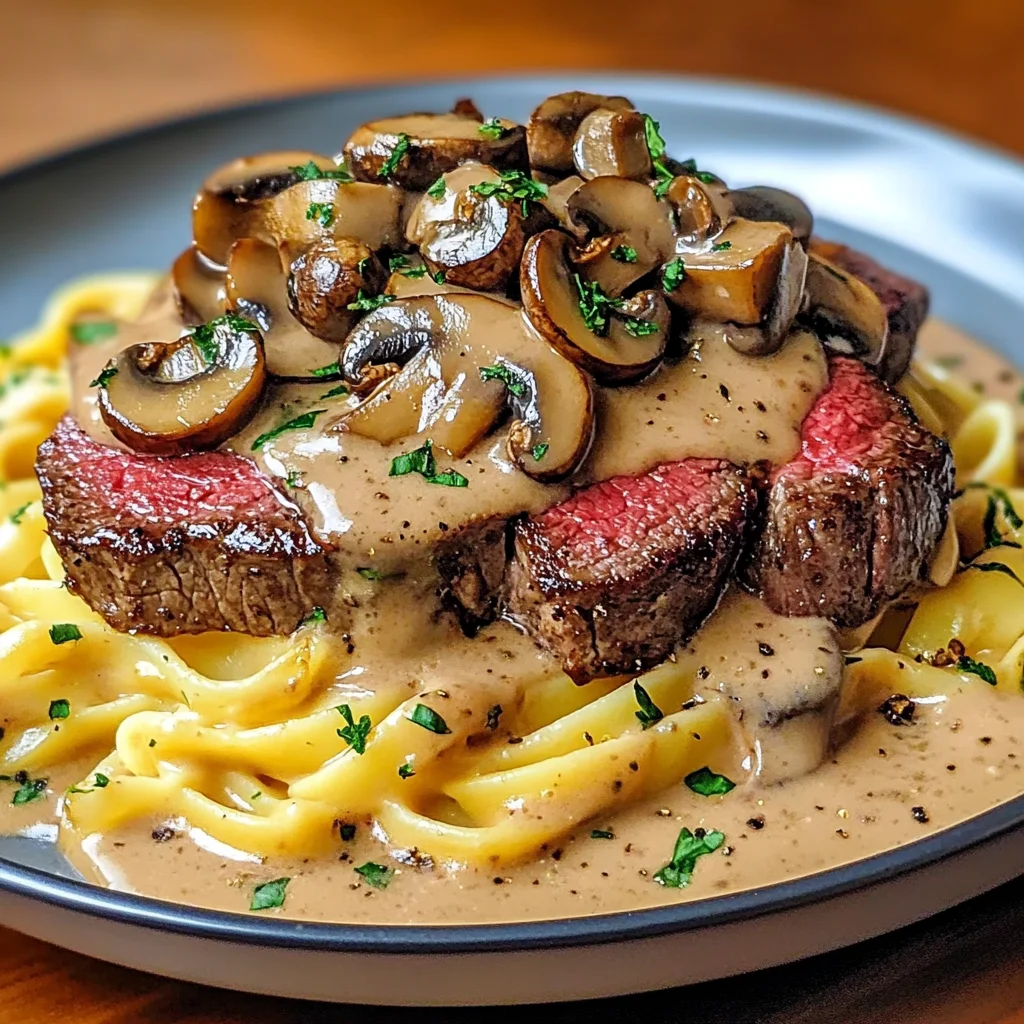
Steak with Mushroom Sauce on Pasta: A Rich and Satisfying Comfort Meal
Imagine twirling perfectly cooked pasta coated in a velvety mushroom sauce, topped with tender slices of juicy steak. This steak with mushroom sauce on pasta combines three beloved ingredients into one restaurant-quality dish you can master at home. Whether you’re planning a special dinner or craving comfort food with a gourmet twist, this recipe delivers incredible flavor without requiring professional culinary skills. The earthy mushrooms, savory steak, and silky sauce create a harmony that transforms ordinary pasta night into something extraordinary.
Why Steak with Mushroom Sauce on Pasta Works So Well
The combination of steak, mushrooms, and pasta creates a balanced meal that satisfies multiple cravings simultaneously. Each component brings distinct qualities to the plate.
The Protein Powerhouse
Steak provides high-quality protein and essential nutrients like iron and B vitamins. The meat’s rich, savory flavor serves as the dish’s anchor. When sliced thin and arranged over pasta, it becomes more approachable than a traditional steak dinner. This presentation stretches the protein across the entire meal, making it both economical and elegant.
Umami-Rich Mushroom Sauce
Mushrooms contain natural glutamates that enhance savory flavors. When cooked properly, they release moisture that forms the base of the sauce. The earthy notes complement beef beautifully while adding depth without heaviness. Mushrooms also provide beneficial nutrients including selenium, vitamin D, and antioxidants.
The Perfect Canvas
Pasta serves as the ideal foundation for this dish. It absorbs the flavorful sauce while providing satisfying carbohydrates. The neutral taste allows the steak and mushrooms to shine. Additionally, pasta creates visual appeal when properly plated, elevating the entire presentation.
Choosing the Right Steak Cut
Selecting the appropriate cut significantly impacts your final result. Different cuts offer varying levels of tenderness, flavor, and cooking speed.
Top Recommended Cuts
Ribeye stands out as the premier choice for this preparation. The marbling ensures tenderness and flavor even when sliced thin. The fat content keeps the meat juicy throughout cooking.
Sirloin offers excellent value with good flavor and reasonable tenderness. It works particularly well for those seeking a leaner option. The firmer texture holds up nicely when sliced.
Tenderloin provides unmatched tenderness but costs considerably more. This cut requires minimal cooking time and virtually melts in your mouth. Reserve it for special occasions.
Strip steak delivers robust beef flavor with moderate marbling. It slices beautifully and maintains texture when combined with pasta and sauce.
Cuts to Avoid
Tougher cuts like chuck or round require extended cooking times and don’t suit this quick-cooking preparation. Similarly, very thin cuts like flank can overcook easily when seared.
Thickness Matters
Aim for steaks between three-quarters and one inch thick. This thickness allows proper searing while maintaining a pink center. Thinner steaks overcook quickly, while thicker cuts require longer cooking that may dry the exterior.
Best Pasta Shapes for This Dish
The pasta shape influences how well the sauce clings and how the steak integrates with each bite. Consider these options carefully.
Ribbon Pastas
Fettuccine represents the classic choice for creamy sauces. The wide, flat noodles capture sauce beautifully and pair elegantly with sliced steak. Many consider this the gold standard for steak and mushroom preparations.
Pappardelle offers even wider ribbons that create a luxurious mouthfeel. These broad noodles make a bold statement on the plate.
Tagliatelle provides a slightly narrower alternative to fettuccine while maintaining similar sauce-holding capabilities.
Tube Pastas
Penne works wonderfully when the sauce includes chunky mushroom pieces. The ridged exterior helps sauce adhere, while the hollow center traps flavorful bits.
Rigatoni provides larger tubes that stand up well to hearty sauces. The substantial size complements generous steak portions.
Other Excellent Options
Campanelle features ruffled edges that catch sauce exceptionally well. This flower-shaped pasta adds visual interest.
Gemelli twists create numerous surfaces for sauce adhesion while remaining easy to eat.
Mushroom Varieties That Elevate the Sauce
Different mushrooms contribute unique flavors and textures to your sauce. Mixing varieties often produces the most complex results.
Cremini Mushrooms
Also called baby bellas, cremini mushrooms offer deeper flavor than white button mushrooms. They’re widely available and affordable. The firm texture holds up well during cooking. Use these as your base variety.
Shiitake Mushrooms
These add intense umami flavor and meaty texture. Remove the tough stems before slicing. Shiitakes bring an almost smoky quality that enhances beef beautifully. They cost more but deliver exceptional taste.
Portobello Mushrooms
Large portobellos provide substantial texture and robust flavor. Dice them for the sauce or slice thin for more delicate presentation. Their size makes preparation easy.
Oyster Mushrooms
These delicate mushrooms contribute subtle flavor and interesting texture. They cook quickly and add visual appeal with their unique shape. Use them as an accent rather than the primary mushroom.
White Button Mushrooms
The most economical option works perfectly well. While milder than other varieties, they still contribute good flavor and texture. Many home cooks prefer them for everyday meals.
Essential Ingredients and Kitchen Tools
Core Ingredients
-
1 pound quality steak (your preferred cut)
-
1 pound pasta
-
1 pound mixed mushrooms, sliced
-
4 tablespoons butter, divided
-
2 tablespoons olive oil
-
4 cloves garlic, minced
-
2 cups beef broth
-
1 cup heavy cream
-
2 tablespoons all-purpose flour
-
Fresh thyme (1 tablespoon) or dried (1 teaspoon)
-
Salt and black pepper to taste
-
Fresh parsley for garnish
-
Grated Parmesan cheese
Kitchen Equipment Needed
A large skillet or sauté pan (12-inch minimum) allows proper browning without crowding. Cast iron works exceptionally well for searing steak. A large pot for boiling pasta should hold at least 6 quarts. Sharp knives ensure clean cuts through both meat and mushrooms. Tongs help flip steak and toss pasta safely. A meat thermometer takes guesswork out of doneness.
Step-by-Step Cooking Instructions
Preparing Your Ingredients
Remove steak from refrigeration 30 minutes before cooking. Room temperature meat cooks more evenly. Pat it completely dry with paper towels, then season generously with salt and pepper on both sides. Slice mushrooms uniformly for even cooking. Mince garlic finely. Measure all ingredients and arrange them near your cooking station.
Cooking the Steak
Heat your skillet over high heat until very hot. Add one tablespoon of olive oil and swirl to coat. Carefully place the steak in the pan without moving it. Sear for 3-4 minutes until a brown crust forms. Flip once and cook another 3-4 minutes for medium-rare. Adjust timing based on thickness and preferred doneness.
Remove steak to a cutting board and tent with foil. Let it rest for 10 minutes minimum. This allows juices to redistribute throughout the meat. Resting prevents juice loss when slicing.
Building the Mushroom Sauce
Reduce heat to medium-high. Add remaining olive oil and two tablespoons of butter to the same pan. The fond (browned bits) from the steak will flavor your sauce. Add mushrooms in a single layer if possible. Let them cook undisturbed for 3-4 minutes until golden.
Stir mushrooms and continue cooking until they release moisture and begin to brown deeply. This takes approximately 8-10 minutes total. Add garlic and thyme, cooking for one minute until fragrant. Season with salt and pepper.
Sprinkle flour over mushrooms and stir to coat evenly. Cook for one minute to eliminate raw flour taste. Pour in beef broth gradually while stirring constantly. According to The Spruce Eats, this technique creates smooth, lump-free sauces.
Bring mixture to a simmer and cook for 5 minutes until slightly thickened. Reduce heat to medium-low and stir in heavy cream. Simmer gently for another 3-4 minutes, stirring occasionally. The sauce should coat the back of a spoon.
Cooking the Pasta
While building your sauce, bring a large pot of salted water to boil. Use approximately one tablespoon of salt per gallon of water. Add pasta and cook according to package directions until al dente. Reserve one cup of pasta cooking water before draining.
Drain pasta but don’t rinse it. The starch coating helps sauce adhere. Add pasta directly to the mushroom sauce. Toss to combine, adding reserved pasta water one tablespoon at a time if needed to achieve desired consistency.
Slicing and Plating
Slice rested steak against the grain into thin strips. Cutting against muscle fibers ensures maximum tenderness. Aim for quarter-inch thickness.
Divide sauced pasta among serving plates or bowls. Arrange steak slices artfully on top of each portion. Drizzle any accumulated steak juices over the meat. Garnish with fresh parsley and grated Parmesan cheese.
Pro Tips for Restaurant-Quality Results
Temperature Control Matters
Hot pans create proper browning. Cold pans lead to steaming instead of searing. Never add cold ingredients to a preheated pan, as this drops temperature dramatically. Similarly, don’t crowd the pan with too many mushrooms at once.
Don’t Skip the Resting Period
Cutting steak immediately after cooking releases precious juices onto the cutting board instead of staying in the meat. Patience during resting makes the difference between dry and juicy steak. The larger the cut, the longer the rest needed.
Build Flavor Layers
Each cooking step adds flavor complexity. The steak fond seasons the mushrooms. The mushroom liquid enriches the sauce. The pasta water adds starch that binds everything together. Rushing through steps produces inferior results.
Quality Ingredients Shine
Since this dish contains relatively few components, each one stands out prominently. Fresh mushrooms outperform old, dried-out ones significantly. Quality beef tastes noticeably better than bargain cuts. Real Parmesan cheese surpasses pre-grated varieties.
Perfect Your Sauce Consistency
The sauce should coat pasta without pooling in the bottom of the bowl. Too thick means adding more broth or pasta water. Too thin requires additional cooking time to reduce. Adjust gradually using small amounts of liquid.
Nutritional Benefits of This Dish
Protein Content
A serving provides approximately 45-50 grams of protein from both steak and pasta. This supports muscle maintenance and keeps you satisfied for hours. Protein also plays crucial roles in immune function and tissue repair.
Essential Minerals
Beef supplies highly bioavailable iron, which prevents anemia and supports oxygen transport. Mushrooms contribute selenium, important for thyroid function and antioxidant protection. The combination provides zinc for immune health.
B Vitamins
Steak contains high amounts of B12, essential for nerve function and red blood cell formation. Mushrooms offer B vitamins including niacin and riboflavin. These nutrients support energy metabolism.
Balanced Macronutrients
This meal provides protein, carbohydrates, and fats in reasonable proportions. The balance prevents blood sugar spikes while delivering sustained energy. Fats from cream and butter aid vitamin absorption.
Portion Control Considerations
One serving typically contains 600-800 calories depending on portions and exact ingredients. The richness means modest portions satisfy effectively. According to Harvard Health Publishing, balancing indulgent meals with lighter options throughout the day supports overall health.
Common Mistakes to Avoid
Overcooking the Steak
Medium-rare to medium produces the most tender, flavorful results. Well-done steak becomes tough and dry, especially when sliced thin. Use a meat thermometer for accuracy. Remove steak at 130-135°F for medium-rare, 140-145°F for medium.
Underseasoning at Each Step
Season steak generously before cooking. Season mushrooms while cooking. Taste and adjust sauce before combining with pasta. Many home cooks use insufficient salt, resulting in flat-tasting dishes.
Overcrowding the Pan
Mushrooms release moisture when cooked. Too many at once creates steam instead of browning. This produces pale, rubbery mushrooms with weak flavor. Cook in batches if necessary for proper caramelization.
Using the Wrong Heat Level
High heat sears steak properly. Medium-high heat browns mushrooms. Medium-low heat simmers sauce without breaking the cream. Adjusting heat throughout cooking produces better results than maintaining one temperature.
Adding Cream Too Soon
Hot pans can break cream sauces, causing separation. Always reduce heat before adding cream. Gentle simmering incorporates cream smoothly without curdling.
Rinsing Cooked Pasta
The starchy coating helps sauce adhere and adds body. Rinsing washes away this beneficial component. Only rinse pasta for cold salads, never for hot dishes.
Serving Suggestions and Pairings
Side Dishes
Garlic bread provides textural contrast and helps sop up extra sauce. Toast thick slices with butter and fresh garlic for best results.
Simple green salad cuts through the richness with acidity and crunch. Use mixed greens with light vinaigrette dressing.
Roasted asparagus adds elegant color and nutritional balance. The slight bitterness complements the rich sauce beautifully.
Sautéed green beans with almonds provide crunch and freshness. They cook quickly and pair wonderfully with beef.
Presentation Ideas
Serve family-style in a large, shallow bowl for casual gatherings. Individual plating works better for formal dinners. Twirl pasta using tongs before plating for restaurant-style presentation. Fan steak slices across the top for visual appeal.
Use fresh herbs liberally for color contrast. The green brightens the brown and cream tones. A light dusting of Parmesan adds textural interest and flavor.
Temperature Considerations
Serve immediately while pasta remains hot and sauce stays creamy. The dish loses appeal as it cools and sauce thickens. Warm serving bowls in a low oven beforehand to maintain temperature longer.
Storage and Reheating Guidelines
Refrigerator Storage
Transfer leftovers to airtight containers within two hours of cooking. Store pasta with sauce and steak separately if possible. This prevents pasta from absorbing too much moisture and becoming mushy. Properly stored, components last 3-4 days refrigerated.
Freezing Options
This dish doesn’t freeze particularly well due to the cream sauce. Cream can separate upon thawing and reheating, creating unappetizing texture. If you must freeze, expect quality degradation. Consume frozen portions within one month.
Reheating Methods
Stovetop method produces best results. Place pasta and sauce in a skillet over medium-low heat. Add splashes of broth or cream to restore moisture. Stir frequently until heated through. Add sliced steak during the last minute to warm without overcooking.
Microwave method works for convenience. Use 50% power to prevent overheating. Stir every minute and add liquid as needed. Cover loosely to prevent drying.
Avoid reheating multiple times, as this degrades quality significantly. Only reheat portions you’ll consume immediately.
Recipe Variations to Try
Lighter Version
Substitute half-and-half for heavy cream to reduce calories and fat. Use whole wheat pasta for added fiber. Reduce butter quantity by half. These modifications create a lighter dish while maintaining good flavor.
Add Vegetables
Incorporate spinach during the last few minutes of sauce cooking. The greens wilt beautifully and add nutritional value. Cherry tomatoes, halved and added with mushrooms, provide acidity and color. Bell peppers contribute sweetness and crunch.
Different Herbs and Seasonings
Replace thyme with rosemary for a more robust, piney flavor. Add crushed red pepper flakes for heat. Incorporate smoked paprika for depth. Fresh sage creates an earthy, autumn-inspired variation.
Sauce Variations
Create a Dijon mustard version by whisking two tablespoons into the finished sauce. This adds tangy complexity. Alternatively, add caramelized onions for sweetness and additional depth. Sun-dried tomatoes contribute bright acidity that balances richness.
Alternative Proteins
Chicken breast works wonderfully with mushroom cream sauce when you prefer poultry. Pork tenderloin provides similar texture to beef with milder flavor. Both cook using the same techniques outlined above.
Frequently Asked Questions
Can I make this steak with mushroom sauce on pasta ahead of time?
You can prepare components separately in advance. Cook and slice the steak up to one day ahead, storing it refrigerated. Make the mushroom sauce earlier in the day and refrigerate. Cook pasta fresh just before serving for best texture. Combine everything during final reheating.
What if I don’t have heavy cream?
Substitute equal parts milk and melted butter for similar richness. Alternatively, use half-and-half, though the sauce will be thinner. For dairy-free versions, try full-fat coconut milk, which provides comparable body and richness.
How do I know when my steak is done?
A meat thermometer provides accuracy. Insert it into the thickest part. Medium-rare registers 130-135°F, medium reads 140-145°F. The touch test works too. Soft and squishy indicates rare, slightly firm means medium-rare, and firm equals well-done.
Can I use dried mushrooms?
Absolutely. Rehydrate dried mushrooms in hot broth or water for 20 minutes before using. Reserve the soaking liquid and add it to your sauce for concentrated mushroom flavor. Dried mushrooms often provide more intense taste than fresh.
Why did my sauce separate?
Excessive heat typically causes cream separation. Always add cream over medium-low heat and never boil vigorously. If separation occurs, remove from heat and whisk in a tablespoon of cold cream. This can sometimes restore the emulsion.
How can I make this dish spicier?
Add crushed red pepper flakes with the garlic. Incorporate cayenne pepper to the sauce. Use hot paprika instead of sweet. Start with small amounts and adjust to taste preference.
Conclusion
This steak with mushroom sauce on pasta represents comfort food at its finest. The combination delivers restaurant-quality results from your home kitchen. By following these detailed instructions and applying the tips provided, you’ll create a memorable meal that impresses family and guests alike. The tender steak, savory mushrooms, and creamy sauce come together beautifully with perfectly cooked pasta.
Remember that practice improves results over time. Your first attempt might not achieve perfection, but each preparation teaches valuable lessons. The techniques you master here apply to countless other recipes. Soon you’ll confidently adjust seasonings, sauce consistency, and cooking times to match your preferences.
Steak with Mushroom Sauce on Pasta
Description
Steak with Mushroom Sauce on Pasta
Ingredients
Steak
• 1 lb sirloin or ribeye steak, sliced into strips
• 1 tbsp olive oil
• Salt & black pepper to taste
• 1 tsp garlic powder
Mushroom Sauce
• 2 tbsp butter
• 8 oz mushrooms, sliced
• 2 cloves garlic, minced
• 1 cup heavy cream
• ½ cup beef broth
• ½ cup grated Parmesan cheese
• 1 tsp Italian seasoning
• Salt & pepper to taste
• Optional: 1 tbsp Worcestershire sauce for deeper flavor
Pasta
• 8 oz fettuccine or penne, cooked and drained
• Optional garnish: parsley
Instructions
-
Season steak strips with salt, pepper, and garlic powder.
-
Heat olive oil in a skillet over medium-high heat. Sear steak until browned and cooked to your liking. Remove and set aside.
-
In the same skillet, melt butter. Add mushrooms and cook until golden and tender.
-
Stir in garlic for about 30 seconds.
-
Pour in heavy cream and beef broth. Add Parmesan and Italian seasoning. Simmer until thick and creamy. Season to taste.
-
Stir the steak back into the sauce to coat everything.
-
Serve over warm cooked pasta and sprinkle with parsley.