
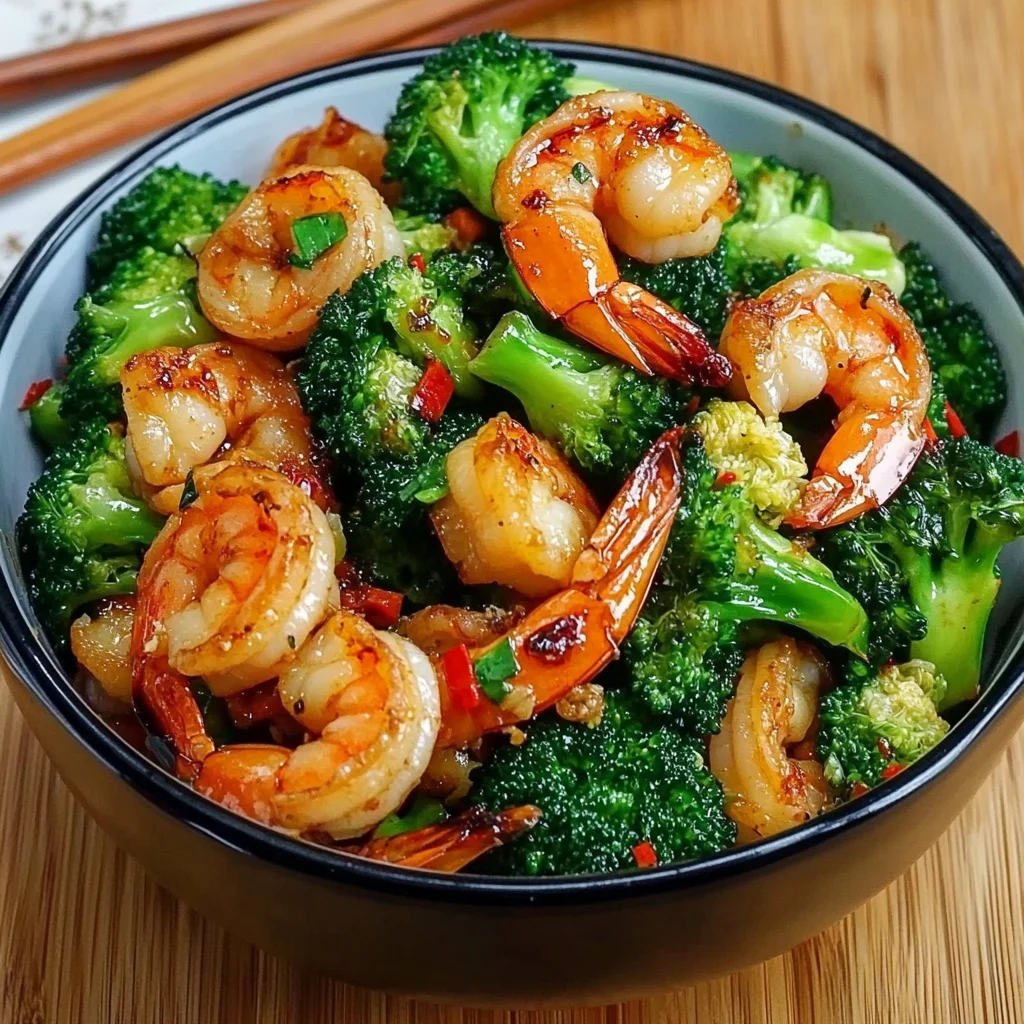
Stir-Fried Shrimp and Broccoli: A Quick and Healthy Weeknight Dinner
Introduction
Stir-fried shrimp and broccoli is a classic Asian-inspired dish that combines succulent seafood with crisp vegetables in a savory sauce. This quick-cooking method delivers a nutritious meal in under 30 minutes, making it perfect for busy weeknights. The combination of tender shrimp and vibrant broccoli florets creates a colorful, protein-packed dinner that rivals your favorite takeout.
This recipe uses simple ingredients and straightforward techniques. Whether you’re new to stir-frying or an experienced home cook, you’ll discover how to achieve that perfect balance of textures and flavors. Plus, this dish is naturally light and healthy, packed with protein, vitamins, and minerals.
In this comprehensive guide, you’ll learn everything from selecting the freshest shrimp to mastering the high-heat cooking technique. We’ll cover ingredient substitutions, flavor variations, and expert tips to help you create restaurant-quality results at home.
Why You’ll Love This Stir-Fried Shrimp and Broccoli Recipe
This shrimp and broccoli stir-fry stands out for several compelling reasons:
Quick Preparation Time
From start to finish, this meal takes just 20-25 minutes. The active cooking time is even shorter, making it ideal when you need dinner on the table fast.
Nutritious and Balanced
Shrimp provides lean protein while broccoli delivers fiber, vitamins C and K, and various antioxidants. Together, they create a well-balanced meal that supports your health goals.
Budget-Friendly Option
Compared to restaurant dining, making this dish at home saves money. Frozen shrimp and fresh broccoli are affordable year-round ingredients.
Customizable Flavors
The basic recipe serves as a canvas for your creativity. You can adjust the sauce’s intensity, add more vegetables, or incorporate different seasonings based on your preferences.
Family-Friendly Appeal
Children and adults alike enjoy the mild, savory flavors. The colorful presentation makes vegetables more appealing to picky eaters.
Meal Prep Compatible
This recipe scales easily and reheats well. Make a double batch for convenient lunches throughout the week.
Essential Ingredients for Perfect Stir-Fried Shrimp and Broccoli
Main Ingredients
Shrimp (1 pound, peeled and deveined)
Fresh or frozen shrimp both work excellently. Choose medium to large shrimp (31-40 count per pound) for the best texture. If using frozen, thaw them completely and pat dry before cooking.
Broccoli Florets (3-4 cups)
Select firm, dark green heads without yellowing. Cut florets into uniform, bite-sized pieces for even cooking. The stems are edible too—peel and slice them thinly.
Sauce Components
Soy Sauce (3 tablespoons)
Use low-sodium soy sauce to control salt levels. This provides the umami base for your sauce. Regular or dark soy sauce works, though dark adds deeper color.
Oyster Sauce (2 tablespoons)
This thick, savory condiment adds richness and complexity. Look for vegetarian versions if preferred. It’s available at most supermarkets in the Asian foods aisle.
Chicken or Vegetable Broth (1/4 cup)
Use low-sodium broth to enhance flavors without oversalting. This helps create the right sauce consistency.
Garlic (4-5 cloves, minced)
Fresh garlic is essential for authentic flavor. Minced garlic in jars works in a pinch, but fresh provides superior taste.
Fresh Ginger (1 tablespoon, grated)
Ginger adds a warm, slightly spicy note that complements seafood perfectly. Peel and grate it finely for even distribution.
Cornstarch (1 tablespoon)
This thickens the sauce and creates a glossy coating. Mix it with cold water before adding to prevent lumps.
Aromatics and Seasonings
Sesame Oil (1 teaspoon)
A small amount goes a long way. Add it at the end for maximum flavor impact. Toasted sesame oil provides a nutty aroma.
White Pepper (1/4 teaspoon)
Traditional in Chinese cooking, white pepper offers subtle heat without visible specks. Black pepper works as a substitute.
Red Pepper Flakes (optional)
Add these for extra heat. Start with 1/4 teaspoon and adjust to your spice tolerance.
Green Onions (3-4 stalks)
Slice these for garnish. They add a fresh, mild onion flavor and beautiful color contrast.
Cooking Oils
Vegetable or Peanut Oil (2-3 tablespoons)
High-heat oils are crucial for proper stir-frying. Peanut oil has a high smoke point and adds subtle flavor. Vegetable, canola, or avocado oil are excellent alternatives.
Kitchen Tools You’ll Need
Essential Equipment
Large Wok or Deep Skillet
A 14-inch wok is ideal for stir-frying. The sloped sides allow for easy tossing and prevent ingredients from spilling. If you don’t have a wok, use your largest, deepest skillet.
Sharp Chef’s Knife
Properly cutting ingredients ensures even cooking. A sharp knife makes prep work faster and safer.
Cutting Board
Use separate boards for raw seafood and vegetables to prevent cross-contamination.
Mixing Bowls
You’ll need several bowls for organizing ingredients before cooking. This preparation technique, called mise en place, makes the actual cooking process smooth.
Measuring Spoons and Cups
Accurate measurements ensure consistent results. Have both liquid and dry measuring tools ready.
Wooden Spoon or Wok Spatula
A flat-edged wooden spatula or metal wok spatula helps you stir and flip ingredients effectively.
Small Bowl for Sauce
Mix your sauce ingredients in advance. This prevents scrambling during the fast-paced cooking process.
Step-by-Step Cooking Instructions
Preparation Phase
Prepare the Shrimp
First, ensure your shrimp are completely thawed if frozen. Remove shells and devein them by making a shallow cut along the back and removing the dark vein. Rinse under cold water and pat completely dry with paper towels. Moisture is the enemy of a good sear, so this step is crucial.
Season the shrimp lightly with a pinch of salt and white pepper. Set aside at room temperature while you prepare other ingredients. This allows for even cooking.
Prep the Broccoli
Wash the broccoli thoroughly. Cut into uniform florets, roughly 1 to 1.5 inches in size. Don’t discard the stems—peel off the tough outer layer and slice them into thin rounds. They add great texture and minimize waste.
Bring a pot of water to boil. Blanch the broccoli for 2 minutes, then immediately transfer to ice water. This preserves the bright green color and partially cooks the broccoli, reducing stir-fry time. Drain thoroughly and set aside.
Create the Sauce
In a small bowl, combine soy sauce, oyster sauce, chicken broth, and cornstarch. Whisk until the cornstarch dissolves completely. Add grated ginger and set aside. Having this ready prevents burning your ingredients while you mix sauce during cooking.
Organize Your Workspace
Arrange all ingredients near your stove. Place the shrimp, blanched broccoli, minced garlic, and prepared sauce within arm’s reach. Have your serving plate ready. Stir-frying happens quickly, so organization is key.
Cooking Process
Heat Your Wok
Place your wok or large skillet over high heat. Let it heat for 2-3 minutes until it’s very hot. You should see a slight shimmer when you add oil. A properly heated wok is essential for achieving that characteristic “wok hei” or breath of the wok flavor.
Stir-Fry the Shrimp
Add 1 tablespoon of oil to the hot wok, swirling to coat the surface. Immediately add the shrimp in a single layer. Don’t overcrowd—cook in batches if necessary. Let them sear without moving for 45-60 seconds until the bottom turns pink and slightly golden.
Flip the shrimp and cook the other side for another 45 seconds. The shrimp should be about 80% cooked—slightly opaque but not fully done. Transfer to a clean plate immediately. They’ll finish cooking later when returned to the wok.
Cook the Aromatics
Add another tablespoon of oil to the wok. Toss in the minced garlic and stir constantly for 15-20 seconds until fragrant. Don’t let it burn—garlic turns bitter quickly over high heat.
Add the Broccoli
Immediately add the blanched broccoli to the wok. Stir-fry for 2-3 minutes, tossing constantly with your spatula. The broccoli should develop some char marks while maintaining its crisp texture. These slightly charred edges add wonderful flavor depth.
Combine and Finish
Return the partially cooked shrimp to the wok with the broccoli. Pour the prepared sauce over everything. Stir quickly to coat all ingredients evenly. The sauce will start to thicken within 30-60 seconds thanks to the cornstarch.
Continue tossing for another 1-2 minutes until the shrimp are completely cooked through (opaque and pink) and the sauce coats everything with a glossy sheen. Remove from heat immediately to prevent overcooking.
Final Touches
Drizzle sesame oil over the finished dish and toss once more. Transfer to your serving plate. Garnish generously with sliced green onions and sesame seeds if desired. Serve immediately while hot.
Pro Tips for Restaurant-Quality Results
Temperature Control
Maintain High Heat Throughout
The single most important factor in successful stir-frying is maintaining consistently high heat. This creates that signature seared flavor and prevents vegetables from becoming soggy. If your ingredients start to steam rather than sizzle, your heat is too low.
Don’t Overcrowd the Wok
Adding too many ingredients at once drops the temperature dramatically. Cook shrimp in batches if necessary. Each piece should have direct contact with the hot surface.
Ingredient Quality
Choose Fresh Shrimp When Possible
While frozen shrimp work well, fresh shrimp have superior texture and flavor. Look for shrimp that smell like clean ocean water, not fishy or ammonia-like. The flesh should be translucent and firm.
Use Day-Old Cooked Rice
If serving over rice, use rice that’s been refrigerated overnight. Freshly cooked rice is too moist and becomes mushy. Day-old rice maintains better texture in stir-fries.
Technique Refinements
Master the Toss
Professional stir-fry chefs use a wrist-flicking motion to toss ingredients. Practice with uncooked rice or beans to develop this skill. It distributes heat evenly and prevents sticking.
Add Sauce at the Right Moment
Pour sauce around the perimeter of the wok, not directly onto ingredients. This allows it to heat and begin thickening before coating everything. It also prevents a sudden temperature drop.
Taste and Adjust
Sample your sauce before serving. Adjust seasoning as needed with additional soy sauce, a pinch of sugar for balance, or more pepper for heat. Every batch of ingredients varies slightly in saltiness.
Texture Perfection
Achieve the Perfect Shrimp Texture
Shrimp are done when they form a “C” shape. Overcooked shrimp curl tightly into an “O” and become rubbery. Remove them from heat at the first sign of opaqueness.
Keep Vegetables Crisp
Blanching broccoli beforehand means it only needs brief stir-frying. This preserves the crisp-tender texture that makes Chinese restaurant vegetables so appealing.
Create Sauce Consistency
The finished sauce should coat ingredients in a thin, glossy layer—not be watery or gloppy. Adjust consistency by adding a bit more broth to thin or cornstarch slurry to thicken.
Nutritional Benefits of Shrimp and Broccoli
Shrimp Nutrition Profile
High-Quality Protein Source
Shrimp provide approximately 24 grams of protein per 3-ounce serving. This complete protein contains all essential amino acids your body needs for muscle maintenance, tissue repair, and enzyme production.
Low in Calories and Fat
With only about 84 calories and 0.3 grams of fat per serving, shrimp are an excellent choice for weight management. The minimal fat content is mostly heart-healthy omega-3 fatty acids.
Rich in Selenium
Shrimp offer significant amounts of selenium, a powerful antioxidant that supports immune function and thyroid health. One serving provides nearly 50% of your daily selenium requirement.
Vitamin B12 and Minerals
These crustaceans contain substantial vitamin B12, essential for nerve function and red blood cell formation. They also provide iron, phosphorus, and zinc in meaningful amounts.
Broccoli Nutritional Advantages
Vitamin C Powerhouse
One cup of cooked broccoli contains more vitamin C than an orange. This antioxidant supports immune health, collagen production, and iron absorption.
Excellent Fiber Source
Broccoli provides both soluble and insoluble fiber, supporting digestive health and promoting feelings of fullness. One serving contains about 2.4 grams of dietary fiber.
Vitamin K Content
This cruciferous vegetable is exceptionally high in vitamin K, crucial for blood clotting and bone health. A single serving exceeds your daily requirement.
Cancer-Fighting Compounds
Broccoli contains sulforaphane and other glucosinolates that research suggests may have protective effects against certain cancers. Cooking methods affect these compounds, so light steaming or stir-frying preserves more benefits than boiling.
Combined Dish Benefits
Balanced Macronutrients
Together, shrimp and broccoli create a meal with lean protein, complex carbohydrates from vegetables, and minimal fat. This balance supports stable blood sugar levels and sustained energy.
Low-Carb Friendly
Without rice or noodles, this dish contains fewer than 15 grams of carbohydrates per serving, making it suitable for low-carb or ketogenic diets.
Anti-Inflammatory Properties
The omega-3s in shrimp combined with broccoli’s antioxidants create an anti-inflammatory meal that may help reduce chronic disease risk.
Flavor Variations and Customization Ideas
Spicy Variations
Szechuan-Style Heat
Add 1-2 teaspoons of Szechuan peppercorns and increase red pepper flakes to 1/2 teaspoon. Include dried red chilies for authentic numbing spiciness. This creates a mouth-tingling sensation characteristic of Szechuan cuisine.
Thai-Inspired Version
Substitute fish sauce for half the soy sauce. Add 1 tablespoon of Thai chili paste and finish with fresh basil leaves. A squeeze of lime juice brightens the flavors considerably.
Korean Gochugaru Twist
Mix 1 tablespoon of gochugaru (Korean red pepper flakes) into the sauce. Add a teaspoon of sesame seeds and finish with a drizzle of honey for sweet heat balance.
Sauce Modifications
Garlic Lover’s Version
Triple the garlic to 12-15 cloves. Add them in two stages—half with the initial stir-fry and half at the end for both cooked and fresh garlic notes.
Ginger-Forward Preparation
Increase fresh ginger to 3 tablespoons and add 1/4 cup of pickled ginger. The brightness cuts through the richness beautifully.
Citrus Enhancement
Add the zest and juice of one orange to the sauce. Orange pairs wonderfully with both shrimp and broccoli, adding a sweet-tart dimension.
Honey-Garlic Style
Mix 2 tablespoons of honey into the sauce for sweet-savory balance. This appeals to those who prefer less traditional flavors.
Vegetable Additions
Mixed Vegetable Medley
Add bell peppers, snap peas, carrots, and baby corn alongside broccoli. Cut everything uniformly for even cooking. This creates a more colorful, varied dish.
Mushroom Enhancement
Include shiitake or oyster mushrooms, sliced thinly. They add umami depth and meaty texture. Add mushrooms after cooking the shrimp but before the broccoli.
Water Chestnut Crunch
Sliced water chestnuts provide satisfying crunch and mild sweetness. Add them during the final minute of cooking to maintain texture.
Bok Choy Integration
Replace half the broccoli with baby bok choy. Separate the stems from leaves and add stems first, as they need longer cooking time.
Protein Variations
Chicken Substitution
Replace shrimp with 1 pound of chicken breast, thinly sliced. Marinate in cornstarch and soy sauce for 15 minutes before cooking. Chicken needs slightly longer cooking time than shrimp.
Tofu Alternative
Use extra-firm tofu, pressed and cubed, for a vegetarian version. Pan-fry tofu separately until golden before adding to the stir-fry.
Mixed Seafood Version
Combine shrimp with scallops and squid for a luxurious seafood medley. Adjust cooking times—scallops need similar time to shrimp, while squid cooks even faster.
Serving Suggestions and Side Dishes
Rice Preparations
Jasmine Rice Base
The aromatic quality of jasmine rice complements the savory stir-fry perfectly. Cook according to package directions and serve in a mound beneath the shrimp and broccoli.
Fried Rice Addition
Transform this into a complete one-dish meal by adding cooked rice directly to the wok. Check out our guide on [making perfect fried rice]. Toss everything together for an all-in-one dinner.
Cauliflower Rice Option
For a low-carb alternative, serve over riced cauliflower. Sauté the cauliflower rice separately with a bit of sesame oil before plating.
Brown Rice Choice
The nutty flavor of brown rice adds depth while increasing fiber content. Its chewier texture provides nice contrast to tender shrimp.
Noodle Pairings
Lo Mein Integration
Toss the stir-fried shrimp and broccoli with cooked lo mein noodles. Add extra sauce to coat the noodles properly.
Rice Noodle Base
Wide rice noodles (pad thai style) work beautifully. Soak them according to package directions and toss with the stir-fry.
Soba Noodles
These buckwheat noodles add an earthy flavor dimension. Serve cold soba alongside hot stir-fry for temperature contrast.
Complementary Side Dishes
Spring Rolls
Fresh or fried spring rolls make an excellent appetizer. The crispy wrapper texture contrasts nicely with the stir-fry.
Egg Drop Soup
Start the meal with a warm, comforting egg drop soup. Its silky texture and mild flavor won’t compete with the main dish.
Asian Cucumber Salad
A cool, tangy cucumber salad provides refreshing contrast. Slice cucumbers thinly, toss with rice vinegar, sesame oil, and a pinch of sugar.
Steamed Dumplings
Pork or vegetable dumplings round out the meal. Steam them while preparing your stir-fry for convenient timing.
Garnish and Presentation Ideas
Sesame Seed Topping
Toast white or black sesame seeds until golden and fragrant. Sprinkle generously over the finished dish for visual appeal and nutty flavor.
Fresh Herb Finish
Torn cilantro leaves add brightness and freshness. Thai basil or mint also work well if you prefer different herbal notes.
Chili Oil Drizzle
For spice lovers, drizzle homemade or store-bought chili oil over individual portions. This allows diners to customize heat levels.
Lime Wedges
Serve lime wedges on the side. A squeeze of fresh citrus right before eating brightens flavors considerably.
Storage and Meal Prep Guidelines
Refrigeration Instructions
Proper Storage Technique
Allow the stir-fried shrimp and broccoli to cool to room temperature within 2 hours of cooking. Transfer to an airtight container and refrigerate promptly. Properly stored, this dish keeps for 3-4 days in the refrigerator.
Separation Strategy
For best results, store the stir-fry and rice separately. This prevents the rice from absorbing too much sauce and becoming mushy. Combine them when reheating.
Reheating Methods
Stovetop Reheating
This method produces the best results. Heat a large skillet over medium-high heat with a small amount of oil. Add the refrigerated stir-fry and toss constantly for 3-4 minutes until heated through. Add a tablespoon of broth if the sauce has thickened too much.
Microwave Method
Place the stir-fry in a microwave-safe container. Add a tablespoon of water or broth and cover loosely. Microwave in 1-minute intervals, stirring between each, until heated through. This typically takes 2-3 minutes total.
Avoid Overcooking
Reheating shrimp requires care—they become rubbery when overcooked. Heat just until warmed through, not boiling hot.
Meal Prep Strategies
Component Preparation
Prep ingredients in advance for quick weeknight cooking. Store blanched broccoli for up to 3 days. Keep peeled, deveined shrimp refrigerated for up to 2 days or frozen for up to 3 months.
Sauce Make-Ahead
Mix the sauce components up to 1 week in advance. Store in a jar in the refrigerator and shake well before using.
Batch Cooking
Double or triple the recipe for multiple meals. Portion into individual containers for grab-and-go lunches throughout the week.
Freezing Considerations
While possible, freezing cooked stir-fry isn’t ideal because reheated shrimp and broccoli lose texture quality. If you must freeze, use within 1 month and expect softer vegetables upon reheating.
Food Safety Notes
Temperature Guidelines
Shrimp should be cooked to an internal temperature of 145°F (63°C). Use a food thermometer to verify proper cooking, especially when reheating.
Spoilage Signs
Discard leftover stir-fry if you notice any off odors, sliminess, or discoloration. When in doubt, throw it out—seafood spoils quickly.
Common Mistakes to Avoid
Preparation Errors
Using Wet Ingredients
Failing to thoroughly dry shrimp and broccoli is a frequent mistake. Excess moisture creates steam instead of the high-heat sear that develops complex flavors. Always pat ingredients completely dry before cooking.
Uneven Cutting
Cutting vegetables into different sizes results in uneven cooking. Some pieces burn while others remain undercooked. Take time to cut broccoli florets uniformly, approximately 1 to 1.5 inches each.
Skipping the Blanching Step
Adding raw broccoli directly to the stir-fry often results in either undercooked, tough vegetables or overcooked, mushy shrimp. Blanching ensures both components finish cooking simultaneously.
Cooking Technique Mistakes
Insufficient Wok Temperature
The most common stir-fry mistake is cooking over inadequate heat. Your wok must be extremely hot—almost smoking—before adding ingredients. Low heat causes steaming and produces soggy, flavorless results.
Overcrowding the Pan
Piling too many shrimp into the wok drops the temperature dramatically. This prevents proper searing and produces rubbery seafood. Cook in batches if necessary, even if it takes extra time.
Constant Stirring
While stir-frying requires movement, constantly stirring prevents proper browning. Let shrimp sit undisturbed for 45-60 seconds per side to develop caramelization and flavor.
Adding Sauce Too Early
Pouring sauce when the wok isn’t hot enough creates a boiled rather than stir-fried texture. Ensure everything is hot and sizzling before introducing liquid components.
Seasoning Issues
Over-Salting
Both soy sauce and oyster sauce contain significant sodium. Taste your sauce before adding extra salt. You can always add more but can’t remove it once added.
Forgetting Acid Balance
Stir-fries benefit from a touch of acidity to balance rich, salty flavors. Add a squeeze of lime or splash of rice vinegar if your dish tastes one-dimensional.
Neglecting Aromatics
Garlic and ginger provide essential flavor foundation. Don’t skip these or substitute garlic powder for fresh cloves—the taste difference is substantial.
Timing Problems
Overcooking Shrimp
Shrimp cook incredibly fast—usually 2-3 minutes total. Overcooked shrimp become tough and chewy. Remove them from heat while slightly underdone; residual heat finishes the cooking process.
Letting Sauce Reduce Too Much
If you continue cooking after the sauce thickens, it becomes gloppy and overly concentrated. Remove from heat as soon as everything is coated in glossy sauce.
Not Serving Immediately
Stir-fries taste best straight from the wok. Letting the dish sit causes vegetables to continue steaming and shrimp to overcook from residual heat.
Frequently Asked Questions
Can I use frozen broccoli for stir-fried shrimp and broccoli?
Yes, frozen broccoli works well. However, thaw it completely and pat it very dry before cooking. Frozen broccoli contains more moisture than fresh, so thorough drying prevents sogginess. Skip the blanching step since frozen broccoli is pre-blanched during processing. Add it directly to the hot wok after cooking the shrimp.
What’s the best way to devein shrimp quickly?
Use a small, sharp paring knife or kitchen shears. Make a shallow cut along the back of each shrimp, about 1/4 inch deep. Use the knife tip or your fingers to lift out the dark vein. Rinse under cold water and pat dry. Some people use special shrimp deveining tools, but a knife works just as effectively.
How can I make this recipe spicier?
Add heat in several ways: increase red pepper flakes to 1/2 to 1 teaspoon, include sliced fresh chili peppers like Thai bird’s eye chilies or jalapeños, or add chili garlic sauce to the sauce mixture. Start conservatively—you can always add more heat but can’t remove it.
Can I prepare the ingredients ahead of time?
Absolutely. Blanch broccoli up to 3 days in advance and store refrigerated. Peel and devein shrimp up to 2 days ahead. Mix the sauce and refrigerate for up to 1 week. Having everything ready makes the actual cooking process take just 10 minutes.
Why is restaurant stir-fry better than mine?
Professional kitchens use extremely high heat—much hotter than home stoves can achieve. They also cook ingredients in small batches with powerful ventilation. To replicate restaurant quality, ensure your wok is extremely hot, avoid overcrowding, and work quickly. Consider cooking outdoors on a propane burner for even higher heat.
What can I substitute for oyster sauce?
Mix 2 tablespoons of soy sauce with 1 tablespoon of brown sugar and a pinch of cornstarch. Hoisin sauce also works as a substitute, though it’s sweeter. For a vegetarian alternative, use mushroom-flavored oyster sauce made from mushrooms instead of oysters.
How do I prevent shrimp from being rubbery?
Avoid overcooking—shrimp are done when they turn pink and opaque, forming a “C” shape. Cook over high heat for a shorter time rather than low heat for longer. Pat shrimp completely dry before cooking to ensure proper searing rather than steaming.
Is this dish gluten-free?
The recipe contains soy sauce and oyster sauce, which typically include wheat. Use tamari (gluten-free soy sauce) and check your oyster sauce label to ensure it’s wheat-free. Many brands now offer gluten-free versions. With these substitutions, the dish becomes completely gluten-free.
Can I use other vegetables in this stir-fry?
Certainly! Try snap peas, bell peppers, carrots, bok choy, mushrooms, or water chestnuts. Cut harder vegetables smaller or blanch them first. Adjust cooking times—delicate vegetables like bok choy leaves need just 30-60 seconds while carrots require 3-4 minutes.
What size shrimp works best for stir-frying?
Medium to large shrimp (31-40 count per pound or 26-30 count) work excellently. They’re substantial enough to develop good texture without overcooking quickly. Avoid jumbo shrimp, which take too long and may remain raw inside when the outside is done. Very small shrimp overcook easily and become tough.
Conclusion
Stir-fried shrimp and broccoli represents the perfect balance of health, convenience, and flavor. This versatile dish delivers restaurant-quality results in your home kitchen with minimal effort and time investment. The combination of succulent shrimp and crisp-tender broccoli creates a nutritious meal that satisfies both your taste buds and wellness goals.
Throughout this guide, you’ve learned the essential techniques for achieving perfect stir-fry results every time. From properly preparing ingredients and maintaining high heat to creating the ideal sauce consistency, these skills will elevate your cooking beyond this single recipe. The customization options mean you’ll never tire of this dish—adjust vegetables, spice levels, and flavors to keep things interesting.
Remember the key principles: extremely hot wok, properly dried ingredients, quick cooking times, and avoiding overcrowding. These fundamentals apply to virtually all stir-fry preparations, making this recipe a gateway to countless other Asian-inspired dishes.
Whether you’re meal prepping for busy weeknights, seeking healthier dinner alternatives, or simply craving delicious seafood, this stir-fried shrimp and broccoli recipe delivers consistently excellent results. The combination of lean protein, nutrient-dense vegetables, and bold flavors makes it a winner for any occasion.
Stir-Fried Shrimp and Broccoli
Description
Stir-Fried Shrimp and Broccoli
Ingredients
• 1 lb large shrimp, peeled and deveined
• 3 cups broccoli florets
• 2 tbsp vegetable oil
• 3 cloves garlic, minced
• 1 tsp ginger, minced (optional but amazing)
• 1/4 cup soy sauce
• 2 tbsp oyster sauce
• 1 tbsp honey or brown sugar
• 1 tsp sesame oil
• 1/2 tsp crushed red pepper flakes (optional)
• 1 tsp cornstarch mixed with 2 tbsp water (optional, for thickening)
• Cooked rice for serving
Instructions
-
Heat 1 tbsp oil in a large skillet or wok over medium-high heat. Add shrimp and stir-fry 2–3 minutes per side until pink and just cooked. Remove shrimp and set aside.
-
Add remaining oil to the pan, toss in broccoli, and stir-fry 3–4 minutes until bright green and slightly crisp.
-
Add garlic (and ginger if using) and cook 30 seconds until fragrant.
-
Stir in soy sauce, oyster sauce, honey, sesame oil, and red pepper flakes. Toss to coat broccoli evenly.
-
Return shrimp to the pan. If you want a thicker sauce, add cornstarch slurry and stir until sauce thickens and coats everything.
-
Serve hot over rice and drizzle any extra sauce on top.