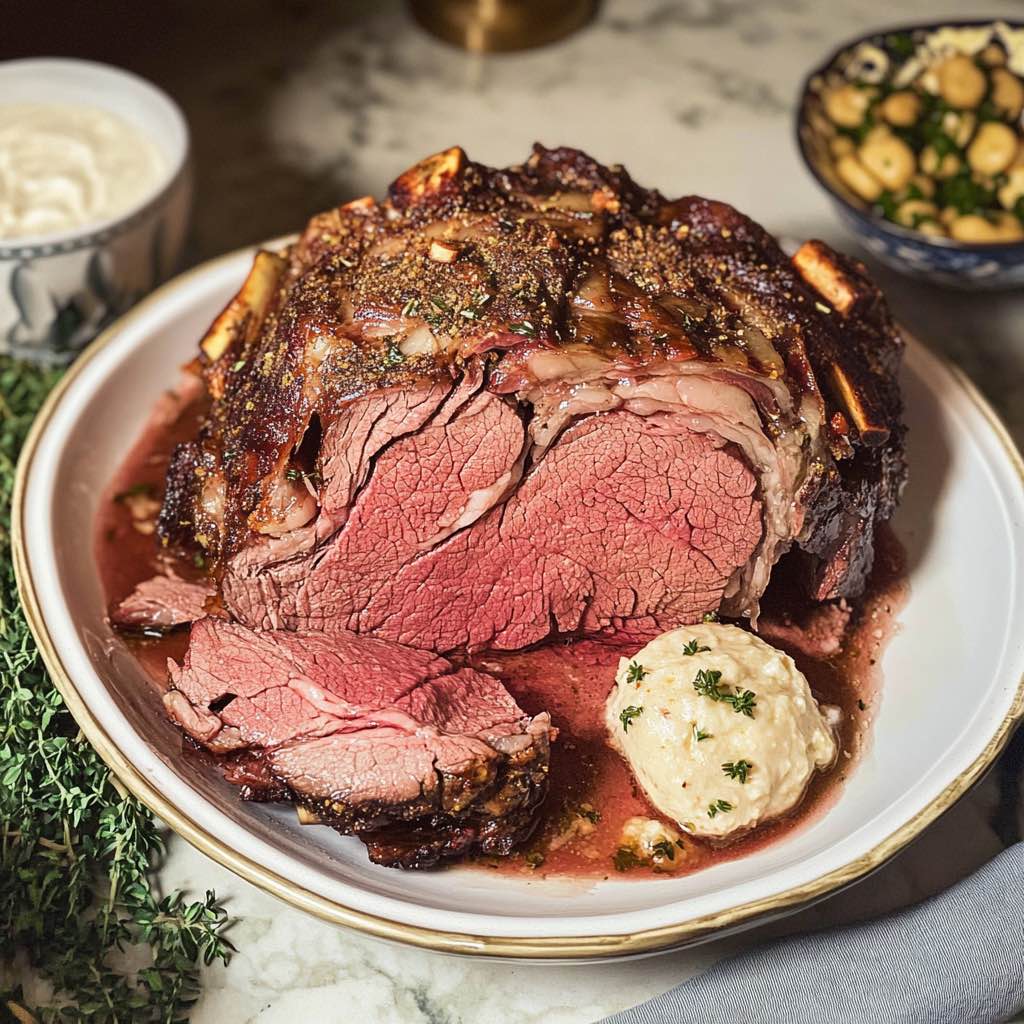
Tender Slow-Cooked Prime Rib Roast
Introduction
A tender slow-cooked prime rib roast transforms any meal into a memorable feast. This cooking method produces exceptionally juicy meat with a beautiful crust. Moreover, slow-cooking ensures even doneness from edge to center.
Prime rib intimidates many home cooks. However, the right technique makes it surprisingly simple. Additionally, slow-cooking offers more control than traditional methods.
This guide walks through every step of preparing prime rib. Furthermore, it includes timing charts, seasoning tips, and serving suggestions. By the end, anyone can master this impressive centerpiece.
What Makes Prime Rib Special
Prime rib comes from the rib section of beef. Specifically, it includes ribs six through twelve. The meat features exceptional marbling throughout.
This marbling creates the signature tenderness and flavor. Consequently, prime rib commands premium prices at restaurants. The bone-in cut adds even more flavor during cooking.
The fat cap on top bastes the meat naturally. Therefore, the roast stays moist without constant attention. This self-basting quality makes it ideal for slow-cooking methods.
Choosing the Perfect Cut
Select a roast with bright red color and white fat. Additionally, look for even marbling throughout the meat. The fat should feel firm, not slimy.
Plan for one pound of uncooked meat per person. However, increase this to ensure leftovers for sandwiches. A three-rib roast typically feeds eight adults comfortably.
Ask the butcher to cut the meat from the bone. Then, have them tie it back on for easier carving. This preparation simplifies serving significantly.
Essential Equipment and Tools
A heavy roasting pan is essential for even heat distribution. Moreover, a V-rack elevates the meat for air circulation. This setup promotes even cooking throughout.
An instant-read meat thermometer is absolutely critical. Indeed, it prevents overcooking and ensures perfect doneness. Digital thermometers provide the most accurate readings.
Additionally, gather these items before starting. First, aluminum foil for tenting during rest. Second, sharp carving knife for clean slices. Finally, a large cutting board with juice grooves.
Seasoning Your Prime Rib
Basic Salt and Pepper Method
The simplest approach uses kosher salt and black pepper. Generously coat all sides of the meat. Furthermore, this method lets the beef flavor shine through.
Apply seasoning 12 to 24 hours before cooking. Then, refrigerate the roast uncovered to dry the surface. Consequently, this creates a better crust during cooking.
Garlic Herb Seasoning
Mix minced garlic with fresh rosemary and thyme. Additionally, add salt, pepper, and olive oil to form a paste. Spread this mixture over the entire roast.
Combine two teaspoons garlic powder with dried herbs for convenience. Specifically, use 1.5 teaspoons each of thyme and rosemary. This blend works beautifully for busy cooks.
Herbes de Provence Blend
This French-inspired seasoning adds elegant complexity. Mix dried rosemary, oregano, basil, and thyme together. Moreover, add a pinch of lavender for authentic flavor.
Combine two parts sea salt with one part herb blend. Rub this mixture generously over the roast. The aromatic herbs complement beef perfectly.
Scoring the Fat Cap
Cut diagonal lines across the fat cap before seasoning. Then, cut lines in the opposite direction to create diamonds. This technique helps seasonings penetrate deeply.
The scoring also helps fat render during cooking. As a result, the meat stays moist and flavorful. Additionally, it creates an attractive presentation.
The Slow-Cooking Method Explained
Reverse Sear Technique
The reverse sear starts with low temperature cooking. First, roast at 250°F until nearly done. Then, finish with high heat for a crispy crust.
This method provides more control over doneness. Furthermore, it produces even coloring throughout the roast. The meat cooks gently without temperature spikes.
After slow-roasting, tent the meat with foil. Next, increase oven temperature to 500°F. Finally, sear for five to ten minutes until browned.
Low and Slow Oven Method
Start by preheating the oven to 250°F. Place the roast fat-side up on a rack. Therefore, heat circulates around the entire cut.
Calculate approximately 40 minutes per pound at this temperature. However, always rely on internal temperature rather than time. Additionally, check the temperature starting two hours before estimated completion.
This gentle cooking prevents moisture loss. Consequently, every slice stays tender and juicy. Moreover, the low heat reduces the risk of overcooking.
Slow Cooker Adaptation
Slow cookers offer incredible convenience for prime rib. First, sear all sides in a hot skillet. This browning step adds essential flavor.
Mix softened butter with minced garlic and herbs. Then, rub this mixture over the browned roast. Place it fat-side up in the slow cooker.
Cook on low for three to five hours total. Check temperature after three hours for medium-rare doneness. Temperature Guidelines for Perfect Results
Understanding Internal Temperatures
Rare prime rib reaches 115 to 120°F internally. Meanwhile, medium-rare registers 125 to 130°F. Medium doneness occurs at 135 to 140°F.
Remove the roast five to ten degrees below target temperature. Indeed, the meat continues cooking during rest. This carryover cooking is absolutely crucial to remember.
Insert the thermometer into the thickest part of the meat. However, avoid touching bone for accurate readings. Check multiple spots to ensure even cooking.
Recommended Doneness Levels
Most people prefer prime rib cooked to medium-rare. This doneness showcases the meat’s tenderness beautifully. Additionally, it maintains maximum juiciness throughout.
The center appears pink with warm red juices. Furthermore, the outer portions cook slightly more. Therefore, one roast satisfies different preferences.
Medium doneness suits those who avoid pink meat. However, overcooking beyond medium-well dries out prime rib. Consequently, monitor temperature carefully during cooking.
Step-by-Step Cooking Instructions
Preparation Phase
Remove the roast from refrigeration two hours before cooking. This allows the meat to reach room temperature. Consequently, it cooks more evenly throughout.
Pat the surface completely dry with paper towels. Then, apply your chosen seasoning blend generously. Press the seasonings into the meat firmly.
Position an oven rack in the lower third. Next, preheat the oven to 250°F. Meanwhile, prepare your roasting pan and V-rack.
Initial Searing (Optional)
Heat a large skillet over medium-high heat. Add a small amount of oil to prevent sticking. Sear each side of the roast until golden brown.
This step takes approximately three minutes per side. Moreover, it develops rich flavors through caramelization. However, some cooks skip this step successfully.
Slow Roasting Process
Place the prime rib fat-side up in the roasting pan. Position it directly on the V-rack for air circulation. Insert the meat thermometer into the thickest part.
Roast undisturbed for three to four hours. Check the temperature after three hours. Additionally, verify doneness in multiple locations.
For a six-pound roast, expect approximately four hours total. Similarly, a twelve-pound roast requires closer to five hours. Nevertheless, temperature determines doneness, not time.
Resting Period
Remove the roast when it reaches 120°F for rare. Similarly, pull it at 128°F for medium-rare. Tent loosely with aluminum foil.
Let the meat rest for 30 minutes minimum. During this time, juices redistribute throughout. Furthermore, the temperature rises five to ten degrees.
Final Searing
Increase oven temperature to 500°F after resting. Remove the foil from the roast. Return it to the oven for final browning.
Sear for five to ten minutes until crusty. Watch carefully to prevent burning. Then, remove and prepare for carving.
Resting and Carving Techniques
Why Resting Matters
Resting allows muscle fibers to relax completely. Therefore, they retain more moisture when sliced. Skipping this step results in dry, tough meat.
The internal temperature continues rising during rest. Consequently, plan for this increase when removing from heat. Additionally, resting makes carving easier and cleaner.
Tent the roast loosely rather than wrapping tightly. Tight wrapping traps steam and softens the crust. However, loose foil keeps the meat warm.
Carving Instructions
Remove the twine binding the meat to bones. Then, separate the meat from the rib bones completely. Set the bones aside for serving.
Place the boneless roast flat on a cutting board. Slice against the grain into half-inch thick pieces. Moreover, use a sharp knife for clean cuts.
Arrange slices on a warm serving platter. Additionally, include the bones for guests who enjoy them. Serve immediately for the best experience.
Serving Suggestions and Side Dishes
Classic Accompaniments
Yorkshire pudding is the traditional British pairing. These airy popovers soak up meat juices beautifully. Moreover, they add impressive height to the plate.
Creamy mashed potatoes provide comforting richness. Similarly, twice-baked potatoes offer elegant convenience. Both options complement prime rib perfectly.
Roasted vegetables add color and nutrition to the meal. Specifically, consider green beans with garlic. Alternatively, try glazed carrots with brown sugar.
Fresh Salad Options
Caesar salad offers crisp contrast to rich meat. The tangy dressing cuts through fat effectively. Furthermore, romaine lettuce adds refreshing crunch.
Arugula salad with shaved Parmesan provides peppery notes. Additionally, a simple vinaigrette keeps it light. This option suits those avoiding heavy sides.
Starchy Sides
Creamy risotto creates luxurious texture contrast.
Garlic herb dinner rolls soak up au jus wonderfully. Moreover, they provide satisfying substance. Warm bread always enhances special meals.
Au gratin potatoes deliver indulgent cheesy goodness. The crispy top layer adds textural interest. Consequently, guests always request this favorite.
Making Au Jus Without Drippings
Basic Au Jus Recipe
Melt four tablespoons of butter in a saucepan. Then, add two cups of beef broth gradually. Whisk constantly to prevent lumps.
Add one tablespoon of Worcestershire sauce for depth. Additionally, season with half teaspoon each of onion and garlic powder. Bring the mixture to a gentle boil.
Reduce heat and simmer for two to three minutes. The sauce should remain thin and pourable. Season with salt and pepper to taste.
Using Pan Drippings
Pour pan juices into a fat separator after roasting. Alternatively, skim fat from the top with a spoon. Save the flavorful liquid underneath.
Whisk two tablespoons cornstarch with cold water. Add this slurry to the pan drippings slowly. Heat while stirring until slightly thickened.
Adjust consistency by adding more broth if needed. Similarly, simmer longer for thicker sauce. Taste and adjust seasonings before serving.
Horseradish Sauce Recipe
Traditional Creamy Version
Combine half cup sour cream with three tablespoons mayonnaise. Then, add 1.5 tablespoons fresh lemon juice. Mix thoroughly until smooth.
Drain three tablespoons prepared horseradish in a strainer. Press out excess liquid with a spoon. This prevents watery sauce.
Add drained horseradish to the cream mixture. Season with half teaspoon salt and black pepper. Finally, stir in chopped fresh chives.
Serving and Storage
Serve horseradish sauce cold or at room temperature. It pairs beautifully with beef of all types. Additionally, it enhances sandwiches and burgers.
Store leftovers covered in the refrigerator. The sauce stays fresh for approximately two weeks. However, flavors intensify over time.
Storage and Reheating Tips
Proper Storage Methods
Cool leftover prime rib to room temperature first. Then, wrap tightly in plastic wrap or foil. Store in the refrigerator within two hours.
Properly stored prime rib lasts three to four days. Moreover, vacuum sealing extends freshness even longer. Always label containers with the date.
For longer storage, freeze wrapped portions up to three months. However, freezing slightly affects texture. Thaw slowly in the refrigerator before reheating.
Reheating Without Drying
Preheat oven to 250°F for gentle reheating. Place slices in a covered baking dish. Add a few tablespoons of broth to maintain moisture.
Heat until warmed through, approximately 20 minutes. Check temperature to ensure even heating. Avoid microwave reheating when possible.
Alternatively, make French dip sandwiches with cold slices. Briefly dip them in hot au jus before serving. This method works perfectly for leftovers.
Common Mistakes to Avoid
Temperature Control Errors
Starting with cold meat leads to uneven cooking. Always allow two hours for room temperature adjustment. Otherwise, the exterior overcooks before the center finishes.
Opening the oven door frequently causes temperature fluctuations. Therefore, resist the urge to check constantly. Trust your thermometer instead of visual cues.
Relying solely on cooking time causes problems. Indeed, every roast cooks at different rates. Consequently, internal temperature provides the only reliable guide.
Seasoning Mistakes
Under-seasoning large roasts is surprisingly common. The thick meat requires generous salt application. Moreover, season at least 12 hours ahead for best results.
Applying wet seasonings to damp meat prevents crust formation. Instead, pat the roast completely dry first. Then, refrigerate uncovered to dry further.
Resting and Carving Issues
Cutting into meat immediately releases all the juices. Therefore, always rest for minimum 30 minutes. Additionally, longer resting periods improve results.
Carving with dull knives tears the meat fibers. Consequently, invest in quality sharp knives. Furthermore, slice against the grain for maximum tenderness.
Serving on cold plates allows meat to cool quickly. Instead, warm serving platters in the oven briefly. This small step maintains optimal serving temperature.
Frequently Asked Questions
How much prime rib should I buy per person?
Plan for one pound of raw prime rib per person. However, adjust this based on side dishes served. Additionally, consider whether guests prefer generous portions.
Can I cook prime rib ahead of time?
Yes, cook prime rib several hours before serving. Let it rest at room temperature after cooking. Then, reheat gently in a low oven before serving.
What’s the best way to achieve a crispy crust on tender slow-cooked prime rib roast?
Dry the roast surface thoroughly before seasoning. Additionally, refrigerate uncovered for 12 to 24 hours. Finally, sear at high heat after slow-roasting.
Should I cover prime rib while cooking?
Leave the roast uncovered during slow-roasting. This allows proper browning and crust development. However, tent loosely with foil during resting.
How do I know when prime rib is done?
Use an instant-read thermometer in the thickest part. Remove at 120°F for rare or 128°F for medium-rare. Remember that temperature rises during resting.
Can I use a slow cooker for prime rib?
Yes, slow cookers work well for prime rib. First, sear all sides in a hot skillet. Then, cook on low for three to five hours.
What temperature should I cook prime rib at?
Slow-roast at 250°F for tender, even results. Alternatively, start at 450°F for 15 minutes. Then, reduce to 325°F for remaining time.
Why is my prime rib tough?
Overcooking beyond medium doneness causes toughness. Additionally, cutting before proper resting affects texture. Finally, carving with the grain rather than against it creates chewiness.
Conclusion
A tender slow-cooked prime rib roast delivers restaurant-quality results at home. The slow-cooking method ensures even doneness throughout. Moreover, proper temperature monitoring prevents overcooking.
This comprehensive guide covers every essential aspect of preparation. From selecting the perfect cut to carving techniques, each step matters. Additionally, the accompanying sauces elevate the entire meal.
With practice, anyone can master this impressive centerpiece. The key lies in patience and precise temperature control. Consequently, your tender slow-cooked prime rib roast will impress every guest.
Print
Tender Slow-Cooked Prime Rib Roast
Description
Tender Slow-Cooked Prime Rib Roast
Ingredients
For the Prime Rib:
-
1 (5–6 lb) prime rib roast (bone-in or boneless)
-
3 tbsp olive oil or softened butter
-
6 garlic cloves, minced
-
1 tbsp coarse kosher salt
-
1 tbsp black pepper
-
1 tbsp fresh rosemary, finely chopped
-
1 tbsp fresh thyme, finely chopped
-
1 tsp onion powder
-
1 tsp paprika
For the Au Jus (Optional but Recommended):
-
1 cup beef broth
-
1 tbsp Worcestershire sauce
-
1 tbsp butter
Instructions
1. Prepare the Prime Rib
-
Remove the roast from the refrigerator at least 1–2 hours before cooking to bring it to room temperature.
-
In a small bowl, combine olive oil (or butter), garlic, salt, pepper, rosemary, thyme, onion powder, and paprikato form a paste.
-
Rub the mixture all over the roast, coating it evenly.
2. Sear for Flavor
-
Preheat oven to 475°F (245°C).
-
Place the prime rib on a roasting rack in a large roasting pan, fat side up.
-
Roast uncovered for 20 minutes to form a flavorful crust.
3. Slow Cook to Perfection
-
Reduce oven temperature to 250°F (120°C) without opening the oven door.
-
Continue roasting for 2½ to 3½ hours, depending on size and desired doneness:
-
Rare: 120°F (49°C)
-
Medium-rare: 130°F (54°C)
-
Medium: 140°F (60°C)
-
-
Remove from oven, tent loosely with foil, and rest for 25–30 minutes before slicing.
The temperature will rise 5–10°F as it rests.
4. Make the Au Jus
-
Place the roasting pan over medium heat on the stove.
-
Simmer for 5–7 minutes, scraping up brown bits from the bottom.
-
Stir in butter for a silky finish, then strain and serve alongside the roast.
5. Slice and Serve
-
Slice thick, juicy portions of prime rib and drizzle with warm au jus.
-
Garnish with a sprig of rosemary or thyme for a polished presentation.