

Turnip, Potato and Carrot Hash: A Delicious Root Vegetable Breakfast Recipe
Turnip, potato and carrot hash is a hearty, budget-friendly dish that transforms simple root vegetables into a flavorful meal. This versatile hash works perfectly as a satisfying breakfast, comforting side dish, or even a light dinner option. Made with diced turnips, potatoes, and carrots cooked until golden and crispy, this recipe celebrates the natural sweetness of root vegetables while delivering essential nutrients your body needs.
What Is Turnip, Potato and Carrot Hash?
Root vegetable hash refers to diced vegetables cooked in a skillet with oil and seasonings until tender and caramelized. The combination of turnips, potatoes, and carrots creates a balanced texture profile. Potatoes provide heartiness and starch, while turnips add a slightly peppery note, and carrots contribute natural sweetness.
This dish originated as a practical way to use affordable, seasonal vegetables. The traditional recipe typically includes three carrots, three potatoes, and one turnip for six servings. However, modern variations allow for flexible ratios based on personal preference. Many cooks prepare this hash as a breakfast staple or side dish for dinner.
Why Choose These Three Vegetables?
The turnip, potato, and carrot combination offers complementary flavors and textures. Turnips belong to the cruciferous family and contain fewer calories than potatoes. Potatoes contribute satisfying starch and help bind the hash together. Carrots add color, sweetness, and important vitamins to round out the nutritional profile.
Health Benefits of This Root Vegetable Hash
Root vegetables pack impressive nutritional value into every serving. This hash delivers multiple health benefits while remaining budget-friendly and filling. Understanding the nutritional advantages helps you appreciate why this simple dish deserves a place in your regular meal rotation.
Nutrient-Dense Ingredients
Turnips provide high amounts of vitamin C and calcium while remaining low in calories. One serving contains antimicrobial compounds that may inhibit harmful bacteria growth. Research suggests turnip extracts may improve glucose transportation and support insulin resistance management.
Potatoes offer more protein, carbohydrates, and minerals compared to turnips. They contain antioxidants like carotenoids, flavonoids, and phenolics that combat reactive oxygen species. The vitamin B6 and potassium in potatoes support heart health and energy metabolism.
Carrots deliver beta-carotene, which converts to vitamin A in your body. This supports eye health, immune function, and skin maintenance. The fiber content in all three vegetables promotes digestive health and helps maintain stable blood sugar levels.
Antioxidant and Anti-Inflammatory Properties
The phenolic and organic acids in turnips demonstrate antioxidant activity. These compounds protect cells from oxidative damage and support overall wellness. Root vegetables contain various phytonutrients that work together synergistically.
The combination of vitamins, minerals, and antioxidants in this hash supports immune function. Regular consumption of diverse root vegetables contributes to a balanced, health-promoting diet. This makes turnip, potato and carrot hash both delicious and nutritious.
Essential Ingredients You’ll Need
Creating the perfect hash requires quality ingredients and proper proportions. The following list includes everything necessary for a basic recipe that serves four to six people. Feel free to adjust quantities based on your household size and preferences.
Core Vegetables
-
3 medium potatoes (Yukon Gold or red potatoes work best)
-
1 large turnip (approximately 12 ounces)
-
3 medium carrots
-
1 medium yellow or red onion
-
2-3 cloves fresh garlic
Cooking Fats and Seasonings
-
2-3 tablespoons olive oil or coconut oil
-
1-2 teaspoons sea salt
-
Fresh ground black pepper to taste
-
1 teaspoon fresh or dried thyme
-
Optional: pinch of chili flakes for heat
Optional Add-Ins
Fresh herbs like parsley, dill, or chives enhance flavor. Some cooks add bell peppers for extra color and crunch. For a heartier meal, consider topping with fried eggs. Vegan butter can replace olive oil for richer taste.
Step-by-Step Cooking Instructions
Follow these detailed instructions to create perfectly crispy, golden hash every time. The technique involves parboiling vegetables first, then pan-frying for optimal texture. This method ensures even cooking and develops the best flavor.
Preparation Phase
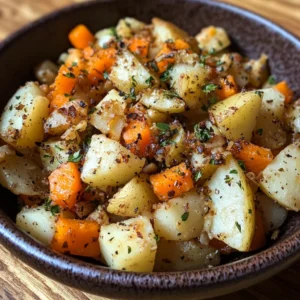
Wash and peel all root vegetables thoroughly. Cut potatoes, turnips, and carrots into uniform 1/2-inch dice. Consistent sizing ensures even cooking throughout the dish. Dice the onion finely and mince the garlic cloves.
Bring a large pot of salted water to boil. Add the diced potatoes and turnips to the boiling water. Parboil for 3-4 minutes to jumpstart the cooking process. Drain well and pat dry with clean kitchen towels to remove excess moisture.
Cooking Process
Heat a large, heavy-bottomed skillet over medium-high heat. Add olive oil and let it warm for 30 seconds. Add the onion and cook for 2-3 minutes until it begins to soften. Stir in minced garlic and thyme, cooking for another 30 seconds until fragrant.
Add the parboiled potatoes, turnips, and raw diced carrots to the skillet. Season with salt and pepper. Allow vegetables to cook undisturbed for 4-5 minutes to develop a golden crust. Stir occasionally and continue cooking for 10-15 minutes total until all vegetables reach fork-tender consistency.
Finishing Touches
For extra crispiness, increase heat slightly during the last few minutes. Add optional chili flakes if desired for a subtle kick. Taste and adjust seasoning with additional salt and pepper. The vegetables should appear golden brown with crispy edges and tender interiors.
Transfer to a serving platter and garnish with fresh chopped herbs. Serve immediately while hot and crispy. This hash tastes best when enjoyed fresh from the skillet.
Best Seasoning and Flavor Variations
Customizing your turnip, potato and carrot hash allows endless creativity. Different herbs, spices, and aromatics transform the basic recipe into new flavor experiences. Experiment with these variations to discover your favorite combinations.
Classic Herb Combinations
Thyme pairs naturally with root vegetables and adds earthy notes. Rosemary provides a pine-like aroma that complements potatoes beautifully. Fresh parsley brightens the dish and adds a pop of green color. Try combining sage with a pinch of nutmeg for fall-inspired flavors.
Dill offers a unique, fresh taste that works surprisingly well with turnips. Chives provide mild onion flavor without overpowering other ingredients. Mix multiple herbs together for complex, layered seasoning profiles.
Spice Blends and Seasonings
Paprika adds mild sweetness and vibrant red color. Smoked paprika introduces depth and a hint of smokiness without actual smoking. Cumin and coriander create Middle Eastern-inspired variations that pair well with yogurt-based sauces.
Garlic powder and onion powder intensify savory notes. Cayenne pepper or red pepper flakes bring gentle heat. Black pepper should always be freshly ground for maximum flavor impact.
International Flavor Profiles
Mediterranean-style hash uses oregano, basil, and a squeeze of lemon juice. Indian-inspired versions incorporate turmeric, garam masala, and ginger. Mexican variations feature cumin, coriander, and fresh cilantro. Each approach creates a completely different taste experience using the same base vegetables.
Serving Suggestions and Pairings
Turnip, potato and carrot hash adapts to various meals throughout the day. Understanding different serving options helps you incorporate this versatile dish into your regular menu rotation. These suggestions work for family breakfasts, brunches, or simple weeknight dinners.
Breakfast and Brunch Ideas
Top your hash with fried or poached eggs for a complete breakfast. The runny yolk creates a natural sauce that coats the vegetables beautifully. Serve alongside whole grain toast and fresh fruit for balanced nutrition.
Create breakfast bowls by layering hash over fresh greens like watercress, arugula, or baby spinach. Drizzle with maple-lemon vinaigrette for brightness. Add toasted nuts or seeds for crunch and healthy fats.
Lunch and Dinner Applications
Serve as a side dish alongside roasted chicken, grilled fish, or plant-based proteins. The hash complements simple main courses without competing for attention. It works particularly well with lighter proteins that benefit from hearty vegetable accompaniments.
Use leftover hash as a filling for breakfast burritos or wraps. Mix with scrambled eggs and roll in whole wheat tortillas. This creates portable, satisfying meals perfect for busy mornings or quick lunches.
Toppings and Garnishes
Fresh herbs add color and aromatic appeal. Chopped scallions provide mild onion flavor and visual interest. A dollop of Greek yogurt or sour cream adds creaminess and tang. Crumbled cheese like feta or sharp cheddar introduces richness and saltiness.
Hot sauce or salsa brings acid and heat to balance the starchy vegetables. Avocado slices contribute healthy fats and creamy texture. Toasted pepitas or walnuts add satisfying crunch.
Storage and Meal Prep Tips
Preparing turnip, potato and carrot hash in advance saves time during busy weekdays. Proper storage techniques maintain quality and prevent food waste. Follow these guidelines to maximize freshness and convenience.
Refrigeration Guidelines
Store cooled hash in airtight containers in the refrigerator. Properly stored hash remains fresh for 3-4 days. Separate portions into individual containers for grab-and-go convenience. Label containers with preparation dates to track freshness.
Allow hash to cool completely before refrigerating. Hot food raises refrigerator temperature and promotes bacterial growth. Spread hash in a thin layer on a baking sheet for faster cooling.
Reheating Methods
Reheat hash in a skillet over medium heat for best results. Add a small amount of oil to restore crispiness. Stir occasionally until heated through, approximately 5-7 minutes. Microwave reheating works but produces softer texture.
For oven reheating, spread hash on a baking sheet. Bake at 400°F for 10-15 minutes, stirring halfway through. This method restores some of the original crispy texture.
Freezing for Longer Storage
While possible, freezing affects texture quality. Potatoes and turnips become slightly grainy when frozen and thawed. If freezing, use within 2-3 months for acceptable quality. Freeze in portion-sized containers for easy thawing.
Thaw frozen hash overnight in the refrigerator. Reheat in a hot skillet with additional oil to refresh texture. Frozen hash works better mixed into soups or casseroles than served standalone.
Batch Cooking Strategies
Prepare large batches on weekends for weekday convenience. This low-calorie recipe suits meal prep perfectly with approximately 166 calories per serving. Double or triple the recipe and portion into containers immediately after cooking.
Pre-dice vegetables in advance and store separately. Keep cut vegetables in water in the refrigerator for up to 2 days. This reduces active cooking time during busy mornings.
Common Mistakes to Avoid
Even simple recipes require attention to detail for optimal results. Understanding common pitfalls helps you achieve perfectly cooked hash every time. These tips address the most frequent issues home cooks encounter.
Cutting Vegetables Unevenly
Inconsistent dice sizes lead to uneven cooking. Larger pieces remain undercooked while smaller bits burn. Take time to cut all vegetables into uniform 1/2-inch pieces. Use a sharp knife and proper technique for efficiency and safety.
Overcrowding the Pan
Too many vegetables in the skillet cause steaming instead of browning. Steamed vegetables turn mushy rather than developing crispy edges. Use a large, wide skillet with plenty of surface area. Cook in batches if necessary to maintain proper spacing.
Using Insufficient Heat
Low heat prevents caramelization and produces bland, pale vegetables. Medium-high heat creates the golden crust that defines excellent hash. However, excessively high heat burns exteriors before interiors cook through. Find the sweet spot that allows gradual browning.
Stirring Too Frequently
Constantly moving vegetables prevents crust formation. Let hash sit undisturbed for 4-5 minutes between stirs. This allows contact with the hot pan surface, developing flavor and texture. Resist the urge to continuously stir.
Skipping the Parboil Step
Raw root vegetables take longer to cook and may not soften evenly. Parboiling jumpstarts the cooking process and reduces pan time. This technique ensures tender interiors and crispy exteriors. Don’t skip this important step.
Under-Seasoning
Root vegetables require generous seasoning to highlight their natural flavors. Salt, pepper, and herbs should be added throughout cooking, not just at the end. Taste and adjust seasoning before serving. Properly seasoned hash makes all the difference.
Frequently Asked Questions
Can I make turnip, potato and carrot hash without parboiling?
Yes, but cooking time increases significantly. Raw root vegetables need 20-25 minutes of pan cooking to become tender. Cut vegetables slightly smaller to speed cooking. Cover the pan periodically to trap steam and soften vegetables faster.
What potatoes work best for hash?
Yukon Gold and red potatoes maintain shape during cooking better than russets. These varieties contain moderate starch levels that create creamy interiors with crispy exteriors. Russet potatoes work but may break down more during cooking.
Can I substitute other root vegetables?
Absolutely! Try parsnips, rutabaga, sweet potatoes, or beets. Each vegetable adds unique flavor and color. Mix and match based on seasonal availability and personal preferences. The basic cooking method remains the same.
Is turnip, potato and carrot hash suitable for meal prep?
Yes, this dish works wonderfully for meal preparation. Store cooled hash in airtight containers for 3-4 days. Reheat in a skillet for best texture restoration. The recipe easily doubles or triples for batch cooking.
How do I prevent my hash from getting soggy?
Ensure vegetables are thoroughly dried after parboiling. Use high enough heat to evaporate moisture quickly. Avoid covering the pan unless specified, as trapped steam creates sogginess. Don’t overcrowd the skillet during cooking.
Can I add protein directly to the hash?
Yes, cooked breakfast sausage, diced ham, or crumbled tofu work well. Add proteins during the last 5 minutes of cooking to warm through. For eggs, create wells in the hash and crack eggs directly into them.
What’s the difference between turnips and rutabagas?
Turnips are smaller with white flesh and purple tops. Rutabagas are larger, yellow-fleshed, and sweeter. Both work in hash recipes, though rutabagas provide a milder, sweeter flavor. Some traditional recipes actually use rutabaga labeled as turnip.
Final Thoughts
Turnip, potato and carrot hash represents comfort food at its finest—simple, affordable, and deeply satisfying. This versatile recipe adapts to countless variations while delivering impressive nutrition from humble root vegetables. Whether served for breakfast with eggs, as a side dish for dinner, or meal-prepped for the week ahead, this hash brings warmth and nourishment to your table.
The combination of earthy turnips, starchy potatoes, and sweet carrots creates balanced flavor and texture that appeals to diverse palates. Master the basic technique, then experiment with different herbs, spices, and add-ins to make this recipe your own. The crispy exterior and tender interior achieve that perfect hash texture everyone loves.
Print
Turnip, Potato and Carrot Hash
Description
Turnip, Potato and Carrot Hash
Ingredients
-
2 tablespoons olive oil or butter
-
1 medium onion, diced
-
2 cloves garlic, minced
-
1 large turnip, peeled and diced small
-
2 medium potatoes, peeled and diced small
-
2 large carrots, diced
-
1 teaspoon smoked paprika
-
½ teaspoon dried thyme (or fresh thyme sprigs)
-
½ teaspoon black pepper
-
1 teaspoon salt (adjust to taste)
-
Optional: ½ teaspoon chili flakes
-
Optional additions: fried eggs, cooked bacon, parsley
Instructions
-
Heat the skillet:
Warm the olive oil or butter over medium heat in a large skillet. -
Sauté aromatics:
Add the diced onion and cook until softened and lightly golden, about 4–5 minutes. Add garlic and cook 1 minute more. -
Add the vegetables:
Stir in the diced turnip, potatoes, and carrots. Spread them evenly in the pan. -
Season well:
Sprinkle in smoked paprika, thyme, salt, pepper, and chili flakes if using. Toss to coat. -
Pan-fry until golden:
Cook uncovered for 15–20 minutes, stirring occasionally, until the vegetables become tender and develop a crisp golden exterior. If needed, add a splash of water and cover for 5 minutes to help soften. -
Finish and serve:
Taste and adjust seasoning.
Top with fresh parsley or serve with a fried egg for a full meal.