
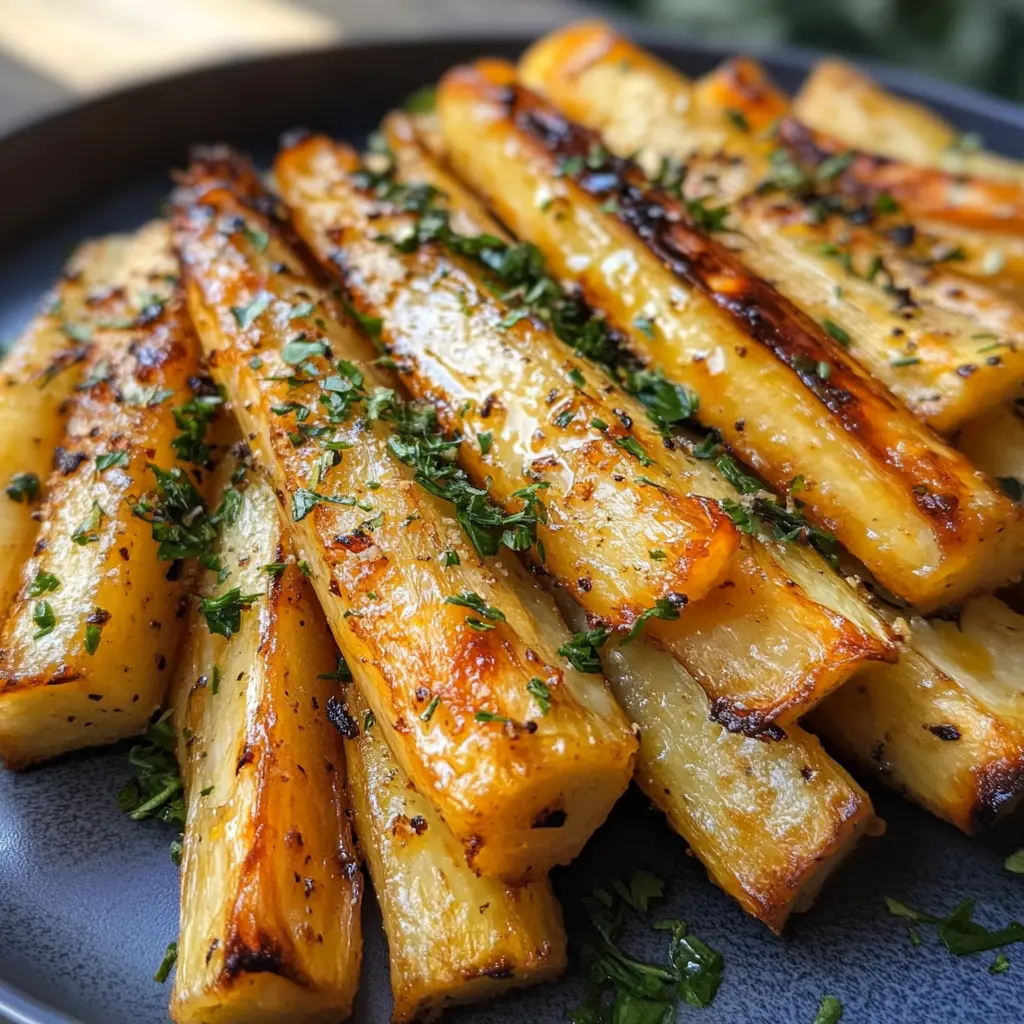
Honey-Roasted Parsnips: A Sweet and Savory Side Dish for Every Occasion
Honey-roasted parsnips are a delicious, caramelized side dish that combines the natural earthiness of parsnips with a sweet, golden glaze. This simple yet elegant recipe transforms humble root vegetables into a crowd-pleasing accompaniment that works beautifully for holiday dinners, weeknight meals, and everything in between. Whether you’re looking for a healthy side dish or want to elevate your vegetable game, honey-roasted parsnips deliver exceptional flavor with minimal effort.
What Are Parsnips and Why Roast Them?
Parsnips are cream-colored root vegetables that resemble carrots but offer a distinctly sweeter, nuttier flavor profile. These winter vegetables belong to the same family as carrots and parsley, making them a nutritious addition to any meal.
Roasting is the best cooking method for parsnips because it brings out their natural sugars and creates a beautifully caramelized exterior. The high heat transforms the vegetable’s starchy texture into tender, melt-in-your-mouth bites. Additionally, roasting develops complex flavors that simply can’t be achieved through boiling or steaming.
Why Choose Honey as a Glaze
Honey serves as the perfect sweetener for roasted parsnips because it complements their earthy undertones without overwhelming them. The natural sugars in honey caramelize during roasting, creating a glossy, golden coating. Furthermore, honey adds moisture to the vegetables, preventing them from drying out during the cooking process.
The Perfect Honey Glaze for Parsnips
Creating a flavorful glaze for honey-roasted parsnips requires just a few simple ingredients. The key is balancing sweetness with savory elements and healthy fats that promote even browning.
Essential Glaze Ingredients
-
Honey: 1.5 to 2 tablespoons of pure honey provides the signature sweet flavor
-
Oil: Olive oil or vegetable oil helps achieve crispy, golden edges
-
Salt: Kosher salt or sea salt enhances all the flavors
-
Black pepper: Freshly ground pepper adds a subtle kick
-
Optional butter: A small amount adds richness and depth
The ratio of honey to oil should be approximately equal, with 1.5 tablespoons of each for every pound of parsnips. This creates a balanced coating that isn’t too sweet or greasy. Season generously with salt and pepper to taste.
How to Mix the Perfect Glaze
Whisk together the honey, oil, salt, and pepper in a small bowl until well combined. The honey should be fully incorporated with the oil, creating a smooth, pourable mixture. If your honey is too thick, warm it slightly in the microwave for 10-15 seconds to make mixing easier.
Step-by-Step Guide to Making Honey-Roasted Parsnips
Following a simple process ensures your honey-roasted parsnips turn out perfectly every time. The preparation is straightforward, requiring minimal hands-on time.
Preparing the Parsnips
Step 1: Choose quality parsnips
Select small to medium-sized parsnips that feel firm and heavy for their size. Avoid very large, woody parsnips as they can be tough and fibrous in the center.
Step 2: Wash and peel
Rinse the parsnips under cold water to remove any dirt. Young, tender parsnips may not need peeling, but older ones benefit from it. Use a vegetable peeler to remove the outer skin if desired.
Step 3: Cut uniformly
Cut parsnips into 3 to 4-inch lengths. Halve thinner pieces lengthwise and quarter thicker pieces to ensure even cooking. Consistency in size is crucial for achieving uniform doneness.
Coating and Seasoning
Step 4: Toss with glaze
Place the cut parsnips in a large bowl and pour two-thirds of the honey glaze over them. Toss thoroughly to coat each piece evenly. You can also use a gallon-sized resealable bag for easier coating.
Step 5: Arrange on baking sheet
Transfer the glazed parsnips to a rimmed baking sheet lined with parchment paper. Spread them in a single layer with space between each piece. Crowding causes steaming instead of roasting, resulting in soft rather than caramelized vegetables.
Roasting Process
Step 6: Set proper temperature
Preheat your oven to 425°F (220°C) for optimal caramelization. This high temperature ensures crispy edges and tender interiors.
Step 7: Roast and flip
Place the baking sheet in the preheated oven. Roast for 20-30 minutes, flipping the parsnips halfway through cooking. The exact time depends on the thickness of your cuts.
Step 8: Add final glaze
During the last 8-10 minutes of cooking, drizzle the remaining honey glaze over the parsnips. This creates an extra layer of caramelization. Return to the oven until golden brown and fork-tender.
Step 9: Serve immediately
Remove from the oven and transfer to a serving dish. Garnish with fresh thyme leaves or other herbs if desired. Serve hot for the best flavor and texture.
Tips for Perfectly Caramelized Parsnips
Achieving restaurant-quality honey-roasted parsnips at home is easy with these professional tips. Small adjustments can make a significant difference in the final result.
Size and Cutting Technique
Cut your parsnips to approximately the same thickness, around 1/2 to 3/4 inch. Pieces that are too thin will dry out and burn. Conversely, pieces that are too thick won’t cook through properly.
Avoiding Common Mistakes
-
Don’t skip preheating: Starting with a hot oven is essential for caramelization
-
Avoid overcrowding: Leave space between parsnips for air circulation
-
Turn midway: Flipping ensures even browning on all sides
-
Watch the final minutes: Honey can burn quickly, so monitor closely at the end
Temperature Considerations
While 425°F is ideal, you can adjust based on what else you’re cooking. Lower temperatures like 375-400°F will work but require longer cooking times. Higher temperatures above 450°F risk burning the honey glaze.
Variations and Flavor Combinations
Honey-roasted parsnips serve as an excellent base for creative flavor variations. Experimenting with different seasonings and additions keeps this side dish interesting.
Spice and Herb Additions
-
Cinnamon: A light dusting adds warmth, perfect for fall and winter meals
-
Garlic powder: Provides savory depth without overwhelming sweetness
-
Fresh thyme: Earthy and aromatic, thyme complements parsnips beautifully
-
Rosemary: Woodsy and fragrant, it pairs well with roasted root vegetables
-
Smoked paprika: Adds a subtle smoky note and gorgeous color
Sweet Variations
Replace honey with maple syrup for a slightly different sweetness profile. The maple flavor provides a more robust, complex taste. You can also mix equal parts honey and maple syrup for a balanced approach.
Mixed Root Vegetables
Roast parsnips alongside carrots, sweet potatoes, or beets for a colorful medley. Cut all vegetables to similar sizes for even cooking. The honey glaze works beautifully on multiple root vegetables simultaneously.
Citrus Accents
Add lemon zest or orange zest after roasting for a bright, fresh finish. The citrus cuts through the sweetness and adds complexity. A light drizzle of balsamic reduction also provides tangy contrast.
Nutritional Benefits of Parsnips
Beyond their delicious taste, honey-roasted parsnips offer impressive nutritional value. These root vegetables pack essential vitamins, minerals, and fiber into every serving.
Vitamin and Mineral Content
Parsnips are an excellent source of vitamin C, which supports immune function and skin health. They also provide significant amounts of vitamin K, important for blood clotting and bone health. Additionally, parsnips contain folate, potassium, and manganese in meaningful quantities.
Fiber and Digestive Health
One serving of parsnips delivers approximately 6-7 grams of dietary fiber. This high fiber content supports digestive health and helps maintain stable blood sugar levels. Fiber also promotes feelings of fullness, making parsnips a satisfying side dish.
Antioxidants and Phytonutrients
Parsnips contain various antioxidants, including polyacetylenes and falcarinol. These compounds have been studied for their potential anti-inflammatory properties. The natural antioxidants help protect cells from oxidative stress.
Serving Suggestions and Pairings
Honey-roasted parsnips complement a wide variety of main courses and occasions. Their sweet and savory profile makes them incredibly versatile.
Holiday Dinner Pairings
These golden, glazed parsnips make an excellent addition to Christmas dinner or Thanksgiving spreads. They pair beautifully with:
-
Roasted turkey or chicken
-
Herb-crusted pork loin
-
Beef tenderloin or prime rib
-
Glazed ham
-
Vegetarian nut roasts
Weeknight Meal Ideas
Don’t reserve honey-roasted parsnips only for special occasions. They work wonderfully for simple weeknight dinners alongside:
-
Grilled chicken breasts
-
Pan-seared salmon
-
Baked cod or other white fish
-
Vegetarian grain bowls
-
Hearty soups and stews
Presentation Tips
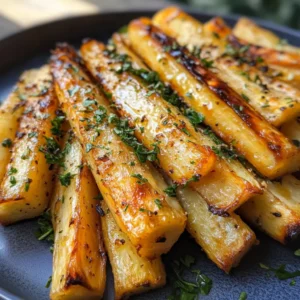
Arrange honey-roasted parsnips on a white serving platter to showcase their golden color. Garnish with fresh herbs like parsley, thyme, or chives for visual appeal. A light sprinkle of flaky sea salt just before serving enhances both flavor and presentation.
Storage and Reheating Instructions
Proper storage ensures your honey-roasted parsnips maintain quality for future meals. Following best practices prevents sogginess and preserves flavor.
Refrigerator Storage
Allow roasted parsnips to cool completely before storing. Transfer them to an airtight container and refrigerate for up to 4 days. Store separately from the glaze if you have any remaining.
Freezing Guidelines
While fresh is best, you can freeze honey-roasted parsnips for up to 2 months. Place cooled parsnips in a single layer on a baking sheet and freeze until solid. Then transfer to a freezer-safe container or bag. This prevents them from sticking together.
Best Reheating Methods
Oven method: Preheat to 375°F and spread parsnips on a baking sheet. Heat for 10-12 minutes until warmed through and slightly re-crisped. This method best preserves texture.
Stovetop method: Heat a skillet over medium heat with a small amount of oil. Add parsnips and cook for 5-7 minutes, stirring occasionally, until heated through and edges are crispy.
Air fryer method: Set to 375°F and heat for 5-6 minutes, shaking the basket halfway through. This quickly restores crispiness.
Frequently Asked Questions
Do I need to parboil parsnips before roasting?
No, you don’t need to parboil parsnips before roasting them. Roasting from raw produces excellent results and actually enhances their natural sweetness. Parboiling can make them mushy and removes some flavor. Simply coat raw parsnips with your honey glaze and roast until tender.
Can I make honey-roasted parsnips in an air fryer?
Yes, honey-roasted parsnips work beautifully in an air fryer. Preheat the air fryer to 380°F and cook for 15-18 minutes, shaking the basket every 5 minutes. The air fryer produces exceptionally crispy edges while reducing cooking time by about 30%.
How do I prevent honey from burning during roasting?
To prevent burning, add only part of the honey glaze initially and reserve some for the final minutes. Watch carefully during the last 10 minutes of cooking. If the parsnips are browning too quickly, reduce the oven temperature slightly or cover loosely with foil.
What’s the best substitute for honey in this recipe?
Maple syrup serves as an excellent honey substitute with a slightly different flavor profile. Use the same amount as you would honey. Agave nectar also works well, though it’s sweeter, so reduce the quantity by about 25%.
Can I prepare honey-roasted parsnips ahead of time?
You can prepare parsnips up to 24 hours in advance by cutting them and storing in cold water in the refrigerator. Drain and pat dry before coating with glaze and roasting. For best results, roast just before serving. However, you can roast them a few hours ahead and reheat using the methods described above.
How do I know when parsnips are done roasting?
Perfectly roasted parsnips should be fork-tender when pierced and golden brown on the edges. The exterior should have visible caramelization from the honey glaze. Cooking time varies from 25-35 minutes depending on the size of your cuts and your oven.
Conclusion
Honey-roasted parsnips offer a delightful combination of sweet and savory flavors that elevate any meal. This simple recipe requires minimal ingredients yet delivers maximum impact through the caramelization process that brings out the natural sugars in both the parsnips and honey. Whether you’re preparing a holiday feast or a casual weeknight dinner, these golden-glazed root vegetables provide nutritional benefits alongside exceptional taste.
The versatility of honey-roasted parsnips makes them a valuable addition to your cooking repertoire. Experiment with different herbs, spices, and citrus accents to create your perfect version of this classic side dish.
Print
Honey-Roasted Parsnips
Description
Honey-Roasted Parsnips
Ingredients
-
1 lb (450 g) parsnips, peeled and cut into sticks or chunks
-
2 tbsp olive oil or melted butter
-
2 tbsp honey
-
Salt and black pepper, to taste
-
1/2 tsp ground cinnamon or nutmeg (optional)
-
Fresh thyme or parsley for garnish (optional)
Instructions
-
Preheat oven:
Preheat oven to 400°F (200°C). Line a baking sheet with parchment paper. -
Prepare parsnips:
In a bowl, toss parsnips with olive oil, honey, salt, pepper, and cinnamon or nutmeg if using. -
Roast:
Spread parsnips in a single layer on the baking sheet. Roast for 25–35 minutes, flipping halfway through, until golden and tender. -
Garnish and serve:
Sprinkle with fresh thyme or parsley before serving. Serve warm.