
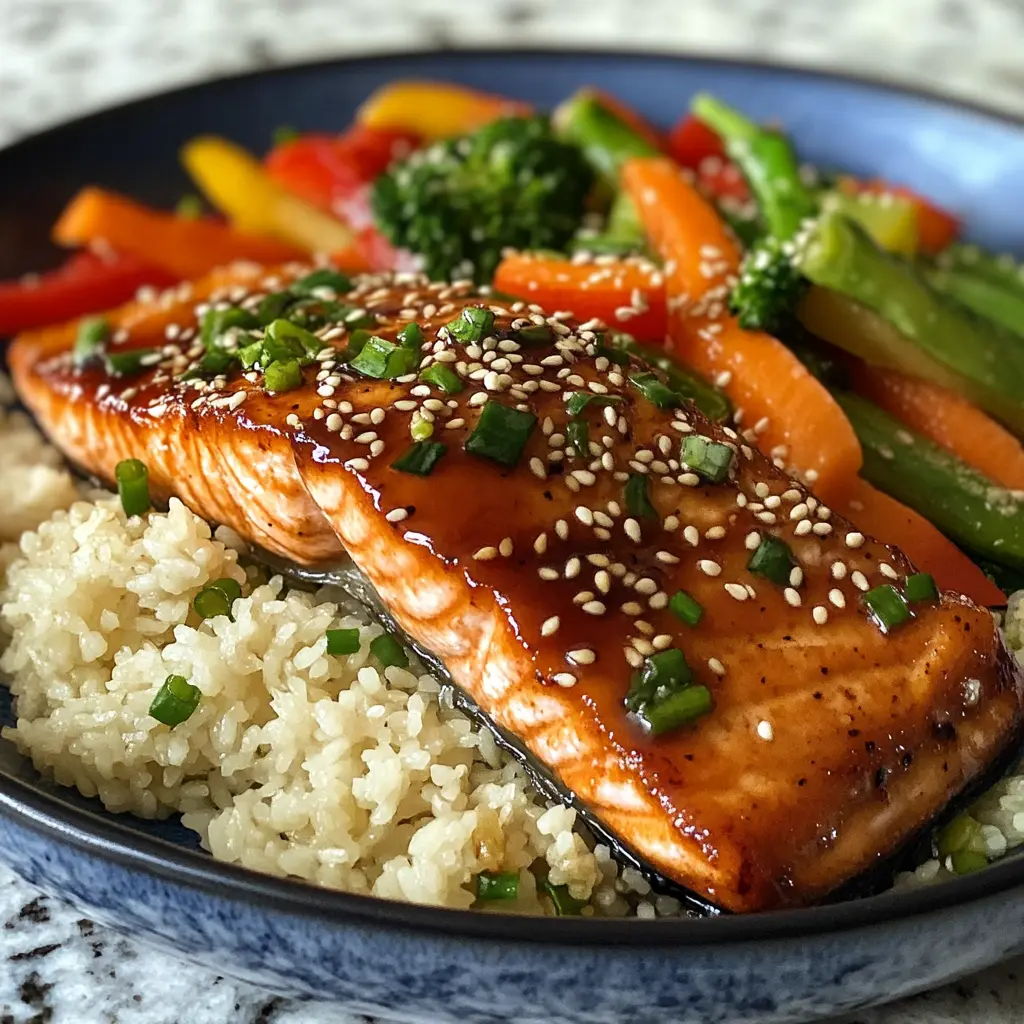
Why You’ll Love This Maple Soy Glazed Salmon with Sesame Veggies
Maple Soy Glazed Salmon with Sesame Veggies transforms everyday ingredients into an unforgettable meal. This recipe delivers restaurant-quality results in just 30 minutes. Moreover, it combines the rich, buttery texture of salmon with a caramelized sweet-savory glaze. Additionally, the crisp vegetables add color, crunch, and nutritional balance to every bite.
Busy weeknights call for simple yet impressive dishes. Therefore, this one-pan approach minimizes cleanup while maximizing flavor. Furthermore, the combination of maple syrup and soy sauce creates a glossy coating that rivals any high-end restaurant. The addition of sesame-roasted vegetables completes this balanced meal with fiber, vitamins, and satisfying texture.
What Makes This Recipe Special
This dish stands out for several compelling reasons. First, the glaze requires only five basic ingredients. Second, the cooking method ensures perfectly flaky salmon with a caramelized exterior. Third, the sesame vegetables complement the fish without overpowering its natural richness.
The magic happens when maple syrup meets soy sauce. This creates an umami-rich glaze with depth and complexity. Additionally, the natural sugars in maple syrup caramelize during cooking. Consequently, they form a golden-brown crust that’s both beautiful and delicious. Meanwhile, fresh ginger and garlic add aromatic notes that elevate the entire dish.
Essential Ingredients Breakdown
For the Salmon
-
Fresh salmon fillets: Choose 4 to 6 ounces per serving of high-quality salmon
-
Salt and pepper: Season to enhance natural flavors
-
Sesame oil: Adds nutty richness and helps achieve crispy skin
For the Maple Soy Glaze
-
Pure maple syrup: Use grade A or B for authentic flavor
-
Soy sauce: Low-sodium variety works best for balanced saltiness
-
Fresh garlic: Minced cloves provide aromatic depth
-
Fresh ginger: Grated ginger adds warmth and complexity
-
Butter: Creates silky texture and helps glaze adhere
For the Sesame Veggies
-
Broccoli florets: Cut into bite-sized pieces for even cooking
-
Bell peppers: Use multiple colors for visual appeal
-
Carrots: Sliced thinly for quick cooking
-
Snap peas: Add sweetness and satisfying crunch
-
Sesame seeds: Toast for enhanced nutty flavor
-
Sesame oil: Ties the vegetables to the main dish
Health Benefits of Salmon and Sesame
Omega-3 Powerhouse
Salmon ranks among the most nutritious proteins available. It contains high levels of omega-3 fatty acids. These essential fats support cardiovascular health in multiple ways. Specifically, they help lower blood pressure slightly and reduce triglyceride levels. Furthermore, omega-3s decrease the risk of irregular heartbeats.
Research demonstrates impressive results from regular salmon consumption. Studies show a 28% reduction in total heart attack rates among omega-3 supplement users. Additionally, African American participants experienced a 77% reduction. Therefore, eating salmon twice weekly significantly benefits heart health.
Sesame Seed Nutrition
Sesame seeds pack remarkable nutritional value into tiny packages. They provide substantial amounts of copper at 68% daily value per tablespoon. Moreover, they deliver 15% daily value for both iron and magnesium. Calcium content reaches 14% daily value, supporting bone health.
These mighty seeds also contain thiamin, phosphorus, zinc, and selenium. Consequently, sprinkling sesame seeds over vegetables boosts the nutritional profile significantly. Additionally, the healthy fats in sesame help absorb fat-soluble vitamins from vegetables.
Step-by-Step Cooking Instructions
Preparation Phase
Begin by gathering all ingredients and equipment. This ensures smooth cooking without interruptions. Next, pat salmon fillets completely dry using paper towels. Dry surfaces allow better seasoning adhesion and promote caramelization.
Prepare the vegetables by washing and cutting them uniformly. Similar sizes ensure even cooking throughout. Meanwhile, mince garlic and grate fresh ginger for the glaze. Finally, measure all liquid ingredients before starting the cooking process.
Creating the Marinade
Whisk together maple syrup and soy sauce in a small bowl. The ratio typically uses three tablespoons maple syrup to two tablespoons soy sauce. However, adjust according to taste preferences. Add more maple for sweetness or extra soy for saltiness.
Stir in minced garlic and grated ginger thoroughly. Then, place salmon in a shallow dish or resealable bag. Pour the marinade over the fish, ensuring complete coverage. Refrigerate for 25 to 30 minutes, turning occasionally.
Cooking the Salmon
Preheat your oven to 425°F for optimal caramelization. Alternatively, heat a large skillet over medium-high heat for stovetop preparation. Lightly oil your baking sheet or pan to prevent sticking.
Remove salmon from marinade and pat dry with paper towels. Reserve the marinade for later use. Season salmon with salt and pepper on both sides. Place the fish skin-side down if using skin-on fillets.
For oven method, bake for 12 to 15 minutes until fish flakes easily. Meanwhile, pour reserved marinade into a small saucepan. Simmer for 2 to 3 minutes until slightly thickened. Brush the reduced glaze over salmon during the last few minutes of cooking.
For stovetop method, heat sesame oil in the skillet. Sear salmon for 4 to 5 minutes per side. Then, pour the glaze into the pan and let it bubble. Spoon the sauce over fillets repeatedly for glossy coating.
Preparing the Perfect Maple Soy Glaze
The glaze transforms simple salmon into something extraordinary. Start with high-quality pure maple syrup for best results. Avoid pancake syrups with artificial flavors or corn syrup.
Heat butter in a small pan over medium heat. Add minced garlic and cook for 30 seconds until fragrant. Stir in grated ginger and cook another 30 seconds. This blooming technique releases aromatic compounds and mellows raw flavors.
Pour in maple syrup and soy sauce together. Bring the mixture to a gentle simmer while stirring constantly. Let it bubble for 2 to 3 minutes. The glaze will thicken as it cools, so don’t over-reduce.
Taste and adjust seasoning as needed. The glaze should balance sweet and salty notes perfectly. If too sweet, add a splash more soy sauce. Conversely, if too salty, incorporate additional maple syrup.
How to Cook Sesame Veggies
Stir-Fry Method
Heat sesame oil in a large wok over high heat. The oil should shimmer but not smoke. Add garlic and ginger first, stir-frying for one minute. This creates an aromatic base for the vegetables.
Add harder vegetables like carrots and broccoli first. Stir-fry for 3 to 4 minutes to soften slightly. Then, add bell peppers and snap peas. Continue cooking while stirring frequently for another 3 to 4 minutes.
Drizzle with soy sauce for umami depth. Sprinkle sesame seeds over the vegetables and toss well. Cook for 2 more minutes until vegetables reach crisp-tender texture. Season with salt and pepper to taste.
Roasted Method
Alternatively, roast the vegetables alongside the salmon. Preheat oven to 425°F as recommended for the fish. Toss cut vegetables with sesame oil, salt, and pepper. Spread them on a baking sheet in a single layer.
Roast for 15 to 20 minutes, stirring halfway through. Vegetables should be tender with caramelized edges. Remove from oven and immediately toss with sesame seeds. The residual heat will toast the seeds perfectly.
Pro Tips for Restaurant-Quality Results
Selecting Quality Salmon
Choose wild-caught salmon when possible for superior flavor and nutrition. Look for firm flesh with bright color and minimal smell. Avoid fish with brown discoloration or strong fishy odors. Fresh salmon should smell like the ocean, clean and mild.
King salmon and Atlantic salmon work beautifully for this recipe. They contain higher fat content, which keeps them moist during cooking. Sockeye salmon offers intense flavor and firm texture. However, any fresh salmon variety succeeds with proper technique.
Temperature Control
Don’t overcook the salmon, which causes dryness. Fish continues cooking after removal from heat. Therefore, take it out when slightly undercooked in the center. The internal temperature should reach 125°F for medium doneness. Carryover cooking will bring it to 130°F.
For vegetables, maintain high heat throughout stir-frying. This ensures quick cooking that preserves color, nutrients, and crunch. However, avoid overcrowding the pan, which causes steaming instead of searing.
Glaze Consistency
The glaze should coat the back of a spoon when properly reduced. Remember it thickens considerably as it cools. If too thin, simmer longer while stirring constantly. If too thick, whisk in a tablespoon of water to loosen.
Apply glaze in layers for maximum impact. Brush once during cooking and again right before serving. This creates depth of flavor and gorgeous shine.
Serving Suggestions and Pairings
Rice and Grain Options
Serve Maple Soy Glazed Salmon with Sesame Veggies over fluffy white rice for classic presentation. The grains soak up the delicious glaze beautifully. Brown rice adds nutty flavor and extra fiber. Jasmine rice provides fragrant aromatics that complement Asian flavors.
Quinoa offers a protein-rich alternative with pleasant texture. Cauliflower rice works perfectly for low-carb preferences. Meanwhile, rice noodles or soba noodles create a more substantial meal.
Additional Vegetable Sides
The sesame vegetables provide excellent nutrition and color. However, adding Asian-inspired cucumber salad brings refreshing contrast. Simply slice cucumbers thinly and dress with rice vinegar, sesame oil, and a touch of honey.
Steamed edamame makes a protein-packed starter or side. Sprinkle with sea salt for simple, satisfying preparation. Alternatively, serve pickled vegetables for tangy brightness that cuts through rich salmon.
Garnishing for Visual Appeal
Presentation elevates home cooking to restaurant level. Sprinkle chopped green onions over the finished dish for color and mild onion flavor. Add extra sesame seeds for textural interest. Fresh cilantro leaves provide herbaceous notes and vibrant green color.
Lime wedges serve double duty as garnish and flavor enhancer. Squeeze fresh lime juice over salmon just before eating. The acidity brightens rich flavors and adds dimension.
Storage and Meal Prep Ideas
Refrigerator Storage
Cooked salmon stores well in airtight containers for up to three days. Keep the fish and vegetables separate if possible. This prevents vegetables from becoming soggy. Store leftover glaze separately in a small jar or container.
When ready to eat, reheat gently to avoid overcooking. Microwave on 50% power in 30-second intervals. Alternatively, reheat in a 300°F oven for 8 to 10 minutes. Add a splash of water to maintain moisture.
Freezer Storage
Freeze cooked salmon for up to two months in freezer-safe containers. Wrap individual portions in plastic wrap, then foil for best quality. Label with date and contents for easy identification.
Thaw frozen salmon overnight in the refrigerator. Never thaw at room temperature, which promotes bacterial growth. Reheat using the same gentle methods mentioned above.
Meal Prep Strategy
This dish excels as a meal prep option. Cook a large batch of salmon and vegetables on Sunday. Portion into individual containers with rice or quinoa. Refrigerate for grab-and-go lunches throughout the week.
Alternatively, prepare the marinade in advance and store separately. Keep raw salmon in the marinade for quick weeknight cooking. Prep vegetables by washing and cutting ahead of time. Store in containers with damp paper towels to maintain freshness.
Recipe Variations to Try
Spicy Maple Soy Salmon
Add heat to the classic glaze with sriracha or chili garlic sauce. Start with one teaspoon and adjust to taste preference. Red pepper flakes also provide pleasant warmth without overwhelming spice.
This variation works wonderfully for those who enjoy bold flavors. The sweetness of maple syrup balances the heat perfectly. Meanwhile, soy sauce provides savory depth that rounds out the profile.
Citrus-Enhanced Version
Incorporate fresh lime juice and zest into the marinade. Use two tablespoons juice and half teaspoon zest per batch. The citrus brightens the glaze and adds complexity. Lemon works equally well for slightly different flavor.
Finish the dish with additional citrus wedges for squeezing at the table. The fresh acid cuts through rich salmon beautifully. Furthermore, it enhances the natural flavors rather than masking them.
Mustard Maple Glaze
Whisk Dijon mustard into the maple syrup mixture for tangy depth. Use one tablespoon per quarter cup maple syrup. The mustard adds complexity and helps emulsify the glaze. This variation pairs especially well with roasted preparation methods.
Whole grain mustard provides textural interest along with flavor. The seeds create visual appeal in the finished glaze. Additionally, mustard brings slight pungency that complements fatty fish perfectly.
Different Vegetable Combinations
Swap sesame veggies for other seasonal options. Try asparagus, mushrooms, and cherry tomatoes in spring. Summer vegetables like zucchini and yellow squash work beautifully. Fall brings Brussels sprouts, butternut squash, and cauliflower.
Winter root vegetables roast wonderfully alongside salmon. Consider sweet potatoes, parsnips, and red onions. All vegetables benefit from sesame oil and seeds for cohesive flavor throughout the meal.
Common Mistakes to Avoid
Overcooking the Salmon
The most common error ruins perfectly good fish. Salmon cooks quickly and continues cooking after heat removal. Therefore, check for doneness early and often. The flesh should be opaque on the outside but slightly translucent in the center.
Use a fork to gently flake the thickest part of the fillet. If it separates into large, moist flakes, it’s done. Dry, crumbly texture indicates overcooking. Unfortunately, overcooked salmon cannot be fixed.
Skipping the Marinade
Marinating enhances flavor penetration and tenderness. While you can cook salmon immediately, marinating for 20 to 60 minutes yields superior results. The acids and flavors infuse into the fish during this time.
However, don’t marinate too long. Excessive time in acidic marinade can make fish mushy. Twenty to thirty minutes provides optimal flavor without texture damage.
Using Low-Quality Ingredients
Cheap ingredients produce inferior results. Artificial maple-flavored syrup lacks depth and complexity. Real maple syrup contains natural sugars and subtle flavor notes. Similarly, choose naturally brewed soy sauce over chemical versions.
Fresh garlic and ginger outperform dried or powdered alternatives significantly. They provide bright, aromatic flavors that dried versions cannot match. Invest in quality ingredients for noticeably better outcomes.
Crowding the Pan
Whether stir-frying vegetables or searing salmon, space matters. Crowded pans trap steam and prevent proper browning. This results in soggy, pale food instead of caramelized perfection.
Work in batches if necessary to maintain proper spacing. The extra time pays dividends in flavor and texture. Alternatively, use multiple pans simultaneously for efficiency.
Frequently Asked Questions
Can I use frozen salmon for this recipe?
Yes, frozen salmon works perfectly well. However, thaw it completely before marinating. Place frozen fillets in the refrigerator overnight for gradual, safe thawing. Pat dry thoroughly before proceeding with the recipe. Excess moisture prevents proper searing and caramelization.
How do I know when Maple Soy Glazed Salmon with Sesame Veggies is done cooking?
Properly cooked salmon flakes easily with a fork but remains moist. The internal temperature should reach 125°F to 130°F for medium doneness. Additionally, the flesh turns opaque pink rather than translucent red. The center may still appear slightly darker, which is perfect.
Can I make this recipe dairy-free?
Absolutely. Simply omit the butter from the glaze recipe. Replace it with additional sesame oil or vegetable oil. The glaze remains delicious and glossy without dairy. All other ingredients naturally contain no dairy products.
What’s the best way to reheat leftover salmon?
Gentle reheating prevents drying out delicate fish. Use 50% microwave power in short intervals. Alternatively, reheat in a 300°F oven covered with foil. Add a tablespoon of water or broth to create steam. This keeps salmon moist during reheating.
Can I grill the salmon instead of baking it?
Grilling adds wonderful smoky flavor to this dish. Soak cedar planks in water for two hours first. Place marinated salmon on the plank skin-side down. Grill over medium-high heat for about 10 minutes. Baste frequently with reserved glaze for maximum flavor.
How can I make the vegetables more crispy?
High heat and proper spacing create crispy vegetables. Ensure your wok or pan is very hot before adding vegetables. Don’t stir constantly, which prevents browning. Let vegetables sit for 30 seconds between stirs. Additionally, avoid adding too much liquid, which creates steam.
Is this recipe suitable for meal prep?
Yes, Maple Soy Glazed Salmon with Sesame Veggies makes excellent meal prep. Cook a large batch and portion into containers. Store fish and vegetables separately if possible. Refrigerate for up to three days. Reheat gently when ready to eat. The flavors actually improve slightly after resting overnight.
Final Thoughts
Maple Soy Glazed Salmon with Sesame Veggies delivers impressive results with minimal effort. This 30-minute meal combines sweet, savory, and umami flavors in perfect harmony. The caramelized glaze creates restaurant-quality presentation. Meanwhile, nutrient-rich vegetables complete the balanced plate.
Whether you’re cooking for weeknight dinners or special occasions, this recipe succeeds. The simple ingredient list and straightforward technique welcome beginners. However, the sophisticated flavors impress experienced cooks and dinner guests equally. Furthermore, the nutritional benefits support heart health and overall wellness.
Try this Maple Soy Glazed Salmon with Sesame Veggies tonight. Your family will request it again and again. The combination of tender, flaky fish with perfectly glazed coating never disappoints. Moreover, the colorful vegetables add visual appeal to every plate. Start cooking this incredible dish now and taste the difference that quality ingredients and proper technique create.
Print
Maple Soy Glazed Salmon with Sesame Veggies.
- Total Time: 25 minutes
- Yield: 4 1x
Ingredients
For the Salmon
4 salmon fillets (4–6 oz each)
Salt and black pepper, to taste
2 tablespoons olive oil
Maple Soy Glaze
3 tablespoons soy sauce
2 tablespoons pure maple syrup
1 tablespoon rice vinegar
1 teaspoon sesame oil
2 cloves garlic, minced
1 teaspoon grated ginger
Sesame Veggies
1 cup broccoli florets
1 red bell pepper, sliced
1 zucchini, sliced
1 tablespoon sesame oil
1 teaspoon sesame seeds
Salt and pepper, to taste
Instructions
1. Make the Glaze
-
In a small bowl, whisk together soy sauce, maple syrup, rice vinegar, sesame oil, garlic, and ginger.
2. Cook the Salmon
-
Season salmon fillets with salt and pepper.
-
Heat olive oil in a skillet over medium-high heat.
-
Sear salmon, skin-side down, for 4–5 minutes. Flip and brush with glaze; cook 3–4 more minutes until cooked through and caramelized.
3. Sauté the Veggies
-
In a separate skillet, heat sesame oil over medium heat.
-
Add broccoli, bell pepper, and zucchini; sauté 4–5 minutes until tender-crisp.
-
Sprinkle with sesame seeds and season with salt and pepper.
4. Serve
-
Plate salmon over or alongside sesame veggies.
-
Drizzle with any remaining maple-soy glaze and garnish with extra sesame seeds or sliced green onions.
Notes
Salmon tip: Use skin-on fillets for better sear and flavor.
Glaze variation: Add a pinch of chili flakes for heat.
Veggie swaps: Snap peas, carrots, or asparagus work well.
Meal prep: Cook salmon and veggies separately, then reheat gently for a quick lunch or dinner.
- Prep Time: 10
- Cook Time: 15
Nutrition
- Calories: 410