
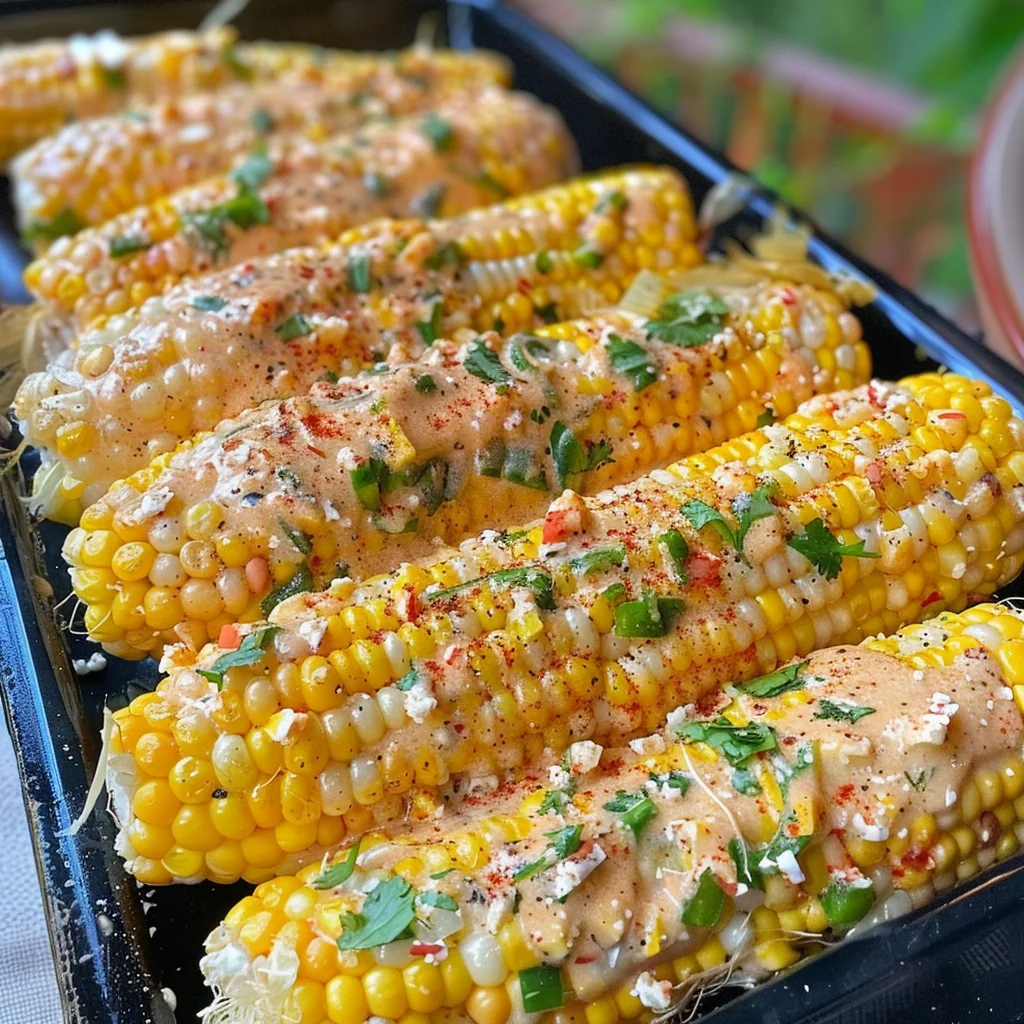
Mexican Street Corn (Elote): A Flavor Fiesta from the Streets to Your Kitchen
Prepare your taste buds for a journey! This article is your all-access pass to the world of Mexican street corn, a dish that’s so much more than a simple snack. We’re diving fork-first into its rich history, unraveling the secrets behind its addictive flavor, and mastering the art of creating authentic elote right in our own kitchens. From the bustling street food carts of Mexico City to your next backyard barbecue, get ready to discover why this incredible combination of smoky, creamy, tangy, and spicy flavors has conquered the globe. Let’s shuck, grill, and savor the story together.
More Than Just Corn: The Cultural Icon of Elote
Honestly, to call elote just “corn on the cob” is a tremendous understatement; it’s like calling a symphony just a bunch of notes. This dish is a vibrant, messy, and utterly glorious experience that engages all your senses. Firstly, it’s a visual feast—a brilliant yellow canvas slathered with creamy white, then generously sprinkled with crumbly cheese and vibrant red chili powder. Secondly, the aroma is simply irresistible—the smoky scent of charred kernels mingling with zesty lime and earthy spices wafting through the air, acting as a siren’s call to hungry passersby.
Ultimately, elote is a cornerstone of Mexican culinary culture, a beloved antojito (little craving) that represents a beautiful fusion of ancient ingredients and modern, bold flavors. Moreover, it’s a food of the people, found on every street corner, in every market, and at every family gathering, bringing joy with every messy, delicious bite.
The Sound of the Street: The Elotero’s Call
Imagine for a moment the lively streets of a Mexican town in the late afternoon. Consequently, above the hum of traffic and chatter, you hear a distinct, melodic sound—a sharp whistle or a call of “¡Eloteeeero!” or “¡Elotes!” This, believe it or not, is the soundtrack of craving. The elotero, the vendor who expertly crafts this masterpiece, is often a mobile maestro, pushing a cart or bicycle outfitted with a steaming pot of corn, an array of condiments, and, of course, a ready smile.
Furthermore, the ritual is as important as the recipe. You approach the cart, point to your chosen cob, and watch the magic happen. Subsequently, the elotero will spear the corn, slather it with just the right amount of mayonnaise or crema, roll it in a mountain of cotija cheese, and finish it with a dusting of chili powder and a squeeze of lime. It’s a performance, a quick and delicious transaction that results in pure happiness on a stick.
Why Elote Captivates Food Lovers Worldwide
So, what’s the big deal? Why has this seemingly simple street food exploded in popularity from food trucks in Brooklyn to gourmet restaurants in Tokyo? The answer lies in its breathtaking balance of flavors and textures. Each component plays a critical role:
-
Smoky & Sweet: The charred, grilled corn provides a deep, sweet base.
-
Creamy & Rich: The layer of mayonnaise or crema adds a luxurious, cooling richness that clings to every kernel.
-
Salty & Tangy: The crumbled cotija cheese offers a sharp, salty punch that cuts through the cream.
-
Spicy & Zesty: Finally, the chili powder and fresh lime juice deliver a thrilling kick and a burst of acidity that ties the whole experience together.
In essence, elote is a perfect bite. It’s a dish that’s unpretentious yet complex, familiar yet exciting. It’s a testament to the power of simple, high-quality ingredients combined with culinary creativity and cultural passion. For this reason, it doesn’t just feed you; it takes you on a mini-vacation to a vibrant Mexican street with every single bite.
The Humble Beginnings: A Brief History of Elote
From Ancient Staple to Modern Marvel
To truly appreciate your next ear of elote, you gotta tip your hat to history. Believe it or not, the story of this street food superstar begins millennia ago. Corn, or maize, wasn’t just a crop in ancient Mesoamerica; it was literally the foundation of life, deeply woven into the spiritual and physical fabric of societies like the Maya and Aztecs. In fact, they held a profound reverence for this grain, so much so that they even had a maize god! You can explore more about the deep roots of this staple in the history of maize in Mesoamerica.
Initially, ancient peoples enjoyed their corn in simpler ways—likely boiled or roasted over an open fire. However, the elote we know and love today is a delicious product of cultural fusion. Following the Spanish arrival in the Americas, a culinary revolution began. Consequently, new ingredients like dairy (hello, cheese!) and citrus (welcome, lime!) were introduced to the native pantry. These additions eventually collided with the beloved corn, creating the first prototypes of our modern dish.
The 20th Century: The Rise of the Street Cart (Puestos)
The 20th century, particularly in growing urban centers like Mexico City, cemented elote‘s fate as the ultimate street food. As people moved to cities, the demand for quick, affordable, and delicious food sold on the go skyrocketed. Enter the puestos—the vibrant, often family-run street carts. These mobile kitchens became the beating heart of neighborhoods, and the elotero became a beloved local figure.
Therefore, what started as an ancient staple, transformed by colonialism, finally found its true home on the bustling streets of modern Mexico. It evolved from a simple sustenance food into an iconic, crafted experience, a symbol of Mexican ingenuity and flavor.
Deconstructing the Magic: The Essential Components of Authentic Elote
The Holy Trinity of Flavor, Texture, and Creaminess
Alright, let’s get down to the nitty-gritty. What exactly makes an elote so darn addictive? It’s all about the team of ingredients working in perfect harmony. Forget complicated techniques; the magic is in the assembly of powerhouse components.
The Base: Choosing the Perfect Corn
First things first, you need a great canvas. Not all corn is created equal for this purpose. Ideally, you want fresh ears with bright green, snug husks and plump, tightly packed kernels that release a milky liquid when pierced. This freshness guarantees that perfect juicy crunch and natural sweetness after cooking.
-
Fresh vs. Frozen vs. Canned: Always, always go for fresh corn when you can. The flavor and texture are superior. Nevertheless, in a pinch, frozen corn on the cob (thawed) can work. As for canned corn? Well, let’s just say it’s a hard pass for traditional elote on the cob, though it can be okay for esquitesin a real emergency.
The Creamy Layer: The Controversial & Crucial Role of Mayonnaise
Here’s the part that sometimes surprises folks: the mayonnaise. Yes, really! While it might seem odd to slather mayo on corn, trust the process. It’s non-negotiable for authenticity. Why? Because it’s not just about creaminess; it’s function. The mayo acts as a delicious, rich glue, allowing the cheese and spices to stick to the slick kernels instead of just tumbling off into your lap.
-
Mexican Crema: Often, vendors might use a combination of mayo and Mexican crema. This crema is thinner, tangier, and less rich than American sour cream. If you can find it, using a mix is pure heaven.
The Salty Punch: All About Cotija Cheese
This is the MVP, the flavor king. Cotija cheese is a hard, crumbly, salty Mexican cheese made from cow’s milk. Named after the town of Cotija in Michoacán, it’s often called the “Parmesan of Mexico” due to its granular texture and bold, salty flavor. It doesn’t really melt; instead, it provides that essential salty, funky crunch in every single bite.
-
Best Substitutes: Can’t find cotija? Don’t panic! Crumbled feta cheese is the closest substitute thanks to its saltiness and texture. Grated Parmesan or Romano cheese can work in a real bind, though the flavor profile is different.
The Flavor Boosters: Spices, Citrus, and Herbs
This is where you can truly make it your own. The classic seasoning is a generous dusting of chile piquínor a commercial chili powder blend like Tajín, which also includes dehydrated lime and salt. Then, a final, absolutely essential squeeze of fresh lime juice adds a burst of acidity that cuts through all the richness and brightens the entire dish. Some people also add a sprinkle of fresh chopped cilantro or a minced garlic clove mixed into the mayo for an extra kick.

Esquites: Elote’s Cousin in a Cup
Now, let’s talk about elote‘s arguably more user-friendly sibling: esquites (pronounced es-KEE-tays). Essentially, this is all the incredible flavor of elote, but served off the cob in a cup. It’s the ultimate solution for enjoying this iconic treat without ending up with ingredients all over your face—though it’s still gloriously messy!
The preparation is wonderfully similar. Firstly, the kernels are sliced from the cooked cob. Then, they are sautéed in a little butter with onions, epazote (a traditional Mexican herb), or cilantro. After that, the familiar cast of characters joins the party: the creamy mayo, the salty cotija cheese, the spicy chili powder, and the zesty lime juice. Everything gets mixed together right in the pot, creating a warm, savory, and incredibly comforting corn salad.
Why choose esquites? Well, it’s perfect for parties and picnics because it’s easy to eat with a spoon while standing. It’s also a fantastic way to feed a crowd without worrying about having enough corn cobs. Ultimately, whether you’re Team Elote or Team Esquites, you’re guaranteed a unforgettable flavor experience.
Crafting the Perfect Elote: A Step-by-Step Recipe
How to Make Authentic Mexican Street Corn at Home
Ready to bring the street fair into your kitchen? Good news: making incredible elote at home is surprisingly simple. Here’s your foolproof guide to creating this masterpiece.
Ingredients List
-
4 ears of fresh corn, husks removed
-
¼ cup mayonnaise (or a mix of mayo and Mexican crema)
-
½ cup finely crumbled cotija cheese
-
1 teaspoon chili powder (or Tajín)
-
1 lime, cut into wedges
-
Optional: 1 clove garlic, minced, and 2 tablespoons chopped fresh cilantro
Essential Equipment
You’ve got options for cooking the corn, each delivering a slightly different result:
-
The Grill (Best for flavor): A grill imparts that authentic smoky char that is absolutely unbeatable.
-
The Broiler (Great alternative): Your oven’s broiler is a fantastic stand-in for a grill, giving you a nice blistering.
-
The Stovetop (Quick and easy): You can simply boil the corn in a large pot of salted water for 5-7 minutes until tender.
Step 1: Preparing and Cooking the Corn
First, preheat your grill (or broiler) to medium-high heat. While it heats up, gently rinse the shucked corn and pat it dry. Then, lightly brush or spray each ear with a neutral oil like vegetable or avocado oil. This helps prevent sticking and promotes beautiful browning.
Next, place the corn directly on the grill grates. Cook for about 8-10 minutes, turning every few minutes, until the kernels are tender and have some nicely charred spots. Don’t be afraid of a little blackening—that’s where the big flavor lives!
Step 2: Assembling and Dressing the Elote
Once the corn is cooked, the assembly line begins! Working quickly with one ear at a time (while they’re still warm), use a brush or a spoon to slather a generous, even layer of mayonnaise all over the surface. Immediately after, roll the mayo-covered corn in the crumbled cotija cheese or sprinkle the cheese on generously until it sticks. It should look like a delicious, cheesy snowball.
Step 3: Serving and Presentation Tips
Finally, transfer your beautifully dressed corn to a plate. Dust it liberally with your chili powder, add a sprinkle of optional cilantro, and don’t forget to serve it with a wedge or two of fresh lime on the side. The squeeze of lime juice right before eating is non-negotiable! For serving, you can stick the end of each cob with a corn holder or simply serve it with plenty of napkins. Trust me, you’ll need them.
Beyond the Classic: Creative Elote Variations to Try
Once you’ve mastered the classic, a world of delicious possibilities opens up. The core flavors of eloteare incredibly versatile and can be adapted into countless other dishes.
Elote Dip: The Ultimate Shareable Appetizer
Imagine all the flavors of your favorite street corn, but in a hot, bubbly, scoopable dip form. This is a guaranteed party hit! Simply combine the kernels from 4-5 cooked corn cobs (or use frozen fire-roasted corn) with mayonnaise, sour cream, cotija cheese, chili powder, a pinch of garlic powder, and some chopped cilantro. Spread it in a baking dish, top with more cheese, and bake until golden and delicious. Serve with sturdy tortilla chips for dipping.
Elote Pasta Salad: A Fusion Side Dish
Give your standard pasta salad a massive upgrade. This fusion dish is a crowd-pleaser for potlucks and barbecues. Prepare your favorite short pasta (like fusilli or farfalle). Meanwhile, mix the cooled kernels from 3-4 cobs with mayo, lime juice, cotija, red onion, cilantro, and chili powder. Toss this mixture with the cooled pasta. It’s a cool, creamy, and tangy side dish with an incredible Mexican twist.
Vegan & Dairy-Free Elote: Inclusive and Delicious
Everyone should get to enjoy this magic. Fortunately, it’s super easy to make a vegan version that’s just as tasty. Simply use vegan mayonnaise (it works perfectly). For the cheese, nutritional yeast provides a fantastic savory, cheesy flavor and a bit of crunch. Alternatively, you can find store-bought vegan feta or Parmesan to crumble on top. The chili powder and lime are already plant-based, so you’re good to go!
Is Elote Healthy? A Nutritional Breakdown
Let’s be real: elote is an indulgent treat. However, that doesn’t mean it’s without nutritional merit. It’s all about balance and understanding what’s on your plate.
The Health Benefits of Corn
First, the star of the show: corn. Contrary to popular belief, corn is a nutritious whole grain. It’s a good source of fiber, which aids digestion, and it contains beneficial antioxidants like lutein and zeaxanthin, which are great for eye health. It also provides essential vitamins like B vitamins and vitamin C.
Understanding the Fats: Mayo and Cheese
This is where the calorie and fat content comes in. Mayonnaise and cheese are high in fats. However, not all fats are created equal. For instance, the fats in these ingredients help your body absorb the fat-soluble vitamins from the corn. Furthermore, cheese provides a good dose of calcium and protein.
Tips for a Lighter Elote
If you’re watching your intake, you can easily lighten it up without sacrificing flavor:
-
Use Greek yogurt or light Mexican crema instead of mayonnaise.
-
Be generous with the chili powder and lime, which are very low-calorie flavor powerhouses.
-
Go a little lighter on the cheese sprinkle.
-
Remember, it’s a side dish or occasional snack, not a main course. Enjoy it mindfully as part of a balanced diet.
Frequently Asked Questions (FAQs) About Mexican Street Corn
What is the difference between elote and esquites?
This is the most common question! The difference is all about presentation. Elote is served on the cob, slathered with toppings, and eaten by holding the stick. Esquites is the same delicious combination of flavors, but the kernels are cut off the cob and served in a cup, meant to be eaten with a spoon.
What can I use if I can’t find cotija cheese?
No problem! The best substitute is crumbled feta cheese. It has a very similar salty and crumbly texture. If you can’t find feta, grated Parmesan or Romano cheese can work in a pinch, though the flavor will be slightly different.
Can I make elote ahead of time?
It is absolutely best served immediately after assembling. However, you can do most of the prep work ahead. You can shuck and cook the corn, let it cool, and store it in the fridge. You can also mix your spices and crumble your cheese. Then, right before serving, quickly reheat the corn on the grill or in the oven and assemble everything. This prevents the toppings from making the corn soggy.
Is Mexican street corn served hot or cold?
Authentic elote is typically served warm or hot. The corn is usually cooked right on the spot—grilled or boiled—and the toppings are added while it’s still warm. Serving it warm allows the mayo to melt slightly and the cheese to stick perfectly.
Can I make elote without mayonnaise?
Absolutely. While mayo is traditional, you can definitely skip it or use a substitute. Mexican crema, sour cream, or even plain Greek yogurt are excellent creamy alternatives that will still provide the necessary texture for the other toppings to adhere to the corn.
Conclusion: Bringing the Street Food Experience Home
From its ancient, sacred origins to its status as a modern street food legend, Mexican street corn is a true celebration of flavor. It’s a dish that proves the most incredible culinary experiences often come from the simplest ingredients, combined with passion and creativity. Whether you’re grilling it at a summer barbecue, whipping up a quick batch of esquites for a weeknight treat, or experimenting with a new variation, you’re participating in a rich and delicious tradition. So, grab an ear, get a little messy, and savor the vibrant taste of Mexico, one incredible bite at a time.
Print
Mexican Street Corn (Elote)
Description
Mexican Street Corn (Elote)
Ingredients
-
4 ears of corn, husked
-
2 tbsp butter, melted
-
¼ cup mayonnaise
-
¼ cup sour cream (or Mexican crema)
-
½ cup Cotija cheese (crumbled, or feta as a substitute)
-
1 clove garlic, minced
-
1 tsp chili powder (or Tajín seasoning)
-
2 tbsp fresh cilantro, chopped
-
Juice of 1 lime (plus wedges for serving)
-
Salt, to taste
Instructions
-
Grill the corn:
-
Preheat a grill (or grill pan) to medium-high.
-
Brush corn with melted butter. Grill for 10–12 minutes, turning occasionally, until lightly charred.
-
-
Make the sauce:
-
In a small bowl, mix mayonnaise, sour cream, garlic, lime juice, and a pinch of salt.
-
-
Assemble the elote:
-
Brush or spread the creamy mixture all over each ear of corn.
-
Sprinkle generously with Cotija cheese.
-
Dust with chili powder or Tajín.
-
Garnish with cilantro and extra lime wedges.
-