
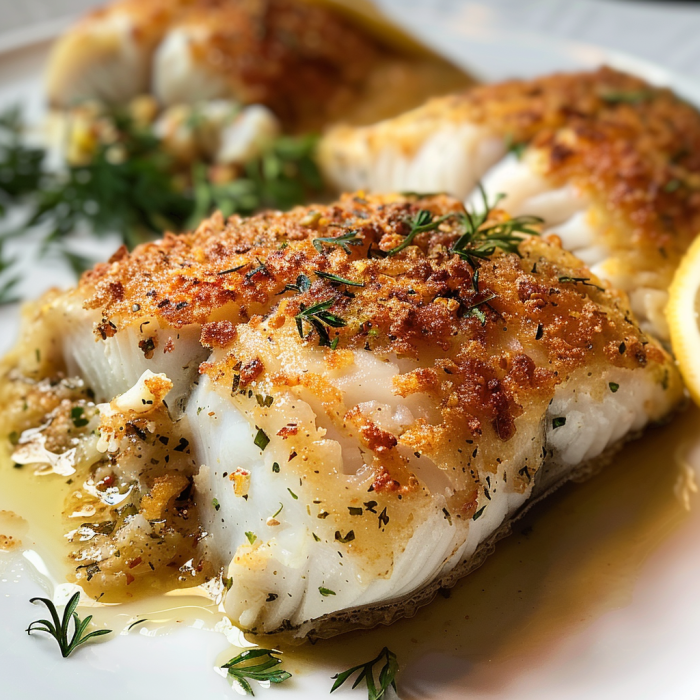
Baked Stuffed Catfish Fillets: Your Guide to an Impressive & Easy Seafood Feast
Picture this: a golden-brown catfish fillet, emerging from the oven steaming hot. You cut into it, and oh boy—it reveals a hidden treasure trove of flavorful, moist stuffing. The fish itself is incredibly flaky and tender, practically melting in your mouth while the savory filling delivers a delicious surprise with every single bite. This, my friend, is the magic of Baked Stuffed Catfish Fillets. Far from being a complicated restaurant-only dish, it’s a surprisingly achievable masterpiece that walks the line perfectly between a fancy weekend dinner party showstopper and a comforting weeknight family meal. Consequently, this guide is your ultimate resource, walking you through every single step from selecting the perfect fish at the market to pulling your perfectly cooked creation out of the oven. We’ll explore fantastic stuffing variations, uncover pro tips for moist baked fish, and even answer all your burning questions. Ultimately, get ready to elevate your seafood game and impress everyone at your table!
Why You’ll Love This Stuffed Catfish Recipe
Honestly, what’s not to love about this dish? For starters, it manages to be both elegantly impressive and deceptively simple to pull off. You don’t need to be a certified chef to create something that looks and tastes gourmet; you just need a good guide and a willingness to try. Furthermore, the versatility is absolutely off the charts. Whether you’re craving a Classic Chesapeake vibe with crab or something creamy with spinach and artichoke, the stuffing is your playground.
Moreover, it’s a wonderfully health-conscious choice for anyone watching their diet. Baking, unlike frying, requires minimal added fats, letting the natural goodness of the catfish and your stuffing ingredients truly shine. As a lean source of protein, catfish fits beautifully into a balanced eating plan. On a practical note, this recipe is a lifesaver for feeding a crowd without breaking a sweat. Simply double or triple the ingredients—it scales up beautifully! And for all the busy bees out there, you can assemble these stuffed fillets ahead of time and just pop them in the oven when you’re ready, making mealtime prep a total breeze.
Understanding Your Main Ingredient: All About Catfish
Before we dive into the stuffing and baking, let’s get to know our star player a little better. Choosing the right catfish is the fundamental first step to ensuring your dish is a roaring success.
Farm-Raised vs. Wild-Caught Catfish
This is a common dilemma for seafood shoppers. Typically, wild-caught catfish might sound more appealing, but it can often have a stronger, sometimes “muddy” flavor that comes from its natural diet and environment. Conversely, U.S. farm-raised catfish is widely regarded as the premier choice for recipes like this. Why? Well, because it’s consistently raised in controlled, clean-water environments, resulting in a very mild, sweet, and agreeable flavor that beautifully absorbs the herbs and spices in your stuffing without overpowering them. Additionally, choosing sustainable U.S. farm-raised catfishsupports responsible aquaculture practices. For the best results, we highly recommend going with the farm-raised option.
Selecting the Best Fillets for Stuffing
Now, let’s talk about what to look for at the seafood counter. First and foremost, use your nose! Fresh catfish fillets should smell clean and mild, like the fresh ocean breeze, not fishy or ammonia-like at all. Secondly, give them a gentle poke. The flesh should be firm and spring back slightly, not leaving an indentation. It should also look moist and have a consistent, off-white or pale grey color without any dark spots or discoloration. Finally, for the purpose of stuffing, thicker fillets (think 6 to 8 ounces each) are your best friend. They’re much more forgiving during the baking process and provide a generous pocket for all that delicious filling, making them far less likely to dry out or overcook compared to thinner, more delicate pieces.
Essential Tools and Ingredients for Success
You’ll be thrilled to know that you don’t need any fancy, specialized equipment to pull this off. In fact, your kitchen is probably already stocked with everything required! Essentially, you’ll need a reliable baking sheet, some parchment paper or a silicone baking mat to prevent sticking (and make cleanup a dream), a couple of mixing bowls, and a skillet for sautéing any aromatics for your stuffing.
As for ingredients, the beauty of this stuffed catfish recipe lies in its adaptability. Of course, you’ll need fresh catfish fillets as your foundation. Beyond that, most stuffings include a binder like mayonnaise, breadcrumbs, or cream cheese to hold everything together. Aromatics such as onion, celery, and garlic are non-negotiable for building a flavor base. Finally, fresh herbs, a squeeze of lemon juice, and your favorite seasonings will transform your creation from simple to sublime.
Step-by-Step Preparation: From Fridge to Oven
Alright, let’s get our hands dirty—figuratively speaking, of course! Proper prep work is the secret weapon of every great chef, and it truly sets the stage for a flawless baked catfish experience.
Prepping the Catfish Fillets
Begin by taking your fillets out of the refrigerator and patting them completely dry with paper towels. This step is absolutely crucial; a dry surface will allow for better seasoning adhesion and promote a nicer texture once baked. Next, do a quick check for any remaining pin bones by gently running your fingers along the flesh; thankfully, most commercially prepared fillets are already bone-free. Then, lightly season both sides of each fillet with a pinch of salt and black pepper. This base layer of seasoning ensures the fish itself is tasty, not just the stuffing!
The Art of the “Pocket”
Here’s where the real fun begins! Using a small, sharp paring knife, carefully make a horizontal slit into the side of each thick fillet to create a pocket for your filling. Imagine you’re creating a little cave inside the fish. Importantly, be sure not to cut all the way through to the other side or through the ends; you want a proper pouch, not a hole. For thinner fillets, simply spoon the stuffing onto the center and then fold one end over to encase it, more like a parcel. Gently open the pocket with your fingers to make room for a generous amount of stuffing.
Crafting the Perfect Stuffing: 3 Delicious Variations
This is where you can let your creativity run wild! The stuffing is the heart and soul of this dish, allowing you to customize the flavor profile to exactly what you’re craving. Here are three fantastic starting points.
Classic Chesapeake Crab Stuffing
This luxurious filling is a celebration of East Coast flavors. It’s rich, slightly briny, and packed with texture.
-
Ingredients: 8 oz jumbo lump crab meat (carefully picked over for shells), 1/2 cup panko breadcrumbs, 1/4 cup finely diced celery, 2 tbsp finely diced onion, 1/4 cup mayonnaise, 1 tbsp fresh parsley, 1 tsp Old Bay seasoning, 1 tsp Worcestershire sauce, a squeeze of lemon juice.
-
Method: First, sauté the celery and onion in a little butter until softened but not browned; let this mixture cool slightly. Then, in a bowl, gently fold the sautéed veggies, crab meat, breadcrumbs, mayo, parsley, Old Bay, and Worcestershire sauce together. Please, be gentle—you want to preserve those beautiful lumps of crab! Finally, season to taste and stuff away.
Creamy Spinach and Artichoke Stuffing
If you’re a fan of that famous dip, you will absolutely adore this stuffing. It’s incredibly creamy, cheesy, and comforting.
-
Ingredients: 4 oz cream cheese (softened at room temperature), 1/2 cup frozen chopped spinach (thawed and squeezed completely dry), 1/2 cup marinated artichoke hearts (chopped), 1/4 cup grated Parmesan cheese, 1 clove garlic (minced), 1/4 tsp red pepper flakes, zest of half a lemon.
-
Method: In a medium bowl, simply combine the softened cream cheese, dry spinach, artichoke hearts, Parmesan, garlic, red pepper flakes, and lemon zest. Mix until everything is well incorporated and spreadable. This mixture is wonderfully easy to work with and bakes up into a creamy, dreamy filling.
Southern-Style Cajun Shrimp and Andouille Stuffing
Ready to kick things up a notch? This Creole-inspired stuffing is bold, smoky, and has a fantastic kick.
-
Ingredients: 1/2 cup raw small shrimp (peeled, deveined, and chopped), 1/2 cup andouille sausage (finely diced), 1/4 cup each finely diced onion, celery, and green bell pepper (the “holy trinity”), 1 tsp Cajun seasoning, 1/4 cup chicken stock, 1/2 cup breadcrumbs.
-
Method: Begin by cooking the andouille sausage in a skillet over medium heat to render some fat. Then, add the holy trinity and sauté until softened. Next, add the chopped shrimp and Cajun seasoning, cooking just until the shrimp turn pink. Remove from heat and stir in the chicken stock and breadcrumbs until the mixture comes together. Let it cool before stuffing.
The Baking Process: Secrets to a Flaky, Moist Result
The finish line is in sight, and this is no time to falter! Baking is a simple process, but a few key tips will guarantee perfection.
Assembling the Stuffed Fillets
Preheat your oven to a perfect 375°F (190°C). Meanwhile, line your baking sheet with parchment paper. Take your prepped fillets and generously spoon your chosen stuffing into the pockets you created. Don’t be shy! Gently press the opening to seal it as best you can. Place each stuffed fillet on the baking sheet, seam-side up. For an extra touch of flavor and to prevent drying, you can top each fillet with a very thin pat of butter or a light drizzle of olive oil. A couple of thin lemon slices on top also work wonders, infusing a lovely citrus aroma as they bake.
Perfect Time and Temperature
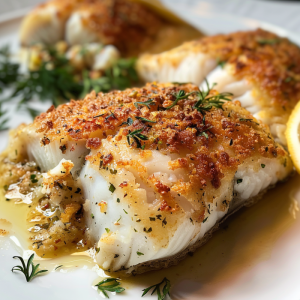
The exact baking time will depend on the thickness of your fillets and the temperature of your stuffing. However, as a general rule, bake for 20-25 minutes. You’re looking for the fish to become completely opaque and flaky all the way through, and the topping to turn a lovely golden brown.
How do you really know it’s done? The most reliable method is to use an instant-read thermometer. The USDA recommends a safe internal temperature for cooked fish of 145°F (63°C). Insert the thermometer into the thickest part of the fish, avoiding the stuffing, and when it hits 145°, you’re good to go! If you don’t have a thermometer, the fish should flake easily when nudged with a fork. Whatever you do, avoid the temptation to overbake it, as that is the primary cause of dry, tough fish.
Serving Suggestions: Building the Perfect Plate
You’ve crafted a masterpiece, so now it’s time to plate it like a pro! The right sides can turn your stuffed catfish into a truly memorable meal.
Classic Pairings
You can never go wrong with timeless combinations. A simple, bright lemon butter sauce drizzled over the top complements almost any stuffing. For a true Southern feast, serve your fillets with a side of crispy hush puppies, a tangy vinegar-based coleslaw, or a bowl of creamy, cheesy grits.
Lighter Options
If you’re aiming for a lighter meal, your baked catfish pairs beautifully with simple vegetables. Try some steamed asparagus spears with a squeeze of lemon, roasted green beans with slivered almonds, or a fresh arugula salad tossed with a lemony vinaigrette. The freshness provides a lovely contrast to the rich stuffing.
Hearty Sides
Sometimes, you just need something comforting and substantial. For those occasions, garlic mashed potatoes, dirty rice, or buttered corn on the cob are absolutely phenomenal choices. They soak up any delicious juices and make the meal incredibly satisfying.
Storing and Reheating Leftovers
While this dish is best enjoyed fresh from the oven, leftovers can still be delicious! First, allow any leftover stuffed catfish to cool completely. Then, store it in an airtight container in the refrigerator for up to two days.
When you’re ready for round two, reheating it properly is key to maintaining quality. Avoid the microwave! Instead, reheat it in a conventional oven or toaster oven preheated to 275°F (135°C). Place the fillets on a baking sheet and warm them for about 15-20 minutes, or until heated through. This gentle method will help preserve the flaky texture of the fish far better than a microwave, which tends to make it rubbery.
Frequently Asked Questions (FAQs)
Can I use frozen catfish fillets?
Absolutely! Using frozen fillets is a great convenient option. However, it is absolutely essential that you thaw them completely first. The best way to do this is to transfer them to your refrigerator and let them thaw overnight. Once thawed, pat them extremely dry with paper towels to remove any excess moisture; this will prevent a soggy texture and help the fish brown nicely.
What can I use instead of breadcrumbs for a gluten-free stuffing?
No problem at all! There are several fantastic gluten-free alternatives that work wonderfully. Crushed pork rinds will give you a neutral, crispy texture. Almond flour is another great option that adds a slight nuttiness. You could even use gluten-free oatmeal that has been pulsed a few times in a food processor to create a crumblier texture.
How can I prevent the stuffing from drying out in the oven?
The key to a moist stuffing lies in two things: sufficient fat/liquid and not overbaking. Using ingredients like mayonnaise, cream cheese, or stock in your mixture provides the necessary moisture. Furthermore, ensuring your oven isn’t too hot and that you don’t leave the fish in for too long is critical. If you’re concerned, you can loosely tent the baking sheet with foil for the first 10-12 minutes of baking, then remove it to let the top brown.
Can I prepare stuffed catfish ahead of time?
Yes, you can! This is a fantastic make-ahead trick for easy entertaining. You can fully assemble the stuffed fillets, place them on your baking sheet, cover them tightly with plastic wrap, and refrigerate them for up to 8 hours before you need to bake them. When you’re ready, simply take them out of the fridge, remove the plastic, and pop them into the preheated oven. You might need to add 3-5 extra minutes to the baking time since they’ll be starting from cold.
Conclusion: Your New Go-To Seafood Masterpiece
And there you have it—your comprehensive roadmap to creating unforgettable Baked Stuffed Catfish Fillets! From selecting the perfect sustainable U.S. farm-raised catfish to mastering the art of the stuff-and-bake technique, you’re now equipped with all the knowledge you need. This dish truly has it all: impressive looks, incredible versatility, and downright delicious flavors that will have everyone asking for seconds.
So, what are you waiting for? Don’t just save this recipe for a special occasion. Grab those fillets, choose your favorite stuffing adventure, and get ready to create a simple, healthy, and spectacular seafood dinner that’s sure to become a regular in your rotation. Happy cooking
Print
Baked Stuffed Catfish Fillets
Description
Baked Stuffed Catfish Fillets
Ingredients
-
4 catfish fillets, about 6–8 oz each
-
1 cup breadcrumbs (preferably panko or seasoned)
-
¼ cup grated Parmesan cheese
-
2 cloves garlic, minced
-
2 tbsp fresh parsley, chopped
-
1 tbsp fresh dill, chopped (optional)
-
2 green onions, chopped
-
½ tsp paprika
-
¼ tsp cayenne pepper (optional, for a kick)
-
Salt & black pepper, to taste
-
3 tbsp butter, melted
-
Lemon wedges, for serving
Instructions
-
Preheat oven:
-
Set oven to 375°F (190°C). Grease a baking dish lightly or line with parchment paper.
-
-
Prepare the filling:
-
In a bowl, mix breadcrumbs, Parmesan, garlic, parsley, dill, green onions, paprika, cayenne (if using), salt, and pepper.
-
Stir in melted butter until mixture is evenly moistened.
-
-
Stuff the fillets:
-
Make a slit along the thickest part of each catfish fillet to create a pocket, or simply lay fillets flat.
-
Spoon breadcrumb mixture into each fillet or on top, pressing lightly to adhere.
-
-
Bake:
-
Place fillets in the prepared baking dish. Bake for 20–25 minutes, until fish is opaque and flakes easily with a fork, and topping is golden.
-
-
Serve:
-
Serve immediately with lemon wedges and your choice of side, like rice, roasted vegetables, or a fresh salad.
-