
Garlic Butter for Steak: The Ultimate Guide to a Perfect Steakhouse Finish
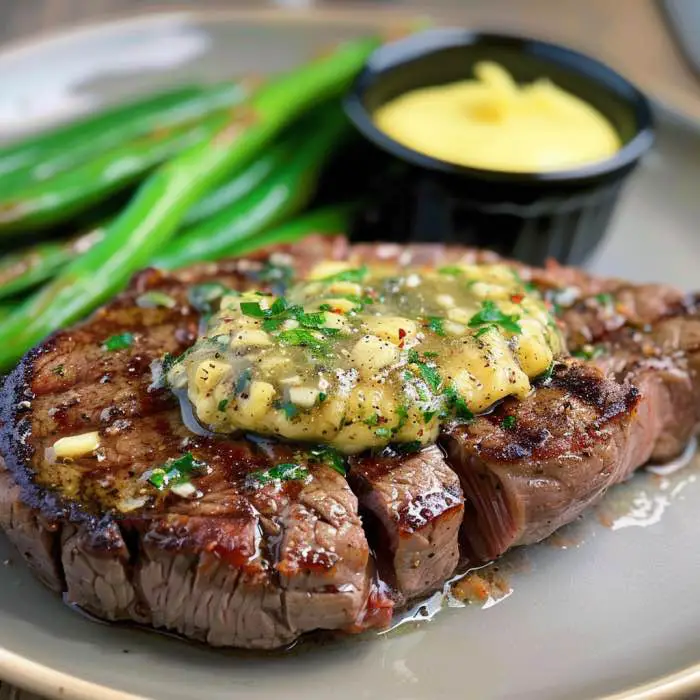
Imagine this: a magnificently seared steak, resting patiently on your cutting board. Its surface boasts a crust that whispers promises of deep, savory flavor. Then, you crown it with a pat of golden, herb-speckled garlic butter. Slowly, irresistibly, it melts, cascading in rich, aromatic rivulets into every crevice. This, right here, is the magic trick that transforms a great piece of beef into a legendary culinary experience. Forget complicated sauces; the simplest ingredients often deliver the most profound results.
This guide is your masterclass in mastering that magic. We’ll dive into the art of crafting the perfect garlic herb butter, explore the science behind cooking a flawless steak, and reveal the secrets to bringing them together in delicious harmony. Get ready to unlock the secret weapon used by steakhouse chefs worldwide, all from the comfort of your own kitchen.
Why Garlic Butter is Steak’s Perfect Partner
Let’s be honest, a well-seasoned, properly cooked steak is a thing of beauty on its own. So why, you might ask, does it need a lavish dollop of garlic butter? The answer lies in a beautiful symphony of flavor, texture, and sheer culinary science.
The Science of Flavor: Fat, Umami, and Aromatics
Firstly, it all comes down to chemistry. The rich fat in butter is a phenomenal carrier of flavor. Compounds in garlic and herbs are fat-soluble, meaning they infuse into the butter, creating a powerful flavor bomb. When this compound butter hits the warm surface of your steak, those flavors literally bloom, releasing their aromatic oils and mingling with the meat’s natural juices.
Furthermore, steak is packed with savory umami, the fifth taste sensation. The creamy, rich fat from the butter coats the palate, complementing and enhancing that umami depth without overpowering it. It adds a luxurious mouthfeel that water-based sauces simply can’t achieve. Essentially, the butter doesn’t mask the steak’s flavor; it amplifies it, adding layers of complexity with every single bite.
From Steakhouse to Home Kitchen: A Simple Luxury
Honestly, there’s a reason every high-end steakhouse has a version of garlic butter on their menu. It’s a classic for a reason! However, the fantastic news is that this isn’t some guarded secret. In fact, creating a steakhouse-quality finish at home is surprisingly simple. It requires no fancy techniques or expensive equipment—just a few fresh ingredients and a little know-how. This simple combination empowers you to turn a Tuesday night dinner into a truly special occasion, proving that a touch of indulgence is always within reach.
The Anatomy of an Exceptional Garlic Butter
Alright, let’s roll up our sleeves and build the ultimate garlic butter for steak from the ground up. Using quality ingredients here is non-negotiable; after all, each component is a star in its own right.
Selecting Your Base: The Best Butter for the Job
Your choice of butter is the foundation of your entire creation. For the best results, always opt for unsalted butter. Why? Because it gives you complete control over the seasoning. Pre-salted butter can vary wildly in salt content, and you risk making your finishing butter unbearably salty. Secondly, consider splurging on a high-quality European-style butter like Kerrygold. These butters often have a higher butterfat content (around 82% compared to the standard 80%), resulting in a richer flavor and creamier texture that melts like a dream.
Crucially, your butter must be softened to room temperature. Forget the microwave! Leaving it on the counter for an hour or two is the best way to achieve a pliable, spreadable consistency that will perfectly blend with your other ingredients without turning into a greasy mess.
The Aromatic Core: Garlic Preparation Techniques
This is where the magic gets its name. You must, and I cannot stress this enough, use fresh garlic. The pre-minced stuff in jars lacks the pungent, aromatic kick that makes this topping so incredible. For a robust, forward-facing garlic flavor, mince your cloves finely. This ensures every bite gets a perfect, well-distributed taste without any overwhelming chunks.
For a deeper, sweeter, and more nuanced flavor profile, try using roasted garlic. Simply roast a whole head of garlic until the cloves become soft, sweet, and spreadable. This version is mellower and absolutely divine, especially on a more delicately flavored cut like filet mignon.
The Herb Garden: Choosing and Preparing Your Greens
Fresh herbs are the vibrant, colorful soul of your compound butter. While dried herbs can work in a pinch, fresh ones provide a brightness that simply can’t be beaten.
-
The Classics: Flat-leaf parsley (it has a more robust flavor than curly parsley) and delicate chives are the undisputed champions. They provide a fresh, clean flavor that complements without competing.
-
The Robust Options: Rosemary and thyme are wonderful but potent. Use them sparingly, and always chop them finely to avoid chewing on a woody sprig.
-
The Bold Choices: For extra complexity, consider adding very finely minced shallots or a pinch of cayenne pepper for a subtle kick.
The Supporting Cast: Essential Seasonings
Finally, you’ll need to season your masterpiece. Kosher salt is preferred for its clean taste and easy dispersion. Freshly cracked black pepper adds a necessary warmth. From there, the world is your oyster! A bit of lemon zest can introduce a fantastic citrusy zing, while a dash of Worcestershire sauce contributes a deep, savory umami boost.
Step-by-Step: How to Make Garlic Butter for Steak
Making your homemade garlic butter is laughably easy. Here’s the foolproof method:
-
Ensure your unsalted butter is softened at room temperature.
-
Mince your fresh garlic and fresh herbs finely.
-
In a medium bowl, combine the softened butter, garlic, herbs, a generous pinch of kosher salt, and black pepper.
-
Mix everything together thoroughly until fully and evenly incorporated.
-
For future use, spoon the mixture onto a sheet of parchment paper, roll it into a log, and twist the ends. Alternatively, simply pack it into a small ramekin. Chill until firm.
Preparing Your Steak for the Garlic Butter Finish
Now that your superstar butter is chilling, it’s time to turn our attention to the main event: the steak itself. Not every cut behaves the same way, and a little preparation goes an incredibly long way.
Choosing the Right Cut for Garlic Butter
While you can put garlic butter on any steak, some cuts are practically begging for it. Fatty, well-marbled cuts like Ribeye are a match made in heaven; the butter melds with the rendering fat for an unbelievably juicy and rich experience. New York Strip offers a great balance of tenderness and beefy flavor that stands up beautifully to the bold butter.
Conversely, a lean but tender Filet Mignon benefits massively from the added fat and flavor, making it feel more luxurious. For a more rustic, beefy option, skirt or hanger steak are fantastic candidates. Regardless of your choice, aim for a thickness of at least 1 to 1.5 inches. This allows you to develop a stunning crust on the outside without overcooking the interior.
The Critical Steps: Bringing to Temp & Drying
Two pre-cook steps are absolutely critical for steak perfection, and they are often overlooked.
-
Bringing to Room Temperature: Take your steak out of the fridge about 30-45 minutes before cooking. A cold steak will seize up in the pan and cook extremely unevenly, leaving you with an overdone exterior and a cold center.
-
Patting Dry: This is the single most important step for achieving that restaurant-quality sear. Use paper towels to thoroughly pat the entire surface of the steak bone-dry. Moisture is the enemy of browning; you want to sear the meat, not steam it.
Seasoning Philosophies: Simple is Best
When you’re using a flavorful garlic herb butter, you want the natural taste of the beef to shine through. Therefore, a simple, generous coating of coarse Kosher salt and freshly cracked black pepper is almost always the best choice. Save the complex spice rubs for other occasions; here, they would only compete with the delicate flavors of your compound butter.
Mastering the Cook: Methods for a Perfect Sear
This is where the rubber meets the road. Your cooking method determines how you’ll incorporate that glorious butter.
The Pan-Seared Method: A Butter Basting Classic
This is the best method for integrating the butter directly into the cooking process. You’ll need a heavy-duty skillet—cast-iron is king for its incredible heat retention.
-
Heat your pan over medium-high heat until it’s seriously hot.
-
Add a small amount of a high-smoke-point oil like avocado or grapeseed oil.
-
Carefully place your dry, seasoned steak in the pan. It should sizzle aggressively.
-
Sear undisturbed for a few minutes until a golden-brown crust forms.
-
Flip the steak. Now, here’s the key: reduce the heat to medium.
-
Add a few tablespoons of your garlic butter to the pan, along with a few fresh garlic cloves and herb sprigs if you like.
-
As the butter melts and foams, continuously tilt the pan and use a spoon to baste the steak, pouring the hot butter over the top for the last 1-2 minutes of cooking.
-
This basting method, a key technique in the scientific principles behind pan-searing a perfect steak, cooks the top side and infuses it with flavor simultaneously.
The Grilled Method: Smoky and Charred
Grilling imparts a wonderful smoky char that pairs wonderfully with the rich butter.
-
Heat your grill to high for direct heat cooking.
-
Grill your steak to your desired doneness, using the official USDA recommended internal temperatures as a guide for food safety.
-
Importantly, the butter here is used purely as a finish.
-
As soon as you pull the steak off the grill, place a generous pat of your cold garlic butter on top.
-
The residual heat will slowly melt the butter, allowing it to seep into the steak’s crevices and char marks.
The Reverse Sear Method: Precision and Perfection
This method is fantastic for achieving edge-to-edge perfect doneness, especially on thicker cuts.
-
The steak is first cooked low and slow in an oven until it’s about 10-15°F below your target internal temperature.
-
Then, it’s finished with a very quick, very hot sear in a blazing hot cast-iron skillet.
-
You can add your garlic butter to the pan during this final sear, basting for just 30 seconds per side, or simply place a pat on top while the steak rests.
The Grand Finale: How to Serve Garlic Butter Steak
You’ve cooked the steak and melted the butter, but wait—don’t cut into it yet! The final acts of patience are what bring it all together.
The Art of Resting and Melting
Resting is non-negotiable. When a steak cooks, its juices are driven to the center. If you cut it immediately, those precious juices will simply run out onto the plate. Resting allows the muscle fibers to relax and reabsorb those juices throughout the entire steak.
This is the perfect time to add your butter if you haven’t already during basting. Place a generous pat of your garlic butter on the steak immediately after it comes off the heat. Then, let the steak rest for about 5-10 minutes. The residual heat will perfectly melt the butter, creating a built-in sauce as the steak reabsorbs its own juices, now flavored with garlic and herbs.
Plating and Presentation
After resting, slice the steak against the grain. This severs the long muscle fibers, making each piece incredibly tender and easy to chew. Drizzle any of the buttery, meaty juices that have collected on the cutting board right over the top. Serve with simple sides that act as a backdrop: creamy mashed potatoes to soak up the sauce, simply roasted asparagus, or a light arugula salad with a lemon vinaigrette to cut through the richness.
Frequently Asked Questions (FAQs)
Can I use salted butter for garlic butter steak?
It’s not recommended. Unsalted butter is always best for compound butter because it allows you to control the salt level precisely. If you only have salted butter on hand, be sure to omit or drastically reduce any additional salt you add to the mixture to avoid an overly salty result.
How long does homemade garlic butter last?
When stored in an airtight container in the refrigerator, your homemade garlic butter will stay fresh for 1 to 2 weeks. For longer storage, you can freeze it for up to 3 months. A great trick is to form it into a log using parchment paper before freezing; that way, you can simply slice off a “coin” of butter whenever you need it.
Can I make garlic butter for steak ahead of time?
Absolutely! In fact, making it ahead is highly encouraged. Allowing your garlic herb butter to rest in the fridge for at least a few hours, or even overnight, gives the flavors time to meld and develop more fully. This makes it even more delicious and is a fantastic time-saver for meal preparation.
Why did my garlic butter turn bitter?
Bitterness is almost always caused by burned garlic. Garlic burns very easily and becomes acrid and unpleasant. To prevent this: 1) When pan-basting, add the butter and garlic after you’ve flipped the steak and reduced the heat. 2) Use fresh, plump garlic cloves, not old or sprouting ones, as these can have a naturally bitter taste.
What are some variations on classic garlic herb butter?
The possibilities are endless! Once you master the classic, try these delicious twists:
-
Blue Cheese Butter: Add crumbled blue cheese for a tangy, powerful punch.
-
Chimichurri Butter: Blend in finely chopped cilantro, oregano, and a splash of red wine vinegar for a South American flair.
-
Spicy Cajun Butter: Add a Cajun seasoning blend and a pinch of cayenne pepper for a kick.
-
Truffle Butter: Add a few drops of truffle oil or finely grated truffle for the ultimate indulgence.
Pro Tips and Next-Level Tricks
Ready to become a true garlic butter connoisseur? Here are some pro-level ideas.
-
Infused Butter: Gently warm butter with garlic and herbs in a saucepan. Let it steep off the heat for 30 minutes, then strain out the solids. This gives you a clear, potent butter sauce perfect for drizzling.
-
Compound Butter Log: As mentioned, rolling your butter into a log in parchment paper makes for beautiful, uniform slices that look incredibly professional.
-
Butter for Leftovers: A small slice of garlic butter can miraculously rejuvenate leftover steak. Simply place it on cold steak slices before gently reheating.
-
Beyond Steak: Don’t limit this wonder to beef! It’s incredible on grilled chicken, fish, roasted vegetables, corn on the cob, or simply melted over a crusty loaf of bread. Understanding how to use these herbs, like in this guide to identifying and using fresh herbs, can inspire even more variations.
Conclusion: Your New Secret Weapon
And there you have it—the complete guide to turning an everyday steak into a spectacular feast with nothing more than butter, garlic, and a few herbs. This isn’t just a recipe; it’s a fundamental technique that will elevate your cooking forever. The beauty of garlic butter for steak lies in its stunning simplicity and its guaranteed, crowd-pleasing results. So go on, grab that butter and those fresh cloves. Your next perfect steakhouse-quality dinner is waiting for you at home.
Print
Garlic Butter for Steak
Description
Ingredients:
-
1/2 cup (1 stick) unsalted butter, softened
-
3 cloves garlic, minced (or roasted for a sweeter flavor)
-
1 tbsp fresh parsley, finely chopped
-
1 tsp fresh thyme or rosemary, finely chopped (optional)
-
1/2 tsp sea salt
-
1/4 tsp black pepper
-
1/2 tsp lemon juice (optional, for brightness)
Instructions:
-
In a small bowl, combine softened butter, garlic, parsley, herbs, salt, pepper, and lemon juice.
-
Mix until smooth and well blended.
-
Place the butter on a piece of parchment or plastic wrap, roll into a log, and refrigerate until firm (about 30 minutes).
-
Slice a medallion of the butter and place it on your hot steak just before serving.