
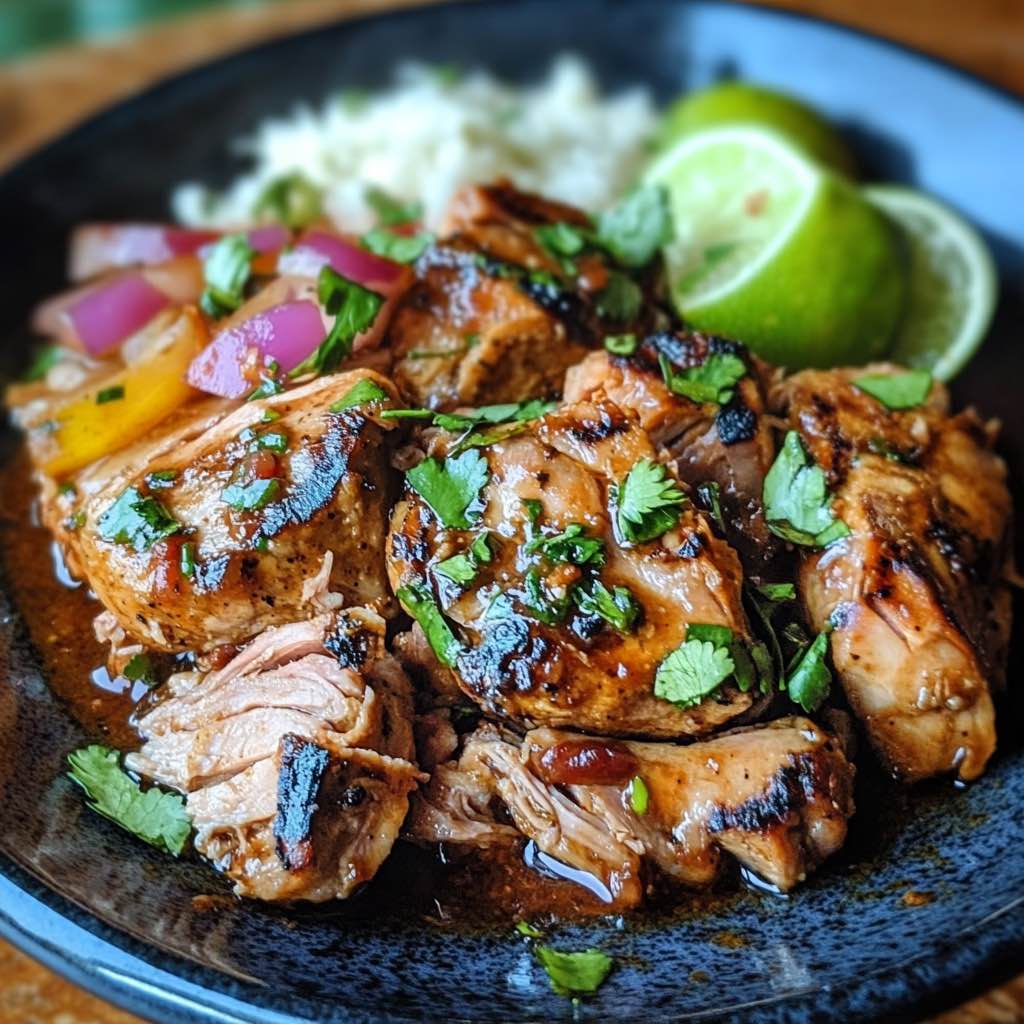
Delicious Cuban Mojo Pork: The Ultimate Guide to Authentic Island Flavors
Cuban Mojo Pork represents one of the most beloved and flavorful dishes in Caribbean cuisine. This succulent, citrus-marinated pork dish combines the vibrant flavors of garlic, sour orange, and aromatic spices to create an unforgettable culinary experience. Whether you’re planning a family gathering or simply want to explore authentic Cuban flavors, mastering this traditional recipe will transport your taste buds straight to Havana’s bustling streets.
Table of Contents
-
What is Cuban Mojo Pork?
-
The History and Cultural Significance
-
Essential Ingredients for Authentic Mojo Marinade
-
Step-by-Step Cuban Mojo Pork Recipe
-
Different Cuts of Pork for Mojo Preparation
-
Traditional Cooking Methods and Techniques
-
Serving Suggestions and Side Dishes
-
Regional Variations Across Cuba
-
Tips for Perfect Results Every Time
-
Storage and Meal Prep Guidelines
-
Frequently Asked Questions
-
Conclusion
What is Cuban Mojo Pork?
Cuban Mojo Pork, known locally as “Lechón Asado con Mojo,” is a traditional Cuban dish featuring pork marinated in a zesty citrus-based sauce called mojo. This marinade typically combines sour orange juice, garlic, oregano, cumin, and olive oil to create a bright, tangy flavor profile that penetrates deep into the meat.
The dish represents the heart of Cuban home cooking. Furthermore, it showcases the island’s Spanish colonial influences blended with indigenous Taíno cooking techniques. The acidic citrus juice not only adds incredible flavor but also tenderizes the meat, resulting in incredibly juicy and flavorful pork.
The Magic of Mojo Marinade
Mojo marinade serves as the cornerstone of this dish. Therefore, understanding its components is essential for authentic results. The marinade works through a process called acid denaturation, where citric acid breaks down tough protein fibers in the meat.
Traditional Cuban families often prepare large batches of this marinade. In addition, they use it for various meats beyond pork, including chicken, beef, and even vegetables. However, pork remains the most popular choice due to its ability to absorb and complement the bright, garlicky flavors.
The History and Cultural Significance
The roots of Cuban Mojo Pork stretch back centuries to Spain’s colonial period in Cuba. Spanish colonizers brought their love of garlic and citrus marinades to the Caribbean island. However, local influences transformed these European techniques into something uniquely Cuban.
Colonial Origins and Evolution
Spanish settlers initially used similar marinades for preserving meat in the tropical climate. Consequently, the acidic properties of citrus helped prevent spoilage before refrigeration existed. Over time, Cuban cooks refined these techniques, incorporating local ingredients and cooking methods.
The dish gained particular prominence during Cuba’s sugar plantation era. Plantation owners and workers alike enjoyed this flavorful, economical way to prepare pork. Moreover, the ingredients were readily available throughout the island, making it accessible to all social classes.
Modern Cultural Impact
Today, Cuban Mojo Pork represents more than just a meal. It symbolizes family gatherings, celebrations, and cultural identity for Cuban communities worldwide. Furthermore, Cuban-American families have kept these traditions alive, passing down authentic recipes through generations.
The dish appears at virtually every Cuban celebration. For example, it’s essential for Christmas Eve dinner, birthday parties, and weekend family gatherings. Additionally, many Cuban restaurants worldwide feature this dish as a signature offering.
Essential Ingredients for Authentic Mojo Marinade
Creating authentic Cuban Mojo Pork requires specific ingredients that deliver the characteristic flavor profile. Therefore, sourcing quality components makes a significant difference in the final result.
Primary Mojo Components
The traditional mojo marinade contains several key ingredients:
-
Sour Orange Juice: The most critical component, providing both acidity and distinctive flavor
-
Fresh Garlic: Typically 8-12 cloves, minced or pressed
-
Extra Virgin Olive Oil: For richness and to carry flavors
-
Dried Oregano: Preferably Mexican or Mediterranean varieties
-
Ground Cumin: Adds earthy, warm notes
-
Salt and Black Pepper: For seasoning balance
-
Bay Leaves: Contribute subtle herbal complexity
Sour Orange Substitutions
Authentic sour oranges can be difficult to find outside Cuba. However, several substitution methods work effectively:
Option 1: Combine 2/3 regular orange juice with 1/3 lime juice
Option 2: Mix equal parts orange juice and lemon juice
Option 3: Use 3/4 orange juice with 1/4 white vinegar
Each substitution method creates slightly different flavor profiles. Therefore, experimenting with ratios helps you find your preferred balance.
Quality Considerations
Using high-quality ingredients significantly impacts the final dish. For instance, fresh garlic provides much better flavor than pre-minced alternatives. Similarly, freshly squeezed citrus juice creates brighter, more vibrant flavors than bottled versions.
Extra virgin olive oil contributes richness and helps the marinade penetrate the meat. Moreover, good olive oil carries and amplifies the other flavors in the mixture. Consequently, investing in quality oil pays dividends in the final taste.
Step-by-Step Cuban Mojo Pork Recipe
This comprehensive recipe serves 6-8 people and requires approximately 4 hours of marinating time for optimal results.
Ingredients List
For the Mojo Marinade:
-
1 cup sour orange juice (or substitution blend)
-
12 garlic cloves, minced
-
1/2 cup extra virgin olive oil
-
2 tablespoons dried oregano
-
1 tablespoon ground cumin
-
2 teaspoons salt
-
1 teaspoon black pepper
-
4 bay leaves
For the Pork:
-
4-5 pounds pork shoulder or Boston butt
-
Additional salt for seasoning
-
Optional: sliced onions for serving
Preparation Steps
Step 1: Create the Mojo Marinade
Begin by combining all marinade ingredients in a large mixing bowl. Therefore, whisk thoroughly to ensure proper emulsion. The mixture should appear slightly cloudy and well-integrated.
Next, taste the marinade and adjust seasonings as needed. For example, add more citrus juice for brightness or additional garlic for intensity. However, remember that flavors will concentrate during cooking.
Step 2: Prepare the Pork
Trim excess fat from the pork, leaving about 1/4 inch for flavor and moisture. Subsequently, score the remaining fat in a crosshatch pattern, cutting about 1/2 inch deep. This technique allows the marinade to penetrate more effectively.
Season the pork generously with salt on all surfaces. Furthermore, let it rest for 15-20 minutes to allow the salt to begin working on the proteins.
Step 3: Marinating Process
Place the seasoned pork in a large resealable bag or shallow dish. Pour the mojo marinade over the meat, ensuring complete coverage. Moreover, massage the marinade into the scored areas for maximum penetration.
Seal the bag or cover the dish with plastic wrap. Refrigerate for at least 4 hours, though overnight marinating produces superior results. Additionally, turn the pork every few hours for even flavor distribution.
Step 4: Cooking Methods
Oven Roasting Method:
Preheat your oven to 325°F (165°C). Remove the pork from the marinade, reserving the liquid for basting. Place the pork in a roasting pan and cook for approximately 25-30 minutes per pound.
Baste with reserved marinade every 45 minutes. Therefore, the meat develops a beautiful, caramelized exterior. Cook until internal temperature reaches 195°F (90°C) for optimal tenderness.
Slow Cooker Method:
Transfer marinated pork to a slow cooker with half the marinade. Cook on low for 8-10 hours or high for 4-5 hours. However, finish under the broiler for 5-10 minutes to achieve crispy exterior.
Different Cuts of Pork for Mojo Preparation
Various pork cuts work excellently with mojo marinade. However, each cut requires slightly different cooking approaches and times.
Pork Shoulder (Recommended)
Pork shoulder, also called Boston butt, represents the ideal choice for Cuban Mojo Pork. This cut contains enough fat and connective tissue to remain moist during long cooking. Furthermore, the muscle fibers break down beautifully, creating tender, shreddable meat.
The shoulder’s marbling distributes flavor throughout the meat. Additionally, it’s economical and feeds large groups effectively. Most Cuban families consider this the traditional and preferred cut.
Pork Leg (Pernil)
Whole pork leg creates an impressive presentation for special occasions. However, it requires more careful cooking to prevent drying. The leg contains less fat than shoulder, so frequent basting becomes essential.
This cut works best for experienced cooks who can monitor internal temperatures carefully. Moreover, it’s perfect for large gatherings and celebrations where presentation matters.
Pork Tenderloin
For quicker cooking, pork tenderloin absorbs mojo flavors rapidly due to its tender nature. Therefore, marinating time can be reduced to 2-3 hours. However, this lean cut requires careful attention to prevent overcooking.
Tenderloin works excellently for weeknight dinners or smaller portions. Furthermore, it cooks in about 25-30 minutes, making it convenient for busy schedules.
Pork Ribs
Mojo-marinated ribs create an excellent variation of the traditional recipe. The marinade penetrates between the bones, flavoring every bite. Additionally, the fat content in ribs keeps them moist during cooking.
Cook ribs low and slow, either in the oven at 275°F or on a grill with indirect heat. This method ensures tender, fall-off-the-bone results while maintaining the authentic mojo flavors.
Traditional Cooking Methods and Techniques
Authentic Cuban Mojo Pork preparation involves specific techniques passed down through generations. Therefore, understanding these methods helps achieve restaurant-quality results at home.
The Caja China Method
Traditional Cuban families often use a Caja China, a wooden box with a metal-lined interior and charcoal tray on top. This method creates intense, even heat that produces incredibly tender meat with a crispy exterior.
However, home cooks can replicate similar results using conventional ovens with proper techniques. For instance, starting at high heat (425°F) for 30 minutes, then reducing to 325°F mimics the Caja China effect.
Slow and Low Approach
The most reliable method involves cooking at low temperatures for extended periods. This technique allows tough connective tissues to break down completely. Furthermore, it prevents the meat from drying out during the cooking process.
Temperature control becomes crucial for success. Therefore, using a meat thermometer ensures perfect doneness without guesswork. The internal temperature should reach 195°F for proper texture and tenderness.
Basting Techniques
Regular basting with reserved marinade keeps the exterior moist and builds layers of flavor. Additionally, it creates the characteristic glossy, caramelized surface that defines great Cuban Mojo Pork.
Baste every 45 minutes to 1 hour during cooking. However, avoid opening the oven too frequently, as this releases heat and extends cooking time.
Serving Suggestions and Side Dishes
Cuban Mojo Pork pairs beautifully with traditional Caribbean sides that complement its bold flavors. Therefore, planning the complete meal enhances the overall dining experience.
Traditional Cuban Sides
Moros y Cristianos (Black Beans and Rice):
This classic combination provides the perfect base for the flavorful pork. The mild, earthy flavors balance the bright, citrusy mojo perfectly.
Yuca con Mojo:
Boiled cassava root topped with additional mojo sauce creates a starchy side that absorbs the pork’s delicious juices.
Plátanos Maduros (Sweet Plantains):
Caramelized sweet plantains add natural sweetness that contrasts beautifully with the tangy, garlicky pork.
Modern Accompaniments
Cilantro Lime Rice:
This fresh, herbaceous rice provides a lighter alternative to traditional black beans and rice. Furthermore, the lime echoes the citrus notes in the mojo marinade.
Grilled Vegetables:
Zucchini, bell peppers, and onions grilled with olive oil and garlic complement the pork’s flavors while adding nutritional value.
Cuban Bread:
Fresh, crusty Cuban bread helps soak up the flavorful juices and creates satisfying texture contrast.
Sauce and Garnish Options
Reserve some mojo marinade before adding raw pork to create a serving sauce. However, boil the reserved marinade for 5 minutes to ensure food safety. This sauce can be drizzled over the sliced pork for extra flavor.
Fresh garnishes like chopped cilantro, diced onions, and lime wedges allow diners to customize their plates. Additionally, these bright elements add visual appeal and fresh flavors.
Regional Variations Across Cuba
Different regions of Cuba have developed unique approaches to preparing Mojo Pork. Therefore, exploring these variations provides insight into the dish’s versatility and cultural significance.
Havana Style
The capital city’s version typically features a more refined approach with carefully balanced flavors. Havana cooks often add white wine to their mojo marinade. Furthermore, they frequently serve the pork with more sophisticated side dishes.
This urban style reflects the city’s cosmopolitan influences and access to diverse ingredients. Additionally, restaurant versions in Havana tend to emphasize presentation and refined techniques.
Eastern Cuba (Oriente) Style
Eastern Cuban preparations often include additional spices like annatto (achiote) for color and earthy flavor. This region’s version tends to be spicier, reflecting the area’s connection to other Caribbean islands.
The Oriente style also commonly uses more cumin and sometimes includes hot peppers in the marinade. Therefore, this variation appeals to those who prefer bolder, more complex flavors.
Central Cuba Variations
Central Cuban regions often prepare their mojo with local citrus varieties when available. For example, they might use bitter oranges or regional lime varieties that create unique flavor profiles.
This area’s preparation methods often involve longer marinating times and slower cooking techniques. Furthermore, central Cuban cooks frequently add beer to their marinades for additional complexity.
Tips for Perfect Results Every Time
Achieving consistently excellent Cuban Mojo Pork requires attention to several key details. Therefore, following these professional tips ensures success every time.
Marinating Best Practices
Timing Considerations:
While 4 hours represents the minimum marinating time, overnight marination produces superior results. However, avoid marinating for more than 24 hours, as excessive acid exposure can create mushy texture.
Temperature Control:
Always marinate in the refrigerator to prevent bacterial growth. Furthermore, allow the meat to come to room temperature for 30-45 minutes before cooking for even heat distribution.
Container Selection:
Use non-reactive containers like glass, stainless steel, or food-grade plastic. Therefore, avoid aluminum or copper containers that can react with acidic marinades and create off-flavors.
Cooking Temperature Guidelines
Internal Temperature Targets:
-
195°F (90°C): For pull-apart tenderness (recommended)
-
185°F (85°C): For sliceable but tender texture
-
160°F (71°C): Minimum safe temperature (less tender)
Resting Period:
Allow the cooked pork to rest for 15-20 minutes before slicing or shredding. This resting period allows juices to redistribute throughout the meat.
Troubleshooting Common Issues
Dry Meat:
Usually caused by overcooking or insufficient fat content. Therefore, choose well-marbled cuts and monitor internal temperature carefully.
Weak Flavor:
Often results from insufficient marinating time or diluted marinade. Additionally, using bottled citrus juice instead of fresh can diminish flavor intensity.
Tough Texture:
Typically occurs when cooking temperature is too high or cooking time is insufficient for connective tissue breakdown.
Storage and Meal Prep Guidelines
Proper storage techniques help maintain quality and food safety while enabling convenient meal preparation. Therefore, understanding these guidelines maximizes the dish’s versatility.
Refrigerator Storage
Cooked Pork:
Store cooked Cuban Mojo Pork in the refrigerator for up to 4 days. Use airtight containers to prevent flavor loss and contamination. Furthermore, separate the meat from any accumulated juices to prevent sogginess.
Mojo Marinade:
Unused marinade (never in contact with raw meat) keeps for up to 1 week refrigerated. However, boil any marinade that contacted raw meat before using as a sauce.
Freezer Storage Options
Whole Cooked Portions:
Freeze cooked pork for up to 3 months in freezer-safe containers. Therefore, portion into meal-sized amounts for convenient thawing and reheating.
Marinated Raw Pork:
You can freeze pork in its marinade for up to 6 months. This method actually enhances flavor penetration during the thawing process.
Reheating Techniques
Oven Method:
Reheat at 325°F in covered dishes with a splash of broth or reserved mojo to prevent drying.
Slow Cooker Method:
Use low heat setting with additional liquid for gentle, even reheating that maintains texture.
Stovetop Method:
Reheat shredded pork in a skillet with a little oil or broth over medium-low heat.
Meal Prep Strategies
Batch Cooking:
Prepare large batches for multiple meals throughout the week. Therefore, you can use the meat in various applications like tacos, rice bowls, or sandwiches.
Marinade Prep:
Make large batches of mojo marinade and freeze in ice cube trays for convenient portion control and quick meal preparation.
Frequently Asked Questions
What makes Cuban Mojo Pork different from other marinated pork dishes?
Cuban Mojo Pork distinguishes itself through its unique combination of sour orange juice, abundant garlic, and specific spice blend. The acidic marinade creates an incredibly tender texture while infusing bright, citrusy flavors throughout the meat. Furthermore, the cooking method and cultural preparation techniques make it authentically Cuban.
Can I make Cuban Mojo Pork without sour oranges?
Yes, you can create excellent results using substitution blends. The most popular method combines regular orange juice with lime or lemon juice to mimic sour orange’s flavor profile. However, each substitution creates slightly different taste characteristics, so experimentation helps find your preference.
How long should I marinate the pork for best results?
For optimal flavor penetration and tenderness, marinate Cuban Mojo Pork for at least 4 hours, though overnight marination produces superior results. However, avoid exceeding 24 hours, as excessive acid exposure can break down proteins too much and create mushy texture.
What’s the best cut of pork for this recipe?
Pork shoulder (Boston butt) represents the ideal choice for Cuban Mojo Pork due to its fat content and connective tissue that break down during slow cooking. This cut remains moist and develops the characteristic tender, shreddable texture that defines authentic preparation.
Can I cook Cuban Mojo Pork in a slow cooker?
Absolutely! Slow cooker preparation works excellently for this dish. Cook on low for 8-10 hours or high for 4-5 hours with half the marinade. However, finish under the broiler for 5-10 minutes to achieve the characteristic crispy, caramelized exterior.
How do I know when the pork is properly cooked?
Cuban Mojo Pork reaches perfect doneness at an internal temperature of 195°F (90°C). At this temperature, connective tissues have broken down completely, creating the desired pull-apart tenderness. Therefore, using a meat thermometer ensures consistent, optimal results.
Conclusion
Cuban Mojo Pork represents one of the most satisfying and flavorful dishes in Caribbean cuisine. This comprehensive guide provides everything needed to create authentic, restaurant-quality results in your own kitchen. From understanding the cultural significance to mastering traditional cooking techniques, you now have the knowledge to impress family and friends with this incredible dish.
The key to exceptional Cuban Mojo Pork lies in quality ingredients, proper marinating techniques, and patient cooking methods. Therefore, taking time to source good citrus, fresh garlic, and quality pork makes a significant difference in the final result. Furthermore, allowing adequate marinating time and cooking at proper temperatures ensures tender, flavorful meat every time.
Whether you’re exploring Cuban cuisine for the first time or perfecting a family recipe, this traditional dish offers endless possibilities for customization and enjoyment. The bright, garlicky flavors pair beautifully with various sides and create memorable dining experiences that bring people together.
Ready to start your Cuban Mojo Pork adventure? Begin by gathering your ingredients and planning your marinating schedule. Share your results and variations in the comments below – we’d love to hear about your culinary journey with this authentic Cuban classic!
Delicious Cuban Mojo Pork
Description
Ingredients
For the Marinade:
-
3/4 cup extra virgin olive oil
-
1 cup fresh orange juice (substitute for sour orange juice)
-
1/2 cup fresh lime juice
-
1 tablespoon orange zest
-
1 cup fresh cilantro, finely chopped
-
1/4 cup fresh mint leaves, finely chopped
-
8 garlic cloves, minced
-
1 tablespoon fresh oregano or 2 teaspoons dried oregano
-
2 teaspoons ground cumin
-
Salt and pepper to taste
For the Pork:
-
4 lbs (about 2 kg) pork shoulder or pork butt, skinless and boneless
Instructions
-
Prepare the Mojo Marinade
-
Combine olive oil, orange zest, orange juice, lime juice, chopped cilantro, mint, garlic, oregano, cumin, salt, and pepper in a bowl or food processor and mix until well blended. If using a processor, pulse until chopped but not pureed.
-
-
Marinate the Pork
-
Make a few slits in the pork shoulder with a sharp knife to help marinade penetrate.
-
Place pork and marinade in a large ziplock bag or container, coat well, and refrigerate for several hours or overnight for best flavor.
-
-
Cook the Pork
-
Preheat oven to 425°F (220°C). Place the pork on a wire rack over a baking tray. Discard excess marinade.
-
Roast pork for 30 minutes to brown the exterior.
-
Lower oven temperature to 375°F (190°C) and continue roasting for 1.5 to 2 hours or until the internal temperature reaches 160°F (71°C).
-
-
Rest and Serve
-
Remove pork from the oven, cover with foil, and let rest 20 minutes. Slice against the grain and serve. Optionally, make a mojo sauce from pan drippings by adding lime juice, orange juice, and chopped cilantro.
-