
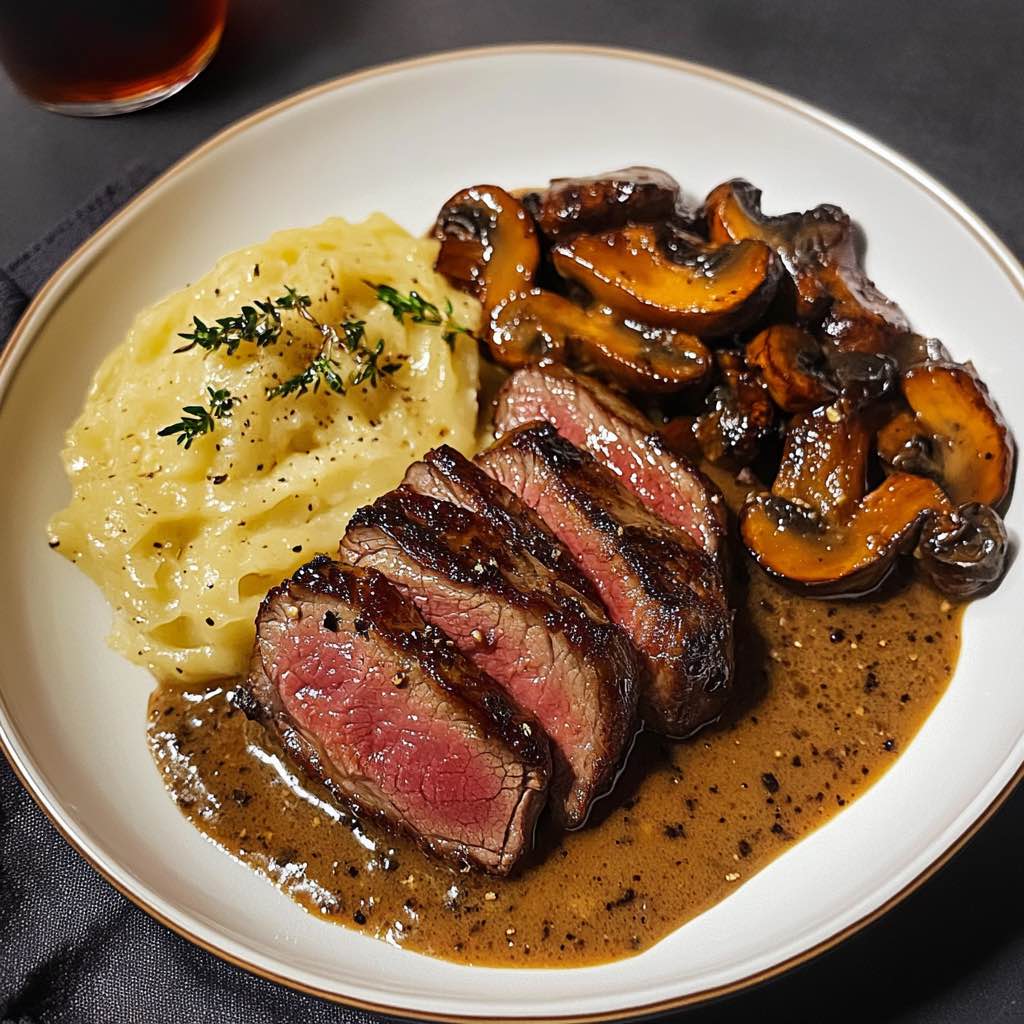
Sirloin in a Mushroom Sauce: The Ultimate Guide to a Perfect Steak Dinner
Introduction
Sirloin in a mushroom sauce represents the perfect marriage of tender beef and rich, savory flavors that transforms an ordinary dinner into an extraordinary culinary experience. This classic dish combines the robust taste of quality sirloin steak with the earthy depth of mushrooms, creating a meal that satisfies both casual home cooks and discerning food enthusiasts. Whether you’re planning a romantic dinner or seeking to impress guests, mastering this technique will elevate your cooking skills significantly.
The beauty of sirloin in mushroom sauce lies in its versatility and accessibility. Furthermore, this dish requires minimal ingredients while delivering maximum flavor impact. In addition, the cooking process teaches fundamental techniques that apply to countless other recipes.
Table of Contents
-
Understanding Sirloin Cuts
-
Essential Ingredients for Perfect Mushroom Sauce
-
Step-by-Step Cooking Instructions
-
Professional Cooking Techniques
-
Sauce Variations and Flavor Enhancements
-
Side Dish Pairings
-
Common Mistakes and Solutions
-
Storage and Reheating Tips
-
Nutritional Benefits
-
FAQs
-
Conclusion
Understanding Sirloin Cuts
What Makes Sirloin Special
Sirloin steak comes from the hindquarter of the cow, specifically the area between the short loin and round sections. This cut offers an excellent balance of flavor and tenderness, making it ideal for pan-searing and sauce preparations. Moreover, sirloin provides better value compared to premium cuts like ribeye or filet mignon.
The sirloin section includes several sub-cuts, each with distinct characteristics:
-
Top sirloin: The most tender and flavorful portion
-
Bottom sirloin: Slightly tougher but more affordable
-
Sirloin tip: Lean and versatile for various cooking methods
Selecting Quality Sirloin
When choosing sirloin for your mushroom sauce dish, look for steaks with good marbling throughout the meat. Additionally, the color should be bright red with minimal browning. Therefore, always check the sell-by date and choose the freshest option available.
Thickness matters significantly for achieving optimal results. For example, steaks between 1 to 1.5 inches thick provide the best balance of searing and even cooking. However, thinner cuts cook too quickly, while thicker ones may remain raw in the center.
Preparation Before Cooking
Proper preparation ensures your sirloin in mushroom sauce achieves restaurant-quality results. First, remove the steak from refrigeration 30-45 minutes before cooking. This allows the meat to reach room temperature, promoting even cooking throughout.
Next, pat the sirloin completely dry using paper towels. Moisture prevents proper searing and creates steam instead of the desired caramelization. Furthermore, season generously with salt and pepper at least 15 minutes before cooking.
Essential Ingredients for Perfect Mushroom Sauce
Mushroom Selection
The foundation of exceptional sirloin in mushroom sauce begins with selecting the right fungi. Different mushroom varieties contribute unique flavors and textures to your sauce. Therefore, understanding these differences helps create the perfect flavor profile.
Button mushrooms provide a mild, versatile base that absorbs other flavors beautifully. In contrast, cremini mushroomsoffer slightly more intense earthiness. Meanwhile, shiitake mushrooms contribute deep umami notes that elevate the entire dish.
For premium results, consider combining multiple mushroom types. For instance, use cremini as your base while adding shiitake for depth and oyster mushrooms for texture variety.
Aromatics and Flavor Builders
Beyond mushrooms, several key ingredients enhance your sirloin sauce significantly. Shallots provide subtle sweetness compared to onions, making them ideal for refined sauces. However, yellow onions work excellently as an affordable alternative.
Fresh garlic adds pungency and complements the earthy mushroom flavors perfectly. Additionally, fresh herbs like thyme and rosemary contribute aromatic complexity. Therefore, avoid dried herbs when possible, as fresh varieties deliver superior flavor intensity.
Liquid Components
The liquid foundation of your mushroom sauce determines its final consistency and flavor concentration. Beef broth creates rich, savory depth that complements sirloin beautifully. Meanwhile, chicken broth offers lighter flavor that allows mushroom taste to shine.
Heavy cream adds luxurious richness and helps bind all flavors together. However, crème fraîche provides tanginess that brightens the overall taste profile. Furthermore, a splash of brandy or cognac intensifies the sauce complexity without overpowering other elements.
Step-by-Step Cooking Instructions
Preparing Your Workspace
Success with sirloin in mushroom sauce requires proper organization before you begin cooking. Therefore, gather all ingredients and equipment within easy reach. This prevents overcooking while searching for missing items.
Essential equipment includes:
-
Heavy-bottomed skillet or cast-iron pan
-
Sharp chef’s knife
-
Cutting board
-
Measuring cups and spoons
-
Wooden spoon or silicone spatula
-
Instant-read thermometer
Cooking the Perfect Sirloin
Heat your skillet over medium-high heat until it begins to smoke slightly. This temperature ensures proper searing and flavor development. Next, add a small amount of high-heat oil like avocado or grapeseed oil.
Carefully place the seasoned sirloin in the hot pan. Therefore, avoid moving the steak for the first 3-4 minutes to achieve proper caramelization. The searing process creates the Maillard reaction, developing complex flavors essential for restaurant-quality results.
Flip the sirloin once a golden-brown crust forms. Continue cooking for another 3-4 minutes for medium-rare doneness. However, adjust timing based on your preferred level of doneness and steak thickness.
Creating the Mushroom Sauce Base
Remove the cooked sirloin from the pan and tent with foil to rest. This resting period allows juices to redistribute throughout the meat. Meanwhile, begin building your mushroom sauce in the same pan to capture all the flavorful brown bits.
Add sliced mushrooms to the pan without cleaning it first. The remaining fond (browned bits) adds incredible depth to your sauce. Furthermore, avoid overcrowding the mushrooms, which causes steaming instead of proper browning.
Cook mushrooms until they release their moisture and develop golden color. This process typically takes 5-7 minutes with occasional stirring. Therefore, patience during this step significantly impacts final sauce quality.
Building Flavor Layers
Add minced shallots and garlic to the mushrooms after they achieve proper browning. These aromatics require only 1-2 minutes of cooking to prevent burning. Next, incorporate fresh herbs like thyme or rosemary for additional complexity.
Deglaze the pan with your chosen liquid, scraping up all the flavorful fond from the bottom. This technique captures every bit of developed flavor and incorporates it into your sauce. Moreover, the deglazing process creates the foundation for your final sauce consistency.
Professional Cooking Techniques
Temperature Control Mastery
Achieving perfect sirloin in mushroom sauce requires precise temperature management throughout the cooking process. Professional chefs understand that consistent heat control prevents overcooking and ensures optimal texture development.
Use an instant-read thermometer to verify internal temperatures:
-
Rare: 120-125°F
-
Medium-rare: 130-135°F
-
Medium: 135-145°F
-
Medium-well: 145-155°F
However, remember that carryover cooking continues raising the temperature after removing from heat. Therefore, target temperatures slightly below your desired final doneness.
Sauce Consistency Techniques
Professional mushroom sauces achieve perfect consistency through several advanced techniques. First, reduce your liquid components by half to concentrate flavors intensely. This process typically requires 8-10 minutes of gentle simmering.
Next, create a liaison by tempering cream with hot sauce before full incorporation. This prevents curdling and ensures smooth, silky texture. Furthermore, finish your sauce with cold butter pieces, whisking constantly for glossy perfection.
Seasoning Balance
Expert cooks understand that seasoning occurs in layers throughout the cooking process rather than only at the end. Therefore, taste and adjust seasonings after each major step.
Salt enhances mushroom flavors naturally while pepper adds gentle heat. However, avoid over-salting early in the process, as sauce reduction concentrates all flavors significantly. Additionally, fresh lemon juice brightens the finished sauce and balances rich elements perfectly.
Sauce Variations and Flavor Enhancements
Classic French-Style Variations
Traditional French cuisine offers several elegant approaches to sirloin in mushroom sauce. The classic “sauce aux champignons” relies on simple ingredients executed with precise technique. This preparation emphasizes mushroom flavor above all other elements.
Alternatively, sauce chasseur incorporates tomatoes and herbs for Mediterranean influence. This variation adds acidity that cuts through rich beef flavors beautifully. Furthermore, the tomato component provides attractive color contrast on the plate.
Modern Fusion Approaches
Contemporary interpretations of sirloin in mushroom sauce incorporate global flavors while maintaining the dish’s essential character. For example, Asian-inspired versions might include soy sauce, ginger, and sesame oil for umami depth.
Mediterranean variations feature sun-dried tomatoes, olives, and fresh basil. These ingredients complement both sirloin and mushrooms while creating entirely new flavor profiles. However, maintain balance to avoid overwhelming the primary ingredients.
Dietary Adaptation Options
Health-conscious cooks can modify traditional sirloin in mushroom sauce recipes without sacrificing flavor quality. Greek yogurt replaces heavy cream while providing protein and probiotics. This substitution reduces calories significantly while maintaining creamy texture.
For dairy-free versions, cashew cream creates rich consistency without animal products. Meanwhile, coconut milk adds subtle sweetness that complements earthy mushroom flavors. Therefore, these adaptations accommodate various dietary restrictions successfully.
Side Dish Pairings
Traditional Accompaniments
Classic side dishes enhance sirloin in mushroom sauce without competing for attention. Roasted potatoes provide hearty substance that absorbs sauce beautifully. Furthermore, their crispy exterior and fluffy interior create textural contrast.
Steamed asparagus offers bright color and fresh flavor that cuts through rich sauce elements. Additionally, green beans almondine provides crunch and nutty notes. These vegetables balance the meal nutritionally while adding visual appeal.
Creative Modern Sides
Contemporary presentations explore innovative accompaniments that elevate the dining experience. Cauliflower puree creates elegant plating opportunities while providing creamy texture. Moreover, this low-carb alternative appeals to health-conscious diners.
Wild rice pilaf adds nutty flavors and interesting texture variety. Meanwhile, roasted root vegetables provide natural sweetness that complements savory elements. Therefore, these modern sides create sophisticated meal presentations.
Starch Considerations
Choosing appropriate starches significantly impacts meal satisfaction and sauce enjoyment. Egg noodles absorb mushroom sauce effectively while providing comfort food appeal. However, rice pilaf offers lighter texture that doesn’t overshadow delicate flavors.
Polenta creates an Italian-inspired foundation that pairs naturally with mushrooms. Furthermore, its creamy consistency complements tender sirloin perfectly. Additionally, garlic mashed potatoes provide classic comfort that never goes out of style.
Common Mistakes and Solutions
Overcooking Prevention
The most frequent error with sirloin in mushroom sauce involves overcooking the meat. This mistake results from inadequate temperature monitoring and poor timing management. Therefore, invest in a quality instant-read thermometer for consistent results.
Additionally, many home cooks fail to rest the meat properly after cooking. This critical step allows juices to redistribute, ensuring moist, tender results. However, tenting with foil prevents excessive heat loss during resting.
Sauce Troubleshooting
Broken or separated sauces frustrate many home cooks attempting sirloin in mushroom sauce. This problem typically occurs from overheating cream-based components or inadequate emulsification technique. Therefore, maintain gentle heat when incorporating dairy products.
If separation occurs, remove the pan from heat immediately. Next, whisk in cold butter one piece at a time to re-emulsify the sauce. Furthermore, a splash of cold cream often helps restore smooth consistency.
Seasoning Balance Issues
Under-seasoned or over-salted sauces commonly plague inexperienced cooks. This problem stems from seasoning too early or failing to taste throughout the cooking process. Therefore, season in small increments while tasting frequently.
Remember that salt preferences vary significantly between individuals. Additionally, reduced sauces concentrate salt content, so season lightly initially. However, don’t forget that proper seasoning elevates all other flavors significantly.
Storage and Reheating Tips
Proper Storage Methods
Leftover sirloin in mushroom sauce requires careful handling to maintain quality and safety. First, cool components to room temperature before refrigeration to prevent bacterial growth. However, don’t leave at room temperature longer than two hours.
Store steak and sauce separately when possible to prevent overcooking during reheating. Additionally, use airtight containers to prevent odor transfer and moisture loss. Properly stored leftovers remain safe for 3-4 days in the refrigerator.
Reheating Techniques
Gentle reheating preserves texture and prevents additional cooking of the sirloin. Therefore, use low heat settings and monitor temperature carefully. Microwave reheating often results in rubbery texture and should be avoided when possible.
Instead, reheat sauce separately in a saucepan over low heat. Meanwhile, warm sliced steak briefly in the same pan just until heated through. This method preserves the original texture and flavor quality effectively.
Make-Ahead Strategies
Planning ahead enables stress-free entertaining while maintaining dish quality. The mushroom sauce component freezes well for up to three months. However, cream-based elements may separate after freezing and require re-emulsification.
Alternatively, prepare all components except final cooking up to 24 hours in advance. This approach requires only final assembly and heating before serving. Furthermore, advance preparation often improves flavors as they meld together overnight.
Nutritional Benefits
Protein Content Analysis
Sirloin steak provides high-quality complete protein essential for muscle maintenance and growth. A typical 6-ounce serving contains approximately 40-45 grams of protein. Furthermore, this protein includes all essential amino acids in optimal proportions.
The protein quality in sirloin ranks among the highest available from food sources. Additionally, the biological value ensures efficient utilization by the human body. Therefore, this dish supports fitness goals and general health maintenance effectively.
Micronutrient Profile
Beyond protein, sirloin in mushroom sauce provides numerous essential vitamins and minerals. Iron content supports oxygen transport throughout the body. Meanwhile, zinc contributes to immune system function and wound healing.
Mushrooms add B-vitamins, particularly riboflavin and niacin, which support energy metabolism. Additionally, selenium from mushrooms acts as a powerful antioxidant. Therefore, this combination creates a nutritionally dense meal option.
Heart Health Considerations
When prepared without excessive added fats, sirloin provides heart-healthy nutrients. The monounsaturated fat content supports cardiovascular health when consumed as part of balanced diet. Furthermore, avoiding trans fats in preparation maintains these benefits.
Mushrooms contribute potassium, which helps regulate blood pressure naturally. Additionally, their low sodium content supports heart health when other ingredients are used judiciously. However, monitor overall sodium intake from seasonings and broths.
FAQs
What is the best cut of sirloin for mushroom sauce?
Top sirloin provides the ideal balance of tenderness and flavor for mushroom sauce preparations. This cut offers good marbling while remaining more affordable than premium steaks. Furthermore, its texture complements creamy sauces without becoming overwhelmed.
How do I prevent my sirloin from becoming tough?
Avoid overcooking by using an instant-read thermometer and removing the steak at proper internal temperatures. Additionally, always rest the meat for 5-10 minutes after cooking to allow juices to redistribute. Therefore, these techniques ensure tender, juicy results consistently.
Can I make sirloin in mushroom sauce ahead of time?
The sauce component can be prepared entirely in advance and reheated when needed. However, cook the sirloin fresh for optimal texture and flavor. Therefore, this approach provides convenience while maintaining quality standards.
What mushrooms work best for this sauce?
Cremini mushrooms offer the best balance of flavor and texture for classic preparations. However, combining varieties like shiitake and oyster mushrooms creates more complex flavor profiles. Therefore, experiment with different combinations to find your preferred taste.
How thick should my mushroom sauce be?
The ideal consistency coats the back of a spoon without being overly thick or thin. This texture allows the sauce to cling to the sirloin while remaining pourable. Furthermore, proper consistency enhances both presentation and eating experience.
Conclusion
Mastering sirloin in a mushroom sauce opens doors to countless culinary possibilities while providing a reliable foundation for impressive dinner presentations. This versatile dish combines fundamental cooking techniques with accessible ingredients to create restaurant-quality results at home. Moreover, the skills developed through practicing this recipe apply to numerous other sauce-based preparations.
The key to success lies in understanding each component’s role and executing proper techniques consistently. Therefore, focus on quality ingredients, precise timing, and careful attention to detail throughout the process. Additionally, don’t hesitate to experiment with variations once you’ve mastered the basic preparation.
Whether preparing an intimate dinner or entertaining guests, sirloin in mushroom sauce delivers satisfying results that showcase your culinary skills effectively. The combination of tender beef, rich sauce, and complementary sides creates memorable dining experiences that guests will appreciate long after the meal ends.
Sirloin in a Mushroom Sauce
Description
Ingredients
For the sirloin steaks:
-
4 sirloin steaks (6-8 oz each), at room temperature
-
Salt and freshly ground black pepper
-
2 tbsp vegetable oil or sunflower oil
-
2 tbsp butter
-
1 tsp Italian seasoning
-
4 cloves garlic, smashed
For the mushroom sauce:
-
8 oz mixed mushrooms (cremini, portobello, or chestnut), sliced
-
3 tbsp butter
-
2 shallots, finely chopped
-
3 cloves garlic, minced
-
2 sprigs fresh thyme, leaves removed
-
½ cup dry white wine or red wine
-
½ cup beef broth
-
1 cup heavy cream
-
1 tsp Dijon mustard
-
1 tsp Worcestershire sauce
-
1 tbsp cornstarch (optional, for thickening)
-
Salt and pepper to taste
-
Fresh parsley, chopped for garnish
Instructions
Prepare the steaks:
-
Bring steaks to room temperature 30 minutes before cooking for even cooking.
-
Pat steaks dry with paper towels and season generously with salt and pepper on both sides.
Sear the steaks:
3. Heat oil in a large cast-iron skillet over medium-high heat until almost smoking.
4. Add steaks and cook without moving for 3-4 minutes until well-seared on the bottom.
5. Flip steaks and cook another 3-4 minutes for medium-rare, or until desired doneness.
6. Remove steaks to a warm plate, tent with foil, and let rest while making the sauce.
Make the mushroom sauce:
7. Reduce heat to medium and add butter to the same skillet.
8. Add sliced mushrooms in a single layer and cook undisturbed for 5 minutes until well-browned.
9. Stir mushrooms and continue cooking until moisture evaporates, about 3 minutes more.
10. Add shallots and cook for 3 minutes until softened.
11. Add garlic and thyme, cooking for 1 minute until fragrant.
Finish the sauce:
12. Deglaze with wine, scraping up browned bits from the bottom of the pan. Cook until wine reduces by two-thirds.
13. Add beef broth and bring to a simmer. Cook for 2-3 minutes.
14. Stir in cream, Dijon mustard, and Worcestershire sauce. Simmer gently for 5-8 minutes until sauce thickens and coats the back of a spoon.
15. Season with salt and pepper to taste.