
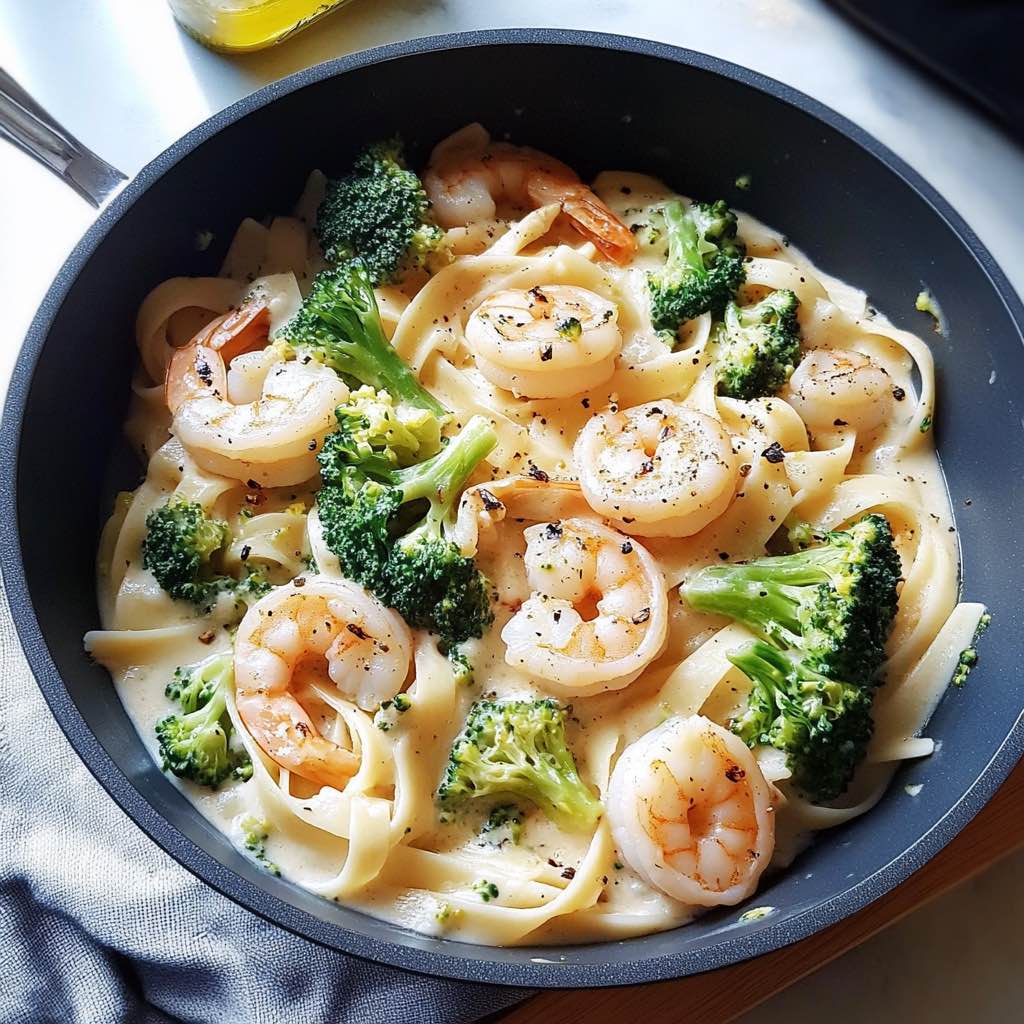
Creamy Shrimp and Broccoli Pasta: Easy Restaurant-Style Recipe You’ll Love
Creamy shrimp and broccoli pasta represents the perfect marriage of convenience and indulgence. This restaurant-quality dish combines succulent shrimp, vibrant broccoli, and al dente pasta in a rich, velvety sauce. Moreover, you can create this impressive meal in just 30 minutes using simple ingredients. Therefore, it’s perfect for busy weeknights or special occasions when you want something elegant yet approachable.
This comprehensive guide will walk you through everything you need to know. Furthermore, you’ll discover professional techniques that elevate this simple pasta dish. In addition, we’ll explore variations, troubleshooting tips, and storage methods to ensure perfect results every time.
Table of Contents
Why Choose Creamy Shrimp and Broccoli Pasta
Quick and Convenient Weeknight Dinner
Creamy shrimp and broccoli pasta offers unmatched convenience for busy households. However, convenience doesn’t mean compromising on flavor or nutrition. This one-pot wonder requires minimal cleanup while delivering maximum satisfaction.
The cooking process takes approximately 25-30 minutes from start to finish. Therefore, it’s perfect when you need dinner on the table quickly. In addition, most ingredients are pantry staples or easily found at any grocery store.
Balanced Nutrition in Every Bite
This dish provides an excellent balance of protein, vegetables, and carbohydrates. Furthermore, shrimp delivers high-quality lean protein with minimal calories. Broccoli adds essential vitamins, minerals, and fiber to support overall health.
The creamy sauce, when made properly, contributes calcium and healthy fats. Moreover, pasta provides sustained energy through complex carbohydrates. Therefore, this meal satisfies both nutritional needs and comfort food cravings.
Impressive Yet Approachable
Creamy shrimp and broccoli pasta looks elegant enough for entertaining guests. However, the techniques are simple enough for novice cooks to master. This versatility makes it perfect for various occasions.
The vibrant colors create visual appeal that photographs beautifully. In addition, the rich aromas fill your kitchen with restaurant-like ambiance. Therefore, you’ll feel proud serving this dish to family and friends.
Essential Ingredients for Perfect Results
Fresh Shrimp Selection and Preparation
Choosing the right shrimp makes a significant difference in your final dish. Therefore, select medium to large shrimp (16-20 count per pound) for best results. Fresh shrimp should smell like the ocean, not fishy or ammonia-like.
Key shrimp preparation steps:
-
Remove shells and devein completely
-
Pat dry with paper towels thoroughly
-
Season with salt and pepper before cooking
-
Don’t overcook to maintain tender texture
However, frozen shrimp works perfectly when thawed properly. Place frozen shrimp in cold water for 10-15 minutes. Therefore, planning ahead ensures optimal texture and flavor.
Broccoli: Fresh vs Frozen Considerations
Fresh broccoli florets provide the best texture and color retention. Moreover, they maintain a pleasant crunch that complements the tender shrimp. Choose bright green heads with tight florets for optimal results.
Fresh broccoli preparation:
-
Cut into uniform, bite-sized pieces
-
Blanch briefly to maintain vibrant color
-
Don’t overcook to preserve nutrients
-
Reserve some cooking water for sauce consistency
Frozen broccoli offers convenience without significant flavor loss. However, reduce cooking time to prevent mushiness. Therefore, add frozen broccoli directly to the pasta during final minutes of cooking.
Pasta Shapes That Work Best
Short pasta shapes hold creamy sauce better than long varieties. Furthermore, ridged surfaces create more area for sauce adherence. Penne, rigatoni, and fusilli work exceptionally well with this recipe.
Recommended pasta choices:
-
Penne rigate for classic presentation
-
Rigatoni for generous sauce pockets
-
Fusilli for playful texture variation
-
Farfalle for elegant appearance
However, any pasta shape works if cooked properly al dente. Therefore, adjust cooking times according to package directions while maintaining firm texture.
Cream Base Options and Alternatives
Heavy cream creates the richest, most luxurious sauce texture. Moreover, it reduces beautifully without curdling when heated properly. This traditional choice delivers restaurant-quality results consistently.
Alternative cream options:
-
Half-and-half for lighter consistency
-
Greek yogurt for tangy, protein-rich sauce
-
Cashew cream for dairy-free version
-
Coconut milk for subtle tropical notes
However, each alternative requires different handling techniques. Therefore, adjust heat levels and timing accordingly to prevent separation or curdling.
Step-by-Step Cooking Instructions
Preparation Phase (5 minutes)
Begin by gathering all ingredients and equipment before starting. Furthermore, this mise en place approach ensures smooth cooking without rushed moments. Proper preparation prevents overcooking delicate shrimp or vegetables.
Essential preparation steps:
-
Bring large pot of salted water to boil
-
Clean and devein shrimp completely
-
Cut broccoli into uniform florets
-
Measure all seasonings and aromatics
-
Grate fresh Parmesan cheese if using
Therefore, having everything ready allows you to focus on timing and technique. In addition, this professional approach yields consistently better results.
Cooking the Pasta Base (8-10 minutes)
Start cooking pasta according to package directions for al dente texture. However, reserve one cup of starchy pasta water before draining. This liquid gold helps bind the sauce beautifully.
Add broccoli florets during the final 3-4 minutes of pasta cooking. Therefore, both components finish simultaneously with perfect textures. Moreover, this one-pot method saves time and reduces cleanup.
Timing guidelines:
-
Start pasta in boiling, well-salted water
-
Add broccoli when pasta has 3-4 minutes remaining
-
Reserve pasta water before draining
-
Don’t rinse pasta after draining
However, different pasta shapes require timing adjustments. Therefore, read package directions carefully and test doneness regularly.
Perfecting the Shrimp (3-4 minutes)
Cook shrimp in a large skillet over medium-high heat with olive oil. Furthermore, proper heat management prevents rubber-like texture while ensuring food safety. Shrimp cook quickly and continue cooking from residual heat.
Shrimp cooking technique:
-
Heat oil in large skillet until shimmering
-
Add seasoned shrimp in single layer
-
Cook 90 seconds without moving pieces
-
Flip and cook additional 60-90 seconds
-
Remove when just opaque throughout
However, overcooking ruins shrimp texture irreversibly. Therefore, remove from heat immediately when done and set aside temporarily.
Creating the Creamy Sauce (5-7 minutes)
Build the sauce in the same skillet used for shrimp to capture flavorful fond. Moreover, this layered approach develops complex flavors impossible to achieve otherwise. The key is gentle heat management throughout.
Sauce building process:
-
Sauté garlic in remaining oil until fragrant
-
Add heavy cream and bring to gentle simmer
-
Incorporate Parmesan cheese gradually while stirring
-
Season with salt, pepper, and Italian herbs
-
Add pasta water to achieve desired consistency
However, high heat causes cream sauces to break and curdle. Therefore, maintain gentle heat and stir constantly during cheese incorporation.
Final Assembly and Plating (2-3 minutes)
Combine all components gently to avoid breaking delicate shrimp or pasta. Furthermore, proper folding technique distributes ingredients evenly without creating mush. The final moments determine presentation quality.
Assembly technique:
-
Add drained pasta and broccoli to cream sauce
-
Fold in cooked shrimp gently with tongs
-
Adjust consistency with reserved pasta water
-
Taste and adjust seasoning as needed
-
Garnish with fresh herbs and cheese
However, avoid overmixing which can break pasta shapes. Therefore, use gentle folding motions to maintain visual appeal and texture integrity.
Professional Tips for Restaurant-Quality Results
Temperature Control Mastery
Maintaining proper temperatures throughout cooking ensures optimal textures and flavors. Moreover, temperature management separates amateur from professional results. Understanding heat’s role in each component elevates the final dish significantly.
Critical temperature points:
-
Medium-high heat for searing shrimp
-
Medium heat for building cream sauce
-
Low heat for final assembly and warming
-
Serve immediately while hot throughout
However, rushing with excessive heat ruins delicate components. Therefore, patience with proper temperatures yields superior results every time.
Sauce Consistency Secrets
Perfect sauce consistency balances richness with coating ability. Furthermore, the sauce should cling to pasta without pooling heavily in the bowl. Starchy pasta water provides natural thickening properties.
Consistency adjustment techniques:
-
Add pasta water gradually while stirring
-
Simmer gently to concentrate flavors
-
Off heat, the sauce continues thickening slightly
-
Serve immediately to prevent over-thickening
However, thin sauces can be rescued with gentle reduction. Therefore, keep heat low and stir constantly to prevent separation during adjustments.
Seasoning Layer Development
Building flavors throughout the cooking process creates depth impossible to achieve with end-stage seasoning alone. Moreover, each component benefits from individual attention before final assembly.
Layered seasoning approach:
-
Season shrimp before cooking for penetration
-
Salt pasta water generously for flavor base
-
Build sauce seasonings gradually while cooking
-
Final taste adjustment before serving
-
Fresh herb garnish adds brightness
However, over-seasoning at any stage ruins the entire dish. Therefore, taste frequently and adjust gradually throughout the process.
Timing Coordination Strategy
Coordinating multiple components requires strategic planning and execution. Furthermore, proper timing ensures everything finishes hot and perfectly textured simultaneously. This orchestration defines professional cooking skills.
Timing coordination tips:
-
Start pasta first as it takes longest
-
Begin shrimp when pasta has 5 minutes remaining
-
Build sauce while pasta and broccoli drain
-
Assemble quickly while everything stays hot
-
Have serving bowls warmed and ready
However, flexibility allows adjustment for unexpected delays. Therefore, practice the sequence until timing becomes natural and automatic.
Variations and Customizations
Protein Alternatives and Additions
While shrimp provides classic appeal, various proteins create exciting variations. Moreover, different proteins require adjusted cooking methods and timing considerations. These alternatives maintain the dish’s essential character while offering variety.
Excellent protein substitutions:
-
Grilled chicken breast for familiar comfort
-
Salmon pieces for omega-3 benefits
-
Scallops for elegant presentation
-
Crab meat for luxurious indulgence
-
Italian sausage for hearty satisfaction
However, each protein has unique cooking requirements. Therefore, adjust techniques and timing accordingly to ensure food safety and optimal textures.
Vegetable Enhancement Options
Beyond broccoli, numerous vegetables complement the creamy sauce beautifully. Furthermore, seasonal variations keep the dish interesting throughout the year. Color variety enhances both nutrition and visual appeal significantly.
Complementary vegetable additions:
-
Asparagus spears for spring freshness
-
Cherry tomatoes for color and acidity
-
Bell peppers for crunch and sweetness
-
Mushrooms for earthy depth
-
Spinach for iron and vibrant color
However, different vegetables require varied cooking times. Therefore, add them strategically to achieve uniform doneness without overcooking any component.
Sauce Flavor Profile Modifications
The base cream sauce accepts numerous flavor modifications beautifully. Moreover, these variations create entirely different dining experiences while maintaining familiar comfort. Cultural influences inspire exciting adaptations.
Popular sauce variations:
-
Cajun spices for Southern heat and complexity
-
Lemon zest for Mediterranean brightness
-
Pesto addition for Italian herb intensity
-
Sun-dried tomatoes for concentrated flavor
-
Roasted red peppers for smoky sweetness
However, balance is crucial when adding strong flavors. Therefore, start with small amounts and build gradually to avoid overwhelming the delicate shrimp.
Dairy-Free and Dietary Adaptations
Modern dietary needs require flexible approaches to classic recipes. Furthermore, successful adaptations maintain flavor and texture satisfaction while meeting specific requirements. These modifications expand accessibility without compromising enjoyment.
Dietary modification strategies:
-
Coconut cream for dairy-free richness
-
Nutritional yeast for cheesy flavor without dairy
-
Gluten-free pasta for celiac accommodation
-
Zucchini noodles for low-carb alternative
-
Cashew cream for vegan protein addition
However, alternative ingredients behave differently than traditional ones. Therefore, research proper techniques and ratios for successful substitutions.
Nutritional Benefits and Health Information
Protein Powerhouse Properties
Creamy shrimp and broccoli pasta delivers exceptional protein content supporting muscle maintenance and growth. Moreover, shrimp provides complete amino acid profiles essential for optimal health. This high-quality protein supports various bodily functions efficiently.
Shrimp protein benefits:
-
20+ grams protein per 3.5-ounce serving
-
Complete amino acid profile for muscle synthesis
-
Low calorie density maximizes nutritional value
-
Selenium content supports immune function
-
Minimal saturated fat compared to other proteins
However, portion control remains important for balanced nutrition. Therefore, standard serving sizes provide adequate protein without excess calories.
Broccoli’s Nutritional Contributions
Broccoli ranks among the most nutrient-dense vegetables available globally. Furthermore, it provides essential vitamins, minerals, and protective compounds supporting overall health. Regular consumption correlates with numerous health benefits.
Key broccoli nutrients:
-
High vitamin C content exceeds citrus fruits
-
Vitamin K supports bone health effectively
-
Folate aids cellular function and development
-
Fiber promotes digestive health naturally
-
Antioxidants provide cellular protection
However, overcooking destroys many beneficial compounds. Therefore, brief cooking times preserve maximum nutritional value while maintaining appealing texture and color.
Balancing Indulgence with Nutrition
Cream-based sauces provide satisfaction and essential nutrients when consumed thoughtfully. Moreover, moderate portions allow enjoyment without compromising health goals. Balance and variety create sustainable eating patterns.
Nutritional balance strategies:
-
Control portion sizes to manage calorie intake
-
Increase vegetable ratios for fiber and nutrients
-
Choose whole grain pasta for additional fiber
-
Add herbs and spices for antioxidant benefits
-
Pair with simple salad for additional vegetables
However, occasional indulgence fits into healthy eating patterns. Therefore, enjoy this comfort food while maintaining overall dietary balance and variety.
Caloric Considerations and Modifications
Standard creamy shrimp and broccoli pasta contains approximately 450-550 calories per generous serving. Furthermore, ingredient modifications can reduce calories without sacrificing satisfaction significantly. Smart substitutions maintain flavor while supporting health goals.
Calorie reduction techniques:
-
Use half-and-half instead of heavy cream
-
Increase broccoli proportion for volume
-
Reduce pasta quantity slightly per serving
-
Add extra herbs and spices for flavor intensity
-
Include additional non-starchy vegetables
However, extreme modifications may compromise taste and satisfaction. Therefore, make gradual changes while monitoring preference and hunger satisfaction levels.
Troubleshooting Common Problems
Preventing Overcooked Shrimp
Overcooked shrimp becomes rubbery and unpleasant, ruining an otherwise perfect dish. Moreover, shrimp continue cooking from residual heat even after removal from direct heat. Understanding proper doneness indicators prevents this common mistake.
Shrimp doneness indicators:
-
Color changes from gray to pink-orange
-
Flesh becomes opaque throughout center
-
Texture feels firm but not hard
-
Natural curve forms C-shape, not tight curl
-
Internal temperature reaches 145°F minimum
However, different shrimp sizes require adjusted cooking times. Therefore, monitor visually and remove promptly when properly cooked to prevent texture degradation.
Cream Sauce Troubleshooting
Broken or separated cream sauces result from excessive heat or improper technique. Furthermore, acidic ingredients can cause curdling when added incorrectly. Understanding prevention and recovery techniques saves potentially ruined dishes.
Common sauce problems and solutions:
-
Curdling: Reduce heat immediately, whisk vigorously off heat
-
Too thin: Simmer gently to reduce, add cornstarch slurry
-
Too thick: Add warm pasta water gradually while stirring
-
Grainy texture: Strain sauce, reheat gently with cream addition
-
Separation: Blend briefly or whisk in butter off heat
However, prevention is easier than correction. Therefore, maintain gentle heat and proper techniques to avoid sauce problems entirely.
Pasta Texture Issues
Perfectly cooked pasta provides the foundation for exceptional creamy shrimp and broccoli pasta. Moreover, timing and technique significantly impact final texture and overall dish success. Common mistakes are easily preventable with proper knowledge.
Pasta cooking best practices:
-
Use abundant, well-salted water for even cooking
-
Stir occasionally to prevent sticking during cooking
-
Test doneness 1-2 minutes before package time
-
Reserve pasta water before draining completely
-
Don’t rinse pasta after draining
However, overcooked pasta cannot be rescued effectively. Therefore, monitor timing carefully and test frequently near completion for optimal results.
Broccoli Color and Texture Problems
Vibrant green broccoli enhances visual appeal and indicates proper cooking technique. Furthermore, overcooked broccoli becomes mushy and loses nutritional value significantly. Proper blanching and timing preserve color and texture.
Broccoli preparation solutions:
-
Blanch in boiling water briefly before final cooking
-
Ice bath stops cooking process immediately
-
Add to pasta water during final minutes only
-
Don’t cover while cooking to preserve color
-
Season after cooking to prevent mushiness
However, frozen broccoli requires different handling approaches. Therefore, adjust timing and techniques accordingly to achieve similar results with convenience products.
Storage and Reheating Guidelines
Proper Storage Techniques
Leftover creamy shrimp and broccoli pasta requires careful storage to maintain quality and safety. Moreover, proper techniques extend storage life while preserving flavor and texture as much as possible. Food safety considerations are paramount with seafood dishes.
Storage best practices:
-
Cool to room temperature within 2 hours maximum
-
Transfer to airtight containers for refrigeration
-
Consume within 3-4 days for optimal quality
-
Label containers with preparation date clearly
-
Store in coldest part of refrigerator
However, cream-based sauces don’t freeze well typically. Therefore, prepare only quantities you’ll consume within the refrigerated storage timeframe.
Reheating Methods and Tips
Gentle reheating preserves texture and prevents overcooking delicate shrimp further. Furthermore, proper technique refreshes the dish without compromising safety or quality significantly. Several methods work effectively with different advantages.
Effective reheating approaches:
-
Stovetop with low heat and frequent stirring
-
Microwave in 30-second intervals with stirring
-
Oven method covered with foil at 350°F
-
Add splash of cream or milk to refresh sauce
-
Heat only until warmed through completely
However, overheating ruins shrimp texture permanently. Therefore, use gentle heat and monitor temperature carefully during reheating processes.
Quality Assessment After Storage
Stored seafood dishes require careful evaluation before consumption. Moreover, spoilage indicators help ensure food safety while preventing foodborne illness risks. Trust your senses when assessing leftover quality.
Quality assessment indicators:
-
Fresh ocean smell, not fishy or sour odors
-
Normal texture without sliminess or mushiness
-
Sauce consistency remains relatively smooth
-
No visible mold growth on any components
-
Proper refrigeration temperature maintenance below 40°F
However, when in doubt about safety, discard questionable leftovers. Therefore, err on the side of caution with seafood-containing dishes always.
Make-Ahead Preparation Strategies
Partial preparation allows quick final assembly for busy schedules. Furthermore, component preparation maintains quality better than complete dish assembly. Strategic planning enables fresh-tasting results with convenience benefits.
Make-ahead component preparation:
-
Cook and store shrimp separately up to 2 days
-
Blanch broccoli and store covered in refrigerator
-
Prepare pasta and store with light oil coating
-
Make sauce base without final cheese addition
-
Assemble and reheat gently when ready to serve
However, complete assembly before storage reduces final quality. Therefore, prepare components separately and combine during final heating for best results.
Serving Suggestions and Presentation
Plating and Presentation Tips
Professional presentation elevates home-cooked creamy shrimp and broccoli pasta significantly. Moreover, simple techniques create restaurant-quality appearance without specialized equipment or training. Visual appeal enhances dining satisfaction measurably.
Presentation enhancement techniques:
-
Warm serving bowls in low oven beforehand
-
Arrange shrimp prominently on top of pasta
-
Scatter broccoli florets for color distribution
-
Garnish with fresh herbs and cheese curls
-
Drizzle high-quality olive oil around plate edges
However, overcomplicating presentation can distract from flavors. Therefore, focus on clean, simple arrangements that highlight the dish’s natural beauty effectively.
Complementary Side Dishes
Thoughtful side dish selection creates a complete, satisfying meal experience. Furthermore, contrasting textures and flavors balance the rich, creamy main course perfectly. Simple preparations work best alongside this substantial pasta dish.
Excellent side dish options:
-
Simple mixed greens with lemon vinaigrette
-
Garlic bread for additional comfort food appeal
-
Roasted asparagus spears for elegant presentation
-
Caesar salad for classic Italian-inspired pairing
-
Crusty bread for sauce absorption opportunities
However, heavy sides can overwhelm the meal balance. Therefore, choose lighter accompaniments that complement rather than compete with the main dish.
Garnishing for Visual Appeal
Strategic garnishing adds professional finishing touches without requiring advanced culinary skills. Furthermore, fresh elements provide color contrast and additional flavor layers subtly. Simple additions create significant visual impact.
Effective garnishing options:
-
Fresh parsley or basil leaves for color contrast
-
Freshly grated Parmesan cheese for texture interest
-
Lemon zest for citrus brightness and aroma
-
Red pepper flakes for heat and visual appeal
-
Toasted pine nuts for crunch and elegance
However, garnishes should enhance, not overwhelm the dish. Therefore, use restraint and choose elements that complement the existing flavors naturally.
Frequently Asked Questions
Can I use frozen shrimp for this recipe?
Yes, frozen shrimp works excellently for creamy shrimp and broccoli pasta when properly thawed. However, thorough thawing and patting dry are essential for proper searing and texture. Place frozen shrimp in cold water for 10-15 minutes, then pat completely dry before seasoning and cooking.
Therefore, frozen shrimp offers convenience without compromising flavor significantly. Moreover, frozen shrimp is often flash-frozen shortly after harvest, preserving freshness effectively.
How can I make this dish gluten-free?
Replace regular pasta with your favorite gluten-free alternative for easy adaptation. Furthermore, corn, rice, or chickpea-based pastas work exceptionally well in creamy sauces. However, gluten-free pasta often requires different cooking times and techniques.
Therefore, follow package directions carefully and test doneness frequently. In addition, ensure all other ingredients are certified gluten-free, including seasonings and cheese products.
What’s the best way to reheat leftovers?
Gentle stovetop reheating preserves texture better than microwave methods. Moreover, add a splash of cream or milk to refresh the sauce consistency during reheating. Heat slowly over low temperature, stirring frequently to prevent overcooking the shrimp further.
However, microwave reheating works for convenience using 30-second intervals with stirring. Therefore, choose the method that fits your time constraints while maintaining food safety standards.
Can I prepare components ahead of time?
Yes, component preparation allows quicker final assembly for busy schedules. Furthermore, cook shrimp and blanch broccoli up to 2 days ahead, storing separately in the refrigerator. However, don’t combine everything until final heating to maintain optimal textures.
Therefore, prepare pasta, shrimp, and vegetables separately, then assemble quickly during final preparation. Moreover, this approach often produces better results than complete advance preparation.
How do I prevent the cream sauce from breaking?
Maintain gentle heat throughout sauce preparation to prevent curdling and separation. Moreover, add cheese gradually while stirring constantly off direct heat. However, if separation occurs, remove from heat immediately and whisk vigorously.
Therefore, patience with temperature control prevents most sauce problems. In addition, using high-quality cream and aged Parmesan cheese improves sauce stability significantly.
What pasta shapes work best with cream sauce?
Short, ridged pasta shapes hold creamy sauces better than smooth, long varieties. Furthermore, penne, rigatoni, and fusilli create pockets that capture sauce effectively. However, any pasta works if cooked properly to al dente texture.
Therefore, choose shapes you enjoy while considering sauce-holding capabilities. Moreover, the cooking technique matters more than specific shape selection for overall success.
Creamy Shrimp and Broccoli Pasta
Description
Ingredients
Pasta & Vegetables:
-
8 ounces pasta (fettuccine, spaghetti, or fusilli work well)
-
1 pound large shrimp, peeled and deveined
-
2-4 cups fresh broccoli florets
-
1 tablespoon olive oil
-
1 tablespoon butter
Creamy Sauce:
-
8 ounces cream cheese, softened and cubed
-
1 cup chicken broth
-
4 cloves garlic, minced
-
1/4 teaspoon Italian seasoning
-
Salt and pepper to taste
-
Freshly grated Parmesan cheese for serving
Instructions
Prepare the Pasta
Bring a large pot of salted water to a boil and cook pasta according to package directions until al dente. During the last 2-3 minutes of cooking, add the broccoli florets to the pasta water to blanch them until bright green and fork-tender. Reserve 1/2 cup of pasta cooking water before draining, then set both pasta and broccoli aside.
Cook the Shrimp
While the pasta cooks, season the shrimp with salt, pepper, and Italian seasoning if desired. Heat olive oil and butter in a large skillet over medium-high heat. Add the shrimp and cook for 2-3 minutes per side until they turn opaque and are fully cooked. Transfer the cooked shrimp to a plate and set aside.
Make the Sauce
In the same skillet, add the minced garlic and cook until fragrant, about 1 minute. Add the chicken broth, cream cheese cubes, and Italian seasoning to the pan. Stir and whisk continuously until the cream cheese melts completely and creates a smooth, creamy sauce.
Combine Everything
Return the cooked shrimp and broccoli to the skillet with the sauce. Add the drained pasta and toss everything together, adding reserved pasta water as needed to achieve your desired sauce consistency. Season with salt and pepper to taste.
Serving
Serve immediately while hot, topped with freshly grated Parmesan cheese. The dish is best enjoyed right away, as the cream sauce can thicken as it cools. If needed, thin the sauce with a little milk or pasta water when reheating.