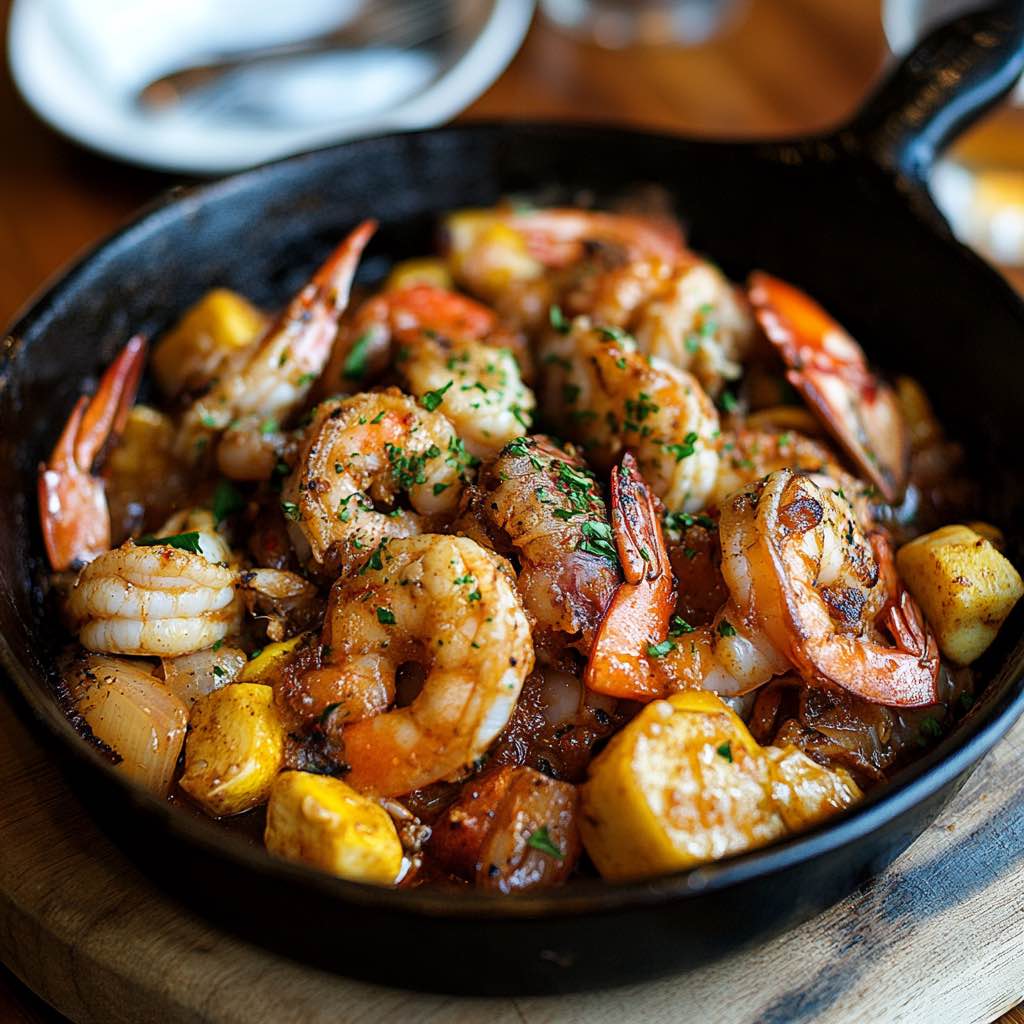
Shrimp and Crab Boil: The Ultimate Guide to This Flavorful Seafood Feast
What Is a Shrimp and Crab Boil?
A shrimp and crab boil is a communal seafood feast that brings people together for incredible flavors and good times. This one-pot meal combines fresh shellfish with vegetables, sausage, and aromatic seasonings. Moreover, it’s cooked in boiling water infused with bold spices. The dish originated in coastal communities where seafood was abundant and affordable.
The beauty of a shrimp and crab boil lies in its simplicity. Everything cooks together in a large pot, allowing flavors to meld beautifully. Furthermore, the interactive eating experience creates a casual, festive atmosphere perfect for gatherings. This cooking method requires minimal preparation yet delivers maximum flavor.
Traditional boils are often served family-style on newspaper-covered tables. Guests crack shells, peel shrimp, and enjoy the messy, hands-on experience. Additionally, the communal nature makes it ideal for celebrations and backyard parties.
The Rich History Behind Seafood Boils
The seafood boil history traces back to Native American tribes along the Gulf Coast. These communities boiled seafood, corn, and vegetables over open fires for sustenance. Subsequently, this cooking method evolved through cultural influences from various settlers.
In 1755, Acadian settlers arrived in Louisiana after being expelled from Canada. They brought French culinary traditions that transformed local seafood preparation. Meanwhile, enslaved Africans contributed bold seasonings and spice blends to the cuisine. These influences merged to create the flavorful seafood boil we know today.
Originally a survival food, seafood boils became social celebrations over time. Communities gathered for crawfish boils and crab boils to mark special occasions. The tradition spread beyond Louisiana to coastal regions throughout the South.
Essential Ingredients for Your Boil
Core Seafood Components
The foundation of any shrimp and crab boil starts with quality shellfish. Fresh or frozen shrimp works beautifully, with 26/30 count size being ideal. King crab legs, snow crab, or Dungeness crab all make excellent choices.
For variety, consider adding lobster tails to your boil. They cook quickly and provide luxurious flavor. Similarly, clams or mussels can enhance the seafood medley.
Vegetables and Add-Ins
Potatoes form the hearty base of most seafood boils. Small red potatoes, fingerlings, or Yukon golds work best. They absorb the flavorful broth while cooking until fork-tender.
Fresh corn on the cob is virtually mandatory for authentic flavor. Cut ears into halves or thirds for easier serving. Moreover, corn adds natural sweetness that balances savory spices.
Smoked sausage brings depth and richness to the pot. Kielbasa, andouille, or Cajun-style smoked sausage are popular choices. Cut sausages into 1-2 inch pieces for best results.
Additional aromatics enhance the broth significantly. Whole garlic cloves, halved lemons, and onions infuse wonderful flavor. Furthermore, celery adds subtle depth to the cooking liquid.
Selecting the Best Seafood
Choosing Fresh Shrimp
Look for shrimp with firm texture and mild ocean scent. Fresh shrimp should never smell fishy or have ammonia odors. Additionally, shells should appear translucent with no black spots.
Frozen shrimp offers convenience without sacrificing quality. Many varieties are flash-frozen immediately after harvest, preserving freshness. Check out our guide on [selecting quality seafood] for more detailed tips.
Picking Quality Crab
King crab legs should feel heavy for their size. This indicates meat-filled shells rather than hollow ones. Moreover, legs should be intact without cracks or damage.
For whole crabs, choose active specimens when buying live. They should move their legs when handled. Alternatively, pre-cooked crab legs work perfectly for convenience.
Perfect Seasonings and Spice Blends
Traditional Cajun Seasonings
Old Bay seasoning is the classic choice for seafood boils. This iconic blend contains celery salt, paprika, mustard, and pepper. It provides balanced flavor that complements shellfish perfectly.
Cajun seasoning delivers bold, spicy heat characteristic of Louisiana cooking. These blends typically include cayenne, garlic powder, and paprika. Furthermore, they add vibrant color and complex flavor layers.
Creating Custom Spice Mixes
Making homemade seafood boil seasoning allows complete flavor control. Combine smoked paprika, garlic powder, onion powder, and cayenne pepper as your base. Add dried thyme, lemon pepper, and celery salt for complexity.
Bay leaves contribute subtle herbal notes that enhance seafood flavor. Use 2-3 whole leaves per pot for best results. Additionally, mustard seeds and coriander add unique depth.
Adjust spice levels to match your heat tolerance. Start conservatively with cayenne pepper, then increase gradually. Meanwhile, black pepper and crushed red pepper flakes boost overall heat.
Aromatic Additions
Fresh garlic cloves provide pungent, savory flavor that permeates everything. Use whole, unpeeled cloves halved crosswise for easy removal. Similarly, fresh lemon halves brighten the entire dish.
Fresh herbs like thyme bring earthy, slightly floral notes. They complement seafood without overwhelming delicate flavors. Additionally, dried oregano adds Mediterranean character to the boil.
Step-by-Step Cooking Instructions
Preparing Your Ingredients
Begin by gathering all ingredients before starting to cook. Cut corn into manageable pieces, usually halves or thirds. Meanwhile, slice sausage into 1-2 inch rounds.
Scrub potatoes thoroughly but keep skins intact for added nutrition. Smaller potatoes cook faster and absorb more flavor. Furthermore, uniform sizing ensures even cooking throughout.
Rinse shrimp under cold water if using frozen varieties. Pat them dry with paper towels before adding to the pot. Similarly, check crab legs for shell fragments or damage.
Building Flavorful Broth
Fill a large stockpot halfway with water, approximately 5 quarts. Bring water to a rolling boil over high heat. This strong boil ensures ingredients cook quickly and evenly.
Add your seafood boil seasoning generously to the boiling water. A standard rule uses 2 containers of Old Bay per large pot. Alternatively, add 3-4 tablespoons of homemade spice blend.
Squeeze fresh lemon halves directly into the pot, then add the rinds. They release oils and acids that brighten seafood flavor. Additionally, toss in halved garlic bulbs for aromatic depth.
Cooking in Stages
Add potatoes first since they require longest cooking time. Cover and boil for 15-20 minutes until fork-tender. Meanwhile, stir occasionally to ensure even cooking.
Add corn, sausage, celery, and onions to the pot next. These ingredients need about 10 minutes to cook through. Furthermore, they absorb wonderful flavors from the seasoned broth.
Incorporate crab legs during the final cooking phase. They require only 5 minutes in boiling water. Overcooking makes crab meat tough and rubbery.
Add shrimp last, cooking for just 3-4 minutes maximum. They’re done when they turn pink and opaque. Immediately remove from heat to prevent overcooking.
Final Steps
Turn off heat and let everything sit for 5 minutes. This resting period allows flavors to penetrate the seafood. Additionally, ingredients finish cooking gently in residual heat.
Carefully drain the pot using a large strainer or colander. Reserve some cooking liquid if you want extra sauce. Moreover, work carefully to avoid burns from steam.
Equipment You’ll Need
The Right Pot Makes a Difference
A large stockpot is essential for successful seafood boils. Choose one holding at least 10-12 quarts for small gatherings. However, larger groups require 20-gallon turkey fryer pots.
Stainless steel pots distribute heat evenly and won’t react with acidic ingredients. They’re durable and easy to clean after use. Furthermore, many come with perforated inserts for easy draining.
Additional Helpful Tools
Long-handled spoons or paddles help stir ingredients safely. They keep hands away from boiling water and steam. Additionally, heat-resistant gloves protect against accidental burns.
Large serving trays or platters hold the drained seafood attractively. Traditional presentations use newspaper-covered tables for rustic appeal. Meanwhile, individual serving baskets work well for smaller gatherings.
Crab crackers and seafood picks make eating easier for guests. Provide plenty of these tools at the table. Similarly, small bowls for melted butter enhance the experience.
Creative Variations and Additions
Regional Style Differences
Low Country boils from South Carolina emphasize simplicity and freshness. They typically feature shrimp, corn, potatoes, and sausage without heavy sauces. This style lets natural seafood flavors shine through.
Cajun-style boils pack intense heat and bold seasonings. They often include crawfish alongside shrimp and crab. Moreover, they feature generous amounts of cayenne and garlic.
Vietnamese-Cajun fusion boils incorporate Asian ingredients like lemongrass. They also use fish sauce and additional garlic butter. This hybrid style has gained tremendous popularity recently.
Unique Ingredient Additions
Brussels sprouts make a surprising addition that’s gained popularity. They absorb spices beautifully and add nutritional value. Similarly, mushrooms provide earthy flavor and meaty texture.
Artichoke hearts bring Mediterranean flair to traditional boils. They soak up seasoned broth like sponges. Furthermore, green beans offer fresh crunch and vibrant color.
Hard-boiled eggs sometimes appear in Southern-style boils. They absorb spicy flavors and provide protein variety. Additionally, they’re budget-friendly and filling.
Serving Your Seafood Boil
Traditional Presentation Methods
The classic presentation spreads food directly on newspaper-covered tables. This creates a casual, communal atmosphere perfect for gatherings. Moreover, cleanup becomes incredibly simple afterward.
Layer kraft paper or butcher paper as a cleaner alternative. It provides similar rustic charm without newsprint concerns. Additionally, decorative tablecloths underneath protect surfaces.
Large serving platters offer a more formal presentation option. Arrange seafood attractively with vegetables as garnish. Furthermore, individual portions work well for smaller dinner parties.
Essential Accompaniments
Melted butter is absolutely essential for dipping seafood. Season it with garlic powder and additional Cajun spices. Divide into small ramekins for each guest.
Fresh lemon wedges provide brightness that cuts through richness. They enhance seafood’s natural flavors beautifully. Similarly, hot sauce allows guests to customize heat levels.
Crusty French bread soaks up flavorful juices perfectly. It’s ideal for mopping up butter and broth. Meanwhile, coleslaw offers cool, crunchy contrast to spicy seafood.
Health Benefits of Shrimp and Crab
Nutritional Powerhouses
Shrimp and crab are excellent sources of lean protein. They support muscle maintenance and promote satiety. Moreover, they’re relatively low in calories compared to other proteins.
These shellfish contain abundant omega-3 fatty acids essential for health. Omega-3s support cardiovascular function and reduce inflammation. Additionally, they benefit brain health and cognitive function.
Seafood provides important vitamins including B12 and D. Vitamin B12 supports energy production and nerve function. Meanwhile, vitamin D strengthens bones and supports immune health.
Mineral Content
Shellfish are rich in selenium, an important antioxidant mineral. Selenium supports thyroid function and protects cells from damage. Furthermore, it plays crucial roles in reproduction and DNA synthesis.
Zinc found in crab and shrimp supports immune system function. It also promotes wound healing and protein synthesis. Additionally, copper contributes to iron absorption and energy production.
Boiling as a Healthy Cooking Method
Boiling preserves nutrients better than many other cooking methods. Unlike frying, it doesn’t add unhealthy fats to seafood. Moreover, it avoids high-heat compounds formed during grilling.
Water-soluble vitamins remain largely intact during gentle boiling. The relatively low temperature prevents nutrient degradation. Furthermore, you can use flavorful broth in soups to retain leached nutrients.
The balanced combination of proteins, carbohydrates, and vegetables creates nutritious meals. Corn and potatoes provide complex carbohydrates and fiber. Meanwhile, garlic and cayenne offer anti-inflammatory compounds.
Storing and Reheating Leftovers
Proper Storage Techniques
Refrigerate leftover shrimp and crab boil within two hours of cooking. Transfer to airtight containers to maintain freshness. Moreover, remove seafood from shells if storage space is limited.
Properly stored seafood boil lasts up to 2 days refrigerated. Keep it at safe temperatures below 40°F consistently. Additionally, separate vegetables from seafood for better quality retention.
Never refreeze previously frozen seafood after cooking. This degrades texture and increases food safety risks. However, fresh seafood can be frozen after cooking if needed.
Reheating Methods
The oven method provides gentle, even heating for best results. Place leftovers in a baking dish and cover tightly with foil. Bake at 325°F for 12-15 minutes until just heated through.
Stovetop reheating works well for smaller portions. Add leftovers to a covered skillet with butter. Heat over medium-low temperature, stirring gently until warm.
Add moisture when reheating to prevent dryness. A few tablespoons of butter or seafood stock helps significantly. Furthermore, sprinkle additional Cajun seasoning to refresh flavors.
Creative Leftover Ideas
Transform leftovers into seafood fried rice for new meals. Sauté with vegetables, eggs, and soy sauce. This Asian-inspired dish uses ingredients efficiently.
Create seafood pasta by tossing with linguine and garlic butter. Add reserved vegetables and extra seasonings. Moreover, this quick meal feeds families easily.
Make seafood salad by mixing cold leftovers with mayonnaise. Add celery, onions, and lemon juice for brightness. Serve on crackers or crusty bread for lunch.
Hosting a Memorable Boil Party
Planning Your Guest List
Seafood boils work best for groups of 6-12 people. This size maintains the intimate, communal atmosphere. Moreover, it ensures everyone has access to food easily.
Calculate approximately 1 pound of shellfish per person for main proteins. Add 1-2 ears of corn and several potatoes each. Furthermore, account for hearty appetites at casual gatherings.
Creating the Right Atmosphere
Set up outdoor dining areas for authentic low-country experiences. Picnic tables work perfectly for communal eating. Additionally, string lights create festive ambiance for evening gatherings.
Provide plenty of napkins, wet wipes, and paper towels. Seafood eating gets messy, so prepare accordingly. Similarly, have trash bins readily accessible for shells.
Play upbeat music that complements the casual, fun atmosphere. Southern rock, zydeco, or blues fit perfectly. Meanwhile, keep volume moderate to encourage conversation.
Timing Your Cooking
Start cooking when most guests have arrived. The cooking process takes only 30-45 minutes total. Moreover, seafood tastes best served immediately after cooking.
Prepare vegetables and aromatics ahead of time for efficiency. This allows you to socialize while cooking proceeds. Furthermore, delegate tasks like setting tables to willing guests.
Common Mistakes to Avoid
Overcooking Seafood
The most common error is cooking shrimp and crab too long. Overcooked shellfish becomes rubbery and tough. Remember, shrimp needs only 3-4 minutes maximum.
Remove seafood immediately when done cooking. Residual heat continues cooking even after draining. Therefore, slightly undercooking prevents rubbery texture.
Under-Seasoning the Broth
Many beginners use insufficient seasoning in the cooking water. The broth must be boldly flavored to penetrate ingredients. Don’t be afraid to add generous amounts of spices.
Taste the broth before adding seafood and adjust accordingly. It should taste slightly too salty on its own. Moreover, ingredients will dilute and absorb the seasoning.
Crowding the Pot
Avoid overloading your pot with too many ingredients. Overcrowding lowers water temperature and causes uneven cooking. Furthermore, it makes stirring and draining difficult.
Use appropriately sized pots for your ingredient quantities. Everything should fit comfortably with room to circulate. Additionally, consider cooking in batches for very large groups.
Skipping the Rest Period
Don’t skip the 5-minute resting time after cooking. This step allows flavors to intensify throughout the dish. Moreover, it prevents burns from serving immediately.
Keep the pot covered during resting to maintain heat. Steam continues cooking ingredients gently. However, don’t rest longer than 10 minutes to avoid overcooking.
Frequently Asked Questions
How much seafood do I need per person for a shrimp and crab boil?
Plan for approximately 1 pound of shellfish per adult guest. This ensures everyone gets satisfying portions. Additionally, account for sides like corn, potatoes, and sausage in your calculations.
Can I make a seafood boil without special equipment?
Yes, any large stockpot holding 10+ quarts works perfectly fine. You don’t need specialized outdoor boilers for smaller gatherings. However, larger pots make serving big groups much easier.
What’s the best way to tell when shrimp is done cooking?
Shrimp turns pink and opaque when fully cooked. They also curl into a C-shape rather than tight circles. Moreover, they should feel firm but tender, not rubbery.
How do I make my shrimp and crab boil spicier?
Increase cayenne pepper in your seasoning blend gradually. You can also add hot sauce directly to the boiling water. Furthermore, serve extra hot sauce at the table for customization.
Is seafood boil healthy to eat regularly?
Shrimp and crab boil can be nutritious when prepared thoughtfully. It provides lean protein, omega-3s, and vegetables. However, watch sodium levels and butter quantities for heart health.
What can I do with leftover seafood boil broth?
The flavorful broth makes excellent soup or seafood stock base. Strain it and use for gumbo, bisque, or rice dishes. Additionally, freeze it in portions for future cooking projects.
Conclusion
A shrimp and crab boil brings people together for unforgettable culinary experiences. This communal feast combines fresh shellfish, vegetables, and bold seasonings in one spectacular pot. Moreover, it’s surprisingly simple to prepare despite impressive results.
Start with quality seafood and don’t skimp on seasonings. Cook ingredients in stages to ensure perfect texture throughout. Furthermore, embrace the casual, messy eating style that makes boils special.
Whether hosting backyard parties or intimate family dinners, shrimp and crab boil delivers. The rich history, nutritional benefits, and incredible flavors justify its enduring popularity. Additionally, endless variations mean you’ll never get bored with this classic.
Print
Shrimp and Crab Boil
Description
Shrimp and Crab Boil
Ingredients:
-
2 lbs large shrimp, shell-on
-
2 lbs crab legs or blue crabs
-
1 lb andouille sausage, sliced into 1-inch pieces
-
1 ½ lbs baby red potatoes
-
4 ears of corn, cut into halves or thirds
-
1 lemon, halved
-
1 whole garlic bulb, halved crosswise
-
1 large onion, quartered
-
½ cup Old Bay seasoning (or your favorite seafood boil mix)
-
2 tbsp Cajun seasoning
-
2–3 bay leaves
-
1 tbsp salt (adjust to taste)
-
½ stick (¼ cup) butter, melted
-
Fresh parsley and lemon wedges for garnish
Instructions:
1. Prepare the Boil:
Fill a large stockpot about ¾ full with water.
Add Old Bay, Cajun seasoning, salt, bay leaves, onion, garlic, and lemon halves.
Bring to a rolling boil.
2. Cook the Potatoes:
Add the potatoes to the pot and cook for 10–12 minutes, until almost tender.
3. Add the Sausage and Corn:
Add andouille sausage and corn.
Cook for another 5–7 minutes.
4. Add the Crab:
Add crab legs or blue crabs and simmer for 5 minutes, allowing them to soak up the spices.
5. Add the Shrimp:
Finally, add shrimp and cook for 2–3 minutes, or until they turn pink and opaque.
Be careful not to overcook them.
6. Drain and Serve:
Turn off the heat and let everything sit for 5 minutes in the seasoned broth to absorb flavor.
Drain the pot and transfer everything to a large serving platter or a newspaper-covered table for that authentic boil experience.
7. Add Butter and Garnish:
Drizzle melted butter over the seafood and sprinkle with extra Cajun seasoning and fresh parsley.
Serve with lemon wedges and extra butter for dipping.