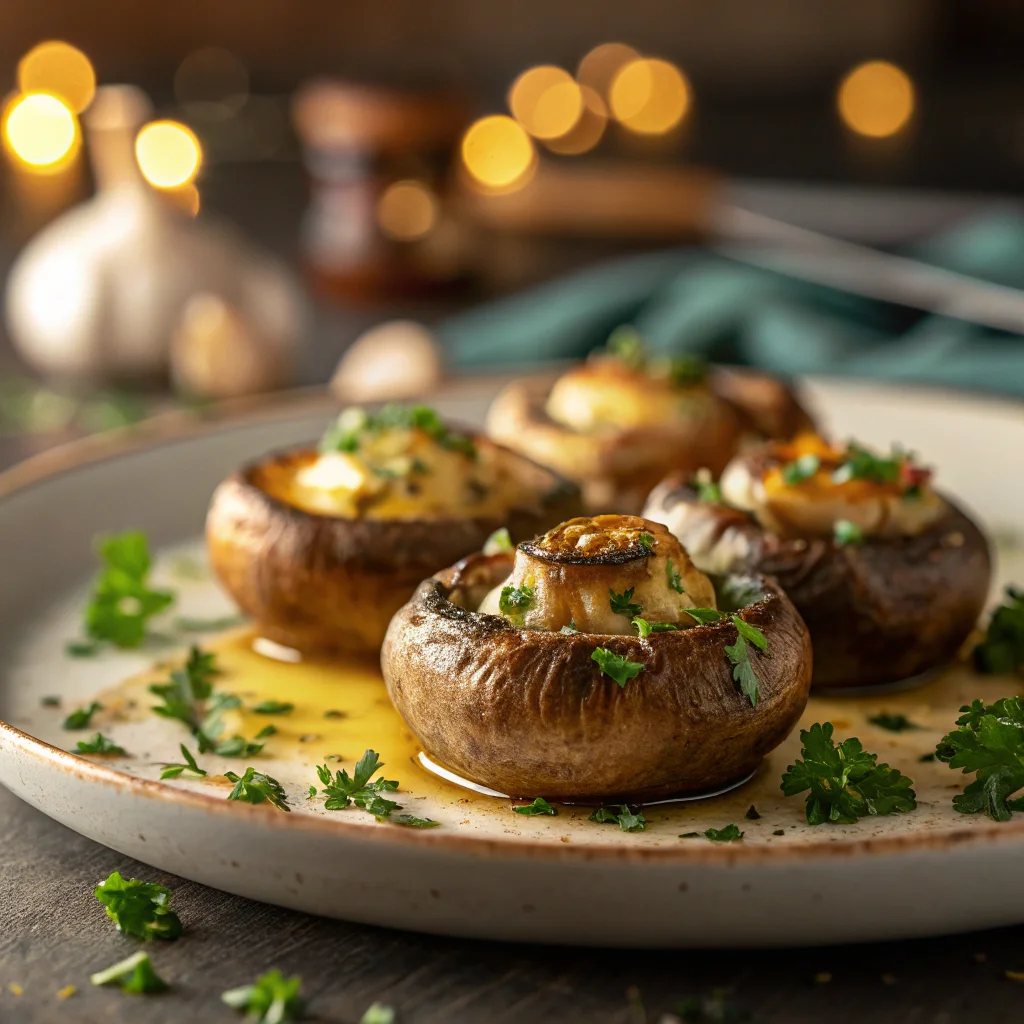
Garlic Butter Roasted Mushrooms: The Ultimate Flavor-Packed Side Dish
If you’re looking for a simple yet impressive side dish, Garlic Butter Roasted Mushrooms deliver incredible flavor with minimal effort. These tender, golden-brown mushrooms are coated in rich garlic butter and roasted to perfection, creating a dish that’s both elegant and comforting. Whether you’re serving them alongside grilled steak, tossing them into pasta, or enjoying them as a standalone appetizer, this recipe will become your go-to for any occasion.
Why You’ll Love This Recipe
Garlic butter roasted mushrooms offer the perfect combination of simplicity and sophistication. Here’s what makes this dish exceptional:
Quick Preparation: The entire process takes under 30 minutes from start to finish. This makes it ideal for busy weeknights or last-minute entertaining.
Minimal Ingredients: You only need a handful of pantry staples. Fresh mushrooms, butter, garlic, and herbs create restaurant-quality results.
Versatile Application: These mushrooms work as a side dish, appetizer, or ingredient in countless recipes. They complement virtually any main course.
Budget-Friendly: Mushrooms are affordable year-round. This recipe delivers maximum flavor without breaking the bank.
Healthy Choice: Mushrooms provide valuable nutrients including B vitamins, selenium, and antioxidants. They’re naturally low in calories and sodium.
Crowd-Pleaser: Even mushroom skeptics appreciate the rich, savory flavor. The garlic butter coating transforms ordinary fungi into something extraordinary.
Ingredients Breakdown
Main Ingredients
Mushrooms (2 pounds)
The star of this dish requires careful selection. Baby bella mushrooms (cremini) offer deep, earthy flavor and hold up beautifully during roasting. White button mushrooms work well for milder taste. Portobello mushrooms, sliced thick, provide meaty texture. Mix varieties for complexity.
Choose firm mushrooms with tightly closed caps. Avoid specimens with dark spots, sliminess, or strong odors. Fresh mushrooms should feel slightly dry to the touch.
Unsalted Butter (6 tablespoons)
Butter creates the luxurious coating that makes these mushrooms irresistible. Unsalted butter allows you to control sodium levels precisely. The fat helps carry flavors and promotes even browning.
Room temperature butter blends more easily with seasonings. Quality matters here—European-style butter with higher fat content produces richer results.
Fresh Garlic (6 cloves)
Fresh garlic provides the signature flavor profile. Minced cloves distribute evenly throughout the dish. Avoid pre-minced garlic from jars, which lacks the pungent intensity of fresh.
Smashed garlic cloves add milder flavor if you prefer subtlety. Roasted garlic paste creates sweeter, more complex notes.
Fresh Herbs (2 tablespoons)
Fresh thyme and parsley elevate the dish with bright, herbaceous notes. Thyme pairs naturally with mushrooms’ earthiness. Parsley adds color and fresh finish.
Rosemary offers piney undertones for variation. Oregano provides Mediterranean flair. Mix herbs according to your meal’s theme.
Olive Oil (2 tablespoons)
Extra virgin olive oil enhances the butter’s richness while preventing burning. The combination creates the perfect roasting medium. Oil also helps seasonings adhere to mushroom surfaces.
Choose quality olive oil with fruity notes. Avoid light olive oil, which lacks the robust flavor needed here.
Seasonings
Kosher salt (1 teaspoon) brings out mushrooms’ natural umami. Black pepper (½ teaspoon) adds gentle heat. Garlic powder (½ teaspoon) reinforces fresh garlic’s impact.
Red pepper flakes (¼ teaspoon, optional) provide warmth. Smoked paprika (½ teaspoon) introduces subtle smokiness without overwhelming other flavors.
Kitchen Equipment Needed
Proper equipment ensures success with garlic butter roasted mushrooms:
Large Rimmed Baking Sheet
Choose heavy-duty construction that won’t warp at high temperatures. A rimmed edge prevents dripping and contains ingredients. Light-colored sheets promote even browning better than dark ones.
Parchment Paper or Aluminum Foil
Lining your baking sheet simplifies cleanup dramatically. Parchment prevents sticking naturally. Foil works well but may cause slight metallic taste with acidic ingredients.
Large Mixing Bowl
A capacious bowl allows thorough coating without spillage. Glass, ceramic, or stainless steel all work perfectly. Ensure the bowl accommodates all mushrooms comfortably.
Sharp Chef’s Knife
Clean cuts prevent mushroom bruising. A sharp blade glides through caps without tearing. Dull knives crush delicate flesh and release excess moisture.
Cutting Board
Stable cutting surface protects countertops and provides safe workspace. Wood or plastic both work well. Keep a separate board for garlic to prevent cross-contamination of flavors.
Garlic Press (Optional)
This tool saves time and produces consistent mince. However, knife-mincing works equally well. Some cooks prefer the texture of hand-minced garlic.
Measuring Spoons and Cups
Accurate measurements ensure consistent results. Dry measuring cups for mushrooms, liquid measures for butter and oil. Metal or plastic both function well.
Oven Mitts
Quality heat protection prevents burns when handling hot baking sheets. Silicone grips provide superior hold on slippery surfaces.
Step-by-Step Instructions
Preparation Phase
Step 1: Preheat Your Oven
Set your oven to 400°F (200°C). This high temperature creates the perfect environment for roasting. The heat caramelizes mushroom surfaces while maintaining tender interiors. Allow 10-15 minutes for complete preheating. An oven thermometer ensures accuracy.
Meanwhile, position your oven rack in the center. This placement promotes even air circulation around your mushrooms. Upper positions may cause excessive browning on tops.
Step 2: Clean the Mushrooms
Avoid soaking mushrooms in water—they absorb liquid like sponges. Instead, gently wipe each mushroom with a damp paper towel. Remove any visible dirt or debris. Brush away soil particles with a soft mushroom brush.
Trim the very ends of stems if they appear dried or discolored. Most mushroom stems are completely edible and delicious. Discarding them wastes valuable ingredients.
Step 3: Cut the Mushrooms
Halve baby bella or button mushrooms through the stem. Quarter larger specimens for uniform sizing. Consistent pieces ensure even cooking throughout the batch.
Leave very small mushrooms whole. They’ll roast beautifully without cutting. Aim for pieces roughly 1-1.5 inches across. Check out our guide on [vegetable preparation techniques] for more tips.
Coating Process
Step 4: Melt the Butter
Place butter in a microwave-safe bowl. Heat in 15-second intervals until mostly melted. Alternatively, melt butter in a small saucepan over low heat. Complete melting may occur from residual heat.
Add olive oil to the melted butter. Stir until fully combined. This mixture forms the base of your coating.
Step 5: Prepare the Garlic
Peel and mince fresh garlic cloves finely. Uniform pieces distribute flavor evenly. Avoid large chunks that may burn during roasting.
Add minced garlic to the butter-oil mixture. Stir thoroughly to incorporate. The fat will carry garlic flavor throughout the dish.
Step 6: Combine Everything
Place cleaned, cut mushrooms in your large mixing bowl. Pour the garlic butter mixture over the mushrooms. Add all seasonings: salt, pepper, garlic powder, and optional red pepper flakes.
Chop fresh herbs and add them to the bowl. Reserve a small amount for garnish. Toss everything together with your hands or a large spoon. Ensure every mushroom piece gets coated with the butter mixture. This step is crucial for flavor distribution.
Roasting Phase
Step 7: Arrange on Baking Sheet
Line your baking sheet with parchment paper. Spread mushrooms in a single layer across the surface. Avoid overcrowding—pieces should not touch or overlap significantly.
Overcrowded mushrooms steam rather than roast. This creates soggy texture instead of golden caramelization. Use two baking sheets if necessary. Space allows hot air to circulate freely around each piece.
Step 8: Initial Roasting
Place the baking sheet in your preheated oven. Set a timer for 15 minutes. During this phase, mushrooms release moisture while beginning to brown.
Resist opening the oven door frequently. Temperature drops each time you check. Trust the process during this initial roasting.
Step 9: Stirring and Continued Roasting
After 15 minutes, remove the baking sheet from the oven. Use a spatula to stir mushrooms gently. Flip pieces that are browning unevenly. This ensures all surfaces achieve beautiful color.
Return the sheet to the oven. Roast for an additional 10-15 minutes. Watch carefully during final minutes to prevent burning. Total roasting time ranges from 25-30 minutes depending on mushroom size and your oven’s characteristics.
Step 10: Finishing Touches
Mushrooms are done when they’re golden brown and tender. They should have shrunk slightly as moisture evaporates. Edges may appear slightly crispy while centers remain juicy.
Remove from oven and transfer to a serving dish immediately. The residual heat continues cooking slightly. Garnish with reserved fresh herbs. A squeeze of fresh lemon juice adds brightness if desired.
Pro Tips for Perfect Results
Mushroom Selection and Preparation
Size Matters: Choose similar-sized mushrooms for even cooking. When mixing varieties, adjust cooking time based on the largest pieces. Smaller mushrooms finish faster than large ones.
Moisture Management: Excess moisture prevents proper browning. After cleaning, let mushrooms air-dry on paper towels for 10 minutes. Pat them dry thoroughly before coating.
Room Temperature Ingredients: Remove butter from refrigeration 30 minutes before cooking. Room temperature butter combines more easily with seasonings. Cold butter creates uneven coating.
Cooking Techniques
High Heat is Essential: Don’t reduce oven temperature to prevent burning. The high heat creates the desirable caramelization. Lower temperatures result in steamed, rubbery mushrooms.
Single Layer Rule: This cannot be overstated. Proper spacing makes the difference between roasted and steamed. Each piece needs direct heat exposure on all sides.
Stirring Timing: Don’t stir too early. Allow the first 15 minutes undisturbed for initial browning. Premature stirring disrupts the developing crust.
Butter-Oil Ratio: The combination prevents butter from burning. Butter alone may scorch at high temperatures. Oil raises the smoke point while maintaining rich flavor.
Flavor Enhancement
Double Garlic Approach: Use both fresh minced garlic and garlic powder. Fresh garlic provides pungent bite. Garlic powder contributes subtle background notes.
Herb Timing: Add woody herbs like thyme and rosemary before roasting. Save delicate herbs like parsley and chives for garnish. Heat-sensitive herbs lose flavor during cooking.
Umami Boost: A tablespoon of soy sauce or coconut aminos intensifies savory depth. Worcestershire sauce adds complexity. Nutritional yeast creates cheesy undertones.
Acid Balance: A splash of lemon juice or balsamic vinegar brightens the dish. Add acid after roasting to preserve brightness. The contrast cuts through butter’s richness.
Nutritional Information
Per Serving (Based on 6 servings)
-
Calories: 145
-
Total Fat: 13g
-
Saturated Fat: 7g
-
Cholesterol: 30mg
-
Sodium: 245mg
-
Total Carbohydrates: 5g
-
Dietary Fiber: 1g
-
Protein: 4g
-
Vitamin D: 15% DV
-
Selenium: 18% DV
-
B Vitamins: 12% DV
Health Benefits
Mushrooms provide impressive nutritional value. They’re one of the few non-animal sources of vitamin D. Selenium supports immune function and thyroid health. B vitamins aid energy metabolism and nervous system function.
The antioxidants in mushrooms combat oxidative stress. Ergothioneine, found abundantly in mushrooms, protects cells from damage. Beta-glucans support immune system regulation.
Garlic contributes additional health benefits. Allicin compounds exhibit anti-inflammatory properties. Regular garlic consumption supports cardiovascular health. The sulfur compounds may help lower blood pressure naturally.
Dietary Considerations
Vegetarian/Vegan Adaptation: Replace butter with plant-based alternatives. Vegan butter or coconut oil works beautifully. The flavor profile remains rich and satisfying.
Low-Carb/Keto Friendly: This recipe fits perfectly into low-carbohydrate meal plans. Mushrooms contain minimal carbs while providing satisfying texture. The butter content aligns with high-fat requirements.
Gluten-Free: Naturally gluten-free when using pure ingredients. Check labels on seasonings and soy sauce alternatives. Most standard preparations contain no gluten.
Dairy-Free Option: Substitute butter with olive oil or avocado oil. Increase oil quantity slightly to compensate for butter’s richness. The dish remains flavorful with adjusted fat content.
Serving Suggestions
As a Side Dish
Garlic butter roasted mushrooms complement numerous main courses beautifully:
Grilled Proteins: Serve alongside ribeye steak, grilled chicken breast, or pan-seared salmon. The mushrooms’ earthy flavor enhances meat’s natural taste. The butter sauce can double as a finishing sauce for proteins.
Pasta Integration: Toss roasted mushrooms with fettuccine or penne. Add cream or olive oil for simple sauce. Fresh Parmesan cheese elevates the combination.
Rice and Grains: Spoon mushrooms over wild rice pilaf or quinoa. The butter sauce flavors the grains naturally. Add toasted nuts for textural contrast.
Breakfast Applications: Top scrambled eggs or omelets with warm mushrooms. Serve over toast points for elegant breakfast. Include in breakfast hash with potatoes.
Appetizer Presentation
Transform these mushrooms into impressive starters:
Crostini Topping: Spoon mushrooms onto toasted baguette slices. Add a smear of goat cheese or ricotta underneath. Garnish with microgreens for restaurant presentation.
Phyllo Cups: Fill pre-made phyllo shells with roasted mushrooms. These finger foods work perfectly for parties. Prepare filling ahead and assemble before serving.
Stuffed Mushroom Caps: Use mixture to stuff large portobello caps. Top with breadcrumbs and additional cheese. Bake until caps are tender and filling is hot.
Complete Meal Ideas
Build full dinners around garlic butter roasted mushrooms:
Vegetarian Bowl: Layer mushrooms over mixed greens with roasted vegetables. Add chickpeas or white beans for protein. Drizzle with tahini dressing.
Steak Dinner: Pair with grilled ribeye, roasted asparagus, and garlic mashed potatoes. The mushrooms bridge all components with their versatile flavor.
Chicken Marsala Alternative: Use these mushrooms as the base for Marsala-style sauce. Add beef broth and herbs for depth. Serve over chicken cutlets.
Storage and Reheating
Proper Storage
Refrigeration: Transfer cooled mushrooms to airtight containers. Store in the refrigerator for up to 4 days. Glass containers prevent odor absorption. Label with date for food safety tracking.
Separate mushrooms from their butter sauce if possible. This prevents soggy texture during storage. Store sauce in a small container separately.
Freezing: While possible, freezing affects mushroom texture significantly. The high water content creates mushiness upon thawing. If you must freeze, do so in single-layer portions on parchment paper first. Transfer frozen mushrooms to freezer bags. Use within 2 months for best quality.
Reheating Methods
Oven Method: Preheat oven to 350°F. Spread mushrooms on a baking sheet in a single layer. Heat for 10-12 minutes until warmed through. This method best preserves texture.
Skillet Reheating: Heat a large skillet over medium heat. Add mushrooms and stir occasionally. Heat for 5-7 minutes until hot. Add a small pat of butter to refresh coating.
Microwave Option: While not ideal, microwaving works in a pinch. Use medium power for 1-2 minute intervals. Stir between sessions to promote even heating. Cover loosely to retain moisture.
Repurposing Leftovers: Chop cooled mushrooms finely. Mix into scrambled eggs or omelets. Fold into risotto or grain salads. Add to pizza toppings or pasta dishes.
Recipe Variations
Herb and Spice Combinations
Italian Style: Add fresh basil, oregano, and a pinch of red pepper flakes. Include sun-dried tomatoes during roasting. Finish with grated Parmesan cheese and balsamic glaze.
Asian-Inspired: Replace butter with sesame oil and add ginger. Include soy sauce, rice vinegar, and green onions. Sprinkle with sesame seeds before serving.
Mediterranean Twist: Use oregano, lemon zest, and crumbled feta cheese. Add Kalamata olives during final roasting minutes. Serve with tzatziki on the side.
French Interpretation: Include fresh tarragon and chives. Add Dijon mustard to the butter mixture. Finish with crème fraîche for elegant presentation.
Ingredient Swaps
Mushroom Varieties: Experiment with shiitake for intense umami. Oyster mushrooms provide delicate texture. Maitake (hen of the woods) offers complex earthiness. Mix varieties for depth.
Fat Alternatives: Try ghee for nutty, clarified flavor. Brown butter adds caramelized notes. Duck fat creates incredibly rich results.
Garlic Variations: Substitute roasted garlic for milder sweetness. Use garlic confit for luxurious texture. Black garlic provides unique sweet-savory complexity.
Addition Ideas: Include shallots for sweet onion notes. Add bacon pieces for smoky richness. Toss with toasted pine nuts for crunch.
Sauce Modifications
Creamy Version: Stir in heavy cream or Greek yogurt after roasting. The residual heat creates silky sauce. Add Parmesan for extra richness.
Balsamic Glaze: Reduce balsamic vinegar with honey separately. Drizzle over finished mushrooms for sweet-tart contrast. This adds sophisticated flavor complexity.
Spicy Variation: Increase red pepper flakes significantly. Add sriracha or hot sauce to butter mixture. Include jalapeño slices for fresh heat.
Truffle Elevation: Finish with truffle oil or truffle salt. A little goes a long way with truffle products. This transforms the dish into luxury territory.
Common Mistakes to Avoid
Preparation Errors
Washing Instead of Wiping: Soaking mushrooms waterloogs them completely. The absorbed moisture prevents browning and creates steam. Always use the damp cloth method for cleaning.
Uneven Cutting: Inconsistent sizes lead to uneven cooking. Some pieces finish while others remain undercooked. Take time to cut uniformly.
Wet Mushrooms: Failing to dry mushrooms thoroughly causes steaming. Pat each piece dry individually if necessary. This step cannot be skipped for best results.
Cooking Mistakes
Overcrowding the Pan: This common error ruins texture completely. Crowded mushrooms release steam that can’t escape. They boil in their juices instead of roasting.
Temperature Too Low: Lower oven temperatures seem safer but produce poor results. Mushrooms need high heat for proper caramelization. Trust the 400°F temperature.
Skipping the Stir: Without stirring, mushrooms brown unevenly. One side burns while the other remains pale. The mid-roast stir ensures consistent coloring.
Opening Oven Repeatedly: Each opening drops temperature significantly. Resist checking too frequently during cooking. Trust your timer for initial roasting period.
Seasoning Issues
Under-Seasoning: Mushrooms need adequate salt to bring out flavor. Don’t be timid with seasonings. Taste after cooking and adjust as needed.
Adding Delicate Herbs Too Early: Basil, cilantro, and parsley burn under high heat. These herbs become bitter when overcooked. Always add them after roasting.
Forgetting Acid: The dish needs brightness to balance richness. A squeeze of lemon juice transforms the final product. Don’t skip this finishing touch.
Frequently Asked Questions
Can I use frozen mushrooms for this recipe?
Fresh mushrooms work best for garlic butter roasted mushrooms. Frozen mushrooms contain too much moisture and become mushy when roasted. If using frozen mushrooms, thaw completely and squeeze out excess liquid. However, expect compromised texture compared to fresh varieties.
How do I prevent the garlic from burning?
Minced garlic browns quickly at high temperatures. Coat garlic thoroughly in butter to create a protective layer. Avoid placing garlic-heavy mushrooms at pan edges where heat concentrates. If browning too quickly, tent foil loosely over the pan. You can also add garlic during the last 10 minutes of roasting instead.
What’s the best mushroom type for roasting?
Baby bella (cremini) mushrooms offer the ideal balance of flavor and texture. Their firm structure holds up during high-heat roasting. White button mushrooms work well but have milder taste. Portobello mushrooms provide meaty texture but require thicker slicing. Avoid delicate varieties like enoki or oyster mushrooms, which may burn.
Can I make garlic butter roasted mushrooms ahead of time?
Prepare mushrooms up to 4 hours ahead and store covered at room temperature. Roast just before serving for best texture. Fully cooked mushrooms can be refrigerated and reheated, though texture suffers slightly. For meal prep, store components separately and combine during reheating for fresher results.
Why are my mushrooms rubbery instead of tender?
Rubbery texture typically results from insufficient heat or overcrowding. Ensure your oven reaches 400°F before adding mushrooms. Spread pieces in a single layer with space between. Mushrooms may also become rubbery if undercooked—they need 25-30 minutes for proper texture.
Do I need to remove mushroom stems?
Mushroom stems are completely edible and delicious. Only trim dried or damaged stem ends. The stems provide earthy flavor and pleasant texture. Discarding them wastes valuable ingredients unnecessarily.
How can I make this recipe dairy-free?
Replace butter with high-quality olive oil or vegan butter alternatives. Increase oil quantity slightly to compensate for butter’s richness. Coconut oil works but may impart subtle coconut flavor. Avocado oil provides neutral taste with high smoke point.
Can I add other vegetables to this recipe?
Cherry tomatoes, bell peppers, and onions complement mushrooms well. Add heartier vegetables like peppers at the beginning. Include tomatoes during final 10 minutes to prevent bursting. Ensure all vegetables are cut to similar sizes for even cooking.
Conclusion
Garlic butter roasted mushrooms represent the perfect marriage of simplicity and sophistication. This recipe requires minimal ingredients yet delivers maximum flavor impact. The high-heat roasting method creates irresistible caramelization while maintaining tender interiors. Whether serving as an elegant side dish, incorporating into main courses, or enjoying as a standalone appetizer, these mushrooms never disappoint.
The versatility of garlic butter roasted mushrooms makes them invaluable in your cooking repertoire. They pair beautifully with virtually any protein, enhance pasta dishes naturally, and elevate breakfast preparations effortlessly. The recipe adapts easily to various dietary requirements while maintaining its delicious character.
Success depends on following key principles: selecting quality mushrooms, ensuring proper spacing during roasting, and maintaining high oven temperature. These fundamentals guarantee consistently excellent results every time you prepare this dish.
Ready to transform simple mushrooms into something extraordinary? Gather your ingredients and experience why garlic butter roasted mushrooms have become a beloved classic.
Print