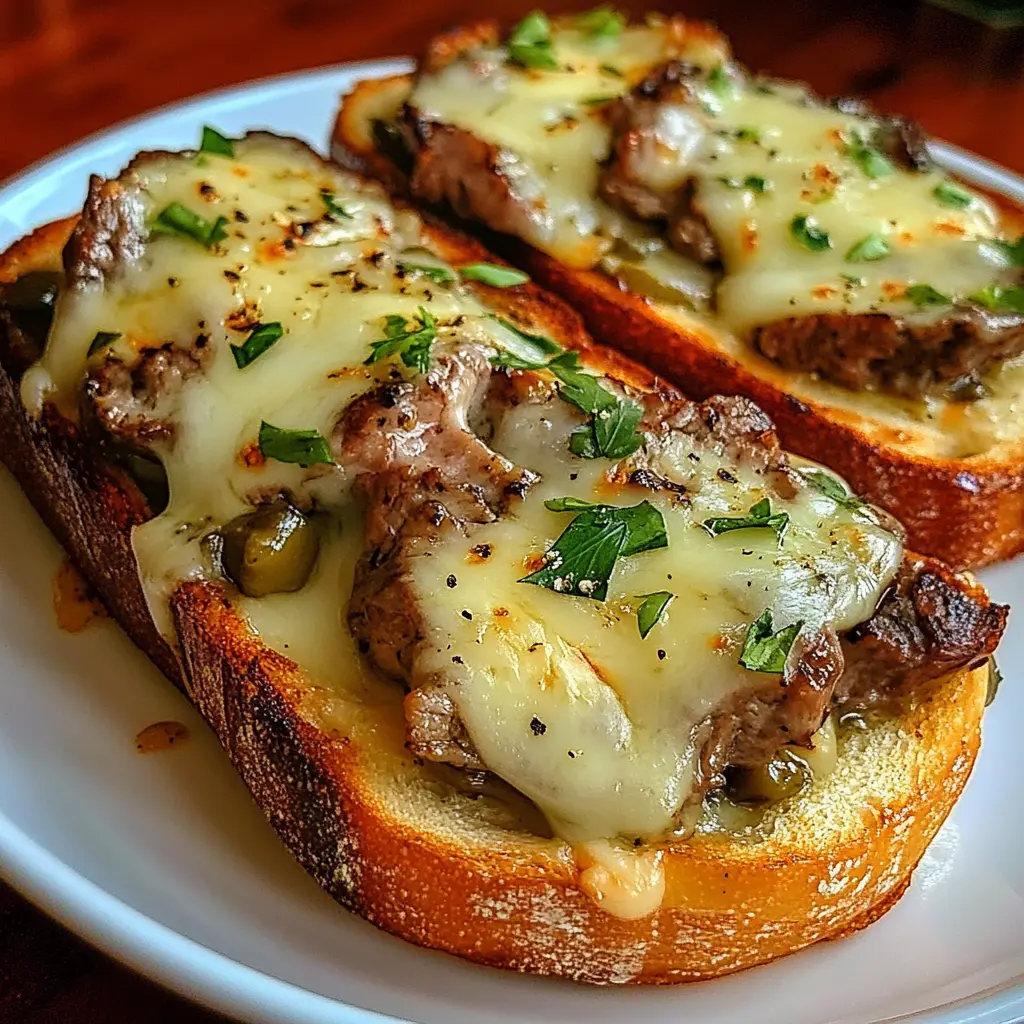
Steak and Cheese Garlic Toast: The Ultimate Comfort Food Recipe
There’s something magical about the combination of perfectly seasoned steak, melted cheese, and crispy garlic toast that brings comfort to any meal. Steak and Cheese Garlic Toasttransforms simple ingredients into an irresistible dish that works as an appetizer, main course, or hearty snack. This comprehensive guide will walk you through everything you need to create this mouthwatering recipe at home, from selecting the right ingredients to mastering cooking techniques that deliver restaurant-quality results every time.
What Makes Steak and Cheese Garlic Toast So Popular
This beloved dish combines three comfort food favorites into one incredible bite. The savory richness of seasoned steak pairs beautifully with the sharp, melty goodness of cheese, while garlic toast provides the perfect crispy foundation. Moreover, the versatility makes it suitable for casual weeknight dinners or elevated entertaining.
The popularity stems from its accessibility. Anyone can master this recipe with basic cooking skills. Additionally, the ingredients are readily available at most grocery stores. Furthermore, preparation time remains manageable even on busy evenings.
Restaurants across America have embraced variations of steak and cheese garlic toast. From upscale bistros to casual diners, chefs recognize the universal appeal. The combination hits all the right flavor notes—savory, rich, garlicky, and satisfying.
Essential Ingredients for Perfect Results
Core Components
Creating exceptional steak and cheese garlic toast requires quality ingredients. Start with these essentials:
-
Steak: 1-1.5 pounds of your preferred cut
-
Bread: Italian loaf, French baguette, or sourdough
-
Cheese: 8-10 ounces (provolone, mozzarella, or cheddar)
-
Butter: ½ cup unsalted, softened
-
Garlic: 4-6 cloves, minced or pressed
-
Olive oil: 2-3 tablespoons for steak preparation
-
Seasonings: Salt, black pepper, garlic powder, onion powder
Quality Matters
According to the USDA Food Safety and Inspection Service, selecting properly graded beef ensures tenderness and flavor. Look for bright red color and minimal discoloration. Similarly, fresh garlic provides superior taste compared to pre-minced alternatives.
The bread choice significantly impacts texture. Day-old bread works exceptionally well because it holds up better during toasting. Fresh bread can become soggy when buttered heavily.
Choosing the Right Steak Cut
Top Cuts for Garlic Toast
Different cuts offer varying flavors and textures. Consider these options:
Ribeye: The most flavorful choice with excellent marbling. The fat content creates rich, juicy results. However, it’s pricier than other cuts.
Sirloin: A balanced option offering good flavor at moderate prices. Sirloin delivers solid taste without breaking the budget.
Flank Steak: Leaner with pronounced beef flavor. This cut requires proper slicing against the grain. Therefore, it works well when thinly sliced.
Strip Steak: Premium tenderness with robust flavor. The texture makes it easy to cut into perfect portions.
Cut Thickness Considerations
For steak and cheese garlic toast, aim for ¾ to 1-inch thickness. Thinner cuts cook faster but risk drying out. Conversely, thicker steaks take longer but retain moisture better. Additionally, uniform thickness ensures even cooking throughout.
The Science Behind Perfect Garlic Toast
Creating the Ideal Base
Garlic toast serves as the foundation for this recipe. The perfect piece features a crispy exterior with a slightly soft interior. Achieving this balance requires proper technique.
Start with room temperature butter. Softened butter spreads easily without tearing bread. Mix minced garlic directly into butter for even distribution. Furthermore, add fresh parsley for color and herbaceous notes.
Toasting Techniques
Oven toasting provides consistent results. Preheat to 375°F and bake for 8-10 minutes. Meanwhile, broiling creates extra crispiness in just 2-3 minutes. Watch carefully to prevent burning.
Pan toasting offers quick convenience. Heat a skillet over medium heat and toast each side for 2-3 minutes. This method works well for small batches.
Step-by-Step Preparation Guide
Preparing the Steak
Begin by removing steak from refrigeration 30 minutes before cooking. Room temperature meat cooks more evenly. Pat the surface completely dry with paper towels. Moisture prevents proper searing.
Season generously with salt and pepper on both sides. Additionally, sprinkle garlic powder and onion powder for depth. Press seasonings into the meat to help them adhere.
Heat olive oil in a cast-iron skillet over high heat. Wait until the oil shimmers before adding steak. This ensures immediate searing. Cook for 3-4 minutes per side for medium-rare. Adjust timing based on thickness and preferred doneness.
Internal Temperature Guide
Use a meat thermometer for accuracy:
-
Rare: 125°F
-
Medium-rare: 135°F
-
Medium: 145°F
-
Medium-well: 150°F
-
Well-done: 160°F
After cooking, let steak rest for 5-7 minutes. Resting allows juices to redistribute throughout the meat. Consequently, every bite stays moist and flavorful.
Making Garlic Butter
Combine softened butter with minced garlic in a bowl. Mix thoroughly until garlic distributes evenly. Add a pinch of salt and fresh parsley if desired. The National Dairy Council recommends using real butter for superior flavor in cooking applications.
Spread garlic butter generously on bread slices. Cover from edge to edge for complete coverage. Use approximately 1 tablespoon per slice.
Assembling the Toast
Slice rested steak thinly against the grain. This technique shortens muscle fibers and creates tender bites. Aim for ¼-inch thickness for optimal texture.
Arrange steak slices on garlic toast. Cover the surface completely for maximum enjoyment. Top with shredded or sliced cheese. Use enough cheese to blanket the steak entirely.
Place assembled toasts on a baking sheet. Broil for 2-3 minutes until cheese melts and bubbles. Watch constantly to prevent burning. The cheese should turn golden in spots.
Cooking Methods Compared
Oven Method
Baking provides hands-off convenience. Preheat oven to 375°F and bake assembled toasts for 10-12 minutes. This method works perfectly for large batches. Additionally, results stay consistent across multiple pieces.
Broiler Method
Broiling delivers quick, impressive results. High heat melts cheese rapidly while creating attractive browning. However, constant attention prevents burning. Position the rack 6 inches from the heating element.
Skillet Method
Pan-frying creates exceptionally crispy toast. Heat a large skillet over medium heat. Place assembled toasts cheese-side up. Cover the pan to help cheese melt while the bottom crisps. This technique takes 5-6 minutes total.
Air Fryer Alternative
Modern air fryers excel at this recipe. Set temperature to 375°F and cook for 6-8 minutes. The circulating air creates even browning. Moreover, cleanup stays minimal compared to traditional methods.
Cheese Selection Guide
Best Cheese Choices
Different cheeses create distinct flavor profiles. Consider these options:
Provolone: Mild, creamy, and melts beautifully. This Italian cheese complements steak perfectly without overpowering. Therefore, it’s the most popular choice.
Mozzarella: Classic mild flavor with excellent stretch. Low-moisture mozzarella works best for melting. Fresh mozzarella contains too much water.
Cheddar: Sharp, tangy notes add boldness. Aged cheddar provides stronger flavor. White cheddar offers the same taste with different appearance.
Swiss: Nutty and slightly sweet. The distinctive holes create visual interest. Swiss pairs exceptionally well with caramelized onions.
Cheese Blends
Combining cheeses creates complex flavors. Try these winning combinations:
-
Provolone and mozzarella for balanced creaminess
-
Cheddar and Swiss for sharp, nutty notes
-
Pepper jack and mozzarella for spicy kick
Mix shredded cheeses thoroughly before topping. This ensures even distribution and consistent melting.
Flavor Variations and Creative Twists
Classic Variations
Transform basic steak and cheese garlic toast with simple additions:
Caramelized Onions: Sweet, jammy onions add depth. Cook thinly sliced onions slowly over low heat for 30-40 minutes. Stir occasionally until deep golden brown.
Sautéed Mushrooms: Earthy umami complements beef beautifully. Use cremini or button mushrooms sliced thin. Cook in butter until golden and tender.
Roasted Peppers: Sweet bell peppers provide color and mild flavor. Roast red or yellow peppers until charred. Peel, slice, and layer under cheese.
Bold Flavor Profiles
Spicy Version: Add sliced jalapeños or banana peppers. Alternatively, use pepper jack cheese. Furthermore, sprinkle red pepper flakes over finished toast.
Italian-Inspired: Top with sun-dried tomatoes and fresh basil. Use provolone and add Italian seasoning to garlic butter. Finish with balsamic glaze drizzle.
French Onion Style: Load with caramelized onions and Gruyère cheese. Add fresh thyme for authentic flavor. This variation mirrors French onion soup.
Check out our guide on [herb butter combinations] for more flavor-boosting ideas.
Serving Suggestions and Pairings
As an Appetizer
Cut steak and cheese garlic toast into smaller portions for parties. Slice each piece into thirds or quarters. Arrange on a platter with toothpicks for easy serving. This presentation works perfectly for game day gatherings.
Main Course Presentation
Serve full-sized portions with complementary sides:
-
Fresh Salad: Crisp greens balance richness. Use mixed greens with vinaigrette dressing. Add cherry tomatoes and cucumber for freshness.
-
Roasted Vegetables: Asparagus, Brussels sprouts, or green beans work wonderfully. Season simply with olive oil and garlic.
-
Soup: Tomato soup or French onion soup create satisfying combinations. The liquid component balances crispy toast.
Beverage Pairings
beverages complement this dish beautifully:
-
Sparkling water with lemon
-
Iced tea (sweetened or unsweetened)
-
Italian sodas
-
Fresh-squeezed lemonade
-
Coffee for brunch service
Storage and Reheating Tips
Proper Storage Methods
Store components separately for best results. Keep cooked steak in an airtight container for up to 3 days. Similarly, store prepared garlic butter in the refrigerator for one week. Toast bread just before serving for optimal crispiness.
Assembled steak and cheese garlic toast doesn’t store well. The bread becomes soggy from moisture. Therefore, prepare only what you’ll serve immediately.
Reheating Techniques
Oven Method: Preheat to 350°F and reheat for 8-10 minutes. This restores crispiness without drying out steak. Cover loosely with foil if cheese browns too quickly.
Toaster Oven: Ideal for single portions. Heat at 350°F for 5-7 minutes. Watch closely to prevent burning.
Skillet Reheating: Heat a dry skillet over medium-low heat. Place toast cheese-side up and cover. Heat for 4-5 minutes until warmed through. This method maintains bottom crispiness.
Avoid microwaving when possible. Microwaves create soggy bread and rubbery cheese. If necessary, use 50% power in short intervals.
Common Mistakes to Avoid
Steak Preparation Errors
Overcooking: The most frequent mistake ruins texture and flavor. Use a thermometer for accuracy. Remember that steak continues cooking during resting.
Skipping Rest Time: Cutting immediately releases valuable juices. Always rest steak for at least 5 minutes. Patience pays off with juicier results.
Incorrect Slicing: Cutting with the grain creates chewy bites. Always slice against the grain for tenderness. Look for the direction of muscle fibers.
Toast Problems
Soggy Bread: Too much butter or fresh bread causes sogginess. Use day-old bread and spread butter evenly. Additionally, toast the bread before adding toppings.
Burnt Garlic: Raw garlic burns easily under high heat. Mix garlic into butter rather than sprinkling on top. Alternatively, use garlic powder in the butter mixture.
Unmelted Cheese: Insufficient heat or thickness causes this issue. Shred cheese for faster melting. Furthermore, bring cheese to room temperature before using.
Assembly Issues
Steak Too Thick: Large chunks don’t distribute evenly. Slice thin for consistent coverage. Each bite should contain all components.
Cheese Placement: Putting cheese under steak prevents proper melting. Always layer steak first, then cheese on top. This allows heat to melt cheese directly.
Nutritional Information
Approximate Values Per Serving
One serving of steak and cheese garlic toast (assuming 4 servings total) contains approximately:
-
Calories: 520-580
-
Protein: 32-36g
-
Fat: 28-32g
-
Carbohydrates: 35-40g
-
Fiber: 2-3g
-
Sodium: 680-750mg
Nutritional Considerations
According to Harvard T.H. Chan School of Public Health, lean protein supports muscle maintenance and satiety. Steak provides essential nutrients including iron, zinc, and B vitamins. However, portion control matters for balanced nutrition.
Making It Lighter
Reduce calories with these modifications:
-
Use whole grain bread for added fiber
-
Choose leaner cuts like sirloin or tenderloin
-
Reduce butter quantity or use light butter
-
Select reduced-fat cheese options
-
Increase vegetable toppings for volume
Frequently Asked Questions
Can I make steak and cheese garlic toast ahead of time?
Partially, yes. Cook the steak and prepare garlic butter up to one day ahead. Store separately in the refrigerator. Toast and assemble just before serving for best texture. This approach saves time while maintaining quality.
What’s the best bread for garlic toast?
Italian bread and French baguettes work exceptionally well. Both have sturdy texture that holds toppings without becoming soggy. Sourdough offers tangy flavor that complements steak. Choose bread with substantial crust for structural integrity.
How do I prevent the bread from getting soggy?
Toast bread lightly before adding garlic butter. This creates a moisture barrier. Additionally, use day-old bread which absorbs less liquid. Furthermore, avoid adding too much butter or wet toppings.
Can I use pre-cooked steak?
Absolutely. Leftover steak works perfectly for this recipe. Slice thin and warm gently before assembling. This makes an excellent use for leftover steak from previous meals. Therefore, it reduces food waste while creating delicious results.
What temperature should I cook the steak?
For medium-rare, aim for 130-135°F internal temperature. Medium requires 140-145°F. Always use a meat thermometer for accuracy. Remember that temperature rises slightly during resting.
How do I slice steak against the grain?
Look for the direction of muscle fibers running through the meat. These appear as long lines. Cut perpendicular to these lines. This shortens the fibers and creates tender bites. Consequently, even tougher cuts become more enjoyable.
Can I freeze assembled steak and cheese garlic toast?
Freezing isn’t recommended for assembled portions. The texture suffers significantly upon thawing. However, you can freeze cooked steak separately for up to 3 months. Thaw overnight in the refrigerator before using.
What sides pair well with this dish?
Fresh salads, roasted vegetables, and soup complement steak and cheese garlic toast beautifully. Caesar salad provides classic pairing. Roasted asparagus adds elegant touch. Tomato soup creates comforting combination. Choose sides that balance the richness.
Conclusion
Mastering steak and cheese garlic toast elevates your cooking repertoire with minimal effort. This versatile dish works for casual dinners, entertaining guests, or satisfying late-night cravings. The combination of seasoned steak, melted cheese, and crispy garlic toast delivers comfort food satisfaction every time.
Remember the key principles: choose quality ingredients, season generously, slice steak against the grain, and watch carefully during the final broiling. These fundamentals ensure consistent success. Moreover, the recipe accommodates countless variations, allowing creative expression in the kitchen.
Whether you prefer classic simplicity or bold flavor additions, steak and cheese garlic toast adapts to your preferences. The straightforward preparation makes it accessible for beginners while offering enough versatility to keep experienced cooks engaged. Therefore, this recipe deserves a permanent place in your cooking rotation.
Start with the basic recipe and experiment with different cheeses, toppings, and serving styles. Soon you’ll develop your signature version that friends and family request repeatedly. The beauty lies in its simplicity—great ingredients prepared with care create extraordinary results.
Print