
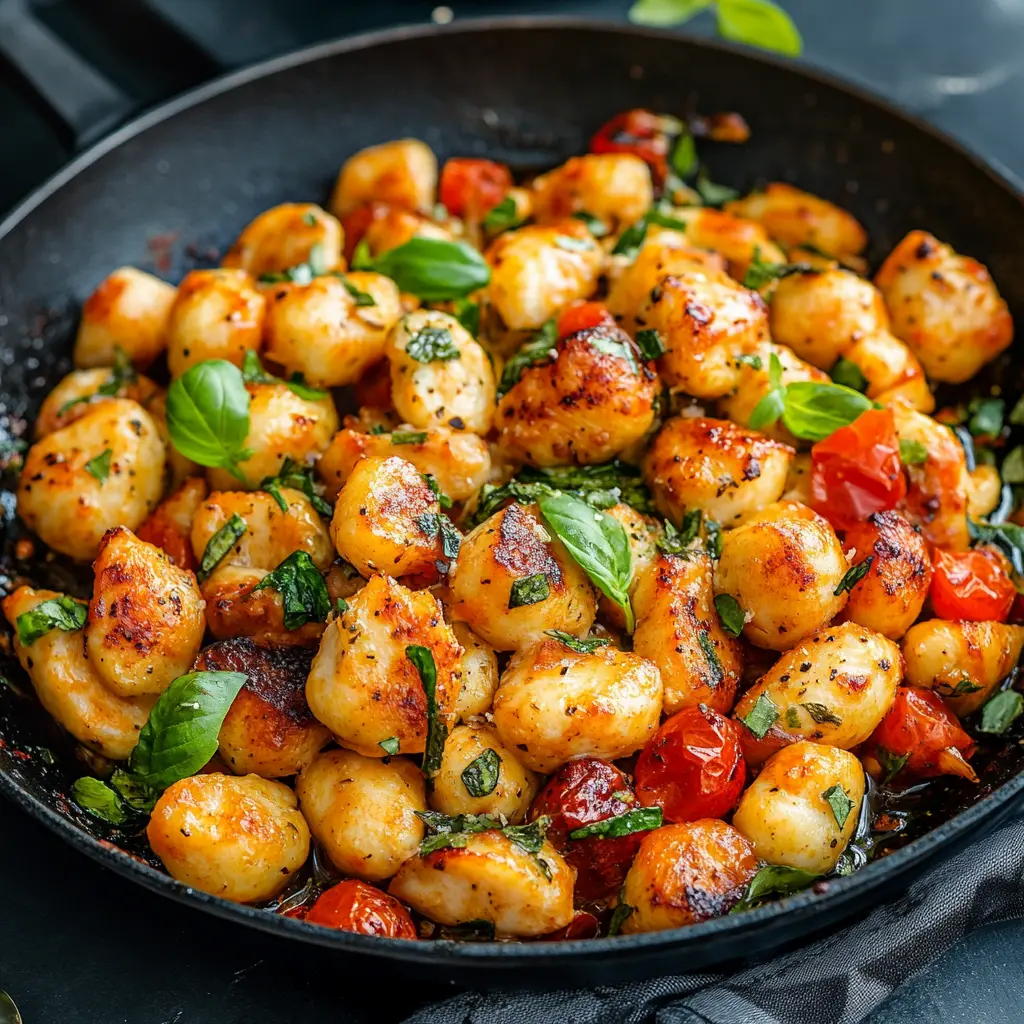
One-Pan Chicken Gnocchi: The Ultimate Comfort Meal in 30 Minutes
Imagine tender pillowy gnocchi, juicy chicken, and fresh vegetables all cooked together in one skillet—minimal cleanup, maximum flavor. One-Pan Chicken Gnocchi has become a weeknight dinner staple for busy families, combining Italian-inspired comfort with practical cooking. This complete meal delivers restaurant-quality results without the fuss of multiple pots and pans.
What Makes One-Pan Chicken Gnocchi Special
This dish revolutionizes weeknight cooking by combining protein, carbs, and vegetables in a single skillet. The gnocchi absorbs flavors from the chicken and sauce while developing a slightly crispy exterior. Unlike traditional pasta dishes that require separate pots for boiling, this method streamlines the process.
The beauty lies in its simplicity. You start by browning chicken pieces, then add gnocchi directly to the pan without pre-boiling. The starchy dumplings cook in the savory sauce, creating a creamy consistency naturally. Fresh vegetables add color, nutrition, and texture contrast.
Time efficiency sets this recipe apart. From start to finish, you’ll have dinner ready in under 30 minutes. Cleanup takes mere minutes since everything cooks in one pan. This makes it ideal for busy weeknights when you want homemade food without the hassle.
The versatility factor cannot be overstated. You can adapt the recipe based on seasonal vegetables, dietary preferences, or whatever ingredients you have available. The foundation remains consistent while allowing creative freedom.
Why Home Cooks Love This Recipe
Families appreciate how this dish pleases even picky eaters. The mild flavors work well for children while being sophisticated enough for adults. The one-pan method means less time at the sink and more time with family.
Budget-conscious cooks find this recipe economical. Gnocchi costs less than many proteins, and chicken thighs offer excellent value. You can stretch the meal further by adding extra vegetables or serving it with crusty bread.
Essential Ingredients for Perfect Chicken Gnocchi
Quality ingredients elevate this simple dish from good to exceptional. Each component plays a specific role in building layers of flavor.
The Protein: Choosing Your Chicken
Boneless, skinless chicken thighs provide the best results. They remain moist during cooking and offer richer flavor than breasts. Cut them into bite-sized pieces for even cooking and easy eating.
Chicken breast works as a leaner alternative. However, it requires careful attention to prevent drying out. Reduce cooking time slightly and consider pounding thicker pieces to uniform thickness.
Plan for 1.5 pounds of chicken to serve four people generously. This ratio ensures everyone gets substantial protein while maintaining proper balance with the gnocchi.
Gnocchi Selection and Preparation
Store-bought shelf-stable gnocchi works perfectly for this recipe. Look for packages in the pasta aisle rather than refrigerated sections. The dried variety holds up better during pan cooking without becoming mushy.
One 16-ounce package typically serves four as part of this complete meal. The potato-based dumplings provide satisfying heartiness while absorbing the pan sauce beautifully.
Avoid pre-cooking the gnocchi. They’ll cook directly in the skillet, developing a slightly crispy exterior while staying tender inside. This technique saves time and creates better texture.
Vegetables and Aromatics
Spinach adds vibrant color and nutrients. Use 4-5 cups of fresh baby spinach, which wilts down considerably. The mild flavor complements rather than competes with other ingredients.
Cherry tomatoes burst during cooking, releasing sweet juice that enhances the sauce. Halve about 2 cups worth for optimal distribution throughout the dish.
Garlic forms the aromatic foundation. Use 4-5 cloves, minced fresh for the most robust flavor. Pre-minced jarred garlic works in a pinch but lacks the same punch.
Onion provides sweetness and depth. One medium yellow or white onion, diced small, integrates seamlessly into the dish.
Creating the Sauce Base
Chicken broth serves as the primary liquid. Use 2 cups of quality low-sodium broth, allowing you to control the final seasoning. The broth creates steam that cooks the gnocchi while building sauce body.
Heavy cream transforms the dish into something luxurious. Just ½ cup adds richness without overwhelming heaviness. For lighter versions, substitute half-and-half or whole milk.
Sun-dried tomatoes packed in oil contribute concentrated umami flavor. Chop about ⅓ cup and include some of the flavorful oil for extra depth.
Parmesan cheese brings nutty, salty complexity. Grate ½ cup of fresh Parmesan rather than using pre-grated versions. The real cheese melts smoothly and tastes noticeably better.
Seasonings and Herbs
Italian seasoning provides the classic flavor profile. Use 2 teaspoons of the dried herb blend or create your own with basil, oregano, and thyme.
Salt and black pepper require careful layering. Season the chicken before cooking, taste the sauce midway, and adjust at the end. Start conservatively since the Parmesan adds saltiness.
Red pepper flakes offer optional heat. A pinch adds subtle warmth without overwhelming spice. Adjust based on your heat tolerance.
Fresh basil makes an excellent finishing touch. Tear a handful of leaves over the completed dish for bright, fresh flavor and visual appeal.
Kitchen Tools You’ll Need
The right equipment ensures success with this one-pan chicken gnocchi recipe. Fortunately, the tool list remains minimal.
The Essential Pan
A large 12-inch skillet with high sides works best. Cast iron retains heat excellently and creates beautiful browning. Stainless steel performs well and allows you to see fond development. Non-stick makes cleanup easiest but may not brown as effectively.
The pan must accommodate all ingredients comfortably. Overcrowding causes steaming instead of proper browning. If your largest skillet measures less than 12 inches, consider cooking in batches or reducing the recipe.
A lid speeds up the gnocchi cooking process. If your skillet lacks a fitted lid, aluminum foil works as a substitute. The cover traps steam, ensuring even cooking.
Additional Helpful Tools
Sharp chef’s knife for prep work
Cutting board
Wooden spoon or spatula for stirring
Measuring cups and spoons
Grater for fresh Parmesan
Tongs for flipping chicken
Step-by-Step Cooking Instructions
Follow these detailed steps for foolproof one-pan chicken gnocchi every time. Each stage builds upon the previous, creating layers of flavor.
Phase 1: Preparing and Browning the Chicken
Pat chicken pieces completely dry with paper towels. Moisture prevents proper browning. Season generously with salt, pepper, and half the Italian seasoning on all sides.
Heat 2 tablespoons of olive oil in your large skillet over medium-high heat. Wait until the oil shimmers before adding chicken. This temperature ensures immediate searing.
Place chicken pieces in the pan without crowding. Leave space between pieces for proper browning. Cook undisturbed for 4-5 minutes until golden brown on the first side.
Flip chicken pieces and cook another 3-4 minutes. They don’t need to cook through completely at this stage. Remove chicken to a plate and set aside. The residual heat will finish cooking them later.
Phase 2: Building the Flavor Base
Reduce heat to medium. Add diced onion to the same pan with the chicken drippings. Cook for 3-4 minutes, stirring occasionally, until softened and translucent.
Add minced garlic and cook for 30-60 seconds until fragrant. Stir constantly to prevent burning. The garlic should release its aroma without browning.
Add sun-dried tomatoes with a tablespoon of their oil. Stir to combine with the aromatics. This step infuses the base with concentrated tomato flavor.
Phase 3: Cooking the Gnocchi
Pour in the chicken broth and scrape the bottom of the pan with your wooden spoon. This releases the flavorful fond (browned bits) left from the chicken. Those bits add tremendous depth to the sauce.
Add the uncooked gnocchi directly to the broth. Stir gently to distribute evenly. Sprinkle the remaining Italian seasoning over everything.
Increase heat to bring the liquid to a simmer. Once bubbling, reduce to medium-low and cover the pan. Cook for 8-10 minutes, stirring occasionally to prevent sticking.
The gnocchi will absorb liquid and plump up. They’re done when tender throughout with no hard centers. Test one by cutting it in half.
Phase 4: Bringing It All Together
Return the browned chicken and any accumulated juices to the pan. Nestle the pieces among the gnocchi. Cover and cook for 3-4 minutes until the chicken reaches 165°F internally.
Add halved cherry tomatoes and cook uncovered for 2 minutes. They’ll soften slightly and release some juice.
Pour in the heavy cream and stir gently to combine. Add the fresh spinach in batches, stirring as it wilts. The leaves will reduce dramatically in volume.
Sprinkle grated Parmesan over everything and stir until melted and incorporated. The cheese thickens the sauce while adding savory depth.
Phase 5: Final Seasoning and Serving
Taste the sauce and adjust seasoning as needed. Add salt, pepper, or red pepper flakes to suit your preferences. Remember that flavors intensify as the dish sits.
Remove from heat and let rest for 2-3 minutes. This brief pause allows the sauce to thicken slightly and the flavors to meld.
Garnish with torn fresh basil leaves and additional Parmesan if desired. Serve immediately while hot for the best texture and flavor.
Pro Tips for Restaurant-Quality Results
These expert techniques transform good chicken gnocchi into an exceptional dish that rivals restaurant versions.
Achieving Perfect Texture
Don’t skip drying the chicken thoroughly. This simple step ensures beautiful golden-brown crusts instead of gray steamed meat. Paper towels work better than cloth ones for removing surface moisture.
Resist the urge to stir constantly. Let ingredients develop color through undisturbed contact with the hot pan. Browning creates the complex flavors that make this dish special.
Cook gnocchi until they’re tender but still have slight resistance. Overcooked gnocchi become mushy and lose their distinctive texture. Start checking at the 8-minute mark.
Flavor Enhancement Strategies
Use homemade or high-quality chicken broth. The liquid forms the sauce base, so its quality directly impacts the final dish. [Check out our guide on making rich chicken stock].
Toast the Italian seasoning briefly in the hot oil before adding liquids. This technique, called blooming, intensifies the herbs’ flavors and aromas.
Reserve some pasta cooking liquid—oh wait, you’re not boiling pasta! Instead, save a few tablespoons of the gnocchi cooking liquid before adding cream. This starchy liquid helps bind the sauce.
Add cheese gradually and off heat when possible. This prevents the proteins from seizing and creating a grainy texture. Stir gently for smooth incorporation.
Time-Saving Shortcuts
Prep all ingredients before starting to cook. This French culinary concept called mise en place ensures smooth execution without frantic searching for ingredients mid-recipe.
Use kitchen shears to cut sun-dried tomatoes directly in their jar. This saves cutting board space and cleanup time.
Buy pre-cut chicken pieces if available. While slightly more expensive, they eliminate prep time and ensure uniform cooking.
Multi-task during cooking pauses. While chicken browns or gnocchi cooks covered, chop vegetables for tomorrow’s meal or load the dishwasher.
Popular Variations and Customizations
One-pan chicken gnocchi adapts beautifully to different tastes and dietary needs. These variations maintain the core concept while offering fresh perspectives.
Protein Alternatives
Italian sausage creates a heartier version. Use 1 pound of removed from casings. Brown the crumbled sausage, drain excess fat, then proceed with the recipe.
Shrimp offers an elegant seafood twist. Add 1 pound of peeled, deveined shrimp during the final 3-4 minutes of cooking. They cook quickly and shouldn’t be added earlier.
Turkey provides a leaner option. Ground turkey works well crumbled like sausage, or use turkey cutlets cut into strips for a chicken breast substitute.
Vegetarian versions simply omit the meat. Add chickpeas or white beans for protein, stirring them in when you’d normally return the chicken.
Vegetable Variations
Mushrooms add earthy depth. Slice 8 ounces of cremini or button mushrooms and cook with the onions until golden and their liquid evaporates.
Bell peppers contribute sweetness and color. Dice one or two peppers and add with the onions. Red, yellow, or orange varieties work better than green for this application.
Zucchini increases the vegetable content without overwhelming the dish. Dice one medium zucchini and add it with the tomatoes to prevent overcooking.
Broccoli creates a complete meal with added nutrition. Use small florets and add them with the gnocchi so they cook simultaneously.
Asparagus brings spring freshness. Cut into 1-inch pieces and add during the last 5 minutes of gnocchi cooking.
Sauce Adaptations
Tomato-based version swaps cream for marinara sauce. Use 1½ cups of your favorite tomato sauce along with the broth for a lighter, tangier dish.
Pesto cream offers vibrant herbal notes. Stir in 3-4 tablespoons of basil pesto along with the cream for Mediterranean flair.
Lemon cream adds brightness. Mix the zest and juice of one lemon into the cream before adding. The acidity cuts through richness beautifully.
Spicy arrabiata style increases the heat. Add 1 teaspoon of red pepper flakes when cooking the garlic and use fire-roasted tomatoes.
Dietary Modifications
Dairy-free versions substitute coconut cream for heavy cream and nutritional yeast for Parmesan. The results differ slightly but remain delicious.
Lower-carb alternatives replace gnocchi with cauliflower gnocchi. Cook times may vary, so check package instructions and adjust accordingly.
Gluten-free preparations simply use certified gluten-free gnocchi. Many stores now carry rice-based or potato-based gluten-free varieties.
Nutritional Information and Health Benefits
Understanding the nutritional profile helps you incorporate one-pan chicken gnocchi into a balanced diet.
Calorie and Macronutrient Breakdown
A typical serving contains approximately 520-580 calories. This accounts for about a quarter of a standard 2,000-calorie daily intake, making it a substantial but reasonable meal.
Protein content reaches 35-40 grams per serving, primarily from the chicken and Parmesan. This amount supports muscle maintenance and keeps you feeling satisfied for hours.
Carbohydrates total 45-50 grams per serving, mainly from the potato-based gnocchi. These provide energy for daily activities and brain function.
Fat content ranges from 20-25 grams per serving. The cream and olive oil contribute heart-healthy fats alongside the saturated fat from dairy.
Vitamins and Minerals
Spinach delivers impressive amounts of vitamins A and K, supporting vision and bone health respectively. Just one serving provides over 100% of your daily vitamin A needs.
Tomatoes contribute vitamin C and lycopene, a powerful antioxidant linked to heart health and cancer prevention. The cooking process actually increases lycopene bioavailability.
Chicken supplies B vitamins, particularly niacin and B6, which support energy metabolism and nervous system function.
Garlic contains allicin, a compound with antimicrobial properties and potential cardiovascular benefits. Fresh garlic offers more of these beneficial compounds than processed versions.
Making It Healthier
Increase the vegetable ratio for more fiber and micronutrients. Add an extra 2 cups of vegetables without significantly increasing calories.
Use chicken breast instead of thighs to reduce fat content by about 30%. Just monitor cooking time carefully to prevent dryness.
Substitute half-and-half or whole milk for heavy cream to cut saturated fat. The sauce will be slightly less rich but still creamy and delicious.
Reduce cheese to ¼ cup if watching sodium or fat intake. You’ll still get the flavor impact while moderating these nutrients.
Add whole grain or legume-based gnocchi for increased fiber. These alternatives provide sustained energy and improved digestive health.
Storing and Reheating Guidelines
Proper storage maintains quality and ensures food safety for enjoying leftovers.
Refrigeration Best Practices
Cool the dish to room temperature before refrigerating, but don’t leave it out longer than 2 hours. Harmful bacteria multiply rapidly at room temperature.
Transfer to airtight containers in shallow layers. Shallow containers speed cooling and prevent the danger zone temperature range (40-140°F) where bacteria thrive.
Store properly for up to 3-4 days in the refrigerator. Label containers with the preparation date to track freshness.
Keep separate from raw meats and seafood in your refrigerator. Store cooked foods on upper shelves where they won’t be contaminated by drips.
Freezing Instructions
Freeze portions in individual containers for convenient future meals. This approach lets you thaw exactly what you need.
Use freezer-safe containers or heavy-duty freezer bags, removing as much air as possible. Air exposure causes freezer burn and flavor degradation.
Label clearly with contents and date. Frozen chicken gnocchi maintains quality for 2-3 months, though it remains safe indefinitely at 0°F.
Note that cream-based sauces may separate slightly upon thawing. Stirring during reheating usually resolves this texture issue.
Reheating Methods
Stovetop reheating produces the best results. Add a splash of chicken broth or cream to the pan and heat over medium-low, stirring occasionally until warmed through.
Microwave option works for convenience. Use 50% power and stir every minute to ensure even heating. Add liquid to prevent drying out.
Oven method suits larger portions. Cover with foil and reheat at 350°F for 15-20 minutes, stirring halfway through.
Ensure internal temperature reaches 165°F for food safety. Use an instant-read thermometer to verify proper heating.
Avoid reheating multiple times. Each heating cycle degrades quality and increases food safety risks. Only reheat the portion you’ll consume.
Common Mistakes to Avoid
Learning from typical errors helps you succeed with one-pan chicken gnocchi on your first attempt.
Overcrowding the Pan
Packing too much into the skillet prevents proper browning and causes steaming instead. Moisture gets trapped, leaving you with gray, unappealing chicken.
Use a large enough pan or cook in batches if necessary. The 12-inch size recommendation isn’t arbitrary—it provides adequate surface area for the full recipe.
Temperature Control Issues
Cooking over excessively high heat burns aromatics before flavors develop. Garlic turns bitter when scorched, ruining the entire dish.
Conversely, insufficient heat fails to brown chicken properly. Medium-high for searing and medium for sautéing aromatics provides the right balance.
Monitor your burner and adjust as needed. Stoves vary in output, so use visual cues rather than relying solely on heat settings.
Timing Errors
Adding chicken back too early means it overcooks and becomes tough. Wait until the gnocchi are nearly done before returning the meat.
Cooking gnocchi too long creates a mushy, unpleasant texture. Start checking at 8 minutes and remove from heat promptly when tender.
Adding spinach too soon causes it to overcook and lose vibrant color. Wait until the last few minutes for perfectly wilted, bright green leaves.
Seasoning Mistakes
Under-seasoning produces bland results. Season the chicken adequately before cooking and taste the sauce before serving, adjusting as needed.
Over-salting happens easily since both broth and Parmesan contain sodium. Start with less salt than you think necessary and build gradually.
Forgetting to deglaze wastes the flavorful fond. Those browned bits clinging to the pan contain concentrated savory flavor. Scrape them up with liquid.
Sauce Consistency Problems
Too-thin sauce results from excess liquid. If this happens, simmer uncovered for a few extra minutes to reduce and thicken.
Broken or grainy sauce occurs when cream or cheese gets too hot or added too quickly. Remove from heat before stirring in dairy and work gently.
Serving Suggestions and Pairings
Complete your meal with complementary sides and beverages that enhance the Italian-inspired flavors.
Bread Options
Crusty Italian bread or ciabatta provides the perfect vehicle for soaking up extra sauce. Warm the bread in the oven while the dish finishes cooking.
Garlic bread offers classic pairing appeal. The butter and garlic flavors complement rather than compete with the gnocchi.
Focaccia brings herby, olive oil richness. Its soft texture and savory topping make it substantial enough to serve alongside.
Salad Pairings
Simple green salad with lemon vinaigrette cuts through the richness of the creamy sauce. Keep it light with mixed greens, cucumber, and red onion.
Caesar salad offers traditional Italian-American synergy. The anchovy-garlic dressing and Parmesan align with the main dish’s flavor profile.
Caprese salad celebrates fresh ingredients. Ripe tomatoes, fresh mozzarella, and basil provide refreshing contrast to the warm, hearty gnocchi.
Arugula salad with shaved Parmesan adds peppery bite. Dress simply with olive oil, lemon juice, salt, and pepper.
Vegetable Sides
Roasted Brussels sprouts caramelized in the oven provide nutty flavor and crispy texture. The char contrasts nicely with the creamy gnocchi.
Steamed green beans or broccolini keep things light and add color to your plate. Finish with olive oil, salt, and lemon zest.
Grilled asparagus brings sophisticated elegance. The char marks and tender-crisp texture complement the softer gnocchi perfectly.
Beverage Suggestions
Sparkling water with lemon or lime provides refreshing palate cleansing. The bubbles and acidity balance rich, creamy dishes beautifully.
Iced tea, either sweetened or unsweetened, offers versatile pairing potential. Peach or raspberry flavored varieties add fruity notes.
Italian sodas in flavors like blood orange or lemon create festive celebration drinks. The sweetness works surprisingly well with savory food.
Fresh lemonade brings bright acidity that cuts through cream sauce. Make it from scratch for the best flavor and control over sweetness.
Frequently Asked Questions
Can I make one-pan chicken gnocchi ahead of time?
You can partially prepare this dish in advance. Brown the chicken and refrigerate it, then complete the recipe when ready to serve. However, the gnocchi cooks so quickly that advance preparation offers minimal time savings. The dish tastes best when freshly made, as the gnocchi texture degrades upon standing.
What’s the best type of gnocchi to use?
Shelf-stable potato gnocchi from the pasta aisle works best for this one-pan method. These hold up well during stovetop cooking without becoming mushy. Refrigerated fresh gnocchi can work but may cook faster, so monitor closely. Avoid frozen gnocchi unless you thaw it first, as the excess moisture affects the final texture.
Can I use pre-cooked chicken for this recipe?
Pre-cooked rotisserie chicken works in a pinch but changes the dish’s character. Add it during the final few minutes just to warm through. You’ll miss the fond development and need to brown aromatics in plain oil instead of flavorful chicken drippings. The convenience trade-off may be worthwhile for extremely busy nights.
Why is my sauce too thin or too thick?
Sauce consistency depends on several factors. Too-thin sauce indicates excess liquid or insufficient reduction. Simmer uncovered for a few extra minutes to concentrate flavors and thicken. Too-thick sauce means either too much cheese or over-reduction. Add splashes of broth or cream to loosen while stirring.
Can I substitute different proteins in one-pan chicken gnocchi?
Absolutely. Italian sausage, shrimp, turkey, or even plant-based proteins work well. Adjust cooking times based on your protein choice. Shrimp needs only 3-4 minutes, while sausage requires thorough cooking similar to chicken. Maintain the same overall approach while adapting for your protein’s specific requirements.
How do I prevent the gnocchi from sticking to the pan?
Adequate liquid and occasional stirring prevent sticking issues. Ensure you use the full amount of broth specified. Stir gently every few minutes during the covered cooking phase. A well-seasoned cast iron or quality non-stick pan also helps. If sticking occurs, deglaze the pan with extra broth while stirring to release stuck pieces.
Is this dish suitable for meal prep?
One-pan chicken gnocchi works reasonably well for meal prep despite the cream sauce. Divide into individual portions immediately after cooking. Store properly refrigerated for 3-4 days or frozen for up to 3 months. Expect slight texture changes upon reheating, particularly with the gnocchi. Add liquid when reheating to restore creaminess.
What can I use instead of heavy cream?
Several alternatives provide different results. Half-and-half or whole milk creates lighter sauce, though less rich. Coconut cream offers dairy-free creaminess with subtle tropical notes. Greek yogurt stirred in off-heat provides tanginess and protein, though the consistency differs. Cashew cream blended from soaked cashews and water gives vegan richness.
Conclusion
One-pan chicken gnocchi delivers everything you want in a weeknight dinner: quick preparation, minimal cleanup, and satisfying comfort food appeal. The combination of tender chicken, pillowy gnocchi, and creamy sauce creates a complete meal that pleases everyone at the table. By following the techniques and tips outlined above, you’ll master this versatile dish and make it a regular rotation staple.
The beauty of this recipe lies in its flexibility. Adapt vegetables based on what’s in your refrigerator, modify the sauce to suit your preferences, or experiment with different proteins. The one-pan method remains consistent regardless of variations, always delivering convenient, delicious results.
Start with the basic recipe to understand the technique, then branch out into creative variations. Whether you’re feeding a hungry family on a busy Tuesday or impressing guests with minimal effort, one-pan chicken gnocchi rises to the occasion. The restaurant-quality results belie the simple preparation method.
Print
One-Pan Chicken Gnocchi
Description
One-Pan Chicken Gnocchi
Ingredients:
-
1 lb boneless, skinless chicken breasts (cut into bite-sized pieces)
-
2 tbsp olive oil or butter
-
3 cloves garlic, minced
-
1 small onion, finely chopped
-
1 cup sliced mushrooms (optional)
-
1 cup baby spinach
-
1 cup heavy cream
-
½ cup chicken broth
-
½ cup grated Parmesan cheese
-
1 (16 oz) package potato gnocchi (uncooked)
-
1 tsp Italian seasoning
-
Salt and black pepper to taste
-
Red pepper flakes (optional, for heat)
Instructions:
-
Cook chicken: In a large skillet, heat olive oil or butter over medium heat. Add chicken pieces, season with salt, pepper, and Italian seasoning. Cook until golden brown and cooked through. Remove and set aside.
-
Sauté aromatics: In the same skillet, add onion and garlic (and mushrooms, if using). Sauté until softened and fragrant.
-
Add liquids and gnocchi: Pour in the chicken broth and heavy cream. Stir well and bring to a gentle simmer. Add uncooked gnocchi directly to the skillet and cook for 5–7 minutes, stirring occasionally until tender and sauce thickens.
-
Add spinach and cheese: Stir in spinach until wilted, then add Parmesan cheese. Return chicken to the skillet and mix until everything is coated in the creamy sauce.
-
Serve: Garnish with extra Parmesan and a sprinkle of red pepper flakes if desired. Serve warm.