
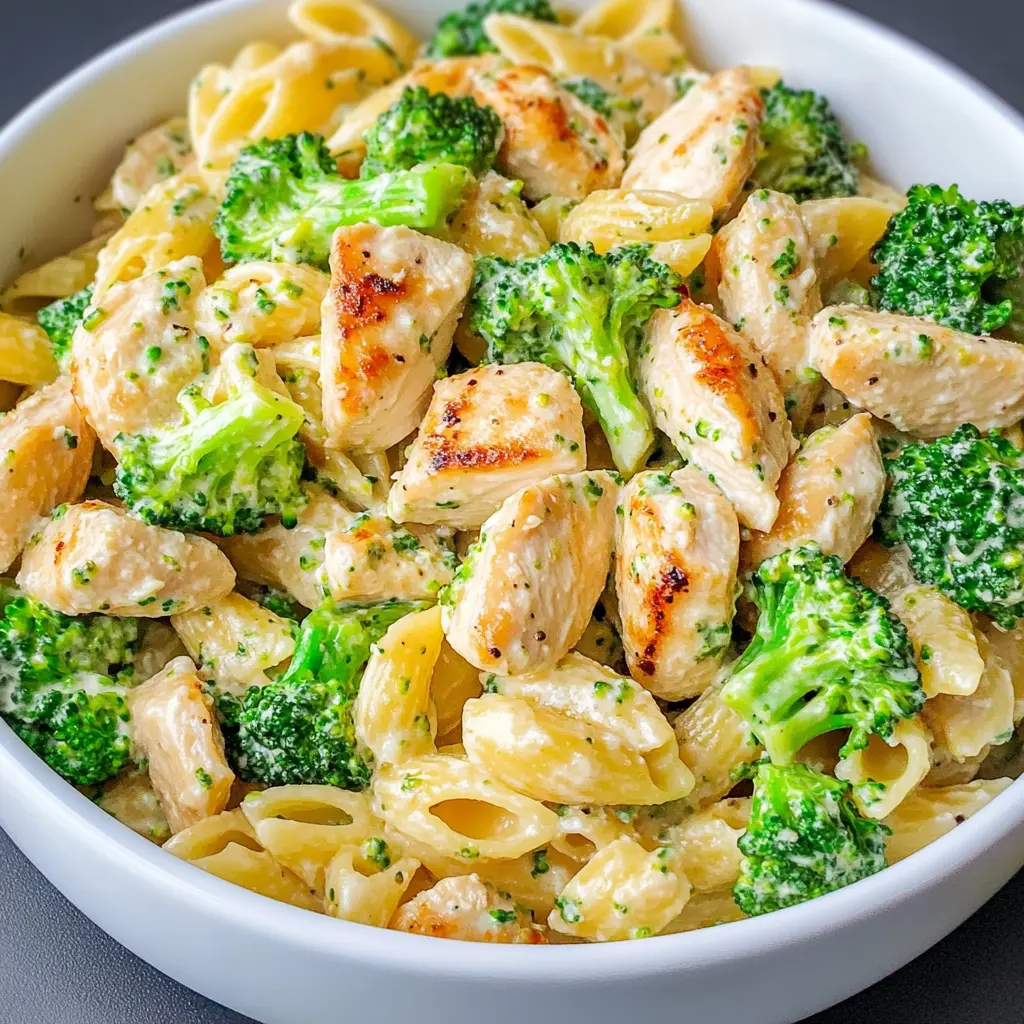
Easy Chicken and Broccoli Pasta: A Simple 30-Minute Weeknight Dinner
Easy chicken and broccoli pasta is the perfect weeknight solution when you need a delicious, filling meal on the table fast. This creamy, garlicky dish combines tender chicken, crisp-tender broccoli, and perfectly cooked pasta in a rich, flavorful sauce. Whether you’re cooking for picky eaters or meal prepping for the week, this one-pot pasta recipe delivers restaurant-quality taste with minimal effort and cleanup.
Why Easy Chicken and Broccoli Pasta Works Every Time
This chicken and broccoli pasta recipe succeeds because it balances convenience with flavor. The combination creates a complete meal with protein, vegetables, and carbohydrates in one satisfying dish.
Time-Saving Benefits
Busy families love this recipe for good reasons. First, you can prepare everything in about 30 minutes from start to finish. Additionally, most ingredients are pantry staples you likely already have on hand. Furthermore, the one-pot method means less cleanup after dinner.
The recipe uses simple cooking techniques anyone can master. You don’t need advanced culinary skills or special equipment. Moreover, the ingredients are affordable and accessible at any grocery store.
Nutritional Advantages
This pasta dish provides balanced nutrition your body needs. Chicken delivers lean protein for muscle maintenance and satiety. Meanwhile, broccoli adds fiber, vitamins C and K, and essential minerals. The pasta provides energy-sustaining carbohydrates to fuel your day.
According to the USDA FoodData Central, broccoli ranks among the most nutrient-dense vegetables available. Each serving delivers substantial nutritional value without excessive calories.
Family-Friendly Appeal
Kids and adults alike enjoy this combination. The mild, creamy sauce appeals to picky eaters who might otherwise refuse vegetables. However, you can easily adjust seasoning levels for different taste preferences.
The dish also works well for various dietary needs. You can substitute gluten-free pasta, use dairy alternatives, or adjust the sauce consistency. This flexibility makes it ideal for households with diverse eating requirements.
Essential Ingredients for Perfect Results
Gathering quality ingredients ensures your easy chicken and broccoli pasta turns out perfectly every time. Let’s break down what you’ll need and why each component matters.
Main Components
Pasta Selection
Choose pasta shapes that hold sauce well. Penne, rigatoni, and farfalle work beautifully because their shapes trap the creamy sauce. You’ll need about 1 pound of dried pasta for 4-6 servings. Short pasta shapes also cook evenly and mix well with chicken and broccoli pieces.
Chicken Preparation
Use 1.5 pounds of boneless, skinless chicken breasts or thighs. Chicken breasts provide leaner protein, while thighs offer more flavor and moisture. Cut the chicken into bite-sized pieces for even cooking and easy eating.
Broccoli Quality
Fresh broccoli florets work best for texture and flavor. You’ll need approximately 3-4 cups of florets. Cut them into uniform, bite-sized pieces so they cook at the same rate. Fresh broccoli maintains better texture than frozen, though frozen works in a pinch.
Sauce Ingredients
Creamy Base
Heavy cream creates the rich, velvety sauce characteristic of this dish. You’ll need 1-2 cups depending on desired consistency. For lighter options, half-and-half works well too. Some recipes incorporate cream cheese for extra thickness and tang.
Flavor Builders
Garlic forms the aromatic foundation. Use 4-6 cloves of fresh garlic, minced. Fresh garlic provides superior flavor compared to pre-minced varieties. Additionally, chicken broth adds depth without heaviness. Use 1 cup of low-sodium chicken broth for better control over salt levels.
Cheese Additions
Parmesan cheese adds nutty, savory notes. Freshly grated Parmesan melts smoothly into the sauce. You’ll need about 1 cup, though cheese lovers can add more. The cheese also helps thicken the sauce naturally.
Seasonings and Aromatics
Essential Herbs and Spices
Salt and black pepper form the basic seasoning foundation. Start with 1 teaspoon salt and adjust to taste. Italian seasoning blend (1-2 teaspoons) adds herbaceous complexity. Red pepper flakes provide optional heat for those who enjoy spice.
Olive Oil and Butter
Use 2-3 tablespoons of olive oil for cooking the chicken. Butter adds richness when sautéing garlic. The combination creates a flavorful base for the sauce. Quality fats enhance overall taste and help achieve proper sauce consistency.
Optional Enhancements
Vegetable Add-ins
Cherry tomatoes add bright acidity and color. Sun-dried tomatoes provide concentrated sweetness. Spinach increases nutritional value while wilting into the sauce beautifully. Mushrooms contribute earthy, umami flavors.
Texture Elements
Toasted pine nuts or slivered almonds add pleasant crunch. Breadcrumbs create a crispy topping when broiled briefly. These additions transform the dish from simple to sophisticated.
Step-by-Step Cooking Instructions
Follow these detailed instructions to create perfect easy chicken and broccoli pasta. Each step builds upon the previous one for optimal results.
Preparation Phase
Organize Your Ingredients
Gather and measure all ingredients before cooking begins. This mise en place approach prevents mistakes and reduces stress. Cut chicken into uniform 1-inch pieces. Trim broccoli into bite-sized florets. Mince garlic finely. Grate Parmesan cheese fresh.
Boil Water for Pasta
Fill a large pot with 4-6 quarts of water. Add 1-2 tablespoons of salt once boiling. The water should taste like the sea. Salted water seasons pasta from within, creating better flavor. Bring to a rolling boil over high heat.
Cooking the Components
Cook Pasta Al Dente
Add pasta to boiling water. Stir immediately to prevent sticking. Cook according to package directions, minus 1-2 minutes for al dente texture. Reserve 1 cup of starchy pasta water before draining. This water helps adjust sauce consistency later.
Drain pasta but don’t rinse it. The surface starch helps sauce cling better. Set aside while preparing other components.
Prepare the Chicken
Heat 2 tablespoons olive oil in a large skillet over medium-high heat. Season chicken pieces with salt, pepper, and Italian seasoning. Add chicken in a single layer, avoiding overcrowding. Cook for 5-7 minutes, stirring occasionally, until golden brown and cooked through.
The internal temperature should reach 165°F. Check with an instant-read thermometer for food safety. Transfer cooked chicken to a plate and set aside. Don’t worry if the pan has browned bits—these add flavor.
Cook the Broccoli
Add broccoli florets to the same skillet. If needed, add 1 tablespoon more olive oil. Sauté for 3-4 minutes until bright green and crisp-tender. The florets should maintain some crunch. Remove and set aside with the chicken.
For softer broccoli, cook 5-6 minutes instead. However, overcooking leads to mushy texture and decreased nutritional value.
Creating the Sauce
Build the Flavor Base
Reduce heat to medium. Add 1 tablespoon butter to the skillet. Once melted, add minced garlic. Sauté for 30-60 seconds until fragrant but not browned. Burnt garlic tastes bitter, so watch carefully.
Combine Liquids
Pour in 1 cup chicken broth. Scrape the bottom of the pan to release flavorful browned bits. This technique, called deglazing, adds depth to your sauce. Simmer for 2-3 minutes to reduce slightly.
Add 1.5 cups heavy cream. Stir well to combine. Bring to a gentle simmer but don’t boil. Boiling can cause cream to separate. Simmer for 3-5 minutes until sauce thickens slightly.
Incorporate Cheese
Reduce heat to low. Add 1 cup freshly grated Parmesan cheese gradually. Stir constantly as cheese melts. The sauce will thicken as cheese incorporates. Add more cheese for stronger flavor.
Season with salt, black pepper, and additional Italian seasoning to taste. Remember that Parmesan adds saltiness, so taste before adding more salt.
Final Assembly
Combine Everything
Return cooked chicken and broccoli to the skillet. Add drained pasta. Toss gently to coat everything with sauce. The pasta will absorb sauce as it sits, so the mixture should look slightly saucy.
If sauce seems too thick, add reserved pasta water 1/4 cup at a time. Stir between additions until reaching desired consistency. The starchy water helps sauce cling to pasta perfectly.
Finishing Touches
Remove from heat. Taste and adjust seasonings as needed. Add a squeeze of fresh lemon juice for brightness if desired. Sprinkle with extra Parmesan and fresh parsley for serving.
Let the dish rest for 2-3 minutes before serving. This allows sauce to settle and flavors to meld. Serve immediately while hot and creamy.
Pro Tips for the Best Chicken and Broccoli Pasta
Master these professional techniques to elevate your easy chicken and broccoli pasta from good to exceptional.
Cooking Techniques
Don’t Overcook the Pasta
Al dente pasta maintains better texture when mixed with sauce. It continues cooking slightly from residual heat. Test pasta 2 minutes before package time suggests. It should have slight resistance when bitten.
Overcooked pasta becomes mushy and breaks apart when stirred. Additionally, it absorbs too much sauce, leaving the dish dry. Perfect pasta holds its shape and provides pleasant chewiness.
Season at Every Step
Seasoning in layers builds complex flavor. Salt the pasta water generously. Season chicken before cooking. Taste sauce before combining components. This approach prevents bland results.
However, be cautious with salt since Parmesan adds significant saltiness. You can always add more, but you can’t remove excess salt.
Control Your Heat
Medium-high heat browns chicken beautifully without burning. Lower heat to medium when making sauce. Gentle heat prevents cream from separating. Rushing with high heat often leads to problems.
Ingredient Optimization
Use Fresh Parmesan
Pre-grated Parmesan contains anti-caking agents that prevent smooth melting. Fresh-grated cheese incorporates seamlessly into sauce. It also provides superior flavor and aroma.
Buy a wedge of Parmigiano-Reggiano for best results. Grate it yourself using a microplane or box grater. The extra effort pays off significantly.
Choose Quality Chicken
Organic, free-range chicken offers better flavor and texture. However, any fresh chicken works fine. Avoid pre-marinated varieties that might contain unwanted flavors.
Chicken thighs stay moister than breasts during cooking. They also provide richer flavor. However, breasts work well if preferred. Cut against the grain for tender bites.
Select the Right Pasta
Whole wheat pasta adds fiber and nutrients. However, it has distinct flavor that some dislike. Regular pasta works perfectly for this recipe. Gluten-free varieties accommodate dietary restrictions.
Shape matters more than type. Ridged pasta like penne rigate holds sauce exceptionally well. The ridges trap creamy sauce in every bite.
Timing Strategies
Prep Before You Start
Complete all cutting, measuring, and organizing before turning on the stove. Cooking happens quickly once you begin. Having everything ready prevents scrambling or burning ingredients.
This professional approach called mise en place reduces mistakes. It also makes cooking more enjoyable and less stressful.
Cook Components Simultaneously
Start pasta water boiling first since it takes time. While pasta cooks, prepare chicken and broccoli. This efficient timing gets dinner on the table faster.
However, don’t rush. Each component needs proper attention for best results. With practice, you’ll develop smooth workflow.
Texture Considerations
Achieve Creamy Consistency
Sauce should coat pasta without pooling in the bottom. Too thick means adding pasta water. Too thin means simmering longer or adding more cheese.
The perfect consistency coats the back of a spoon. It should flow slowly rather than run off quickly. Remember that sauce thickens as it cools.
Maintain Broccoli Crunch
Crisp-tender broccoli provides textural contrast. It should be bright green, not olive-drab. Overcooking destroys both texture and nutrients.
For softer vegetables, add broccoli earlier in the process. For maximum crunch, add it at the very end. Match texture to your family’s preferences.
Popular Variations and Customizations
Transform your easy chicken and broccoli pasta with these creative variations. Each modification offers unique flavors while maintaining the recipe’s essential character.
Protein Alternatives
Shrimp Instead of Chicken
Substitute 1.5 pounds of peeled, deveined shrimp. Shrimp cooks faster than chicken, needing only 2-3 minutes per side. Add them during the final steps to prevent overcooking. The seafood pairs beautifully with garlic and cream.
Season shrimp with lemon zest and red pepper flakes. This creates a bright, slightly spicy variation. Shrimp and broccoli pasta offers lighter protein while remaining satisfying.
Vegetarian Version
Remove chicken entirely and double the broccoli. Add chickpeas for protein and heartiness. White beans also work wonderfully. Use vegetable broth instead of chicken broth.
Include extra vegetables like bell peppers, zucchini, or cherry tomatoes. The vegetables create a rainbow of colors and textures. This version appeals to vegetarians and veggie lovers alike.
Turkey Option
Ground turkey provides a budget-friendly alternative. Use 1 pound of ground turkey, browning it in crumbles. Season generously since ground turkey can taste bland. Italian seasoning and garlic powder boost flavor significantly.
Turkey creates a different texture than chicken pieces. However, it distributes more evenly throughout the dish. This option speeds up cooking time too.
Sauce Variations
Lighter Cream Sauce
Replace heavy cream with half-and-half or milk. Add extra Parmesan to maintain thickness. Greek yogurt stirred in at the end creates tangy creaminess. This reduces calories while preserving satisfaction.
For even lighter results, use chicken broth as the primary liquid. Thicken with cornstarch slurry (1 tablespoon cornstarch mixed with 2 tablespoons water). The result tastes fresh and bright.
Pesto Cream Fusion
Add 1/4 cup prepared basil pesto to the cream sauce. This creates vibrant green color and herbaceous flavor. Pesto contains basil, garlic, pine nuts, and Parmesan naturally. The combination tastes restaurant-worthy.
Reduce cream slightly when adding pesto since pesto contains oil. Stir pesto in at the end to preserve its bright color. Check out our guide on [homemade pesto recipes] for making your own.
Sun-Dried Tomato Enhancement
Incorporate 1/2 cup chopped sun-dried tomatoes. Their concentrated sweetness balances rich cream beautifully. The tomatoes add gorgeous red color throughout.
Use oil-packed sun-dried tomatoes for best results. Add them when creating the sauce base. They infuse the entire dish with tangy, sweet flavor.
Spice Level Adjustments
Extra Heat
Increase red pepper flakes to 1 teaspoon or more. Add cayenne pepper for intense heat. Sliced jalapeños create fresh, bright spice. Hot sauce stirred in at serving offers customizable heat.
Balance heat with extra Parmesan or a dollop of sour cream. The dairy tames spice while maintaining flavor complexity.
Herb Forward
Double the Italian seasoning or add fresh herbs. Fresh basil, oregano, and thyme transform the dish. Add woody herbs early and tender herbs at the end.
Fresh parsley brings brightness and color. Torn basil leaves provide aromatic, peppery notes. Herbs make the dish taste lighter and more sophisticated.
Carbohydrate Swaps
Low-Carb Options
Replace pasta with spiralized zucchini noodles. Cauliflower rice creates grain-free alternative. These substitutions significantly reduce carbohydrates and calories.
Cook zoodles briefly to prevent mushiness. Squeeze out excess moisture before adding to sauce. The vegetables absorb flavors while maintaining distinct texture.
Alternative Grains
Try orzo for unique texture. This rice-shaped pasta creates different mouthfeel. Farro adds nutty flavor and chewy texture. Quinoa pasta boosts protein content.
Each grain alternative changes the dish’s character slightly. Experiment to find your favorite variation.
Nutrition Information and Health Benefits
Understanding the nutritional profile helps you make informed decisions about easy chicken and broccoli pasta. This section breaks down what you’re eating and its benefits.
Calorie and Macronutrient Breakdown
Per Serving Estimates
One serving (approximately 2 cups) contains roughly 550-650 calories. The exact amount varies based on ingredient proportions and modifications. Protein content ranges from 35-40 grams per serving. Carbohydrates total approximately 45-55 grams. Fat content sits around 25-30 grams, primarily from cream and cheese.
These numbers represent a balanced meal with substantial protein. The carbohydrates provide energy for daily activities. Healthy fats support nutrient absorption and satiety.
Portion Control Considerations
Restaurant portions often exceed reasonable serving sizes. At home, you control portions better. Use measuring cups initially to understand appropriate amounts.
One serving satisfies most appetites without overeating. The protein and fiber promote fullness. Pair with a side salad for added vegetables and volume.
Protein Benefits
Chicken’s Contribution
Chicken provides complete protein containing all essential amino acids. Protein supports muscle maintenance, repair, and growth. It also promotes satiety, reducing snacking between meals.
Each serving delivers significant daily protein requirements. Athletes and active individuals especially benefit from this protein content. The lean protein supports healthy metabolism.
Cheese Protein
Parmesan cheese adds high-quality protein beyond chicken. It also provides calcium for bone health. The protein in cheese digests more slowly than chicken.
This combination of proteins creates sustained energy. You’ll feel satisfied longer after eating. The diverse protein sources ensure balanced amino acid intake.
Vegetable Nutrition
Broccoli’s Superfood Status
Broccoli ranks among the most nutritious vegetables available. It provides vitamins C, K, and A abundantly. Additionally, it contains folate, potassium, and fiber.
The vegetable offers powerful antioxidants like sulforaphane. These compounds support cellular health and may reduce disease risk. Broccoli’s fiber aids digestive health and regularity.
Phytonutrient Content
Broccoli contains glucosinolates, which convert to beneficial compounds during digestion. These plant chemicals support the body’s natural detoxification processes. The vegetable’s green color indicates chlorophyll content.
Dietary Considerations
Sodium Content
This dish can be high in sodium from cheese, broth, and added salt. Use low-sodium broth to reduce sodium content. Measure salt carefully and taste before adding more.
Those monitoring sodium intake should adjust accordingly. Fresh ingredients contain less sodium than processed versions. You control sodium levels when cooking at home.
Calcium and Bone Health
Parmesan cheese provides substantial calcium per serving. Heavy cream also contributes calcium. This combination supports bone density and strength.
Paired with vitamin K from broccoli, calcium absorption improves. The dish naturally delivers nutrients that work synergistically.
Making It Healthier
Simple Modifications
Use whole wheat pasta for added fiber. Increase broccoli and reduce pasta for more vegetables. Substitute Greek yogurt for some cream to reduce fat.
These small changes improve nutritional density. The dish remains delicious while becoming more nutritious. You won’t sacrifice satisfaction for health.
Balanced Meal Planning
Serve this pasta as part of balanced weekly menu. Include various proteins, vegetables, and whole grains throughout the week. No single food provides complete nutrition.
Enjoy this meal as occasional comfort food or regular dinner. Balance it with lighter meals on other days. Moderation and variety create optimal nutrition.
Storage and Meal Prep Guidelines
Proper storage extends your easy chicken and broccoli pasta’s life while maintaining quality. Follow these guidelines for best results.
Refrigerator Storage
Cooling and Containers
Cool pasta completely before refrigerating. Divide into portion-sized airtight containers. This speeds cooling and makes reheating convenient. Glass containers prevent odor absorption and staining.
Store in the refrigerator within 2 hours of cooking. Bacteria multiply rapidly at room temperature. Prompt refrigeration ensures food safety.
Storage Duration
Properly stored pasta lasts 3-4 days refrigerated. Label containers with date prepared. The sauce may thicken considerably when cold. This is normal and reversible during reheating.
Discard any pasta showing signs of spoilage. Off odors, mold, or discoloration indicate unsafe food. When in doubt, throw it out.
Freezer Storage
Freezing Considerations
This dish freezes reasonably well for up to 2-3 months. However, cream-based sauces sometimes separate when frozen. The texture may change slightly after thawing.
Broccoli maintains texture better than some vegetables when frozen. Pasta holds up well in the freezer. Consider freezing in individual portions for convenience.
Proper Freezing Method
Cool pasta completely before freezing. Use freezer-safe containers or heavy-duty freezer bags. Remove as much air as possible to prevent freezer burn.
Label containers with contents and date. Stack flat freezer bags for space-efficient storage. Freeze quickly for best texture retention.
Thawing Process
Thaw frozen pasta overnight in the refrigerator. This gradual thawing preserves texture better than quick methods. Never thaw at room temperature due to food safety concerns.
For emergency thawing, use microwave defrost setting. Stir occasionally during thawing. Reheat immediately after thawing completely.
Reheating Methods
Stovetop Reheating
Transfer pasta to a skillet over medium-low heat. Add 2-3 tablespoons of milk, cream, or chicken broth. Stir gently while heating to prevent sticking.
Heat until warmed through, about 5-7 minutes. Stir frequently to distribute heat evenly. The added liquid refreshes the sauce perfectly.
Microwave Method
Place portion in microwave-safe bowl. Add 1-2 tablespoons liquid. Cover with microwave-safe lid or damp paper towel.
Microwave on 50% power in 1-minute intervals. Stir between intervals for even heating. This prevents hot spots and maintains texture.
Oven Reheating
Transfer pasta to oven-safe dish. Cover with foil to prevent drying. Add a splash of broth or cream for moisture.
Bake at 350°F for 15-20 minutes until heated through. Remove foil during last 5 minutes for slight crisping. This method works best for large portions.
Meal Prep Strategies
Component Prep
Cook components separately for meal prep. Store cooked chicken, broccoli, and pasta in separate containers. Make sauce fresh when assembling meals.
This approach maintains optimal texture. Mix components just before eating. Each element stays fresher longer when stored separately.
Batch Cooking
Double or triple the recipe for meal prep. Divide into individual containers for grab-and-go lunches. This saves time during busy weekdays.
Prepare on Sundays for weekday convenience. Most people find 3-4 days of meals works best. Beyond that, consider freezing extra portions.
Common Mistakes to Avoid
Learning from common errors helps you create perfect easy chicken and broccoli pasta every time. Avoid these pitfalls for consistent success.
Pasta Preparation Errors
Insufficient Water Volume
Using too little water causes pasta to stick together. The pasta releases starch that makes water cloudy. Inadequate water concentrates this starch, creating gummy pasta.
Use at least 4-6 quarts of water per pound of pasta. This gives pasta room to move freely. The large volume dilutes released starch appropriately.
Forgetting to Salt Water
Unsalted water produces bland pasta. Pasta absorbs water during cooking, so seasoning happens from within. Adding salt after cooking only seasons the surface.
Generously salt boiling water before adding pasta. It should taste pleasantly salty. This step cannot be skipped or substituted.
Rinsing Cooked Pasta
Rinsing removes the surface starch that helps sauce cling. It also cools pasta unnecessarily. Never rinse pasta destined for sauce.
The only exception is pasta for cold salads. For hot dishes, drain without rinsing. Toss immediately with sauce while still hot.
Protein Cooking Issues
Overcrowding the Pan
Adding too much chicken at once lowers pan temperature. This causes chicken to steam rather than brown. The result is pale, rubbery chicken lacking flavor.
Cook chicken in batches if necessary. Leave space between pieces. High heat and proper spacing create beautiful golden color.
Overcooking Chicken
Dry, tough chicken ruins the dish. Chicken breasts especially dry out quickly. Overcooked chicken cannot be fixed.
Use an instant-read thermometer to check doneness. Remove chicken at 165°F internal temperature. It will remain juicy and tender.
Uneven Pieces
Different-sized chicken pieces cook at different rates. Small pieces dry out while large pieces remain undercooked. This creates frustrating inconsistency.
Cut chicken into uniform 1-inch pieces. They’ll cook evenly together. This simple step dramatically improves results.
Sauce Problems
Breaking the Cream Sauce
High heat causes cream to separate into curds and whey. The sauce looks grainy and oily instead of smooth. Broken sauce tastes fine but looks unappetizing.
Keep heat medium-low when working with cream. Never boil cream-based sauces. Gentle heating maintains silky texture.
Sauce Too Thin
Watery sauce slides off pasta instead of coating it. The dish seems incomplete and unsatisfying. Thin sauce indicates insufficient thickening.
Simmer sauce longer to reduce liquid. Add more cheese gradually. Use pasta water to adjust consistency while adding starch.
Sauce Too Thick
Overly thick sauce clumps rather than coating smoothly. The pasta seems dry despite sauce presence. This often happens during reheating.
Add reserved pasta water tablespoon by tablespoon. Thin cream with chicken broth. Stir well between additions until reaching desired consistency.
Vegetable Mishaps
Mushy Broccoli
Overcooked broccoli loses vibrant color and pleasant texture. It becomes olive-green and mushy. The vegetable loses nutritional value too.
Cook broccoli just until bright green and crisp-tender. It should maintain slight crunch. Remove from heat promptly.
Undercooked Broccoli
Raw, tough broccoli tastes bitter and unpleasant. It’s difficult to chew. Undercooked vegetables don’t integrate well with other components.
Test broccoli by piercing with a fork. It should penetrate easily but meet slight resistance. Taste a piece to confirm doneness.
Timing Mistakes
Starting Components in Wrong Order
Poor timing leads to cold food or burnt components. Some parts finish too early while others lag behind. Orchestrating multiple elements requires planning.
Start pasta water first since it takes longest. Begin chicken while pasta cooks. Add broccoli near the end. Everything finishes simultaneously.
Letting Pasta Sit Too Long
Cooked pasta continues absorbing liquid while sitting. It becomes sticky and clumps together. Dried-out pasta won’t absorb sauce properly.
Combine pasta with sauce immediately after draining. Work quickly to maintain optimal texture. Time other components to be ready simultaneously.
Serving Suggestions and Pairings
Enhance your easy chicken and broccoli pasta meal with these complementary sides and presentation ideas.
Side Dish Recommendations
Fresh Salads
A crisp green salad provides refreshing contrast to creamy pasta. Mix spring greens, cherry tomatoes, and cucumber with light vinaigrette. The acidity cuts through richness beautifully.
Caesar salad complements without overwhelming. Its garlicky, savory notes echo the pasta’s flavors. Keep dressing light to avoid heaviness.
Arugula salad with lemon dressing offers peppery brightness. Top with shaved Parmesan for flavor continuity. The bitter greens balance sweet cream sauce.
Bread Options
Garlic bread makes classic accompaniment. Its buttery, garlicky flavor matches the pasta perfectly. Use it to soak up extra sauce.
Crusty Italian bread provides textural contrast. Its chewy interior and crispy crust add dimension. Serve warm with olive oil for dipping.
Homemade focaccia elevates the meal. Its herbed, olive-oil richness complements creamy pasta. The bread’s soft texture contrasts pasta’s firmness.
Vegetable Sides
Roasted asparagus adds elegant touch. Its slight bitterness balances cream sauce. Season simply with olive oil, salt, and lemon.
Grilled zucchini provides smokiness and lightness. The charred flavor contrasts creamy pasta beautifully. Slice lengthwise for attractive presentation.
Caprese salad offers fresh tomatoes and mozzarella. Its Italian heritage complements pasta naturally. The bright flavors refresh the palate.
Beverage Pairings
Sparkling water with lemon cleanses the palate. Its effervescence cuts through rich sauce perfectly. Add fresh herbs for aromatic enhancement.
Iced tea provides refreshing balance. Unsweetened or lightly sweetened varieties work best. Mint or peach-flavored teas complement well.
Fresh lemonade offers bright acidity. Its tartness balances creamy richness. Make it fresh for best flavor.
Warm Beverages
Herbal tea creates soothing accompaniment. Chamomile or mint tea aids digestion. Serve after the meal rather than during.
Broth-based soups work as starter course. Light vegetable or chicken broth prepares the palate. Keep portions small to save appetite.
Presentation Ideas
Plating Techniques
Serve in shallow bowls rather than deep ones. This showcases the dish attractively. The wide surface displays colors beautifully.
Twirl pasta with tongs for height. Create a nest shape in the center. Arrange chicken and broccoli artistically on top.
Finish with fresh Parmesan shavings. Add cracked black pepper for visual interest. Garnish with fresh basil or parsley.
Family-Style Serving
Present in large, attractive serving bowl. Let diners serve themselves. This encourages casual, comfortable dining.
Set bowl on trivet to protect table. Provide serving spoons and tongs. Place extra Parmesan and red pepper flakes nearby.
Individual Portions
Divide into individual gratin dishes. Sprinkle with extra cheese and breadcrumbs. Broil briefly for golden, bubbly top.
This presentation elevates casual weeknight dinner. Guests feel special with individual servings. The crispy top adds textural interest.
Make-Ahead for Entertaining
Prep Timeline
Cook pasta, chicken, and broccoli hours ahead. Store separately until serving time. Make sauce fresh when ready to serve.
Combine components and reheat gently. This prevents overcooking vegetables. The dish tastes freshly made.
Serving Buffet Style
Keep pasta warm in slow cooker on low. Stir occasionally to prevent sticking. Add extra cream if needed for consistency.
Set out toppings bar with extra Parmesan, herbs, and red pepper flakes. Guests customize their portions. This interactive element enhances dining experience.
FAQs About Chicken and Broccoli Pasta
Can I make easy chicken and broccoli pasta ahead of time?
Yes, but cook components separately for best results. Store cooked pasta, chicken, and broccoli in separate containers for up to 3 days. Make the sauce fresh when ready to serve, then combine everything and reheat gently. This method maintains optimal texture better than reheating the complete dish.
What’s the best way to prevent broccoli from getting mushy?
Cook broccoli just until bright green and crisp-tender, about 3-4 minutes. Remove it from heat immediately when it reaches this stage. For meal prep, slightly undercook the broccoli since it will soften during reheating. Adding broccoli at the very end of cooking also helps maintain texture.
Can I use frozen broccoli instead of fresh?
Yes, frozen broccoli works in a pinch. Thaw and drain it thoroughly to remove excess moisture. Pat dry with paper towels before adding to the dish. Frozen broccoli may be slightly softer than fresh, but it still provides good flavor and nutrition. Add it during the last few minutes of cooking to prevent mushiness.
How do I make the sauce thicker?
Simmer the sauce longer to evaporate excess liquid. Add more Parmesan cheese gradually while stirring. Create a cornstarch slurry (1 tablespoon cornstarch mixed with 2 tablespoons cold water) and stir into simmering sauce. Alternatively, use less liquid initially or add cream cheese for natural thickening.
What pasta shapes work best for this recipe?
Penne, rigatoni, farfalle, and rotini work excellently because their shapes trap sauce. Short, sturdy pasta shapes hold up better than long, thin varieties like spaghetti. Ridged pasta (penne rigate) holds even more sauce than smooth versions. Choose shapes you enjoy eating—personal preference matters most.
Is this recipe freezer-friendly?
Yes, though cream-based sauces sometimes separate when frozen. Freeze in airtight containers for up to 2-3 months. Thaw overnight in the refrigerator, then reheat gently while stirring. Add a splash of cream or milk during reheating to refresh the sauce. The texture may change slightly but taste remains good.
How can I make this recipe healthier?
Use whole wheat pasta for extra fiber. Replace half the cream with low-sodium chicken broth. Reduce cheese amount or use reduced-fat varieties. Increase broccoli and decrease pasta for more vegetables. These modifications reduce calories and fat while maintaining satisfying flavor.
What can I substitute for heavy cream?
Half-and-half works well for lighter sauce. Greek yogurt stirred in at the end creates tangy creaminess. Coconut cream provides dairy-free alternative. Milk thickened with flour or cornstarch creates lower-calorie option. Each substitution slightly changes flavor and texture but produces good results.
My sauce separated—can I fix it?
Remove from heat immediately. Whisk in 1-2 tablespoons cold cream or milk. Use an immersion blender to re-emulsify if needed. Alternatively, start fresh cream sauce and slowly whisk in the broken sauce. Prevention works better—keep heat medium-low when working with cream.
How do I prevent pasta from sticking together?
Use plenty of boiling water (4-6 quarts per pound). Stir pasta immediately after adding to water. Stir occasionally during cooking. Don’t rinse cooked pasta—the surface starch helps sauce adhere. Toss with sauce immediately after draining. These steps prevent clumping effectively.
Conclusion
Easy chicken and broccoli pasta delivers delicious, satisfying meals without complicated techniques or hard-to-find ingredients. This versatile recipe adapts to various dietary preferences and skill levels while providing balanced nutrition. The combination of tender chicken, crisp-tender broccoli, and creamy sauce creates comfort food that everyone loves.
Whether you’re feeding picky eaters, meal prepping for busy weeks, or seeking quick weeknight dinners, this recipe solves multiple kitchen challenges. The dish comes together in about 30 minutes yet tastes restaurant-quality. Moreover, it provides complete protein, vegetables, and carbohydrates in one satisfying meal.
Success lies in following key principles: cook pasta al dente, don’t overcook chicken or broccoli, and maintain gentle heat when making cream sauce. These simple techniques ensure consistent, delicious results every time you prepare this easy chicken and broccoli pasta.
Easy Chicken and Broccoli Pasta
Description
Easy Chicken and Broccoli Pasta
Ingredients:
-
12 oz pasta (penne, fusilli, or bowtie)
-
1 lb boneless skinless chicken breasts, diced
-
Salt and pepper to taste
-
2 tablespoons olive oil
-
3 cloves garlic, minced
-
2 cups broccoli florets
-
1 cup heavy cream
-
1 cup chicken broth
-
1 cup grated Parmesan cheese
-
1/2 teaspoon Italian seasoning
-
Red pepper flakes (optional)
-
Fresh parsley for garnish
Instructions:
-
Cook pasta according to package directions. In the last 2–3 minutes, add broccoli florets to the pot. Drain and set aside.
-
Season chicken with salt and pepper. In a large skillet, heat olive oil over medium heat. Cook chicken until golden and cooked through. Remove and set aside.
-
In the same skillet, sauté garlic 1 minute until fragrant.
-
Pour in chicken broth and heavy cream. Bring to a simmer, then stir in Parmesan cheese and Italian seasoning. Cook until slightly thickened.
-
Return chicken to the skillet and toss in the cooked pasta and broccoli. Stir to coat everything in the creamy sauce.
-
Serve hot, garnished with fresh parsley and a pinch of red pepper flakes if desired.