
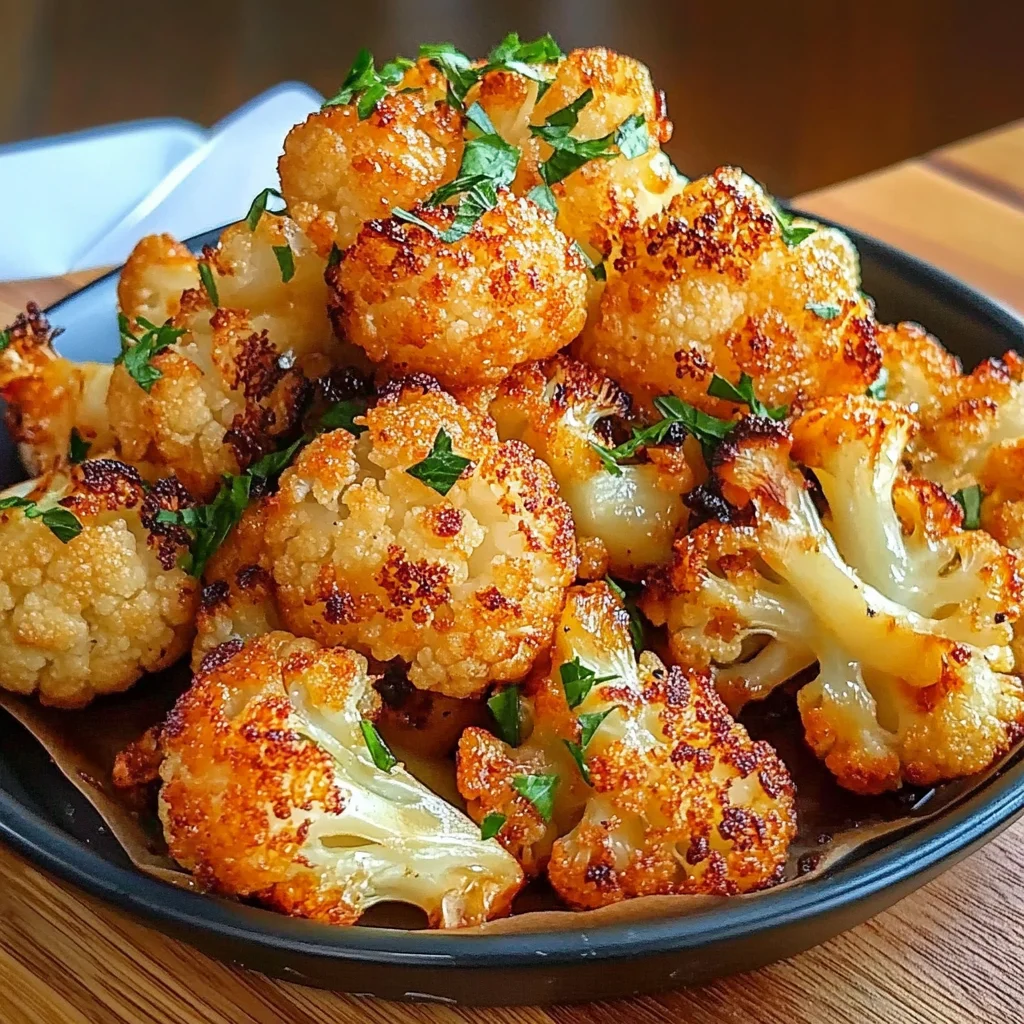
Crispy Roasted Cauliflower: The Ultimate Guide to Perfectly Golden, Flavorful Florets
Crispy roasted cauliflower transforms this humble vegetable into a show-stopping side dish that rivals any comfort food. With its caramelized edges, tender interior, and endless seasoning possibilities, roasted cauliflower has become a kitchen staple for home cooks seeking nutritious, delicious meals. This comprehensive guide reveals expert techniques, flavor variations, and troubleshooting tips to help you master the art of creating perfectly crispy roasted cauliflower every time.
Why Crispy Roasted Cauliflower Is a Kitchen Essential
Roasting cauliflower has revolutionized how people perceive this versatile vegetable. Moreover, the high-heat cooking method brings out natural sweetness while creating irresistible crispy edges. Consequently, even vegetable skeptics become converts after experiencing perfectly roasted cauliflower.
The popularity of roasted cauliflower stems from its adaptability. Additionally, it works beautifully as a standalone side dish, salad topper, or grain bowl component. Furthermore, the neutral base accepts countless flavor profiles, from Mediterranean herbs to Asian-inspired spices.
Health-conscious cooks appreciate that crispy roasted cauliflower delivers maximum flavor with minimal effort. Therefore, it has become a weeknight dinner staple in households worldwide. The transformation from raw to roasted creates depth and complexity that steaming or boiling simply cannot achieve.
Understanding Cauliflower: Nutritional Benefits and Selection
Nutritional Powerhouse
Cauliflower provides exceptional nutritional value while remaining low in calories. According to the USDA FoodData Central, one cup of raw cauliflower contains only 25 calories yet delivers significant vitamins and minerals. Moreover, this cruciferous vegetable offers impressive health benefits that support overall wellness.
The vegetable contains high amounts of vitamin C, supporting immune function and skin health. Additionally, cauliflower provides vitamin K for bone health and folate for cell growth. Furthermore, it supplies fiber that promotes digestive health and helps maintain steady blood sugar levels.
Antioxidants in cauliflower, particularly sulforaphane, have attracted scientific attention. Research published in reputable nutrition journals suggests these compounds may support cellular health. Therefore, incorporating roasted cauliflower into your diet provides both culinary pleasure and nutritional benefits.
Selecting the Best Cauliflower
Choosing quality cauliflower ensures the best results when roasting. First, look for compact, creamy white heads with tightly packed florets. Additionally, the leaves should appear fresh and green, not wilted or yellowed.
Avoid cauliflower with brown spots, soft patches, or visible damage. Similarly, skip heads that feel lightweight for their size, as this indicates dehydration. Instead, select firm, heavy heads that promise moisture and freshness.
Size matters less than quality when selecting cauliflower. However, medium-sized heads typically offer the most consistent floret sizes. Consequently, they roast more evenly than very large or small heads.
Essential Equipment and Ingredients
Equipment Checklist
Having the right tools makes achieving crispy roasted cauliflower significantly easier. First, invest in heavy-duty baking sheets that distribute heat evenly. Additionally, rimmed sheet pans prevent oil from spilling in your oven.
A sharp chef’s knife ensures clean cuts through the cauliflower. Moreover, a large mixing bowl allows thorough coating with oil and seasonings. Furthermore, parchment paper or silicone baking mats prevent sticking and simplify cleanup.
Core Ingredients
The Cauliflower
One large head of cauliflower yields approximately six servings. Additionally, ensure the vegetable reaches room temperature before roasting. Consequently, this promotes even cooking and better browning.
Oil Selection
High-quality oil creates the crispy exterior that defines excellent roasted cauliflower. Olive oil remains a popular choice for its flavor and health benefits. However, avocado oil works wonderfully for higher-heat roasting. Similarly, neutral oils like grapeseed or vegetable oil allow seasonings to shine.
Use approximately two to three tablespoons of oil per cauliflower head. Moreover, coating every surface ensures even crisping. Therefore, toss thoroughly rather than simply drizzling oil over florets.
Essential Seasonings
Salt and pepper form the foundation of any good roasted cauliflower recipe. Additionally, garlic powder adds savory depth without burning like fresh garlic might. Furthermore, consider these complementary seasonings:
-
Smoked paprika for earthy warmth
-
Cumin for Middle Eastern flair
-
Turmeric for golden color and subtle spice
-
Onion powder for additional savory notes
-
Red pepper flakes for gentle heat
Step-by-Step Guide to Perfect Roasted Cauliflower
Preparation Phase
Begin by preheating your oven to 425°F (220°C). Meanwhile, this temperature creates the ideal balance between interior tenderness and exterior crispiness. Additionally, position your oven rack in the center for optimal heat distribution.
Remove outer leaves from the cauliflower head. Next, rinse the head under cold water and pat completely dry. Moreover, excess moisture prevents browning, so thorough drying proves essential.
Cutting Technique
Place the cauliflower stem-side down on your cutting board. Then, slice vertically through the core to create two halves. Additionally, continue cutting each half into florets of similar size.
Aim for florets approximately 1.5 to 2 inches in size. Furthermore, consistent sizing ensures even cooking throughout. Therefore, take time to make uniform cuts rather than rushing this step.
Keep some stem attached to each floret. Similarly, this creates flat surfaces that caramelize beautifully against the pan. Consequently, you achieve more crispy edges with this approach.
Seasoning Process
Transfer cauliflower florets to a large mixing bowl. Next, drizzle with oil and toss thoroughly using your hands or a large spoon. Moreover, ensure every surface receives coating for maximum crispiness.
Add salt, pepper, and chosen seasonings to the bowl. Then, toss again to distribute spices evenly. Additionally, taste a small piece to check seasoning levels before roasting.
Arrangement on Baking Sheet
Spread seasoned florets in a single layer on your prepared baking sheet. However, avoid crowding, which creates steam rather than crisp edges. Instead, leave space between florets for air circulation.
If necessary, use two baking sheets rather than overcrowding one pan. Moreover, overlapping florets will steam and soften rather than crisp. Therefore, proper spacing proves crucial for success.
Position florets with flat sides facing down when possible. Consequently, these surfaces make direct contact with the hot pan and caramelize beautifully.
Temperature and Timing Mastery
Optimal Roasting Temperature
The temperature range of 425°F to 450°F (220°C to 230°C) produces the best results. Additionally, these temperatures create rapid exterior browning while cooking interiors thoroughly. However, lower temperatures result in soft, rather than crispy, cauliflower.
Some recipes suggest starting at higher temperatures then reducing heat. Nevertheless, maintaining consistent high heat typically yields superior results. Furthermore, convection settings can enhance crispiness if your oven offers this feature.
Timing Guidelines
Standard roasting time ranges from 25 to 35 minutes total. Moreover, timing varies based on floret size and desired crispiness level. Additionally, oven calibration affects cooking times, so adjust accordingly.
Check cauliflower at the 15-minute mark. Then, use a spatula to flip florets, ensuring even browning on all sides. Furthermore, this midpoint flip prevents burning while promoting uniform coloring.
Continue roasting for an additional 10 to 20 minutes. Meanwhile, watch for golden-brown edges and tender interiors. Therefore, test doneness by piercing a floret with a fork, which should slide in easily.
Visual Cues for Doneness
Perfectly roasted cauliflower displays deep golden-brown edges with some darker caramelized spots. Additionally, the florets should appear slightly shrunken and concentrated. Furthermore, you might notice crispy, almost lacy edges on some pieces.
The color should resemble caramel rather than pale yellow. Similarly, underroasted cauliflower lacks the complex flavors that browning develops. Consequently, aim for significant color development rather than playing it safe.
Flavor Variations and Seasoning Ideas
Mediterranean Style
Create a Mediterranean-inspired version using classic herbs and bright flavors. First, toss cauliflower with olive oil, minced garlic, dried oregano, and lemon zest. Additionally, finish with fresh lemon juice and chopped parsley after roasting.
Add a sprinkle of nutritional yeast for a cheese-like flavor without dairy. Moreover, this combination pairs beautifully with grilled proteins or grain salads. Furthermore, consider adding kalamata olives during the last five minutes of roasting.
Indian-Spiced Cauliflower
Transform your roasted cauliflower with warm Indian spices. Combine turmeric, cumin, coriander, garam masala, and cayenne pepper with oil. Additionally, finish with fresh cilantro and a squeeze of lime juice after roasting.
This variation pairs wonderfully with yogurt-based sauces or cucumber raita. Moreover, the golden color from turmeric creates visual appeal alongside deep flavor. Therefore, this style works beautifully for meal prep bowls throughout the week.
Buffalo-Style Roasted Cauliflower
Create a crowd-pleasing buffalo version using hot sauce and seasonings. Mix hot sauce with melted butter or olive oil, garlic powder, and smoked paprika. Additionally, toss roasted cauliflower in this mixture during the last five minutes of cooking.
Serve with ranch or blue cheese dressing for dipping. Furthermore, this preparation works excellently as an appetizer or game-day snack. Similarly, it satisfies cravings for spicy, tangy flavors without traditional wings.
Asian-Inspired Sesame Cauliflower
Develop Asian flavors using sesame oil, ginger, and soy sauce. Toss cauliflower with neutral oil first, then drizzle with sesame oil before roasting. Additionally, sprinkle with sesame seeds and red pepper flakes.
After roasting, drizzle with low-sodium soy sauce or tamari. Moreover, garnish with sliced green onions and additional sesame seeds. Consequently, this variation complements stir-fries, rice bowls, and noodle dishes perfectly.
Parmesan-Herb Crusted
Create an indulgent version with grated Parmesan cheese and herbs. Toss cauliflower with oil, then coat with a mixture of Parmesan, breadcrumbs, Italian seasoning, and garlic powder. Additionally, the cheese creates an extra-crispy coating during roasting.
This preparation appeals to cheese lovers and picky eaters alike. Furthermore, the golden, crispy coating provides textural contrast to tender interiors. Therefore, it makes an excellent gateway recipe for introducing roasted vegetables.

Common Mistakes and How to Avoid Them
Overcrowding the Pan
The most frequent mistake involves placing too many florets on one baking sheet. Consequently, crowded cauliflower steams rather than roasts, resulting in soggy vegetables. Instead, ensure adequate spacing between pieces for proper air circulation.
Use multiple baking sheets when preparing large quantities. Moreover, rotate pan positions halfway through roasting for even cooking. Therefore, patience in this step pays dividends in final texture.
Insufficient Oil Coating
Skimping on oil prevents proper browning and crispiness. Additionally, oil conducts heat and promotes caramelization essential for flavor development. Furthermore, well-coated cauliflower achieves superior texture compared to dry-roasted versions.
Ensure thorough, even coating rather than light drizzling. However, avoid excess pooling, which creates greasy rather than crispy results. Similarly, two to three tablespoons per head typically provides the ideal amount.
Cutting Inconsistent Sizes
Varying floret sizes lead to uneven cooking results. Consequently, small pieces burn while large ones remain undercooked. Instead, take time to cut uniform pieces for consistent roasting.
Aim for florets between 1.5 and 2 inches across. Moreover, save tiny pieces for other preparations like cauliflower rice. Therefore, uniform sizing ensures every piece reaches perfection simultaneously.
Not Preheating the Oven
Starting cauliflower in a cold oven prevents proper crisping. Additionally, the gradual temperature increase allows moisture to escape slowly, creating soft rather than crispy results. Furthermore, preheating ensures immediate searing when cauliflower hits the pan.
Wait until your oven fully reaches the target temperature before adding cauliflower. Moreover, consider using an oven thermometer to verify accuracy. Consequently, this simple step significantly improves final texture.
Opening the Oven Too Frequently
Checking progress too often releases heat and extends cooking time. Additionally, temperature fluctuations prevent consistent browning. Instead, trust the timing and limit door openings to the midpoint flip.
Use your oven light to monitor progress without opening the door. Furthermore, modern ovens maintain temperature better when left closed. Therefore, resist the temptation to peek constantly during roasting.
Serving Suggestions and Meal Pairings
As a Side Dish
Crispy roasted cauliflower complements virtually any main course beautifully. Moreover, it pairs especially well with roasted chicken, grilled fish, or beef dishes. Additionally, the neutral base accepts various flavor profiles to match your meal theme.
Serve alongside roasted potatoes and a fresh salad for balanced dinners. Furthermore, the cauliflower adds nutritional value while satisfying comfort food cravings. Similarly, it works wonderfully for holiday gatherings and potluck contributions.
In Grain Bowls
Build nutritious grain bowls featuring roasted cauliflower as the star vegetable. Layer quinoa, farro, or brown rice with roasted cauliflower, chickpeas, and fresh greens. Additionally, drizzle with tahini sauce, lemon-herb dressing, or your favorite vinaigrette.
These bowls provide complete nutrition while offering endless customization options. Moreover, they work perfectly for meal prep, staying fresh for several days. Therefore, roast cauliflower in bulk for quick weekday lunch assembly.
Salad Topper
Add warm roasted cauliflower to salads for textural contrast and hearty substance. The crispy florets complement leafy greens, raw vegetables, and crunchy toppings beautifully. Additionally, the warm vegetables slightly wilt greens, creating pleasant textural variety.
Combine with arugula, cherry tomatoes, cucumber, and pumpkin seeds. Furthermore, dress with balsamic vinaigrette or lemon tahini dressing. Consequently, this approach transforms simple salads into satisfying meals.
Appetizer Presentation
Serve roasted cauliflower as an elegant appetizer with dipping sauces. Arrange florets on a platter with small bowls of various dips. Moreover, options like hummus, ranch dressing, or garlic aioli complement the crispy vegetables perfectly.
This presentation works wonderfully for entertaining or casual gatherings. Additionally, guests appreciate the healthy yet satisfying option alongside traditional appetizers. Therefore, roasted cauliflower proves versatile beyond typical side dish applications.
Taco and Wrap Filling
Use roasted cauliflower as a delicious taco or wrap filling. Combine with black beans, avocado, salsa, and fresh cilantro in soft tortillas. Additionally, add a squeeze of lime juice for brightness.
This vegetarian option satisfies even devoted meat lovers. Furthermore, the crispy texture provides pleasant contrast to soft tortillas and creamy toppings. Similarly, it works beautifully in pita pockets or lettuce wraps for lighter alternatives.
Storage and Reheating Tips
Proper Storage Methods
Allow roasted cauliflower to cool completely before storing. Then, transfer to airtight containers and refrigerate within two hours of cooking. Moreover, properly stored cauliflower remains fresh for three to five days.
Avoid stacking hot cauliflower, which creates condensation and sogginess. Instead, spread in a single layer until cooled, then transfer to storage containers. Additionally, separate layers with parchment paper if stacking becomes necessary.
Label containers with preparation dates for food safety tracking. Furthermore, store separately from wet ingredients or sauces to maintain crispiness. Therefore, add dressings or toppings only when ready to serve.
Reheating Techniques
Restore crispiness by reheating in a hot oven rather than the microwave. Preheat your oven to 400°F (200°C) and spread cauliflower on a baking sheet. Additionally, heat for 5 to 10 minutes until warmed through and crispy edges return.
Alternatively, use an air fryer for quick reheating with excellent results. Set the temperature to 375°F (190°C) and heat for 3 to 5 minutes. Moreover, this method requires no added oil while restoring crispiness effectively.
Avoid microwaving if possible, as it creates steam that softens the cauliflower. However, if necessary, use short intervals and check frequently. Furthermore, expect softer texture compared to oven or air fryer methods.
Freezing for Long-Term Storage
Freeze roasted cauliflower for extended storage, though texture changes slightly. First, cool completely and spread on a baking sheet in a single layer. Additionally, freeze until solid, then transfer to freezer bags or containers.
Frozen roasted cauliflower keeps for two to three months. Moreover, add directly to soups, stews, or casseroles without thawing. However, expect softer texture compared to fresh-roasted versions after reheating.
Frequently Asked Questions
How do you make roasted cauliflower extra crispy?
Achieving maximum crispiness requires several key techniques. First, ensure cauliflower pieces are completely dry before oiling. Additionally, use adequate oil to coat all surfaces thoroughly. Furthermore, roast at high temperature (425°F-450°F) with proper spacing between florets. Finally, flip halfway through cooking and avoid opening the oven door frequently.
Can you roast frozen cauliflower?
You can roast frozen cauliflower, though results differ from fresh. Thaw and pat very dry before proceeding with standard roasting methods. However, expect softer texture and less dramatic browning compared to fresh cauliflower. Additionally, increase cooking time by approximately 10 minutes to account for moisture content.
What temperature is best for roasting cauliflower?
The optimal temperature range falls between 425°F and 450°F (220°C-230°C). Moreover, this heat level creates the ideal balance between crispy exteriors and tender interiors. Additionally, lower temperatures produce soft rather than crispy results. Therefore, use high heat for the signature texture that makes roasted cauliflower special.
Why is my roasted cauliflower soggy?
Several factors cause soggy roasted cauliflower. First, overcrowding prevents proper air circulation and creates steam. Additionally, insufficient oil coating inhibits browning and crisping. Furthermore, wet cauliflower or low oven temperature contributes to poor texture. Finally, opening the oven too frequently releases heat and extends cooking time.
How long does roasted cauliflower last in the fridge?
Properly stored roasted cauliflower remains fresh for three to five days in the refrigerator. Moreover, keep in airtight containers and store away from moisture-rich foods. Additionally, reheat in the oven or air fryer to restore crispiness before serving. Therefore, roasted cauliflower works excellently for weekly meal prep.
Can you add Parmesan cheese to roasted cauliflower?
Absolutely! Add grated Parmesan during the last 5 to 10 minutes of roasting. Moreover, the cheese creates an extra-crispy, golden coating that enhances flavor significantly. Additionally, combine with breadcrumbs for even more textural contrast. Furthermore, this variation appeals to cheese lovers and picky eaters alike.
What herbs work best with roasted cauliflower?
Fresh or dried herbs both complement roasted cauliflower wonderfully. Popular options include rosemary, thyme, oregano, and parsley. Additionally, add hardy herbs like rosemary before roasting for deeper flavor infusion. However, sprinkle delicate herbs like parsley after cooking to preserve freshness. Moreover, experiment with herb combinations to discover personal favorites.
Is roasted cauliflower healthy?
Yes, roasted cauliflower provides excellent nutrition with relatively few calories. Moreover, it delivers significant amounts of vitamins C and K, fiber, and antioxidants. Additionally, roasting preserves more nutrients compared to boiling methods. Furthermore, using moderate amounts of healthy oils adds beneficial fats. Therefore, roasted cauliflower supports nutritious, balanced eating patterns.
Conclusion
Mastering crispy roasted cauliflower opens endless possibilities for delicious, nutritious meals. Moreover, this versatile preparation method transforms humble cauliflower into restaurant-quality dishes at home. The combination of high heat, proper technique, and creative seasonings produces irresistibly crispy florets every time.
Success depends on key factors: thorough drying, adequate oil coating, consistent sizing, proper spacing, and high roasting temperature. Additionally, avoiding common mistakes like overcrowding and frequent door opening ensures optimal results. Furthermore, experimenting with various seasoning combinations keeps this dish exciting and prevents flavor fatigue.
Whether serving as a simple side dish or incorporating into complex meal preparations, roasted cauliflower delivers satisfaction. The crispy exterior and tender interior create textural contrast that elevates any meal. Moreover, the nutritional benefits support healthy eating without sacrificing flavor or enjoyment.
Start roasting cauliflower today using these proven techniques and discover why this preparation method has captured cooking enthusiasts worldwide. Your perfectly crispy, golden-brown florets await!

Crispy Roasted Cauliflower
Description
Crispy Roasted Cauliflower
Ingredients
• 1 large head cauliflower, cut into florets
• 3 tbsp olive oil
• 1 tsp garlic powder
• 1 tsp paprika
• Salt and black pepper to taste
• Optional: pinch of chili flakes, grated Parmesan, fresh parsley
Instructions
-
Heat oven to 425°F (220°C). High heat equals crispy glory.
-
Pat the cauliflower dry so it actually roasts instead of steaming. This step is the secret sauce.
-
Toss florets with olive oil, garlic powder, paprika, salt, and black pepper. Make sure every piece gets some love.
-
Spread in a single layer on a parchment-lined baking sheet. A little space between pieces lets them crisp up instead of becoming mushy roommates.
-
Roast 25–35 minutes, flipping halfway. Look for those gorgeous dark golden edges.
-
Optional finishing moves: sprinkle with Parmesan, lemon zest, chili flakes, or chopped parsley. Your cauliflower, your rules.