
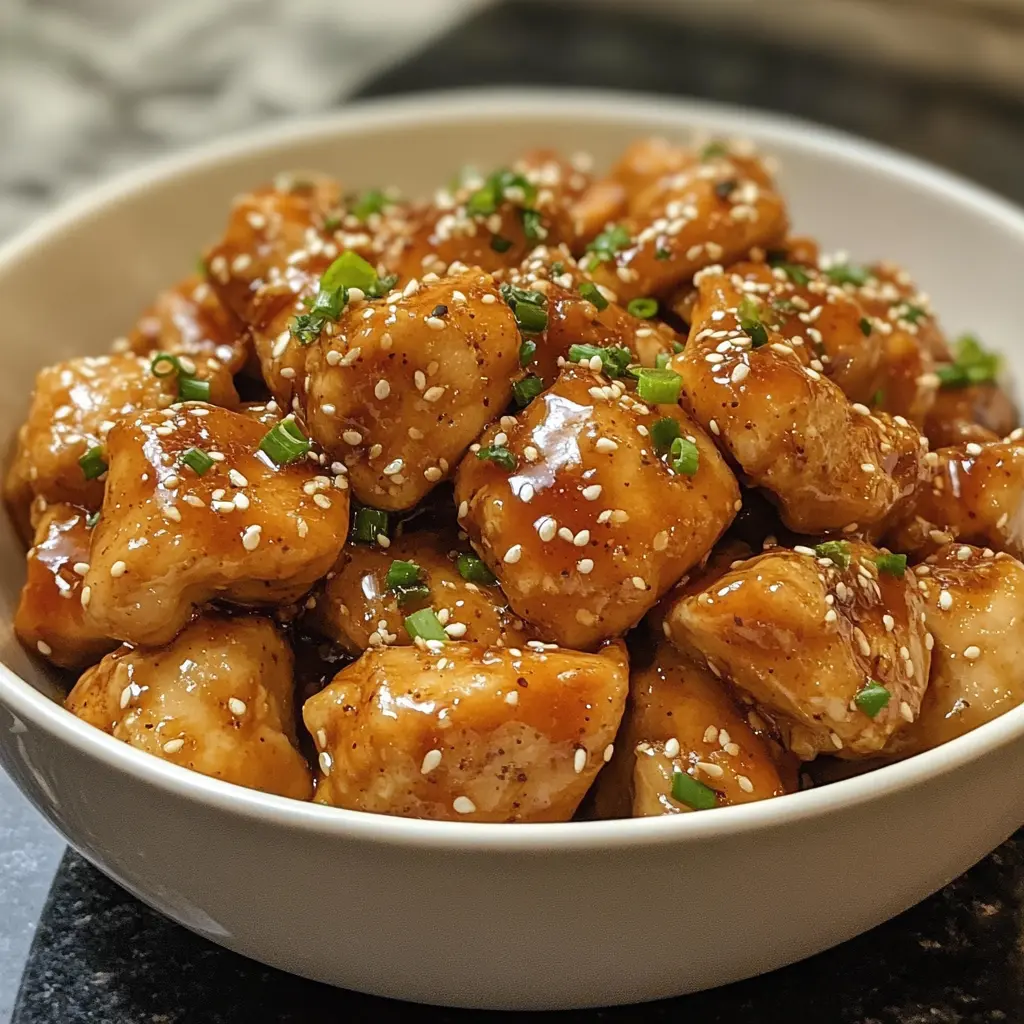
Slow Cooker Honey Sesame Chicken
Are you craving restaurant-quality Asian-inspired chicken without the takeout price tag? This Slow Cooker Honey Sesame Chicken delivers tender, flavorful chicken bathed in a sweet and savory sauce that rivals your favorite restaurant. Moreover, it requires minimal effort and uses simple ingredients you probably already have in your pantry.
This hands-off dinner solution transforms ordinary chicken breasts into a mouthwatering meal. Additionally, the slow cooking process ensures the chicken stays juicy and tender. Furthermore, the honey sesame sauce creates a glossy, finger-licking glaze that coats every bite perfectly.
Why Slow Cooker Honey Sesame Chicken Works
The Magic of Slow Cooking
Slow cookers transform tough proteins into tender, succulent dishes. The low, steady heat breaks down chicken fibers gradually. Therefore, you get perfectly cooked meat without any dryness.
This cooking method also allows flavors to develop deeply. The honey caramelizes slightly during the long cooking process. As a result, you achieve complex flavor profiles that quick cooking can’t replicate.
Time-Saving Benefits
Busy families need efficient dinner solutions. This recipe requires only 15 minutes of prep time. Then, the slow cooker does all the heavy lifting for 3-4 hours.
You can prepare ingredients in the morning before work. When you return home, dinner is essentially ready. Simply thicken the sauce and serve over rice or noodles.
Family-Friendly Appeal
Kids and adults both love this sweet and savory combination. The honey provides natural sweetness without overwhelming spice. Meanwhile, the sesame adds nutty depth that appeals to sophisticated palates.
Picky eaters often approve of this dish. The familiar flavors remind them of takeout favorites. However, you control the ingredients and can adjust seasonings to suit your family’s preferences.
Essential Ingredients for Perfect Results
Protein Selection
Boneless, skinless chicken breasts serve as the traditional choice. They cook evenly and absorb the sauce beautifully. Each breast should weigh approximately 6-8 ounces for consistent cooking.
Chicken thighs offer a fattier, more forgiving alternative. They remain juicier during extended cooking times. Furthermore, thighs provide richer flavor that some home cooks prefer.
Cut your chicken into 1-2 inch cubes before cooking. Smaller pieces cook faster and more evenly. Additionally, bite-sized chunks make serving and eating more convenient.
Sauce Components
Honey forms the sweet foundation of this dish. Use pure, natural honey for best results. The quality of honey directly impacts the final flavor profile.
Low-sodium soy sauce provides salty, umami depth. Using low-sodium varieties prevents the dish from becoming too salty. You can always add more salt, but you can’t remove it.
Sesame oil delivers authentic Asian flavor. Just a small amount (½-2 teaspoons) makes a significant impact. This ingredient distinguishes your dish from generic chicken recipes.
Flavor Enhancers
Fresh garlic adds aromatic complexity. Minced garlic cloves work better than garlic powder. Generally, 2-4 cloves provide sufficient garlic flavor without overwhelming other ingredients.
Ginger contributes warm, spicy notes. Fresh grated ginger tastes superior to dried versions. However, ground ginger works in a pinch if fresh isn’t available.
Ketchup might seem unexpected in Asian-inspired dishes. Nevertheless, it adds tomato sweetness and helps create the sauce’s body. Most recipes call for 2-4 tablespoons.
Thickening Agents
Cornstarch transforms the thin cooking liquid into a glossy sauce. Mix cornstarch with cold water before adding it to hot liquid. This prevents clumping and ensures smooth sauce texture.
You’ll need approximately 3-4 tablespoons of cornstarch. Combine it with an equal amount of cold water. Then, whisk the mixture into your sauce during the final cooking stage.
Garnishes and Toppings
Sesame seeds provide visual appeal and textural contrast. Toasted sesame seeds offer deeper flavor than raw ones. Sprinkle them generously over the finished dish.
Green onions add fresh, sharp flavor. Slice them thinly on a diagonal for restaurant-style presentation. Both white and green parts work well as garnish.
Step-by-Step Cooking Instructions
Preparation Phase
Start by preparing your slow cooker. Spray the interior with non-stick cooking spray. This prevents sticking and makes cleanup significantly easier.
Cut chicken into uniform pieces. Season lightly with salt and black pepper. This initial seasoning enhances the chicken’s natural flavor.
Creating the Sauce
Combine honey, soy sauce, and ketchup in a medium bowl. Add sesame oil, minced garlic, and any additional flavorings. Whisk everything together until fully incorporated.
Some recipes include diced onion directly in the sauce. Others use minced onion or onion powder. Choose based on your texture preferences.
Add optional ingredients like red pepper flakes now. Just ¼ teaspoon adds subtle heat without making the dish spicy. You can always increase this amount for bolder flavor.
Combining Ingredients
Place seasoned chicken pieces in the prepared slow cooker. Pour the sauce mixture over the chicken. Stir gently to ensure all chicken pieces are coated.
Arrange chicken in a relatively even layer. This promotes consistent cooking throughout. However, don’t worry about perfect arrangement since the slow cooker circulates heat well.
Cooking Process
Cover the slow cooker with its lid. Set the temperature based on your schedule. Low heat requires 3-4 hours, while high heat needs 1.5-2.5 hours.
Start checking chicken temperature after the minimum cooking time. Chicken reaches safe doneness at 165°F internal temperature. Use a meat thermometer for accuracy.
Avoid lifting the lid unnecessarily during cooking. Each time you peek, you add 15-20 minutes to cooking time. Trust the process and resist temptation.
Thickening the Sauce
When chicken is cooked through, transfer it to a plate. Leave the cooking liquid in the slow cooker. This liquid will become your finished sauce.
Mix cornstarch with cold water in a small bowl. Whisk until no lumps remain. Pour this slurry into the slow cooker liquid.
Transfer the sauce to a small saucepan for faster thickening. Cook over medium heat, stirring constantly. The sauce thickens within 2-3 minutes.
Alternatively, add the cornstarch mixture to the slow cooker. Cook on high for 10 minutes with the lid on. This method works but takes slightly longer.
Final Assembly
Cut or shred the cooked chicken into bite-sized pieces. Return chicken to the thickened sauce. Toss everything together until chicken is well coated.
Keep the mixture warm on low heat until serving time. This allows flavors to meld further. Additionally, it ensures your meal stays hot for hungry family members.
Garnish with sesame seeds and sliced green onions just before serving. Fresh garnishes add color, texture, and visual appeal. They also provide a contrast to the sweet sauce.
Pro Tips for Maximum Flavor
Browning the Chicken First
Consider searing chicken pieces before slow cooking. Heat oil in a skillet over medium-high heat. Brown chicken for 1-2 minutes per side.
This optional step adds extra flavor depth. The Maillard reaction creates complex, savory notes. However, you can skip this if you’re short on time.
Adjusting Sweetness Levels
Honey amounts vary widely in different recipes. Start with ½ cup for more balanced flavor. Increase to 1 cup if you prefer sweeter dishes.
Taste the sauce before serving. Add more honey if needed, or balance excessive sweetness with rice vinegar. Small adjustments make big differences.
Adding Vegetables
Incorporate vegetables during the last hour of cooking. Broccoli florets, snap peas, or bell peppers work wonderfully. They absorb sauce flavor while maintaining some crunch.
Avoid adding vegetables at the beginning. Extended cooking turns them mushy and unappealing. Timing matters for texture preservation.
Controlling Spice Levels
Red pepper flakes add gentle heat. Start with ¼ teaspoon for mild warmth. Increase to ½ teaspoon or more for spicier results.
Sriracha sauce provides another heat option. Add 1-2 teaspoons to the sauce mixture. This creates a different type of spiciness compared to pepper flakes.
Sauce Consistency Tips
If sauce seems too thin after thickening, add more cornstarch slurry. Mix additional cornstarch with cold water gradually. Add small amounts until desired thickness is achieved.
Conversely, thin overly thick sauce with chicken broth. Add one tablespoon at a time. Stir well between additions to assess consistency.
Serving Suggestions and Pairings
Rice Options
White rice serves as the classic base for this dish. Its neutral flavor allows the chicken and sauce to shine. Cook rice according to package directions for foolproof results.
Brown rice offers a healthier, nuttier alternative. It provides more fiber and nutrients than white rice. However, it requires longer cooking time.
Jasmine rice brings fragrant, slightly sweet notes. This aromatic variety complements Asian-inspired dishes perfectly. Its delicate texture pairs beautifully with the sticky sauce.
Noodle Variations
Lo mein noodles create an authentic Asian experience. Toss cooked noodles with the sauced chicken. This combination mimics popular takeout dishes.
Rice noodles work well for gluten-sensitive diners. Prepare them according to package instructions. They absorb the honey sesame sauce wonderfully.
Soba noodles add earthy, nutty flavor. These buckwheat noodles provide additional protein and fiber. Furthermore, they offer interesting textural contrast.
Vegetable Sides
Steamed broccoli provides healthy, colorful contrast. Its slight bitterness balances the sweet sauce. Additionally, broccoli adds important vitamins and minerals.
Stir-fried snap peas contribute fresh crunch. Season them simply with salt and garlic. Their bright green color makes plates visually appealing.
Asian slaw offers refreshing tanginess. Combine shredded cabbage, carrots, and a light vinegar dressing. This side cuts through the rich, sweet sauce.
Complete Meal Ideas
Serve this chicken over cauliflower rice for low-carb options. The cauliflower absorbs sauce while keeping calories minimal. This substitution works surprisingly well.
Create lettuce wraps for a lighter presentation. Use butter lettuce or iceberg leaves. Fill them with chicken, rice, and fresh vegetables.
Transform leftovers into fried rice. Chop the chicken and mix with day-old rice. Add eggs, vegetables, and soy sauce for a new meal.
Storage and Reheating Guidelines
Refrigeration Methods
Transfer cooled chicken to airtight containers. Store in the refrigerator for up to 5 days. Proper storage prevents bacterial growth and maintains quality.
Keep sauce and chicken together for best results. The sauce keeps the chicken moist during storage. Separation causes the chicken to dry out.
Label containers with the preparation date. This helps you track freshness accurately. Always use the oldest leftovers first.
Freezing Instructions
Freeze this dish for up to 3 months. Use freezer-safe containers or heavy-duty freezer bags. Remove as much air as possible before sealing.
Portion leftovers into single-serving containers before freezing. This allows you to thaw only what you need. Individual portions also thaw faster than large batches.
Thaw frozen chicken overnight in the refrigerator. Never thaw at room temperature for food safety reasons. Plan ahead for successful meal reheating.
Reheating Techniques
Microwave individual portions in 1-minute intervals. Stir between intervals for even heating. Add a splash of water if the sauce seems too thick.
Reheat larger portions on the stovetop. Use medium-low heat and stir frequently. This method maintains better texture than microwaving.
Oven reheating works well for maintaining quality. Place chicken in a covered dish at 350°F. Heat for 15-20 minutes until warmed through.
Common Mistakes to Avoid
Overcooking the Chicken
Chicken breast dries out quickly when overcooked. Check temperature after minimum cooking time. Remember that chicken continues cooking slightly after removal from heat.
Using a meat thermometer ensures perfect doneness. Insert it into the thickest part of the chicken. Once it reads 165°F, your chicken is ready.
Skipping the Cornstarch Step
Raw sauce appears thin and watery. Don’t skip the thickening process at the end. The cornstarch slurry transforms thin liquid into restaurant-quality sauce.
Always mix cornstarch with cold water first. Adding cornstarch directly to hot liquid creates lumps. This simple step ensures smooth, glossy results.
Using Too Much Soy Sauce
Soy sauce adds essential saltiness and umami. However, too much makes the dish inedibly salty. Stick to recipe measurements, especially with regular soy sauce.
Low-sodium soy sauce provides better control. You can adjust saltiness more easily. Remember that the sauce reduces and concentrates during cooking.
Incorrect Chicken Size
Unevenly cut chicken cooks inconsistently. Some pieces dry out while others remain undercooked. Take time to cut uniform pieces.
Very large chicken breasts should be butterflied or halved. This ensures even cooking throughout. Smaller, consistent pieces deliver better results.
Forgetting to Grease the Slow Cooker
Chicken and sauce stick to ungreased slow cookers. This creates difficult cleanup and wastes food. Always spray with non-stick cooking spray first.
Alternatively, use slow cooker liners. These disposable bags make cleanup virtually effortless. They’re especially helpful for sticky, sweet sauces.
Nutritional Information
Calorie Content
A typical serving contains approximately 230-360 calories. The variation depends on whether you use chicken breasts or thighs. Thighs contain more fat and therefore more calories.
Most calories come from the honey and chicken. The sauce itself is relatively low in fat. Serving size significantly impacts overall calorie intake.
Macronutrient Breakdown
Protein content ranges from 20-35 grams per serving. Chicken provides high-quality, complete protein. This macronutrient supports muscle maintenance and satiety.
Carbohydrates total approximately 35-40 grams per serving. Most carbs come from honey and ketchup. These simple sugars provide quick energy.
Fat content varies based on chicken choice. Chicken breasts contain minimal fat (1-2 grams). Thighs contribute more fat but also more flavor.
Sodium Considerations
Soy sauce contributes significant sodium. Each serving may contain 500-800mg of sodium. Using low-sodium soy sauce reduces this amount by 30-40%.
Consider reducing soy sauce further if you’re sodium-sensitive. Replace some soy sauce with chicken broth. This maintains volume while cutting sodium.
Vitamin and Mineral Content
Chicken provides important B vitamins. These support energy metabolism and nervous system function. Additionally, chicken contains selenium and phosphorus.
Sesame seeds contribute calcium and iron. While garnish amounts are small, they add nutritional value. They also provide healthy fats and fiber.
Making It Healthier
Use chicken breasts instead of thighs for lower fat content. This simple swap reduces calories and saturated fat. However, breasts require more careful timing to prevent dryness.
Reduce honey by 25-30% to lower sugar content. The dish remains tasty with less sweetness. You can always add more honey to individual servings.
Serve over cauliflower rice instead of white rice. This substitution dramatically reduces carbohydrates and calories. It’s an excellent option for low-carb diets.
Recipe Variations to Try
Spicy Honey Sesame Chicken
Double or triple the red pepper flakes. Add sriracha sauce to the initial sauce mixture. This creates a spicy-sweet combination that excites taste buds.
Include fresh jalapeños or Thai chilies for extra heat. Remove seeds for milder spiciness. Slice them thinly and add during the last hour of cooking.
Garlic-Heavy Version
Increase garlic to 6-8 cloves for garlic lovers. Garlic mellows during slow cooking, so more is often better. This variation adds aromatic depth.
Consider adding garlic powder in addition to fresh garlic. This provides layers of garlic flavor. Use ½ teaspoon of powder along with minced fresh cloves.
Pineapple Honey Sesame Chicken
Add 1 cup of pineapple chunks during the last hour. Pineapple juice also works well in the sauce. This tropical twist adds fruity sweetness.
Use canned pineapple for convenience. Drain it well before adding to prevent watering down the sauce. Fresh pineapple works too but requires more prep.
Teriyaki-Style Version
Replace half the honey with brown sugar. Add extra ginger and garlic to the sauce. Include mirin or rice vinegar for authentic teriyaki flavor.
This variation tastes slightly less sweet. The brown sugar provides molasses notes. It’s a sophisticated alternative to the original recipe.
Cashew Honey Sesame Chicken
Add ½ cup of raw cashews during the last 30 minutes. They soften slightly while maintaining some crunch. Cashews add protein and healthy fats.
Toasted cashews provide even more flavor. Toast them in a dry skillet before adding. This extra step enhances their natural sweetness.
Frequently Asked Questions
Can I use frozen chicken for slow cooker honey sesame chicken?
Starting with frozen chicken is not recommended for food safety reasons. Frozen chicken takes too long to reach safe temperatures in a slow cooker. Always thaw chicken completely in the refrigerator before cooking.
How do I know when the chicken is done?
Use a meat thermometer to check internal temperature. Chicken is safely cooked at 165°F. Insert the thermometer into the thickest part of the chicken for accurate reading.
Can I make this in an Instant Pot instead?
Yes, this recipe adapts well to pressure cooking. Cook on high pressure for 8-10 minutes with quick release. The sauce won’t reduce as much, so you’ll need to thicken it on sauté mode.
What can I substitute for honey?
Maple syrup or agave nectar work as honey replacements. Brown sugar mixed with a bit of water also works. Each substitute creates slightly different flavor profiles.
Is this recipe gluten-free?
Not automatically, because regular soy sauce contains wheat. Use tamari or coconut aminos for gluten-free versions. Check all ingredient labels to ensure compliance.
Can I double this recipe?
Yes, but ensure your slow cooker has sufficient capacity. Don’t fill it more than 2/3 full for proper heat circulation. Cooking time remains approximately the same.
Why is my sauce too thin?
You may need more cornstarch to achieve desired thickness. Add an additional tablespoon of cornstarch mixed with cold water. Alternatively, simmer the sauce longer to reduce it naturally.
How can I make this less sweet?
Reduce honey to ½ cup or less. Add rice vinegar or lime juice to balance sweetness. The acidity cuts through sugar and creates more complex flavor.
Conclusion
Slow Cooker Honey Sesame Chicken offers restaurant-quality results with minimal effort. This recipe transforms simple ingredients into a crowd-pleasing meal that satisfies everyone. Whether you’re feeding picky kids or hosting dinner guests, this dish delivers consistently delicious results.
The combination of sweet honey and savory sesame creates irresistible flavor. The slow cooking method ensures tender, juicy chicken every single time. Plus, the hands-off nature makes it perfect for busy weeknights.
Try this recipe tonight and discover why it’s become a family favorite in households everywhere. Serve it over rice, toss it with noodles, or create lettuce wraps for variety. The possibilities are endless with this versatile dish.
Print
Slow Cooker Honey Sesame Chicken
Description
Slow Cooker Honey Sesame Chicken
Ingredients:
-
2 lbs boneless, skinless chicken thighs or breasts
-
½ cup honey
-
¼ cup soy sauce
-
3 cloves garlic, minced
-
1 tsp ginger, minced
-
2 tbsp rice vinegar
-
2 tbsp ketchup
-
1 tsp sesame oil
-
2 tbsp cornstarch + 2 tbsp water (slurry, optional for thickening)
-
2 tsp sesame seeds, for garnish
-
2 green onions, sliced (for garnish)
-
Cooked rice, for serving
Instructions:
-
Prepare the Chicken:
-
Place chicken in the slow cooker.
-
-
Make the Sauce:
-
In a bowl, whisk together honey, soy sauce, garlic, ginger, rice vinegar, ketchup, and sesame oil.
-
Pour over chicken.
-
-
Cook:
-
Cover and cook on Low for 4–5 hours or High for 2–3 hours, until chicken is tender.
-
-
Optional Thickening:
-
Remove chicken and set aside.
-
Pour sauce into a small saucepan and bring to a simmer.
-
Stir in cornstarch slurry and cook until thickened.
-
-
Combine and Serve:
-
Return chicken to the sauce and toss to coat.
-
Serve over cooked rice and garnish with sesame seeds and sliced green onions.
-