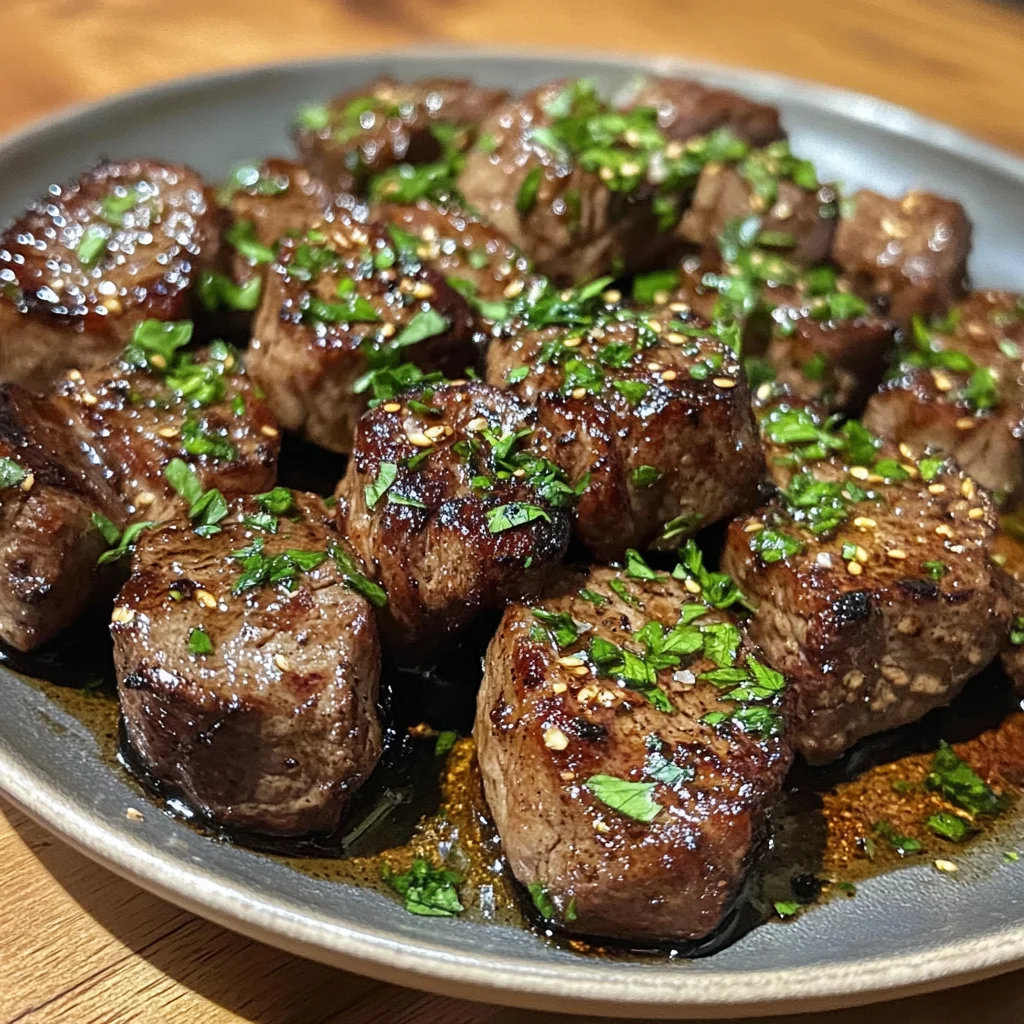
Brown Sugar Garlic Butter Steak Bites: The Ultimate Guide to Perfect Flavor
Introduction
Brown Sugar Garlic Butter Steak Bites have become one of the most sought-after recipes for busy weeknight dinners. These tender morsels of perfectly seared beef combine sweet, savory, and buttery flavors in every bite. Moreover, they’re ready in just 15-20 minutes, making them ideal for quick meals.
The magic happens when caramelized brown sugar meets rich garlic butter. This creates a glossy coating that transforms simple steak cubes into restaurant-quality bites. Additionally, the bite-sized format means more surface area for that delicious crust.
Whether you’re cooking for family dinner or hosting a casual gathering, these steak bites deliver. They’re versatile, customizable, and absolutely irresistible. In fact, they’ve become a viral sensation across social media platforms for good reason.
What Makes Brown Sugar Garlic Butter Steak Bites Special
The Perfect Balance of Flavors
Brown Sugar Garlic Butter Steak Bites offer an exceptional flavor profile. The sweetness from brown sugar caramelizes beautifully during cooking. Furthermore, it creates a subtle glaze that enhances the beef’s natural umami.
Garlic butter adds richness and aromatic depth to every piece. The combination balances sweet and savory notes perfectly. Therefore, each bite delivers complex flavors without overwhelming the palate.
Quick Cooking Time
These steak bites cook significantly faster than whole steaks. Their small size means heat penetrates quickly and evenly. Consequently, you can have dinner on the table in under 20 minutes.
The rapid cooking also helps maintain tenderness. Since the meat spends less time exposed to heat, it stays juicy. Additionally, the quick sear locks in moisture while developing a flavorful crust.
Versatility for Any Occasion
Brown Sugar Garlic Butter Steak Bites work for multiple occasions. They’re perfect as a main course, appetizer, or party food. Moreover, they pair well with countless side dishes.
You can serve them on their own or over rice, pasta, or vegetables. They also make excellent meal prep options for busy weeks. Therefore, mastering this recipe gives you endless dining possibilities.
Choosing the Perfect Cut of Steak
Best Cuts for Steak Bites
Sirloin stands as the most popular choice for steak bites. It offers excellent flavor, tenderness, and affordability. Additionally, sirloin has moderate marbling that keeps bites juicy.
Ribeye provides the richest flavor due to generous marbling. However, it costs more than sirloin but delivers exceptional taste. Meanwhile, tenderloin (filet mignon) offers maximum tenderness with mild flavor.
Strip steak serves as another excellent option. It balances tenderness and beefy flavor beautifully. Furthermore, it cuts easily into uniform cubes for even cooking.
Understanding Meat Quality
Choose well-marbled beef for the best results. Marbling refers to the white fat streaks throughout the meat. Moreover, this fat melts during cooking, creating tender and flavorful bites.
Look for bright red meat without dark spots or discoloration. Fresh beef should smell clean, not sour or off-putting. Additionally, avoid pre-cut steak cubes, which often come from lower-quality cuts.
Select steaks that are at least 1-inch thick. This thickness allows proper cubing while maintaining juiciness. Therefore, thicker steaks produce better steak bites than thin cuts.
Preparing Your Steak
Remove steak from refrigeration 30-45 minutes before cooking. Room temperature meat cooks more evenly than cold meat. Consequently, this step prevents overcooked exteriors with cold centers.
Trim excess fat but leave some for flavor. Too much fat can cause excessive smoke and greasiness. However, some fat enhances taste and prevents dryness.
Cut steak into uniform 1-inch cubes for consistent cooking. All pieces should be approximately the same size. Therefore, every bite will reach the perfect doneness simultaneously.
Essential Ingredients Breakdown
The Core Components
Steak: Select 1½ to 2 pounds of quality beef for 4 servings. This amount provides generous portions for main courses. Alternatively, use less for appetizer servings.
Brown Sugar: Use 2-4 tablespoons depending on sweetness preference. Brown sugar adds caramelization and subtle molasses notes. Moreover, it helps create that signature glossy coating.
Butter: Include 3-4 tablespoons of unsalted butter for richness. Butter creates a luxurious sauce base. Furthermore, it carries garlic flavor throughout the dish.
Garlic: Use 4-6 fresh cloves, minced finely. Fresh garlic provides the best aromatic punch. Additionally, it develops sweet, nutty notes when sautéed in butter.
Seasonings and Aromatics
Salt and Black Pepper: Season generously with both. Salt enhances natural beef flavors. Meanwhile, pepper adds gentle heat and complexity.
Olive Oil: Use 2 tablespoons for high-heat searing. Olive oil prevents sticking and helps achieve proper crust. Moreover, it withstands the high temperatures needed for searing.
Fresh Herbs: Parsley works best for garnish and freshness. Thyme and rosemary offer alternative herb options. Additionally, herbs balance the richness of butter and beef.
Optional Flavor Enhancers
Worcestershire Sauce: Add 1-2 teaspoons for umami depth. This ingredient amplifies savory notes naturally. Furthermore, it complements both sweet and garlicky elements.
Soy Sauce: Include for Asian-inspired variations. Low-sodium soy sauce prevents oversalting. Additionally, it adds rich, complex flavors.
Red Pepper Flakes: Sprinkle for subtle heat. Start with ¼ teaspoon and adjust to taste. Moreover, heat enhances other flavors in the dish.
Step-by-Step Cooking Instructions
Preparation Phase
Pat steak cubes completely dry with paper towels. Moisture prevents proper searing and causes steaming instead. Therefore, dry meat is essential for developing crust.
Combine brown sugar with salt, pepper, and other seasonings. Toss steak cubes in this mixture until evenly coated. Additionally, let seasoned meat rest 5-10 minutes at room temperature.
Mince garlic finely and keep it ready near the stove. Prepare all ingredients before heating your pan. Consequently, you’ll avoid burning garlic during the quick cooking process.
Searing the Steak Bites
Heat a cast iron skillet over medium-high to high heat. The pan must be extremely hot before adding meat. Moreover, cast iron provides even heat distribution and excellent searing.
Add olive oil and wait until it shimmers. Shimmering indicates the oil has reached optimal temperature. Furthermore, this prevents steak from sticking to the pan.
Place steak cubes in a single layer without crowding. Overcrowding lowers pan temperature and causes steaming. Therefore, work in batches if necessary for proper searing.
Let steak cook undisturbed for 1-2 minutes per side. Resist the urge to move pieces around constantly. Additionally, meat releases naturally when properly seared.
Creating the Garlic Butter Sauce
Remove seared steak to a plate and tent with foil. Resting allows juices to redistribute throughout the meat. Meanwhile, reduce heat to medium-low for the sauce.
Add butter to the still-hot pan and let it melt. Swirl the pan to coat the bottom evenly. Moreover, the residual beef flavor in the pan enriches the butter.
Add minced garlic and sauté for 30-60 seconds only. Garlic burns quickly, so watch it carefully. Furthermore, burnt garlic tastes bitter and ruins the dish.
Finishing Touches
Return steak bites to the pan with any accumulated juices. Toss everything together to coat with garlic butter. Additionally, this step rewarms the meat gently.
Cook for just 1-2 minutes while stirring constantly. Overcooking at this stage makes meat tough. Therefore, keep this final step brief.
Remove from heat and stir in fresh chopped parsley. The residual heat wilts the herbs perfectly. Moreover, parsley adds color and freshness to the rich dish.
The Science Behind Brown Sugar in Marinades
Caramelization Process
Brown sugar contains sucrose that breaks down under high heat. This process, called caramelization, creates hundreds of flavor compounds. Moreover, it produces the characteristic golden-brown color and sweet aroma.
The Maillard reaction occurs between sugars and amino acids in meat. This chemical reaction develops complex, savory-sweet flavors. Additionally, it creates an appealing crust on the steak bites.
Brown sugar caramelizes at lower temperatures than white sugar. Its molasses content adds depth and subtle bitterness. Therefore, brown sugar creates more nuanced flavors than regular sugar.
Tenderizing Properties
Sugar in marinades helps tenderize meat through osmosis. It draws out moisture, then allows the marinade to penetrate deeply. Furthermore, this process enhances overall juiciness and flavor.
Research shows that brown sugar reduces harmful compound formation during high-heat cooking. Studies published in food chemistry journals confirm this benefit. Moreover, it makes grilled and seared meats healthier.
The moisture retention from sugar keeps steak bites from drying out. This becomes especially important for lean cuts like sirloin. Consequently, sugar acts as both flavoring agent and moisture preserver.
Balancing Sweetness
Brown sugar shouldn’t overpower the beef’s natural flavor. Use 2-3 tablespoons per pound of meat as a guideline. Additionally, balance sweetness with salt and umami elements.
The savory garlic butter sauce cuts through sugar’s sweetness. This balance creates a harmonious flavor profile. Moreover, it prevents the dish from tasting like dessert.
Adjust brown sugar based on personal preference and occasion. Start conservatively and increase in future batches. Therefore, you can customize sweetness to your exact taste.
Common Mistakes to Avoid
Overcrowding the Pan
Many home cooks place too many steak cubes in the pan at once. Overcrowding drops the pan temperature significantly. Consequently, meat steams instead of searing.
Always leave space between each piece of meat. Work in 2-3 batches for larger quantities. Moreover, this ensures every piece develops a proper crust.
A properly seared exterior is crucial for flavor development. Steamed meat tastes bland and has poor texture. Therefore, patience with batch cooking pays off tremendously.
Moving Meat Too Soon
Resist the temptation to constantly flip or stir the steak. Meat needs time to develop a crust before releasing. Additionally, premature moving tears the surface and loses precious juices.
Let each side cook undisturbed for at least 1-2 minutes. The meat will naturally release when ready to flip. Furthermore, this patience results in better texture and flavor.
Only turn steak bites once or twice during cooking. Excessive movement prevents proper caramelization. Therefore, let heat work its magic without interference.
Overcooking the Steak
Steak bites cook much faster than whole steaks. Medium-rare doneness takes only 3-4 minutes total cooking time. Moreover, carryover cooking continues after removing from heat.
Pull steak bites from heat when slightly undercooked. They’ll reach perfect doneness during resting. Additionally, overcooked beef becomes tough and chewy.
Use a meat thermometer for precision if needed. Medium-rare registers at 125-130°F internally. Therefore, aim for 120-125°F before removing from heat.
Using Cold Meat
Cooking refrigerator-cold steak leads to uneven results. The exterior overcooks before the center warms up. Consequently, you end up with tough, grey meat.
Let steak sit at room temperature for 30-45 minutes. This simple step ensures even cooking throughout. Moreover, it helps achieve consistent doneness across all pieces.
Never skip this resting period, especially with thicker cuts. Room temperature meat also sears better. Therefore, plan ahead and remove meat from refrigeration early.
Flavor Variations and Customizations
Asian-Inspired Version
Replace brown sugar with honey for different sweetness. Add soy sauce and fresh ginger to the marinade. Furthermore, finish with sesame seeds and sliced green onions.
Include a splash of rice vinegar for tanginess. This brightens the rich garlic butter base. Additionally, serve over jasmine rice or rice noodles.
Sriracha or chili garlic sauce adds pleasant heat. Mix it directly into the garlic butter sauce. Therefore, every bite carries spicy, sweet, and savory notes.
Herb-Forward Profile
Swap parsley for fresh rosemary and thyme. These woody herbs complement beef beautifully. Moreover, they create an elegant, restaurant-quality presentation.
Add fresh oregano and basil for Italian flair. Finish with a squeeze of lemon juice for brightness. Additionally, serve alongside roasted tomatoes and crusty bread.
Tarragon offers a sophisticated, slightly licorice-like flavor. It pairs exceptionally well with butter and beef. Therefore, consider it for special occasions.
Spicy Variation
Double or triple the red pepper flakes for heat lovers. Add cayenne pepper to the initial seasoning mix. Furthermore, include sliced jalapeños when making the garlic butter.
Hot sauce makes an excellent finishing touch. Drizzle it over plated steak bites just before serving. Moreover, it adds both heat and vinegary tang.
Chipotle powder contributes smoky heat. Mix it with brown sugar for a sweet-spicy rub. Therefore, you create complex layers of flavor.
Low-Sugar Option
Reduce brown sugar to just 1 tablespoon or omit entirely. Increase savory seasonings like onion powder and garlic powder. Additionally, add extra fresh garlic for bold flavor.
Balsamic vinegar provides sweetness without added sugar. It also contributes tangy complexity to the sauce. Moreover, it creates a rich glaze similar to brown sugar.
Focus on umami-rich ingredients like mushrooms and tomatoes. These enhance meatiness without sweetness. Therefore, you maintain depth while reducing sugar content.
Best Side Dishes to Serve
Potato Options
Creamy mashed potatoes remain a classic pairing. They soak up the delicious garlic butter sauce perfectly. Moreover, their mild flavor balances the bold steak bites.
Roasted baby potatoes with herbs offer rustic appeal. Toss them with olive oil, rosemary, and sea salt. Additionally, their crispy exteriors contrast nicely with tender beef.
French fries or sweet potato fries provide casual options. They’re perfect for family dinners or game day gatherings. Therefore, consider them for relaxed dining occasions.
Vegetable Sides
Roasted asparagus delivers elegant simplicity. Season with garlic, lemon, and parmesan for extra flavor. Furthermore, its slight bitterness complements rich steak perfectly.
Sautéed green beans with almonds add crunch and nutrition. They cook quickly and bring color to the plate. Moreover, they provide a light counterpoint to buttery steak.
Roasted Brussels sprouts with balsamic glaze taste incredible. Their caramelized edges match the steak’s seared crust. Additionally, they offer sophisticated flavor complexity.
Salads and Grains
Simple green salad with vinaigrette provides freshness. Include mixed greens, cherry tomatoes, and cucumber. Moreover, acidic dressing cuts through the rich butter sauce.
Garlic butter rice makes an excellent base for steak bites. Cook rice in beef broth for extra flavor. Furthermore, it absorbs all the delicious pan juices.
Creamy polenta offers Southern comfort food appeal. Its smooth texture pairs beautifully with tender beef. Therefore, it creates a restaurant-worthy presentation.
Storage and Meal Prep Tips
Proper Storage Methods
Cool steak bites completely before refrigerating. Transfer them to airtight containers within 2 hours of cooking. Moreover, store sauce separately if possible for better texture.
Refrigerated steak bites last 3-4 days when stored properly. Keep them in the coldest part of your refrigerator. Additionally, label containers with the date for tracking freshness.
Freeze steak bites for up to 3 months in freezer-safe containers. Separate layers with parchment paper to prevent sticking. Therefore, you can grab just what you need easily.
Reheating Instructions
Reheat steak bites gently to prevent overcooking. Microwave on 50% power in 30-second intervals. Moreover, add a splash of beef broth to prevent drying.
Stovetop reheating preserves texture better than microwaving. Heat a skillet over medium-low with butter. Additionally, warm steak bites just until heated through.
Oven reheating works well for larger quantities. Preheat to 350°F and cover meat with foil. Furthermore, this method ensures even heating throughout.
Meal Prep Strategies
Cut and season steak cubes up to 24 hours ahead. Store in refrigerator until ready to cook. Moreover, this saves valuable time on busy weeknights.
Pre-measure seasonings and store in small containers. Mince garlic fresh for best flavor, or use within 1 day. Additionally, organize all ingredients before cooking begins.
Cook steak bites fresh rather than prepping cooked ones. They taste significantly better when freshly prepared. Therefore, save prep work for ingredients, not the final dish.
Nutritional Information
Macronutrient Breakdown
A 4-ounce serving of steak bites contains approximately 300-350 calories. This includes the meat, butter, and brown sugar coating. Moreover, portion size significantly affects total calorie count.
Protein content ranges from 30-35 grams per serving. This makes steak bites excellent for muscle maintenance and satiety. Additionally, complete proteins from beef contain all essential amino acids.
Fat content typically measures 15-20 grams per serving. Most comes from butter and natural beef marbling. Furthermore, using leaner cuts reduces overall fat content.
Vitamins and Minerals
Beef provides excellent iron, particularly heme iron. This form absorbs more efficiently than plant-based iron. Moreover, adequate iron supports healthy blood cells and energy.
Zinc and B-vitamins are abundant in quality beef. These nutrients support immune function and metabolism. Additionally, vitamin B12 is only found naturally in animal products.
Garlic contributes antioxidants and anti-inflammatory compounds. It may support heart health and immune function. Therefore, garlic butter provides benefits beyond flavor.
Making Healthier Choices
Choose grass-fed beef for better omega-3 fatty acid ratios. It typically contains less overall fat than grain-fed beef. Moreover, grass-fed beef offers higher levels of beneficial nutrients.
Reduce butter and brown sugar for lower calorie options. Use cooking spray instead of oil for searing. Additionally, increase herbs and spices to maintain flavor.
Pair steak bites with vegetable-heavy sides. This balances the meal nutritionally. Furthermore, it adds fiber and micronutrients to your plate.
Frequently Asked Questions
What’s the best cut of beef for Brown Sugar Garlic Butter Steak Bites?
Sirloin offers the best balance of flavor, tenderness, and affordability. However, ribeye provides maximum marbling and richness. Tenderloin works perfectly for the most tender bites. Moreover, strip steak delivers excellent results at reasonable prices. Choose based on your budget and flavor preferences.
How do I prevent steak bites from becoming tough?
Avoid overcooking by monitoring time carefully. Remove steak when it reaches 120-125°F for medium-rare. Additionally, let meat rest at room temperature before cooking. Cut against the grain if using flap meat or skirt steak. Therefore, these steps ensure tender results every time.
Can I make Brown Sugar Garlic Butter Steak Bites ahead of time?
Fresh preparation yields the best flavor and texture. However, you can cut and season meat 24 hours ahead. Store seasoned steak in the refrigerator until cooking time. Moreover, prepare side dishes in advance instead of the main dish. Therefore, focus prep time on ingredients rather than cooked steak.
What temperature should steak bites be cooked to?
Medium-rare steak bites should reach 125-130°F internally. Medium doneness occurs at 135-140°F. Additionally, remember that meat continues cooking after removing from heat. Pull steak bites 5 degrees below target temperature. Therefore, use an instant-read thermometer for accuracy.
How can I adjust the recipe for Brown Sugar Garlic Butter Steak Bites to be less sweet?
Reduce brown sugar to 1 tablespoon or omit completely. Increase savory elements like garlic, onion powder, and herbs. Moreover, add Worcestershire sauce for umami depth. Balsamic vinegar provides tang without excess sweetness. Therefore, you maintain complexity while reducing sugar content.
Can I use frozen steak for this recipe?
Fresh steak produces superior results. However, completely thawed steak works if fresh isn’t available. Thaw frozen steak in the refrigerator overnight. Moreover, pat it extremely dry before seasoning and cooking. Never cook steak bites from frozen. Therefore, always plan ahead for proper thawing.
Conclusion
Brown Sugar Garlic Butter Steak Bites deliver restaurant-quality flavor at home. These tender, caramelized morsels combine sweet and savory notes perfectly. Moreover, they come together in just 15-20 minutes for quick weeknight meals.
Success depends on choosing quality beef and mastering proper searing techniques. Don’t overcrowd your pan, and let meat develop a crust before flipping. Additionally, avoid overcooking to maintain tenderness and juiciness.
The versatility of Brown Sugar Garlic Butter Steak Bites makes them endlessly adaptable. Customize seasonings, adjust sweetness, and pair with countless side dishes. Therefore, this recipe becomes a valuable addition to your cooking repertoire.
Print