
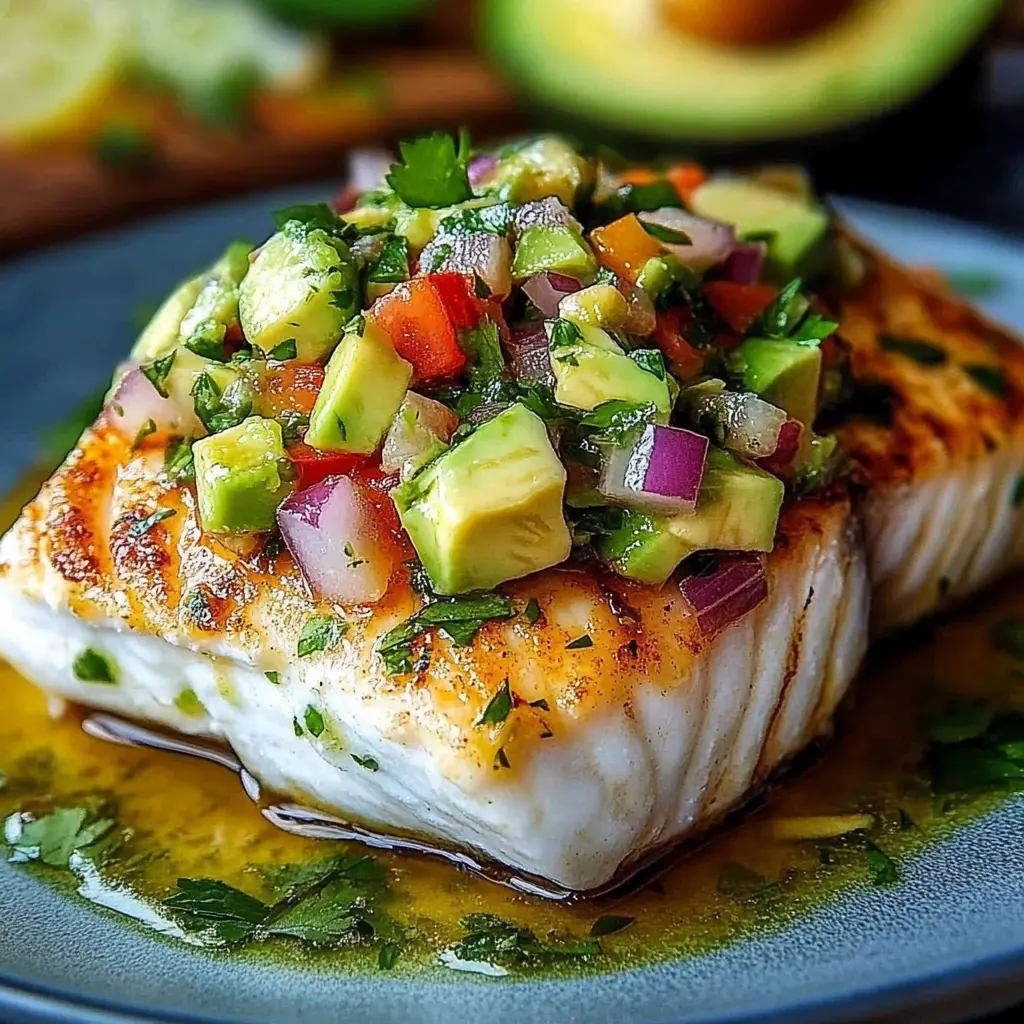
Coconut Lime Fish with Avocado Salsa: A Fresh, Tropical Dinner Recipe
Introduction
Imagine biting into perfectly cooked fish kissed with tropical coconut and zesty lime, topped with creamy avocado salsa. That’s exactly what you get with Coconut Lime Fish with Avocado Salsa—a restaurant-quality dish you can make at home in under 30 minutes. This recipe combines the richness of coconut milk with the brightness of fresh lime juice, creating a flavor profile that transports your taste buds straight to the tropics.
Whether you’re looking for a quick weeknight dinner or an impressive meal for guests, this dish delivers. Moreover, making it perfect for families and anyone who prefers cooking without added spirits. The combination of flaky white fish, creamy coconut sauce, and fresh avocado salsa creates a harmonious balance of textures and flavors.
This recipe is incredibly versatile, too. You can use various types of fish, adjust the spice level, and customize the salsa to your preferences. Best of all, it’s packed with nutrients, healthy fats, and lean protein, making it both delicious and nutritious.
Why You’ll Love This Coconut Lime Fish
This tropical fish recipe offers numerous benefits that make it stand out from other seafood dishes. Here’s why it should become a regular in your dinner rotation:
Quick and Easy Preparation
First and foremost, this recipe requires minimal cooking time. The fish cooks in just 10-12 minutes, while the avocado salsa comes together in about 5 minutes. Therefore, you can have a complete meal on the table in less than half an hour. This makes it ideal for busy weeknights when you need something fast yet impressive.
Bursting with Fresh Flavors
The combination of coconut and lime creates an incredibly fresh and vibrant taste. The coconut milk adds a subtle sweetness and creaminess, while the lime juice provides a tangy contrast. Additionally, the avocado salsa brings cooling freshness that balances the rich coconut sauce perfectly.
Nutritious and Wholesome
This dish is loaded with healthy ingredients. Fish provides lean protein and omega-3 fatty acids. Coconut milk offers healthy fats and medium-chain triglycerides. Furthermore, avocados contribute heart-healthy monounsaturated fats, fiber, and essential vitamins. It’s a nutrient-dense meal that supports overall health.
Versatile and Customizable
You can adapt this recipe to suit different dietary preferences and ingredient availability. Swap the fish variety, adjust the heat level, or modify the salsa ingredients. The flexibility makes it easy to work with what you have on hand.
Family-Friendly
it’s suitable for all family members. The mild flavors appeal to most palates, and you can easily adjust the spice level for children or sensitive eaters.
Key Ingredients Breakdown
Understanding your ingredients helps you make the best Coconut Lime Fish with Avocado Salsa. Let’s explore what makes each component special:
Fish Selection
Choosing the right fish is crucial for this recipe. You want a firm, white fish that holds up well during cooking and pairs beautifully with coconut lime flavors.
Best Fish Options:
-
Mahi-mahi: Firm texture and mild, slightly sweet flavor
-
Cod: Flaky, tender, and readily available
-
Halibut: Dense, meaty texture with delicate taste
-
Tilapia: Budget-friendly and mild-flavored
-
Sea bass: Buttery texture and subtle sweetness
-
Snapper: Firm and slightly sweet
Look for fresh fish with clear eyes, firm flesh, and a clean ocean smell. Frozen fish works well too, just ensure it’s properly thawed before cooking.
Coconut Milk
Full-fat coconut milk creates the signature creamy sauce in this dish. It provides richness without any dairy and adds subtle tropical sweetness. Always shake the can well before opening to combine the cream and liquid. For a lighter version, you can use light coconut milk, though the sauce will be thinner.
Fresh Lime
Lime juice is essential for balancing the richness of coconut milk. Use fresh lime juice rather than bottled for the best flavor. Both the juice and zest add brightness and acidity that cut through the creamy sauce. Plan on using 2-3 limes for optimal flavor.
Avocados
Ripe avocados form the base of your salsa. They should yield slightly to gentle pressure but not feel mushy. The creamy texture and mild flavor of avocado complement the coconut lime fish perfectly while adding healthy fats and fiber.
Aromatics and Seasonings
Garlic adds depth and savory notes to the coconut sauce. Fresh garlic is preferred, but garlic powder works in a pinch.
Ginger brings warmth and a subtle spicy undertone that enhances the tropical flavor profile. Fresh grated ginger is ideal.
Cilantro provides herby freshness in the avocado salsa. If you’re among those who find cilantro tastes like soap, substitute with fresh parsley.
Jalapeño adds optional heat to the salsa. Remove the seeds and membranes for milder heat, or include them for more spice.
Step-by-Step Recipe Instructions
Creating perfect Coconut Lime Fish with Avocado Salsa requires attention to timing and technique. Follow these detailed instructions for restaurant-quality results.
Preparing the Fish
Start by patting your fish fillets completely dry with paper towels. This step is critical because moisture prevents proper browning and creates steam instead of a nice sear. Season both sides generously with salt and freshly ground black pepper.
Next, heat a large skillet over medium-high heat. Add two tablespoons of cooking oil—coconut oil is ideal for maintaining the tropical theme, though olive oil or avocado oil work equally well. Allow the oil to heat until it shimmers but doesn’t smoke.
Carefully place the fish fillets in the hot pan, giving them space and avoiding overcrowding. Overcrowding lowers the pan temperature and prevents browning. Cook for 3-4 minutes on the first side without moving the fish. This creates a beautiful golden crust.
Making the Coconut Lime Sauce
While the fish cooks on the first side, you can start preparing your sauce. In a medium bowl, combine:
-
1 can (13.5 oz) full-fat coconut milk
-
3 tablespoons fresh lime juice
-
2 cloves garlic, minced
-
1 tablespoon fresh grated ginger
-
1 teaspoon honey or maple syrup
-
½ teaspoon salt
-
¼ teaspoon black pepper
Whisk these ingredients together until well combined. The sauce should be smooth and pourable.
After the fish has developed a golden crust on the first side, carefully flip the fillets. Immediately pour the coconut lime sauce into the pan around the fish. The sauce will sizzle and begin reducing immediately.
Reduce the heat to medium and let the fish continue cooking in the sauce for another 4-5 minutes. The exact time depends on the thickness of your fillets. Fish is done when it reaches an internal temperature of 145°F (63°C) and flakes easily with a fork.
As the fish cooks, gently spoon some of the sauce over the top of the fillets occasionally. This bastes the fish and infuses it with coconut lime flavor. The sauce will thicken slightly as it reduces.
Creating the Avocado Salsa
While your fish simmers in the coconut sauce, prepare the fresh avocado salsa. This colorful topping adds texture, freshness, and visual appeal.
Ingredients for Avocado Salsa:
-
2 ripe avocados, diced
-
1 cup cherry tomatoes, quartered
-
¼ red onion, finely diced
-
1 jalapeño, seeded and minced (optional)
-
¼ cup fresh cilantro, chopped
-
2 tablespoons lime juice
-
Salt to taste
In a medium bowl, gently combine the diced avocados with lime juice first. This prevents browning and adds flavor. Then, add the tomatoes, red onion, jalapeño (if using), and cilantro. Toss everything together gently to avoid mashing the avocado. Season with salt to taste.
The salsa should have a chunky texture with visible pieces of avocado and tomato. Prepare this just before serving to maintain the best texture and prevent the avocado from oxidizing.
Final Assembly
Once your fish is cooked through and the sauce has thickened to your liking, remove the pan from heat. The coconut lime sauce should coat the back of a spoon and have a silky consistency.
Transfer the fish fillets to serving plates. Spoon the coconut lime sauce generously over each fillet. Top with a generous portion of fresh avocado salsa. Garnish with additional lime wedges and fresh cilantro leaves if desired.
Tips for Perfect Coconut Lime Fish
Achieving restaurant-quality results requires attention to detail. These expert tips ensure your Coconut Lime Fish with Avocado Salsa turns out perfectly every time.
Temperature Control Matters
Maintaining proper cooking temperature is crucial. Too high, and the fish burns before cooking through. Too low, and you won’t achieve that desirable golden crust. Medium-high heat for searing, then medium heat for finishing in the sauce creates the ideal cooking environment.
Use a thermometer to check doneness. Fish should reach 145°F (63°C) internally. At this temperature, it flakes easily but remains moist and tender.
Don’t Overcook the Fish
Overcooked fish becomes dry, rubbery, and unpleasant. Since fish continues cooking slightly after removing from heat, take it off just before it reaches perfect doneness. The residual heat will finish the job while the fish rests.
Choose Quality Ingredients
Fresh, high-quality ingredients make a noticeable difference. Buy the freshest fish available, use real coconut milk (not cream of coconut), and squeeze fresh lime juice. These elements significantly impact the final flavor.
Season Generously
Fish needs proper seasoning to bring out its best flavor. Don’t be shy with salt and pepper. The coconut sauce also benefits from adequate seasoning to balance the natural sweetness of coconut milk.
Let the Sauce Reduce Properly
Allow time for the coconut lime sauce to reduce and thicken. A watery sauce doesn’t cling to the fish or provide the rich, creamy texture you want. Patience here pays off with better flavor concentration and consistency.
Prep Ingredients in Advance
Having everything ready before you start cooking makes the process smooth and stress-free. Measure your coconut sauce ingredients, dice your salsa components, and season your fish beforehand. This organization prevents rushing and ensures better results.
Avocado Salsa: The Perfect Topping
The avocado salsa elevates this dish from good to extraordinary. Understanding how to make perfect salsa ensures optimal flavor and texture.
Selecting Ripe Avocados
Choosing properly ripe avocados is essential. Squeeze gently—ripe avocados yield to gentle pressure but shouldn’t feel mushy. The skin should be dark green to almost black. If your avocados are too firm, place them in a paper bag with a banana or apple overnight to speed ripening.
Preventing Oxidation
Avocados turn brown quickly when exposed to air. Combat this by tossing cut avocado immediately with lime juice. The acid slows oxidation and preserves the vibrant green color. Additionally, make the salsa as close to serving time as possible.
Texture Considerations
The best avocado salsa has a chunky texture with distinct pieces of each ingredient. Dice the avocado into uniform cubes rather than mashing it. This creates visual appeal and provides satisfying texture contrast against the creamy coconut sauce.
Balancing Flavors
Great salsa balances multiple flavors. The avocado provides creaminess, tomatoes add acidity and sweetness, onion brings sharpness, cilantro offers herbaceousness, and lime juice provides brightness. Adjust these elements to your taste preferences.
Adding Heat
The jalapeño is optional but recommended for those who enjoy a little kick. Control the heat level by adjusting how much jalapeño you include and whether you remove the seeds. For mild heat, use just a small amount of deseeded jalapeño. For more intense spice, include some seeds.
Alternative Salsa Ingredients
Feel free to customize your avocado salsa with these additions:
-
Mango chunks for tropical sweetness
-
Cucumber for extra crunch
-
Corn kernels for sweetness and texture
-
Bell peppers for color and mild flavor
-
Fresh pineapple for tangy sweetness
Serving Suggestions and Pairings
Coconut Lime Fish with Avocado Salsa pairs beautifully with various side dishes and accompaniments. Here are some excellent options:
Rice Options
Coconut rice is the natural choice, echoing the tropical flavors in the fish. Cook white rice in a mixture of coconut milk and water for extra richness.
Jasmine rice offers a fragrant, slightly sticky texture that soaks up the coconut lime sauce perfectly.
Cilantro lime rice complements the dish’s flavors while adding fresh herbaceous notes.
Brown rice provides a nutty flavor and added fiber for a healthier option.
Vegetable Sides
Sautéed spinach with garlic offers a simple, nutritious side that doesn’t compete with the main dish’s bold flavors.
Roasted asparagus brings earthy notes and elegant presentation.
Grilled zucchini or summer squash provides light, fresh vegetables that balance the rich coconut sauce.
Steamed broccoli offers nutritional benefits and a mild flavor that pairs well with tropical fish.
Salad Options
Mixed green salad with a light citrus vinaigrette provides refreshing contrast to the rich fish.
Asian slaw with cabbage, carrots, and sesame dressing complements the tropical theme.
Cucumber salad with rice vinegar dressing offers cool, crisp relief between bites of coconut-sauced fish.
Bread and Grains
Garlic naan or flatbread is perfect for soaking up extra coconut lime sauce.
Quinoa provides a protein-rich, nutty base that works well with tropical flavors.
Cauliflower rice offers a low-carb alternative that still absorbs the delicious sauce.
Beverage Pairings
Serve this dish with refreshing,beverages that complement the tropical flavors:
-
Fresh coconut water
-
Lime sparkling water
-
Tropical fruit smoothies
-
Iced herbal tea with mint
-
Fresh pineapple juice
-
Homemade limeade
Nutritional Benefits
Coconut Lime Fish with Avocado Salsa isn’t just delicious—it’s incredibly nutritious. Let’s break down the health benefits of this tropical dish.
High-Quality Protein
Fish provides complete protein containing all essential amino acids your body needs. A typical serving offers 20-25 grams of lean protein, supporting muscle maintenance, repair, and overall health. Protein also promotes satiety, helping you feel full and satisfied.
Omega-3 Fatty Acids
Many fish varieties used in this recipe contain omega-3 fatty acids, particularly EPA and DHA. These essential fats support heart health, brain function, and reduce inflammation throughout the body. Regular fish consumption is associated with numerous health benefits.
Healthy Fats from Coconut and Avocado
Both coconut milk and avocado provide healthy fats that support various body functions. Coconut milk contains medium-chain triglycerides (MCTs), which your body metabolizes differently than long-chain fats. Avocados offer monounsaturated fats that support heart health and help absorb fat-soluble vitamins.
Vitamins and Minerals
This dish delivers an impressive array of micronutrients:
From fish:
-
Vitamin D
-
Vitamin B12
-
Selenium
-
Iodine
-
Phosphorus
From avocado:
-
Potassium
-
Folate
-
Vitamin K
-
Vitamin E
-
Vitamin C
From lime:
-
Vitamin C
-
Antioxidants
-
Flavonoids
From tomatoes:
-
Lycopene
-
Vitamin C
-
Vitamin A
-
Potassium
Anti-Inflammatory Properties
Several ingredients in this dish possess anti-inflammatory properties. Ginger contains gingerol, a bioactive compound with powerful anti-inflammatory effects. Omega-3s from fish also help reduce inflammation. The antioxidants in tomatoes, lime, and cilantro further support this benefit.
Digestive Support
Coconut milk may support digestive health. Ginger aids digestion and can help reduce nausea. The fiber in avocado promotes healthy digestion and regular bowel movements.
Approximate Nutritional Information Per Serving
-
Calories: 420-480
-
Protein: 28-32g
-
Carbohydrates: 18-22g
-
Fat: 28-32g
-
Fiber: 7-9g
-
Sugar: 5-7g
These values vary based on the specific fish used and portion sizes.
Recipe Variations and Substitutions
One of the best features of Coconut Lime Fish with Avocado Salsa is its versatility. Here are numerous ways to customize the recipe:
Fish Substitutions
While white fish works best, you can experiment with different varieties:
Salmon creates a richer, more robust version with higher omega-3 content. The stronger flavor pairs well with coconut lime sauce.
Shrimp cooks even faster and offers a different texture. Use large shrimp and adjust cooking time to 2-3 minutes per side.
Scallops provide a sweet, delicate option that works beautifully with the sauce. Sear them for 2-3 minutes per side.
Tuna steaks offer a meatier texture. Keep them slightly pink in the center for best results.
Sauce Variations
Spicy coconut lime: Add red pepper flakes or sriracha to the sauce for heat.
Thai-inspired: Include lemongrass and Thai basil for authentic Southeast Asian flavors.
Citrus blend: Mix lime with lemon or orange juice for different citrus notes.
Herbed coconut: Add fresh basil, mint, or Thai basil to the sauce.
Salsa Modifications
Mango avocado salsa: Replace tomatoes with fresh mango chunks for tropical sweetness.
Pineapple salsa: Include fresh pineapple for tangy, sweet notes.
Corn and black bean: Add these ingredients for a heartier, Southwestern-style salsa.
Cucumber avocado: Replace tomatoes with cucumber for extra crunch and coolness.
Cooking Method Alternatives
Baked version: Place fish in a baking dish, pour sauce over, and bake at 375°F for 15-18 minutes.
Grilled fish: Grill the fish separately and warm the sauce on the stovetop. Serve sauce over grilled fish.
Slow cooker: Place fish and sauce in a slow cooker on low for 2-3 hours for incredibly tender results.
Air fryer: Cook seasoned fish in the air fryer at 400°F for 10-12 minutes, then serve with warmed coconut lime sauce.
Dietary Modifications
Paleo-friendly: This recipe is naturally paleo when you use honey instead of maple syrup.
Whole30: Omit sweeteners from the sauce for Whole30 compliance.
Keto: Serve with cauliflower rice instead of regular rice for a low-carb option.
Dairy-free: This recipe is already dairy-free as written.
Gluten-free: Naturally gluten-free with no modifications needed.
Storage and Meal Prep Tips
Understanding proper storage techniques helps you enjoy leftovers safely and maintain optimal quality.
Storing Cooked Fish
Transfer cooked Coconut Lime Fish to an airtight container within two hours of cooking. Refrigerate for up to 3 days. Store the fish and sauce together to keep the fish moist. Reheat gently in the microwave or on the stovetop over low heat to prevent overcooking.
Avocado Salsa Storage
Fresh avocado salsa is best consumed immediately. However, you can store it for up to 24 hours in an airtight container in the refrigerator. Press plastic wrap directly onto the surface of the salsa to minimize air exposure and prevent browning. Stir well before serving and discard any darkly oxidized portions.
Freezing Guidelines
While cooked fish can be frozen, the texture may change slightly upon thawing. Freeze in airtight containers for up to 2 months. Thaw overnight in the refrigerator before reheating.
Do not freeze avocado salsa—the texture becomes unpleasant and watery after thawing.
Meal Prep Strategies
Prep the coconut lime sauce up to 3 days in advance. Store in the refrigerator and bring to room temperature before using.
Season fish the night before cooking. Store covered in the refrigerator until ready to cook.
Prep salsa ingredients by dicing vegetables and storing them separately. Combine and add avocado just before serving.
Cook rice in advance and reheat when ready to serve.
Reheating Instructions
Microwave method: Place fish and sauce in a microwave-safe dish. Cover and heat on 50% power in 30-second intervals until warmed through.
Stovetop method: Add fish and sauce to a pan over low heat. Cover and warm gently, stirring occasionally, until heated through.
Oven method: Place fish and sauce in an oven-safe dish, cover with foil, and warm at 300°F for 10-15 minutes.
Avoid high heat when reheating to prevent the fish from becoming tough and dry.
Frequently Asked Questions
What is the best fish for Coconut Lime Fish with Avocado Salsa?
Firm white fish like mahi-mahi, cod, halibut, or sea bass work best. These varieties hold up well during cooking and have mild flavors that complement the coconut lime sauce. Choose fresh fish when possible for optimal taste and texture.
Can I use light coconut milk instead of full-fat?
Yes, light coconut milk works, though the sauce will be thinner and less creamy. Full-fat coconut milk provides the rich, luxurious texture that makes this dish special. If using light coconut milk, you may want to reduce it longer to achieve better consistency.
How do I know when the fish is done cooking?
Fish is done when it reaches an internal temperature of 145°F (63°C) and flakes easily with a fork. The flesh should be opaque throughout with no translucent areas. Overcooking makes fish dry, so monitor carefully.
Can I make this dish ahead of time?
You can prepare components separately. Make the coconut lime sauce up to 3 days ahead and prep salsa ingredients. However, cook the fish fresh for best results. The avocado salsa should be assembled just before serving to maintain color and texture.
Is this recipe spicy?
The base recipe is mild with subtle tropical flavors. Heat comes only from optional jalapeño in the salsa. Control the spice level by adjusting jalapeño amount or omitting it entirely for a completely mild dish.
What can I substitute for cilantro?
If you dislike cilantro, substitute fresh parsley, basil, or mint. Each herb provides different flavor notes but works well in the avocado salsa. Parsley is the most neutral substitute.
Can I use frozen fish?
Yes, frozen fish works well. Thaw completely in the refrigerator overnight before cooking. Pat very dry before seasoning and cooking to ensure proper browning. Avoid thawing at room temperature or in warm water.
How do I prevent avocados from turning brown?
Toss cut avocado immediately with lime juice to slow oxidation. Make the salsa as close to serving time as possible. Store with plastic wrap pressed directly on the surface to minimize air exposure.
What sides go well with this dish?
Rice (coconut, jasmine, or cilantro lime), quinoa, cauliflower rice, and various vegetables all pair beautifully. Light salads, roasted vegetables, and crusty bread for soaking up sauce are excellent choices.
Can I grill the fish instead?
Absolutely. Grill seasoned fish over medium-high heat for 3-4 minutes per side. Warm the coconut lime sauce separately on the stovetop. Serve the grilled fish topped with sauce and avocado salsa for a summery variation.
Conclusion
Coconut Lime Fish with Avocado Salsa represents everything a weeknight dinner should be—quick, delicious, nutritious, and impressive. The combination of creamy coconut sauce, bright lime, tender fish, and fresh avocado salsa creates a restaurant-quality meal in your own kitchen. Moreover, this recipe accommodates various dietary preferences while delivering exceptional flavor.
The versatility of this dish means you’ll never get bored. Swap the fish variety, adjust the heat level, modify the salsa ingredients, or change the cooking method to suit your preferences. Whether you’re cooking for your family, entertaining guests, or meal prepping for the week, this recipe delivers consistent results.
The nutritional benefits make this dish as good for your body as it is for your taste buds. High-quality protein, healthy fats, omega-3s, and abundant vitamins and minerals come together in a balanced meal that supports overall wellness. The tropical flavors transport you to a beachside paradise, turning an ordinary dinner into a mini vacation.
Start experimenting with Coconut Lime Fish with Avocado Salsa today. Once you discover how easy and delicious it is, this recipe will become a regular in your dinner rotation. The combination of simple preparation and impressive results makes it perfect for both everyday meals and special occasions.
Coconut Lime Fish with Avocado Salsa
Description
Coconut Lime Fish with Avocado Salsa
Ingredients
Fish:
• 1 lb white fish fillets (cod, tilapia, or mahi-mahi)
• 1/2 cup coconut milk
• Juice and zest of 1 lime
• 1 tsp garlic powder
• 1/2 tsp paprika
• Salt + black pepper
• 1 tbsp olive oil
Avocado Salsa:
• 1 large avocado, diced
• 1/2 cup cherry tomatoes, quartered
• 1/4 cup red onion, finely diced
• 1 tbsp fresh cilantro, chopped
• Juice of 1 lime
• Salt + black pepper
Instructions
-
In a small bowl, mix coconut milk, lime juice and zest, garlic powder, paprika, salt, and pepper. Marinate fish for 15–20 minutes.
-
Heat olive oil in a skillet over medium-high heat. Cook fish 3–4 minutes per side, until opaque and flaky.
-
While the fish cooks, combine avocado, tomatoes, red onion, cilantro, lime juice, salt, and pepper in a small bowl. Toss gently.
-
Plate fish and top with avocado salsa. Serve with rice, quinoa, or a light salad.