
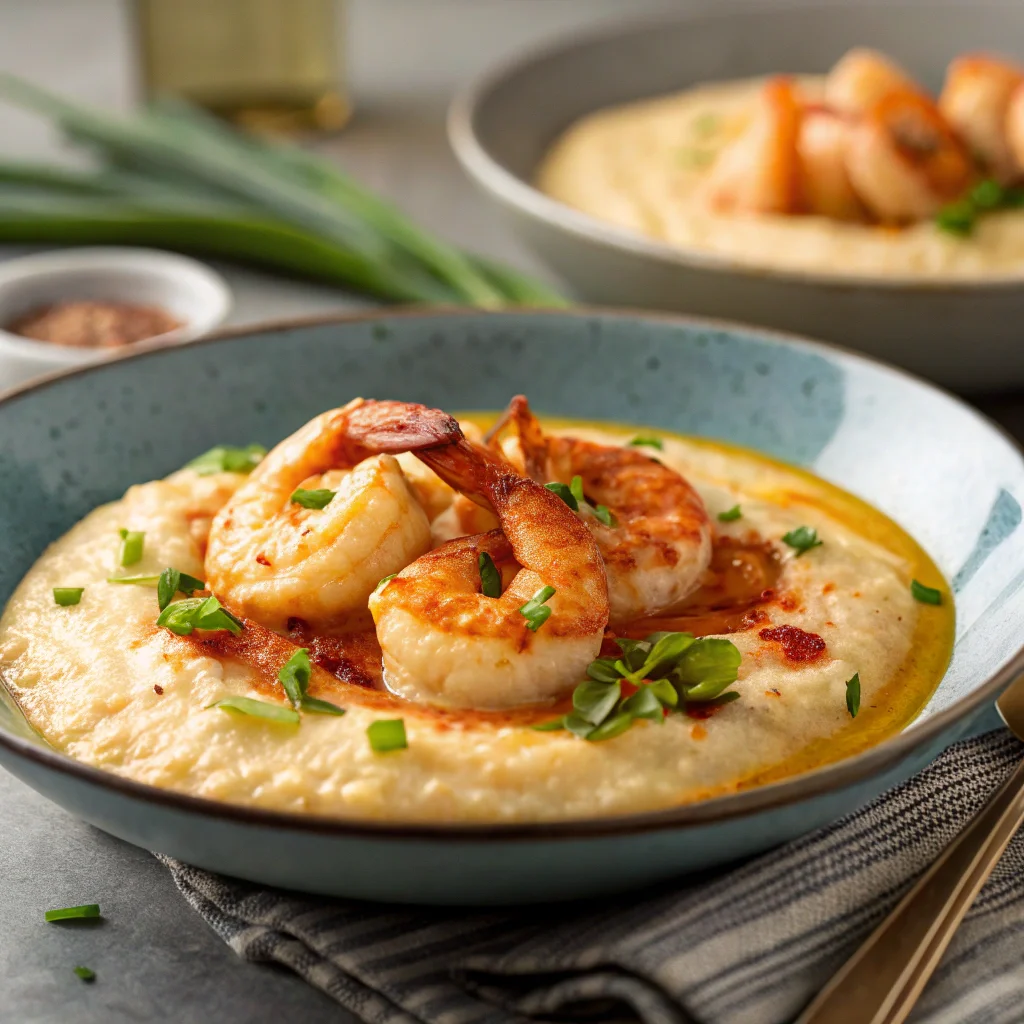
Creamy Cajun Shrimp and Grits: A Soul-Warming Southern Classic
There’s something magical about Creamy Cajun Shrimp and Grits that makes it one of the most beloved dishes in Southern cuisine. This iconic comfort food combines tender, spice-rubbed shrimp with velvety, cheese-infused grits for a meal that’s both elegant and deeply satisfying. Whether you’re cooking for a special occasion or craving restaurant-quality food at home, this complete guide will teach you everything you need to create this masterpiece in your own kitchen.
What Makes Cajun Shrimp and Grits Special
Shrimp and grits represents the heart of Lowcountry cooking. This dish originated in the coastal regions of South Carolina and Georgia. However, when you add bold Cajun spices, you transform it into something extraordinary.
The contrast between creamy, smooth grits and spicy, succulent shrimp creates textural harmony. Each bite offers comfort and excitement. The dish works for breakfast, brunch, lunch, or dinner. That versatility makes it a kitchen staple.
Modern restaurants have elevated this humble dish to fine dining status. Home cooks can achieve the same impressive results. You just need quality ingredients and proper technique.
Essential Ingredients for Perfect Results
For the Grits
Creating perfect creamy grits requires attention to ingredient quality. Start with stone-ground grits for superior flavor and texture. You’ll need:
-
1 cup stone-ground grits
-
4 cups chicken or vegetable broth
-
1 cup heavy cream
-
4 tablespoons unsalted butter
-
1½ cups sharp cheddar cheese, shredded
-
½ teaspoon salt
-
¼ teaspoon black pepper
For the Cajun Shrimp
The shrimp component brings bold, spicy flavors. Gather these ingredients:
-
1½ pounds large shrimp (16-20 count), peeled and deveined
-
2 tablespoons Cajun seasoning
-
3 tablespoons butter
-
1 tablespoon olive oil
-
4 cloves garlic, minced
-
1 small onion, diced
-
1 bell pepper, diced
-
2 celery stalks, diced
-
1 cup chicken broth
-
½ cup heavy cream
-
2 tablespoons fresh lemon juice
-
2 green onions, sliced
-
Fresh parsley for garnish
These ingredients combine to create restaurant-quality results. Each component plays a crucial role.
Choosing the Right Grits
Not all grits deliver the same results. Understanding your options helps you make the best choice.
Stone-Ground Grits
Stone-ground varieties offer the most authentic flavor. Traditional mills preserve natural oils and nutrients. These grits take longer to cook but deliver superior taste.
Quick Grits vs. Instant Grits
Quick grits cook faster but sacrifice some texture. Instant grits should be avoided for this recipe. They become mushy and lack depth. Invest the extra 20 minutes for stone-ground varieties.
Texture Considerations
Coarse grits provide more texture and body. Medium-ground grits create creamier consistency. Choose based on personal preference. Both work beautifully in this recipe.
Preparing Your Cajun Seasoning
Homemade Cajun seasoning brings unmatched freshness. Store-bought versions work in a pinch. However, making your own allows perfect customization.
Homemade Cajun Blend
Combine these spices in a small bowl:
-
2 tablespoons paprika
-
1 tablespoon garlic powder
-
1 tablespoon onion powder
-
1 tablespoon dried oregano
-
1 tablespoon dried thyme
-
1 teaspoon cayenne pepper
-
1 teaspoon black pepper
-
1 teaspoon sea salt
Mix thoroughly and store in an airtight container. This blend stays fresh for three months. Adjust cayenne based on heat preference.
Balancing Heat Levels
Traditional Cajun seasoning packs considerable heat. Reduce cayenne for milder versions. Add extra paprika to maintain color and depth. Remember, you can always add more spice.
Step-by-Step Cooking Instructions
Preparing the Grits
Start by bringing the broth to a boil in a heavy-bottomed pot. Gradually whisk in the grits. Reduce heat to low immediately.
Stir frequently to prevent sticking. Cook for 20-25 minutes until tender. The grits should be creamy but not runny. Add cream and butter during the final five minutes.
Remove from heat and stir in cheese. Season with salt and pepper. Cover to keep warm while preparing shrimp.
Making the Cajun Shrimp
Pat shrimp completely dry with paper towels. Toss with Cajun seasoning until evenly coated. Set aside briefly.
Heat olive oil and one tablespoon butter in a large skillet. Add onions, bell pepper, and celery. Sauté for 4-5 minutes until softened. Add garlic and cook for one minute more.
Push vegetables to the side. Add remaining butter to the center. Place seasoned shrimp in a single layer. Cook for 2 minutes per side until pink and opaque.
Pour in chicken broth and bring to a simmer. Add heavy cream and lemon juice. Simmer for 3-4 minutes until sauce thickens slightly. The sauce should coat the back of a spoon.
Bringing It Together
Spoon creamy grits into shallow bowls. Top generously with Cajun shrimp mixture. Ladle extra sauce over everything. Garnish with green onions and fresh parsley.
Serve immediately while piping hot. The temperature contrast enhances the experience.
Tips for Extra Creamy Grits
Liquid Ratios
Using the right liquid ratio prevents lumpy or thin grits. Start with a 4:1 ratio of liquid to grits. Add more liquid if needed during cooking.
Combining broth and cream creates richness. Some cooks use half-and-half as a lighter alternative. Experiment to find your preference.
Stirring Technique
Stir grits every few minutes initially. Increase frequency toward the end of cooking. Constant stirring develops creaminess. A wooden spoon works better than metal.
Temperature Control
Low, gentle heat produces the creamiest results. High heat causes grits to seize and become grainy. Patience pays off with superior texture.
Adding Cheese
Remove grits from heat before adding cheese. High heat causes cheese to become stringy. Stir gently until fully incorporated. Aged cheddar provides the best flavor.
Getting the Shrimp Perfectly Cooked
Selecting Quality Shrimp
Fresh, wild-caught shrimp offers superior taste. Frozen shrimp works wonderfully when thawed properly. Look for firm texture and mild ocean scent.
Size matters for this dish. Large 16-20 count shrimp provide substantial bites. Jumbo shrimp work for special occasions. Avoid small shrimp that overcook easily.
Proper Seasoning
Season shrimp generously but not excessively. The coating should be visible but not caked. Excess seasoning creates bitterness. Even distribution ensures consistent flavor.
Cooking Time
Shrimp cooks incredibly fast. Overcooked shrimp becomes rubbery and tough. Watch for these signs of doneness:
-
Color turns from gray to pink
-
Flesh becomes opaque
-
Shrimp curl into a C-shape
-
Total cooking time: 4-5 minutes
Remove shrimp immediately when done. Residual heat continues cooking.
Variations and Customizations
Protein Alternatives
While shrimp remains traditional, other proteins work beautifully. Try these options:
Chicken: Cut boneless thighs into bite-sized pieces. Season with Cajun spices and cook until golden.
Andouille Sausage: Slice and brown before adding vegetables. The smoky flavor complements creamy grits perfectly.
Crawfish: Use fresh or frozen crawfish tails. Add during the final cooking minutes.
Combination: Mix shrimp and sausage for extra heartiness.
Vegetable Additions
The holy trinity forms the base. Additional vegetables add nutrition and color:
-
Cherry tomatoes (add with cream)
-
Mushrooms (sauté with vegetables)
-
Spinach (wilt at the end)
-
Okra (traditional Southern addition)
Dairy-Free Options
Replace butter with plant-based alternatives. Use coconut cream instead of heavy cream. Nutritional yeast substitutes for cheese. These modifications maintain creaminess.
Spice Level Adjustments
Control heat through several methods. Reduce cayenne in the seasoning blend. Add more cream to mellow spiciness. Include diced tomatoes for acidity that balances heat.
Serving Suggestions and Pairings
Side Dishes
Creamy Cajun shrimp and grits stands alone as a complete meal. However, complementary sides enhance the experience:
-
Collard greens with bacon
-
Cornbread with honey butter
-
Coleslaw with tangy dressing
-
Southern-style green beans
-
Fresh garden salad
Beverage Pairings
Choose beverages that complement rich, spicy flavors. Consider these options:
-
Sweet iced tea
-
Fresh lemonade
-
Sparkling water with citrus
-
Cold-pressed juice blends
-
Peach sweet tea
Bread Options
Crusty bread soaks up the delicious sauce. Try these varieties:
-
French bread
-
Garlic bread
-
Cornbread muffins
-
Buttermilk biscuits
Presentation Tips
Restaurant-style presentation elevates any meal. Use shallow, wide bowls. Create a grits base that covers the bottom. Arrange shrimp attractively on top. Drizzle sauce artistically. Garnish generously with fresh herbs.
Storage and Reheating Tips
Refrigeration Guidelines
Store grits and shrimp separately for best results. Place in airtight containers within two hours of cooking. Grits last 3-4 days refrigerated. Cooked shrimp stays fresh for 2-3 days.
Label containers with dates. This prevents accidental consumption of spoiled food.
Freezing Instructions
Grits freeze reasonably well. Cool completely before transferring to freezer-safe containers. Leave one inch of headspace for expansion. Freeze for up to three months.
Cooked shrimp doesn’t freeze well in this preparation. The texture becomes rubbery. Cook shrimp fresh when reheating grits.
Reheating Methods
Stovetop Grits: Add splash of broth or cream. Heat gently over low heat. Stir frequently until warmed through. Add extra cheese if needed.
Microwave Grits: Transfer to microwave-safe bowl. Add liquid and cover loosely. Heat in 30-second intervals, stirring between each.
Shrimp Reheating: Warm briefly in skillet over medium heat. Overcooking ruins texture. Heat just until warm.
Nutritional Information
Understanding the nutritional profile helps with meal planning. This analysis covers one generous serving.
Per Serving Breakdown
-
Calories: 620-680
-
Protein: 35-40g
-
Carbohydrates: 45-50g
-
Fat: 32-38g
-
Fiber: 3-4g
-
Sodium: 1200-1400mg
Health Benefits
Shrimp provides excellent lean protein. It contains omega-3 fatty acids that support heart health. Selenium and vitamin B12 boost immune function.
Stone-ground grits offer more nutrients than processed varieties. They contain iron, B vitamins, and fiber. The whole grain nature provides sustained energy.
Making It Lighter
Reduce calories through simple modifications. Use half-and-half instead of heavy cream. Choose reduced-fat cheese. Increase vegetables and reduce butter. These changes maintain flavor while cutting calories.
Common Mistakes to Avoid
Rushing the Grits
Impatience ruins grits every time. Quick cooking creates lumpy, undercooked results. Allow proper time for grits to absorb liquid. The texture should be creamy and tender.
Overcrowding the Pan
Cooking too much shrimp at once lowers pan temperature. This causes steaming instead of searing. Work in batches if necessary. Proper spacing ensures beautiful browning.
Using Pre-Shredded Cheese
Pre-shredded cheese contains anti-caking agents. These additives prevent smooth melting. Block cheese creates superior creaminess. The extra effort makes noticeable difference.
Underseasoning
Bold Cajun flavors require confident seasoning. Taste throughout cooking and adjust accordingly. Under-seasoned food disappoints despite perfect technique. Season layers for complexity.
Wrong Shrimp Size
Small shrimp overcook instantly. Extra-large shrimp take too long. Medium-large (16-20 count) provides the perfect balance. Size consistency ensures even cooking.
Frequently Asked Questions
Can I make Cajun shrimp and grits ahead of time?
Prepare grits up to two days in advance. Store refrigerated in an airtight container. Cook shrimp fresh before serving. This ensures optimal texture and freshness. Reheat grits gently while preparing shrimp.
What’s the difference between grits and polenta?
Both come from corn but differ in variety and grind. Grits use white or yellow dent corn. Polenta typically uses yellow flint corn. The grinding process also varies. Both work in this recipe with slight texture differences.
How do I prevent lumpy grits?
Add grits gradually while whisking constantly. Never dump all at once. Maintain consistent stirring throughout cooking. Use proper liquid ratios. These techniques prevent lumps.
Can I use frozen shrimp?
Absolutely! Thaw frozen shrimp overnight in the refrigerator. Pat completely dry before seasoning. Excess moisture prevents proper browning. Quality frozen shrimp often surpasses “fresh” options at grocery stores.
What makes this dish authentically Cajun?
Traditional Cajun cooking emphasizes the holy trinity: onions, bell peppers, and celery. Bold spices including cayenne, paprika, and garlic create signature heat. Generous use of butter and cream adds richness. These elements define authentic Cajun flavor.
How spicy is this dish?
Heat levels vary based on Cajun seasoning intensity. Standard preparation offers moderate spiciness. The cream tempers heat considerably. Adjust cayenne in the seasoning blend. Start mild and increase gradually.
Can I substitute instant grits?
Stone-ground grits deliver far superior results. Quick grits work as a second option. Instant grits become mushy and lack flavor. Invest time in quality grits for authentic experience.
What other seafood works in this recipe?
Crawfish makes an excellent substitute. Scallops provide sweetness that contrasts beautifully. Crab meat creates luxurious results. Combine multiple seafoods for special occasions.
Conclusion
Creamy Cajun shrimp and grits represents Southern cooking at its finest. This soul-satisfying dish brings together contrasting textures and bold flavors. The combination creates something truly magical on the plate.
Mastering this recipe requires attention to detail. Quality ingredients make remarkable difference. Stone-ground grits provide authentic texture. Fresh shrimp ensures tender, succulent results. Homemade Cajun seasoning delivers unmatched flavor.
The versatility of Cajun shrimp and grits makes it perfect for any occasion. Serve it for weekend brunch. Make it for weeknight dinner. Present it at elegant dinner parties. This dish adapts beautifully to different settings.
Remember the key principles covered in this guide. Cook grits slowly with patience. Season boldly but thoughtfully. Don’t overcook the shrimp. Balance richness with bright, acidic notes.
Start cooking this incredible dish today. Your family and friends will request it repeatedly. The comfort and satisfaction it provides never gets old. Master these techniques and enjoy restaurant-quality results at home.
Ready to explore more Southern classics? Try our complete guide to traditional comfort foods and discover your next favorite recipe.
Creamy Cajun Shrimp and Grits
Description
Creamy Cajun Shrimp and Grits
Ingredients:
-
1 lb large shrimp, peeled and deveined
-
1 teaspoon Cajun seasoning (plus extra for taste)
-
2 tablespoons butter
-
1 tablespoon olive oil
-
4 cloves garlic, minced
-
1 small onion, finely chopped
-
1 cup heavy cream
-
½ cup chicken broth
-
½ cup grated Parmesan cheese
-
Salt and black pepper, to taste
-
4 cups cooked grits (prepared according to package instructions)
-
2 tablespoons chopped green onions, for garnish
Instructions:
-
Prepare the shrimp:
Season shrimp with Cajun seasoning, salt, and pepper. -
Cook the shrimp:
Heat butter and olive oil in a large skillet over medium-high heat. Sear shrimp for 1–2 minutes per side until pink and slightly golden. Remove and set aside. -
Make the creamy sauce:
In the same skillet, sauté garlic and onion until fragrant and translucent. Add heavy cream, chicken broth, Parmesan cheese, and a pinch of Cajun seasoning. Stir and simmer for 2–3 minutes until slightly thickened. -
Combine:
Return shrimp to the skillet, tossing gently in the sauce until heated through. -
Serve over grits:
Spoon creamy grits onto plates and top with Cajun shrimp and sauce. Garnish with chopped green onions.