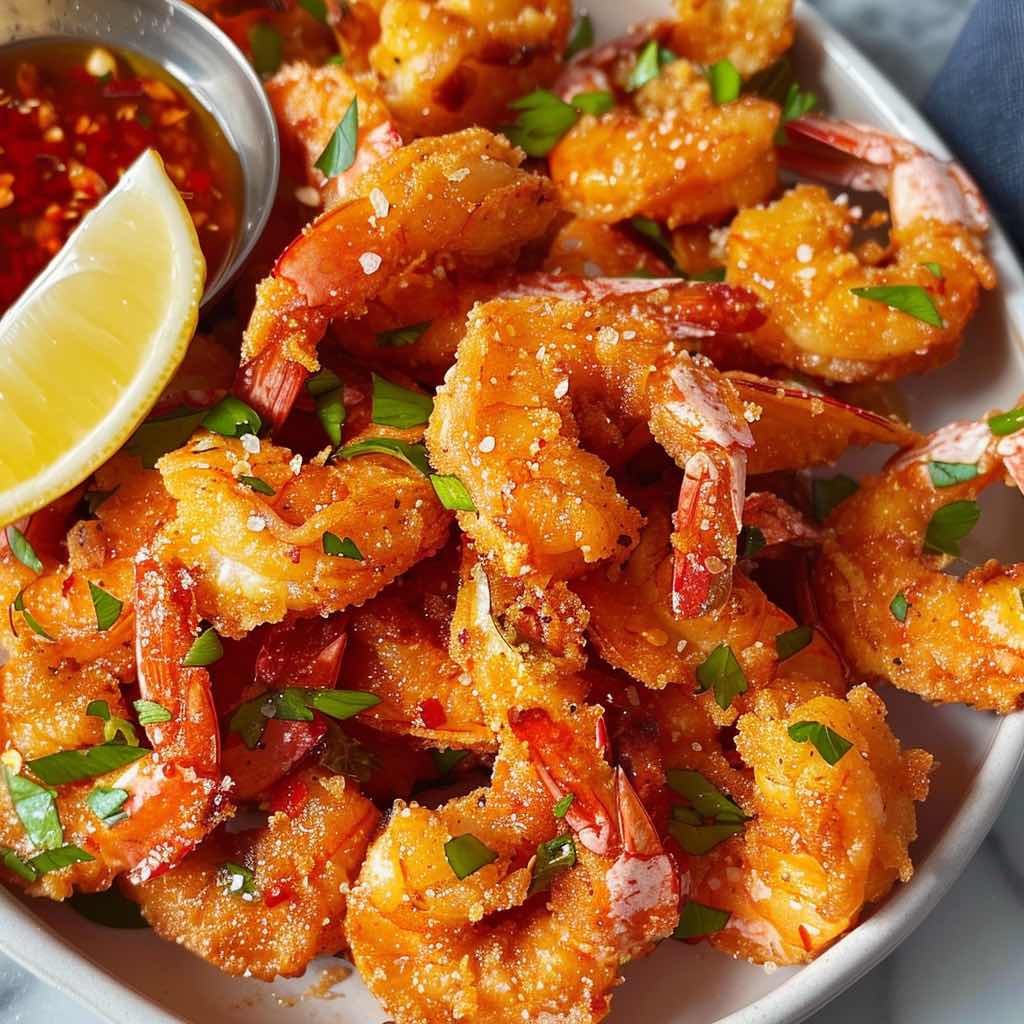
Crispy Butterfly Shrimp: The Ultimate Guide to Perfect Restaurant-Style Shrimp at Home
Introduction
Crispy butterfly shrimp brings restaurant-quality seafood right to your kitchen. This beloved dish features succulent shrimp that’s been butterflied, coated, and cooked to golden perfection. Whether you’re planning a weeknight dinner or hosting a special gathering, mastering crispy butterfly shrimp elevates your cooking repertoire.
The beauty of this dish lies in its versatility. Moreover, it’s surprisingly simple to prepare once you understand the basic techniques. From selecting fresh shrimp to achieving that perfect crunch, this guide walks you through every step. Additionally, you’ll discover various coating options, cooking methods, and creative serving suggestions.
By the end of this article, you’ll have all the knowledge needed to create restaurant-worthy butterfly shrimp. Furthermore, you’ll learn tips for avoiding common mistakes and customizing the recipe to your preferences.
What is Butterfly Shrimp?
Butterfly shrimp refers to shrimp that has been split down the back and opened flat. This technique creates a distinctive shape that resembles butterfly wings. As a result, the shrimp cooks more evenly and provides more surface area for coating.
The History Behind the Dish
This preparation method originated in Asian cuisine. Over time, it became popular in American seafood restaurants. Today, crispy butterfly shrimp appears on menus worldwide. The technique combines functionality with visual appeal.
Why Butterfly Your Shrimp?
Butterflying offers several advantages. First, it removes the vein efficiently. Second, it creates an elegant presentation. Third, it allows for better coating adhesion. Finally, it ensures even cooking throughout.
The flattened shape also makes the shrimp appear larger. Therefore, it’s perfect for impressive dinner presentations. Additionally, the increased surface area means more crispy coating in every bite.
Selecting the Best Shrimp
Quality ingredients make all the difference. Consequently, choosing the right shrimp sets your dish up for success.
Fresh vs. Frozen Shrimp
Both fresh and frozen shrimp work well. However, frozen shrimp often offers better value. Most “fresh” shrimp at markets were previously frozen anyway. Therefore, buying frozen and thawing at home is perfectly acceptable.
Look for these quality indicators:
-
Clear, firm texture
-
Mild ocean scent
-
No black spots
-
Translucent appearance
-
Intact shells
Size Matters
Larger shrimp work best for butterfly preparation. Consider these popular sizes:
Jumbo (16-20 count per pound)
-
Ideal for impressive presentations
-
Easier to butterfly
-
Substantial bite
Large (21-30 count per pound)
-
Good balance of size and value
-
Perfect for most recipes
-
Manageable for beginners
Medium (31-40 count per pound)
-
Budget-friendly option
-
Suitable for appetizers
-
Requires more careful butterflying
Choose based on your needs and budget. Nonetheless, larger shrimp typically deliver better results for this dish.
Sustainability Considerations
Sustainable seafood choices matter.
Essential Butterflying Technique
Mastering this technique ensures consistent results. Practice makes perfect, so don’t worry if your first attempts aren’t flawless.
Step-by-Step Butterflying Process
Prepare Your Workspace
-
Clean cutting board
-
Sharp knife
-
Paper towels
-
Small bowl for shells
The Butterflying Method
-
Peel the shrimp while leaving the tail intact. This provides a handle and attractive presentation.
-
Make a deep cut along the back from head to tail. Cut about three-quarters through the shrimp.
-
Open the shrimp like a book. Press gently to flatten.
-
Remove the vein if present. Rinse under cold water.
-
Pat completely dry with paper towels. Moisture prevents proper coating adhesion.
Pro Tips for Perfect Butterflying
Keep your knife sharp for clean cuts. Additionally, work with cold shrimp for easier handling. Furthermore, consistent depth creates uniform cooking. Therefore, practice on a few shrimp before preparing your entire batch.
Consider scoring the inner surface lightly. This prevents curling during cooking. However, be careful not to cut completely through.
Coating Options for Maximum Crispiness
The coating makes crispy butterfly shrimp truly special. Various options deliver different textures and flavors.
Classic Breading Station
Set up three shallow dishes for efficient coating:
Station 1: Flour Mixture
-
1 cup all-purpose flour
-
1 teaspoon salt
-
½ teaspoon black pepper
-
½ teaspoon garlic powder
-
½ teaspoon paprika
Station 2: Egg Wash
-
2 large eggs
-
2 tablespoons milk
-
Pinch of salt
Station 3: Breadcrumb Coating
-
1½ cups panko breadcrumbs
-
½ cup regular breadcrumbs
-
1 teaspoon seasoning blend
Alternative Coating Methods
Cornflake Coating
Crushed cornflakes create exceptional crunch. Mix with breadcrumbs for best results. This coating stays crispy longer than traditional breadcrumbs.
Tempura-Style Coating
For lighter texture, try a tempura approach. Combine flour, cornstarch, and cold sparkling water. The carbonation creates airiness.
Coconut Coating
Add tropical flair with shredded coconut. Mix sweetened coconut with panko breadcrumbs. This combination offers sweet and savory notes.
Spicy Coating
Incorporate cayenne pepper, chili powder, or hot sauce. Adjust heat levels to your preference. Moreover, add flavor without overwhelming the shrimp.
The Double-Dipping Technique
For extra crispy results, try double-dipping. After the first coating, dip again in egg wash. Then coat with breadcrumbs a second time. This creates an impressively thick crust.
Cooking Methods Compared
Multiple cooking methods produce excellent crispy butterfly shrimp. Each offers unique advantages.
Deep Frying Method
Deep frying delivers classic restaurant-style results. Heat oil to 350°F (175°C) in a heavy pot. Use enough oil to completely submerge the shrimp.
Advantages:
-
Ultimate crispiness
-
Even browning
-
Quick cooking time
Process:
-
Heat oil to proper temperature
-
Fry in small batches
-
Cook 2-3 minutes per side
-
Drain on paper towels
Check out our guide on [insert link to deep frying seafood basics] for more detailed instructions.
Pan Frying Technique
Pan frying uses less oil while still achieving crispiness. Heat ½ inch of oil in a large skillet.
Benefits:
-
Requires less oil
-
Easier cleanup
-
Good control over browning
Steps:
-
Heat oil over medium-high heat
-
Place shrimp in single layer
-
Cook 2-3 minutes per side
-
Transfer to cooling rack
Air Fryer Method
Air frying offers a healthier alternative. Preheat your air fryer to 400°F (200°C).
Why Choose Air Frying:
-
Minimal oil needed
-
Healthier option
-
Consistent results
Instructions:
-
Spray basket lightly with oil
-
Arrange shrimp in single layer
-
Cook 8-10 minutes
-
Flip halfway through
Oven Baking Approach
Oven baking works well for larger batches. Preheat oven to 425°F (220°C).
Oven Method Advantages:
-
Hands-off cooking
-
Makes large quantities
-
More forgiving timing
Baking Process:
-
Arrange on greased baking sheet
-
Spray tops lightly with oil
-
Bake 10-12 minutes
-
Flip once during cooking
Temperature and Timing Guidelines
Proper temperature ensures food safety and texture. Therefore, monitoring closely matters greatly.
Doneness Indicators:
-
Pink and opaque appearance
-
Firm texture
-
No translucent areas
-
Slightly curled shape
Cooking Time by Method
Deep Frying: 4-6 minutes total
Pan Frying: 5-6 minutes total
Air Frying: 8-10 minutes total
Oven Baking: 10-12 minutes total
Remember that carryover cooking continues after removal from heat. Consequently, remove shrimp just before they appear fully done.
Avoiding Overcooking
Overcooked shrimp becomes rubbery and tough. Therefore, watch carefully during the final minutes. Set a timer to prevent distraction. Additionally, cook a test piece to gauge timing.
Serving Suggestions and Pairings
Presentation elevates your crispy butterfly shrimp experience. Moreover, thoughtful pairings create memorable meals.
Classic Accompaniments
Dipping Sauces
-
Cocktail sauce with horseradish
-
Tartar sauce with capers
-
Sweet chili sauce
-
Garlic aioli
-
Honey mustard
Side Dishes
-
French fries or sweet potato fries
-
Coleslaw with tangy dressing
-
Steamed vegetables
-
Rice pilaf
-
Garden salad
Creative Serving Ideas
Shrimp Tacos
Place crispy butterfly shrimp in soft tortillas. Add shredded cabbage, avocado, and lime crema. Top with fresh cilantro.
Shrimp Po’ Boy
Layer shrimp on toasted hoagie rolls. Include lettuce, tomatoes, and remoulade sauce. Serve with pickle spears.
Seafood Platter
Combine butterfly shrimp with other seafood favorites. Add fish fillets, scallops, and crab cakes. Create an impressive spread.
Asian-Inspired Bowl
Serve over jasmine rice with stir-fried vegetables. Drizzle with sweet and sour sauce. Garnish with sesame seeds.
Plating for Presentation
Arrange shrimp in a circular pattern on plates. Place dipping sauce in small ramekins. Add lemon wedges for brightness. Furthermore, garnish with fresh herbs like parsley.
Storage and Reheating Tips
Proper storage maintains quality and safety. Additionally, correct reheating restores crispiness.
Refrigerator Storage
Cool cooked shrimp to room temperature first. Then transfer to airtight containers. Store in refrigerator up to 3 days.
Storage Best Practices:
-
Separate from strong-smelling foods
-
Label with date
-
Keep at 40°F (4°C) or below
-
Don’t stack too high
Freezing Instructions
Freeze uncooked breaded shrimp for convenience. Arrange in single layer on baking sheet. Freeze until solid, then transfer to freezer bags.
Freezing Timeline:
-
Uncooked breaded: 3 months
-
Cooked shrimp: 1 month
Reheating Methods
Oven Method (Best for Crispiness)
-
Preheat oven to 350°F (175°C)
-
Arrange shrimp on baking sheet
-
Heat 8-10 minutes
-
Avoid microwave for crispy results
Air Fryer Reheating
-
Preheat to 350°F (175°C)
-
Cook 3-4 minutes
-
Check frequently
-
Spray lightly with oil if needed
Never refreeze previously thawed shrimp. This affects texture and safety.
Common Mistakes to Avoid
Learning from common errors saves time and frustration. Therefore, watch for these pitfalls.
Moisture Problems
Excess moisture prevents crispy coating. Always pat shrimp completely dry before breading. Additionally, avoid washing after butterflying unless absolutely necessary.
Overcrowding Issues
Cooking too many shrimp simultaneously lowers oil temperature. Consequently, this creates soggy coating. Work in small batches instead.
Temperature Troubles
Oil that’s too hot burns coating before cooking shrimp through. Conversely, cool oil creates greasy results. Use a thermometer for accuracy.
Coating Challenges
Thin Coating: Press breadcrumbs firmly onto shrimp. Ensure complete coverage.
Falling Off: Let breaded shrimp rest 10 minutes before cooking. This helps coating adhere better.
Uneven Coating: Maintain consistent pressure while breading. Coat all surfaces thoroughly.
Timing Errors
Setting realistic expectations prevents disappointment. Plan for these time requirements:
-
Prep work: 20-30 minutes
-
Butterflying: 15-20 minutes
-
Breading: 10-15 minutes
-
Cooking: 10-20 minutes
Frequently Asked Questions
Can I make crispy butterfly shrimp ahead of time?
Yes, you can prepare them in advance. Bread the shrimp completely, then refrigerate up to 4 hours before cooking. Alternatively, freeze breaded raw shrimp for longer storage.
What’s the best oil for frying butterfly shrimp?
Vegetable oil, canola oil, or peanut oil work excellently. These oils have high smoke points. Moreover, they don’t impart strong flavors.
How do I keep the coating from getting soggy?
Serve immediately after cooking for best results. Additionally, drain on a wire rack rather than paper towels. This allows air circulation underneath.
Can I use pre-cooked shrimp for this recipe?
Fresh or thawed raw shrimp work best. Pre-cooked shrimp become rubbery when cooked again. Therefore, start with raw shrimp.
What size shrimp is easiest to butterfly?
Jumbo or large shrimp (16-30 count per pound) butterfly most easily. They provide more room for cutting and handling.
How do I make the coating stick better?
Dry shrimp thoroughly before breading. Let breaded shrimp rest 10 minutes before cooking. Furthermore, press coating firmly onto each piece.
Is crispy butterfly shrimp healthy?
Baking or air frying reduces oil content significantly. Shrimp itself provides lean protein. However, the breading adds calories and carbohydrates.
Can I make this recipe gluten-free?
Absolutely! Use gluten-free flour and breadcrumbs. Rice flour works particularly well. Moreover, crushed gluten-free cornflakes create great texture.
Conclusion
Crispy butterfly shrimp transforms simple ingredients into restaurant-quality meals. Throughout this guide, you’ve learned selection, preparation, and cooking techniques. Moreover, you now understand various coating options and serving suggestions.
Remember these key points for success. First, choose quality shrimp appropriate for butterflying. Second, master the butterflying technique through practice. Third, create a proper breading station. Fourth, monitor cooking temperature carefully. Finally, serve immediately for maximum crispiness.
The versatility of crispy butterfly shrimp makes it perfect for any occasion. Whether preparing casual family dinners or elegant entertaining, this dish impresses everyone. Additionally, the techniques you’ve learned apply to other seafood preparations.
Start practicing your butterfly shrimp skills today. Experiment with different coatings and cooking methods. Soon you’ll discover your preferred combination. Furthermore, don’t hesitate to adapt recipes to your taste preferences.
Crispy Butterfly Shrimp
Description
Crispy Butterfly Shrimp
Ingredients:
-
1 lb (450 g) large raw shrimp, peeled & deveined (tails on)
-
1 cup all-purpose flour
-
2 large eggs, beaten
-
1 cup panko breadcrumbs (or regular breadcrumbs)
-
½ cup cornstarch
-
1 tsp paprika
-
1 tsp garlic powder
-
½ tsp cayenne pepper (optional for spice)
-
Salt & black pepper, to taste
-
Oil, for frying (vegetable or canola)
-
Lemon wedges, for serving
Instructions:
-
Prepare the Shrimp
-
Peel & devein the shrimp, leaving tails on.
-
Make a slit along the back of each shrimp (don’t cut all the way through) and gently press to flatten into a butterfly shape.
-
-
Season & Coat
-
In one bowl: mix flour, cornstarch, paprika, garlic powder, cayenne, salt & pepper.
-
In a second bowl: add beaten eggs.
-
In a third bowl: place panko breadcrumbs.
-
Dredge each shrimp in flour mixture → dip in egg → coat with breadcrumbs. Press gently so coating sticks.
-
-
Fry
-
Heat oil in a deep pan to 350°F (175°C).
-
Fry shrimp in batches for 2–3 minutes per side until golden and crispy.
-
Drain on paper towels.
-
-
Serve
-
Plate with lemon wedges and dipping sauces like cocktail sauce, spicy mayo, or sweet chili sauce.
-