
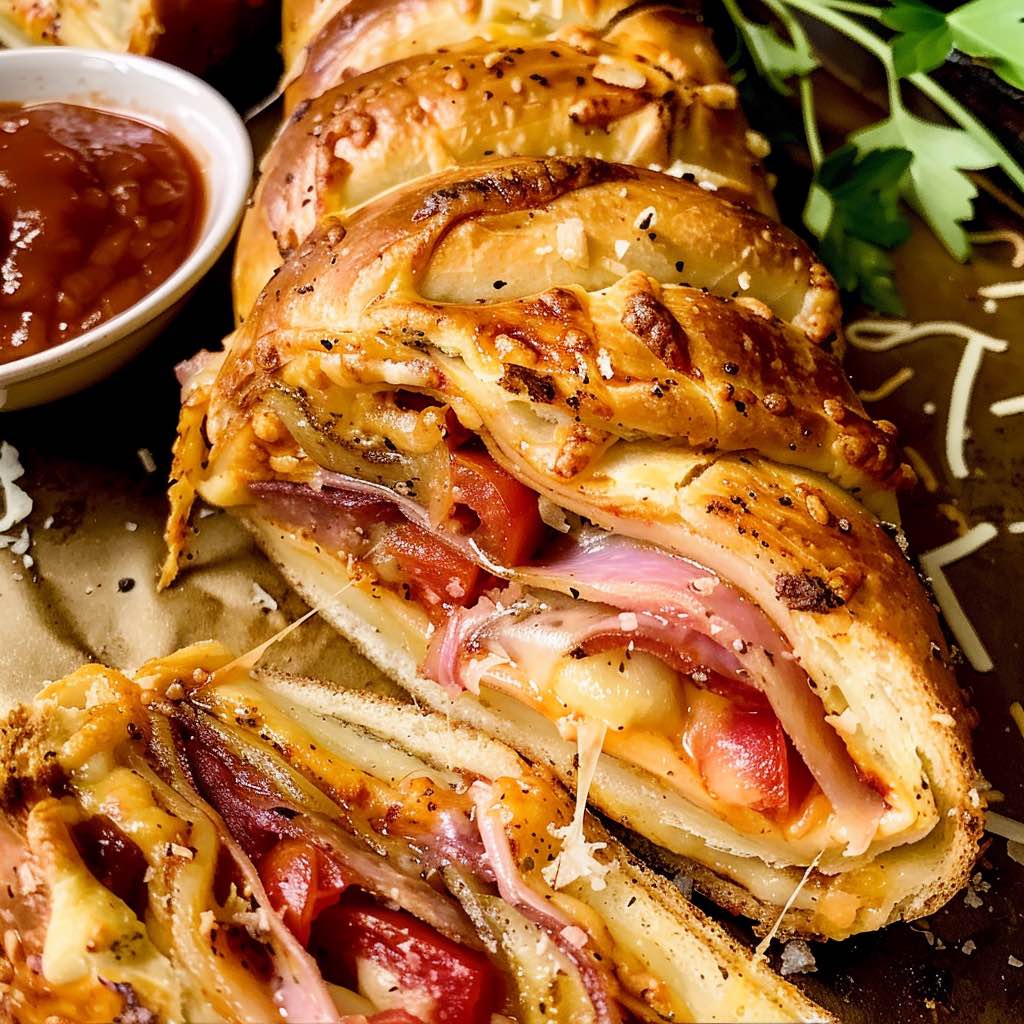
Homemade Stromboli: Your Complete Guide to Making This Italian-American Classic
Introduction
Making homemade stromboli brings the flavors of Italian-American cuisine right into your kitchen. This delicious baked roll combines savory meats, melted cheese, and flavorful vegetables wrapped in golden pizza dough. Unlike its cousin the calzone, stromboli features a unique rolled construction that creates beautiful spiral layers when sliced.
Furthermore, creating stromboli at home allows complete control over ingredients and customization. You can adjust fillings to match dietary preferences and taste preferences. Additionally, the process proves simpler than many expect, making it perfect for weeknight dinners or weekend gatherings.
Whether you’re feeding a family or hosting friends, this comprehensive guide covers everything needed. From dough preparation to final baking, each step ensures restaurant-quality results. Moreover, you’ll discover tips that professional chefs use to achieve that perfect crispy exterior and gooey interior.
What Is Stromboli?
Stromboli represents a beloved Italian-American invention that originated in the United States. Essentially, it’s a type of turnover filled with various Italian ingredients. The dish takes its name from a volcanic island off the coast of Sicily.
Origins and History
The creation of stromboli dates back to the 1950s in Pennsylvania. A Romano’s Italian Restaurant & Pizzeria in Essington claims its invention. Subsequently, the dish spread throughout Italian-American communities nationwide. Today, it remains a staple in pizzerias and Italian restaurants across America.
Stromboli vs. Calzone
Many people confuse stromboli with calzone, yet key differences exist. Stromboli features a rolled construction with exposed ends, while calzones are folded half-moons. Additionally, stromboli typically includes a red sauce layer inside, whereas calzones serve sauce on the side. The rolling technique creates distinctive spiral patterns when sliced.
Essential Ingredients for Homemade Stromboli
Creating delicious homemade stromboli requires quality ingredients. Each component contributes to the final flavor and texture. Therefore, selecting the right elements makes all the difference.
Dough Options
Pizza Dough: The foundation of any great stromboli starts with proper dough. You can make fresh dough from scratch or purchase pre-made options. Fresh pizza dough from local pizzerias works wonderfully. Store-bought refrigerated dough also produces excellent results.
Homemade Dough Recipe Basics:
-
All-purpose flour (3-4 cups)
-
Warm water (1 to 1.5 cups)
-
Active dry yeast (1 packet)
-
Olive oil (2 tablespoons)
-
Salt (1 teaspoon)
-
Sugar (1 teaspoon)
Meat Fillings
Classic Italian cold cuts form the traditional filling base. Popular choices include:
-
Genoa salami
-
Pepperoni
-
Ham
-
Prosciutto
-
Italian sausage (cooked and crumbled)
-
Capicola
For best results, slice meats thinly. This ensures even distribution and easier rolling. Additionally, combining two or three meat varieties creates complex flavor profiles.
Cheese Selections
Cheese provides the gooey, melted goodness that makes stromboli irresistible. Consider these options:
-
Mozzarella (whole milk, low-moisture)
-
Provolone (sharp or mild)
-
Parmesan (freshly grated)
-
Romano
-
Fontina
Mozzarella serves as the primary cheese in most recipes. However, mixing different cheeses adds depth and complexity. Shred cheese fresh rather than using pre-shredded varieties for superior melting.
Vegetables and Aromatics
Fresh vegetables add nutrition, flavor, and texture. Popular vegetable additions include:
-
Bell peppers (red, green, or yellow)
-
Onions (white or red)
-
Mushrooms (button or cremini)
-
Spinach (fresh or frozen, well-drained)
-
Tomatoes (sun-dried or fresh)
-
Roasted red peppers
-
Banana peppers
-
Black olives
Remember to sauté vegetables before adding them. This removes excess moisture that could make dough soggy. Drain vegetables thoroughly after cooking.
Seasonings and Sauces
The right seasonings elevate homemade stromboli from good to exceptional:
-
Italian seasoning blend
-
Dried oregano
-
Dried basil
-
Garlic powder
-
Red pepper flakes
-
Black pepper
-
Marinara sauce (for spreading inside)
-
Olive oil (for brushing)
[Check out our guide on making homemade marinara sauce]
Kitchen Tools You’ll Need
Having proper equipment makes the stromboli-making process smoother. Gather these essential tools before starting:
Basic Equipment:
-
Large mixing bowl
-
Rolling pin
-
Baking sheet or pizza stone
-
Parchment paper
-
Sharp knife or pizza cutter
-
Pastry brush
-
Kitchen towel
-
Measuring cups and spoons
Optional But Helpful:
-
Stand mixer with dough hook
-
Bench scraper
-
Silicone baking mat
-
Digital thermometer
-
Pizza peel
Step-by-Step Instructions
Follow these detailed instructions for perfect homemade stromboli every time. Each step builds upon the previous one for optimal results.
Preparing the Dough
First, prepare your dough if making from scratch. Alternatively, thaw store-bought dough according to package directions. Let dough rest at room temperature for 30 minutes before rolling. This relaxation period makes rolling easier.
For Homemade Dough:
-
Dissolve yeast and sugar in warm water (110°F).
-
Wait five minutes until mixture becomes foamy.
-
Add flour, salt, and olive oil to the yeast mixture.
-
Mix until a shaggy dough forms.
-
Knead for 8-10 minutes until smooth and elastic.
-
Place in an oiled bowl, cover, and let rise for 1 hour.
Rolling Out the Dough
Once dough is ready, prepare your work surface. Lightly flour a clean countertop or large cutting board. Moreover, keep extra flour nearby for dusting.
Rolling Technique:
-
Punch down risen dough to release air bubbles.
-
Place dough on floured surface.
-
Roll into a large rectangle (approximately 10×14 inches).
-
Aim for even thickness throughout (about 1/4 inch).
-
Rotate dough occasionally while rolling to prevent sticking.
The rectangle shape works best for rolling. However, slight imperfections won’t affect the final result.
Adding the Fillings
Layering fillings properly ensures even distribution and prevents sogginess. Follow this strategic order for best results:
Layer 1 – Sauce:
Spread a thin layer of marinara sauce over the dough. Leave a 1-inch border around all edges. Avoid over-saucing, which creates a soggy interior.
Layer 2 – Cheese:
Sprinkle shredded mozzarella evenly over the sauce. Add other cheeses like provolone or parmesan. Use approximately 1.5 to 2 cups total cheese.
Layer 3 – Meats:
Arrange meat slices in an even layer. Overlap slightly to ensure coverage. Distribute meat evenly from end to end.
Layer 4 – Vegetables:
Add your prepared vegetables sparingly. Remember, less is more when it comes to moisture-rich vegetables. Distribute vegetables evenly across the surface.
Layer 5 – Final Cheese:
Top with another light layer of mozzarella. This helps bind ingredients together during baking.
Rolling and Sealing
Rolling technique determines the final appearance and structural integrity. Take your time during this crucial step.
Rolling Process:
-
Starting from the long side, begin rolling tightly.
-
Roll away from yourself in a log shape.
-
Keep the roll tight but not compressed.
-
Tuck in any filling that escapes during rolling.
-
Once fully rolled, pinch the seam closed.
-
Fold and pinch the ends to seal completely.
Place the stromboli seam-side down on your prepared baking sheet. This prevents unrolling during baking. Additionally, the seam crisps nicely against the pan.
Preparing for Baking
Proper preparation before baking ensures a golden, crispy exterior. These finishing touches make a significant difference.
Pre-Bake Steps:
-
Brush the entire surface with olive oil.
-
Sprinkle with Italian seasoning or garlic powder.
-
Optionally, add grated parmesan cheese on top.
-
Cut 4-5 diagonal slits across the top.
-
Let rest for 10 minutes before baking.
The slits serve multiple purposes. They create steam vents, prevent bursting, and add visual appeal. Additionally, they allow peek-through views of the filling.
Baking Instructions
Temperature and timing prove critical for achieving the perfect texture. Follow these guidelines carefully.
Baking Process:
-
Preheat oven to 400°F (200°C).
-
Place baking sheet on the center rack.
-
Bake for 20-25 minutes initially.
-
Check for golden-brown color.
-
Rotate pan halfway through for even browning.
-
Bake until internal temperature reaches 165°F.
The stromboli is done when the crust turns golden brown. Moreover, cheese should bubble through the vents. If the top browns too quickly, tent loosely with foil.
Resting and Slicing
Patience after baking ensures better texture and easier slicing. This resting period allows steam to redistribute.
Final Steps:
-
Remove from oven and let rest 5-10 minutes.
-
Transfer to a cutting board.
-
Use a sharp serrated knife for slicing.
-
Cut into 1-inch thick slices.
-
Serve immediately while hot.
Cutting too soon causes filling to spill out. Therefore, waiting improves presentation significantly. The brief rest also prevents burned mouths.
Tips for Perfect Stromboli Every Time
Professional techniques elevate homemade stromboli from amateur to expert level. Apply these tips for consistently outstanding results.

Dough Handling Tips
Room Temperature: Always work with room-temperature dough. Cold dough resists rolling and springs back. Let refrigerated dough sit out for 30-45 minutes before use.
Proper Flour: Dust your work surface lightly but don’t overdo it. Excess flour makes dough tough and dry. Brush off excess flour before adding fillings.
Even Thickness: Roll dough uniformly to ensure consistent cooking. Thin spots cook faster and may burn. Thick areas remain undercooked while edges brown.
Filling Guidelines
Don’t Overfill: The biggest mistake beginners make involves overstuffing. Too much filling prevents proper sealing. Additionally, overfilled stromboli tends to burst during baking.
Moisture Management: Pre-cook and drain all vegetables thoroughly. Pat meats dry with paper towels. Excess moisture creates soggy dough.
Strategic Layering: Place wet ingredients (sauce) away from dough edges. Keep the border clean and dry for better sealing. Layer cheese between moist ingredients and dough.
Baking Techniques
Parchment Paper: Always use parchment paper or a silicone mat. This prevents sticking and makes cleanup easier. Additionally, it allows easy transfer after baking.
Temperature Accuracy: Verify oven temperature with an oven thermometer. Incorrect temperature affects cooking time and browning. Most home ovens run 25°F off actual temperature.
Steam Creation: The vents you cut allow steam to escape. This prevents soggy interiors and maintains crust crispness. Without vents, stromboli may split unpredictably.
Visual Cues
Watch for these signs that stromboli is perfectly done:
-
Deep golden-brown crust color
-
Cheese bubbling through vents
-
Bottom crust crispy and browned
-
Firm texture when gently pressed
-
No doughy appearance at seams
Popular Filling Variations
Customize your homemade stromboli with these creative filling combinations. Each variation offers unique flavors while maintaining classic techniques.
Classic Italian Stromboli
This traditional version features authentic Italian flavors:
-
Genoa salami and pepperoni
-
Mozzarella and provolone cheese
-
Marinara sauce
-
Italian seasoning
-
Sliced banana peppers
The combination provides the quintessential Italian-American taste. Moreover, it satisfies traditional preferences perfectly.
Meat Lovers Stromboli
For carnivores, this hearty option delivers maximum protein:
-
Pepperoni, ham, and Italian sausage
-
Crumbled bacon
-
Extra mozzarella cheese
-
Light marinara layer
-
Garlic powder seasoning
Cook sausage and bacon completely before adding. Drain excess grease thoroughly to prevent sogginess.
Vegetarian Garden Stromboli
Plant-based eaters enjoy this flavorful vegetable-packed version:
-
Sautéed bell peppers and onions
-
Mushrooms and spinach
-
Sun-dried tomatoes
-
Mozzarella and parmesan blend
-
Fresh basil leaves
-
Roasted garlic
Ensure all vegetables are well-drained before assembly. Additionally, consider adding a ricotta layer for extra creaminess.
Philly Cheesesteak Stromboli
This fusion combines two beloved foods:
-
Thinly sliced steak (cooked)
-
Sautéed onions and peppers
-
Provolone cheese
-
Light sauce or none
-
Seasonings
Cook steak completely and season well before adding. Slice against the grain for tenderness.
Chicken Parmesan Stromboli
Transform a classic dish into stromboli form:
-
Grilled or breaded chicken breast (sliced)
-
Marinara sauce
-
Mozzarella and parmesan
-
Italian seasoning
-
Fresh basil
Ensure chicken reaches safe internal temperature before assembly. Slice thinly for even distribution.
Pizza Stromboli
Keep it simple with basic pizza flavors:
-
Pepperoni only or your favorite pizza topping
-
Extra mozzarella cheese
-
Pizza sauce
-
Italian herbs
-
Parmesan for topping
This version appeals to picky eaters and children. Moreover, it requires minimal preparation time.
Breakfast Stromboli
Start your day with this morning-friendly version:
-
Scrambled eggs (cooled)
-
Cooked breakfast sausage or bacon
-
Cheddar and mozzarella cheese
-
Sautéed peppers and onions
-
Hash browns (optional)
Prepare all ingredients ahead and cool completely. Warm eggs and meats can prevent proper dough sealing.
Serving Suggestions
Presenting homemade stromboli attractively enhances the dining experience. Consider these serving ideas for various occasions.
Dipping Sauces
Stromboli pairs wonderfully with various sauces:
-
Warm marinara sauce
-
Garlic butter sauce
-
Ranch dressing
-
Alfredo sauce
-
Pesto sauce
-
Spicy arrabbiata
Serve sauces in small bowls alongside sliced stromboli. This allows guests to customize their experience.
Side Dishes
Complete your meal with complementary sides:
-
Caesar salad with parmesan
-
Garden salad with Italian dressing
-
Roasted vegetables
-
Garlic breadsticks
-
Antipasto platter
-
Caprese salad
Light, fresh sides balance the richness of stromboli. Therefore, consider vegetable-based options primarily.
Presentation Ideas
Family Style: Slice stromboli on a large wooden board. Arrange slices slightly overlapping for visual appeal. Place sauce bowls nearby for dipping.
Individual Portions: Create smaller stromboli rolls for personal servings. These work perfectly for lunchboxes or parties. Moreover, they’re easier for children to handle.
Appetizer Style: Cut stromboli into smaller pieces (bite-sized). Thread onto toothpicks with cherry tomatoes. Serve as party appetizers.
Storage and Reheating Guide
Proper storage maintains quality and extends enjoyment. Follow these guidelines for best results.
Refrigerator Storage
Short-Term Storage:
-
Cool stromboli completely before storing.
-
Wrap tightly in aluminum foil or plastic wrap.
-
Place in an airtight container if possible.
-
Store in refrigerator up to 3-4 days.
Keep stromboli away from strong-smelling foods. Otherwise, it may absorb unwanted odors.
Freezer Storage
Long-Term Storage:
Stromboli freezes exceptionally well for future meals:
-
Cool completely after baking.
-
Slice or leave whole based on preference.
-
Wrap tightly in plastic wrap, then foil.
-
Label with date and contents.
-
Freeze up to 3 months.
Alternatively, freeze unbaked stromboli. Prepare completely but don’t bake. Freeze solid, then bake directly from frozen, adding 10-15 minutes to cooking time.
Reheating Methods
Oven Method (Best):
-
Preheat oven to 350°F.
-
Place stromboli on baking sheet.
-
Cover loosely with foil.
-
Heat 15-20 minutes until warmed through.
-
Remove foil last 5 minutes for crispiness.
This method maintains texture best. The crust stays crispy while filling heats evenly.
Microwave Method (Quick):
-
Place slice on microwave-safe plate.
-
Heat on 50% power for 1-2 minutes.
-
Check and continue in 30-second intervals.
Microwaving creates softer, less crispy crust. However, it works well for quick lunches.
Air Fryer Method (Crispy):
-
Preheat air fryer to 350°F.
-
Place slices in basket without overlapping.
-
Heat 5-7 minutes until crispy.
-
Flip halfway through for even heating.
This method rivals fresh-baked texture. Moreover, it’s faster than conventional oven reheating.
Common Mistakes to Avoid
Learning from typical errors saves time and frustration. Avoid these common pitfalls for success.
Overfilling the Stromboli
Many beginners add too much filling enthusiastically. However, overfilling leads to:
-
Difficult rolling and sealing
-
Burst seams during baking
-
Uneven cooking
-
Messy presentation
Use restraint with fillings. Remember that ingredients compress during rolling.
Skipping the Border
Always leave that crucial 1-inch border clean. Filling on edges prevents proper sealing. Consequently, the stromboli splits and leaks during baking.
Using Wet Ingredients
Moisture is the enemy of crispy stromboli. Common mistakes include:
-
Not draining vegetables
-
Using fresh tomatoes without seeding
-
Over-saucing the interior
-
Adding wet mozzarella
Always cook, drain, and pat dry moisture-rich ingredients.
Incorrect Oven Temperature
Baking at wrong temperatures causes problems:
-
Too hot: Burnt exterior, raw interior
-
Too cool: Pale color, dense texture, extended cooking time
Verify oven temperature accuracy before baking. Additionally, resist the urge to increase temperature for faster cooking.
Cutting Too Soon
Impatience leads to messy slices and filling loss. The resting period allows:
-
Steam redistribution
-
Cheese setting
-
Easier slicing
-
Better presentation
Wait at least 5 minutes before cutting. This small delay yields significant improvements.
Poor Dough Handling
Working with cold or improperly rested dough creates issues. Cold dough:
-
Resists rolling and springs back
-
Tears easily
-
Bakes unevenly
-
Creates tough texture
Always bring dough to room temperature first.
Frequently Asked Questions
Can I make homemade stromboli ahead of time?
Absolutely! Prepare stromboli completely and refrigerate unbaked for up to 24 hours. Cover tightly with plastic wrap. When ready to bake, let sit at room temperature for 15 minutes, then bake as directed. Add 5 extra minutes to baking time if needed.
What’s the difference between stromboli and a calzone?
Stromboli is rolled like a log with exposed ends, while calzones are folded half-moons. Additionally, stromboli typically includes sauce inside, whereas calzones serve sauce on the side. The rolling technique creates spiral layers in stromboli.
How do I prevent my stromboli from getting soggy?
Control moisture carefully by pre-cooking vegetables, draining thoroughly, and patting ingredients dry. Use sauce sparingly and leave clean borders. Additionally, cut vents in the top for steam release.
Can I freeze unbaked stromboli?
Yes! Assemble completely, then freeze solid on a baking sheet. Once frozen, wrap tightly in plastic and foil. Bake directly from frozen, adding 10-15 minutes to the cooking time. Don’t thaw first, as this creates sogginess.
What temperature should I bake stromboli at?
Bake at 400°F (200°C) for optimal results. This temperature creates a crispy, golden exterior while cooking the interior thoroughly. Verify your oven’s accuracy with a thermometer.
How long does leftover stromboli last?
Properly stored in the refrigerator, stromboli stays fresh for 3-4 days. Wrap tightly in foil or plastic wrap and keep in an airtight container. Freeze for longer storage up to 3 months.
Can I make mini stromboli for parties?
Definitely! Divide dough into smaller portions and create individual-sized rolls. These work perfectly as appetizers or party food. Adjust baking time to 15-20 minutes for smaller versions.
What kind of dough works best for stromboli?
Pizza dough works best, whether homemade or store-bought. Alternatively, try bread dough for a different texture. Avoid puff pastry, which creates a very different result.
Conclusion
Creating homemade stromboli transforms simple ingredients into an impressive meal. This Italian-American classic combines versatility, flavor, and visual appeal perfectly. Throughout this guide, you’ve learned essential techniques from dough preparation through final baking.
Remember the key principles: manage moisture carefully, don’t overfill, and seal properly. Additionally, experiment with different filling combinations to discover your favorites. The beauty of stromboli lies in its adaptability to various tastes and preferences.
Moreover, making stromboli at home costs significantly less than restaurant versions. You control ingredient quality and portion sizes completely. Whether feeding family weeknight dinners or hosting weekend gatherings, stromboli delivers satisfaction.
Start with the classic Italian version, then branch out to creative variations. Each attempt improves your technique and confidence. Soon, you’ll create restaurant-quality stromboli effortlessly.

Homemade Stromboli
Description
Homemade Stromboli
Ingredients
For the Dough (or use store-bought pizza dough):
-
1 lb pizza dough (homemade or store-bought)
For the Filling (classic Italian-style):
-
½ cup pizza sauce (optional, some prefer serving sauce on the side)
-
1 ½ cups shredded mozzarella cheese
-
½ cup sliced provolone cheese
-
½ cup sliced pepperoni
-
½ cup Italian salami or ham
-
½ tsp dried oregano
-
½ tsp garlic powder
-
Red pepper flakes (optional, for spice)
For Topping:
-
1 egg, beaten (for egg wash)
-
1 tbsp Parmesan cheese
-
½ tsp Italian seasoning
Instructions
-
Preheat Oven:
-
Heat oven to 400°F (200°C). Line a baking sheet with parchment paper.
-
-
Roll Out Dough:
-
On a lightly floured surface, roll pizza dough into a rectangle (about 12×16 inches).
-
-
Layer the Fillings:
-
If using, spread a very thin layer of pizza sauce (to prevent sogginess).
-
Sprinkle mozzarella and provolone evenly.
-
Add pepperoni, ham, or salami in layers.
-
Season with oregano, garlic powder, and red pepper flakes if desired.
-
-
Roll the Stromboli:
-
Starting on the long side, roll up tightly like a jelly roll.
-
Pinch the seam and tuck the ends under.
-
Place seam-side down on prepared baking sheet.
-
-
Add Toppings:
-
Brush with beaten egg.
-
Sprinkle Parmesan and Italian seasoning on top.
-
Cut 3–4 small slits on top to allow steam to escape.
-
-
Bake:
-
Bake for 20–25 minutes, until golden brown and crisp.
-
Let rest 5–10 minutes before slicing into thick pieces.
-
-
Serve:
-
Slice and serve warm with marinara or pizza sauce for dipping.
-