
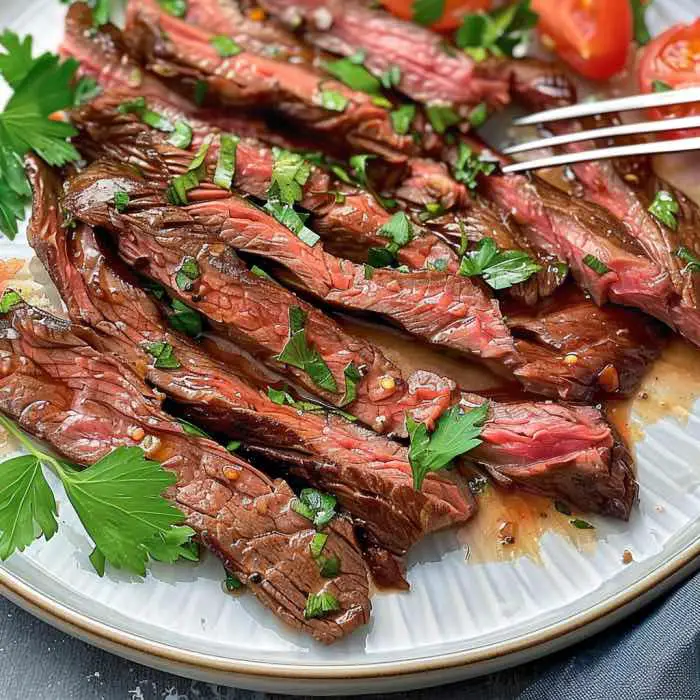
Juicy Skirt Steak with Garlic-Lime Marinade
Introduction
Imagine biting into perfectly grilled juicy skirt steak with garlic-lime marinade that melts in your mouth with every chew. This recipe transforms an affordable cut of beef into restaurant-quality dining. The combination of zesty lime juice and aromatic garlic creates a flavor explosion that makes skirt steak irresistible. Best of all, this dish comes together in under 30 minutes of active cooking time.
Skirt steak deserves a permanent spot in your dinner rotation. This recipe proves you don’t need complicated techniques or expensive cuts to create memorable meals. Furthermore, the garlic-lime marinade enhances the beef’s natural flavors without overpowering them. You’ll discover why this preparation method has become a favorite among home cooks and professional chefs alike.
What Makes Skirt Steak Special
Skirt steak comes from the diaphragm muscles of the cow. This location gives the meat its distinctive texture and intense beefy flavor. The cut features long muscle fibers that run parallel to each other. Consequently, proper slicing technique becomes crucial for tender results.
Characteristics of Quality Skirt Steak
Good skirt steak displays several key features. First, look for meat with bright red coloring and minimal discoloration. Second, the fat marbling should appear evenly distributed throughout. Third, the cut should feel firm to the touch without excessive moisture.
Butchers typically sell two types of skirt steak. Outside skirt comes from the outside of the chest wall. Inside skirt originates from inside the chest cavity. Outside skirt generally offers more flavor and better texture. However, both varieties work beautifully with garlic-lime marinade.
Nutritional Benefits
Skirt steak provides excellent nutritional value for health-conscious diners. A 3-ounce serving delivers approximately 24 grams of protein. Additionally, the cut contains essential minerals including iron, zinc, and selenium. The meat also supplies B vitamins that support energy metabolism.
Understanding the Garlic-Lime Marinade
The garlic-lime marinade serves multiple purposes beyond adding flavor. Acidic components like lime juice help break down tough muscle fibers. Meanwhile, oil helps carry fat-soluble flavor compounds into the meat. Garlic contributes savory depth that balances the citrus brightness.
How Marinades Work
Marinades penetrate meat through a process called osmosis. Salt in the marinade helps the meat retain moisture during cooking. Acids partially denature proteins on the surface, creating tenderness. However, over-marinating can result in mushy texture.
The lime juice in this recipe provides just enough acidity. Fresh lime juice works significantly better than bottled varieties. Freshly squeezed juice contains more aromatic compounds and tastes brighter. Moreover, natural enzymes in fresh citrus enhance tenderization.
Flavor Profile Development
Garlic brings umami and pungent notes to the marinade. Fresh garlic cloves offer more complex flavor than pre-minced alternatives. The allicin compounds in crushed garlic create distinctive aroma and taste. These compounds also provide potential health benefits including anti-inflammatory properties.
Lime zest adds another dimension to the marinade. The oils in citrus peel contain concentrated flavor molecules. Therefore, including both juice and zest maximizes citrus impact. This combination creates layers of flavor that develop during marinating and cooking.
Ingredients You’ll Need
For the Skirt Steak
-
2 pounds skirt steak (outside cut preferred)
-
1 teaspoon kosher salt
-
½ teaspoon black pepper
For the Garlic-Lime Marinade
-
⅓ cup fresh lime juice (about 3-4 limes)
-
2 tablespoons lime zest
-
6 garlic cloves, minced
-
¼ cup olive oil
-
2 tablespoons honey
-
1 teaspoon ground cumin
-
1 teaspoon smoked paprika
-
½ teaspoon red pepper flakes (optional)
-
1 tablespoon fresh cilantro, chopped
-
½ teaspoon kosher salt
Optional Garnishes
-
Fresh cilantro leaves
-
Lime wedges
-
Sliced jalapeños
-
Diced red onion
Step-by-Step Preparation Guide
Preparing the Marinade
Start by gathering all marinade ingredients in one place. This organization streamlines the preparation process. First, zest the limes before juicing them. The zest provides essential oils that enhance flavor significantly.
Combine lime juice and zest in a medium bowl. Add minced garlic to the citrus mixture. Next, whisk in olive oil until the mixture emulsifies slightly. Then, stir in honey, cumin, smoked paprika, and salt. Finally, add red pepper flakes if desired and mix thoroughly.
Preparing the Meat
Remove skirt steak from refrigeration 20 minutes before marinating. This allows even temperature distribution throughout the meat. Pat the steak dry with paper towels to remove excess moisture. Dry surfaces accept marinades more effectively than wet ones.
Trim any excess fat or silver skin from the steak. However, leave some fat for flavor and moisture. Place the steak in a large resealable plastic bag or shallow dish. Pour the garlic-lime marinade over the meat, ensuring complete coverage.
Marinating Process
Seal the bag or cover the dish with plastic wrap. Massage the marinade into the meat through the bag. This action helps distribute flavors evenly across all surfaces. Refrigerate for at least 2 hours or up to 8 hours.
Turn the meat halfway through marinating time. This ensures both sides receive equal exposure to the marinade. Avoid marinating longer than 8 hours as the acids can over-tenderize. Over-marinated meat develops an unpleasant mushy texture.
Marinating Tips for Maximum Flavor
Timing Considerations
Different marinating times produce varied results. A quick 30-minute marinade adds surface flavor. Two to four hours allows deeper penetration without texture changes. Six to eight hours maximizes flavor development while maintaining proper texture.
Plan your marinating schedule around your cooking timeline. Morning preparation works perfectly for evening dinners. Alternatively, marinate overnight if cooking the next day. Remember that room temperature marinating speeds up the process.
Container Selection
Glass or ceramic dishes work best for marinating. These materials don’t react with acidic ingredients like lime juice. Plastic bags offer convenience and easy cleanup. They also allow better marinade distribution with less liquid.
Avoid aluminum containers when marinating with citrus. The acid reacts with aluminum, creating metallic flavors. Stainless steel works well but requires more marinade volume. Whatever container you choose, ensure the meat stays fully submerged.
Temperature Management
Always marinate in the refrigerator, not at room temperature. Cold temperatures prevent bacterial growth during extended marinating periods. Remove the meat 20-30 minutes before cooking for even cooking. This brief warming period helps achieve better crust development.
Cooking Methods for Perfect Results
Grilling Method
Grilling produces the most authentic skirt steak experience. Preheat your grill to high heat (450-500°F). Clean and oil the grates to prevent sticking. Remove steak from marinade and let excess drip off.
Place the steak directly over high heat. Cook for 3-4 minutes without moving it. This creates beautiful grill marks and caramelization. Flip once and cook another 3-4 minutes for medium-rare. Use an instant-read thermometer to check doneness.
Target internal temperatures guide proper cooking. Rare reaches 120-125°F, while medium-rare hits 130-135°F. Medium registers 135-145°F, and anything above becomes well-done. Remember that carryover cooking adds 5°F after removal from heat.
Pan-Searing Method
Pan-searing works beautifully when grilling isn’t possible. Heat a cast-iron skillet over high heat until smoking. Add a small amount of high-smoke-point oil like avocado oil. Pat the steak completely dry before adding to the pan.
Lay the steak away from you to prevent splatter. Don’t move it for 3-4 minutes to develop crust. Flip and cook another 3-4 minutes for medium-rare doneness. Work in batches if necessary to avoid crowding the pan.
Broiling Method
Broiling offers convenience and consistent results indoors. Position an oven rack 4-6 inches from the broiler element. Preheat the broiler on high for 10 minutes. Place steak on a broiler pan or wire rack over a baking sheet.
Broil for 4-5 minutes per side for medium-rare. Watch carefully as broilers vary in intensity. The high heat mimics grilling while keeping cooking indoors. Rest the meat before slicing, just like other methods.
Slicing and Serving Techniques
Proper Slicing Technique
Slicing technique dramatically affects skirt steak’s tenderness. Always slice against the grain of the meat. The grain refers to the direction of muscle fibers. Cutting perpendicular to these fibers shortens them significantly.
Hold a sharp knife at a 45-degree angle to the cutting board. This creates wider slices with more visual appeal. Cut slices about ¼-inch thick for optimal texture. Thinner slices maximize tenderness while maintaining structure.
Transfer slices to a warm serving platter immediately. The meat continues cooking slightly from residual heat. Arrange slices in a single layer for attractive presentation. Garnish with fresh cilantro and lime wedges.
Resting Period Importance
Resting meat after cooking preserves juiciness and flavor. During cooking, muscle fibers contract and push juices toward the center. Resting allows fibers to relax and reabsorb these juices. This process ensures every bite stays moist and flavorful.
Rest skirt steak for 5-10 minutes after cooking. Tent loosely with aluminum foil to retain warmth. Don’t seal tightly as this creates steam and softens the crust. The brief rest makes slicing easier and cleaner.
Side Dish Pairings
Classic Accompaniments
Mexican-inspired sides complement garlic-lime skirt steak perfectly. Serve with cilantro-lime rice for cohesive flavor profiles. Black beans seasoned with cumin add protein and fiber. Fresh pico de gallo provides cooling contrast to the rich meat.
Grilled vegetables enhance the meal’s nutritional value. Zucchini, bell peppers, and onions work particularly well. Toss them in olive oil and season simply. The vegetables’ char complements the steak’s smoky notes.
Creative Pairings
Consider Asian fusion sides for variety. Coconut jasmine rice brings tropical sweetness. Stir-fried bok choy adds crisp texture and nutritional benefits. Pickled vegetables provide acidic brightness that cuts through richness.
Mediterranean sides offer another delicious direction. Greek salad with cucumber, tomatoes, and olives refreshes the palate. Roasted potatoes with lemon and herbs satisfy comfort food cravings. Tzatziki sauce provides cooling creaminess without dairy heaviness.
Salad Options
Build substantial salads featuring the sliced steak. Start with mixed greens or romaine lettuce. Add cherry tomatoes, avocado, and red onion. Top with warm sliced skirt steak for protein.
Create southwestern-style salads with corn and black beans. Include tortilla strips for textural contrast. Dress with lime vinaigrette to echo the marinade flavors. These composed salads make complete one-dish meals.
Storage and Reheating Tips
Proper Storage Methods
Store leftover skirt steak correctly to maintain quality. Cool meat to room temperature within 2 hours of cooking. Transfer to airtight containers or wrap tightly in plastic wrap. Refrigerate for up to 3-4 days maximum.
Label containers with the date for easy tracking. Store sliced and unsliced meat separately when possible. Sliced meat loses moisture faster than whole pieces. Place parchment paper between slices to prevent sticking.
Freezing Guidelines
Freeze cooked skirt steak for longer storage periods. Wrap portions tightly in plastic wrap, then aluminum foil. Place wrapped meat in freezer bags with air removed. Properly frozen steak maintains quality for 2-3 months.
Thaw frozen steak in the refrigerator overnight. Never thaw at room temperature as this promotes bacterial growth. Plan ahead for best results and food safety. Use thawed meat within 24 hours for optimal quality.
Reheating Techniques
Reheat skirt steak gently to avoid toughening. The oven method produces the best results overall. Preheat oven to 250°F and place steak on a baking sheet. Cover with foil and heat for 10-15 minutes.
Alternatively, reheat in a skillet over medium-low heat. Add a small amount of broth or water for moisture. Cover and heat for 5-7 minutes, flipping halfway through. Avoid microwaving as it typically results in tough, rubbery meat.
Common Mistakes to Avoid
Overcooking Issues
Overcooking ranks as the most common skirt steak mistake. This lean cut becomes tough and chewy when cooked beyond medium. Use an instant-read thermometer for accuracy every time. Remove meat from heat slightly before target temperature.
High heat and quick cooking produce the best results. Don’t cook skirt steak like thick steaks that need longer times. The thin profile requires attention and quick timing. Practice helps develop instincts for perfect doneness.
Slicing Errors
Cutting with the grain creates chewy, stringy meat. Always identify the grain direction before slicing. Look for parallel lines running through the meat. Cut perpendicular to these lines without exception.
Using a dull knife causes ragged edges and juice loss. Sharpen your knife before slicing any steak. Clean cuts preserve texture and visual appeal. Take your time to ensure consistent slice thickness.
Marinade Management
Don’t reuse marinade that contacted raw meat. Bacteria from raw beef contaminates the liquid. Discard used marinade or boil it for 5 minutes. Boiling kills bacteria but may affect flavor quality.
Avoid adding salt to marinades too early. Salt can draw moisture from meat if left too long. Add salt just before cooking for better moisture retention. This technique keeps the steak juicier during cooking.
Nutritional Information
Macro Breakdown
A 4-ounce serving of cooked skirt steak contains approximately:
-
Calories: 280-300
-
Protein: 28-32 grams
-
Fat: 16-18 grams
-
Carbohydrates: 2-3 grams (from marinade)
-
Fiber: 0 grams
-
Sugar: 1-2 grams
Vitamin and Mineral Content
Skirt steak provides essential nutrients for optimal health. Iron supports oxygen transport throughout your body. Zinc boosts immune function and wound healing. Selenium acts as a powerful antioxidant.
B vitamins in beef support energy metabolism. Vitamin B12 maintains healthy nerve cells and red blood cells. Niacin helps convert food into usable energy. These nutrients make skirt steak nutritionally valuable.
Health Considerations
Choose grass-fed beef when possible for additional benefits. Grass-fed options contain higher omega-3 fatty acids. They also provide more conjugated linoleic acid (CLA). However, conventional beef still offers excellent nutritional value.
Balance your plate with plenty of vegetables. The combination creates a complete, nutritious meal. Limit portion sizes to 4-6 ounces per serving. This amount provides adequate protein without excess calories.
Frequently Asked Questions
How long should I marinate juicy skirt steak with garlic-lime marinade?
Marinate skirt steak for 2-8 hours for optimal results. Two hours provides minimum flavor development. Eight hours maximizes tenderness and taste penetration. Never exceed 12 hours as the acid breaks down proteins excessively.
Can I make the garlic-lime marinade ahead of time?
Yes, prepare the marinade up to 24 hours in advance. Store it in an airtight container in the refrigerator. This advance preparation actually improves flavor as ingredients meld together. Stir well before using on meat.
What’s the difference between skirt steak and flank steak?
Skirt steak comes from the diaphragm area with more intense flavor. Flank steak originates from the abdominal area with leaner composition. Skirt steak cooks faster due to its thinner profile. Both cuts benefit from similar marinades and cooking methods.
Why is my skirt steak tough despite following the recipe?
Several factors cause tough skirt steak. Overcooking past medium doneness creates the most common issue. Cutting with the grain instead of against it also increases chewiness. Additionally, insufficient resting time allows juices to escape. Check these three factors first when troubleshooting texture problems.
Can I substitute lime juice with lemon juice?
Lemon juice works as a substitute though the flavor differs. Lemons taste slightly more tart and less tropical. Use the same measurements as lime juice. Consider adding a pinch of sugar to balance the sharper acidity.
Is skirt steak good for meal prep?
Absolutely, skirt steak works excellently for meal preparation. Cook the steak and portion it into containers. Store with separate containers of sides for variety. The meat reheats well when done properly. Prepare up to 4 days worth of meals at once.
What temperature should my grill be for skirt steak?
Heat your grill to 450-500°F for optimal searing. This high temperature creates proper caramelization quickly. Lower temperatures require longer cooking and risk toughness. Use a grill thermometer for accuracy.
How do I know when skirt steak is done without a thermometer?
Press the meat with your finger to gauge doneness. Soft and squishy indicates rare. Slightly firmer with some spring suggests medium-rare. However, thermometers provide the most reliable results. Invest in an instant-read thermometer for consistent success.
Conclusion
This juicy skirt steak with garlic-lime marinade delivers restaurant-quality results at home. The combination of citrus brightness and savory garlic transforms affordable beef into something spectacular. Moreover, the simple preparation method makes this recipe accessible for any skill level.
Remember the key principles for success. First, marinate for adequate time without going too long. Second, cook over high heat for quick searing. Third, always slice against the grain after proper resting. These techniques ensure tender, flavorful results every single time.
The versatility of this dish makes it perfect for various occasions. Serve it for weeknight family dinners or weekend entertaining. Pair it with endless side dish combinations to keep meals interesting. Most importantly, enjoy the process of creating delicious food.
Ready to elevate your dinner game? Try this garlic-lime skirt steak recipe tonight and taste the difference that proper preparation makes.
Juicy Skirt Steak with Garlic-Lime Marinade
Description
Juicy Skirt Steak with Garlic-Lime Marinade
Ingredients:
-
1 ½ – 2 lbs skirt steak
-
¼ cup olive oil
-
3 cloves garlic, minced
-
2 tbsp soy sauce
-
2 tbsp lime juice (fresh squeezed)
-
1 tbsp Worcestershire sauce
-
1 tbsp brown sugar (or honey)
-
1 tsp smoked paprika
-
1 tsp chili powder
-
Salt & freshly cracked black pepper
-
Fresh cilantro, chopped (for garnish)
Instructions:
-
Make the Marinade
-
In a bowl, whisk together olive oil, garlic, soy sauce, lime juice, Worcestershire, brown sugar, paprika, chili powder, salt & pepper.
-
-
Marinate the Steak
-
Place skirt steak in a large resealable bag or dish.
-
Pour marinade over and coat well.
-
Refrigerate at least 30 minutes (best 4–6 hours).
-
-
Cook the Steak
-
Heat grill or cast-iron skillet to high heat.
-
Pat steak dry for a good sear.
-
Cook 3–4 minutes per side for medium-rare, 4–5 minutes per side for medium.
-
-
Rest & Slice
-
Let steak rest 5 minutes before slicing.
-
Slice against the grain into thin strips for maximum tenderness.
-
-
Serve
-
Garnish with fresh cilantro and serve with grilled veggies, chimichurri, or inside warm tortillas.
-