
Introduction and Foundation
French Pepper Steak: Mastering the Art of Steak au Poivre
Imagine the sizzle—a symphony of sound as a perfectly seasoned steak meets a blazing hot pan. Then, the aroma hits you: the bold, spicy fragrance of crushed peppercorns giving way to the rich, savory scent of a pan sauce coming together. This isn’t just any meal; this is French Pepper Steak, or as it’s known in its homeland, Steak au Poivre. It’s a dish that speaks of Parisian bistros, of culinary confidence, and of stunning simplicity yielding incredible flavor.
Frankly, this classic is more than just a recipe—it’s an experience. Consequently, this guide is your personal passport to mastering it. We’ll dive into its storied past, break down the key ingredients, and walk you through a foolproof, step-by-step method. Ultimately, you’ll be equipped not just to make it, but to own it. So, let’s embark on this delicious journey to bistro perfection.
What is French Pepper Steak (Steak au Poivre)?
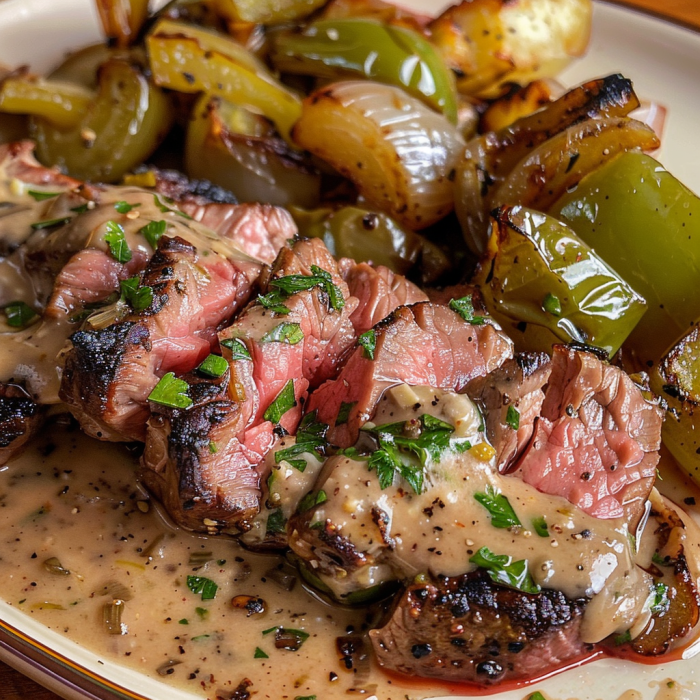
At its heart, French Pepper Steak is an elegant study in contrasts. Fundamentally, it features a premium cut of beef, generously coated in coarsely crushed peppercorns, which forms a spectacularly flavorful crust when seared. However, the true magic happens afterwards. Using the glorious, peppery bits left in the pan, we create a luxurious sauce by deglazing with aromatics and spirits, then finishing with cream.
The result? A symphony on a plate. Firstly, you get the robust, spicy kick from the pepper crust, which beautifully complements the tender, juicy steak beneath it. Secondly, that incredibly rich and velvety pan sauce mellows the pepper’s heat, adding a layer of deep, savory complexity. It’s no wonder this dish is a cornerstone of cuisine bourgeoise—essentially, fancy yet approachable French home cooking—and an undeniable star on any bistro menu.
A Brief and Savory History: The Origins of Steak au Poivre
Where did this masterpiece come from? Well, its exact origins are, rather fittingly, shrouded in a bit of delicious mystery. Most food historians point its invention to the early 20th century, likely within the vibrant culinary scene of Paris. One popular tale credits a chef named Émile Lerch, who worked in Alsace near the German border. Apparently, he began serving this peppery steak at his restaurant, and its popularity simply exploded.
Regardless of its precise birthplace, the dish’s appeal is undeniable. Its combination of simple techniques and bold, unforgettable flavors ensured its swift journey from a regional specialty to a global phenomenon. For a deeper dive into the fascinating history of French bistro cuisine that gave birth to dishes like this, you can explore some fantastic resources online. It’s a story of culinary evolution that’s as rich as the sauce on our steak.
The Core Recipe and Deep Dive
The Anatomy of a Perfect French Pepper Steak
Alright, let’s get down to the nitty-gritty. What truly transforms a simple steak into a legendary Steak au Poivre? It’s not magic, mind you—it’s a careful balance of three core components: the beef, the pepper, and the sauce. Understanding the “why” behind each choice is your first step toward mastery. Think of it as getting to know your best tools before starting a grand project.
Choosing Your Weapons: Key Ingredients Explained
You simply can’t build a magnificent castle on a shaky foundation. Similarly, the quality of your ingredients here is non-negotiable. Don’t worry, though; it’s less about expensive extravagance and more about smart, informed choices.
The Steak: Selecting the Right Cut
This is your main event, so choosing wisely is paramount. You need a cut that’s both tender and has enough surface area for that glorious crust.
-
The Traditionalist’s Choice: Filet Mignon (Tenderloin). This is the undisputed king for a reason. Its unparalleled buttery tenderness provides a luxurious contrast to the aggressive pepper crust. Because it’s lean, it allows the pepper and sauce to truly shine without competing with other flavors.
-
The Flavor Seeker’s Choice: Ribeye. If you’re all about that rich, beefy flavor, the ribeye is your champion. Its generous marbling (those beautiful streaks of fat) melts while cooking, basting the steak from within and creating an incredibly juicy, flavorful experience.
-
The Best-of-Both-Worlds Choice: New York Strip. This cut offers a fantastic middle ground. It delivers more beefy flavor than a filet and better tenderness than a sirloin, making it a reliably excellent option.
Pro Tip: No matter your choice, aim for steaks at least 1.5 inches thick. This ensures a proper, dark sear on the outside without overcooking the interior.
The Pepper: The Star of the Show
This is where the dish gets its name and its personality! Using pre-ground pepper is, frankly, a cardinal sin. You need whole peppercorns for maximum flavor.
-
Black Peppercorns: The classic. They provide a familiar, sharp, and pungent heat that forms the backbone of the flavor profile.
-
Green Peppercorns: These are actually underripe black peppercorns. They’re milder, slightly fruity, and less aggressive, offering a more aromatic complexity.
-
The Winning Strategy: For a truly well-rounded experience, use a mix! A combination of black and green peppercorns gives you both heat and nuanced flavor, creating a more sophisticated pepper crust.
The Aromatics & Liquids: Building the Sauce
The sauce is the soul of the dish, bringing everything together in a creamy, glorious embrace.
-
Shallots: These are essential, not optional! They have a subtle, sweet, and more delicate flavor compared to onions, which can be overpowering.
-
Spirits: Traditionally, cognac is used to deglaze the pan, its complex flavor forming the base of the sauce. Brandy is a excellent and often more affordable alternative.
-
Cream: You must use heavy cream (or double cream). Its high fat content prevents it from curdling when added to the hot pan and allows it to reduce into a luxuriously thick sauce, unlike milk or half-and-half.
-
Stock: A good-quality beef stock is the foundation that adds depth and savoriness. For a next-level sauce, a spoonful of demi-glace will add an incredible restaurant-quality richness.
Essential Equipment for Success
You don’t need a kitchen full of gadgets, but a few key pieces will make your life infinitely easier.
-
A Heavy-Bottomed Skillet: This is your MVP. Whether it’s cast iron (for incredible heat retention) or stainless steel (for excellent fond development), a heavy pan distributes heat evenly, preventing hot spots that burn the pepper.
-
A Meat Thermometer: Guesswork is the enemy of a perfect steak. This tool is the only way to guarantee your desired level of doneness accurately.
-
A Spice Grinder or Mortar and Pestle: You need to crack your peppercorns, not pulverize them into dust. These tools give you full control over the texture.
-
Tongs: A good pair of tongs is indispensable for handling the steak safely and without piercing it, which would let those precious juices escape.
The Step-by-Step Recipe
The Step-by-Step Recipe: Classic French Pepper Steak
Alright, enough theory—let’s cook! This process is surprisingly straightforward, but each step is important. Follow this guide, and you’ll create something truly spectacular.
Ingredients List
(Serves 2)
-
2 filet mignon, ribeye, or New York strip steaks (1.5 inches thick, about 8 oz each)
-
2 tbsp mixed whole black and green peppercorns
-
1 ½ tsp kosher salt, plus more to taste
-
1 tbsp high-smoke-point oil (avocado, grapeseed, or vegetable)
-
2 tbsp unsalted butter
-
2 large shallots, finely minced
-
¼ cup cognac or brandy
-
¾ cup heavy cream
-
½ cup high-quality beef stock
-
Optional: 1 tsp fresh thyme leaves
Instructions: A Foolproof Method
Step 1: Preparing the Pepper Crust
First, take your steaks out of the refrigerator about 30-45 minutes before cooking. Letting them come to room temperature is a crucial step for even cooking. Meanwhile, place your peppercorns in a clean kitchen towel and gently crush them with the bottom of a heavy pan or a rolling pin. Alternatively, pulse them a few times in a spice grinder. You’re aiming for a mix of coarse and fine pieces, not a powder.
Next, pat the steaks completely dry with paper towels. This is secret step #1 for achieving a killer sear. Sprinkle all sides with kosher salt. Then, firmly press the crushed peppercorns into both sides of each steak, using the palm of your hand to ensure they adhere. You want a solid, even layer.
Step 2: Searing the Steak to Perfection
Now, place your heavy skillet over medium-high heat and let it get properly hot. Add your high-smoke-point oil. When the oil shimmers and just starts to smoke, it’s showtime.
Carefully place the steaks in the pan. You should hear a vigorous, confident sizzle. Resist the urge to move them! Let them cook undisturbed for about 3-4 minutes to form that beautiful, dark crust. Peek underneath; when it’s well-browned, flip them.
Add 1 tablespoon of butter to the pan. As it melts, tilt the pan and baste the steaks continuously with the hot butter for another 3-4 minutes for medium-rare. For perfect results, use your meat thermometer:
-
Rare: 120-125°F (49-52°C)
-
Medium-Rare: 130-135°F (54-57°C) (Recommended)
-
Medium: 140-145°F (60-63°C)
Once done, transfer the steaks to a wire rack or a warm plate to rest. Do not skip resting! This allows the muscle fibers to relax and reabsorb all the juices, guaranteeing a moist steak.
Step 3: Crafting the Legendary Sauce
Without wiping out the pan, reduce the heat to medium. Throw in the minced shallots and sauté for about 1-2 minutes until they soften and become fragrant, scraping up all those browned bits (the “fond”) from the bottom of the pan. Those bits are pure flavor gold!
Now, carefully pour in the cognac or brandy. It will sizzle and steam dramatically. If you’re feeling bold, you can tilt the pan slightly toward the gas flame or use a long match to ignite the vapors and flambé. Let the flames subside naturally. This step cooks off the alcohol’s harshness, leaving behind a wonderful depth of flavor.
Next, pour in the beef stock and let it simmer for a minute or two, reducing slightly. Then, stir in the heavy cream and any optional herbs. Bring the sauce to a gentle simmer, letting it thicken for 2-3 minutes. It should coat the back of a spoon. Finish the sauce by swirling in the remaining 1 tablespoon of cold butter until it melts and makes the sauce glossy and incredibly rich. Taste it and season with a pinch of salt if needed.
Step 4: Serving with Style
Slice your rested steak against the grain. Arrange it on warm plates, then generously spoon that incredible peppercorn sauce over the top. A final sprinkle of flaky sea salt and some fresh parsley is the perfect finish. Serve immediately alongside your chosen sides and prepare for applause.
Mastery, Variations, and Pairing
Pro Tips for an Unforgettable Dish
You’ve got the recipe, but these extra nuggets of wisdom will elevate your dish from great to mind-blowing.
-
The Dry Surface is Key: Seriously, don’t forget to pat that steak dry. A wet steak will steam instead of sear, and your crust will suffer.
-
Crush, Don’t Grind: The texture of your peppercorns matters. Coarsely crushed peppercorns provide a fantastic texture and burst of flavor that pre-ground powder simply can’t match.
-
The Thermostat is Your Friend: A meat thermometer takes all the guesswork out. It’s the single most reliable way to achieve perfect doneness every single time.
-
Resting is Non-Negotiable: If you cut into that steak immediately, all the juices will run out onto the cutting board, not stay in the meat. Be patient! Let it rest for at least 5-10 minutes.
-
Taste and Adjust: Always taste your sauce right before serving. Does it need a pinch more salt? A squeeze of lemon to brighten it up? Make it your own. For more on the scientific principles of pan-searing steak that make these tips work, resources from culinary science experts are invaluable.
Beyond the Classic: Delicious Variations to Try
Once you’ve mastered the classic, the world is your oyster! Don’t be afraid to play around and put your own spin on this versatile dish.
-
Cognac vs. Brandy: While cognac is traditional, a good brandy works beautifully and is often more budget-friendly. The flavor difference is subtle but noticeable.
-
Red Wine Reduction: For a less creamy but equally decadent version, skip the cream. After deglazing, add a full cup of robust red wine and half a cup of beef stock. Reduce it by half until it’s syrupy and glorious.
-
The Mustard Twist: Stir a heaping tablespoon of whole-grain Dijon mustard into the cream sauce right at the end. It adds a wonderful tangy complexity that cuts through the richness.
-
Different Peppercorn Mixes: Experiment with all-green peppercorn crust for a milder, more aromatic flavor, or try a melange that includes pink peppercorns for a hint of fruitiness.
The Perfect Pairing: What to Serve With French Pepper Steak
This rich and powerful steak needs sides that can stand up to it without stealing the show.
-
Starches: The classic pairing is, of course, French Fries (Frites). The crispy, salty potatoes are a match made in heaven. Creamy Mashed Potatoes or Crispy Potato Rösti are also phenomenal for soaking up every last drop of that sauce. A simple, crusty baguette also does the job perfectly.
-
Vegetables: You need something green and slightly crisp to balance the meal. Sautéed Green Beanswith almonds, buttery asparagus, or a very simple green salad with a sharp vinaigrette are all perfect choices.
-
Non-Alcoholic Options: To drink, consider a tart cherry spritzer, a sparkling blood orange beverage, or even a virgin mary cocktail whose peppery notes will echo the steak. For broader ideas, an expert guide to red wine and food pairing can often inspire interesting non-alcoholic flavor combinations.
FAQs and Conclusion
Frequently Asked Questions (FAQs)
What is the best cut of steak for French Pepper Steak?
While filet mignon is the most traditional and luxurious choice due to its supreme tenderness, a New York Strip or ribeye are excellent alternatives. The strip offers a great balance, and the ribeye provides a richer, more robust beef flavor that stands up wonderfully to the pepper.
Can I make French Pepper Steak without alcohol?
Absolutely! You can make a fantastic non-alcoholic version. Simply deglaze the pan with a high-quality beef stock or broth instead of cognac. Let it reduce by half to concentrate its flavor. A tiny splash of red wine vinegar or a pinch of sugar at the end can help mimic the complexity that the spirit would have provided.
How do I prevent the peppercorns from burning?
The key is using coarsely crushed peppercorns and getting your pan hot, but not nuclear. Press the pepper firmly into the meat so it makes good contact. If the pan starts smoking excessively or the pepper smells acrid, don’t be afraid to reduce the heat slightly during searing. A heavy-bottomed pan also helps distribute heat evenly to prevent burning.
What’s the difference between Steak au Poivre and Steak Diane?
They are cousins but distinct dishes. Steak au Poivre is defined by its heavy crust of crushed peppercorns and creamy pan sauce. Steak Diane typically features a thinner steak (often pounded) with a sauce that includes shallots, mushrooms, Worcestershire sauce, and mustard, and is usually flambéed. It’s less about the pepper crust and more about the complex, um-rich sauce.
Conclusion: Your Bistro Classic Awaits
And there you have it—your complete roadmap to creating an impeccable French Pepper Steak at home. This dish is more than just a meal; it’s a celebration of contrasting textures and bold, harmonious flavors. It proves that with a few quality ingredients, the right technique, and a little bit of courage, you can recreate restaurant-level magic in your own kitchen.
So, go on—grab that heavy skillet, crush those peppercorns, and embrace the sizzle. Your journey to becoming the hero of your own dinner table starts now.
Print
French Pepper Steak
Description
🥩 French Pepper Steak
Ingredients (4 servings):
-
1 lb (450g) beef sirloin or strip steak, sliced thin against the grain
-
2 tbsp olive oil
-
2 tbsp butter
-
1 medium onion, thinly sliced
-
3 cloves garlic, minced
-
1–2 tsp crushed black pepper (adjust to taste)
-
½ cup beef broth
-
½ cup heavy cream
-
2 tsp Dijon mustard
-
1 tsp Worcestershire sauce
-
Salt, to taste
-
Fresh parsley, chopped, for garnish
Instructions:
-
Prep steak: Season steak slices with salt and crushed black pepper.
-
Sear beef: Heat olive oil in a large skillet over medium-high. Sear steak in batches until browned but not fully cooked. Remove and set aside.
-
Cook aromatics: Add butter to the skillet, sauté onions until soft, then add garlic and crushed pepper; cook 1 minute until fragrant.
-
Make sauce: Deglaze skillet with beef broth, scraping up browned bits. Stir in Dijon, Worcestershire, and cream. Simmer 2–3 minutes until slightly thickened.
-
Finish steak: Return beef to skillet, toss in sauce, and cook 2–3 more minutes until steak reaches desired doneness.
-
Serve: Plate steak with creamy pepper sauce over mashed potatoes, rice, or noodles. Garnish with parsley.