
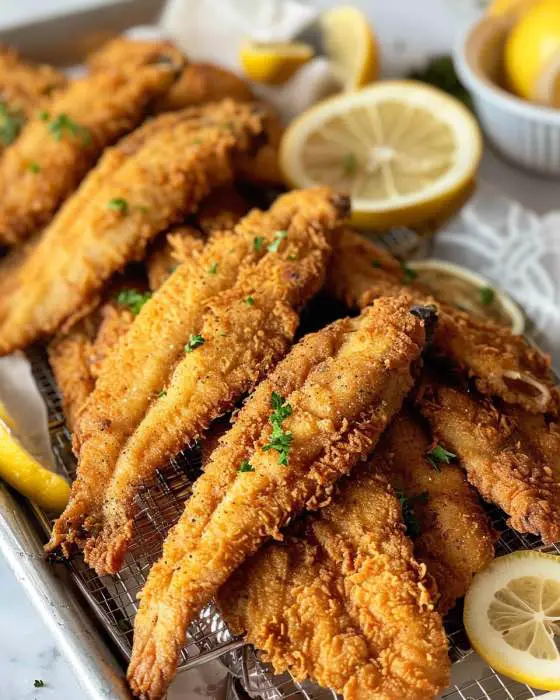
Fried Catfish: The Ultimate Guide to Crispy, Golden Southern Perfection
Introduction
Fried catfish stands as one of the most beloved comfort foods in Southern cuisine. Moreover, this crispy, golden delight delivers incredible flavor with a satisfying crunch that keeps people coming back for more. Whether you’re planning a family fish fry or simply craving restaurant-quality catfish at home, mastering this classic dish is easier than you think.
Furthermore, fried catfish offers excellent nutritional value. It provides lean protein while maintaining that irresistible crispy texture everyone loves. In this comprehensive guide, you’ll learn everything from selecting the freshest fish to achieving that perfect golden-brown crust. Additionally, we’ll explore various seasoning blends, cooking techniques, and expert tips that will transform your fried catfish from good to exceptional.
What Makes Fried Catfish Special
Historical Significance
Fried catfish holds deep roots in American culinary history. Specifically, it emerged as a staple food in Southern communities during the 19th century. Similarly, catfish became increasingly popular because of its abundance in rivers and streams throughout the region.
The tradition of frying catfish grew from practical necessity. Consequently, families developed techniques to preserve and enhance this readily available protein source. Today, fried catfish represents cultural heritage and continues to bring communities together at fish fries and gatherings.
Nutritional Benefits
Catfish provides impressive nutritional value beyond its delicious taste. Notably, it contains:
-
High-quality lean protein for muscle maintenance
-
Omega-3 fatty acids supporting heart health
-
Essential vitamins including B12 and D
-
Important minerals like selenium and phosphorus
-
Lower mercury levels compared to many fish species
Therefore, including fried catfish in your diet offers both enjoyment and nutritional benefits. However, mindful preparation methods help maintain these health advantages.
Versatility in Preparation
Fried catfish adapts beautifully to various cooking styles and flavor preferences. For instance, you can prepare it with simple salt and pepper or elaborate spice blends. Additionally, different breading techniques create unique textures ranging from light and crispy to thick and crunchy.
Choosing the Right Catfish
Fresh vs. Frozen Catfish
Selecting quality catfish significantly impacts your final results. Fresh catfish offers superior taste and texture when available. Conversely, frozen catfish provides convenience and year-round availability while maintaining excellent quality.
Fresh Catfish Indicators:
-
Firm, springy flesh that bounces back when pressed
-
Clean, mild aroma without fishy smell
-
Clear, bright eyes if purchasing whole fish
-
Moist appearance without sliminess
-
Pinkish or white flesh color
Frozen Catfish Tips:
-
Choose packages without ice crystals
-
Ensure proper vacuum-sealed packaging
-
Check expiration dates carefully
-
Thaw gradually in refrigerator overnight
-
Pat completely dry before breading
Wild-Caught vs. Farm-Raised
Both wild-caught and farm-raised catfish offer distinct advantages. Wild-caught catfish typically has a slightly firmer texture and more pronounced flavor. Meanwhile, farm-raised catfish provides consistent quality and milder taste that appeals to many palates.
According to the USDA, farm-raised catfish meets strict safety standards and sustainability practices. Therefore, either option works wonderfully for fried catfish when properly prepared.
Portion Sizes and Cuts
Standard catfish portions typically range from 4 to 6 ounces per serving. Consequently, this size ensures proper cooking while maintaining juiciness. Furthermore, you can choose between:
-
Whole fillets: Best for traditional presentations
-
Strips or fingers: Perfect for appetizers or children
-
Nuggets: Ideal for quick cooking and snacking
Essential Ingredients and Equipment
Key Ingredients
For the Breading:
-
2 cups cornmeal (yellow or white)
-
1 cup all-purpose flour
-
2 tablespoons Cajun seasoning
-
1 tablespoon paprika
-
2 teaspoons garlic powder
-
2 teaspoons onion powder
-
1 teaspoon black pepper
-
1 teaspoon salt
-
½ teaspoon cayenne pepper (optional)
For the Wet Mixture:
-
2 cups buttermilk or whole milk
-
2 large eggs
-
1 tablespoon hot sauce
-
1 teaspoon salt
For Frying:
-
Vegetable oil, peanut oil, or canola oil (approximately 2-3 quarts)
Necessary Equipment
Proper equipment ensures consistent results when frying catfish. Therefore, gather these essential tools:
-
Heavy-bottomed pot or deep fryer
-
Cooking thermometer for accurate temperature monitoring
-
Wire cooling rack for draining excess oil
-
Slotted spoon or spider strainer for safe handling
-
Shallow dishes for breading station
-
Paper towels for final oil absorption
Classic Southern Fried Catfish Recipe
Ingredients List
Serves 4-6 people
Catfish:
-
2 pounds catfish fillets, cut into serving-size pieces
-
Peanut or vegetable oil for frying
Dry Coating:
-
1½ cups yellow cornmeal
-
½ cup all-purpose flour
-
1 tablespoon Cajun seasoning
-
1 tablespoon paprika
-
2 teaspoons garlic powder
-
2 teaspoons onion powder
-
1 teaspoon black pepper
-
1 teaspoon salt
-
½ teaspoon cayenne pepper
Wet Mixture:
-
1½ cups buttermilk
-
2 eggs
-
1 tablespoon hot sauce
-
½ teaspoon salt
Step-by-Step Instructions
Preparation Phase
First, pat catfish fillets completely dry with paper towels. Subsequently, this step proves crucial for proper breading adhesion. Next, season fillets lightly with salt and pepper on both sides.
Setting Up Your Breading Station
Meanwhile, organize three shallow dishes for efficient breading:
-
First dish: Combine dry coating ingredients thoroughly
-
Second dish: Whisk together buttermilk, eggs, hot sauce, and salt
-
Third dish: Reserve additional cornmeal mixture for final coating
Breading Process
Follow this systematic approach for perfect coating:
-
Dredge catfish in dry mixture, coating completely
-
Dip coated fish into buttermilk mixture, ensuring full coverage
-
Return to dry mixture, pressing firmly to adhere coating
-
Shake gently to remove excess breading
-
Place breaded fillets on clean plate or rack
Additionally, avoid touching breaded fillets unnecessarily. Therefore, this prevents coating from falling off during frying.
Frying Instructions
Heat oil to 350°F in large, heavy-bottomed pot. Specifically, maintain this temperature throughout cooking for optimal results.
Frying Steps:
-
Carefully lower 2-3 fillets into hot oil
-
Avoid overcrowding to maintain oil temperature
-
Fry for 3-4 minutes per side
-
Watch for golden-brown color development
-
Internal temperature should reach 145°F
-
Remove with slotted spoon to wire rack
-
Allow oil to return to 350°F between batches
Furthermore, never cover fried catfish immediately after cooking. Instead, this causes steam buildup that softens the crispy coating.
Mastering the Breading Technique
The Three-Step Coating Method
Achieving perfectly crispy fried catfish requires proper breading technique. Therefore, understanding each step ensures consistent results.
First Layer: Dry Dredge
Initially, coating fish in dry mixture creates foundation for subsequent layers. Consequently, this step absorbs surface moisture and provides texture for wet mixture adhesion. Press flour mixture gently into fish flesh for maximum coverage.
Second Layer: Wet Dip
Next, the buttermilk mixture serves multiple purposes. Primarily, it acts as binding agent between dry layers. Additionally, buttermilk’s acidity tenderizes fish while adding subtle tanginess. Ensure complete coverage without excessive dripping.
Final Layer: Second Dry Coat
Finally, the second dry coating creates that signature crispy texture. Moreover, pressing firmly at this stage ensures maximum breading adhesion. Consequently, your fried catfish develops that perfect golden crust everyone craves.
Tips for Extra Crispy Coating
Want restaurant-quality crispiness? Try these professional techniques:
-
Refrigerate breaded fish: Let coated fillets rest 15-30 minutes before frying
-
Double coating: Repeat wet-dry process for thicker crust
-
Add cornstarch: Mix 2 tablespoons into dry coating for extra crunch
-
Use panko breadcrumbs: Substitute half the cornmeal for lighter texture
-
Season each layer: Don’t rely solely on final coating for flavor
Frying Methods and Temperature Control
Oil Selection and Temperature
Choosing appropriate frying oil significantly impacts flavor and texture. Specifically, neutral oils with high smoke points work best for fried catfish.
Recommended Oils:
-
Peanut oil (smoke point: 450°F)
-
Canola oil (smoke point: 400°F)
-
Vegetable oil (smoke point: 400°F)
-
Sunflower oil (smoke point: 440°F)
Meanwhile, maintain oil temperature between 350-365°F throughout cooking. Therefore, consistent temperature prevents greasy or burnt results.
Deep Frying vs. Pan Frying
Both methods produce excellent fried catfish with slight differences.
Deep Frying Benefits
Deep frying provides several advantages:
-
More even cooking and browning
-
Less hands-on attention required
-
Crispier overall texture
-
Easier temperature maintenance
-
Better for large batches
Pan Frying Advantages
Conversely, pan frying offers practical benefits:
-
Uses less oil
-
Easier cleanup process
-
Better for small batches
-
More control over browning
-
Suitable for home kitchens
Monitoring Doneness
Properly cooked catfish exhibits specific characteristics. Specifically, look for these indicators:
-
Golden-brown exterior color
-
Internal temperature of 145°F
-
Flesh flakes easily with fork
-
Coating stays firmly attached
-
No translucent areas remain
Furthermore, avoid overcooking to prevent dry, tough texture. Therefore, remove fish promptly when done.
Seasoning Variations and Flavor Profiles
Classic Southern Seasoning
Traditional Southern fried catfish features bold, savory flavors. Typically, this blend includes:
-
Paprika for color and mild sweetness
-
Garlic powder for savory depth
-
Onion powder for aromatic complexity
-
Black pepper for gentle heat
-
Cayenne pepper for spicy kick
Cajun-Style Seasoning
Cajun seasoning brings Louisiana flair to fried catfish. Consequently, this spicier version incorporates:
-
Increased cayenne pepper
-
White pepper for different heat profile
-
Dried thyme and oregano
-
Additional paprika
-
Touch of mustard powder
Lemon Pepper Variation
For brighter, citrusy notes, try lemon pepper seasoning:
-
Freshly ground black pepper
-
Lemon zest (dried or fresh)
-
Granulated garlic
-
Mild paprika
-
Sea salt
Herb-Crusted Option
Fresh herbs elevate fried catfish to gourmet status. Specifically, add:
-
Finely minced fresh parsley
-
Dried dill weed
-
Dried basil
-
Garlic powder
-
Onion powder
Side Dishes That Complement Fried Catfish
Traditional Southern Sides
Fried catfish pairs beautifully with classic Southern accompaniments. Therefore, consider these traditional options:
Coleslaw: Creamy or vinegar-based slaw provides refreshing contrast to rich fried fish. Additionally, the cool, crunchy texture balances hot, crispy coating perfectly.
Hush Puppies: These cornmeal fritters complement fried catfish naturally. Moreover, they utilize similar ingredients and cooking methods.
French Fries: Classic golden fries never disappoint alongside fried catfish. Similarly, sweet potato fries offer nutritious alternative with natural sweetness.
Tartar Sauce: Homemade tartar sauce enhances mild catfish flavor beautifully. Furthermore, its creamy tanginess cuts through richness effectively.
Fresh Vegetable Options
Balance fried catfish with lighter vegetable sides:
-
Steamed green beans with garlic
-
Grilled corn on the cob
-
Fresh tomato and cucumber salad
-
Sautéed collard greens
-
Roasted Brussels sprouts
Starch-Based Accompaniments
Hearty starches complete satisfying fried catfish meals:
-
Creamy mashed potatoes
-
Buttered rice pilaf
-
Baked sweet potatoes
-
Cornbread or corn muffins
-
Macaroni and cheese
According to nutrition experts, balancing fried foods with vegetables creates more wholesome meals.
Common Mistakes and How to Avoid Them
Overcrowding the Pan
Overcrowding represents the most common frying mistake. Specifically, too many fillets lower oil temperature dramatically. Consequently, this results in greasy, soggy coating instead of crispy texture.
Solution: Fry 2-3 pieces maximum at once. Meanwhile, maintain proper spacing between fillets for even cooking.
Incorrect Oil Temperature
Temperature control determines frying success or failure. Too hot causes burnt exterior with raw interior. Conversely, too cool creates greasy, heavy coating.
Solution: Use reliable thermometer and monitor consistently. Additionally, adjust heat as needed between batches.
Wet Fish Surface
Moisture prevents proper breading adhesion and causes splattering. Therefore, wet fish leads to coating falling off during frying.
Solution: Pat fillets completely dry before breading. Furthermore, allow breaded fish to rest before frying.
Insufficient Seasoning
Under-seasoned breading produces bland fried catfish. Similarly, relying solely on dipping sauce misses opportunity for flavor development.
Solution: Season both fish and breading generously. Additionally, taste dry mixture before coating fish.
Covering Hot Fish
Covering freshly fried catfish immediately traps steam. Consequently, this moisture softens crispy coating you worked hard to achieve.
Solution: Drain on wire rack in single layer. Moreover, serve immediately for best texture.
Storing and Reheating Tips
Proper Storage Methods
Leftover fried catfish requires careful storage to maintain quality. First, cool completely to room temperature before refrigerating.
Refrigerator Storage:
-
Place in airtight container
-
Store up to 3 days maximum
-
Keep separate from moist foods
-
Line container with paper towels
Freezer Storage:
-
Wrap individually in plastic wrap
-
Place in freezer-safe bags
-
Remove excess air before sealing
-
Label with date clearly
-
Store up to 2 months
Reheating Techniques
Reheating fried catfish properly restores crispy texture. Therefore, avoid microwave reheating which creates soggy coating.
Oven Method (Best Results)
-
Preheat oven to 375°F
-
Place catfish on wire rack over baking sheet
-
Heat for 10-12 minutes
-
Flip halfway through reheating
-
Check internal temperature reaches 145°F
Air Fryer Method (Quick Option)
-
Preheat air fryer to 350°F
-
Arrange fillets in single layer
-
Heat for 5-7 minutes
-
Flip once during cooking
-
Serve immediately when crispy
Stovetop Method (Emergency Option)
-
Heat small amount of oil in skillet
-
Cook over medium heat 2-3 minutes per side
-
Monitor closely to prevent burning
-
Drain on paper towels before serving
Frequently Asked Questions
How do you keep fried catfish crispy?
Keeping fried catfish crispy requires proper draining and storage techniques. Immediately after frying, place fillets on wire rack rather than paper towels. Additionally, serve within 30 minutes for optimal texture. Never cover hot fried catfish, as trapped steam softens coating.
Can you prepare catfish ahead of time?
Yes, you can bread catfish several hours before frying. Specifically, place breaded fillets on parchment-lined tray and refrigerate up to 4 hours. Furthermore, this resting period actually improves coating adhesion. However, fry just before serving for best results.
What’s the best way to remove fishy smell?
Soaking catfish in milk or buttermilk for 30 minutes before breading eliminates fishy odors effectively. Additionally, ensure you’re using fresh fish and proper storage methods. Fresh catfish should have minimal smell when purchased.
How thick should catfish fillets be?
Ideal catfish fillets measure ½ to ¾ inch thick for even cooking. Thicker fillets may require longer frying time. Conversely, thinner pieces cook faster but risk drying out. Therefore, cut larger fillets into uniform portions.
Can you use an air fryer for catfish?
Air fryers produce excellent results with significantly less oil. Specifically, spray breaded catfish lightly with cooking spray before air frying at 400°F for 10-12 minutes. However, texture differs slightly from traditional deep frying.
What internal temperature should fried catfish reach?
According to FDA guidelines, fish should reach 145°F internal temperature. Moreover, properly cooked catfish flakes easily and appears opaque throughout. Therefore, use instant-read thermometer for accuracy.
Why does breading fall off during frying?
Breading falls off due to several factors: wet fish surface, insufficient resting time, or improper coating technique. Therefore, ensure fish is completely dry before breading. Additionally, let coated fish rest 15 minutes before frying.
Conclusion
Fried catfish delivers unmatched Southern comfort food satisfaction when prepared correctly. Throughout this comprehensive guide, you’ve learned essential techniques for selecting quality fish, creating flavorful breading, and achieving perfect crispy texture. Moreover, understanding proper frying temperatures and avoiding common mistakes ensures consistent restaurant-quality results at home.
Remember that successful fried catfish starts with fresh ingredients and proper preparation. Additionally, maintaining correct oil temperature throughout cooking produces that signature golden-brown exterior everyone loves. Furthermore, experimenting with different seasonings and serving suggestions helps you discover your perfect combination.
Whether you’re planning traditional fish fry or weeknight family dinner, these techniques guarantee delicious fried catfish every time. Therefore, gather your ingredients, heat that oil, and start creating crispy, flavorful catfish that brings people together around your table.
Fried Catfish
Description
Fried Catfish
Ingredients:
-
4 catfish fillets
-
2 cups buttermilk
-
1 tablespoon hot sauce (optional, for extra flavor)
-
1 ½ cups cornmeal
-
½ cup all-purpose flour
-
1 teaspoon garlic powder
-
1 teaspoon onion powder
-
1 teaspoon paprika
-
½ teaspoon cayenne pepper (optional, for heat)
-
1 teaspoon salt
-
½ teaspoon black pepper
-
Vegetable oil (for frying)
-
Lemon wedges (for serving)
Instructions:
-
Marinate the Catfish
-
Rinse the catfish fillets and pat dry.
-
In a bowl, mix buttermilk with hot sauce.
-
Submerge the fillets and let them marinate for at least 30 minutes (up to 2 hours in the fridge).
-
-
Prepare the Coating
-
In a shallow dish, combine cornmeal, flour, garlic powder, onion powder, paprika, cayenne, salt, and black pepper.
-
-
Coat the Fish
-
Remove fillets from the buttermilk and let excess drip off.
-
Dredge in the cornmeal mixture, pressing lightly so the coating sticks.
-
-
Fry the Catfish
-
Heat 2 inches of vegetable oil in a deep skillet to 350°F (175°C).
-
Fry the fillets in batches for 4–5 minutes per side until golden brown and crispy.
-
Remove and place on a wire rack or paper towel-lined plate.
-
-
Serve
-
Serve hot with lemon wedges, tartar sauce, or hot sauce.
-
Pair with coleslaw, hush puppies, or French fries for a classic Southern meal.
-